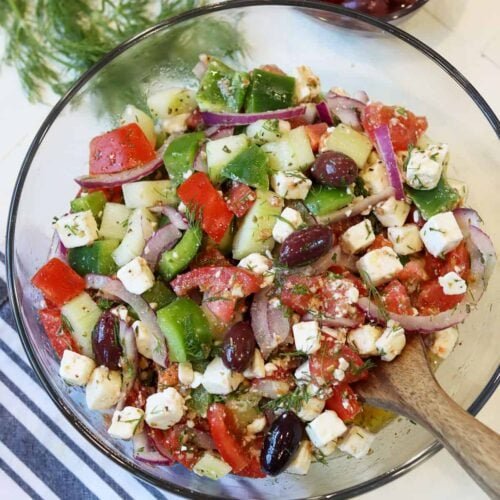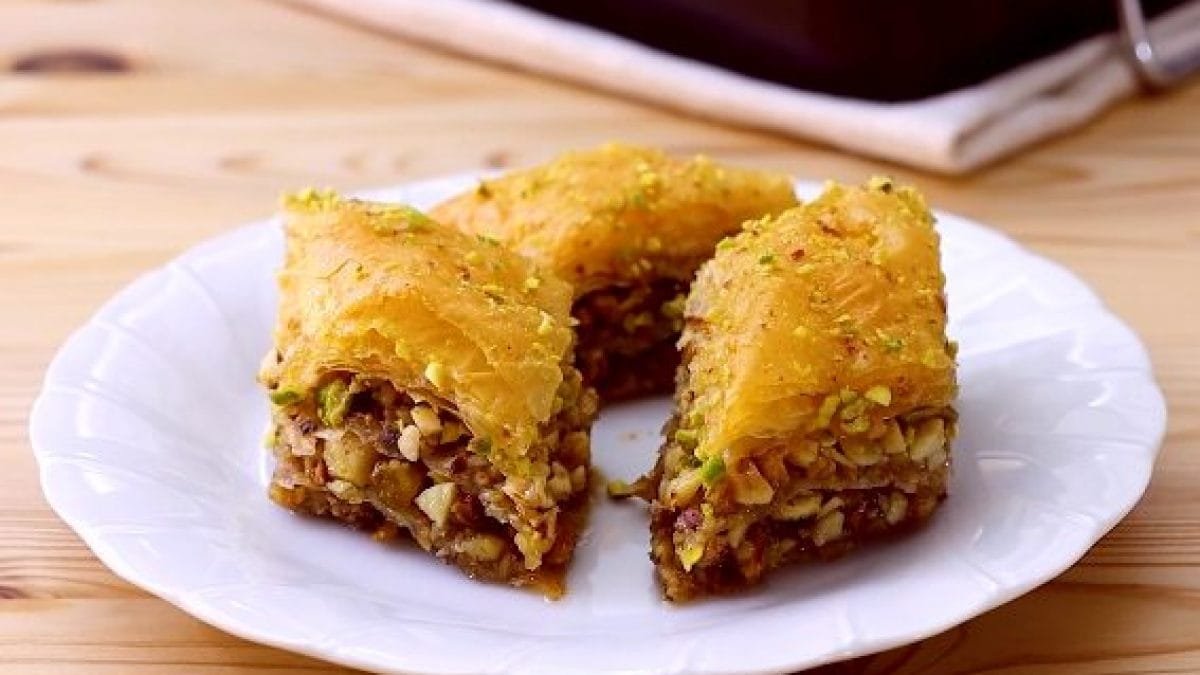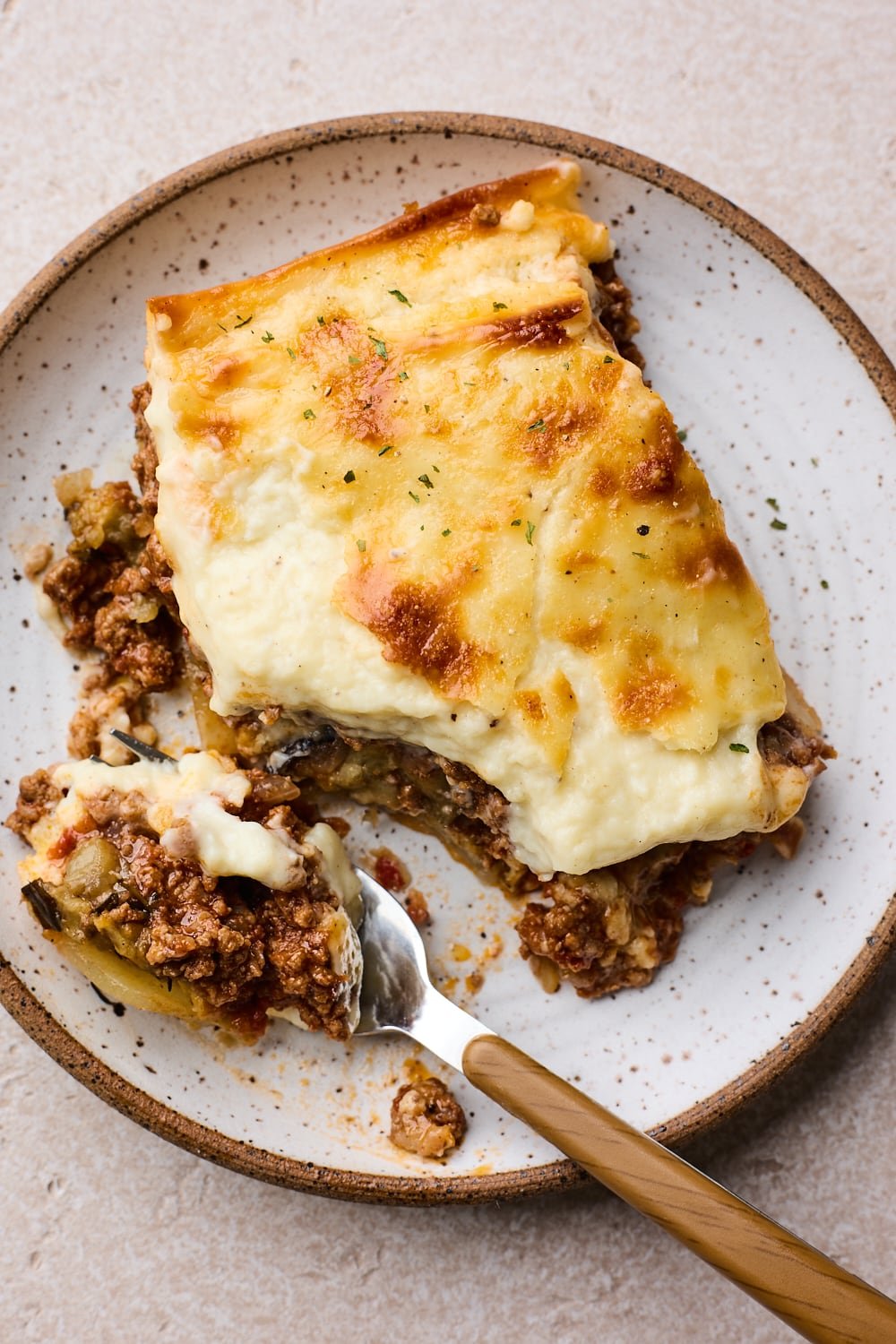

In the rich tapestry of Greek culinary tradition, one element stands out as quintessential to its identity: olive oil. The question arises—Why is olive oil the foundation of Greek Mediterranean diet? This seemingly simple ingredient encapsulates centuries of cultural evolution, health benefits, and culinary artistry, making it much more than just a cooking staple. Olive oil symbolizes the very essence of Greek lifestyle, embodying health, tradition, and the Mediterranean spirit. Understanding its central role provides insight not only into Greek cuisine but also into the broader principles of the Mediterranean diet, renowned worldwide for its healthful qualities.
The Central Role of Olive Oil in the Greek Mediterranean Diet

Olive oil is the cornerstone of the Greek Mediterranean diet, woven into almost every meal from breakfast to dinner. It influences the flavors, preparation techniques, and even social rituals around food. Unlike processed fats or butter, Greek olive oil is minimally refined, offering a natural richness that elevates the simplest dishes—whether drizzling over fresh vegetables, mixing into salads, or used for frying fish. Its omnipresence in Greek cuisine reflects a cultural reverence for natural, unadulterated ingredients, emphasizing a holistic approach to nourishment that has persisted over millennia. This habitual use ingrains olive oil into daily life, making it a symbol of Greek identity and an essential component of their dietary practices.
Furthermore, the role of olive oil extends beyond nourishment; it’s deeply tied to Greece’s social and spiritual fabric. Traditional rituals, such as olive oil tastings or offerings at religious festivals, highlight its importance in cultural expressions. The Mediterranean diet’s emphasis on whole, plant-based foods aligns with the characteristics of pure olive oil, which complements fresh vegetables, legumes, and whole grains. This symbiotic relationship between the oil and raw ingredients reinforces why olive oil is the foundation of Greek eating habits—it’s not merely a cooking fat but a lifestyle pillar that embodies health, tradition, and regional pride.


Nutritional Benefits of Olive Oil: A Cornerstone of Greek Health
The health advantages of olive oil are profound and well-documented, underpinning its status as a cornerstone of Greek health. Rich in monounsaturated fats, especially oleic acid, olive oil plays a crucial role in reducing LDL cholesterol levels while increasing HDL cholesterol. This lipid profile helps prevent cardiovascular diseases, a leading cause of mortality worldwide, and explains the impressive longevity rates observed among Greeks, particularly in regions like Crete and Ikaria. Beyond healthy fats, olive oil is packed with antioxidants such as polyphenols and vitamin E, which combat oxidative stress and inflammation—factors associated with aging and many chronic illnesses.
What makes olive oil unique in the context of the Greek diet is its bioactive compounds, which contribute to disease prevention and overall well-being. Regular consumption has been linked not only to reduced risks of heart disease but also to improved cognitive function and decreased incidences of certain cancers. The antioxidant properties protect cells at a molecular level, thus extending healthy life expectancy. This deep nutritional value forms the backbone of why the Greek Mediterranean diet is revered for its health-promoting effects, positioning olive oil not just as an ingredient but as a vital element of preventive medicine rooted in culinary tradition.
Olive Oil Production and Consumption in Greece: A Cultural Staple

Greece’s extensive history with olive cultivation dates back over 3,000 years, making it one of the earliest regions to develop systematic olive oil production methods. Greek landscapes are dotted with ancient groves, with each region boasting distinctive varieties of olives that influence flavor profiles and oil characteristics. The production process—careful harvesting, cold-pressing, and minimal processing—preserves the nutrients and flavors that make Greek olive oil globally renowned. This tradition is passed down through generations, ensuring that each bottle embodies both cultural heritage and geographic identity.
High consumption rates of olive oil in Greece reflect cultural pride and economic significance. It is a daily ritual—used in cooking, dipping bread, marinating, or as a finishing touch—serving as a symbol of hospitality and region-specific identity. This ingrained consumption has fostered a sustainable local industry that supports small-scale farmers and preserves rural communities. Moreover, Greece’s focus on quality over quantity, emphasizing extra virgin olive oil, guarantees the health and flavor benefits that underpin its consistent presence at Greek tables. This cultural integration solidifies olive oil not just as a commodity but as a vital element of Greek life, history, and social values.
How Olive Oil Contributes to the Longevity of the Greek Population

One of the most remarkable aspects of the Greek Mediterranean diet is the extraordinary longevity of its inhabitants, particularly in regions like Ikaria and Crete. Researchers attribute this to their dietary staples—olive oil being paramount—alongside fresh vegetables, moderate wine consumption, and active lifestyles. Olive oil’s anti-inflammatory and antioxidant properties play a decisive role here. By reducing chronic disease risk factors and promoting cardiovascular health, it enables Greeks to enjoy healthier, longer lives—sometimes exceeding the age of 90 or 100.
The integration of olive oil into traditional cooking practices offers continuous intake of beneficial compounds that help mitigate oxidative stress and cellular aging. Moreover, the sense of community and the emphasis on fresh, unprocessed foods—including olive oil—foster mental and emotional well-being, further supporting longevity. These lifestyle habits exemplify a synergy where diet, environment, and cultural practices converge, with olive oil as a central element. This connection underscores Why is olive oil the foundation of Greek Mediterranean diet?—it’s not just about nourishment but about promoting a sustainable, healthful way of living that generations have cultivated and cherished.


The Unique Qualities of Greek Olive Oil and its Impact on Flavor
Greek olive oil is distinguished by its rich, robust flavor profile—ranging from fruity and grassy to slightly peppery—depending on the variety and region of origin. This diversity reflects the local terroir and cultivation practices, making each bottle a reflection of its landscape. The intense aroma and complex taste enhance both traditional and innovative culinary experiences, providing depth and character to dishes that otherwise might lack complexity. Many chefs and home cooks prize Greek olive oil precisely for its ability to elevate simple ingredients into gourmet fare.
Beyond flavor, Greek olive oil possesses a distinct purity and freshness that stems from strict production standards and the preference for extra virgin quality. This high-quality attribute preserves its nutrients and aromatic compounds, making it not only a flavor enhancer but also a health booster. The sensory qualities of Greek olive oil create emotional and cultural resonance—tasting it often invokes a sense of place, history, and identity. This multi-sensory experience reinforces its irreplaceable role in Greek cuisine and why it is foundational in their diet, weaving together tradition, flavor, and health benefits into a cohesive culinary philosophy.
Olive Oil vs. Other Fats: Why it Reigns Supreme in the Greek Diet
Though other fats—such as butter, margarine, or vegetable oils—are commonly used worldwide, olive oil holds a unique and elevated position within the Greek diet. Its stability at high temperatures, combined with its richness in monounsaturated fats and antioxidants, makes it a healthier choice than many processed or hydrogenated fats that promote oxidative stress and inflammation. From a culinary perspective, olive oil’s versatility allows it to be used in everything from raw salads to sautéing, baking, and even frying, maintaining flavor integrity and nutritional value across diverse preparations.
The cultural preference for olive oil is also rooted in environmental and health considerations. Greeks favor the use of locally produced, traditional extra virgin olive oil over commercially processed alternatives, emphasizing purity and quality. This conscious choice aligns with the broader lifestyle of moderation, natural products, and respect for regional heritage. Its dominance in the Greek Mediterranean diet highlights a deep understanding of its health benefits and culinary potential—why it reigns supreme is because it embodies the ideals of functional food that supports a balanced and sustainable way of living, unlike other fats that often lack such multidimensional appeal.


Conclusion
In essence, Why is olive oil the foundation of Greek Mediterranean diet? It’s because this humble yet powerful ingredient encapsulates the core principles of Greek life—health, tradition, flavor, and sustainability. Its central role in daily nutrition bolsters the well-being and longevity of Greeks, rooted in centuries-old cultural practices and local production heritage. The unique qualities of Greek olive oil—rich flavor, high nutritional value, and purity—make it indispensable not only for culinary excellence but also as a symbol of regional identity and continuity. Its superiority over other fats stems from its health-promoting properties and versatility, solidifying its status as the defining element of the Greek Mediterranean diet and a model for wholesome living worldwide.