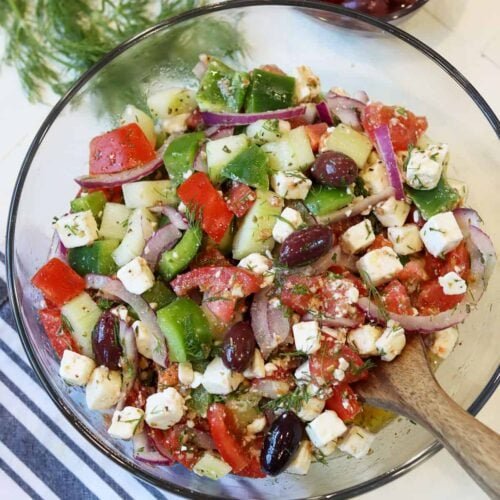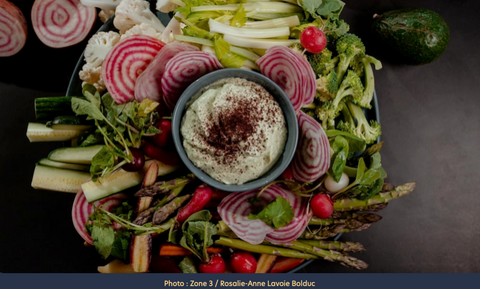

Why do Greek recipes feature feta cheese prominently? This question invites us into the heart of Greek culinary tradition and cultural identity. Feta cheese, with its distinctive tang and crumbly texture, has become synonymous with Greek cuisine, gracing everything from salads to baked dishes. Its pervasive presence is not coincidental but rooted in centuries of history, geography, and cultural practices. Exploring the reasons behind this prominence reveals a rich culinary tapestry where feta’s significance is intertwined with Greece’s identity, history, and innovative spirit.
In this article, we will delve into the historical roots of feta cheese in Greek cuisine, examine its unique flavor profile and culinary flexibility, analyze its nutritional benefits, consider the impact of its Protected Designation of Origin (PDO) status, and explore modern adaptations that continue to elevate its role. Why do Greek recipes feature feta cheese prominently? It’s a question that opens up an appreciation for both tradition and innovation in Greek gastronomy.
Feta’s Deep Roots in Greek Culinary History

Greek culinary history is deeply intertwined with numerous ancient and medieval food traditions, and feta’s origins are no exception. Feta has been produced in Greece for thousands of years, with archaeological evidence suggesting that fermented cheese-making practices date back to ancient times. The specific method of brining and aging feta developed over centuries, cementing its role as a staple ingredient in Greek diets. Its longstanding presence speaks to its cultural importance—passed down through generations as a symbol of Greek hospitality, culinary identity, and resourcefulness in utilizing local dairy resources.
The regional production of feta has historically been supported by Greece’s diverse landscape—mountains, pastures, and coastal areas—providing abundant dairy and fresh sheep and goat milk, the primary ingredients for traditional feta. As a result, feta isn’t merely a cheese but a reflection of Greece’s rural economy and lifestyle. Its role in traditional festivities, feasts, and everyday meals reinforces the idea that feta is embedded in Greece’s cultural fabric. The resilience of feta’s place in Greek cuisine despite modern influences emphasizes its deep-rooted significance, elevating it from mere ingredient to a symbol of national culinary heritage.


The Unique Flavor Profile of Feta and Its Appeal in Greek Cuisine

Feta cheese possesses a complex flavor profile that embodies the essence of Greek culinary aesthetics. It strikes a harmonious balance between sharpness, saltiness, and a slightly tangy, milky undertone, which makes it distinctive and immediately recognizable. The crumbly texture allows it to melt softly or stand firm when added to various dishes, providing both flavor and texture enhancement. This versatile profile is part of what makes feta so appealing and adaptable within Greek cuisine, allowing it to blend seamlessly with fresh vegetables, herbs, olive oil, and lemon.
The appeal of feta’s flavor lies in its ability to evoke the flavors of the Mediterranean—reminding one of sun-drenched landscapes, fragrant herbs, and the ocean’s saltiness. Its fermentation process develops a rich umami depth that complements a wide array of ingredients. The flavor’s complexity invites culinary creativity, encouraging chefs and home cooks alike to experiment with different pairings and dishes. It’s this rich, multifaceted taste experience that makes feta land in the center of Greek dishes and why Why do Greek recipes feature feta cheese prominently?—because of its ability to elevate simple ingredients into memorable and authentic meals.


Feta’s Versatility in Greek Recipes: From Salads to Baked Dishes

One of feta’s greatest strengths is its remarkable versatility, which plays a vital role in its prominence in Greek cuisine. It can be crumbled over a refreshing salad like the classic Greek horiatiki or layered into savory pastries like spanakopita and tiropita. Its ability to absorb flavors during marination or baking, while retaining a delightful crumbly consistency, makes it a fundamental ingredient across a broad spectrum of dishes. In many Greek households, feta is an “everyday” cheese—used in breakfast, lunches, and dinners, demonstrating its culinary indispensability.
Moreover, feta’s adaptability extends to modern culinary innovations, from savory pies to grilled appetizers and even desserts infused with honey and nuts. The cheese’s capacity to function as both a main ingredient and a finishing touch exemplifies its flexibility and underpins its essential role in Greek culinary identity. Its capacity to marry well with herbs like oregano and thyme, vegetables like tomatoes and cucumbers, and grains such as bulgur, underscores why Why do Greek recipes feature feta cheese prominently?—because it’s a dynamic ingredient capable of elevating a humble dish into a celebration of Greek flavors.


Nutritional Value of Feta Cheese and Its Role in Greek Diets
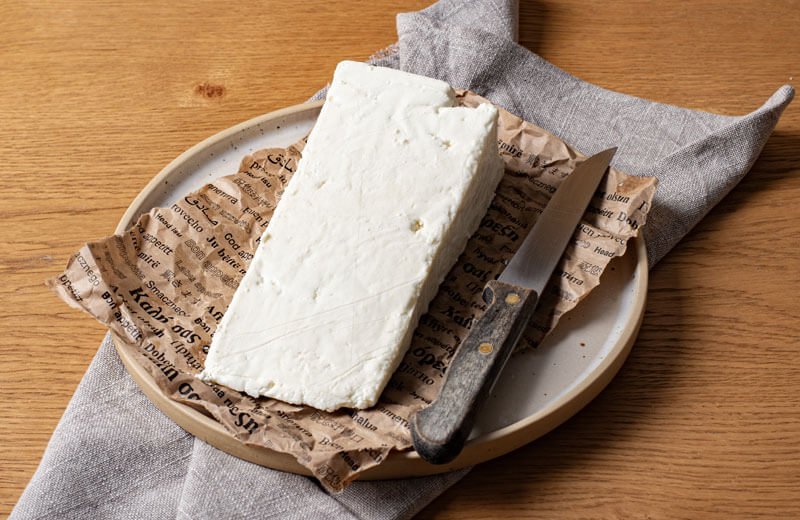
Beyond flavor and versatility, feta cheese carries significant nutritional value that complements the health-conscious elements of the Greek diet. Rich in protein, calcium, and beneficial probiotics, feta supports bone health, digestion, and muscle maintenance. Its lower fat content compared to other cheeses, combined with the presence of healthy fats from sheep or goat milk, makes it a wholesome addition—especially in a Mediterranean diet celebrated for its health benefits. Greek cuisine often emphasizes fresh, minimally processed ingredients, and feta exemplifies this approach, contributing not only to flavor but also to balanced nutrition.
In Greek dietary practices, feta’s role extends beyond taste; it reflects a lifestyle centered on moderation and nutrient-rich foods. Its inclusion in numerous traditional dishes—like salads, baked casseroles, and cheese spreads—reinforces the idea that Greek cuisine values both taste and health. This synergy of nutrition and flavor helped establish feta—not just as a culinary staple but as a nutritional icon—cementing its importance in Greek dietary culture and perhaps explaining why Why do Greek recipes feature feta cheese prominently?


Feta’s Protected Designation of Origin (PDO) Status and Its Impact on Greek Identity
In 2002, feta cheese received European Union’s Protected Designation of Origin (PDO) status, officially recognizing it as a product originating from Greece with specific production qualities and traditional methods. This legal recognition has significantly reinforced feta’s cultural and economic importance, protecting Greek dairy artisans from imitation and ensuring the preservation of authentic production techniques. The PDO status has also bolstered national pride—feta is no longer just a local delicacy but a symbol of Greek culinary heritage on the global stage.
The impact of this status extends beyond economics, shaping perceptions of Greek identity on the international level. It affirms that feta is a vital part of Greek history, landscape, and culture, serving as an intangible cultural heritage that embodies traditional craftsmanship. This recognition creates a sense of authenticity and pride for Greeks, helps sustain local producers, and bolsters Greek culinary tourism. The PDO status underscores why Greek recipes feature feta prominently—not only because of its flavor and versatility but as a national emblem representing Greece’s culinary sovereignty.


Beyond Salads: Exploring Innovative Uses of Feta in Modern Greek Cooking
While feta’s role in salads remains iconic, contemporary Greek cuisine is increasingly exploring innovative and unexpected uses of this beloved cheese. Chefs and home cooks are experimenting with feta-stuffed vegetables, incorporating it into pasta dishes, and even using it as a topping for gourmet pizzas. There is also a growing trend of combining feta with international flavors—spicy peppers, Asian herbs, or smoked varieties—broadening its appeal and demonstrating its adaptability beyond traditional dishes.
This creative spirit ensures feta remains relevant and exciting in today’s culinary landscape. It symbolizes Greece’s ability to honor tradition while embracing innovation. Modern recipes often highlight feta’s ability to add complex flavor notes to fusion dishes, sweet or savory. Hence, the prominence of feta in Greek food is not static but reflects a dynamic culinary evolution—one that guarantees its continuous prominence in both Greece and the global culinary scene. This ongoing innovation is a testament to why Greek recipes feature feta cheese prominently, as it proves that feta remains a versatile and essential ingredient that can transcend tradition without losing its roots.


Conclusion
Ultimately, Why do Greek recipes feature feta cheese prominently? it’s a question rooted in history, culture, flavor, and adaptability. Feta’s deep roots in Greek history reflect centuries of tradition, while its unique flavor profile and culinary flexibility make it an indispensable ingredient in both classic and modern dishes. Its nutritional value aligns with Greece’s health-conscious dietary practices, and its protected status emphasizes its cultural significance. As Greek cuisine continues to evolve, feta remains at the heart of both traditional and innovative culinary expressions, symbolizing Greece’s rich heritage and vibrant future.