
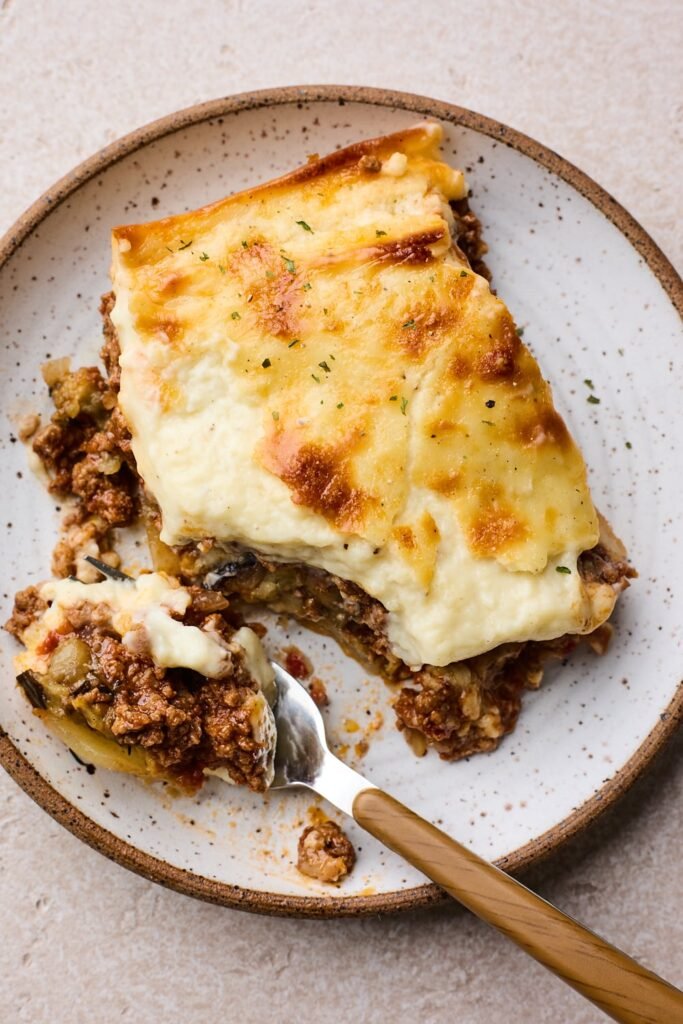
What are the layers in a classic Greek moussaka? This question often stirs curiosity among food enthusiasts and culinary explorers alike, given the dish’s reputation for its rich, layered complexity. Moussaka, a beloved Greek casserole, embodies more than just taste; it reflects a rich history of Mediterranean ingredients, culinary ingenuity, and cultural tradition. To truly appreciate what holds this dish together, one must delve into its distinctive layers, each contributing uniquely to the overall flavor profile and texture. Understanding the layers in a classic Greek moussaka is akin to uncovering the secret architecture behind an age-old masterpiece—each element plays a vital role in creating the harmony we savor with every bite.
This detailed exploration aims to answer what are the layers in a classic Greek moussaka? by breaking down its construction from the base to the finish, examining the purpose and flavor each contributes, and providing a comprehensive insight into this iconic dish’s anatomy. By the end of this guide, you’ll not only be familiar with the components but will also gain an appreciation for how these layers come together to deliver the beloved harmony of flavors and textures that define authentic Greek moussaka.
Unveiling the Layers: A Deep Dive into Classic Greek Moussaka
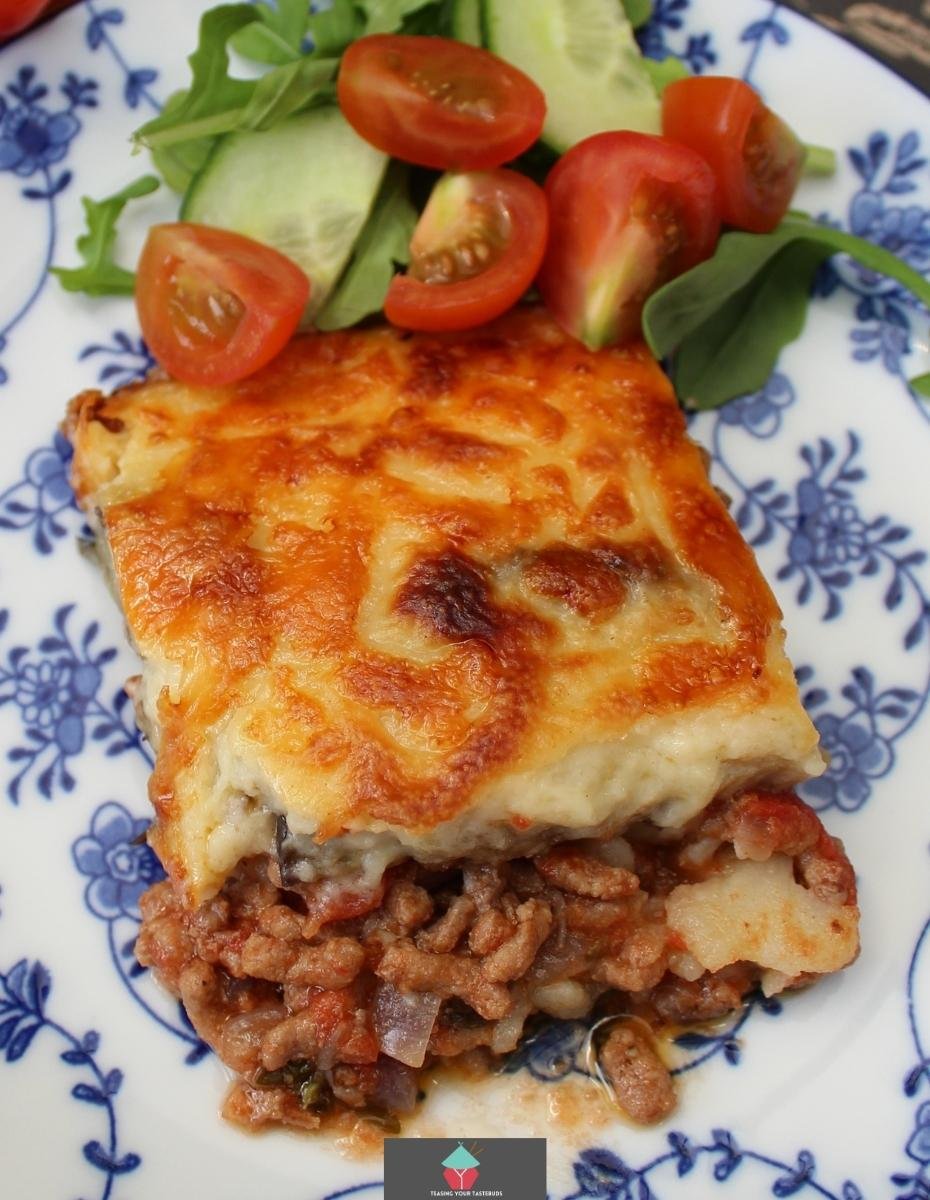
The first step in understanding what are the layers in a classic Greek moussaka is to appreciate its origin as a layered baked casserole that melds the earthy richness of vegetables with savory meats and creamy sauces. Traditionally, the dish is assembled in a specific order, each layer meticulously prepared to create a balanced flavor and textural experience. This deep dive reveals how the layering process transforms simple ingredients into an intricate culinary mosaic, where each layer interacts dynamically with the others.
The beauty of moussaka lies in its structure — it’s more than just a mixture of ingredients; it’s a carefully crafted assembly that builds depth and complexity. From the bottom, the dish’s foundation is grounded with tender, baked eggplant slices that serve as both a flavor base and a sturdy bed for subsequent layers. Above this, a fragrant meat sauce adds savory richness, often spiced with cinnamon and herbs that invoke traditional Greek flavors. Topping this is the velvety béchamel sauce, which steams and browns during baking, sealing the layers and adding creamy comfort to every bite. Each of these components plays a critical role, making the dish an ode to layered culinary artistry.


Moussaka Deconstructed: Identifying the Key Components of This Iconic Dish
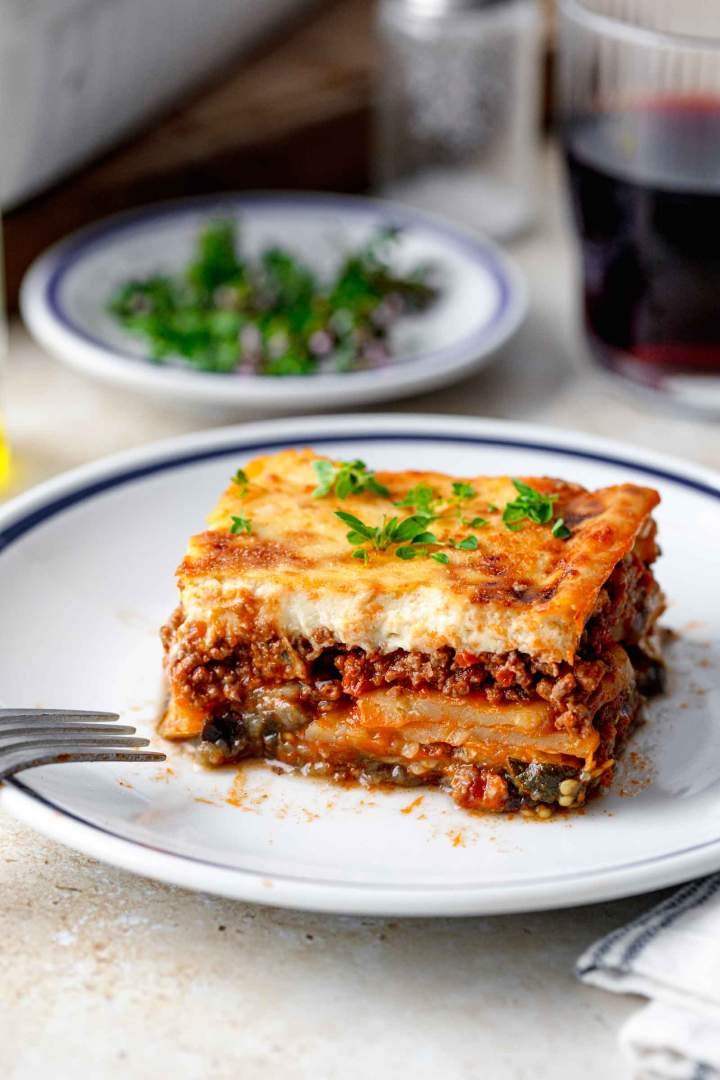
To understand what makes up a classic Greek moussaka, it’s essential to deconstruct it into its core components. First and foremost are the eggplants, which form the sturdy, flavorful base. These are sliced, often salted or fried to reduce bitterness, and baked or grilled until tender—providing a smoky, savory moment in each bite. The meat sauce that follows is typically made from ground lamb or beef, sautéed with onions, tomatoes, garlic, and a blend of herbs and spices, including cinnamon, which adds a warm, aromatic dimension. The rich, creamy béchamel sauce crowns the dish, adding a luxurious, velvety top that binds all layers and creates that distinctive golden crust.
Beyond these foundational elements, other ingredients play subtle yet significant roles. Olive oil, red wine, and aromatic herbs like oregano or parsley give depth, while occasionally adding a touch of breadcrumbs or cheese for texture. The assembly process is methodical: eggplant slices are layered in a baking dish, topped with the meat sauce, then followed by more eggplant or sauce, culminating with the béchamel. This deconstruction reveals a deliberately layered architecture built upon complementary textures and flavors. Recognizing these components helps to appreciate the balance, where each part enhances the others to deliver the classic moussaka experience.


From Bottom to Top: A Layer-by-Layer Exploration of Authentic Moussaka
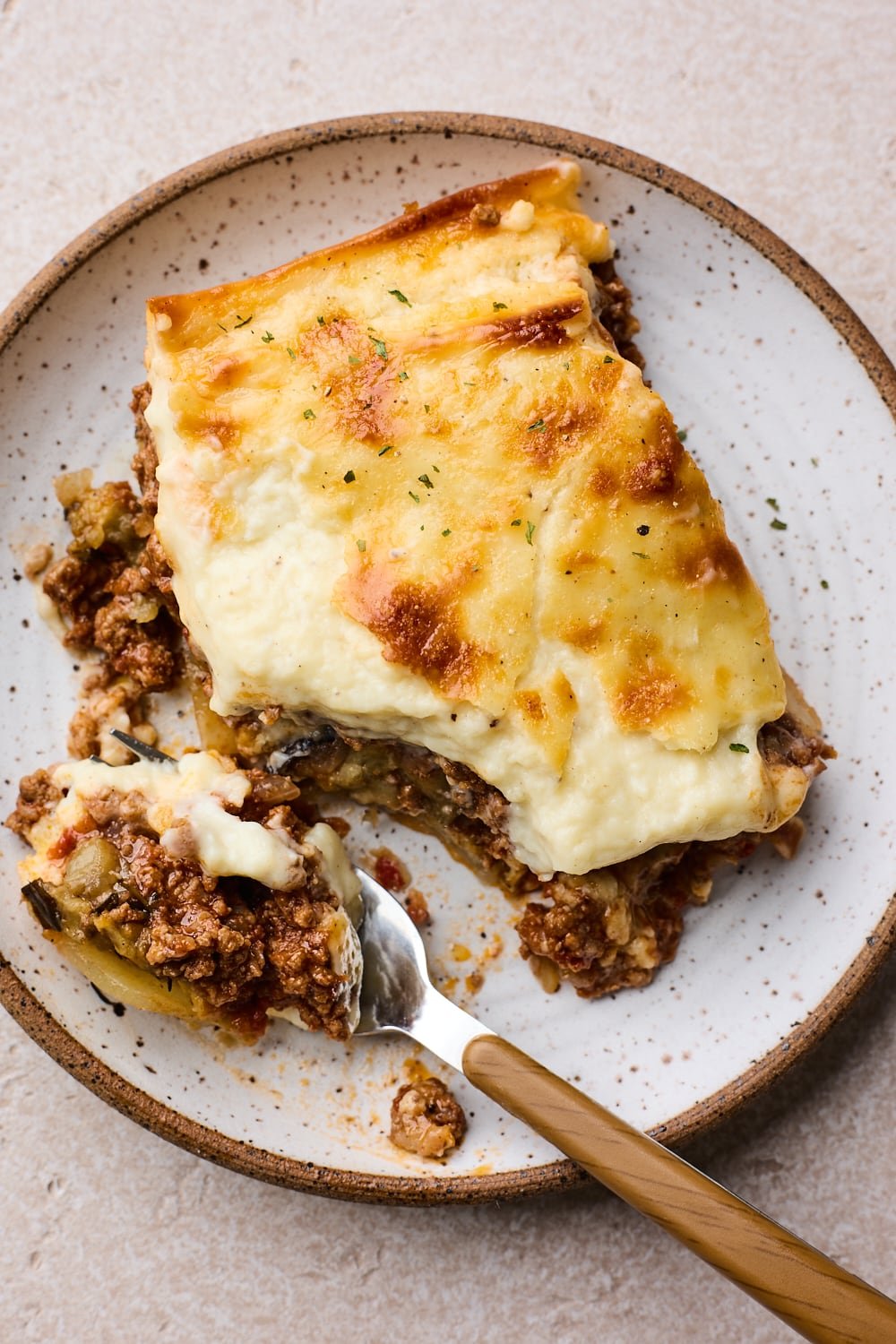
Unraveling what are the layers in a classic Greek moussaka requires a detailed, stepwise exploration of its construction, starting from the base and moving upward. At the very bottom, fried or roasted eggplant slices lay flat, creating a tender, flavorful foundation. The eggplants are often seasoned and cooked until soft and slightly caramelized, providing not just a barrier but also a robust flavor component. This layer anchors the dish both literally and figuratively, ensuring each subsequent layer has a firm, flavorful base.
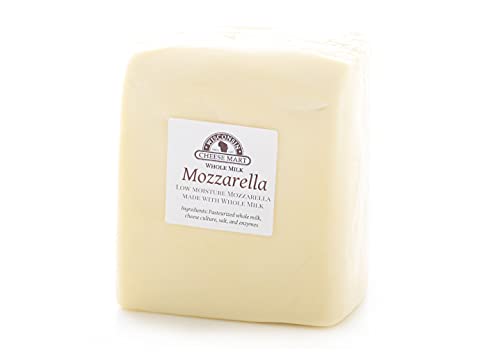
Above this, the next layer is a hearty meat sauce brimming with aromatic spices, onions, tomatoes, and sometimes a splash of red wine. This sauce envelops the eggplants with savory richness and a hint of sweetness, adding moisture and depth. Once the meat layer is evenly spread, a second layer of eggplant or a thin filling of tomato sauce might be added, depending on the regional variation. The denouement is the topmost insulation of béchamel sauce, thickened with eggs and cheese, which is poured over the assembled layers before baking. It bakes until golden, forming a crust that tantalizes both the eyes and palate. Every layer is designed to complement and contrast, revealing the meticulous craftsmanship behind each component.


The Anatomy of Moussaka: Understanding the Role of Each Layer
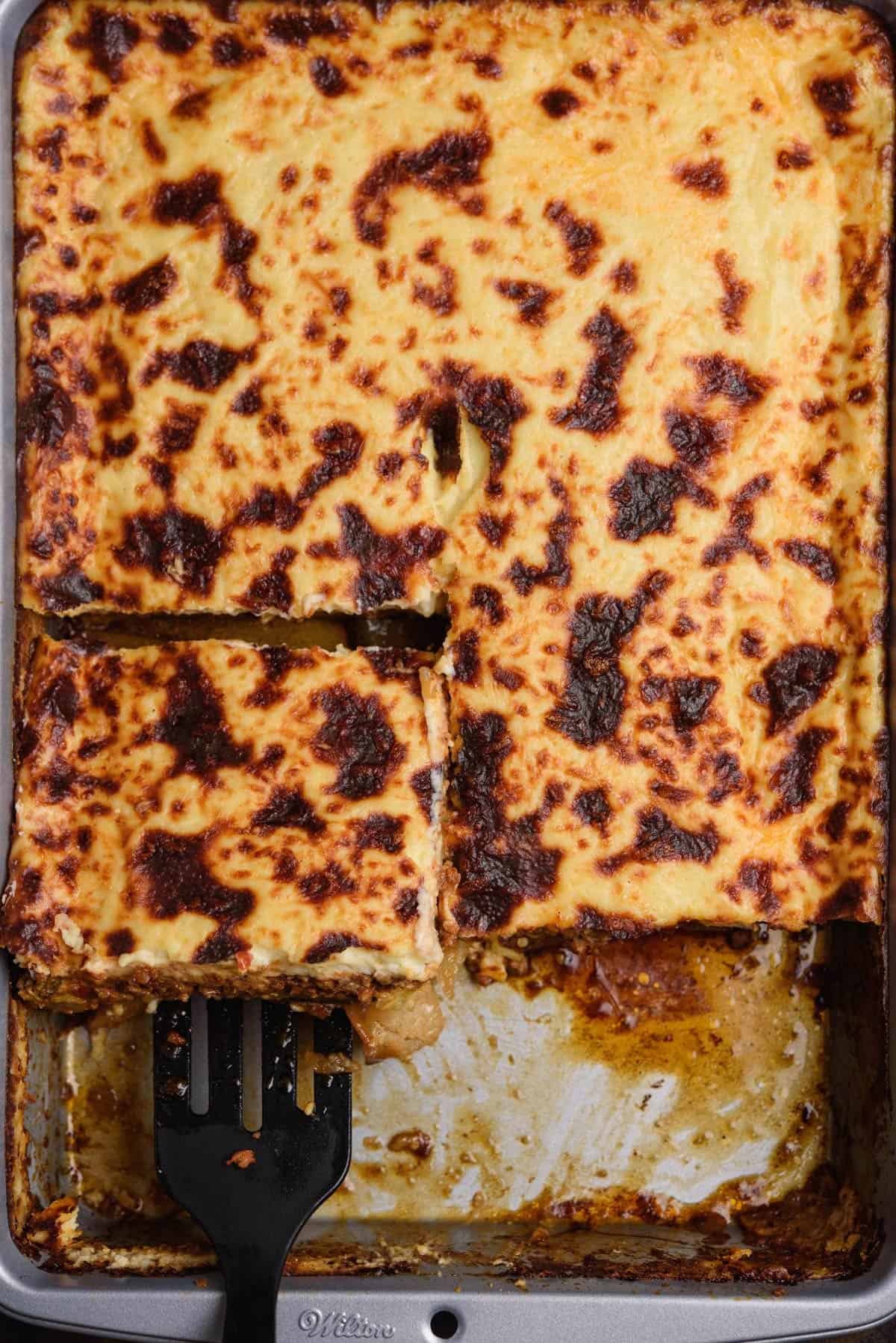
The architecture of moussaka is more than just stacking ingredients; each layer has a functional and flavor purpose that contributes to the dish’s complexity. The eggplant layer acts as both a flavor vessel and a moisture barrier, absorbing the aromas of the accompanying ingredients while maintaining a tender bite. The meat sauce contributes a savory, spiced warmth and a satisfying umami punch, enriching the overall dish with its dense, meaty essence. The béchamel layer, meanwhile, softens the sharper edges of the savory elements, providing a creamy, silky texture that melts in the mouth and unifies the dish.
From an analytical perspective, understanding what are the layers in a classic Greek moussaka involves recognizing how they interact during baking. The béchamel, thickened with eggs and cheese, forms a stable, golden crust that seals the flavors within, while the meat and eggplant layers meld as they bake, enhancing the dish’s depth. Each layer also serves as an insulative barrier, retaining moisture and heat, ensuring that the flavors develop and intensify during cooking. This dissected view reveals that moussaka is a deliberate construction, where the interplay of textures and flavors is meticulously orchestrated to deliver a memorable eating experience.



Building Blocks of Flavor: Examining the Individual Layers that Define Moussaka’s Taste
Every layer in a traditional Greek moussaka significantly influences its flavor profile, with each element acting as a building block contributing to the overall taste symphony. The eggplant slices, when cooked properly, impart a smoky, vegetal note that balances the richness of the meat sauce. When seasoned and fried or baked, they develop a subtly bitter, caramelized flavor that adds depth and contrast. The meat layer’s spices—especially cinnamon, allspice, and oregano—introduce warm, aromatic accents that are quintessentially Greek, elevating the dish beyond simple comfort food into a complex culinary expression.
The béchamel sauce is the finishing touch, bringing smoothness and richness that tie all the layers together. Traditionally prepared with butter, flour, milk, and cheese, it offers a velvety texture and a mild, cheesy flavor that complements the savory components underneath. The subtle interactions between these flavors—smoky, spicy, creamy, and vegetal—are what make moussaka an extraordinary dish. Each layer’s taste profile not only stands out individually but also enhances the dish’s overall harmony, creating a layered experience that is greater than the sum of its parts.


Ingredients and Assembly: A Comprehensive Guide to Moussaka’s Layered Structure
Assembling a classic Greek moussaka is a multi-step process that requires careful attention to detail in both ingredient preparation and layering technique. The first step involves preparing the eggplants—slicing them evenly, salting to reduce bitterness, and frying or roasting until tender and slightly browned. Next, the meat sauce is prepared separately, sautéing ground meat with onions, garlic, herbs, and tomatoes until rich and fragrant. These are the key components that form the backbone of the dish, and their quality directly impacts the final flavor.
The assembly process begins with layering the eggplants at the bottom of an appropriately sized baking dish, creating a sturdy base. The meat sauce is spread over this layer evenly, followed by additional slices of eggplant or a tomato-based sauce. The top layer is then poured with a thick, glossy béchamel sauce, seasoned to taste with cheese, nutmeg, or herbs. The assembled dish is baked in a preheated oven until the béchamel is bubbling and golden, which allows the flavors to meld harmoniously. This comprehensive assembly technique ensures that each bite of moussaka offers a complex interplay of textures—tender eggplant, savory meat, and creamy topping—anchored by the skillful layering of ingredients.

Conclusion
In essence, understanding what are the layers in a classic Greek moussaka uncovers a culinary masterpiece built upon a foundation of tender eggplant slices, savory spiced meat sauce, and a luscious béchamel topping. Each layer plays an integral role, not just in flavor but also in texture and structural harmony, culminating in a dish that seamlessly blends smoky, spicy, and creamy qualities into a single, satisfying experience. Recognizing the purpose and composition of each component enriches the appreciation of this iconic Greek dish, transforming it from mere ingredients into a carefully constructed art form. Classic Greek moussaka exemplifies the brilliance of layered cooking—its beauty lies in the thoughtful assembly that yields a complex, hearty, and timeless flavor profile cherished worldwide.