
Written by

Edited by

Affiliate Disclosure:
If you buy through links on our site, we may earn a small affiliate commission to help support the blog – at no extra cost to you. It never influences our product selection process. Thank you!

There’s something truly delightful about starting your day with a fluffy, protein-rich muffin.
These muffins with Greek yogurt not only satisfy your taste buds but also provide a nutritious boost to your morning routine.
The creamy texture and tangy flavor of Greek yogurt perfectly complement the sweetness of the muffins, creating a harmonious balance of flavors.
I stumbled upon this recipe during a chilly autumn morning, when the warmth and aroma of freshly baked muffins filled my kitchen with comfort.
Whether you’re enjoying a quiet breakfast or sharing with friends, these muffins promise a delightful experience with every bite.
• The dish evolved over decades as baking powder became more common, eventually becoming the beloved version we know today.
• In American culture, muffins traditionally appear at breakfast and brunch gatherings, symbolizing warmth and hospitality.
• While many variations exist across different regions, the authentic version maintains a moist crumb and balanced sweetness that sets it apart from imitations.
Mixing Bowls: Important for combining wet and dry ingredients separately to prevent overmixing, which can lead to dense muffins. Choose bowls with a sturdy base to avoid tipping.
Oven Thermometer: Crucial for maintaining accurate oven temperature. Internal temperature fluctuations can affect baking, so use a quality thermometer for best results.
| Amount | Ingredient | Notes |
|---|---|---|
| 1.5 cups | all-purpose flour | sifted for light texture |
| 1 teaspoon | baking powder | for leavening |
| 0.5 teaspoon | baking soda | enhances rise |
| 0.25 teaspoon | salt | enhances flavor |
| Amount | Ingredient | Notes |
|---|---|---|
| 0.5 cup | unsalted butter | melted, adds richness |
| 0.75 cup | Greek yogurt | provides moisture and protein |
| 0.5 cup | granulated sugar | adds sweetness |
| 2 large | eggs | provides structure |
| 1 teaspoon | vanilla extract | adds flavor |
Creaming Method: Beating butter and sugar together until light and fluffy. This process aerates the mixture, contributing to muffin rise and texture.
Batter Resting: Allowing the batter to rest before baking helps hydrate the flour, leading to a more tender crumb.

Ensure butter is melted and Greek yogurt is at room temperature.
Check that all dry ingredients are measured properly.
Preheat the oven to the correct temperature.
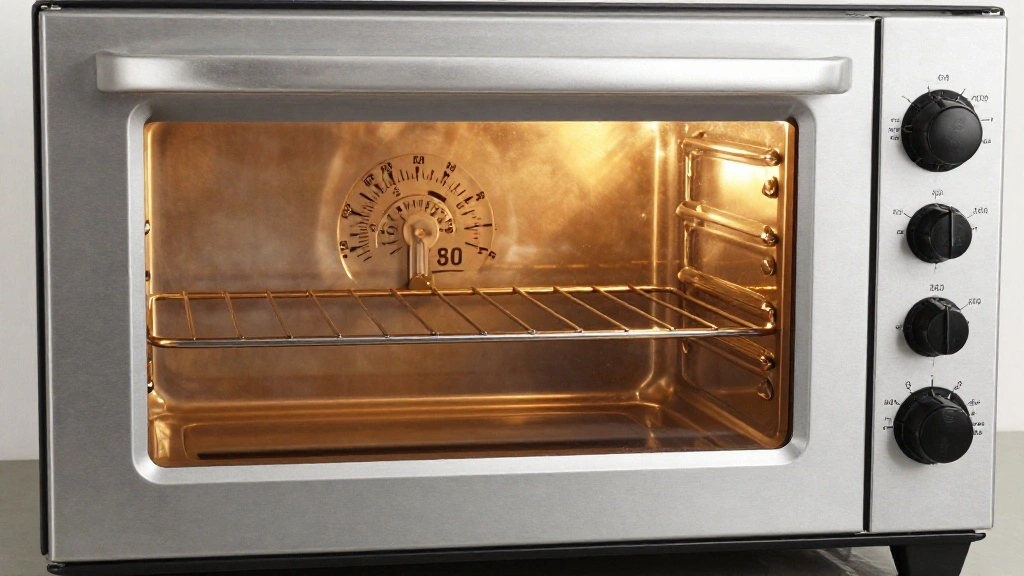
Ensure the rack is positioned in the center of the oven.
Use an oven thermometer to verify the temperature.
This ensures even baking and proper muffin rise.
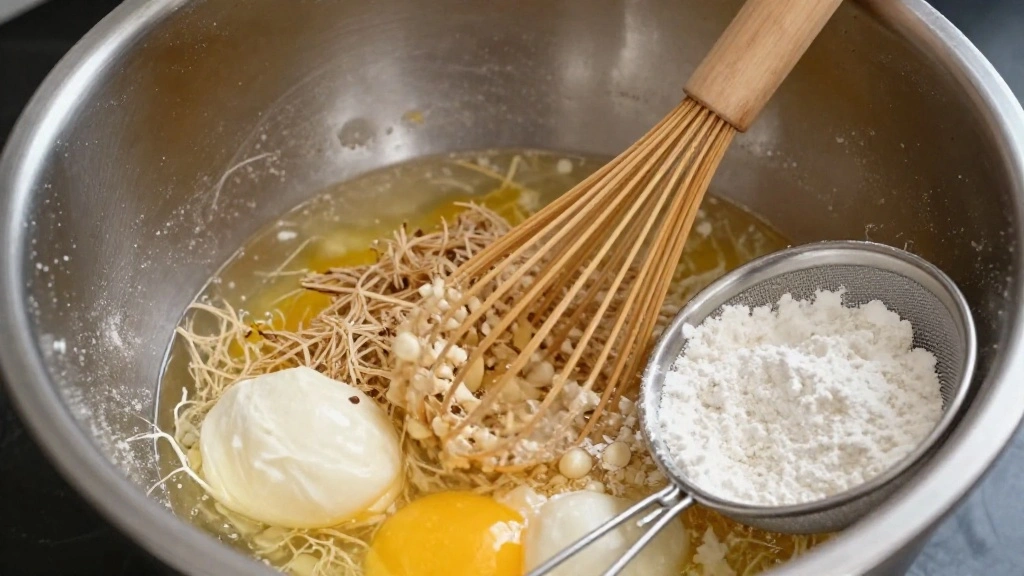
Use a whisk to evenly distribute the leavening agents.
Sift the mixture for a lighter texture.
Set aside for later use.
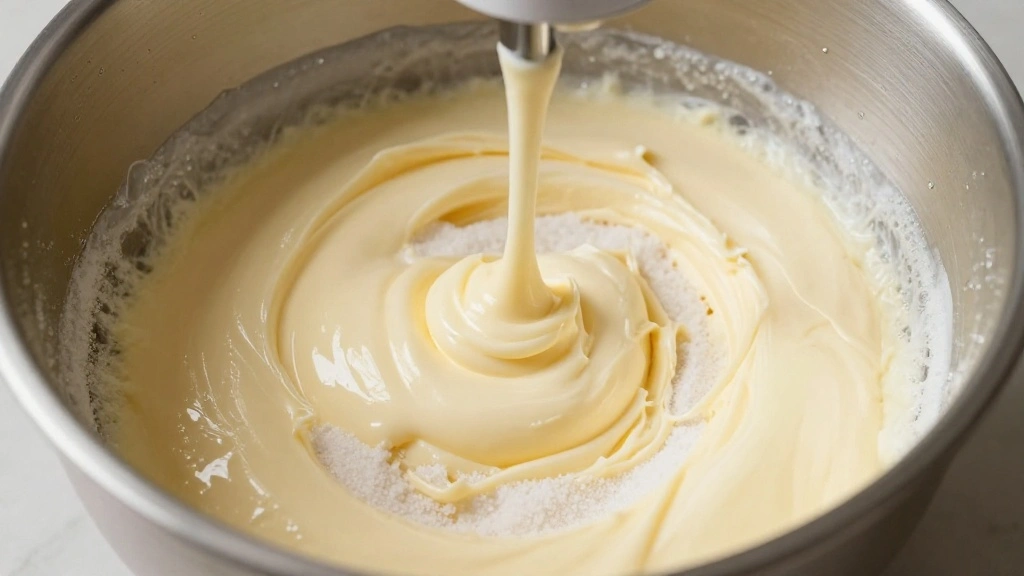
This takes about 3-4 minutes with an electric mixer.
The mixture should appear pale and airy.
This step is crucial for incorporating air into the batter.
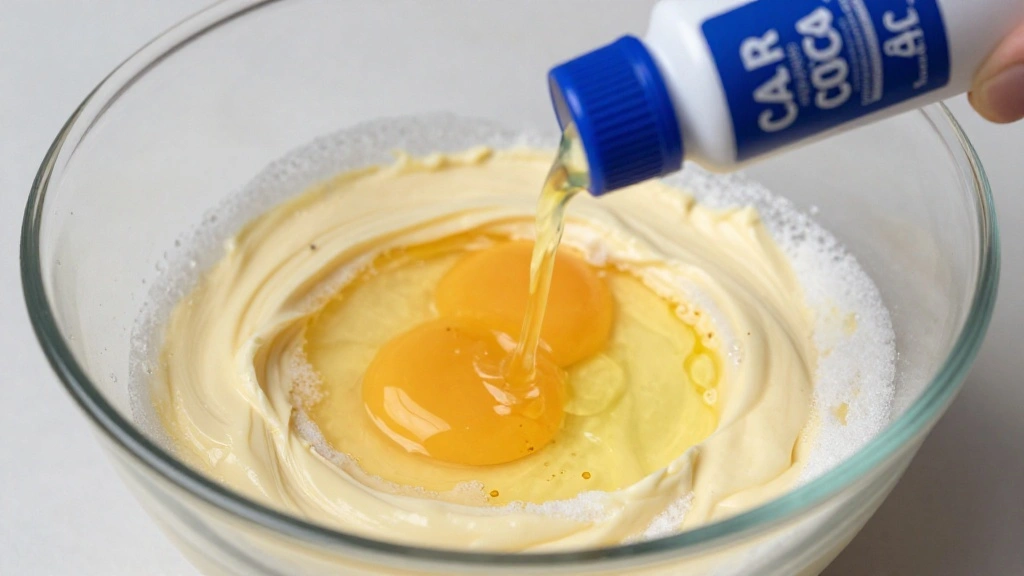
Include the vanilla extract for flavor.
Ensure the mixture is smooth and glossy.
This step helps stabilize the batter.
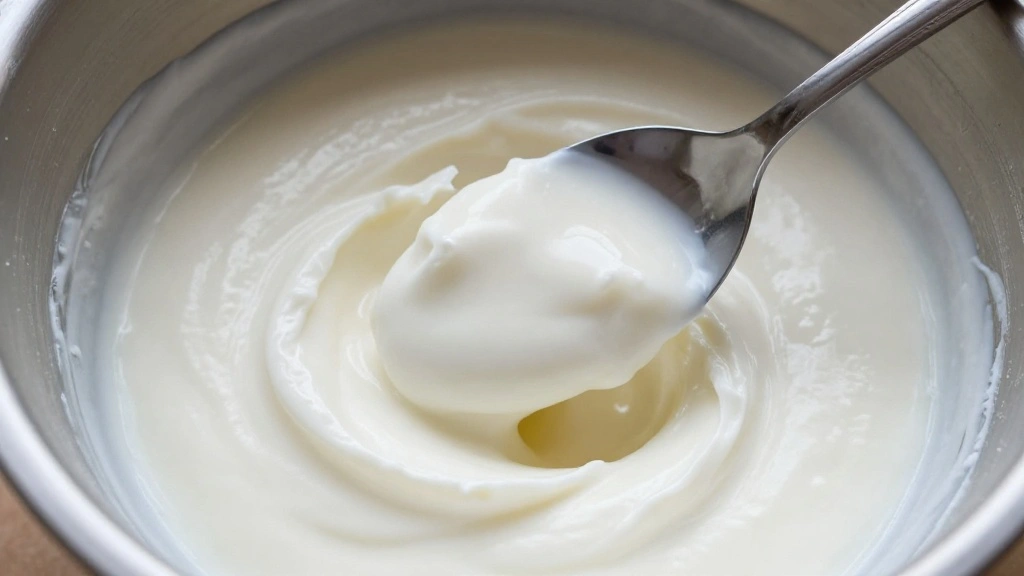
This adds moisture and protein to the batter.
The batter should be creamy and well-incorporated.
Avoid overmixing to preserve the muffin’s texture.
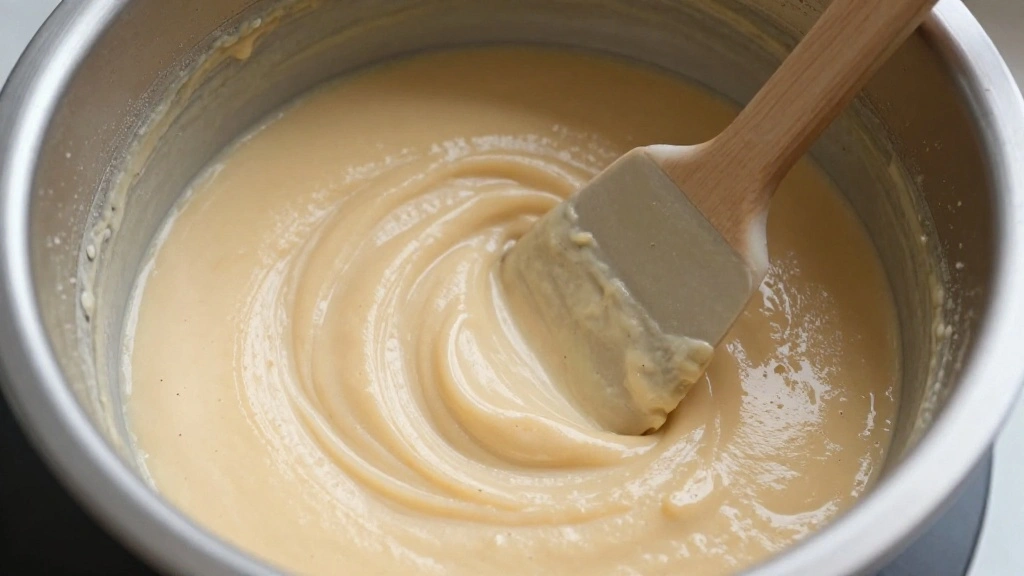
Use a folding motion to incorporate without deflating the batter.
Stop mixing as soon as the flour disappears.
This prevents overmixing, which can lead to tough muffins.
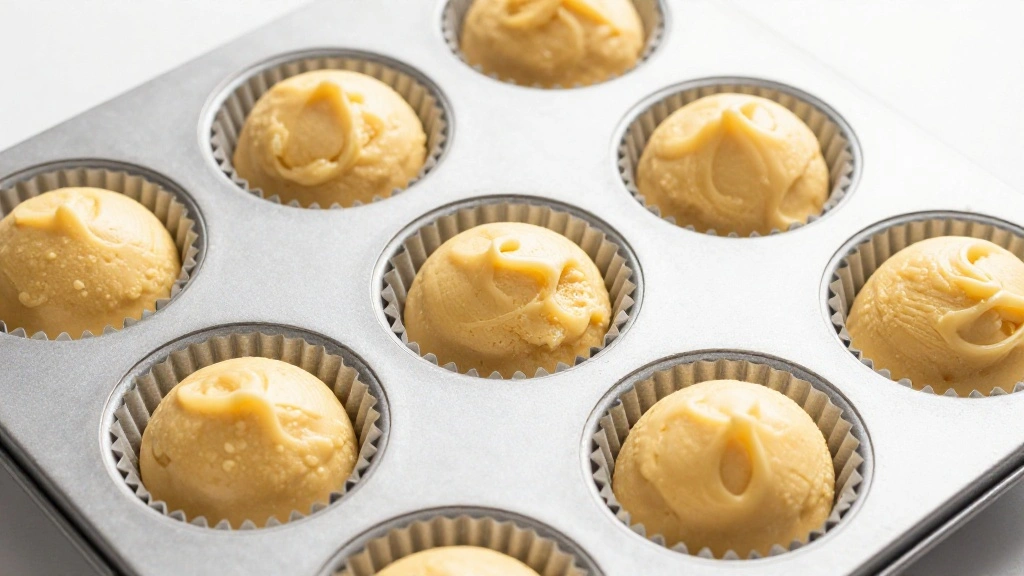
Fill each cup 3/4 full with batter using a scoop for even distribution.
Tap the tin gently to settle the batter.
This ensures even baking and uniform muffin size.
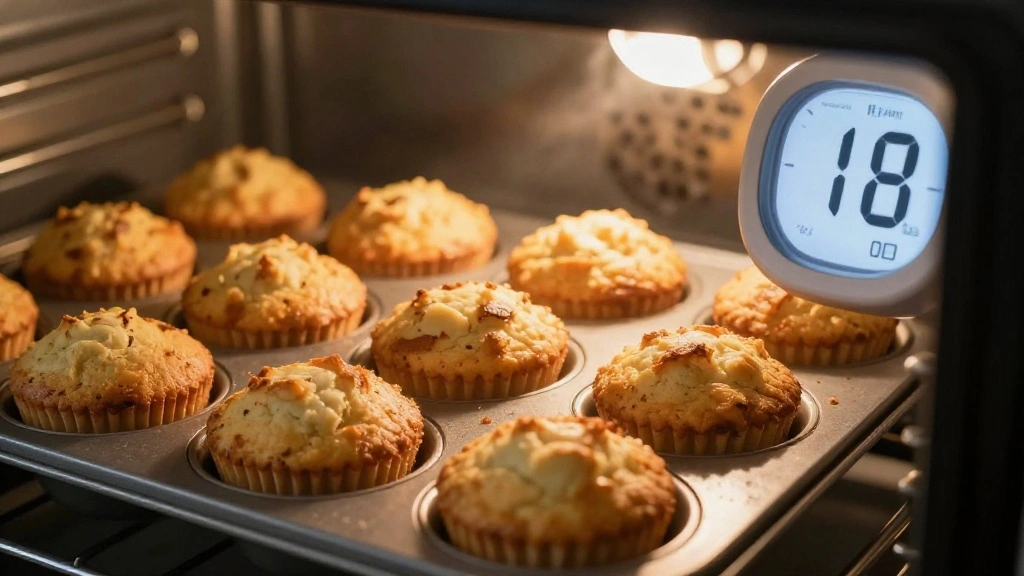
Bake for 18-20 minutes until golden brown.
A toothpick inserted in the center should come out clean.
This ensures the muffins are fully baked and moist.
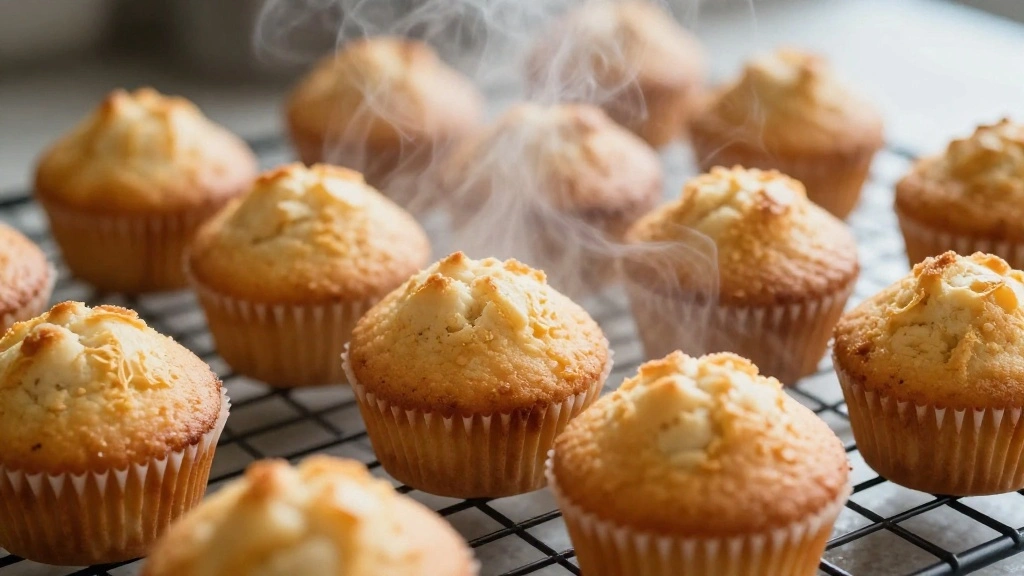
Transfer to a wire rack to cool completely.
Serve warm or at room temperature.
Cooling on a rack prevents soggy bottoms.
Cooling: Allow muffins to cool in the tin for 5 minutes before transferring to a rack. Muffins should feel firm to the touch but not hard. Leaving them in the tin too long can cause sogginess.
Ingredient Temperature: Use room temperature ingredients for better mixing and aeration. Cold eggs or yogurt can cause batter to seize, resulting in dense muffins.
• Preparation Secret: Rest the batter for 10 minutes before baking to allow the flour to fully hydrate, enhancing texture.
• Temperature Management: Use room-temperature ingredients to ensure proper emulsification and aeration during mixing.
• Texture Enhancement: For a tender crumb, avoid overmixing the batter once the dry ingredients are added.
• Flavor Layering: Add a pinch of lemon zest to the batter for a fresh, bright undertone that complements the yogurt.
• Make-Ahead Strategies: Mix the dry ingredients and store them in an airtight container for up to a week, then just add wet ingredients when ready to bake.
• Restaurant-Quality Finishing Touches: Dust the tops with powdered sugar or garnish with a dollop of honey for an elegant touch.
• Equipment Optimization: Use a non-stick muffin tin and paper liners for easy release and clean-up.
• Flat Tops: Often due to under-baking or incorrect oven temperature. Check with a thermometer and adjust baking time as needed.
• Dry Muffins: Result from over-baking. Use a toothpick test to check doneness and remove from oven promptly.
• Uneven Baking: Can occur with improper oven rack position. Always bake on the center rack for even heat distribution.
• Batter Overflow: Caused by overfilling the muffin cups. Fill each cup only 3/4 full to allow room for expansion.
• Flavor Imbalance: If muffins taste too sweet or bland, adjust sugar or salt levels to suit your palate.
• Lemon Poppy Seed Muffins: Adds lemon zest and poppy seeds for a fragrant, nutty twist on the classic.
• Whole Wheat Honey Muffins: Substitutes whole wheat flour and honey for a heartier, more wholesome version.
• Chocolate Chip Muffins: Includes chocolate chips for a sweeter, dessert-like muffin, often enjoyed as a treat.
• Emulsification: The combination of fats and liquids creates a stable emulsion, ensuring even texture and moisture distribution.
• Protein Content: Greek yogurt’s protein adds structure to the muffins, helping them hold shape and maintain moisture.
Can I use low-fat Greek yogurt instead? Yes, but full-fat yogurt provides a richer texture and flavor.
How do I prevent muffins from sticking to the pan? Use paper liners or grease the muffin tin thoroughly.
Can these muffins be frozen? Yes, freeze in an airtight container for up to 3 months.
What can I substitute for butter? Use coconut oil or a neutral-flavored oil for a healthier alternative.
How do I know when the muffins are done? A toothpick inserted into the center should come out clean.
Can I add fruit to this recipe? Yes, fold in berries or chopped fruit for added flavor and texture.
Why do my muffins rise unevenly? Ensure the oven is fully preheated and avoid opening the door during baking.
• Modern Twist: Serve on a slate platter with a drizzle of honey or a side of whipped butter.
• Breakfast Buffet: Arrange muffins on a tiered cake stand to add elegance to a brunch spread.
• Individual Servings: Present each muffin on a small plate with a dusting of powdered sugar for a simple, refined look.
Their perfect balance of flavors and tender crumb make them a favorite among family and friends.
Try this recipe today to enjoy a delicious and nutritious start to your day.


Greek Recipes
Greek Recipes

Greek Recipes
Greek Recipes
Greek Recipes