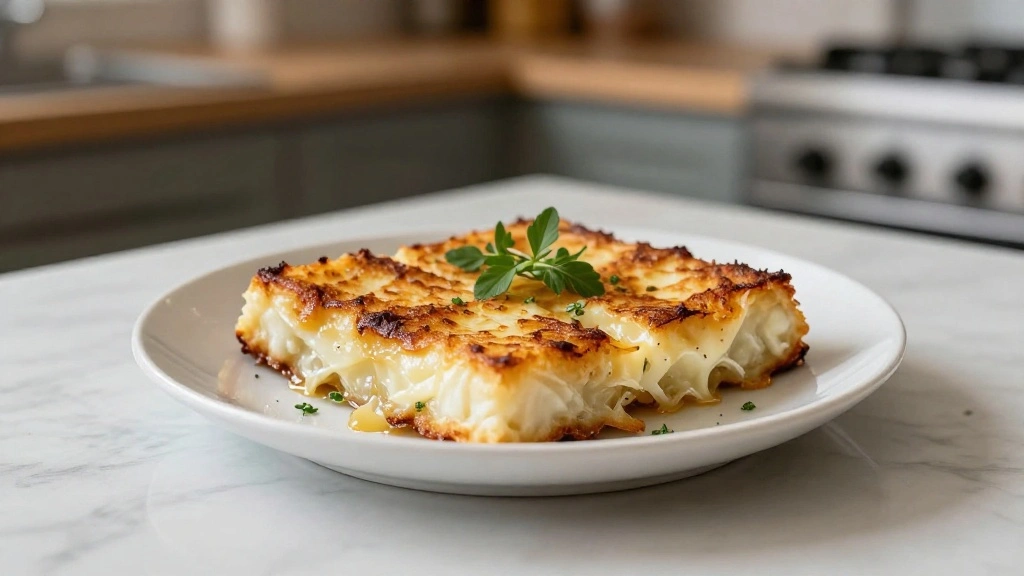

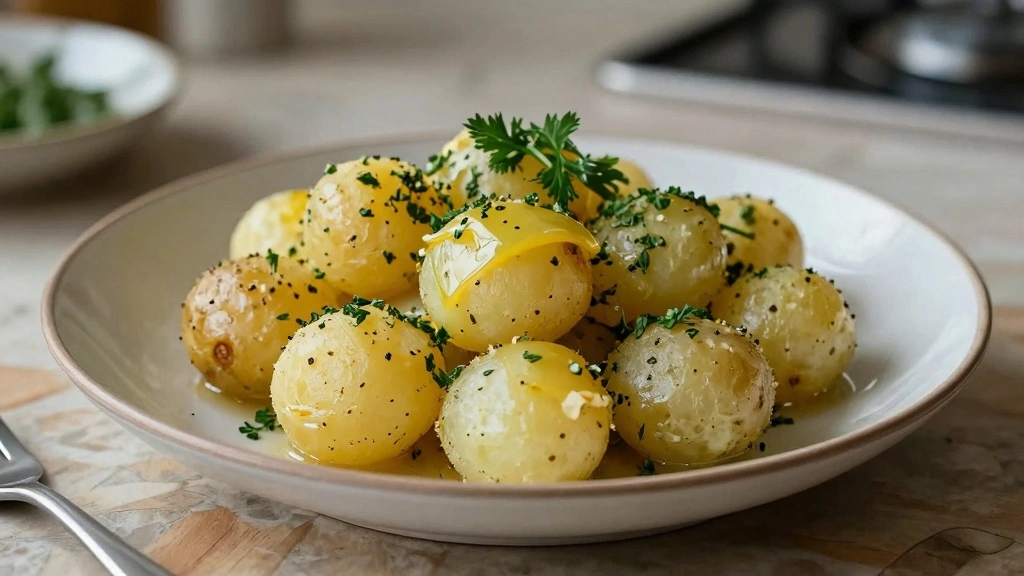


The classic Greek Lemon Potatoes brings together centuries of culinary tradition with modern techniques to create a dish that’s both comforting and elegant.
The harmonious balance of tender potatoes, zesty lemon, and fragrant herbs creates a memorable dining experience that will have everyone asking for your secret.
I discovered this recipe during my travels through Greece, where local chefs have perfected it through generations of careful refinement.
Whether you’re preparing a casual family dinner or hosting a special celebration, this Greek Lemon Potatoes recipe delivers impressive results with straightforward preparation.
The History and Cultural Significance
• The dish evolved over decades as cooking techniques improved and trade introduced new spices and herbs, eventually becoming the beloved version we know today.
• In Greek culture, this dish traditionally appears at family gatherings and festive occasions, symbolizing hospitality and abundance.
• While many variations exist across different regions, the authentic version maintains the use of lemon juice and olive oil that sets it apart from imitations.


Recipe Overview
Nutritional Information (per serving)
Essential Equipment Guide
Sharp Knife: A sharp knife is crucial for cutting potatoes into even wedges, which ensures uniform cooking. A dull knife can lead to uneven pieces and inconsistent texture.
Whisk: A whisk is important for emulsifying the lemon juice and olive oil mixture, ensuring it coats the potatoes evenly. A fork can be used in a pinch, but a whisk is more effective for achieving the desired consistency.
Ingredients
For the Base
| Amount | Ingredient | Notes |
|---|---|---|
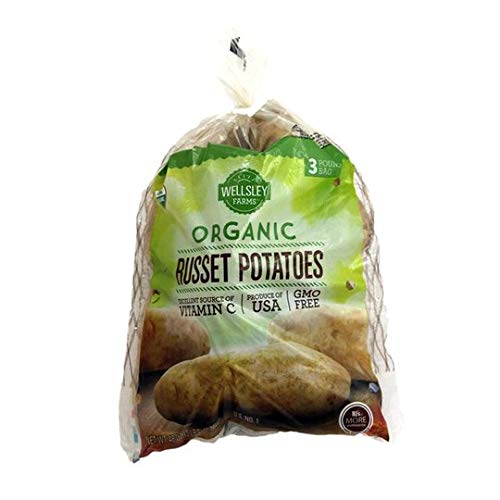
| 2 pounds | Yukon Gold potatoes | scrubbed and cut into wedges |
| 1/4 cup | olive oil | adds richness and flavor |
| 1/2 cup | fresh lemon juice | provides tangy brightness |
Seasonings
| Amount | Ingredient | Notes |
|---|---|---|
| 2 teaspoons | dried oregano | adds herbal aroma |
| 1 teaspoon | salt | enhances flavor |
| 1/2 teaspoon | black pepper | adds mild heat |
Optional Garnish
| Amount | Ingredient | Notes |
|---|---|---|
| 2 tablespoons | fresh parsley | chopped, for freshness |



Preparation Methods
Emulsifying: Combine lemon juice and olive oil using a whisk to create a stable mixture that evenly coats the potatoes, enhancing both flavor and texture. Whisk vigorously to ensure the mixture is homogenous.
Basting: During baking, occasionally spoon the juices from the baking dish over the potatoes. This technique infuses them with flavor and ensures they remain moist and flavorful throughout the cooking process.


Step 1: Prepare Ingredients
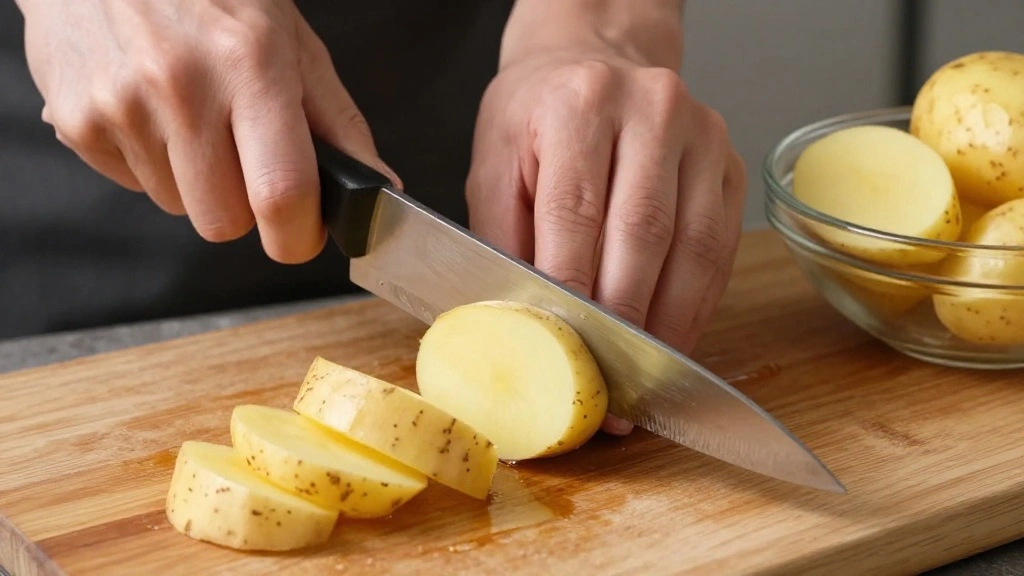
Cut each potato into evenly sized wedges for uniform cooking.
Ensure the wedges are of similar thickness to avoid uneven cooking.
Set aside the cut potatoes in a large bowl.


Step 2: Parboil the Potatoes
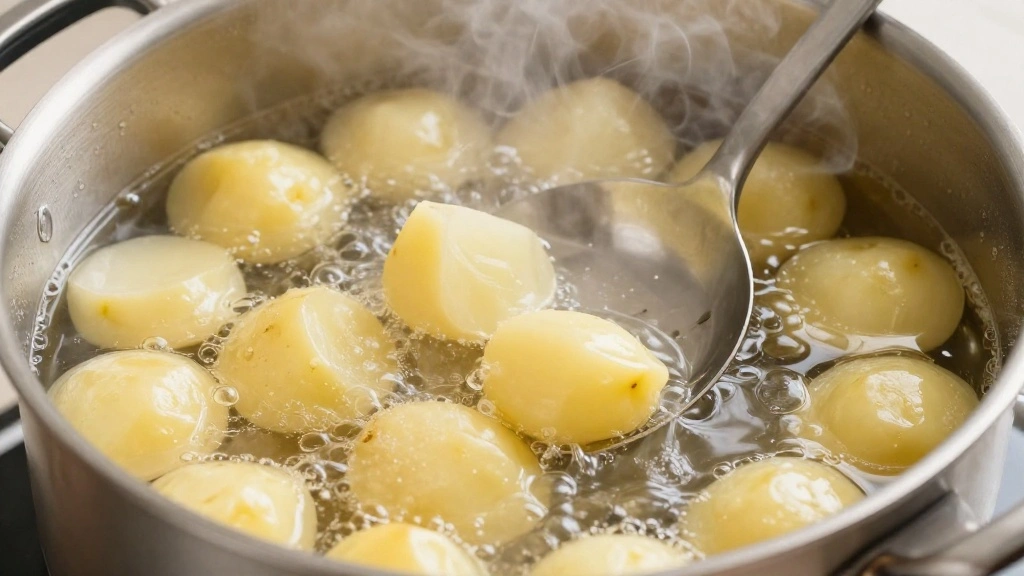
Add the potato wedges to the boiling water.
Boil for about 8 minutes, or until slightly tender.
Drain the potatoes and let them dry completely.
Step 3: Prepare the Emulsion
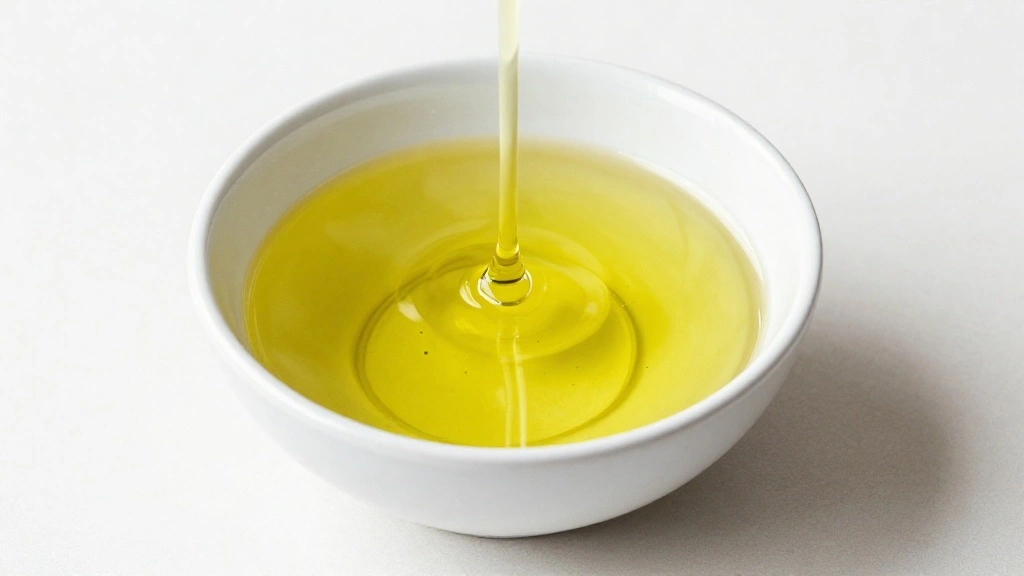
Use a whisk to vigorously combine them into a smooth emulsion.
Ensure the mixture is well-combined and thickened slightly.
Set aside the emulsion for later use.
Step 4: Season the Potatoes
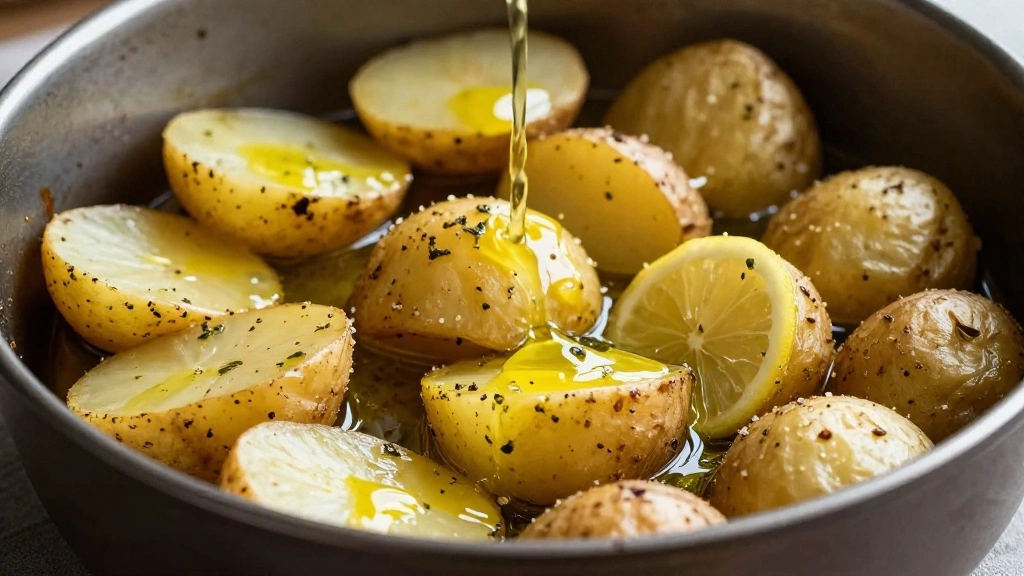
Pour the lemon and olive oil emulsion over the potatoes.
Sprinkle dried oregano, salt, and black pepper evenly over the potatoes.
Toss the potatoes gently to ensure they are well-coated with the mixture.
Step 5: Arrange for Baking

Arrange the seasoned potatoes in a single layer in the baking dish.
Ensure there is space between the wedges for air circulation.
Place the baking dish in the preheated oven.



Step 6: Bake the Potatoes
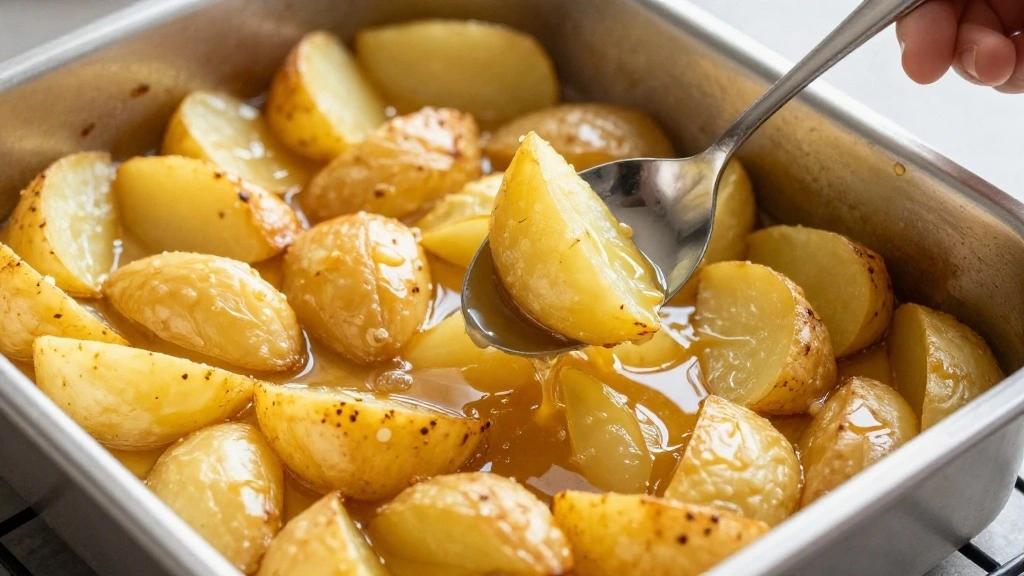
After 30 minutes, use a spoon to baste the potatoes with the juices from the dish.
Continue baking for another 30 minutes until golden brown and tender.
Check for doneness by piercing with a fork, which should slide in easily.


Step 7: Garnish and Serve
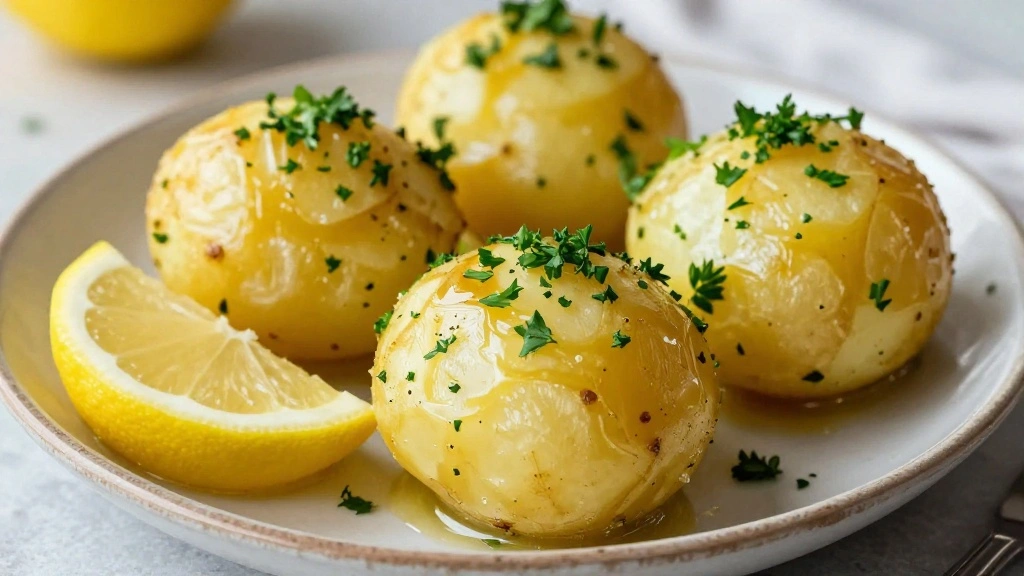
Sprinkle freshly chopped parsley over the top for garnish.
Allow the potatoes to cool slightly before serving.
Serve warm as a side dish or a main course.


Critical Timing and Temperature Guide
Baking: Bake at 400°F (200°C) for 60 minutes total, turning and basting halfway through for even browning.
Final Check: Look for golden-brown edges and fork-tender centers; avoid baking too long as it can dry out the potatoes.
Pro Tips for Greek Lemon Potatoes
• Preparation Secret: Allow the parboiled potatoes to dry completely before seasoning; this enhances the crispiness.
• Temperature Management: Ensure the oven is fully preheated before baking to achieve the best texture.
• Texture Enhancement: Baste the potatoes periodically with the pan juices to keep them moist and flavorful.
• Flavor Layering: Use a combination of lemon juice and olive oil to create a complex, rich flavor profile.
• Make-Ahead Strategies: Parboil the potatoes and prepare the emulsion a day ahead, storing separately in the fridge.
• Restaurant-Quality Finishing Touches: Garnish with fresh herbs and serve with lemon wedges for a bright, fresh finish.
• Equipment Optimization: Use a ceramic or glass baking dish for even heat distribution and to prevent sticking.


Troubleshooting Common Issues
• Lack of Flavor: If the potatoes taste bland, it could be due to insufficient seasoning. Ensure an even distribution of salt and herbs.
• Uneven Cooking: This can occur if the wedges are of varying sizes. Cut the potatoes evenly and arrange them in a single layer.
• Soggy Texture: This might happen if the oven temperature is too low. Make sure the oven is properly preheated and avoid overcrowding the baking dish.
• Overly Tangy Flavor: If the lemon flavor is too strong, adjust the lemon juice to taste in future preparations and balance with additional olive oil.
Variations and Regional Differences
• Cretan Variation: Incorporates local Cretan herbs such as thyme and rosemary, providing a distinctly aromatic twist.
• Northern Greek Style: Adds a splash of red wine vinegar for a sharper, more pungent taste, often served during colder months.
• Island Variation: Uses sweet orange juice in addition to lemon juice, giving a sweeter, citrusy flavor popular in the Cyclades.
Food Science Behind the Recipe
• Emulsification: Understanding how to properly emulsify lemon juice and olive oil ensures a well-coated, flavorful dish.
• Osmosis: The use of salt helps draw out moisture from the potatoes, enhancing flavor and texture.


Frequently Asked Questions
Can I use a different type of potato? While Yukon Golds are preferred for their creamy texture, red potatoes can be a good alternative, though they may require slightly different cooking times.
How can I reduce the tanginess if it’s too strong? Adjust the amount of lemon juice in the recipe to suit your taste and balance it with additional olive oil if necessary.
Why did my potatoes turn out dry? This can happen if the potatoes aren’t basted with the juices during baking or if they are overcooked. Ensure regular basting and check doneness with a fork.
What’s the best way to store leftovers? Store any leftovers in an airtight container in the refrigerator for up to 3 days. Reheat them in the oven to retain crispiness.
Can I add other vegetables to the dish? Yes, adding vegetables like carrots or bell peppers can complement the flavors, but adjust cooking times as needed.
What can I serve with Greek Lemon Potatoes? They pair well with grilled meats, such as lamb or chicken, and a fresh Greek salad.
Serving and Presentation Guide
• Family Style: Present the potatoes on a large platter, allowing guests to help themselves, creating a communal dining experience.
• Individual Portions: Serve in small, decorative bowls, garnished with a sprinkle of chopped fresh herbs for a refined presentation.
• Buffet Style: Arrange the potatoes in a chafing dish to keep them warm, ideal for larger gatherings or potlucks.


Conclusion
With this comprehensive guide, you are equipped to recreate this classic dish with ease and confidence.
Whether you’re a seasoned cook or new to Greek cuisine, this recipe will bring a taste of the Mediterranean to your table.