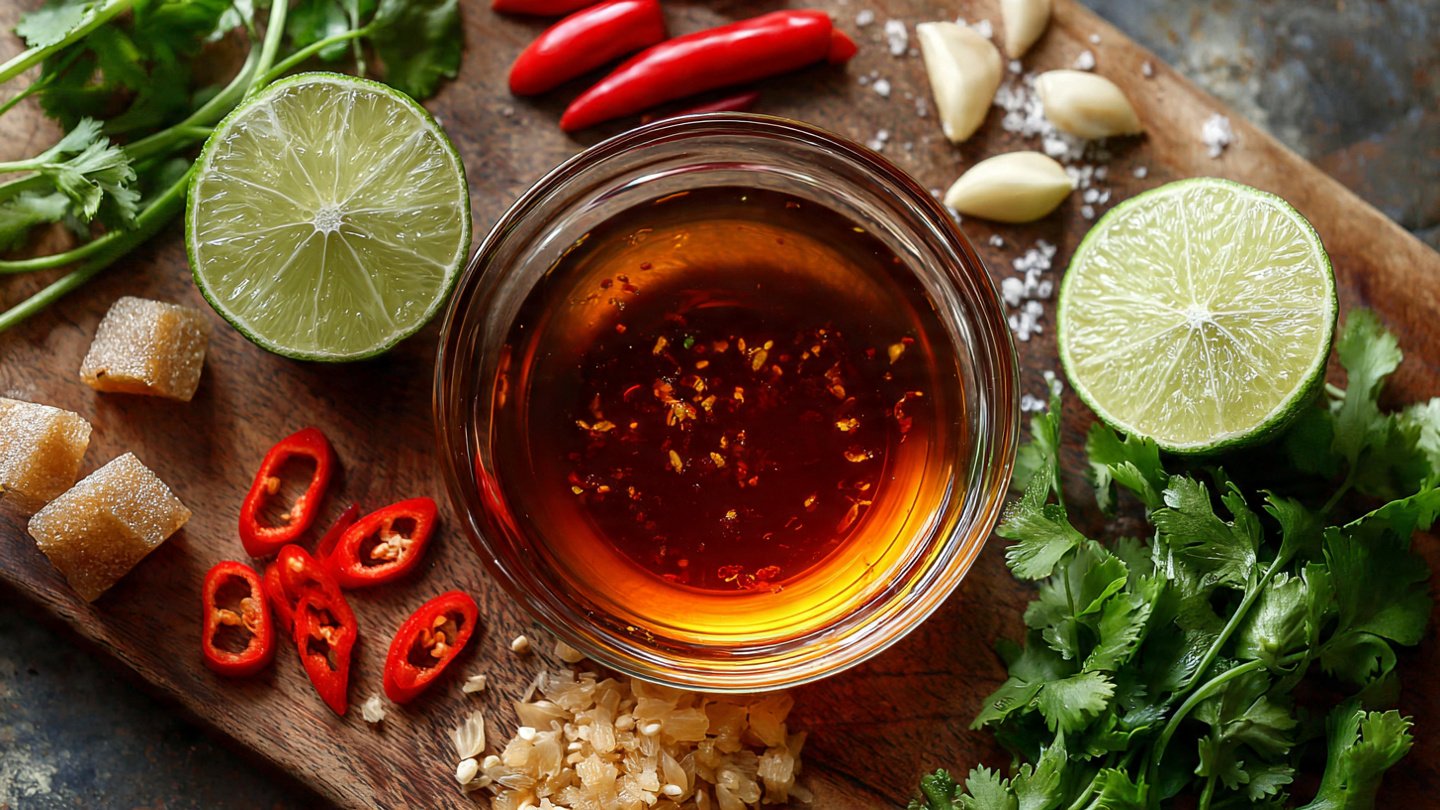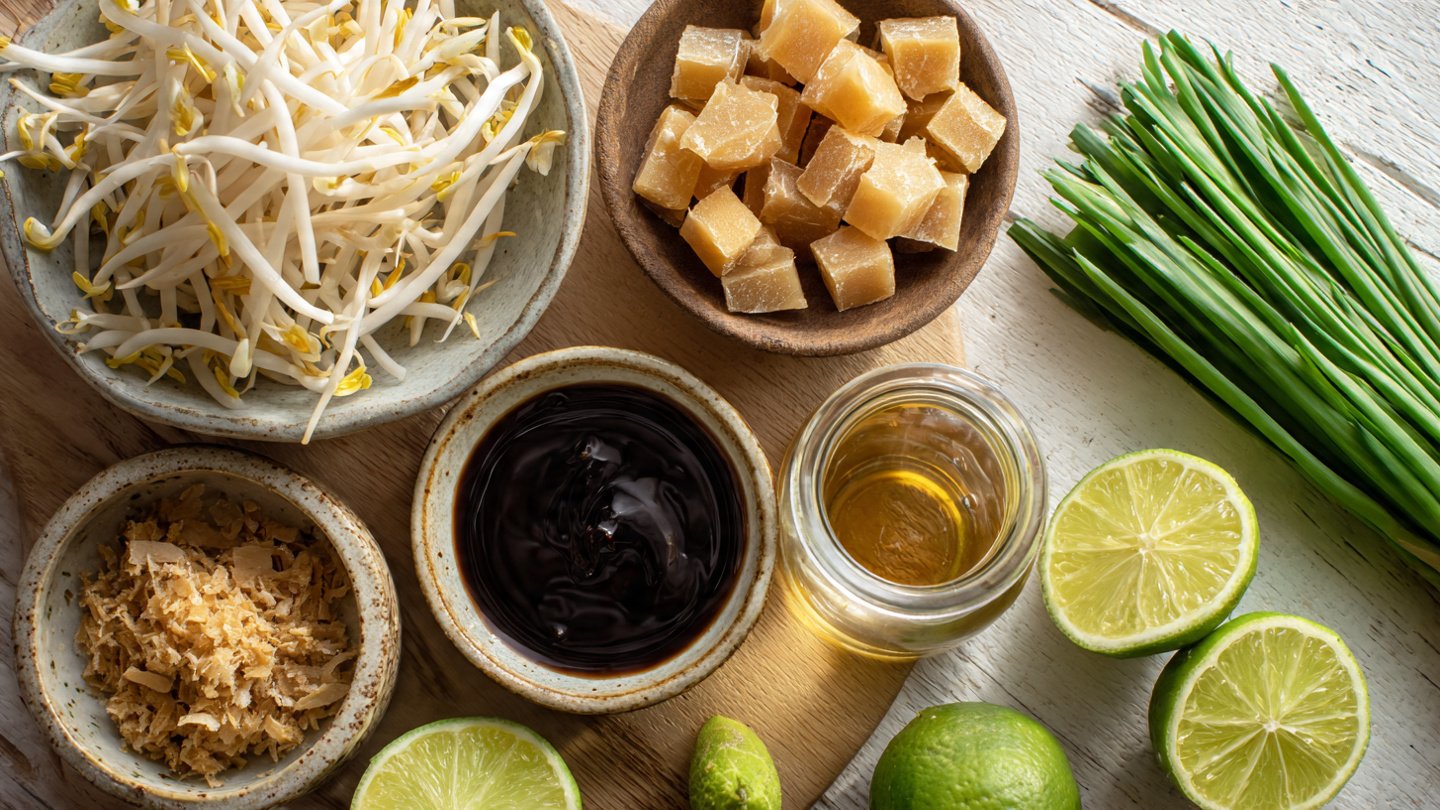

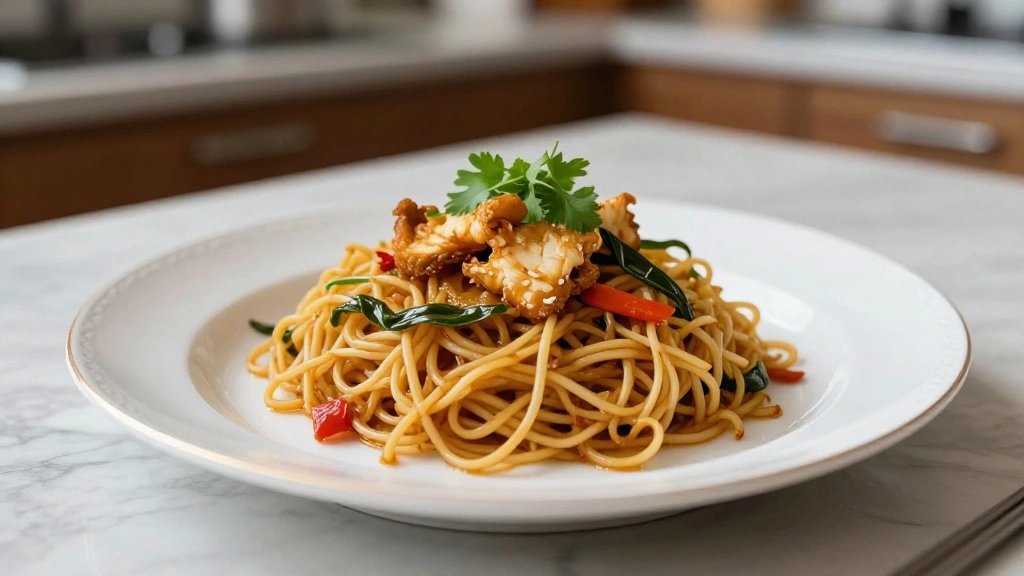


Khanom Jeen Nam Ya is a symphony of traditional Thai flavors, delivering a taste that is both comforting and invigorating.
The spicy and aromatic fish curry melds beautifully with soft, fermented rice noodles, making it a beloved comfort food in Thailand.
I first fell in love with this dish during a vibrant Thai festival, where its robust flavors and rich history were celebrated with gusto.
There’s something magical about how the creamy coconut milk harmonizes with the fiery spices, creating a dish that’s both warming and exciting.
Whether you’re a seasoned Thai cuisine aficionado or a curious newcomer, this recipe promises a delicious adventure.
Prepare to be transported to the bustling streets of Thailand with every bite.
The History and Cultural Significance
• Khanom Jeen Nam traces its origins to ancient Thailand, where it was originally created by local communities using fresh river fish.
• The dish evolved over decades as ingredients like coconut milk and herbs were incorporated, eventually becoming the beloved version we know today.
• In Thai culture, this dish traditionally appears at festivals and communal gatherings, symbolizing unity and celebration.
• While many variations exist across different regions, the authentic version maintains a balance of spicy, sweet, and savory flavors that sets it apart from imitations.
Recommended Products

Vietnamese Rice Stick(vermicelli) Three Ladies Brand 2lb

STEAMED NOT FRIED: Every batch of rice noodles is steam cooked and slowly dried
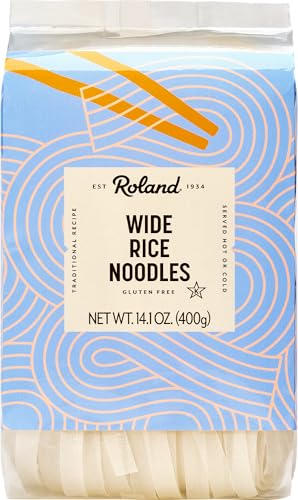
Made from 100% rice flour, Roland Wide Rice Noodles are naturally gluten-free.


Recipe Overview
Recommended Products

VERSATILE RECIPE INGREDIENT: Unsweetened coconut milk lends the perfect flavor and texture to both sweet and savory recipes and dishes. Try it in recipes that call for plant based milk

✅ Authentic Thai Flavor 🍛 – Enjoy the rich, traditional taste of Thai Nam Ya Curry, made with real coconut milk 🥥, tender mackerel 🐟, and authentic Thai herbs 🌿.
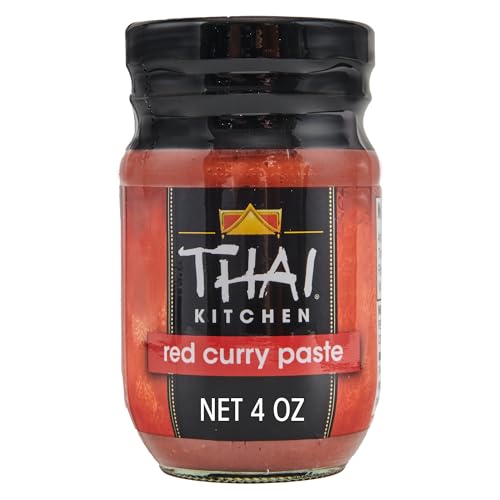
MADE FOR HOME COOKS: Bring Thai-inspired flavor to your table with red curry paste made with ingredients including red chili pepper, garlic, lemongrass, salt, shallot, coriander root, and makrut lime peel
Nutritional Information (per serving)
Recommended Products

AUTHENTIC THAI FLAVOR: Red curry paste delivers a bold, authentic taste of Thailand in every bite

Net wt. 14 oz / 400g

Maesri Red Curry Paste 14oz


Essential Equipment Guide
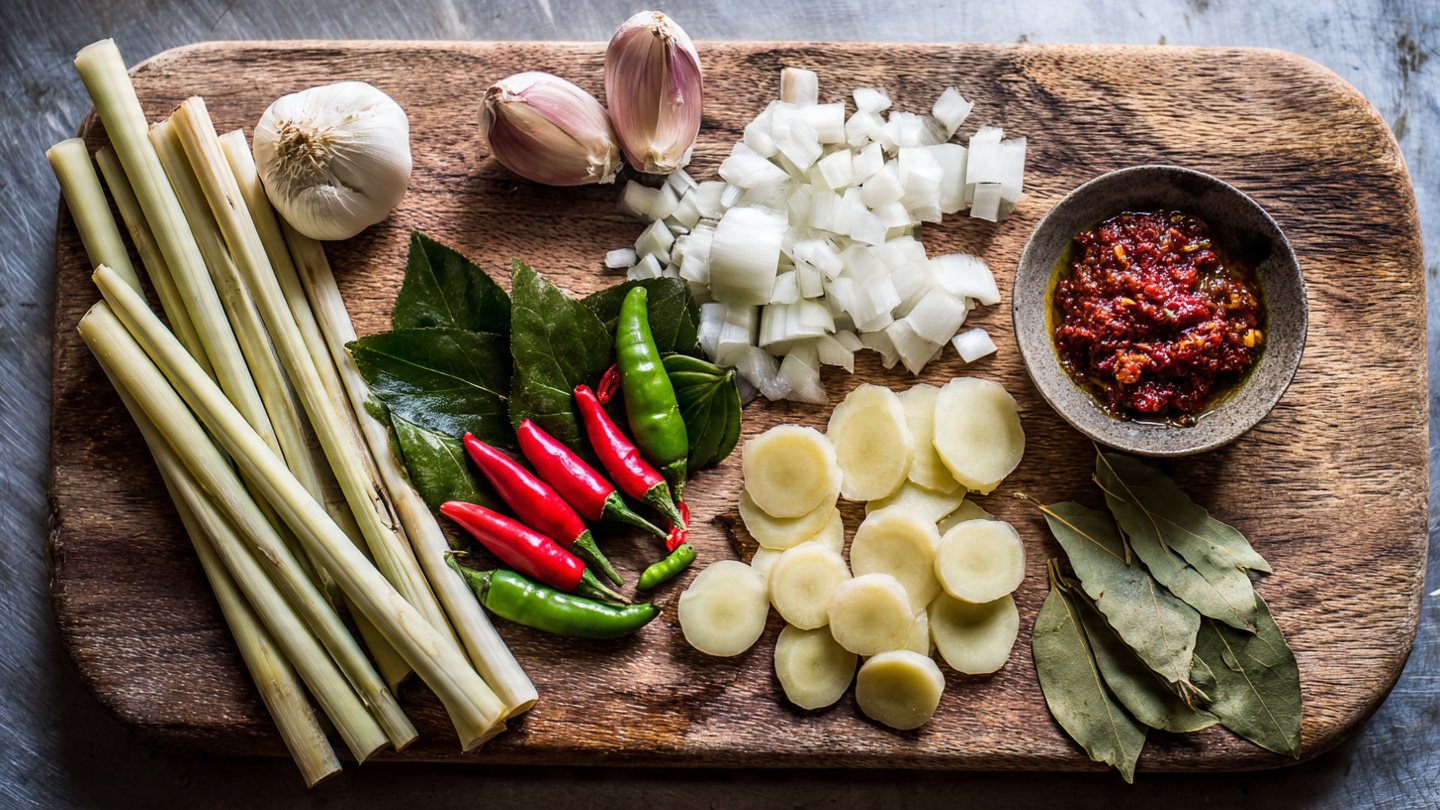
Mortar and Pestle: Essential for creating authentic curry paste, this tool helps release the oils and aromas of the herbs and spices. A food processor can be used as an alternative, but the texture may be less smooth.
Wok: Ideal for cooking the curry evenly, a wok allows for quick heat distribution. A large frying pan can also be used, but ensure it’s deep enough to hold the curry sauce.
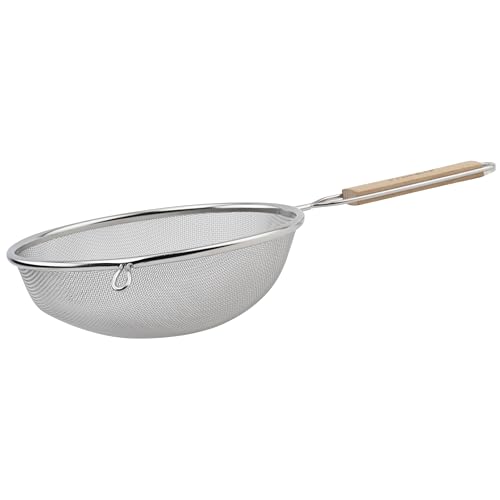
Strainer: Crucial for rinsing and draining the fermented rice noodles without breaking them. Look for a fine-mesh strainer to prevent noodles from slipping through.
Recommended Products

PREMIUM KAFFIR LIME LEAVES: Bring the distinctive citrus aroma of kaffir lime leaves to your kitchen. Also known as makrut lime leaves, these carefully selected whole Thai lime leaves are a convenient aromatic ingredient for Thai and Southeast Asian cooking.

The information below is per-pack only

AUTHENTIC THAI FLAVOR: Thai Kitchen Green Curry Paste delivers an authentic, spicy burst of flavor in recipes; infuse the new notes of delicious herbs and spices into various recipes with ease when you buy bulk curry paste


Ingredients
Recommended Products

9 inch Premium Metal strainer - Our high grade stainless steel food strainer is a must have kitchen essentials. It won`t bend or rust.
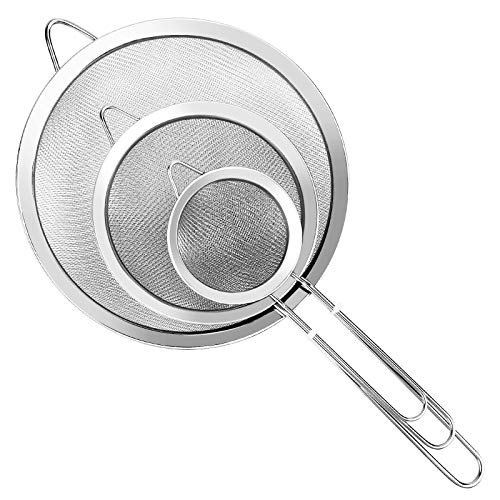
Three Graduated Sizes: This colander set includes three strainers in multiple sizes, a 3.15 inch mini strainer fine mesh, a 5.5 inch small strainer and a 7.87 inch large strainer with a deep bowl
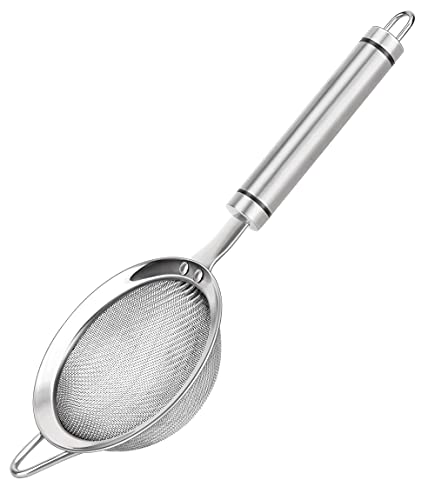
Made from high-quality, food-grade 304 stainless steel. This strainer features a sturdy outer framework and handle. Easy cleaning. Dishwasher safe. Mirrored, burr-free wire mesh screen won't scratch your hand while you clean it.
For the Base
|
|
| Amount | Ingredient | Notes |
|---|---|---|
| 500 grams | fermented rice noodles | traditional base of the dish |
Fish Curry
| Amount | Ingredient | Notes |
|---|---|---|
| 400 grams | white fish fillets | boneless, skinless |
| 1 cup | coconut milk | adds richness |
| 2 tablespoons | red curry paste | spicy and aromatic |
| 1 tablespoon | fish sauce | umami flavor |
Vegetables
| Amount | Ingredient | Notes |
|---|---|---|
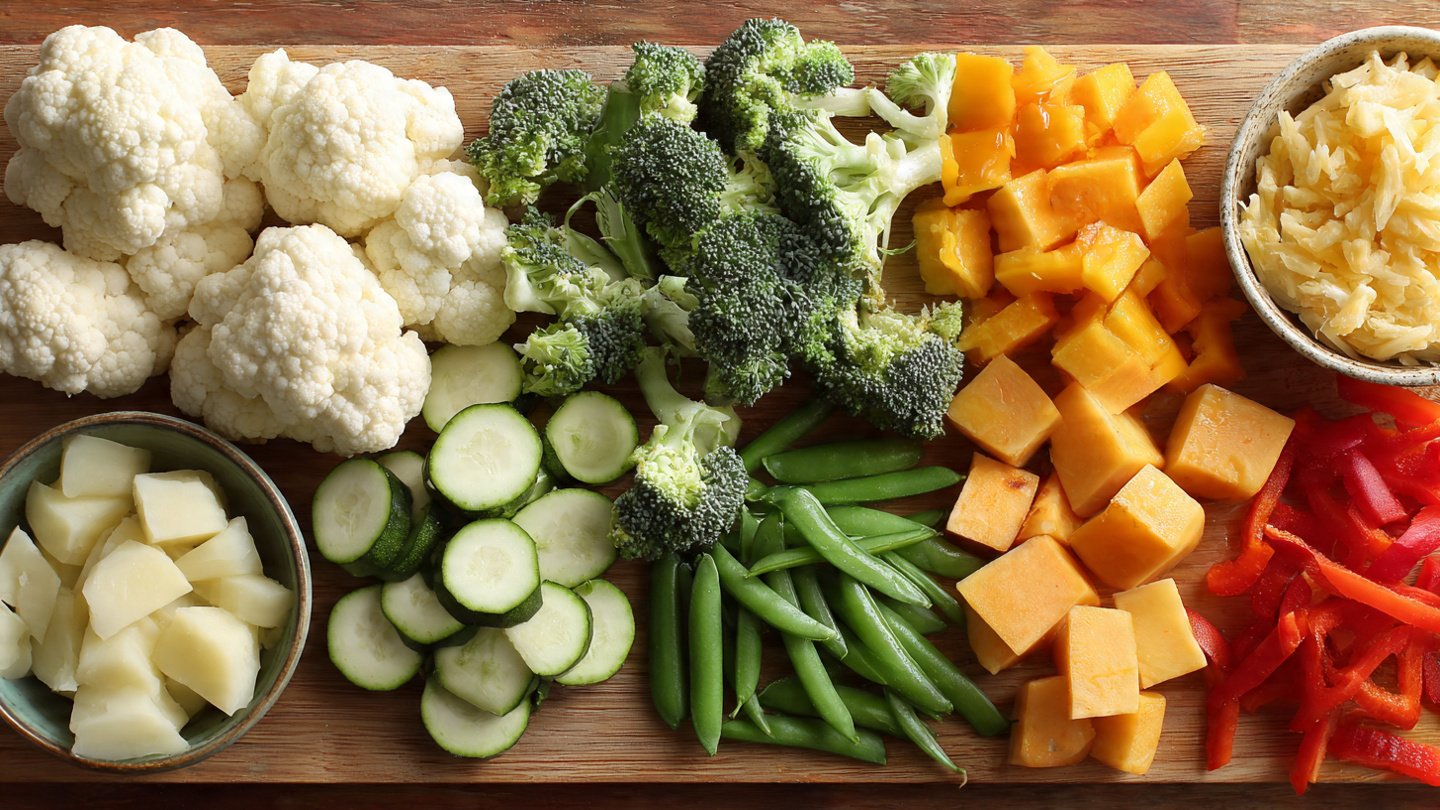
| 100 grams | bean sprouts | fresh crunch |
| 1 cup | cabbage | shredded |
Seasonings
| Amount | Ingredient | Notes |
|---|---|---|
| 2 tablespoons | lime juice | tartness |
| 1 teaspoon | palm sugar | balances flavors |


Preparation Methods
Using a Mortar and Pestle: This traditional technique is essential for creating a smooth and flavorful curry paste. It allows the ingredients to be crushed, releasing their natural oils and aromas. Practice using even pressure and a circular motion to blend ingredients thoroughly.
Simmering the Curry: Simmering is crucial for melding the flavors and ensuring the fish absorbs the spices. Maintain a low heat and occasionally stir to prevent sticking or burning. A gentle simmer helps to retain the delicate texture of the fish.
Fermenting Rice Noodles: This step involves soaking the rice noodles to achieve their characteristic texture. Ensure the noodles are fully submerged and allow them to ferment for a few hours in a warm place for optimal softness.
Recommended Products


Thai Kitchen Thin Rice Noodles are made from rice using a traditional steam-cooked method

TRUE TO THAILAND - Our Pad Thai Rice Noodles are made using traditional methods from heirloom brown rice to create nutritious noodles rich in flavor


Step 1: Prepare the Noodles
Soak the fermented rice noodles in warm water for 10 minutes.
Drain the noodles using a fine-mesh strainer and set aside.
Ensure the noodles are soft but not mushy.
Keep them covered to prevent drying out.
Recommended Products

Made from coconut meat, this unsweetened milk adds richness and body to recipes


Step 2: Make the Curry Paste
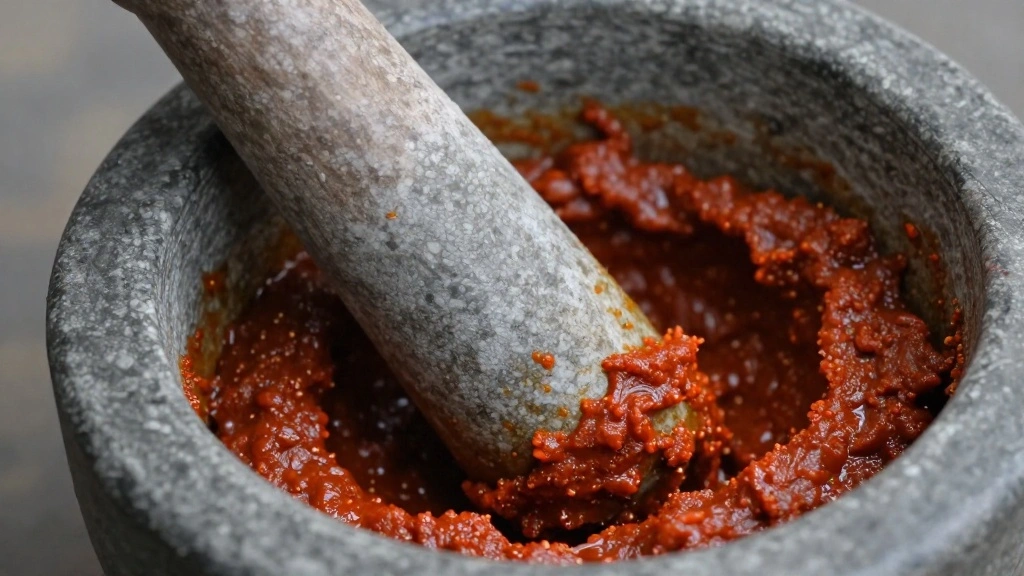
Use a mortar and pestle to pound the red curry paste ingredients until smooth.
Add a splash of water if needed to achieve a paste-like consistency.
Look for a vibrant red color with a strong aroma.
Adjust the spice level to your preference.
Recommended Products

Versatile Thai flavoring paste; authentic blend of aromatic spices


💥 DELICIOUS AND AUTHENTIC: Cook delicious curry in minutes with Mekhala's BEST SELLING Red Curry Paste, made with dried red chilies. Smoky & savory. Heat levels match Thai standards! Choose yellow curry if you prefer a milder curry.


Step 3: Cook the Fish
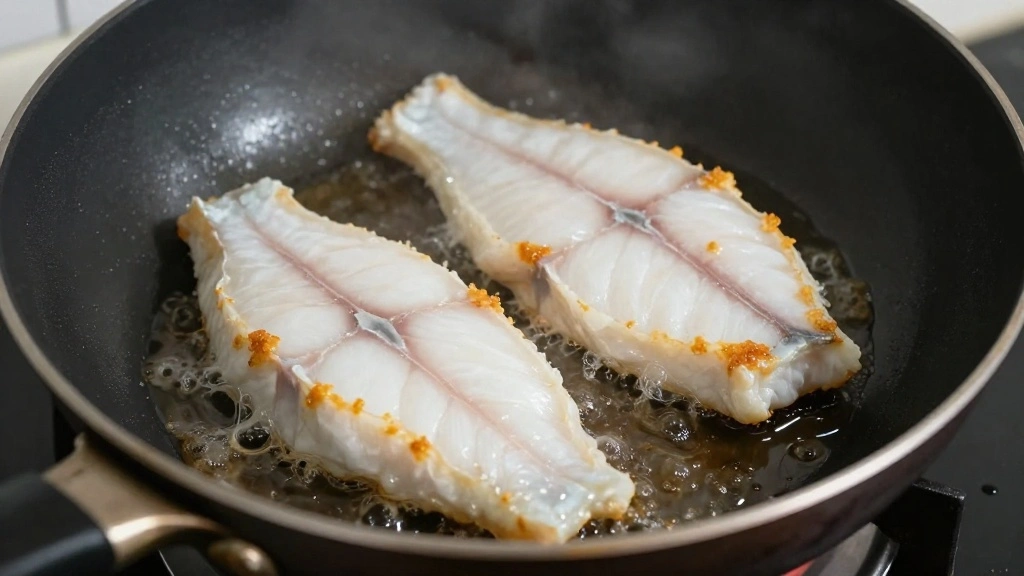
In a wok, heat a tablespoon of oil over medium heat.
Add the fish fillets and cook until they turn opaque.
Flip the fish gently to avoid breaking the fillets.
Remove the fish and set aside once cooked.
Recommended Products

Diet Type: Gluten Free

Thai Kitchen Green Curry Paste, Vegan Friendly, Gluten Free, 4 Ounce (Pack of 12)

A perfect blend of spices to create a savory green curry; or use it to make a sauce for burgers, pasta, tacos, and so much more!


Step 4: Simmer the Curry
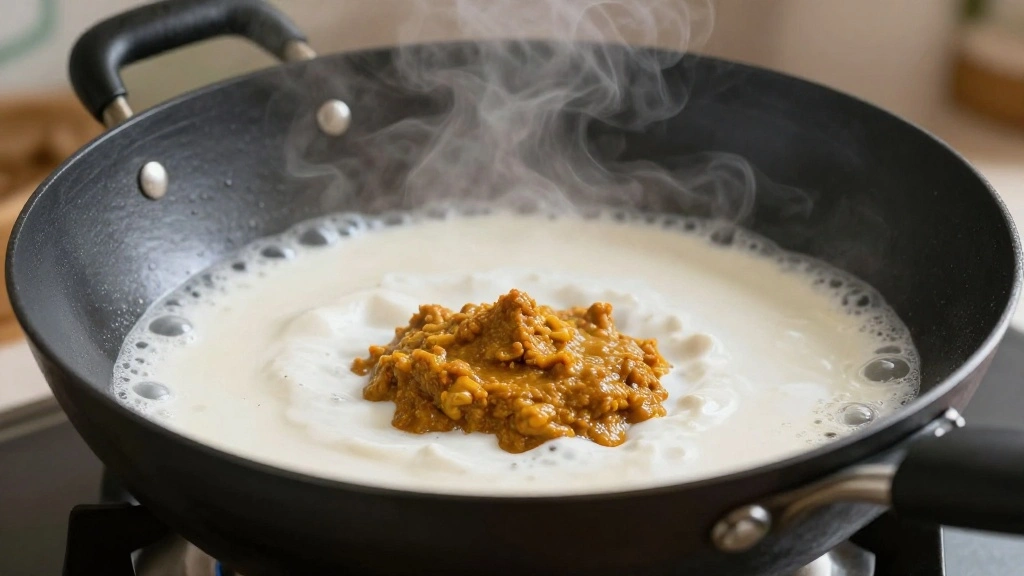
Pour coconut milk into the wok and bring to a gentle simmer.
Stir in the red curry paste and mix until well combined.
Add the fish sauce and palm sugar to balance the flavors.
Simmer for 5 minutes, allowing the sauce to thicken slightly.
Recommended Products
Single Mesh – Fine filtration for refined results

3-Piece Set for Every Kitchen Task: This Cuisinart kitchen strainer set includes three sizes— 3⅛″, 5½″, and 7⅞″. Perfect as a small strainer, large strainer, or everyday colander set for all your cooking needs, from rinsing to draining.

Food Grade Stainless Steel 18/8 Construction: Our kitchen strainer is made of first class Stainless Steel 18/8 304 that is BPA free, Lead and Cadmium free. It is rust free and will never affect the taste of your food!


Step 5: Combine Fish and Curry
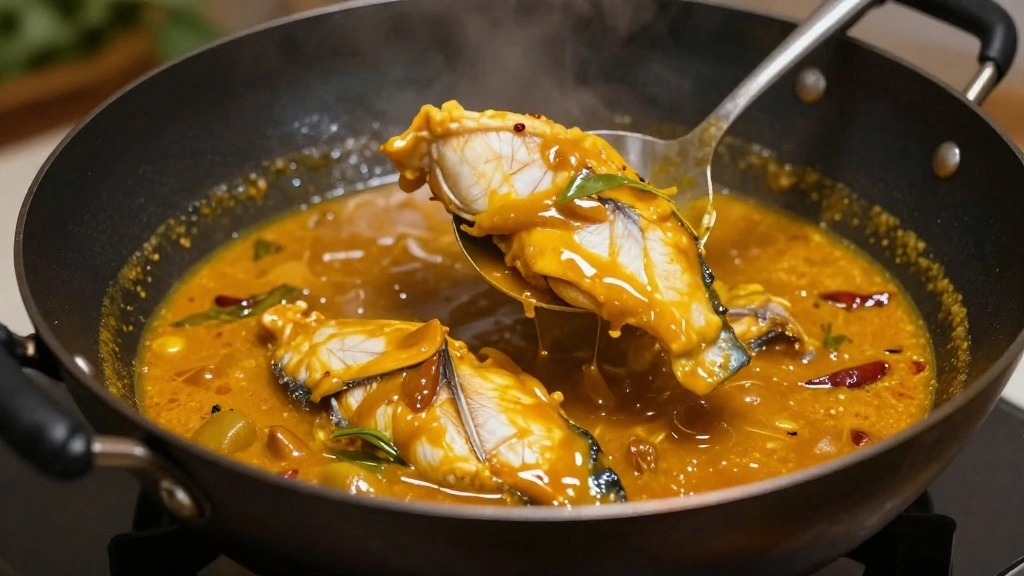
Gently return the cooked fish to the curry sauce.
Spoon the sauce over the fish to coat it evenly.
Simmer for an additional 5 minutes to infuse flavors.
Ensure the fish remains intact and tender.
Step 6: Prepare Vegetables
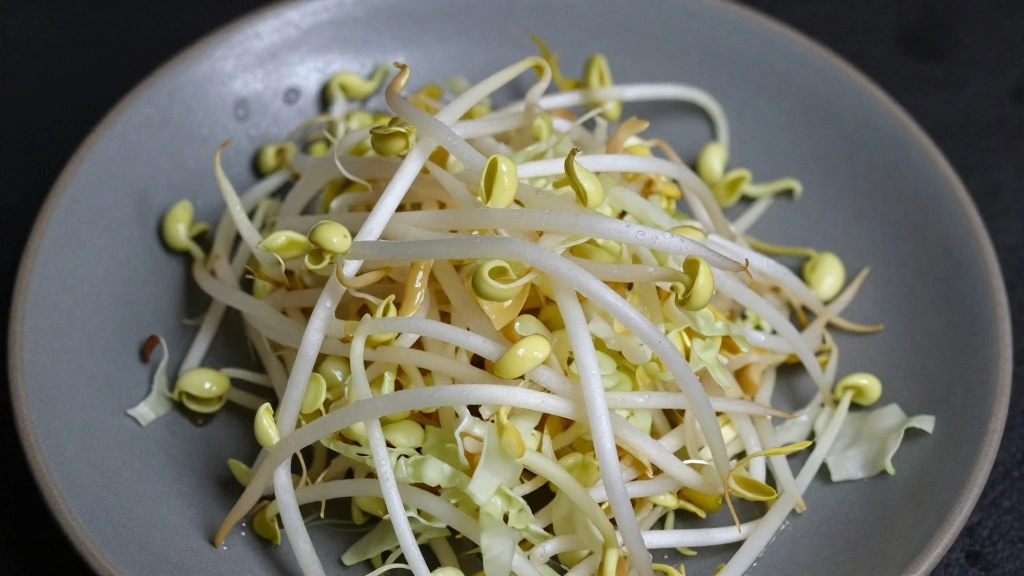
Rinse bean sprouts and cabbage under cold water.
Drain well and pat dry with a clean towel.
Arrange the vegetables on a serving platter for easy access.
Ensure they are fresh and crisp.


Step 7: Assemble the Dish
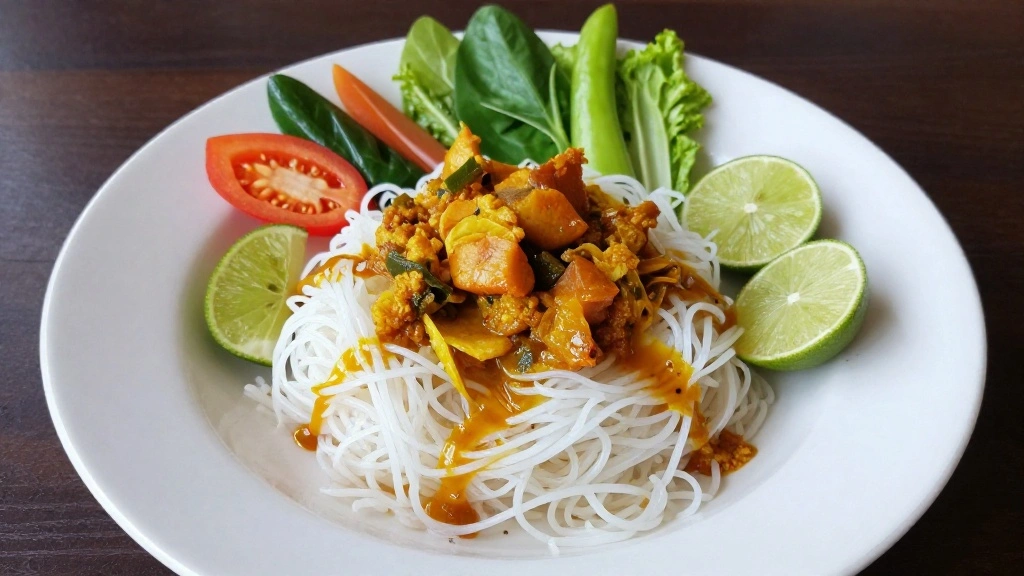
Place a portion of noodles on each serving plate.
Top with the fish curry, ensuring an even distribution of sauce.
Arrange bean sprouts and cabbage on the side.
Garnish with a squeeze of lime juice for zest.
Step 8: Serve and Enjoy
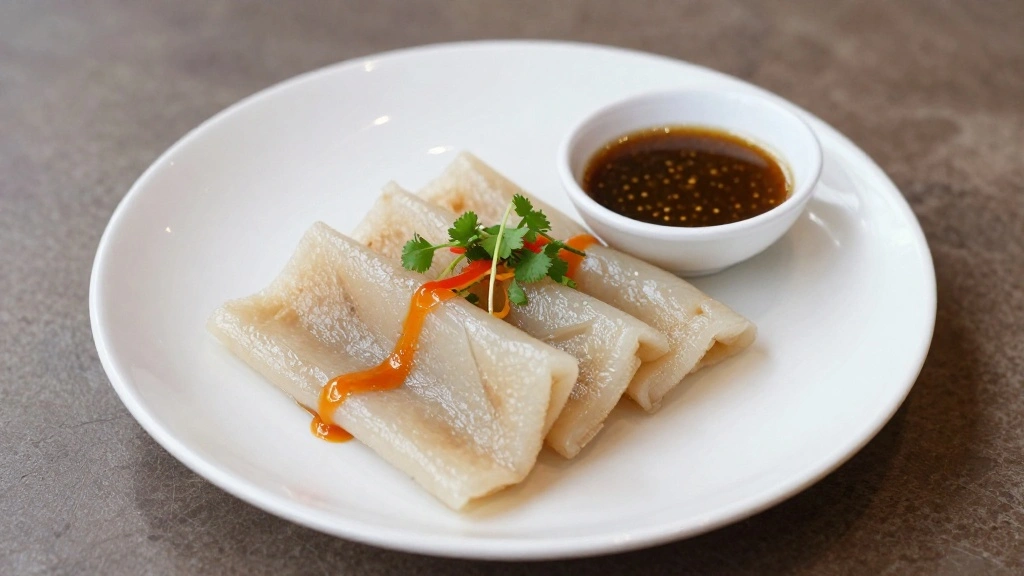
Present each plate with care, ensuring a colorful display.
Encourage guests to mix the noodles and curry before eating.
Enjoy the blend of spicy, sweet, and tangy flavors.
Serve immediately for the best taste experience.
Critical Timing and Temperature Guide
Simmering the Curry: Keep the curry at a gentle simmer (around 180°F) to allow flavors to meld without boiling. Avoid high heat, which can cause the coconut milk to separate.
Cooking the Fish: Cook the fish fillets at medium heat for 3-4 minutes per side until they are opaque and flaky. Overcooking can result in dry fish.
Soaking Noodles: Soak the noodles in warm water (around 120°F) for 10 minutes to soften them without making them mushy. Test a noodle for the right texture.
Pro Tips for Khanom Jeen Nam
• Ingredient Selection: Use fresh, high-quality fish and authentic Thai red curry paste to enhance the dish's flavor profile.
• Preparation Secret: Blending the curry paste with a mortar and pestle releases more flavor than pre-made paste.
• Temperature Management: Maintain a consistent simmer to prevent the coconut milk from curdling.
• Texture Enhancement: Ensure noodles are not over-soaked for optimal texture that complements the curry.
• Flavor Layering: Add lime juice at the end for brightness and to balance the rich coconut milk.
• Make-Ahead Strategies: Prepare the curry paste in advance and store it in the fridge for up to a week.
• Restaurant-Quality Finishing Touches: Garnish with fresh herbs like cilantro or Thai basil for an aromatic touch.
• Equipment Optimization: Use a non-stick wok to prevent the curry from sticking and ensure even cooking.

Troubleshooting Common Issues
• Curdled Coconut Milk: This occurs when the heat is too high. Lower the temperature and stir continuously to prevent separation.
• Fish Falling Apart: Overcooking or rough handling can break the fillets. Cook gently and flip carefully to maintain integrity.
• Noodles Too Soft: Over-soaking leads to mushy noodles. Test the texture frequently and drain them promptly.
• Flavors Too Spicy: Balance the heat by adding more coconut milk or a teaspoon of sugar.
• Lack of Flavor Depth: Ensure the curry paste is fresh and made with aromatic ingredients for a robust taste.
Variations and Regional Differences
• Southern Thai Variation: This version includes turmeric and fresh chilies for a spicier and more vibrant curry.
• Central Thai Variation: Often incorporates peanuts into the curry for a nutty flavor and richer texture.
• Northern Thai Variation: Uses fermented soybeans for added umami and a slightly tangy taste.
• Vegetarian Variation: Substitute fish with tofu and use vegetable stock for a plant-based alternative.


Food Science Behind the Recipe
• Emulsification: Coconut milk acts as an emulsifier, blending the curry paste and liquids into a smooth sauce.
• Fermentation: The fermentation of rice noodles develops their unique sour flavor and soft texture.
• Maillard Reaction: Cooking the curry paste in oil enhances its flavor through this browning reaction.
Frequently Asked Questions
What's the most common mistake people make when preparing Khanom Jeen Nam Ya? Overcooking the fish, which results in a dry texture. Cook it just until opaque.
Can I use canned coconut milk? Yes, canned coconut milk is convenient and provides a rich flavor, but ensure it's of good quality.
How do I adjust the spice level? Reduce or increase the amount of red curry paste to suit your taste preference.
Is it necessary to ferment the noodles? While traditional, you can use fresh rice noodles if fermentation is not possible.
Can I make this dish ahead of time? Yes, components like the curry paste can be prepared in advance.
What can I use instead of fish sauce? Soy sauce or tamari can be used as a vegetarian alternative.
What's the best way to store leftovers? Store in an airtight container in the fridge for up to 3 days. Reheat gently to avoid overcooking.
Serving and Presentation Guide
• Traditional Presentation: Serve in a large bowl with noodles at the base, topped with curry and fresh vegetables.
• Family Style: Present components separately on a large platter, allowing guests to assemble their own.
• Elegant Plating: Use shallow bowls and garnish with fresh herbs and lime wedges for a refined look.
• Street Food Vibe: Serve in banana leaf-lined bowls for an authentic street food experience.


Conclusion
Khanom Jeen Nam Ya is a delightful exploration of Thai culinary tradition.
Its layers of flavor and comforting warmth make it a perfect dish for any occasion.
Invite your friends and family to experience the vibrant tastes of Thailand with this recipe.
Enjoy the process of creating and savoring this authentic Thai masterpiece.