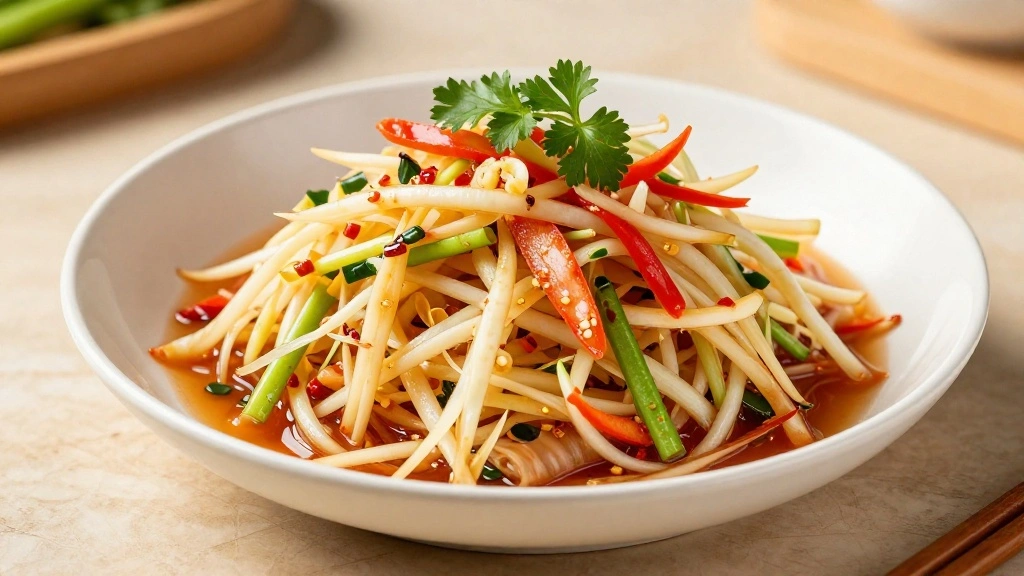

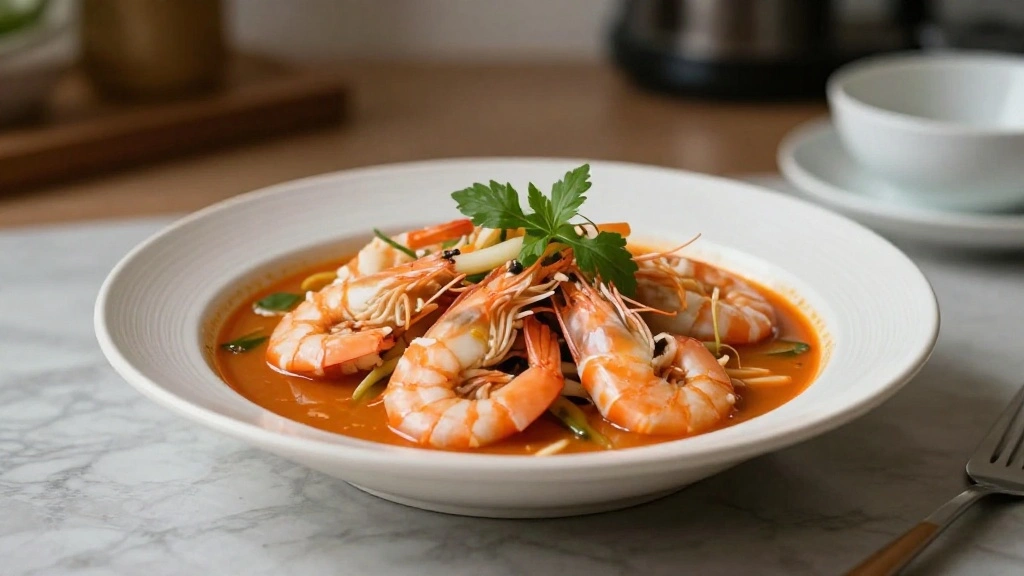


This classic Tom Yum Goong brings together centuries of culinary tradition with modern techniques to create a dish that’s both comforting and elegant.
The harmonious balance of spicy, sour, and savory flavors creates a memorable dining experience that will have everyone asking for your secret.
I discovered this recipe during my travels through Thailand, where local chefs have perfected it through generations of careful refinement.
Whether you’re preparing a casual family dinner or hosting a special celebration, this Tom Yum Goong delivers impressive results with straightforward preparation.
The History and Cultural Significance
• Tom Yum Goong traces its origins to Central Thailand, where it was originally created by local fishermen as a way to use fresh shrimp and herbs.
• The dish evolved over decades as the introduction of ingredients like galangal and kaffir lime leaves enhanced its depth, eventually becoming the beloved version we know today.
• In Thai culture, this dish traditionally appears at family gatherings and festive occasions, symbolizing warmth and togetherness.
• While many variations exist across different regions, the authentic version maintains its distinctive hot and sour profile that sets it apart from imitations.

Recipe Overview
Nutritional Information (per serving)
Essential Equipment Guide
Large Pot: A large pot is essential for boiling the soup ingredients evenly. Stainless steel or heavy-bottomed pots work best to prevent scorching. If unavailable, a deep saucepan can be an alternative.
Ladle: A ladle is crucial for serving the soup and ensuring you get a good mix of broth and ingredients in each serving. Look for a ladle with a comfortable grip and a deep bowl.
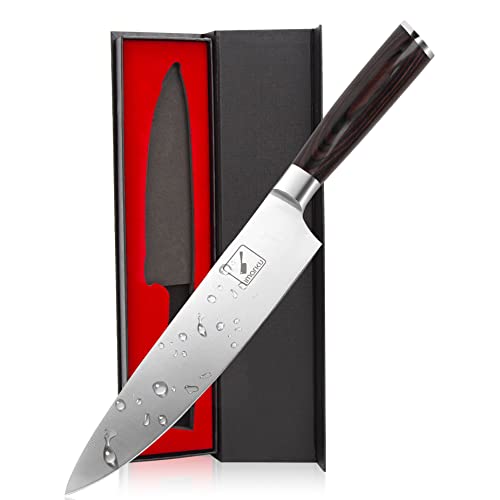
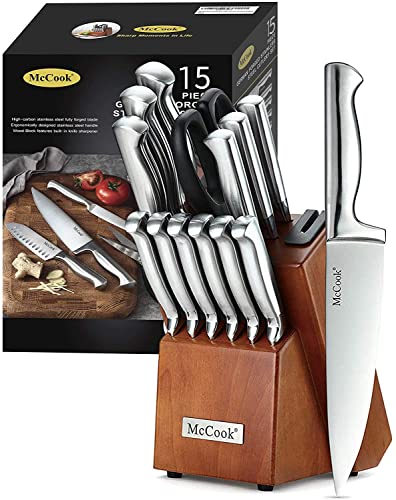
Knife: A sharp knife is necessary for chopping herbs and vegetables precisely. A chef’s knife is ideal, but a good-quality utility knife can also work.


Ingredients
For the Broth
|
| Amount | Ingredient | Notes |
|---|---|---|
| 4 cups | water | base for the soup |
| 1 stalk | lemongrass | cut into 2-inch pieces and smashed |
| 3 slices | galangal | adds aromatic spiciness |
| 3 leaves | kaffir lime | torn to release flavor |
For the Soup
| Amount | Ingredient | Notes |
|---|---|---|
| 1 cup | mushrooms | sliced |
| 8 ounces | shrimp | peeled and deveined |
| 2 tablespoons | fish sauce | for umami |
| 1 tablespoon | lime juice | for tanginess |
Seasonings
| Amount | Ingredient | Notes |
|---|---|---|
| 2 pieces | Thai chilies | crushed, adds heat |
| 1 tablespoon | sugar | balances flavors |
| 2 tablespoons | cilantro | chopped for garnish |


Preparation Methods
Smashing Lemongrass: Smashing lemongrass releases its oils and enhances flavor. Cut the stalk into manageable pieces and use the back of a knife to gently smash them. This ensures a fuller flavor infusion in the broth.
Peeling and Deveining Shrimp: Properly peeling and deveining shrimp is crucial for maintaining a clean taste. Use a small knife to make a shallow cut along the back and remove the vein. Rinse under cold water to ensure cleanliness.
Balancing Flavors: Balancing the spicy, sour, and salty flavors is key to authentic Tom Yum Goong. Taste the soup frequently and adjust lime juice, fish sauce, and chilies to your preference. This practice ensures a harmonious final dish.


Step 1: Prepare Ingredients
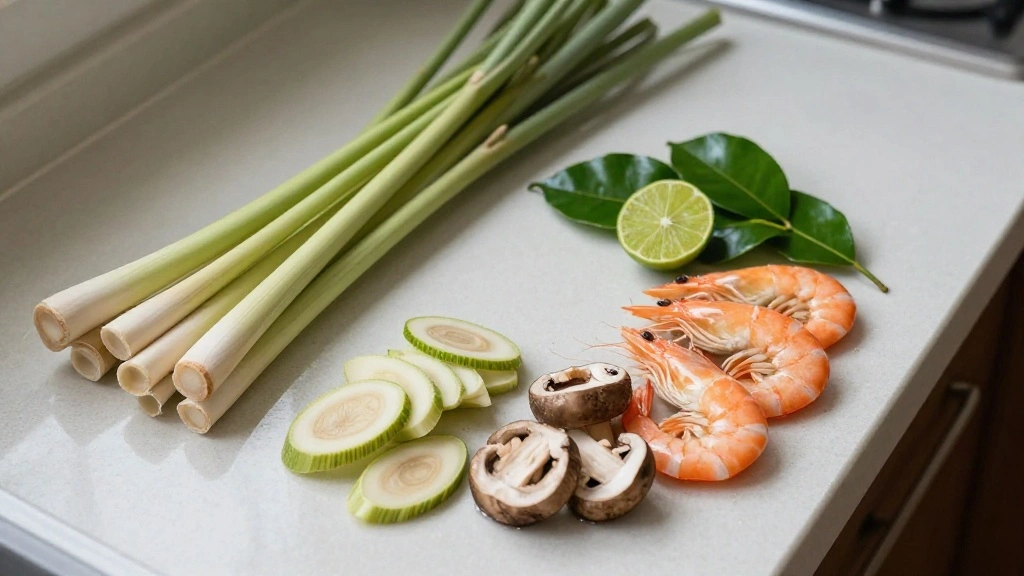
Gather all fresh ingredients and spices.
Chop vegetables and herbs before starting to cook.
Ensure shrimp is peeled and deveined.
Set aside all prepared ingredients for easy access.


Step 2: Boil the Broth
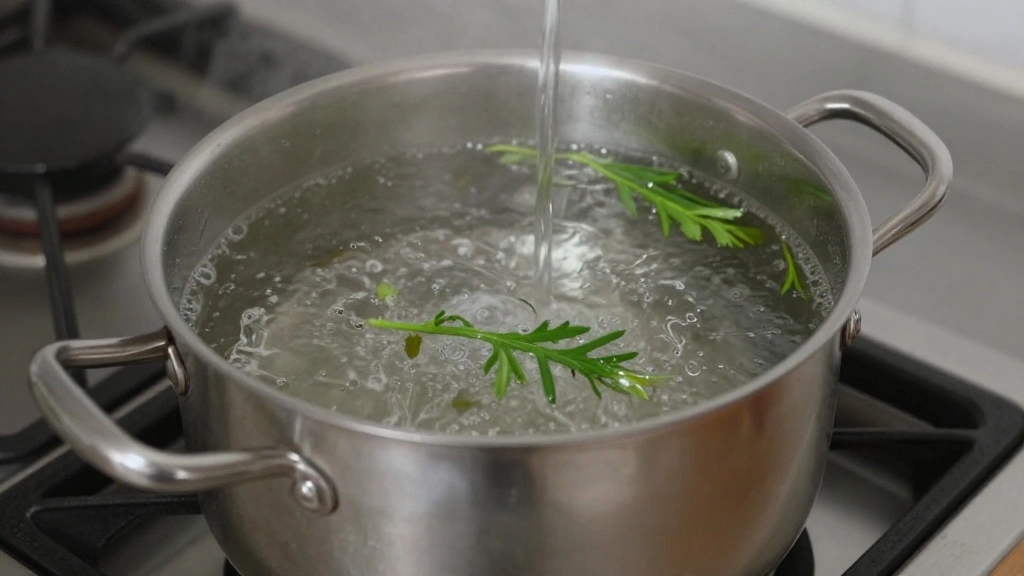
In a large pot, bring water to a boil.
Add lemongrass, galangal, and kaffir lime leaves.
Let it simmer for 5-7 minutes to infuse flavors.
Watch for the aroma of the herbs to indicate readiness.
Step 3: Add Mushrooms and Chilies
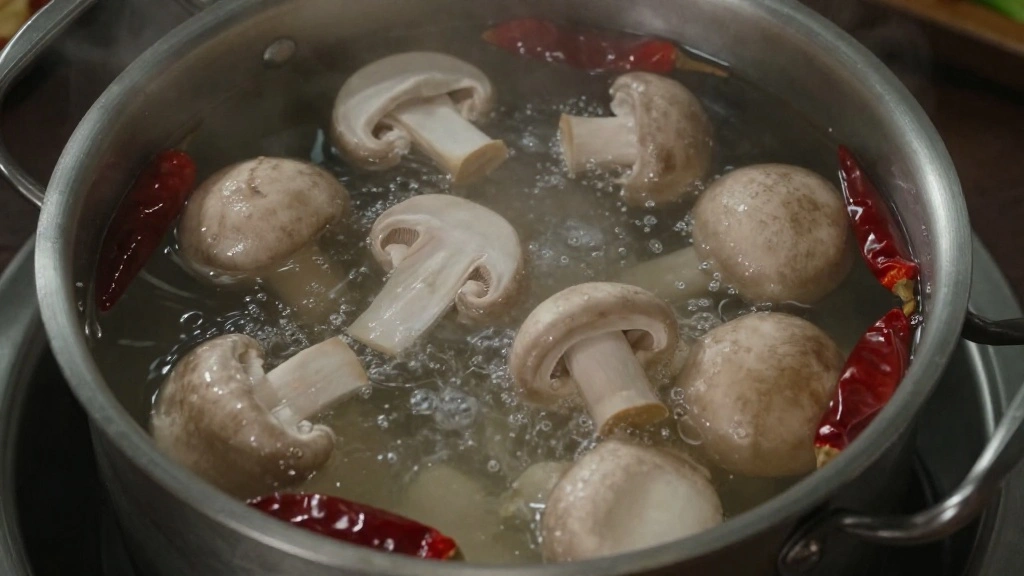
Add sliced mushrooms to the pot.
Include crushed Thai chilies for heat.
Allow the soup to simmer for another 5 minutes.
Mushrooms should be softened but not mushy.

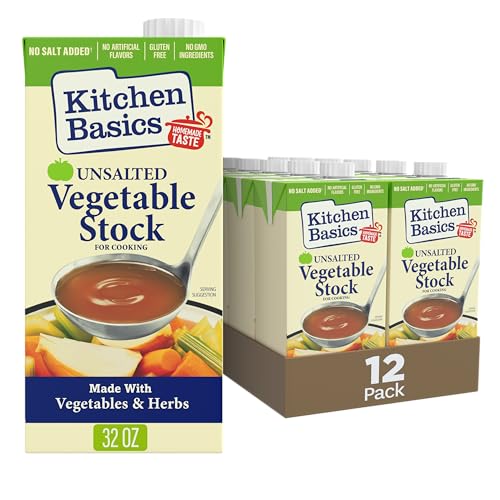

Step 4: Cook the Shrimp
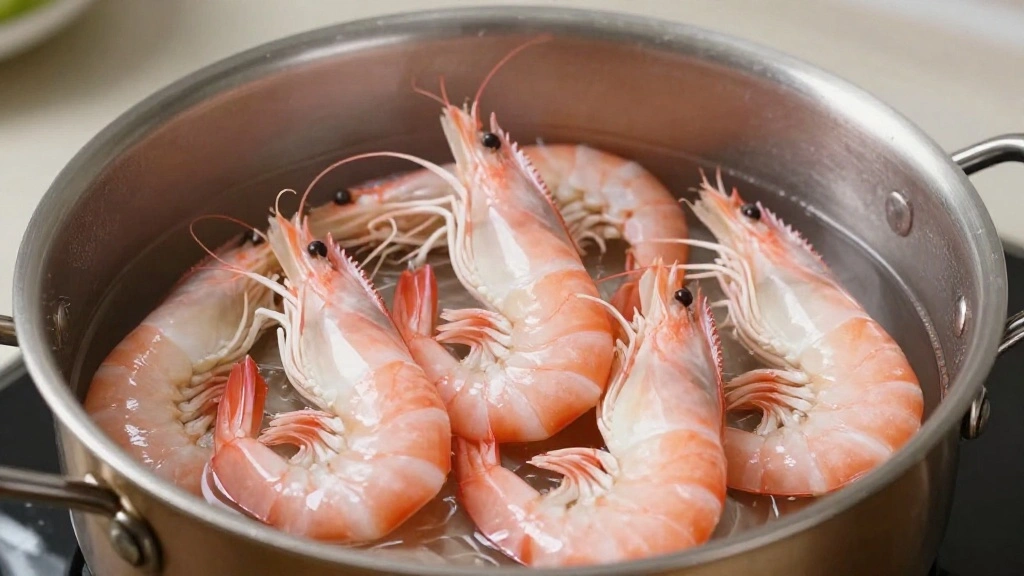
Add shrimp to the pot with the broth.
Cook for 3-4 minutes until shrimp turn pink.
Ensure shrimp are fully cooked but tender.
Avoid overcooking to prevent toughness.
Step 5: Season the Soup

Add fish sauce and lime juice to the pot.
Stir gently to combine the flavors.
Taste and adjust seasoning if necessary.
Balance should be spicy, sour, and salty.


Step 6: Finishing Touches
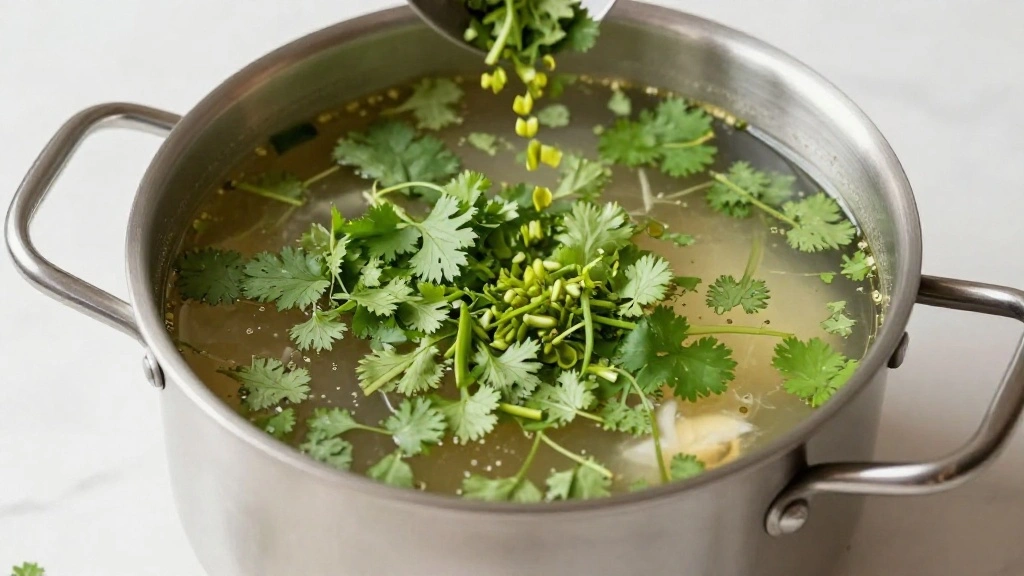
Add sugar to balance the flavors.
Stir in chopped cilantro for freshness.
Taste once more to ensure all flavors are balanced.
Remove from heat once satisfied with the taste.


Step 7: Serve the Soup
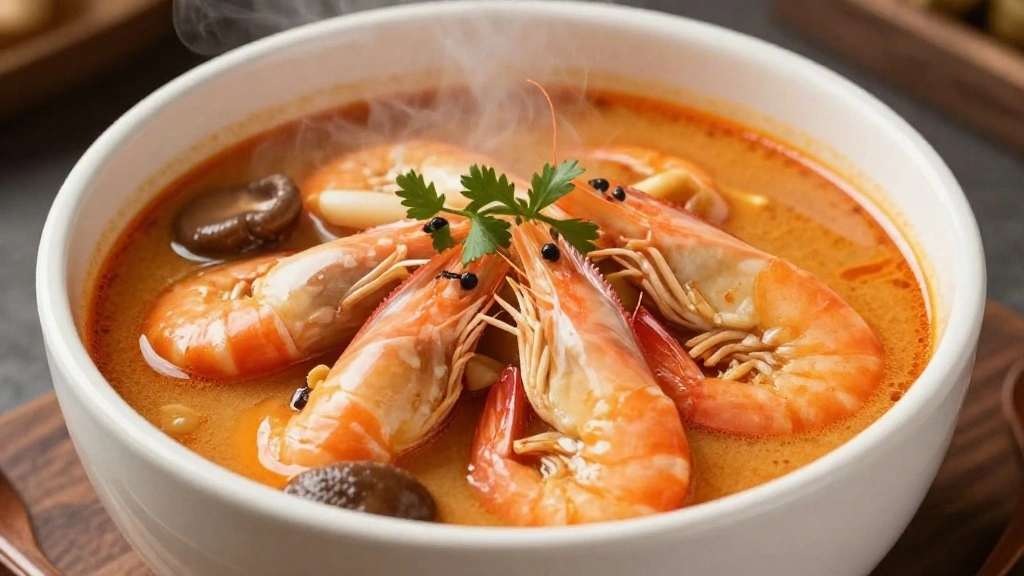
Ladle soup into individual bowls.
Ensure each bowl has an equal amount of shrimp and broth.
Garnish with additional cilantro if desired.
Serve immediately while hot.


Step 8: Enjoy
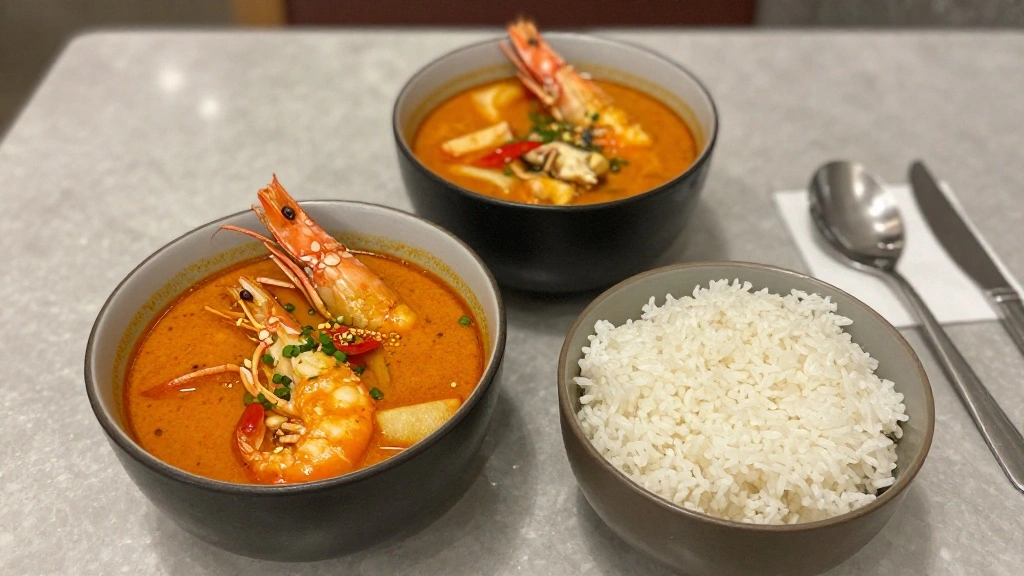
Pair the soup with steamed rice if preferred.
Savor the complex flavors with each spoonful.
Note the balance of spicy, sour, and savory elements.
Share the dish with friends and family for a delightful meal.


Critical Timing and Temperature Guide
Simmering the Broth: Simmer the broth at medium heat for 5-7 minutes until aromatic. Ensure the heat is not too high to prevent boiling off the delicate flavors. Avoid covering the pot to allow steam to escape.
Cooking Shrimp: Cook shrimp for 3-4 minutes on medium-high heat. Shrimp should turn pink and opaque. Overcooking will make them tough, so watch closely.
Balancing Flavors: Adjust flavors at the end of cooking. Taste after each addition of lime, fish sauce, or sugar. Avoid adding too much at once, as it's easier to add more than to correct an overpowering flavor.


Pro Tips for Tom Yum Goong
• Ingredient Selection: Choose fresh shrimp and aromatic herbs like lemongrass and kaffir lime for the best flavor profile. Freshness greatly impacts the soup's aroma and taste.
• Preparation Secret: Lightly crushing the lemongrass before adding it to the broth releases more oils, enhancing the soup's aromatic quality.
• Temperature Management: Keep the soup at a simmer rather than a boil to maintain the integrity of the shrimp and herbs.
• Texture Enhancement: For a velvety texture, avoid overcooking the shrimp. They should be tender and just cooked through.
• Flavor Layering: Layer flavors by adding lime juice and fish sauce towards the end of cooking to preserve their freshness and impact.
• Make-Ahead Strategies: Prepare the broth base a day in advance to let flavors meld. Store in the refrigerator and reheat, adding fresh shrimp and seasonings before serving.
• Restaurant-Quality Finishing Touches: Garnish with fresh cilantro and a slice of lime for an added burst of freshness and a professional look.
• Equipment Optimization: Use a wide pot to give ingredients room to move, ensuring even cooking and flavor distribution.


Troubleshooting Common Issues
• Flavors Unbalanced: If the soup is too sour, add a bit more sugar or fish sauce. If too salty, a splash of lime juice can help. Taste and adjust gradually.
• Shrimp Overcooked: Recognize overcooked shrimp by their rubbery texture. Ensure shrimp are added last and cook only until they turn pink.
• Soup Too Spicy: If the heat is overwhelming, add a little more sugar or coconut milk to mellow the spice.
• Herbs Not Flavorful: Ensure herbs are fresh and properly prepared. Crushing lemongrass and tearing kaffir lime leaves release essential oils for flavor.
• Broth Too Cloudy: This can happen if the soup is boiled too rapidly. Maintain a gentle simmer to keep the broth clear.


Variations and Regional Differences
• Central Thai Variation: This version is known for its clear broth and emphasis on a balanced flavor without the use of coconut milk.
• Southern Thai Variation: Often includes coconut milk, giving the soup a creamy texture and richer flavor, which is preferred in the southern region.
• Isan Style: Features a more pronounced sour profile, often using tamarind paste as an additional souring agent.
• Western Adaptation: Includes additional vegetables like tomatoes and carrots, catering to a milder palate with less emphasis on chilies.


Food Science Behind the Recipe
• Emulsification: Fish sauce and lime juice create a natural emulsification, blending the soup's flavors and enhancing the mouthfeel.
• Maillard Reaction: When shrimp are cooked, the Maillard reaction enhances their natural sweetness, contributing to the soup's overall umami.
• Flavor Extraction: Simmering the herbs allows for maximum flavor extraction, as heat helps release essential oils and compounds from the ingredients.


Frequently Asked Questions
What's the most common mistake people make when preparing Tom Yum Goong? Overcooking the shrimp is a frequent issue. They should be cooked just until pink to maintain tenderness.
Can I use frozen shrimp? Yes, but ensure they are fully thawed and patted dry before cooking to prevent excess water from diluting the soup.
How can I make the soup less spicy? Reduce the number of chilies or remove the seeds to decrease heat while still enjoying the flavor.
Is there a vegetarian version of Tom Yum Goong? Yes, you can substitute shrimp with tofu and use vegetable broth instead of a shrimp base.
Why is my broth cloudy? Rapid boiling can cause cloudiness. Maintain a simmer to keep the broth clear.
Can I prepare the soup in advance? The broth can be made ahead, but add shrimp and lime juice just before serving for the best taste.
What can I use instead of kaffir lime leaves? Lime zest can be a substitute, though it won't provide the exact same flavor profile.
Serving and Presentation Guide
• Traditional Presentation: Serve in deep bowls with a sprig of fresh cilantro and a slice of lime on the side.
• Family Style: Present in a large serving bowl from which individuals can ladle their portions.
• Western Approach: Accompany with a side of steamed jasmine rice for a complete meal.
• Garnish Ideas: Add thin slices of red chili and a sprinkle of black pepper for a visually appealing finish.


Conclusion
I hope this guide inspires you to try making authentic Tom Yum Goong at home.
With its vibrant flavors and straightforward preparation, it’s sure to become a favorite.
Gather your ingredients, follow the steps, and enjoy a taste of Thailand in your own kitchen.