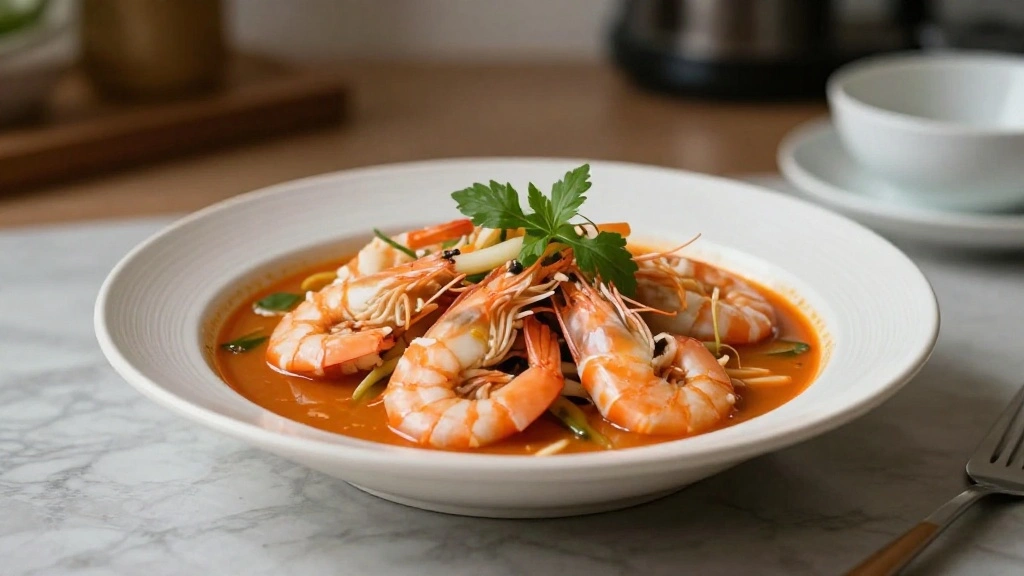

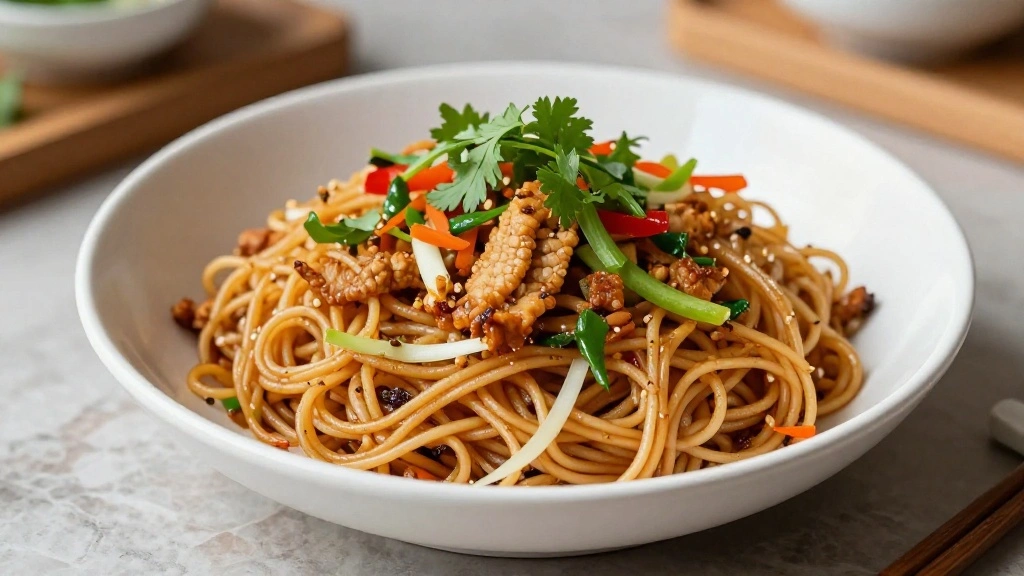


Thai Boat Noodles Recipe Bold Authentic Street Food
1 liter beef stock
2 tablespoons fish sauce
1 tablespoon soy sauce
2 pieces star anise
1 stick cinnamon
400 grams rice noodles
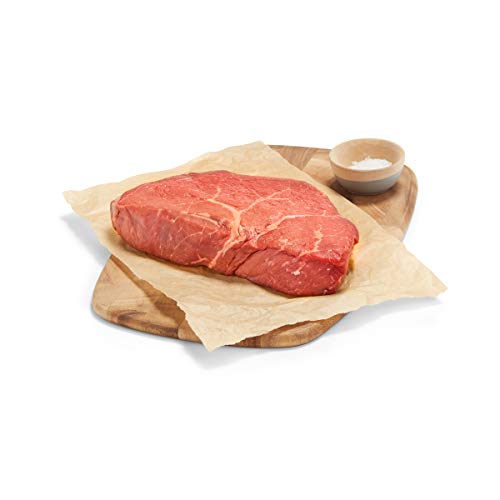
200 grams beef slices
200 grams pork balls
1 cup bean sprouts
1 bunch Thai basil leaves
1 cup water spinach
2 tablespoons lime juice
1 teaspoon chili flakes
PT90M
4 servings
The harmonious balance of spicy, savory, and tangy flavors creates a memorable dining experience that will have everyone asking for your secret.
I discovered this recipe during my travels through Thailand, where local chefs have perfected it through generations of careful refinement.
This classic Thai Boat Noodles dish brings together centuries of culinary tradition with modern techniques to create a dish that’s both comforting and bold.
Whether you’re preparing a casual family dinner or hosting a special celebration, this Thai Boat Noodles recipe delivers impressive results with straightforward preparation.
The History and Cultural Significance
• Thai Boat Noodles traces its origins to the canals of Bangkok, where it was originally created by boat vendors serving travelers and locals.
• The dish evolved over decades as ingredients like beef and pork were added, along with a rich broth, eventually becoming the beloved version we know today.
• In Thai culture, this dish traditionally appears at street food markets, symbolizing the vibrant and communal nature of Thai culinary traditions.
• While many variations exist across different regions, the authentic version maintains a rich, aromatic broth and a variety of meats that sets it apart from imitations.


Recipe Overview
Nutritional Information (per serving)
Essential Equipment Guide
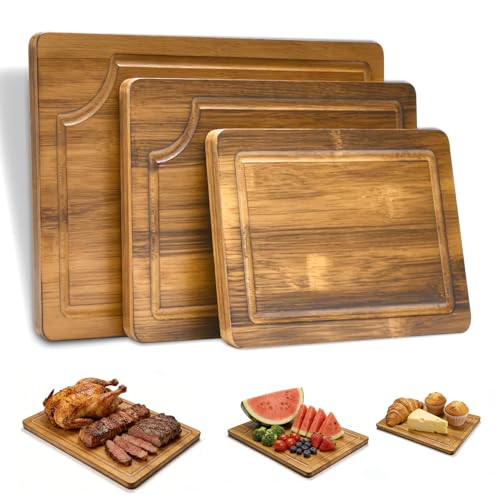
Large Pot: A large pot is essential for simmering the broth to develop deep flavors. Look for a pot with a heavy bottom to ensure even heat distribution.
Mortar and Pestle: Important for crushing spices and herbs to release their full flavors, a mortar and pestle can be substituted with a spice grinder if necessary.
Fine Mesh Strainer: Useful for straining the broth to remove impurities, ensuring a clean and clear liquid. Look for one with a sturdy handle and fine mesh.
Ingredients
For the Broth
| Amount | Ingredient | Notes |
|---|---|---|
| 1 liter | beef stock | rich and flavorful base |
| 2 tablespoons | fish sauce | adds umami |
| 1 tablespoon | soy sauce | depth of flavor |
| 2 pieces | star anise | aromatic spice |
| 1 stick | cinnamon | warmth and sweetness |
For the Noodles
| Amount | Ingredient | Notes |
|---|---|---|
| 400 grams | rice noodles | soaked in warm water |
For the Meat
| Amount | Ingredient | Notes |
|---|---|---|
| 200 grams | beef slices | thinly sliced, tender |
| 200 grams | pork balls | adds texture |
Vegetables and Herbs
| Amount | Ingredient | Notes |
|---|---|---|
| 1 cup | bean sprouts | fresh crunch |
| 1 bunch | Thai basil leaves | fragrant aroma |
| 1 cup | water spinach | adds a fresh element |
Seasonings
| Amount | Ingredient | Notes |
|---|---|---|
| 2 tablespoons | lime juice | adds tanginess |
| 1 teaspoon | chili flakes | spicy kick |


Preparation Methods
Simmering: Simmering the broth slowly is crucial for extracting maximum flavor from the spices and meat. Keep the heat low and allow the ingredients to meld together for a rich taste.
Blanching: Blanching the noodles ensures they are soft yet firm. Quickly immerse them in boiling water, then transfer them to cold water to stop the cooking process.
Layering Flavors: Building layers of flavor involves adding ingredients in stages. Start with aromatics, then add liquids and seasonings gradually, tasting as you go.

Step 1: Prepare Ingredients
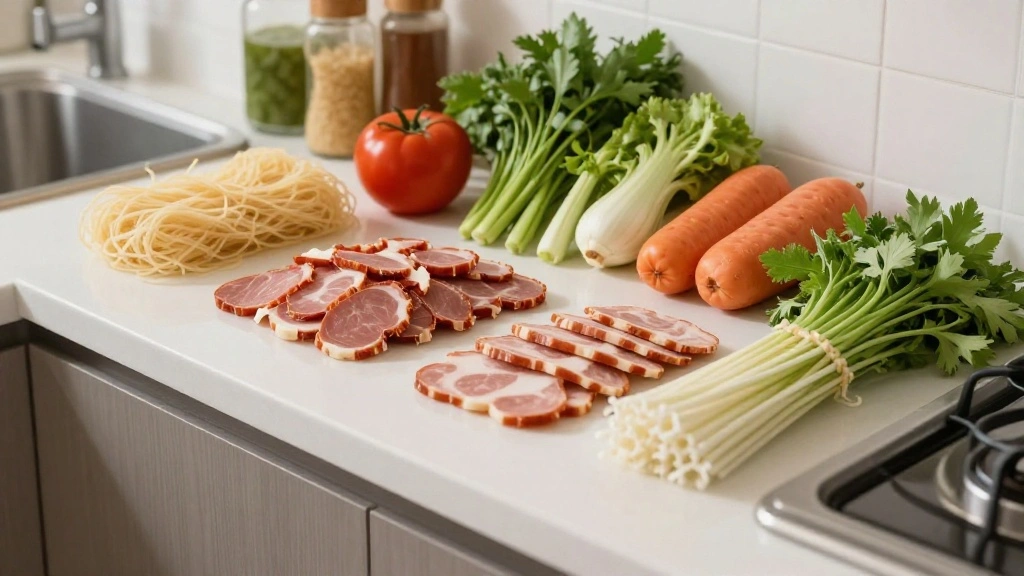
Gather all the necessary ingredients and equipment.
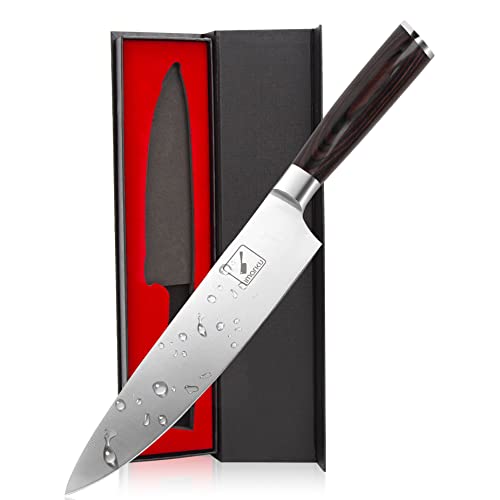
Ensure the beef is thinly sliced and the pork balls are ready.
Soak the rice noodles in warm water until pliable.
Wash and prepare the vegetables and herbs.


Step 2: Start the Broth
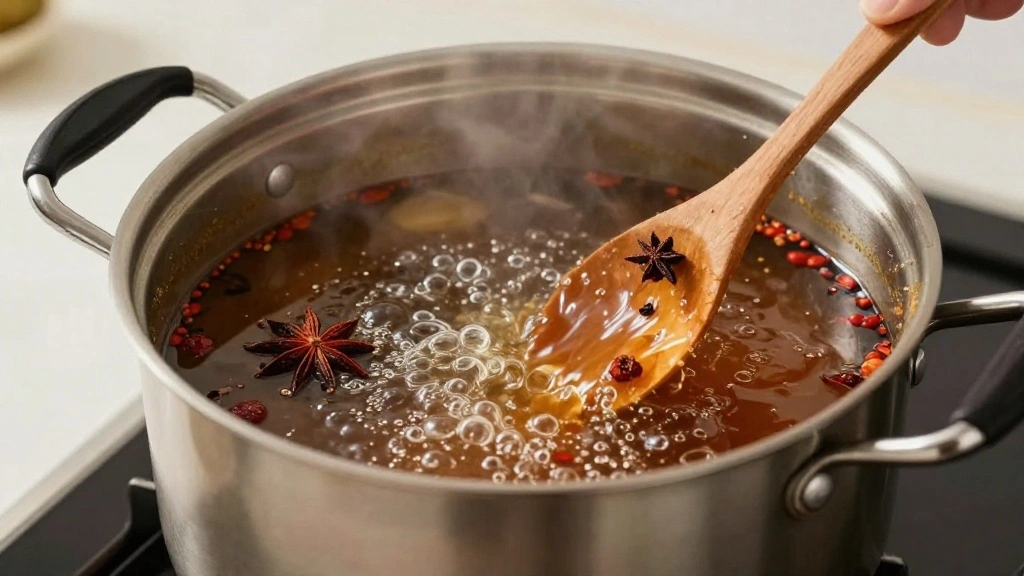
Place the large pot over medium heat and add beef stock.
Add star anise and cinnamon stick to the pot.
Pour in fish sauce and soy sauce, stirring gently.
Allow the broth to simmer, developing its flavor.


Step 3: Simmer the Broth
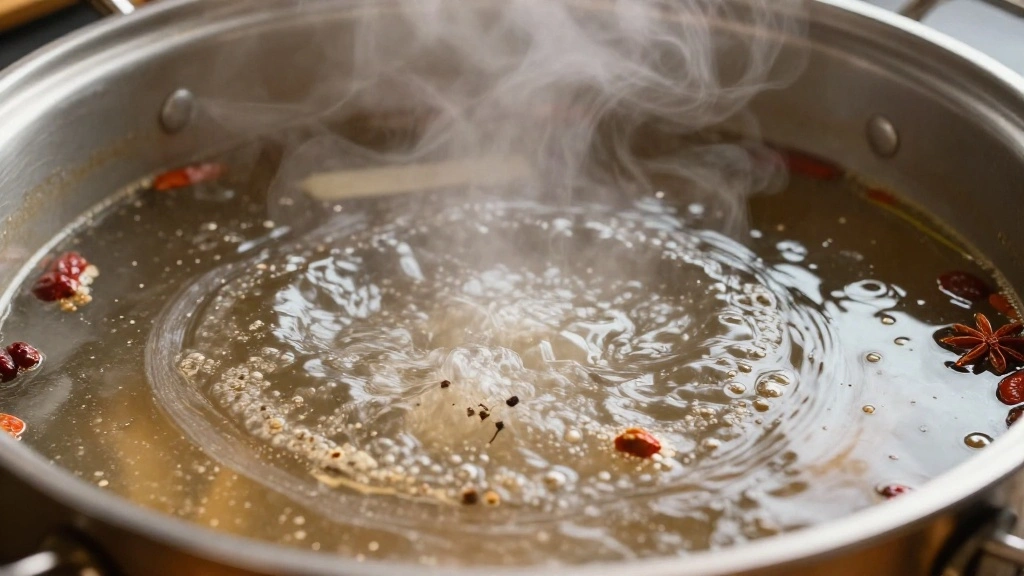
Reduce heat to low, maintaining a gentle simmer.
Let the broth cook for approximately 45 minutes.
Stir occasionally to prevent sticking and ensure even cooking.
Taste and adjust seasonings as necessary.
Step 4: Prepare the Noodles
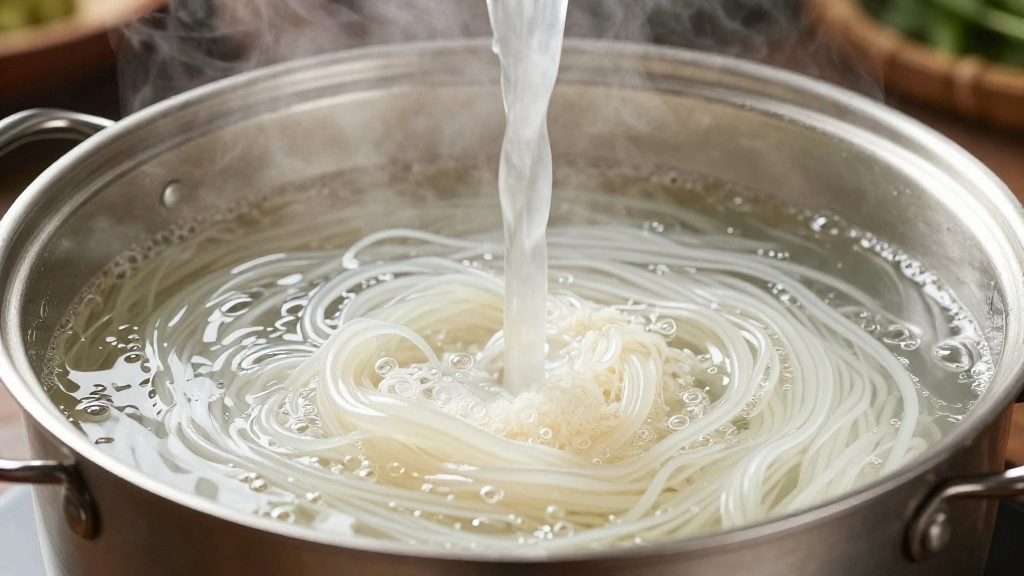
Boil a separate pot of water for blanching the noodles.
Once boiling, add the soaked rice noodles.
Cook for 2-3 minutes until just tender.
Drain and rinse under cold water to stop cooking.


Step 5: Cook the Meats
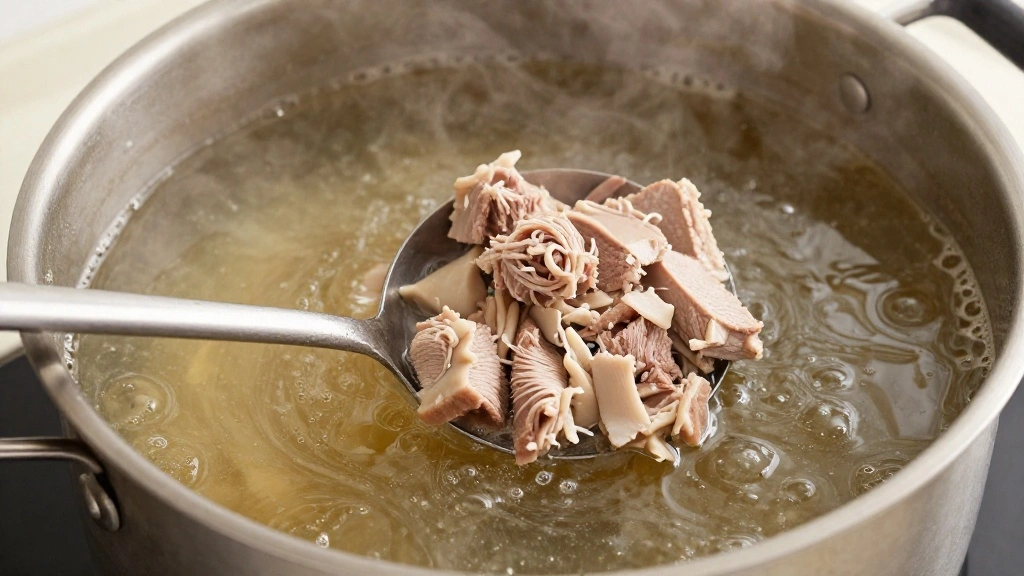
Add thinly sliced beef to the simmering broth.
Follow with the pork balls, ensuring they are submerged.
Cook until the beef is tender and pork balls are heated through.
Remove any scum that rises to the surface.
Step 6: Assemble the Noodles
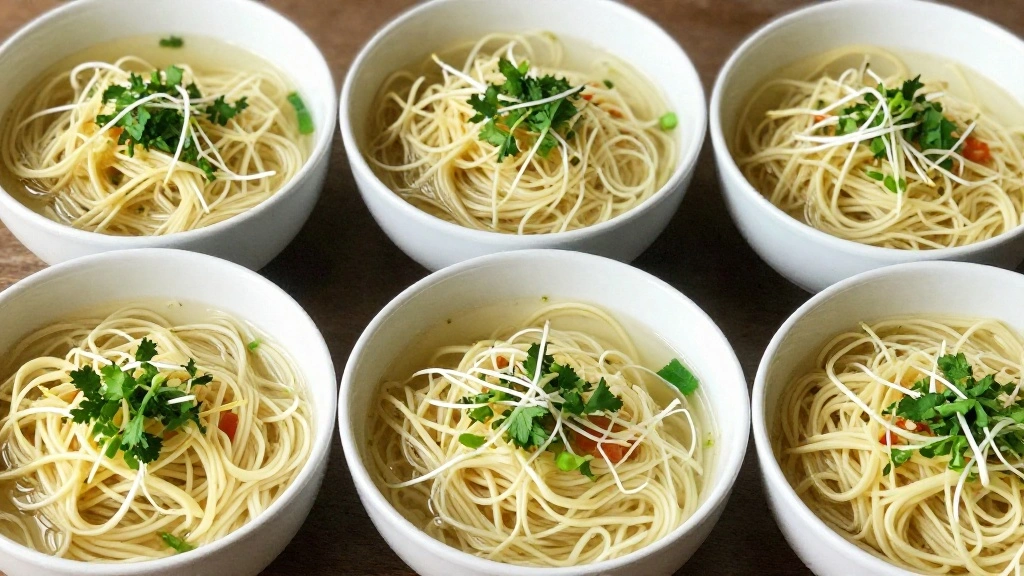
Place a portion of noodles in each serving bowl.
Add a generous ladle of broth over the noodles.
Ensure an even distribution of meat in each bowl.
Garnish with bean sprouts and Thai basil.
Step 7: Final Seasoning
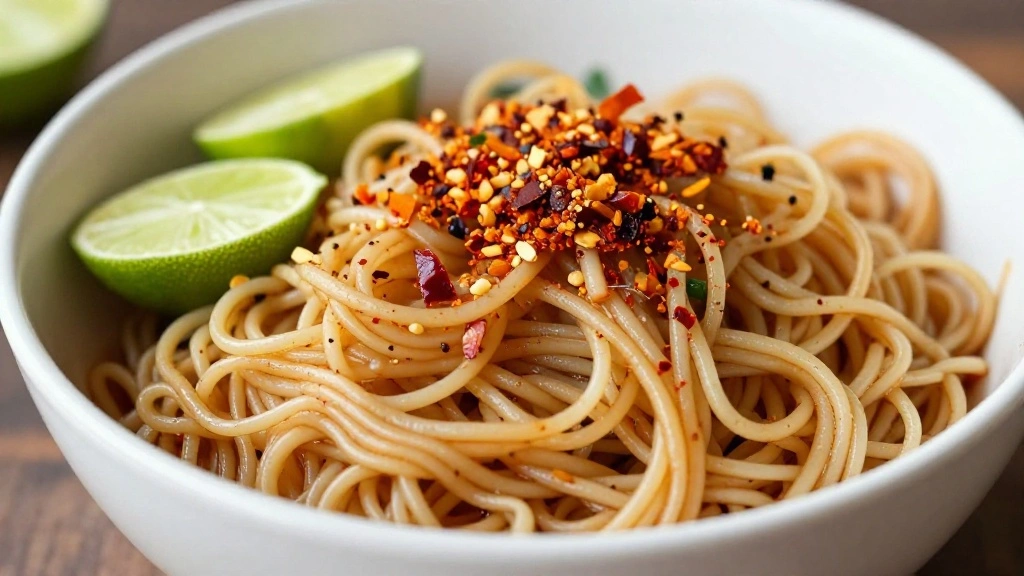
Squeeze lime juice over each bowl for a tangy finish.
Sprinkle chili flakes for desired heat level.
Taste and adjust seasoning as preferred.
Stir to combine the flavors before serving.


Step 8: Serve and Enjoy
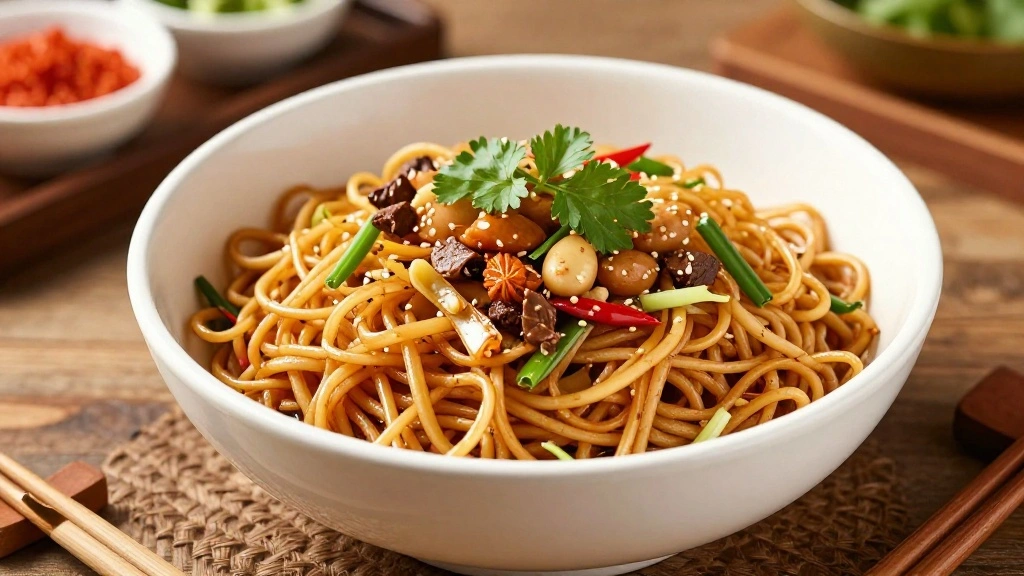
Ensure each serving is well-balanced with broth and toppings.
Present with additional lime wedges and chili on the side.
Encourage diners to mix the ingredients before eating.
Enjoy the rich and complex flavors of the dish.
Critical Timing and Temperature Guide
Simmering the Broth: Maintain a low simmer for 45 minutes; look for a fragrant aroma and rich color. Avoid boiling to prevent bitterness.
Noodle Blanching: Blanch noodles for 2-3 minutes; they should be pliable but not mushy. Shock in cold water immediately to prevent overcooking.
Meat Cooking: Simmer meats until tender; beef should be soft, and pork balls heated through. Avoid overcooking to prevent toughness.
Pro Tips for Thai Boat Noodles
• Ingredient Selection: Choose high-quality beef stock for a richer broth. Fresh Thai basil and lime are crucial for authentic flavor.
• Preparation Secret: Toast spices like star anise and cinnamon before adding them to the broth to enhance their aroma and flavor.
• Temperature Management: Keep the broth at a consistent low simmer to extract maximum flavor from the ingredients without bitterness.
• Texture Enhancement: Blanch noodles just until tender and shock them in cold water to maintain their texture.
• Flavor Layering: Add fish sauce and soy sauce incrementally to adjust the saltiness and umami to taste.
• Make-Ahead Strategies: Prepare the broth a day ahead to allow flavors to deepen. Reheat gently before serving.
• Restaurant-Quality Finishing Touches: Garnish with fresh herbs just before serving for a vibrant, aromatic finish.
• Equipment Optimization: Use a fine mesh strainer to clarify the broth, enhancing its appearance and flavor.


Troubleshooting Common Issues
• Broth Too Bitter: Caused by boiling the spices too vigorously; strain and dilute with additional stock to balance flavors.
• Noodles Too Soft: Overcooking can cause mushiness; reduce blanching time and ensure immediate cold water shock.
• Flavors Unbalanced: Adjust seasonings incrementally; add lime for acidity, fish sauce for umami, or sugar for sweetness as needed.
• Meat Too Tough: Overcooking beef can lead to toughness; slice thinly and monitor cooking time closely.
• Broth Lacks Depth: Simmer longer with fresh herbs and adjust seasoning to enhance complexity.
Variations and Regional Differences
• Northern Thai Variation: Uses fermented soybeans for a unique umami flavor and incorporates local vegetables like cabbage.
• Isan Style: Features a spicier broth with the addition of dried chilies and often includes blood cubes for richness.
• Central Thai Version: Known for a sweeter broth with palm sugar and includes a variety of seafood like shrimp or squid.
• Vegetarian Adaptation: Replaces meat with tofu and mushrooms, using vegetable stock as the base for a lighter option.


Food Science Behind the Recipe
• Maillard Reaction: This browning reaction occurs during the simmering of meats, enhancing flavor complexity in the broth.
• Emulsification: Proper stirring helps emulsify fats into the broth, creating a richer and more cohesive liquid.
• Protein Denaturation: Cooking the beef at a simmer denatures proteins slowly, resulting in tender meat without toughness.


Frequently Asked Questions
What’s the most common mistake people make when preparing Thai Boat Noodles? Boiling the broth too vigorously, which can lead to a bitter taste. Maintain a gentle simmer for best results.
Can I use chicken instead of beef? Yes, chicken can be used as an alternative, but it will change the flavor profile slightly.
How can I make the dish spicier? Add more chili flakes or fresh Thai chilies to the broth during cooking.
What if I can’t find Thai basil? Substitute with regular basil or cilantro, though the flavor will differ slightly.
How do I store leftovers? Store the noodles and broth separately to prevent sogginess; combine just before reheating.
Can the recipe be doubled? Yes, adjust ingredient quantities accordingly and ensure your pot is large enough to accommodate.
Is there a vegetarian version? Yes, replace meat with tofu or mushrooms and use vegetable stock.
Serving and Presentation Guide
• Traditional Presentation: Serve in shallow bowls to showcase the broth and toppings, with additional garnishes on the side.
• Street Food Style: Present in smaller bowls to mimic Thai street food portions, encouraging sharing and variety.
• Family-Style Setup: Arrange components separately on a large platter, allowing diners to customize their own bowls.
• Modern Twist: Use deep, wide bowls with minimalist garnishing for a contemporary look.


Conclusion
Exploring the rich and diverse flavors of Thai Boat Noodles is a culinary journey worth taking.
With its authentic roots and vibrant taste, this dish is sure to become a favorite in your recipe repertoire.
Give this recipe a try, and experience the essence of Thai street food right in your own kitchen.