
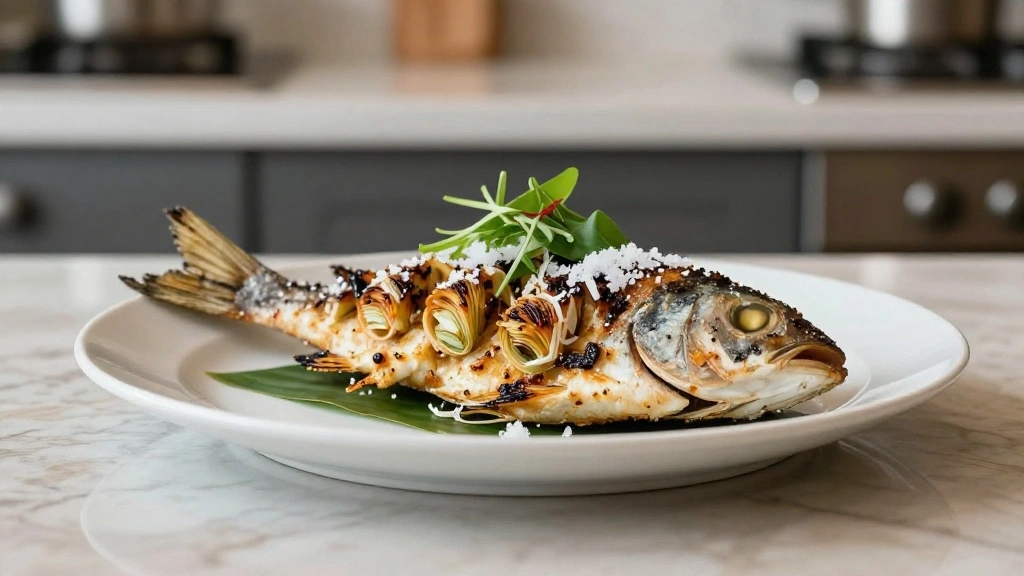


I discovered Thai Salt Crusted Grilled Fish, or Pla Pao, during a vibrant street market tour in Bangkok, where the aroma of grilling fish filled the air.
The harmonious blend of salty crust and fragrant lemongrass stuffing creates an unforgettable taste sensation.
It’s a dish that perfectly captures the essence of Thai street food, offering a delightful balance of flavors and textures.
Whether you’re looking to impress at a barbecue or seeking a new way to enjoy fish, Pla Pao is a must-try.
The straightforward preparation ensures that you can bring this authentic taste of Thailand to your own kitchen with ease.
The History and Cultural Significance
• Thai Salt Crusted traces its origins to the Central region of Thailand, where it was originally created by local fishermen as a means of preserving the freshness of their catch.
• The dish evolved over decades as modern grills became more accessible, eventually becoming the beloved version we know today.
• In Thai culture, this dish traditionally appears at street festivals and family gatherings, symbolizing community and sharing.
• While many variations exist across different regions, the authentic version maintains its signature salt crust and lemongrass stuffing that sets it apart from imitations.


Recipe Overview
Nutritional Information (per serving)
Essential Equipment Guide
Charcoal Grill: A charcoal grill is essential for achieving the authentic smoky flavor typical of street food. Alternatives like a gas grill can work, but the flavor will differ. Look for a grill with adjustable vents for temperature control.
Mortar and Pestle: This tool is crucial for pounding the lemongrass and spices, releasing their full aroma and flavor. A food processor can be used as an alternative, but the texture may vary. Choose a sturdy mortar and pestle made from granite or marble.
Fish Basket: A fish basket helps keep the fish intact while grilling and makes flipping easier. Alternatives include using two spatulas, but this requires more skill. Opt for a non-stick basket with a secure locking mechanism.
Ingredients
For the Fish
|
|
| Amount | Ingredient | Notes |
|---|---|---|
| 1 whole | tilapia or sea bass | scaled and gutted, about 2 lbs each |
| 2 stalks | lemongrass | bruised to release flavor |
Seasonings
| Amount | Ingredient | Notes |
|---|---|---|
| 1 cup | coarse sea salt | for crust |
| 2 tablespoons | white pepper | adds mild heat |
| 1 tablespoon | fish sauce | for seasoning |
For the Sauce
| Amount | Ingredient | Notes |
|---|---|---|
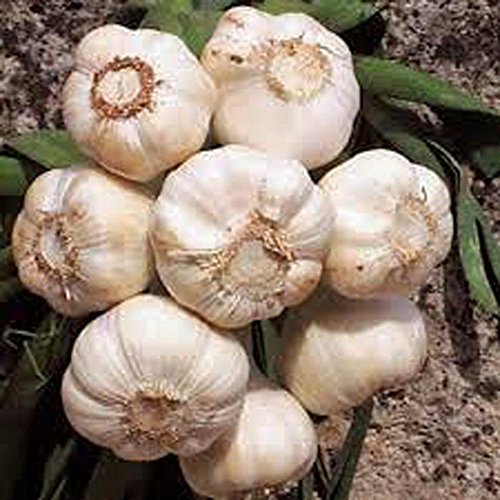
| 4 cloves | garlic | minced |
| 2 tablespoons | lime juice | provides acidity |
| 1 tablespoon | sugar | balances flavors |
| 2 tablespoons | cilantro | chopped for garnish |


Preparation Methods
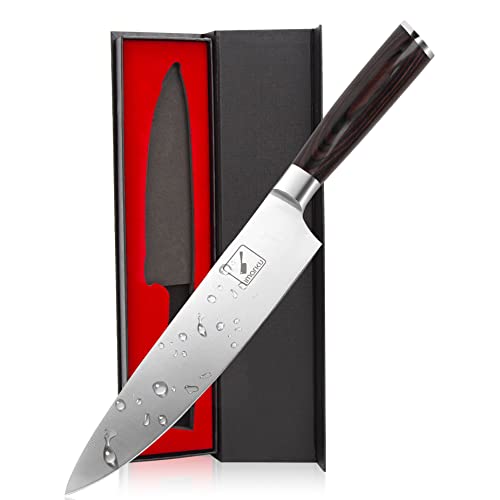
Bruising Lemongrass: Bruising is a technique used to release the essential oils and flavors of lemongrass. Use the back of a knife or a rolling pin to gently crush the stalks. This step is crucial for infusing the fish with lemongrass aroma. Practice until the stalks are soft but not shredded.
Creating a Salt Crust: This technique involves coating the fish with a thick layer of salt before grilling. The salt forms a protective barrier that locks in moisture and flavor. Ensure the salt is evenly distributed for a consistent crust.
Grilling with Indirect Heat: Indirect grilling is essential for cooking the fish evenly without burning. Arrange the coals to one side of the grill and place the fish on the opposite side. This method allows for slow, even cooking and prevents the crust from charring.

Step 1: Prepare Ingredients
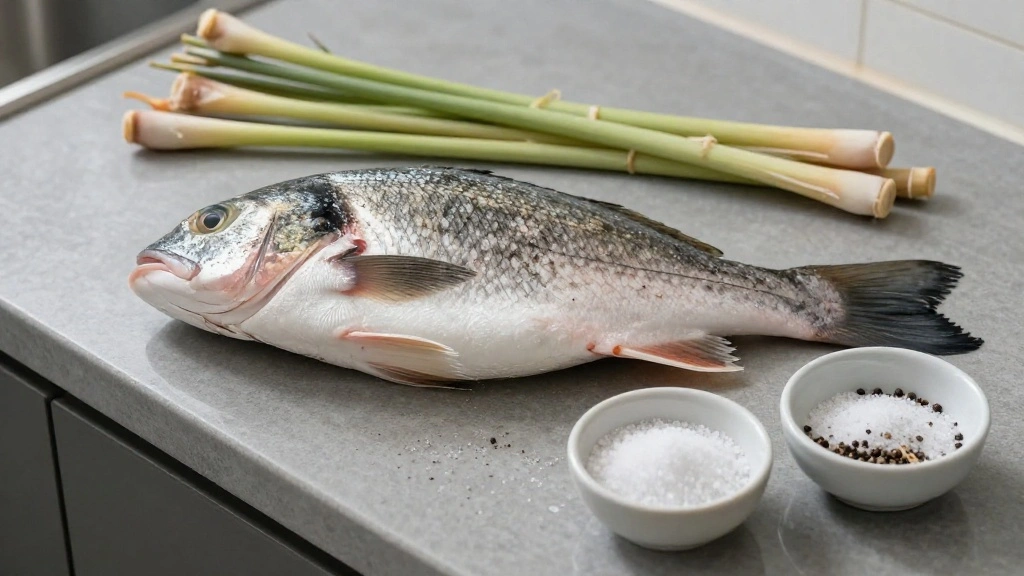
Clean and scale the fish thoroughly.
Trim the lemongrass stalks and bruise them to release their aroma.
Combine coarse sea salt and white pepper in a small bowl for the crust.
Prepare the garlic, lime juice, sugar, and cilantro for the sauce.


Step 2: Stuff the Fish

Open the cavity of the fish and insert the bruised lemongrass.
Ensure the lemongrass is evenly distributed for maximum flavor infusion.
Add a dash of fish sauce inside the cavity for added flavor.
Close the cavity gently, ensuring the stuffing remains inside.


Step 3: Coat with Salt
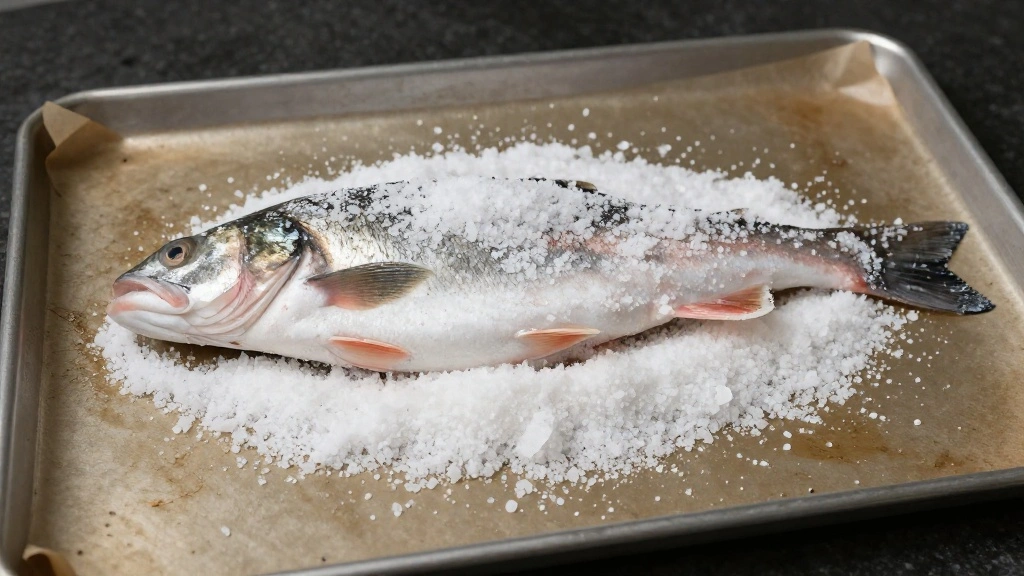
Lay the fish on a large baking sheet.
Sprinkle the salt and pepper mixture generously over the entire fish.
Press the salt mixture onto the fish to form an even crust.
Check that the fish is fully covered, with no exposed areas.
Step 4: Prepare the Grill
Heat the charcoal grill to medium-high heat, arranging coals to one side.
Ensure the grill grates are clean and lightly oiled.
Place a drip pan under the grates to catch any drippings.
Close the grill lid and let it preheat for 10 minutes.
Step 5: Grill the Fish
Place the fish in a fish basket to secure it.
Position the fish on the grill over indirect heat.
Close the grill lid and cook for 15 minutes on one side.
Check for a golden crust before flipping.
Step 6: Flip and Continue Cooking
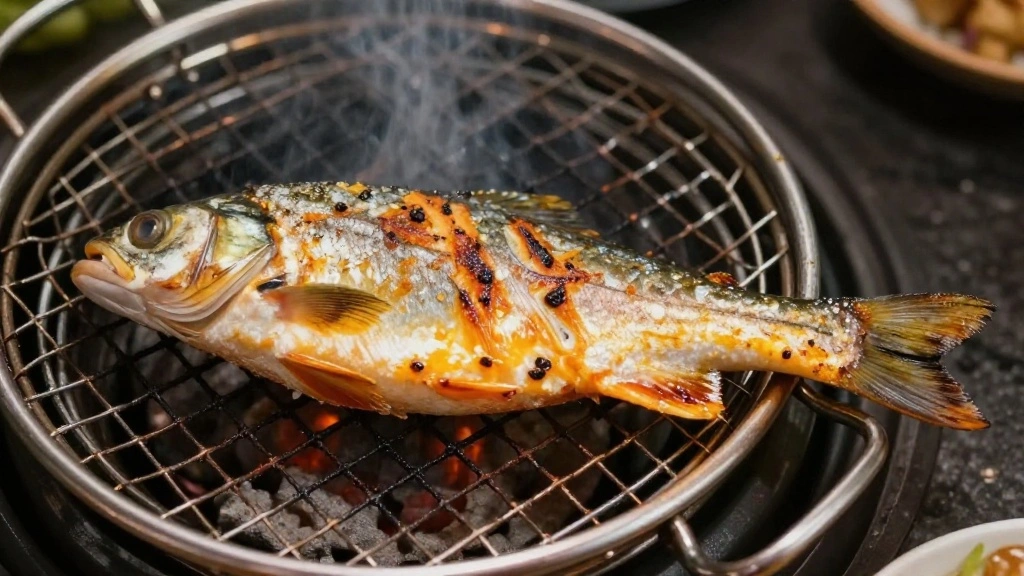
Carefully flip the fish using the basket to maintain its shape.
Close the grill lid and cook for an additional 15 minutes.
Monitor the internal temperature, aiming for 145°F (63°C).
Ensure the crust is crispy and golden brown.
Step 7: Prepare the Dipping Sauce
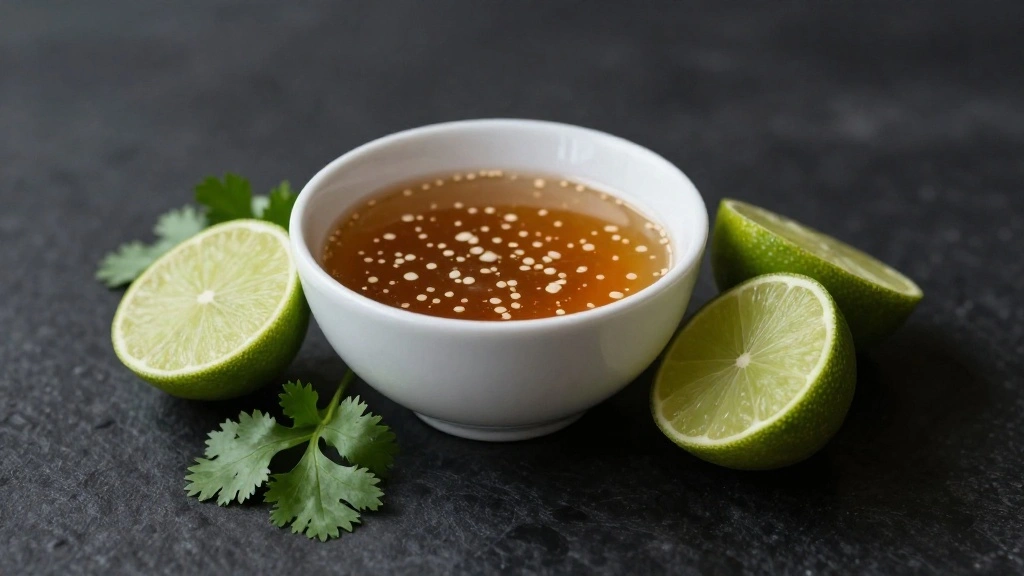
Combine minced garlic, lime juice, and sugar in a small bowl.
Stir until the sugar is fully dissolved.
Add chopped cilantro and mix well.
Taste and adjust seasoning as needed.


Step 8: Serve the Fish
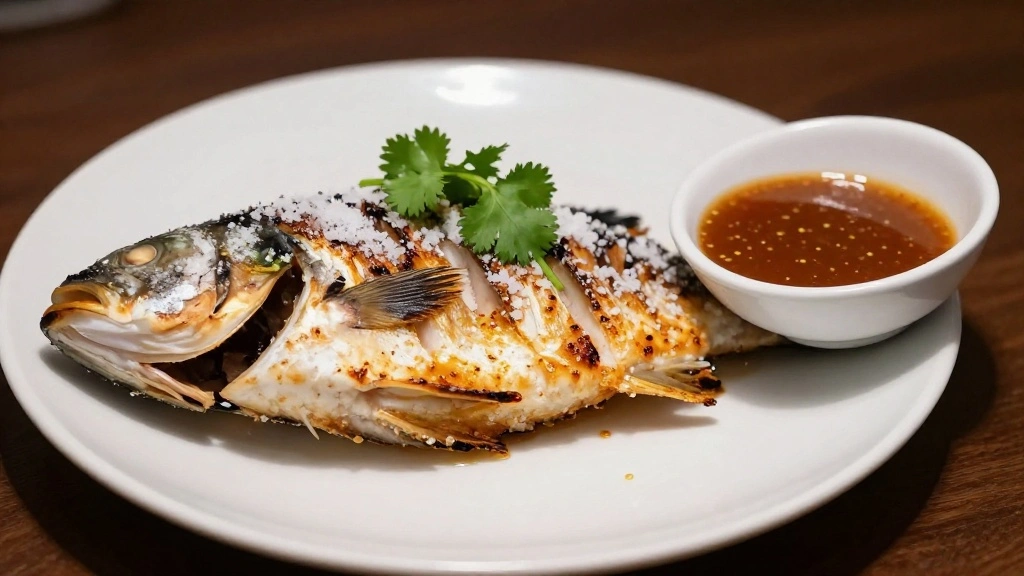
Remove the fish from the grill and let it rest for a few minutes.
Carefully crack and remove the salt crust.
Transfer the fish to a serving platter.
Garnish with cilantro and serve with the dipping sauce.
Critical Timing and Temperature Guide
Grilling Time: Cook the fish for 30 minutes total, flipping halfway through. Visual indicators include a golden brown crust and opaque flesh. Avoid overcooking as it can dry out the fish.
Internal Temperature: Aim for an internal temperature of 145°F (63°C) for perfectly cooked fish. Use a meat thermometer inserted into the thickest part. Avoid opening the grill too frequently to maintain heat.
Sauce Preparation: Prepare the dipping sauce while the fish is grilling, allowing flavors to meld. Taste for balance between sweet and sour, adjusting lime and sugar as necessary.
Pro Tips for Thai Salt Crusted
• Ingredient Selection: Choose fresh, whole fish with clear eyes and firm flesh for the best results. Lemongrass should be fragrant and bright green.
• Preparation Secret: Allow the fish to sit with the salt crust for 10 minutes before grilling. This helps the flavors penetrate the flesh.
• Temperature Management: Preheat the grill thoroughly before cooking to ensure even heat distribution. Keep the lid closed as much as possible.
• Texture Enhancement: Achieve a crispy crust by ensuring the salt layer is thick and even. Avoid using fine salt, which can dissolve too quickly.
• Flavor Layering: Use fresh lime juice and garlic in the dipping sauce to add a bright, contrasting flavor to the savory fish.
• Make-Ahead Strategies: Prepare the lemongrass and salt crust mixture up to a day in advance. Store them in airtight containers.
• Restaurant-Quality Finishing Touches: Garnish with fresh cilantro and a squeeze of lime for a vibrant, fresh presentation.
• Equipment Optimization: If using a gas grill, add wood chips in a smoker box for an added smoky flavor.
Troubleshooting Common Issues
• Fish Sticking to Grill: Ensure the grill grates are well-oiled and use a fish basket to prevent sticking. If sticking occurs, carefully loosen the fish with a spatula.
• Crust Too Salty: If the crust is too salty, reduce the amount of salt in the crust mixture. Rinse the fish briefly after removing the crust to reduce saltiness.
• Undercooked Fish: Check the internal temperature with a thermometer. If undercooked, return to the grill and cook for additional 5-minute intervals until done.
• Uneven Cooking: Ensure coals are distributed evenly and the fish is over indirect heat. Rotate the fish halfway through cooking for even results.
• Sauce Too Sweet or Sour: Adjust the balance of lime juice and sugar according to taste. Start with small adjustments and taste frequently.
Variations and Regional Differences
• Isan Style: This variation uses a spicier marinade with chili paste and is typically served with sticky rice and papaya salad.
• Southern Thai Version: Incorporates turmeric and coconut milk into the marinade, providing a richer, more aromatic flavor profile.
• Bangkok Street Style: Often includes additional herbs such as kaffir lime leaves and serves the fish with a sweet chili dipping sauce.
• Northern Thai Variation: Uses ginger and tamarind in the stuffing, offering a tangy twist to the traditional recipe.


Food Science Behind the Recipe
• Salt Crust Cooking: The salt crust acts as an insulator, conducting heat evenly and sealing in moisture. Understanding this principle helps achieve a perfectly cooked, moist fish.
• Lemongrass Aromatics: Lemongrass contains essential oils that are released when bruised, infusing the fish with citrusy notes. Mastering this release is key to the dish's flavor.
• Grilling and Maillard Reaction: The grilling process initiates the Maillard reaction, creating a flavorful, golden brown crust. Controlling heat and timing enhances this reaction.
Frequently Asked Questions
What's the most common mistake people make when preparing Thai Salt Crusted Grilled Fish? Over-salting the crust or not using enough salt for a thick layer are common errors. Ensure an even, generous coating for best results.
Can I use different types of fish for this recipe? Yes, other firm, white fish like snapper or cod can be used, but adjust cooking times based on thickness.
How can I make the dish less salty? Reduce the amount of salt in the crust and rinse the fish lightly after removing the crust to decrease saltiness.
Is it necessary to use a fish basket? While not mandatory, a fish basket helps maintain the fish's shape and eases flipping. If not available, use caution when turning the fish.
What if I don't have lemongrass? Substitute with lemon or lime zest for a similar citrus aroma, though the flavor will differ slightly.
How do I know when the fish is cooked? Check for opaque flesh and an internal temperature of 145°F (63°C). The fish should flake easily with a fork.
Can I prepare the fish in advance? Yes, you can stuff and coat the fish a few hours ahead, keeping it refrigerated until ready to grill.
Serving and Presentation Guide
• Traditional Presentation: Serve the fish whole on a large platter, garnished with cilantro and lime wedges. Present with the dipping sauce on the side.
• Modern Plating: Slice the fish into fillets and plate with a drizzle of sauce, adding microgreens for a contemporary touch.
• Family Style: Arrange the fish on a communal platter with sticky rice and assorted vegetables, encouraging shared enjoyment.
• Street Food Experience: Serve on a banana leaf with rustic accompaniments like grilled vegetables and sticky rice, emulating the street market vibe.


Conclusion
Thai Salt Crusted Grilled Fish is a delightful way to explore the flavors of Thai street food.
With its simple preparation and rich taste, it's sure to become a favorite in your culinary repertoire.
Gather your ingredients, fire up the grill, and enjoy a taste of Thailand at home.