


How to Make Peking Duck Crispy Skin Chinese Classic
1 whole duck
2 tablespoons soy sauce
1 tablespoon hoisin sauce
2 tablespoons honey
1 tablespoon rice vinegar
PT180M
4 servings
Peking Duck Crispy is a dish that embodies the rich culinary history of China.
With its perfectly crisp skin and tender, flavorful meat, this dish is a true celebration of texture and taste.
I first encountered this culinary masterpiece during a festive gathering in Beijing, where its preparation was treated with great reverence.
The harmonious blend of sweet, savory, and umami flavors creates a dining experience that is nothing short of extraordinary.
Whether you’re hosting a lavish dinner party or simply indulging in a gourmet meal at home, Peking Duck Crispy promises to impress with its luscious flavor and stunning presentation.
The History and Cultural Significance
• Peking Duck Crispy traces its origins to the Yuan Dynasty in China, where it was originally created by imperial chefs.
• The dish evolved over decades as chefs refined the roasting techniques and seasoning blends, eventually becoming the beloved version we know today.
• In Chinese culture, this dish traditionally appears at celebratory banquets and New Year festivities, symbolizing prosperity and good fortune.
• While many variations exist across different regions, the authentic version maintains its signature crispy skin, which sets it apart from imitations.
Recipe Overview
Nutritional Information (per serving)
Essential Equipment Guide
Roasting Rack: Essential for allowing air circulation around the duck, ensuring even cooking and crispy skin. Alternatives include a wire rack placed over a baking sheet. Look for a sturdy rack that can support the weight of the duck.
Air Pump: Used to separate the skin from the fat layer, which is crucial for achieving the signature crispiness. If unavailable, a small hand pump can be used. Ensure it has a fine nozzle for precision.
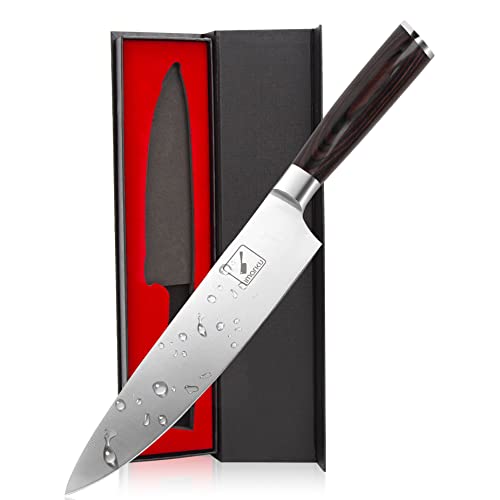
Sharp Knife: Necessary for carving the duck into thin, even slices. Alternatives include a well-maintained chef’s knife. A sharp blade will ensure clean cuts without tearing the skin.


Ingredients
For the Duck
| Amount | Ingredient | Notes |
|---|---|---|
| 1 whole | duck | approximately 5 pounds, cleaned and patted dry |
For the Marinade
| Amount | Ingredient | Notes |
|---|---|---|
| 2 tablespoons | soy sauce | adds umami flavor |
| 1 tablespoon | hoisin sauce | provides sweetness |
For the Glaze
| Amount | Ingredient | Notes |
|---|---|---|
| 2 tablespoons | honey | for a glossy finish |
| 1 tablespoon | rice vinegar | adds tanginess |


Preparation Methods
Air-Drying: This technique involves allowing the duck to dry in a cool, breezy environment to dry out the skin. It’s crucial for achieving the desired crispy texture. Ensure the duck is well-ventilated and not touching other surfaces.
Blanching: Briefly submerging the duck in boiling water helps to tighten the skin, preparing it for the glazing process. Be sure to pat the duck dry thoroughly after blanching to prevent steaming.
Glazing: Applying a sweet glaze before roasting adds flavor and assists in browning. Brush the glaze evenly across the duck, ensuring full coverage for an even color.

Step 1: Prepare the Duck
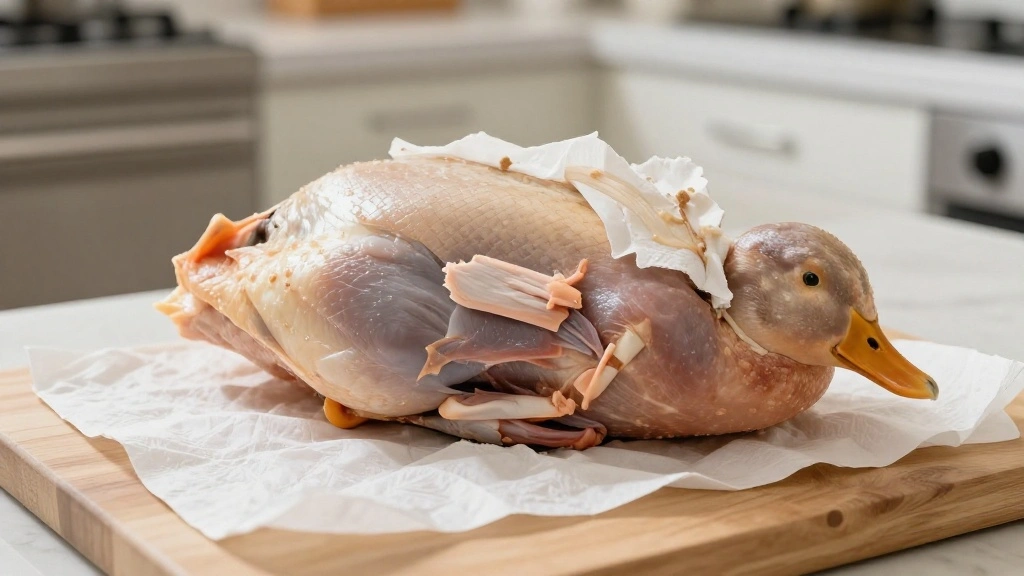
Remove the giblets and excess fat from the duck.
Rinse the duck under cold water and pat it thoroughly dry with paper towels.
Ensure the skin is dry to the touch before proceeding.
This step is crucial for allowing the skin to crisp up during cooking.


Step 2: Inflate the Duck Skin
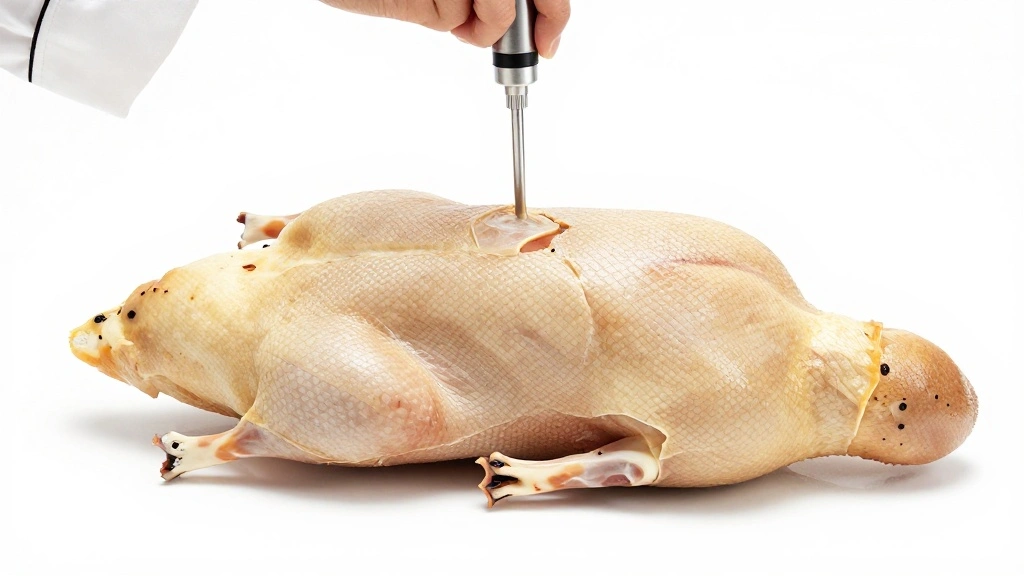
Insert the air pump nozzle between the skin and meat.
Gently inflate the skin to separate it from the fat layer beneath.
Be careful not to tear the skin as you inflate it around the duck.
This separation is key to achieving the crispy texture.
Step 3: Blanch the Duck
Bring a large pot of water to a boil.
Carefully submerge the duck for 2-3 minutes, ensuring even coverage.
Remove the duck and pat it dry once again.
This blanching process will tighten the skin for better glazing.
Step 4: Apply the Marinade
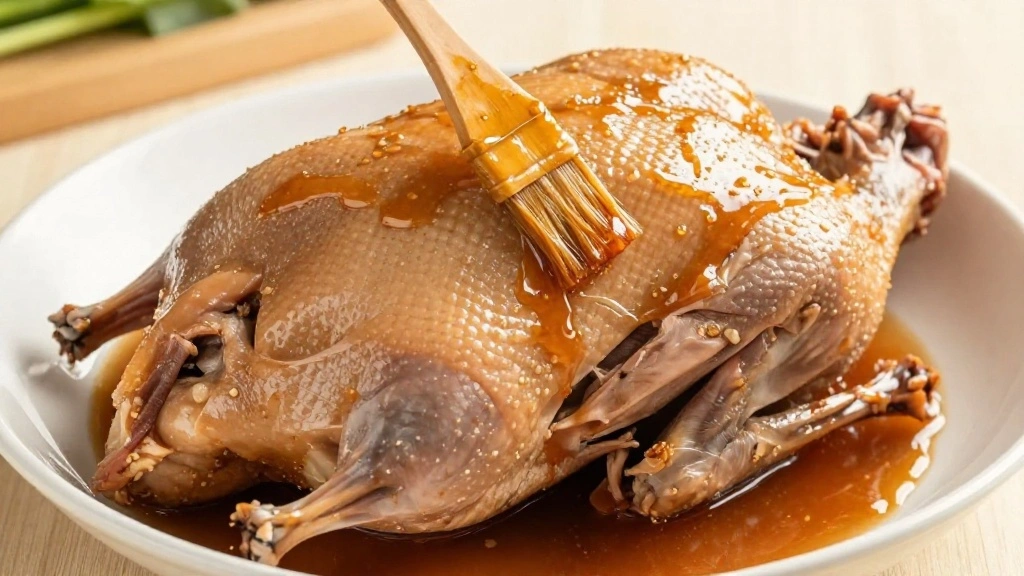
Combine soy sauce and hoisin sauce in a small bowl.
Brush the marinade evenly over the duck, covering all surfaces.
Let the duck marinate in the refrigerator for at least 2 hours.
This allows the flavors to penetrate the meat.
Step 5: Air-Dry the Duck
Hang the duck in a cool, breezy area for several hours.
Ensure the duck is suspended without touching any surfaces.
Check that the skin becomes taut and dry to the touch.
This air-drying step is crucial for achieving crispy skin.
Step 6: Preheat the Oven
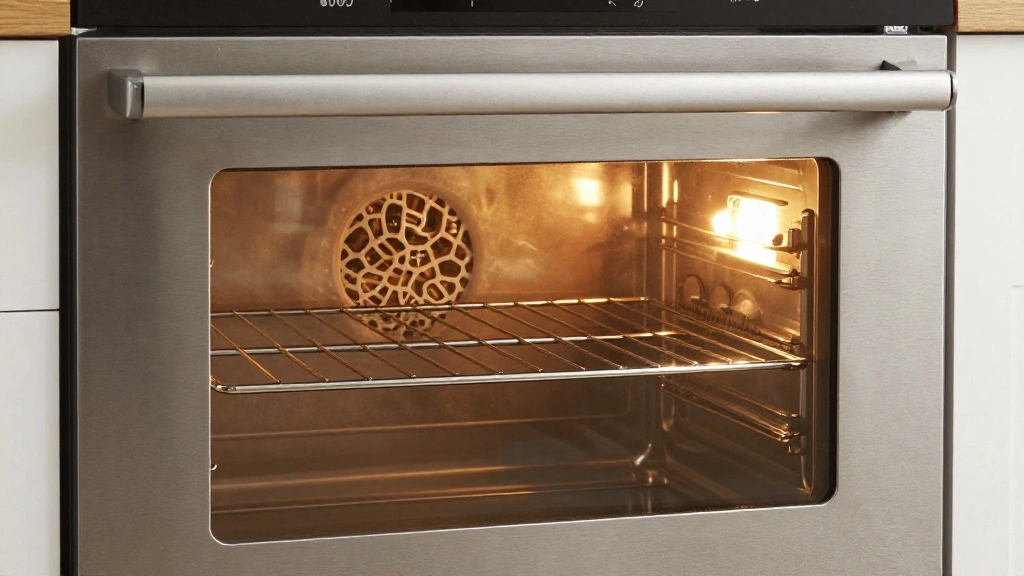
Set the oven to 375°F (190°C).
Position the oven rack in the center of the oven.
Allow the oven to preheat fully before placing the duck inside.
Proper oven temperature ensures even cooking and browning.



Step 7: Roast the Duck
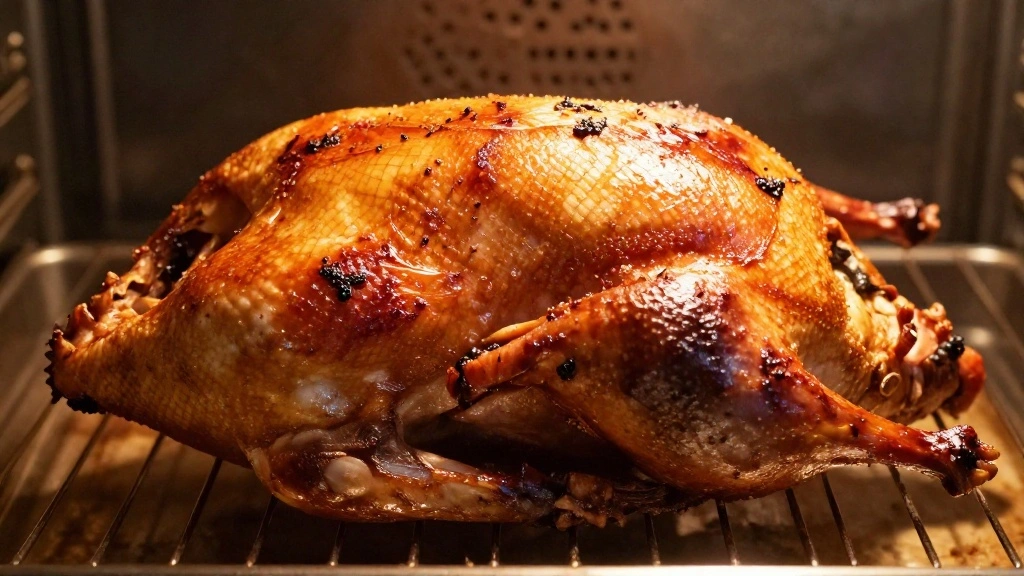
Place the duck on a roasting rack inside a baking pan.
Roast the duck in the preheated oven for 50-60 minutes.
Rotate the duck halfway through cooking for even browning.
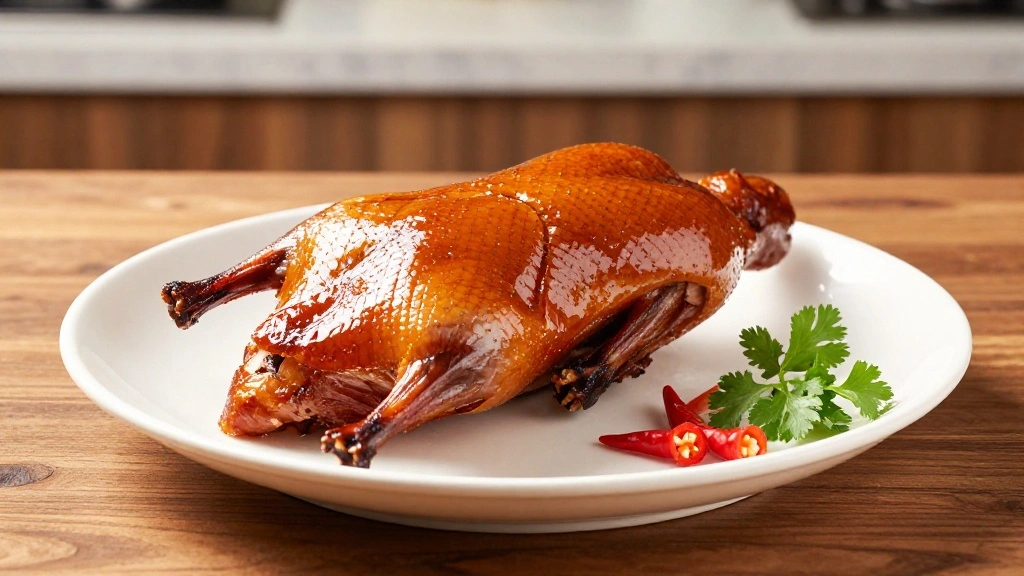
Look for a deep golden brown color and crispy skin.

Step 8: Glaze and Finish Roasting
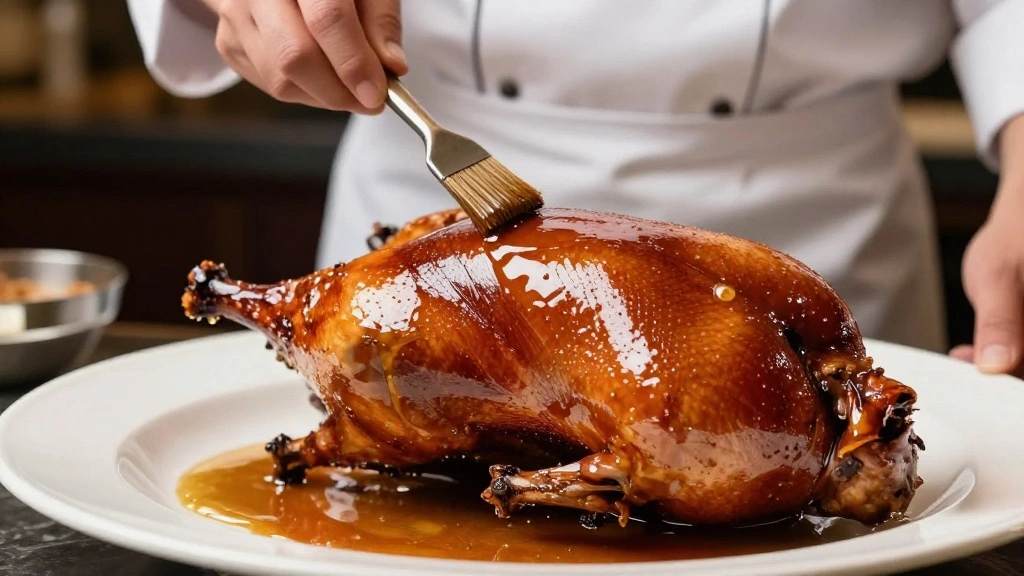
Combine honey and rice vinegar in a small bowl.
Brush the glaze over the duck during the last 10 minutes of roasting.
Allow the glaze to caramelize slightly for a glossy finish.
Ensure the skin does not burn while the glaze sets.
Critical Timing and Temperature Guide
Blanching: Boil for exactly 2-3 minutes. Look for skin tightening as an indicator. Avoid over-blanching, which can lead to rubbery skin.
Roasting: Maintain oven temperature at 375°F. The duck should roast for 50-60 minutes, turning halfway to ensure even cooking. Avoid opening the oven door too often, which can drop the temperature.
Glazing: Apply glaze in the last 10 minutes of roasting. Watch for caramelization without burning. Too much glaze too early can lead to burning.
Pro Tips for Peking Duck Crispy
• Ingredient Selection: Choose a fresh, high-quality duck for the best results. Look for ducks with a good fat layer, as this will render during cooking and contribute to crispiness.
• Preparation Secret: Allow the duck to air-dry for as long as possible, even overnight, to ensure the skin is thoroughly dehydrated.
• Temperature Management: Use a meat thermometer to ensure the internal temperature of the duck reaches 165°F (74°C) for safe consumption.
• Texture Enhancement: Inflate the skin carefully to maximize the separation between skin and fat, which is key to achieving a crispy texture.
• Flavor Layering: Use a combination of soy sauce and hoisin sauce in the marinade to build a complex umami flavor profile.
• Make-Ahead Strategies: Prepare and marinate the duck a day in advance, storing it uncovered in the refrigerator to dry out the skin further.
• Restaurant-Quality Finishing Touches: After roasting, rest the duck for 10 minutes before carving to allow the juices to redistribute.
• Equipment Optimization: Ensure the roasting rack is sturdy and allows ample airflow around the duck for even cooking.
Troubleshooting Common Issues
• Skin Not Crispy: This can be caused by insufficient air-drying. Ensure the duck is completely dry before roasting and consider extending the air-drying period.
• Duck Overcooked: Check your oven’s accuracy with an oven thermometer. Use a meat thermometer to verify internal temperature, and consider reducing cook time if necessary.
• Glaze Burnt: Apply the glaze only in the last 10 minutes of roasting, and monitor closely to prevent burning.
• Flavors Unbalanced: Adjust the marinade ingredients to taste, ensuring the balance of sweet, salty, and umami is to your preference.
• Duck Undercooked: Ensure the oven is fully preheated before roasting and use a meat thermometer to check for doneness.
Variations and Regional Differences
• Cantonese Style: This version often includes a spicier marinade with added ginger and garlic, reflecting regional flavor preferences.
• Shanghai Variation: Emphasizes a sweeter glaze with more honey and sugar, resulting in a more caramelized exterior.
• Modern Interpretation: Some chefs experiment with different glazes, such as orange or plum, to introduce new flavor dimensions while keeping the traditional preparation techniques.
• Street Food Adaptation: In some regions, smaller ducks or duck parts are used and served as street food, offering a more casual take on the classic dish.


Food Science Behind the Recipe
• Maillard Reaction: This chemical reaction between amino acids and reducing sugars gives Peking Duck its distinctive golden-brown crust and rich flavor.
• Fat Rendering: During roasting, the duck’s fat renders out, contributing to the crispiness of the skin and keeping the meat moist.
• Heat Conduction: Proper air circulation around the duck ensures even cooking and prevents soggy skin, highlighting the importance of using a roasting rack.


Frequently Asked Questions
What’s the most common mistake people make when preparing Peking Duck Crispy? The most common mistake is not allowing the duck skin to dry completely before roasting, which prevents it from achieving the desired crispiness.
Can I use a different type of poultry? While Peking Duck is traditionally made with duck, you can adapt the method for other poultry, but expect differences in flavor and texture.
How do I store leftovers? Store any leftovers in an airtight container in the refrigerator for up to 3 days. Reheat in a hot oven to restore crispiness.
Is it possible to make this dish ahead of time? Yes, you can prepare and marinate the duck a day in advance, but the final roasting and glazing should be done just before serving.
Can I achieve similar results without an air pump? An air pump is ideal, but you can manually separate the skin from the meat using a spoon or your hands.
What should I serve with Peking Duck Crispy? Traditionally, it’s served with thin pancakes, hoisin sauce, and sliced scallions.
How do I ensure even cooking? Rotate the duck halfway through roasting and use a meat thermometer to check for even internal temperature.
Serving and Presentation Guide
• Traditional Presentation: Serve the duck on a platter with the skin and meat separated, accompanied by thin pancakes, hoisin sauce, and scallions.
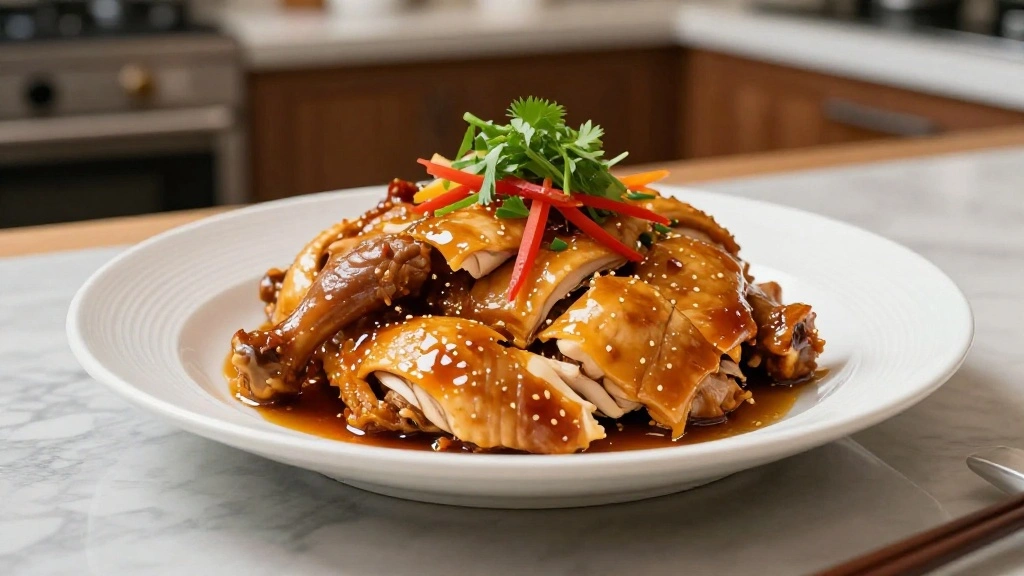
• Modern Plating: Arrange slices of duck on individual plates, drizzled with extra glaze and garnished with microgreens for an elegant presentation.
• Family-Style Serving: Present the whole duck at the table, allowing guests to carve their own portions and assemble their pancakes.
• Minimalist Display: Focus on the duck’s crispiness by serving it simply on a white platter, with sauces in small bowls on the side.


Conclusion
Embarking on the journey to make Peking Duck Crispy is both a rewarding and delicious endeavor.
With patience and attention to detail, you can recreate this iconic dish in your own kitchen.
Invite family and friends to share in the experience and savor the fruits of your culinary labor.