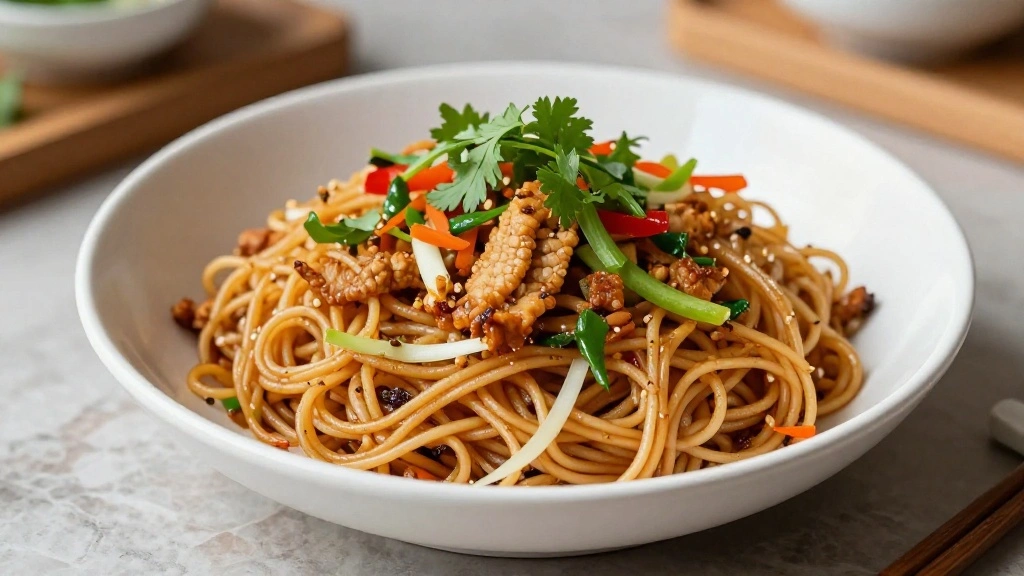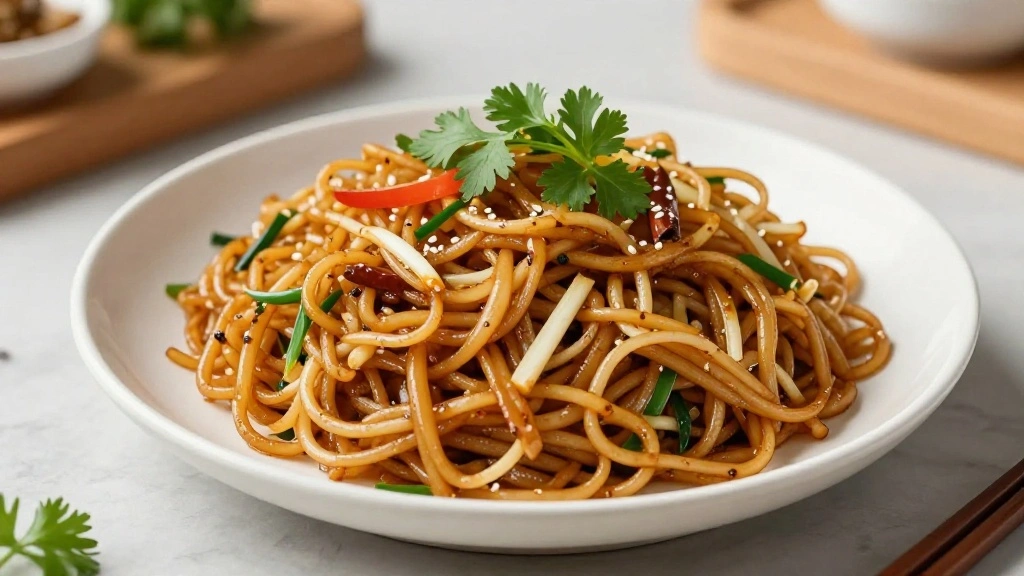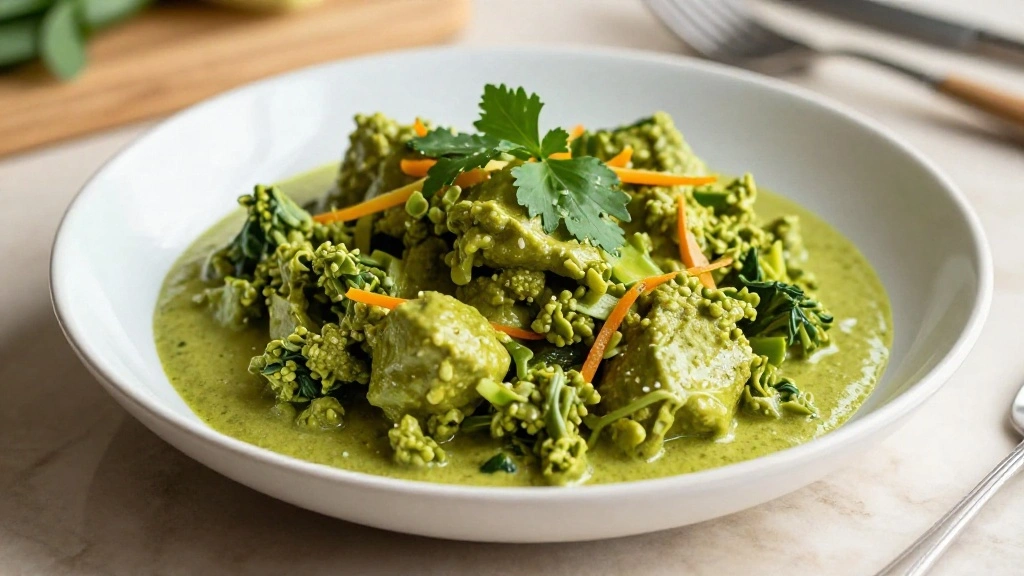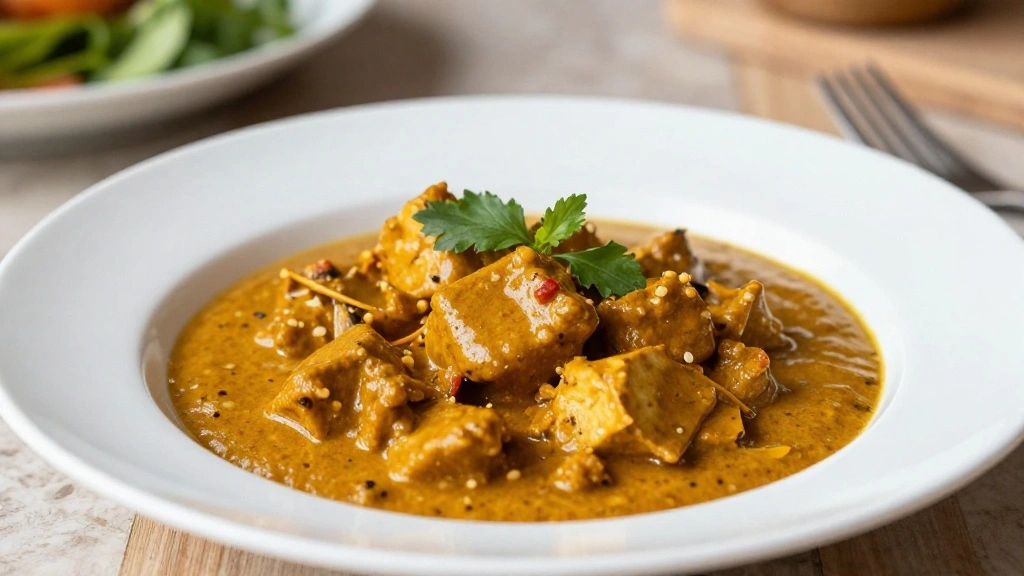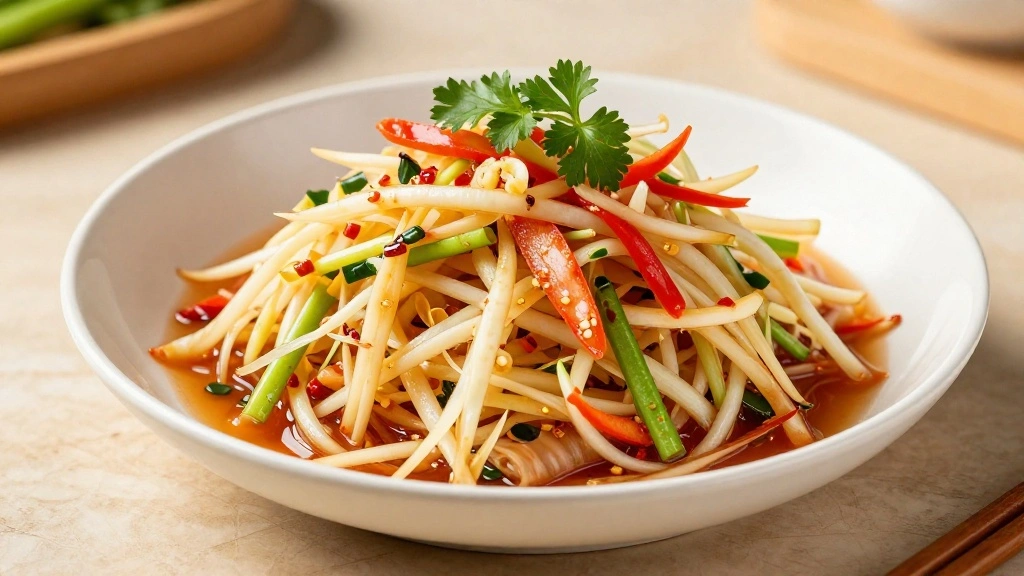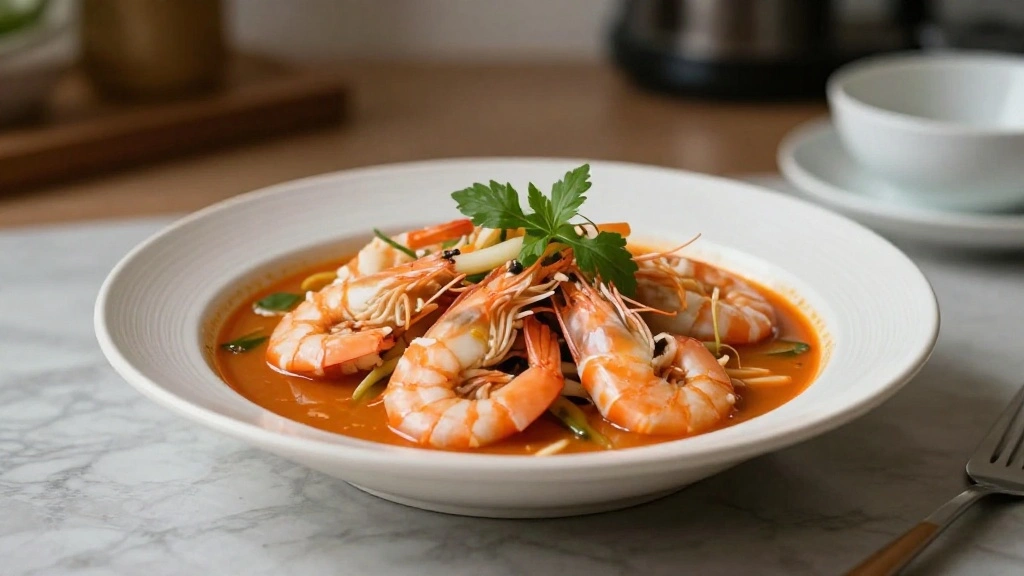

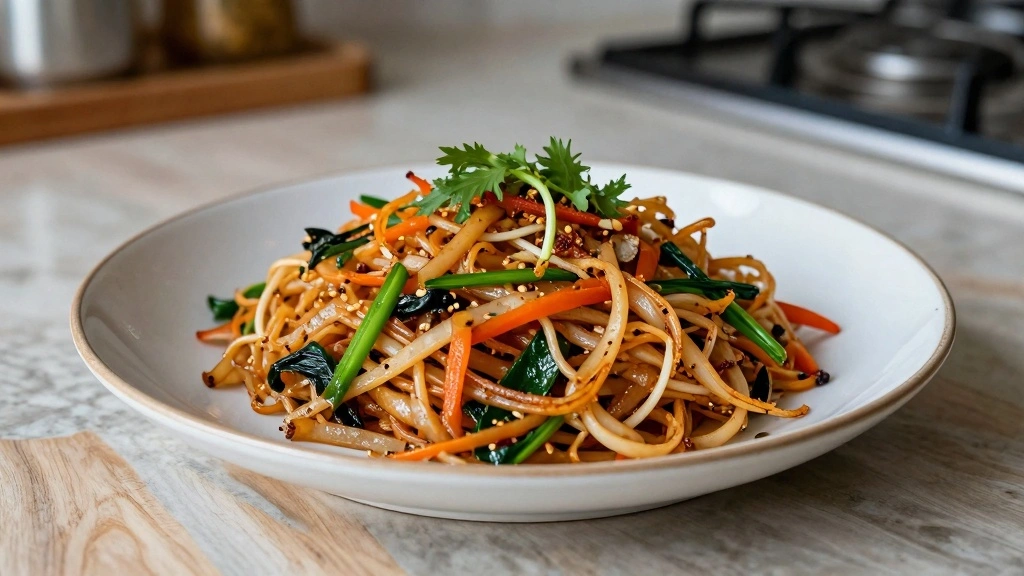


Vegetarian Pad Thai Noodles bring together the perfect blend of sweet, sour, and savory flavors, offering a unique culinary experience.
A harmonious mix of crispy textures and fresh vegetables make this dish a delightful choice for any meal.
I first encountered this vibrant recipe during my travels in Thailand, where I was captivated by its simplicity and depth of flavor.
This dish is ideal for those looking to explore Thai cuisine without the use of meat, ensuring a satisfying meal for vegetarians and non-vegetarians alike.
Whether you’re preparing it for a family dinner or a special occasion, Vegetarian Pad Thai Noodles will leave a lasting impression.
Get ready to embark on a journey of flavors while mastering a beloved classic.
The History and Cultural Significance
• The dish evolved over decades as chefs experimented with different ingredients, eventually becoming the beloved version we know today.
• In Thai culture, this dish traditionally appears at street markets and family gatherings, symbolizing unity and shared enjoyment.
• While many variations exist across different regions, the authentic version maintains a delicate balance of sweet, sour, and savory flavors that sets it apart from imitations.


Recipe Overview
Nutritional Information
Essential Equipment Guide
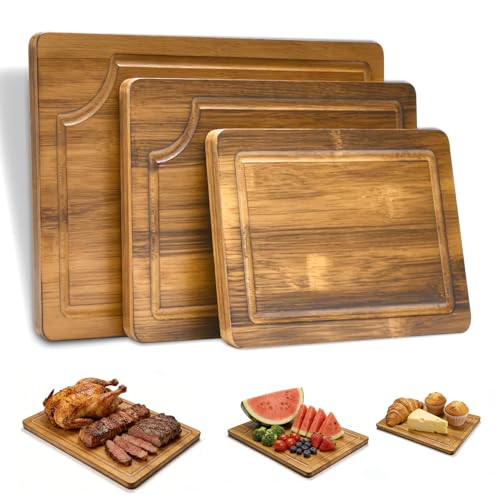
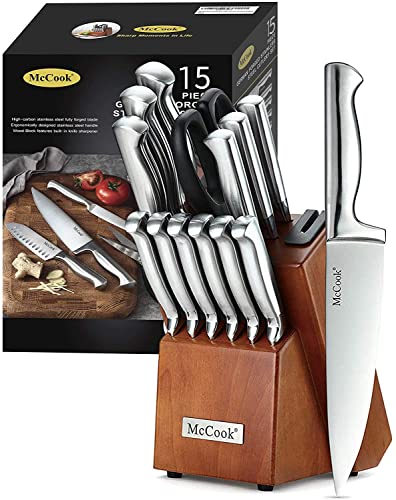
Sharp Knife: A sharp knife is crucial for finely slicing vegetables and tofu, ensuring even cooking and presentation. A dull knife can damage delicate ingredients.
Strainer: A strainer is important for draining cooked noodles, preventing them from becoming soggy. Look for one with fine mesh to catch small noodle pieces.
Ingredients
For the Base
| Amount | Ingredient | Notes |
|---|---|---|
| 8 ounces | rice noodles | soaked in warm water until pliable |
| 2 tablespoons | vegetable oil | for stir-frying |
For the Sauce
| Amount | Ingredient | Notes |
|---|---|---|
| 3 tablespoons | soy sauce | adds savory depth |
| 2 tablespoons | tamarind paste | provides tartness |
| 1 tablespoon | palm sugar | balances flavors |
| 1 tablespoon | lime juice | enhances freshness |
Vegetables
| Amount | Ingredient | Notes |
|---|---|---|
| 1 cup | bean sprouts | for crunch |
| 1 medium | carrot | julienned |
| 1 red bell pepper | thinly sliced |
Seasonings
| Amount | Ingredient | Notes |
|---|---|---|
| 2 cloves | garlic | minced |
| 1 teaspoon | chili flakes | adds heat |
Garnishes
| Amount | Ingredient | Notes |
|---|---|---|
| 1 bunch | fresh cilantro | chopped |
| 1 bunch | green onions | sliced |
| 1 cup | crushed peanuts | for topping |

Preparation Methods
Julienning: Thinly slicing vegetables into matchstick shapes allows for even cooking and enhances presentation. Use a sharp knife or a mandoline for precision.
Tossing: Properly tossing ingredients in the wok ensures even distribution of flavors. Use quick, controlled wrist motions to prevent overcooking or breaking delicate ingredients.


Step 1: Prepare Ingredients
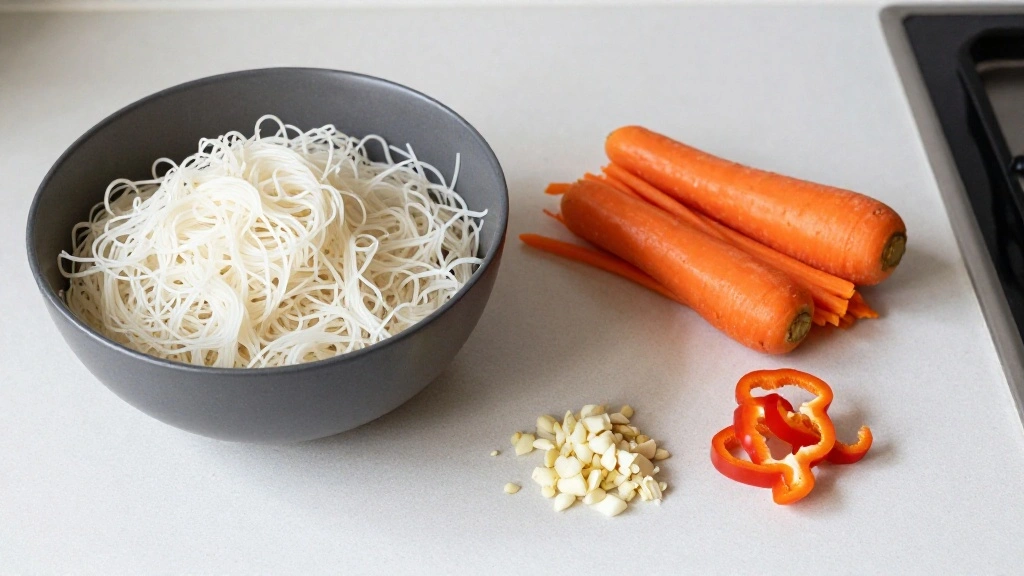
Soak rice noodles in warm water for 20 minutes until pliable.
Julienne carrots and slice red bell pepper thinly.
Mince garlic and set aside.


Step 2: Make the Sauce
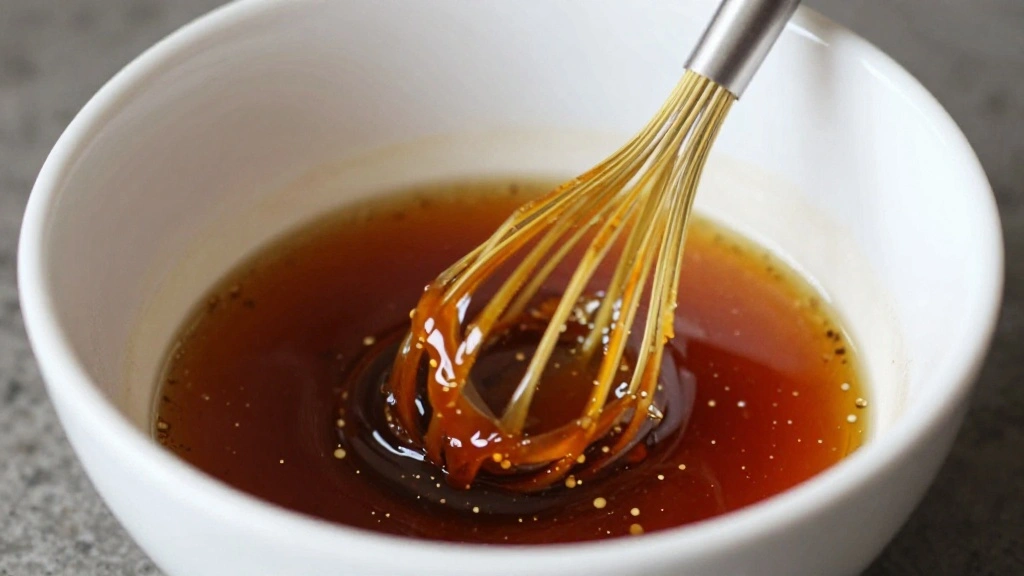
Stir well until the sugar is fully dissolved.
Taste and adjust flavors according to preference.
Set the sauce aside for later use.


Step 3: Heat the Wok
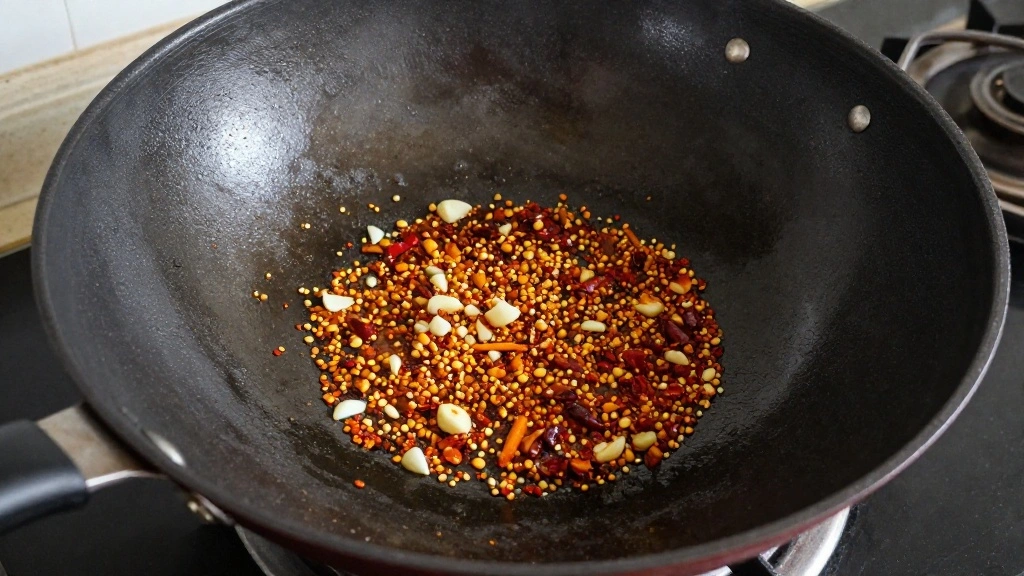
Allow the oil to heat until shimmering.
Add minced garlic and chili flakes to the hot oil.
Sauté for 30 seconds until fragrant.


Step 4: Cook the Vegetables
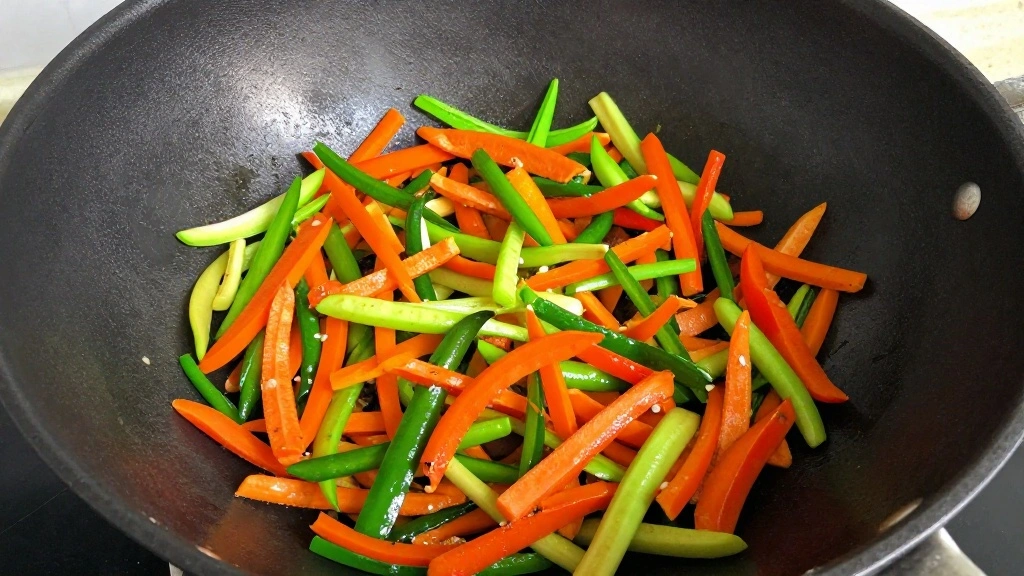
Stir-fry the vegetables for 3-4 minutes until they begin to soften.
Ensure vegetables retain some crispness for texture.
Remove vegetables from the wok and set aside.



Step 5: Stir-Fry Noodles
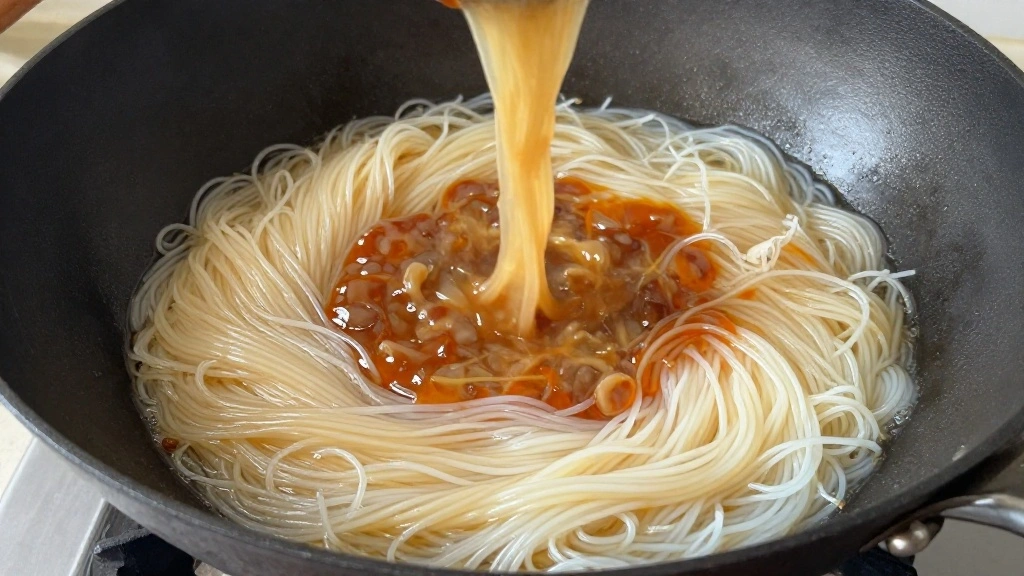
Pour the prepared sauce over the noodles.
Toss the noodles gently to coat them evenly with the sauce.
Cook for 2-3 minutes until the noodles are heated through.


Step 6: Combine Ingredients
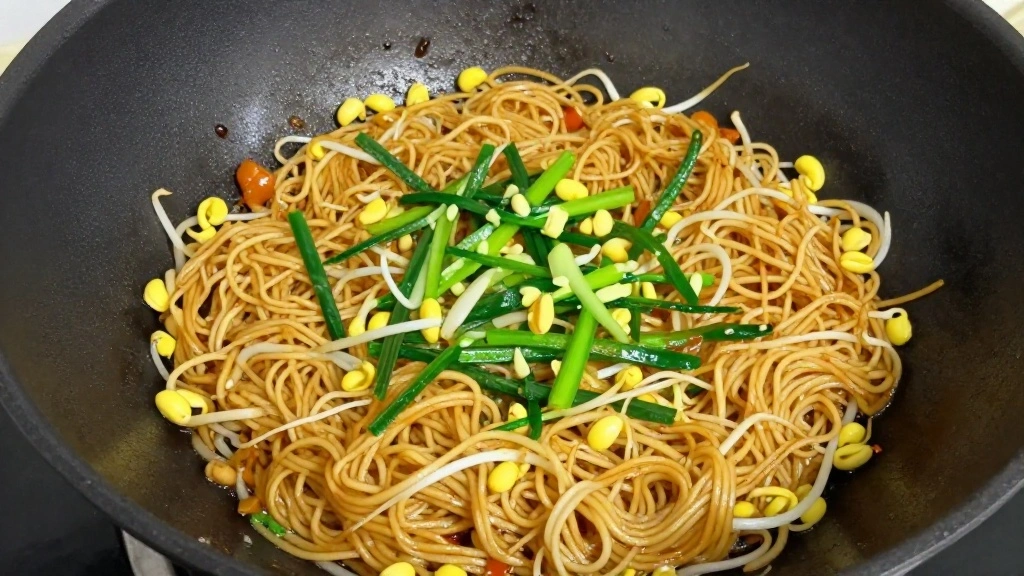
Add bean sprouts and toss everything together.
Ensure all ingredients are well combined and heated evenly.
Adjust seasoning if needed.
Step 7: Serve and Garnish
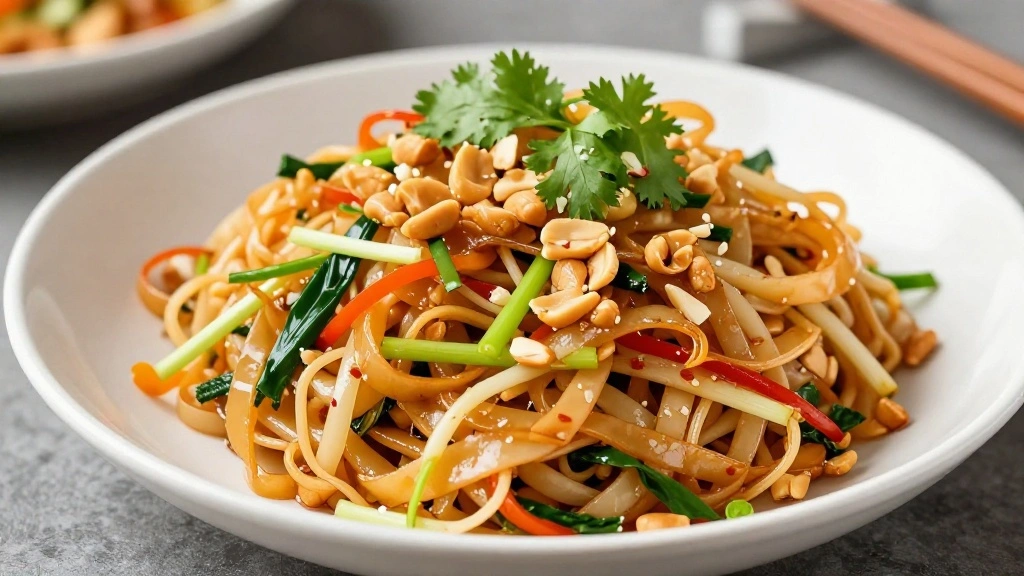
Sprinkle with chopped cilantro and sliced green onions.
Top with crushed peanuts for added crunch.
Serve immediately while hot.


Step 8: Enjoy Your Meal
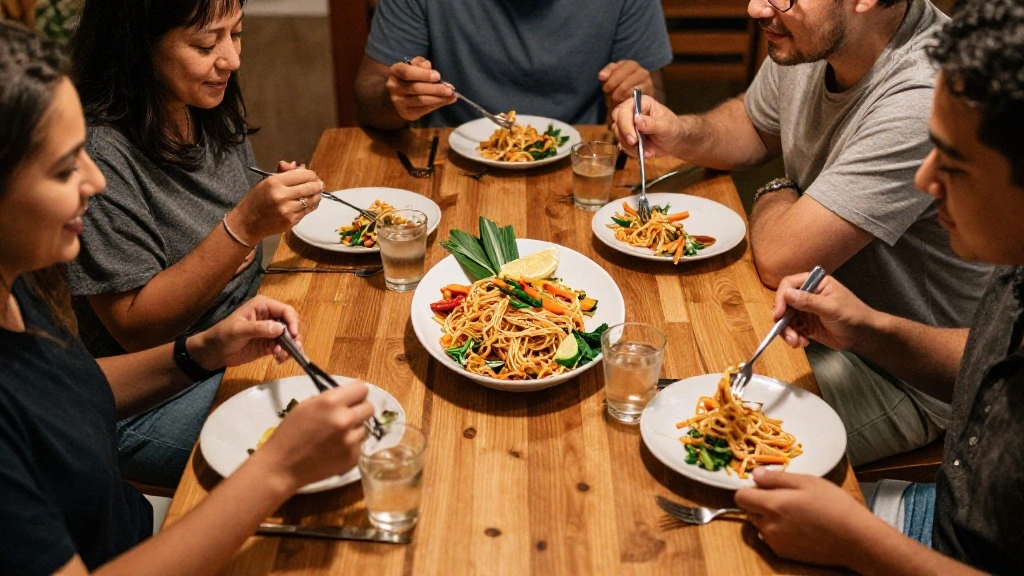
Encourage diners to mix in garnishes as desired.
Enjoy the vibrant flavors and textures of the dish.
Savor each bite and share your creation with others.
Critical Timing and Temperature Guide
Stir-Frying: Keep the wok at medium-high heat to ensure quick cooking and prevent sogginess; watch for vegetables to soften slightly but retain crispness.
Serving: Serve immediately after cooking to maintain noodle texture and flavor balance; cooling can cause noodles to clump.
Pro Tips for Vegetarian Pad Thai
• Preparation Secret: Soak noodles in warm, not hot, water to prevent them from becoming overly soft.
• Temperature Management: Ensure the wok is adequately heated before adding oil to achieve the perfect stir-fry.
• Texture Enhancement: Quickly toss ingredients to maintain a balance of cooked and crisp textures.
• Flavor Layering: Build flavors by allowing garlic and chili to infuse the oil before adding other ingredients.
• Make-Ahead Strategies: Prepare sauce and chop vegetables ahead of time; store in airtight containers in the fridge for up to a day.
• Restaurant-Quality Finishing Touches: Garnish with fresh herbs and crushed peanuts for a professional look.
• Equipment Optimization: Use a large enough wok to avoid overcrowding, ensuring even cooking.
Troubleshooting Common Issues
• Flavors Unbalanced: Often due to incorrect sauce proportions; adjust sweetness, sourness, or saltiness by adding more lime juice, sugar, or soy sauce respectively.
• Vegetables Too Soft: Overcooking leads to loss of texture; reduce stir-frying time and ensure high wok temperature.
• Noodles Clumping: Caused by letting noodles sit too long after cooking; toss immediately with sauce and vegetables to prevent clumping.
• Overly Spicy: Adjust chili flakes according to preference; serve with lime wedges to mellow the heat.
• Insufficient Crunch: Add more peanuts or fresh bean sprouts for added texture.
Variations and Regional Differences
• Vegan Pad Thai: Substitute soy sauce with tamari and omit all animal products, using tofu for protein.
• Spicy Bangkok Style: Features more chili and garlic for extra heat, commonly found in street food stalls.
• Western Fusion: Often incorporates unusual ingredients like broccoli or kale, diverging from traditional recipes.

Food Science Behind the Recipe
• Emulsification: Combining oil and sauce ingredients ensures a smooth, cohesive sauce that coats noodles evenly.
• Gelatinization: Soaking noodles in warm water allows starch granules to absorb moisture, achieving the desired soft yet firm texture.
Frequently Asked Questions
Can I make this dish gluten-free? Yes, ensure all sauces and ingredients are labeled gluten-free and use rice noodles.
How can I reduce the spiciness without losing flavor? Reduce the amount of chili flakes and balance flavors with additional lime juice and palm sugar.
What can I use instead of tamarind paste? Lime juice can be used as a substitute, but it may alter the traditional flavor slightly.
Is it possible to add protein to this recipe? Yes, tofu or tempeh are great vegetarian options to add protein.
How do I store leftovers? Store in an airtight container in the fridge and reheat in a wok or skillet to maintain texture.
What other vegetables can be used in this dish? Broccoli, snap peas, or bok choy can be added for variety.
Serving and Presentation Guide
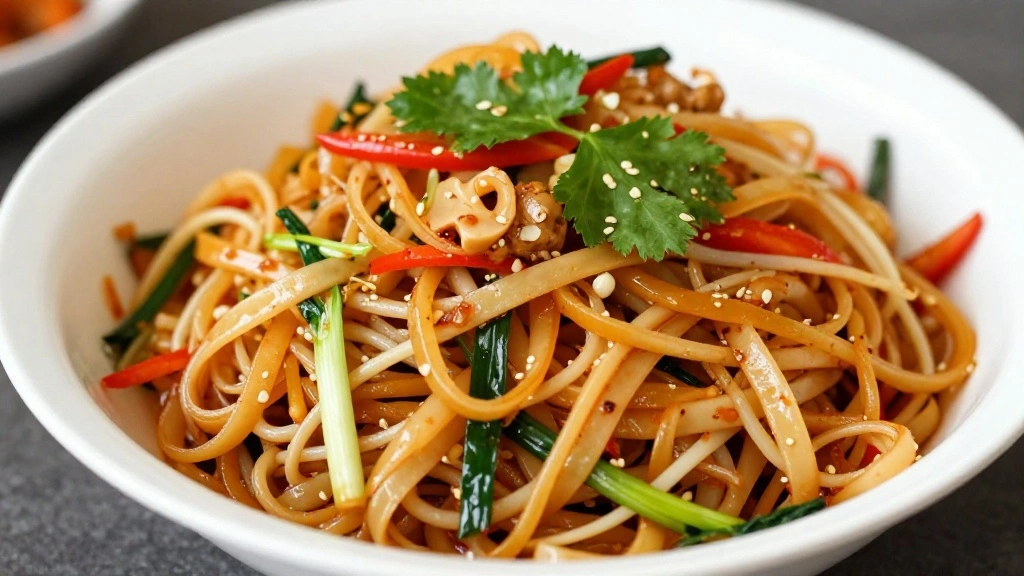
• Modern Style: Use a shallow bowl for a contemporary look, with garnishes artfully arranged on top.
• Family-Style: Present in a large dish at the center of the table, allowing diners to serve themselves.
• Individual Portions: Plate in smaller dishes for personal servings, perfect for formal dining settings.


Conclusion
Take this opportunity to explore Thai cuisine and impress your family and friends with your culinary skills.
Enjoy the satisfaction of creating a classic dish that’s both healthy and full of flavor.
Don’t hesitate to try this recipe and share your own variations and successes.