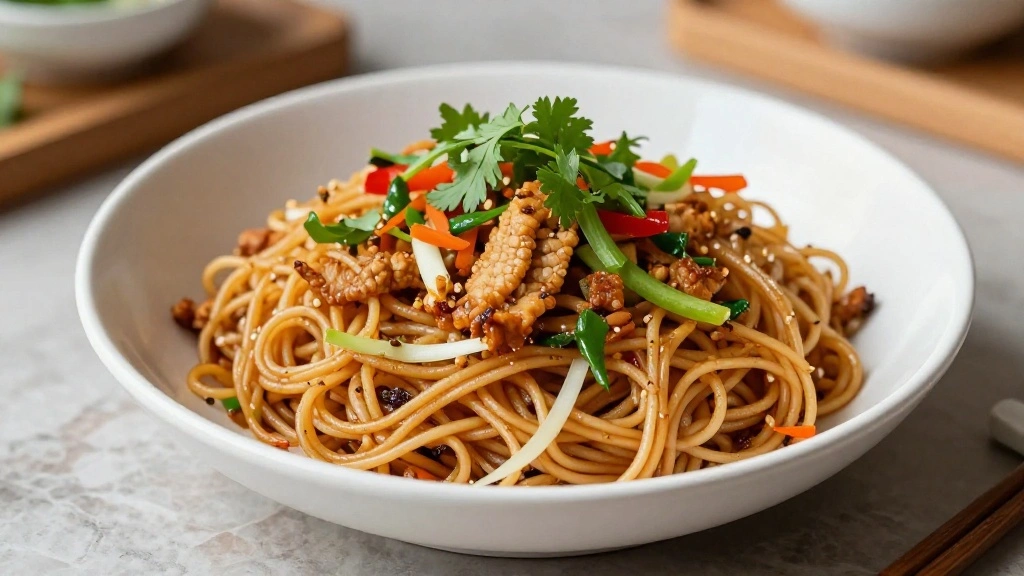

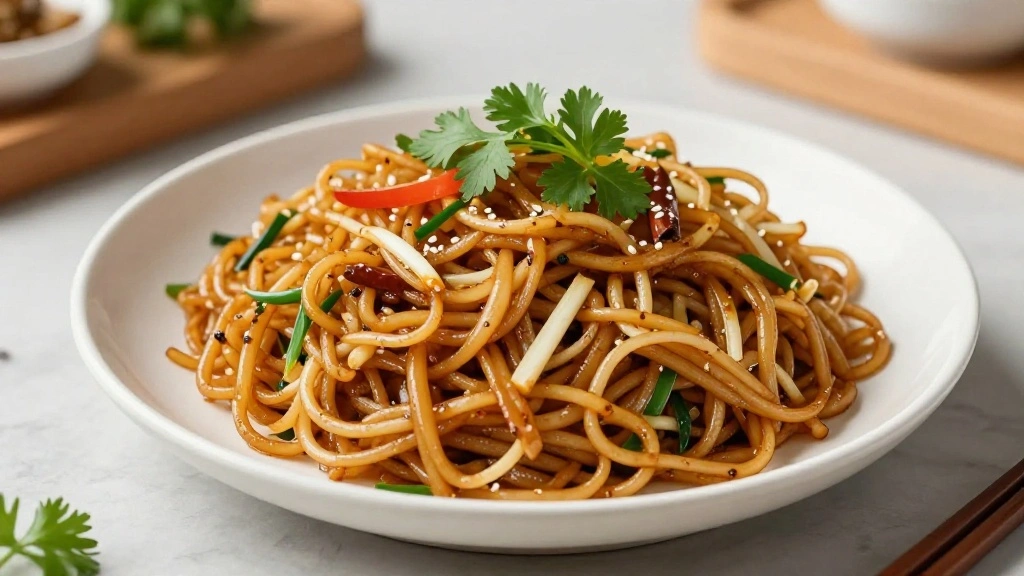


Pad See Ew Recipe Thai Stir Fried Noodles Better Than Takeout
8 ounces flat rice noodles
2 tablespoons vegetable oil
3 tablespoons soy sauce
1 tablespoon dark soy sauce
1 tablespoon oyster sauce
2 teaspoons sugar
2 cups Chinese broccoli
1 medium carrot
8 ounces chicken breast
2 cloves garlic
1 pinch white pepper
PT25M
4 servings
The allure of Pad See Ew lies in its sublime combination of savory, sweet, and smoky flavors.
This Thai classic is a staple that offers a delightful balance of textures and tastes.
I was introduced to Pad See Ew during a vibrant street food tour in Bangkok, where the aroma of stir-fried noodles captivated my senses.
This dish brings the soul of Thai street food into your kitchen, providing comfort and satisfaction with every bite.
Whether enjoyed as a quick weeknight meal or a special treat, Pad See Ew is sure to become a favorite.
Join me on this culinary journey to create a dish that’s better than takeout.
The History and Cultural Significance
• Pad See Ew traces its origins to Central Thailand, where it was originally created by street vendors catering to busy city dwellers.
• The dish evolved over decades as Thai cooks adapted it with local ingredients like Chinese broccoli and flat rice noodles, eventually becoming the beloved version we know today.
• In Thai culture, this dish traditionally appears at informal gatherings, symbolizing community and the joy of sharing food.
• While many variations exist across different regions, the authentic version maintains a smoky wok hei flavor that sets it apart from imitations.
Recipe Overview
Nutritional Information (per serving)
Essential Equipment Guide
Wok: The wok is essential for achieving the authentic smoky flavor known as wok hei. If a wok is unavailable, a large, heavy-bottomed skillet can be used, but ensure it is well-heated before cooking.
Spatula: A metal spatula is ideal for stirring and tossing the noodles quickly, ensuring even cooking and preventing sticking. Look for one with a comfortable grip and a broad blade.
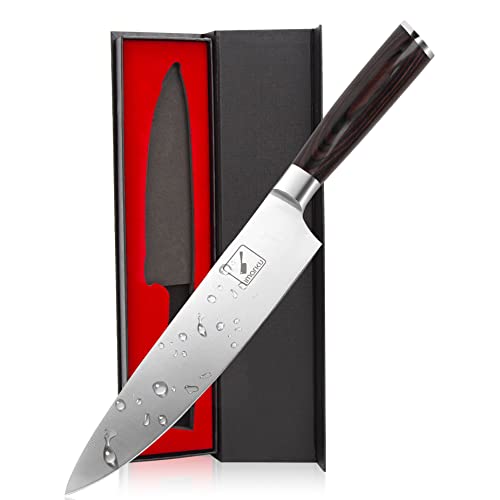
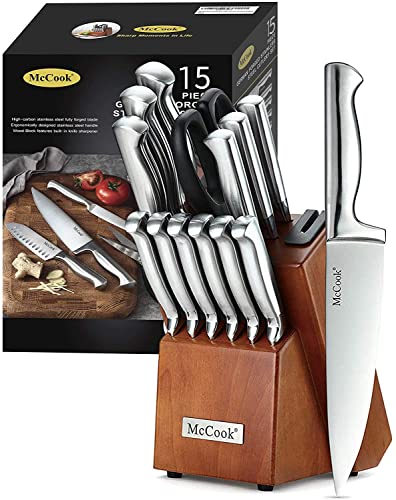
Sharp Knife: A sharp knife is crucial for slicing the meat and vegetables uniformly, which ensures even cooking. A chef’s knife or a Santoku knife are both excellent choices.
Ingredients
For the Base
| Amount | Ingredient | Notes |
|---|---|---|
| 8 ounces | flat rice noodles | soaked in warm water until pliable |
| 2 tablespoons | vegetable oil | for frying |
For the Sauce
| Amount | Ingredient | Notes |
|---|---|---|
| 3 tablespoons | soy sauce | adds savory depth |
| 1 tablespoon | dark soy sauce | provides color and richness |
| 1 tablespoon | oyster sauce | enhances umami flavor |
| 2 teaspoons | sugar | balances the savory elements |
Vegetables
| Amount | Ingredient | Notes |
|---|---|---|
| 2 cups | Chinese broccoli | cut into 2-inch pieces |
| 1 medium | carrot | julienned for color and texture |
Protein
| Amount | Ingredient | Notes |
|---|---|---|
| 8 ounces | chicken breast | sliced thinly for quick cooking |
Seasonings
| Amount | Ingredient | Notes |
|---|---|---|
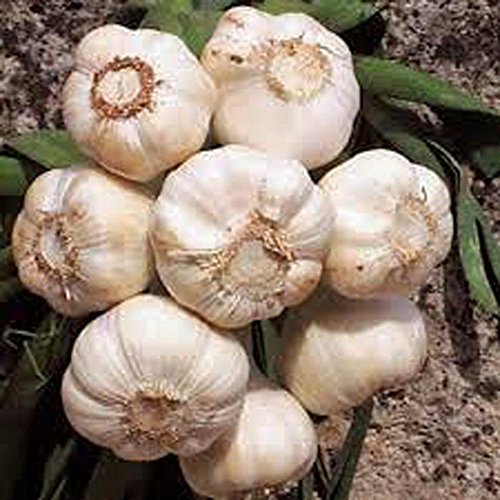
| 2 cloves | garlic | minced for aromatic flavor |
| 1 pinch | white pepper | adds subtle heat |


Preparation Methods
Soaking Rice Noodles: Properly soak the rice noodles in warm water until they become pliable but not mushy. This technique ensures the noodles retain their shape during stir-frying and absorb the sauce without becoming too soft.
Velveting Chicken: This technique involves marinating the chicken in a mixture of cornstarch and egg white before cooking. It tenderizes the meat, helping it remain juicy and succulent.
Stir-Frying: Stir-frying in a hot wok is essential to achieve wok hei. It requires quick, high-heat cooking while continuously stirring, which imparts a smoky flavor and ensures each ingredient is cooked perfectly.


Step 1: Prepare Ingredients
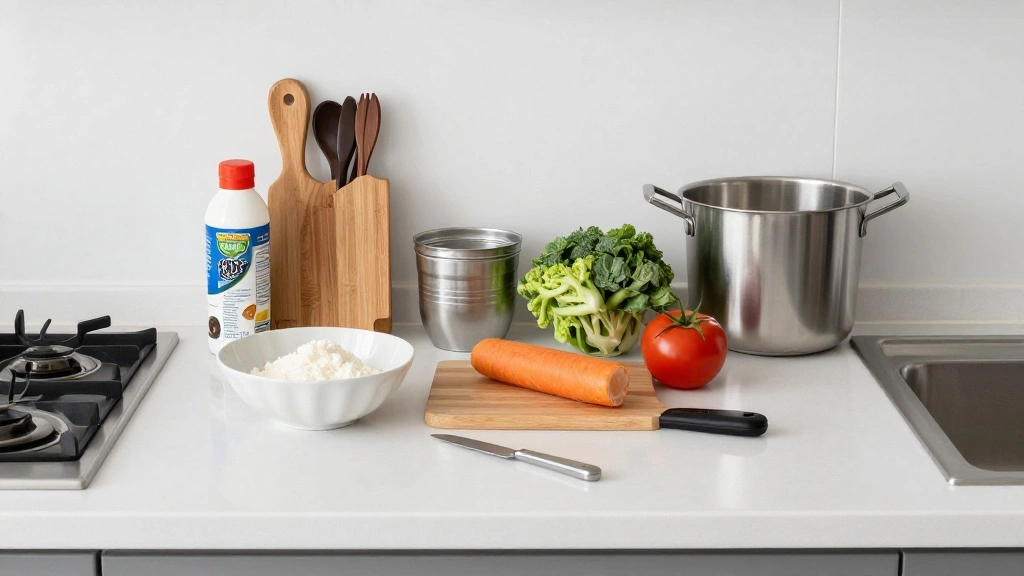
Gather all ingredients and equipment before starting.
Soak the rice noodles in warm water until pliable.
Slice the chicken thinly and marinate with cornstarch and egg white.
Prepare vegetables by cutting Chinese broccoli and julienning the carrot.


Step 2: Make the Sauce
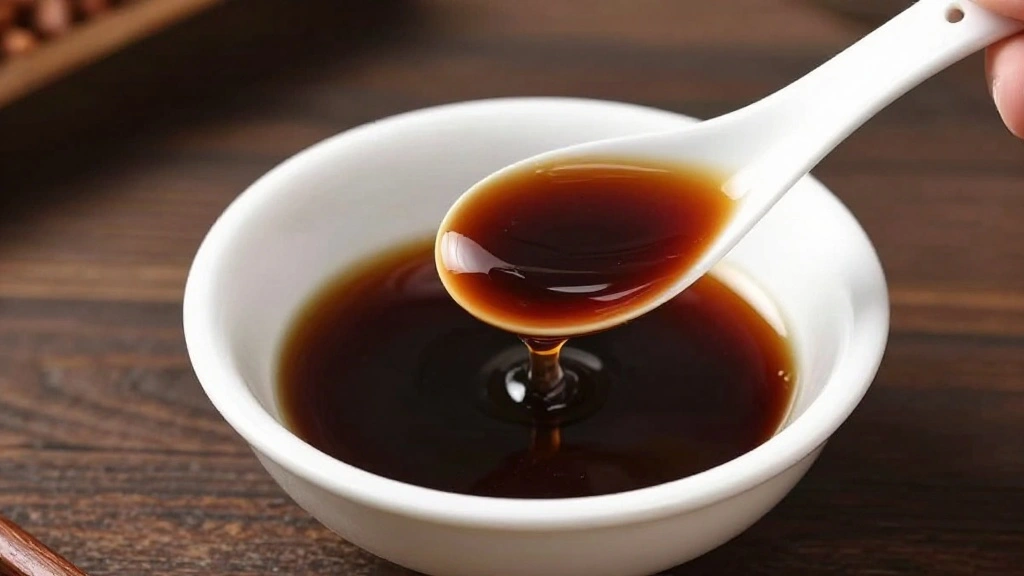
In a small bowl, combine soy sauce, dark soy sauce, oyster sauce, and sugar.
Stir until the sugar dissolves completely.
Taste and adjust the seasoning if needed.
Set the sauce aside for use later.


Step 3: Heat the Wok
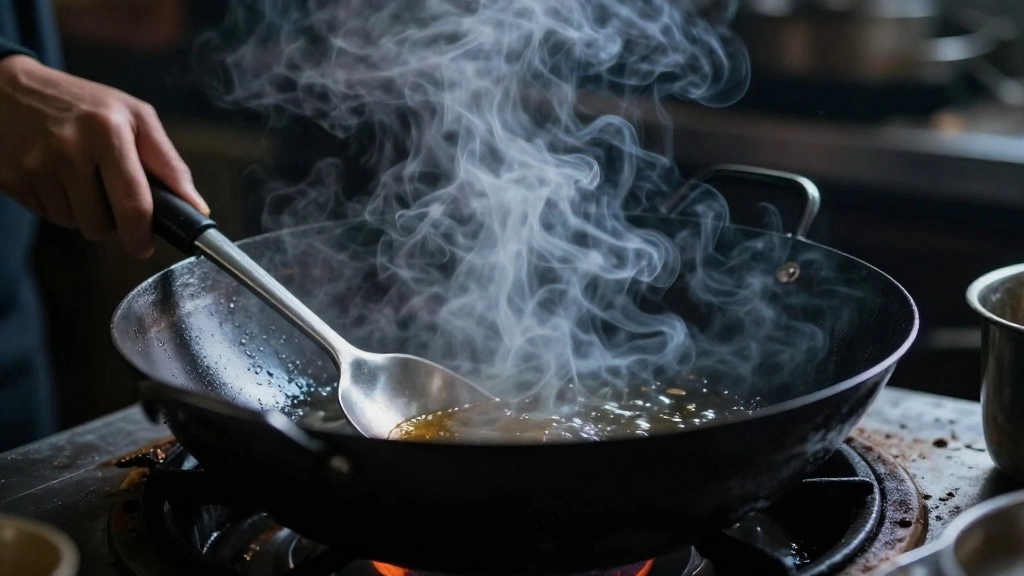
Place the wok over high heat until it begins to smoke lightly.
Add vegetable oil to the hot wok.
Swirl the oil to coat the surface evenly.
Ensure the wok is sufficiently hot before adding other ingredients.
Step 4: Cook the Chicken
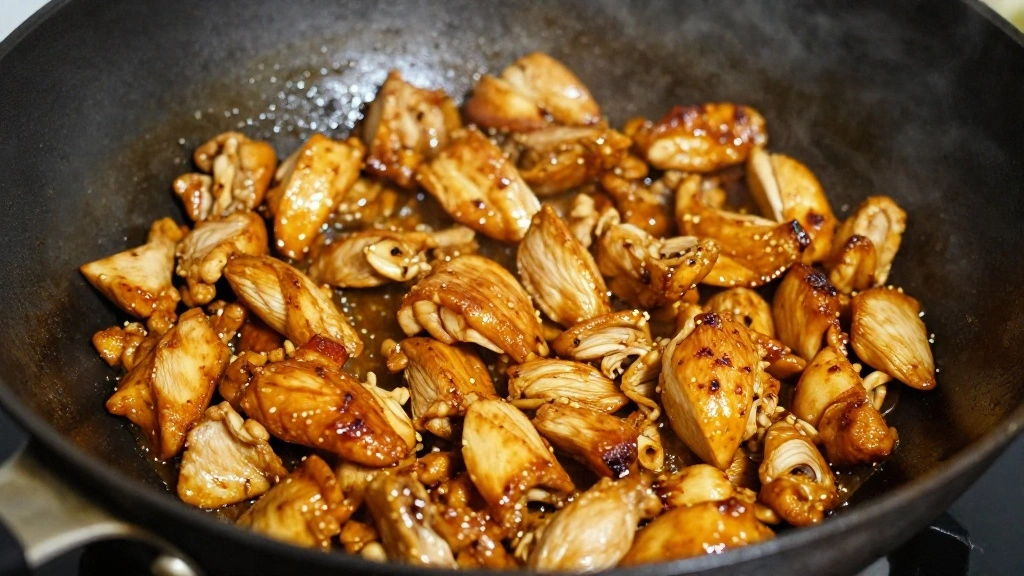
Add marinated chicken slices to the hot wok.
Stir-fry quickly until the chicken is just cooked through.
Remove the chicken from the wok and set aside.
Ensure the chicken is not overcooked to maintain tenderness.
Step 5: Stir-Fry Vegetables
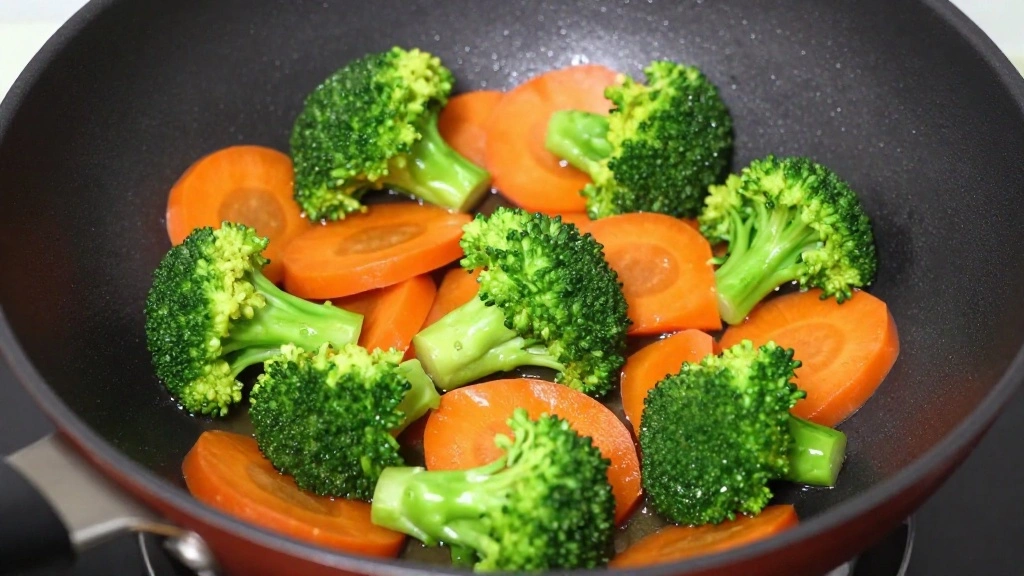
Add minced garlic to the hot wok and stir-fry until fragrant.
Add Chinese broccoli and carrot to the wok.
Stir-fry for about 2 minutes until the vegetables are tender-crisp.
Ensure vegetables retain vibrant colors and slight crunch.
Step 6: Add Noodles and Sauce
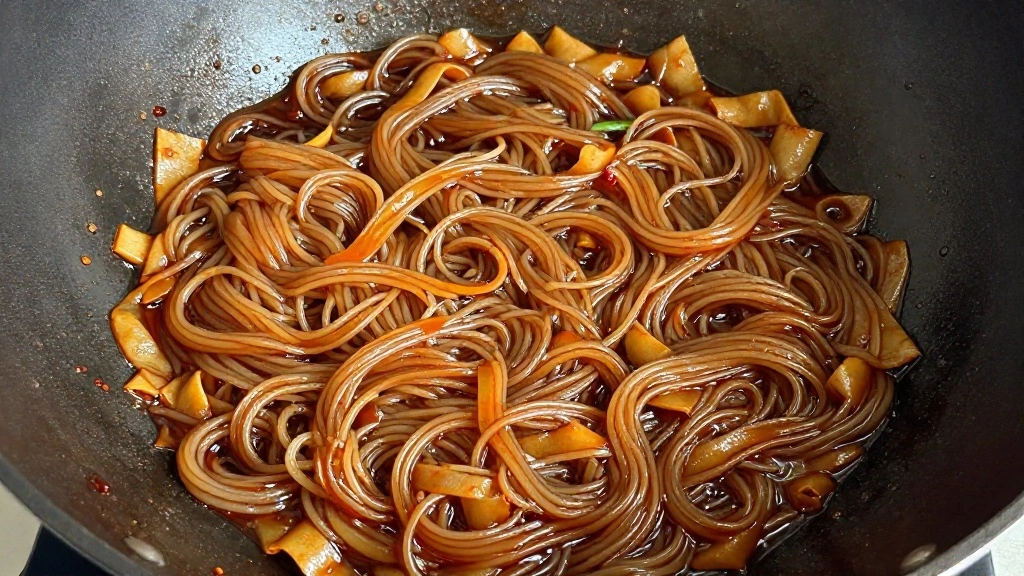
Drain the soaked rice noodles and add them to the wok.
Pour the prepared sauce over the noodles.
Toss everything together to coat the noodles evenly.
Ensure noodles are well-coated and heated through.

Step 7: Combine Chicken and Season
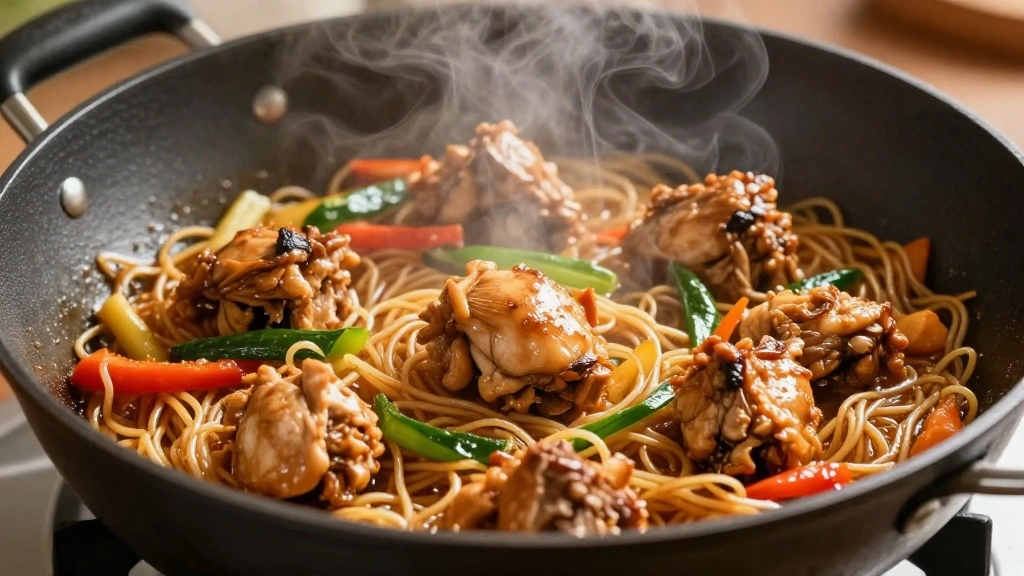
Return the cooked chicken to the wok with the noodles and vegetables.
Sprinkle a pinch of white pepper over the mixture.
Stir-fry everything together for another minute.
Ensure all ingredients are well-mixed and evenly seasoned.
Step 8: Serve Immediately
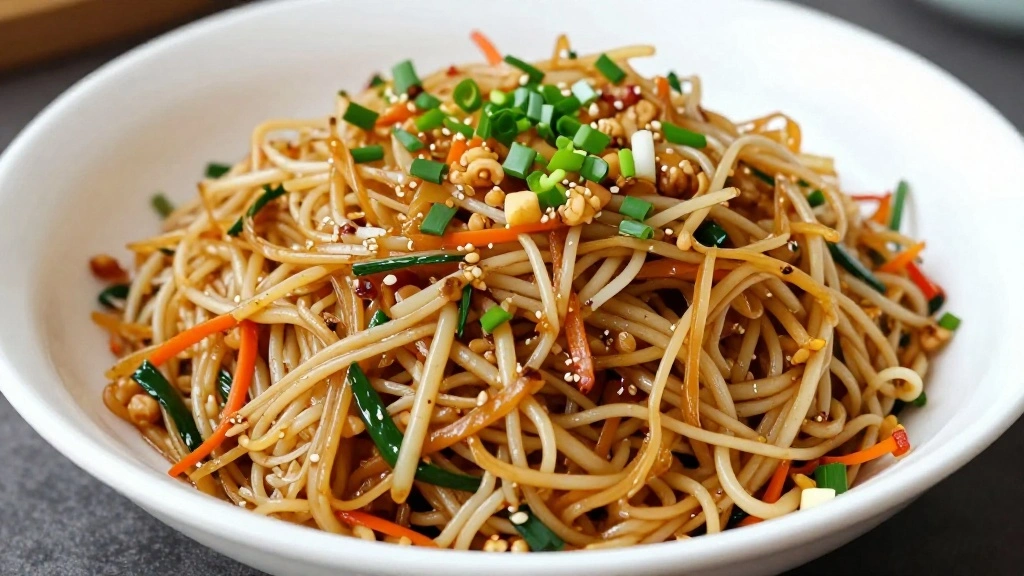
Transfer the stir-fried noodles to a serving platter.
Garnish with additional white pepper if desired.
Serve hot, ensuring each portion has a mix of noodles, chicken, and vegetables.
Enjoy the dish while it is fresh and flavorful.
Critical Timing and Temperature Guide
Soaking Noodles: Soak noodles for 10-15 minutes in warm water, checking for pliability without over-softening, which can lead to clumping during cooking.
Cooking Chicken: Stir-fry chicken for 2-3 minutes over high heat until just cooked through, ensuring it remains tender without drying out.
Stir-Frying Noodles: Maintain high heat throughout stir-frying to achieve wok hei, watching for smoke and avoiding overcrowding to prevent steaming.
Pro Tips for Pad See Ew
• Ingredient Selection: Choose fresh Chinese broccoli and quality soy sauces, as they significantly impact the dish’s flavor.
• Preparation Secret: Pre-soak noodles just before cooking to ensure they are at the perfect consistency.
• Temperature Management: Keep the wok at a high temperature to achieve the characteristic smoky flavor.
• Texture Enhancement: Use thinly sliced chicken to allow even cooking and tenderness.
• Flavor Layering: Add sauces gradually while tossing to ensure even distribution and depth of flavor.
• Make-Ahead Strategies: Pre-slice vegetables and marinate chicken up to a day in advance, storing them separately in the fridge.
• Restaurant-Quality Finishing Touches: Garnish with a sprinkle of white pepper or chopped scallions for an extra burst of flavor.
• Equipment Optimization: Use a gas stove if possible for more precise heat control and better wok hei.


Troubleshooting Common Issues
• Noodles Clumping: Over-soaked or under-cooked noodles can clump. Ensure noodles are properly soaked and separated before adding to the wok.
• Chicken Too Dry: Overcooked chicken becomes dry. Monitor cooking times closely and remove chicken once just cooked.
• Flavors Unbalanced: If the dish is too salty or sweet, adjust the amount of sauce or sugar to taste before serving.
• Not Smoky Enough: Achieving wok hei requires high heat. Ensure the wok is hot enough before adding ingredients.
• Vegetables Overcooked: Stir-fry vegetables quickly over high heat to retain their crunch and vibrant color.
Variations and Regional Differences
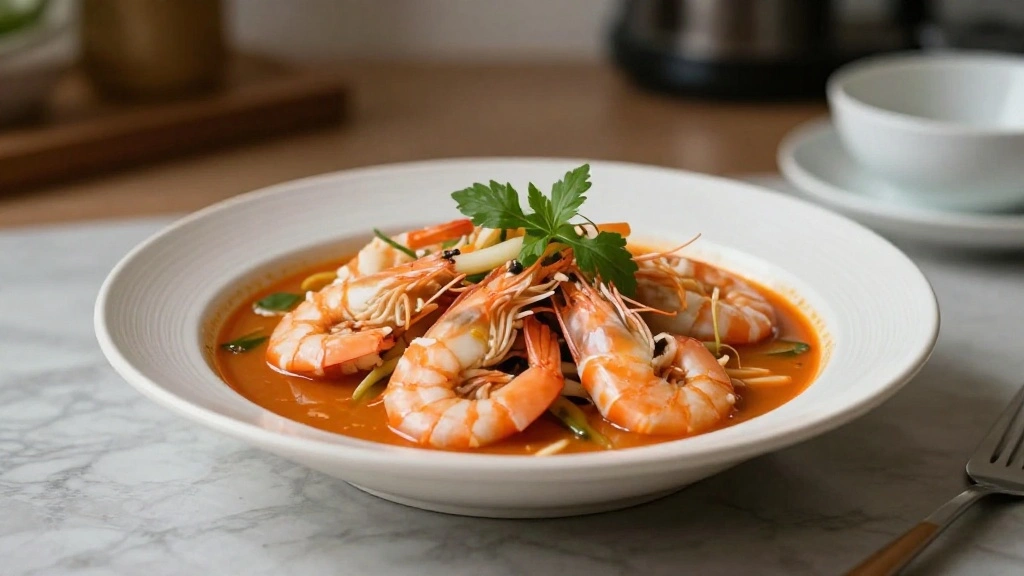
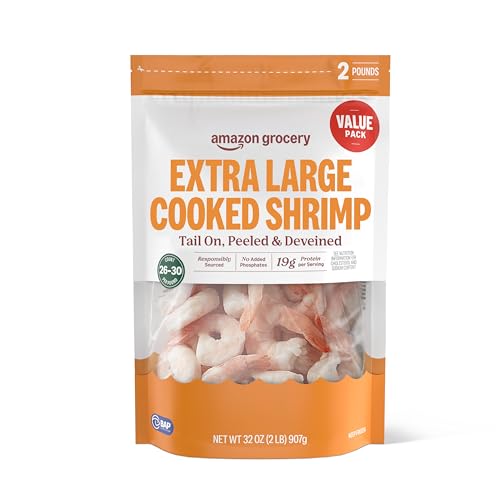
• Southern Thailand Variation: This version often includes seafood such as shrimp, providing a different flavor profile with the addition of fish sauce.
• Vegetarian Style: Substitute chicken with tofu and exclude oyster sauce, using soy sauce and mushroom sauce for depth.
• Northern Thailand Style: Features more herbs like Thai basil and uses chili paste for added heat.
• Street Food Style: Often more robust in flavor, this version may include additional dark soy sauce and is typically cooked over open flame for extra smokiness.

Food Science Behind the Recipe
• Maillard Reaction: The browning of chicken and noodles enhances flavor through the Maillard reaction, which occurs at high temperatures.
• Emulsification: The sauces coat the noodles evenly due to emulsification, creating a balanced taste throughout the dish.
• Starch Gelatinization: Soaking rice noodles allows starches to gelatinize, making them pliable and able to absorb more sauce.
Frequently Asked Questions
What’s the most common mistake people make when preparing Pad See Ew? Overcooking the noodles, which leads to a mushy texture. Proper soaking is key.
Can I use different vegetables? Yes, while Chinese broccoli is traditional, you can substitute with other greens like bok choy or spinach.
Is it necessary to use dark soy sauce? Dark soy sauce is important for color and depth, but if unavailable, add a bit more soy sauce and a touch of molasses.
How can I make this dish spicier? Add slices of fresh chili or chili paste to the sauce for an extra kick.
Can I make Pad See Ew gluten-free? Yes, use gluten-free soy sauce and check labels on other sauces to ensure they are gluten-free.
What protein alternatives work well? Tofu, shrimp, or beef are great alternatives to chicken.
How should leftovers be stored? Store in an airtight container in the refrigerator for up to 2 days. Reheat in a pan for best results.
Serving and Presentation Guide
• Traditional Presentation: Serve in a shallow bowl with a side of pickled chilies for an authentic touch.
• Modern Plating: Arrange noodles neatly in a deep plate, garnishing with scallions and sesame seeds for added visual appeal.
• Family Style: Present the dish on a large platter for sharing, encouraging a communal dining experience.
• Individual Portions: Serve in individual bowls, topped with a wedge of lime for a burst of freshness.


Conclusion
Pad See Ew is a delightful culinary adventure that brings the flavors of Thai street food into your home.
With its harmonious blend of flavors and textures, this dish is sure to impress both family and friends.
I hope you enjoy making and savoring this recipe as much as I do.
Give it a try and relish the satisfaction of creating a dish that’s truly better than takeout.