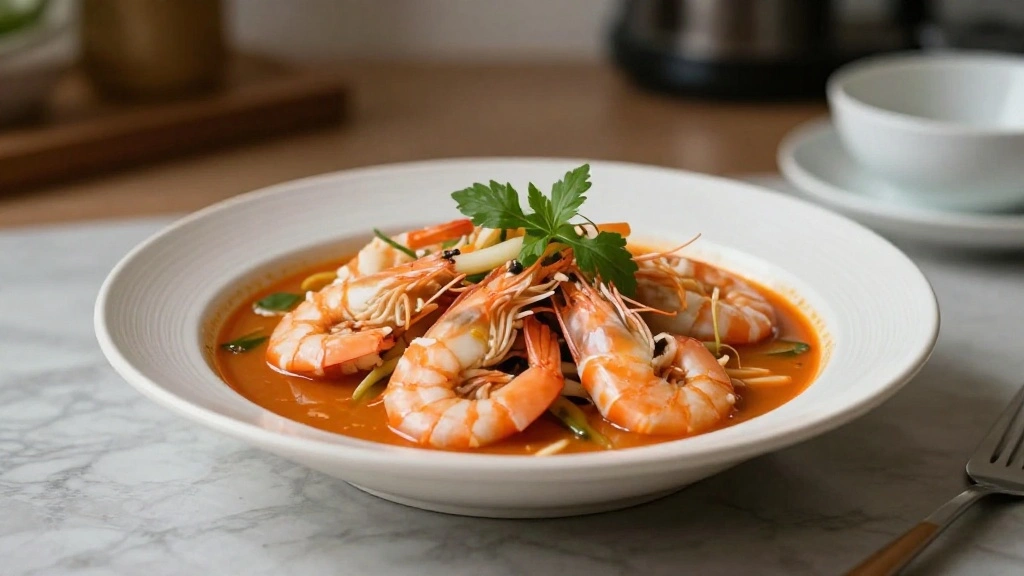

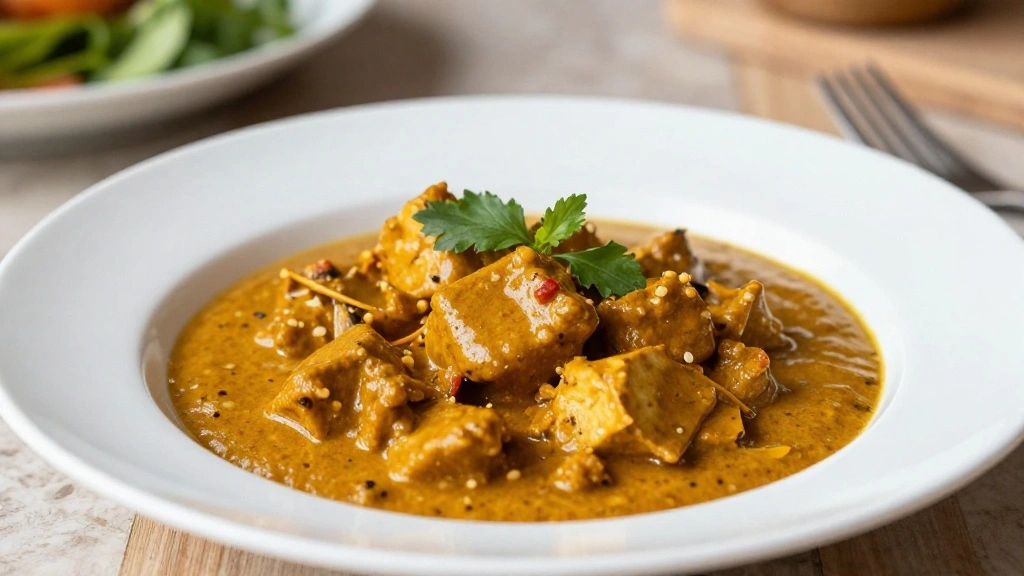


Massaman Curry Recipe Rich Creamy Thai Curry
2 tablespoons vegetable oil
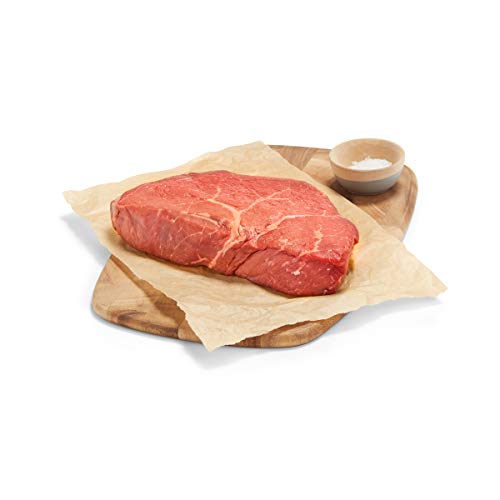
1 pound beef chuck
1 can coconut milk
3 tablespoons massaman curry paste
2 medium potatoes
1 large onion
2 tablespoons fish sauce
1 tablespoon brown sugar
1 cinnamon stick infuses warm spice
3 pods cardamom
PT110M
4 servings
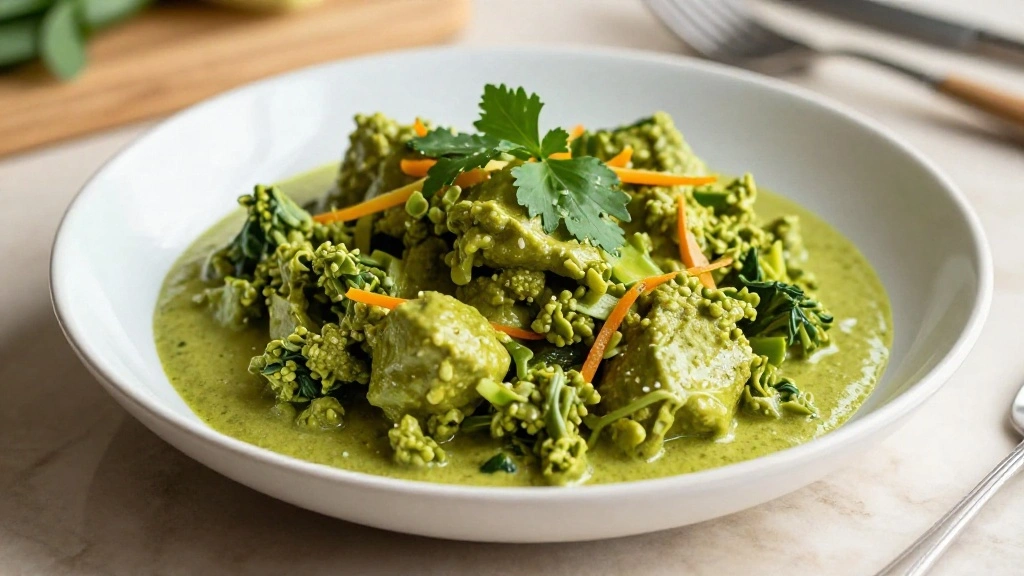
Massaman Curry is a fragrant and luscious Thai dish that captures the essence of Southeast Asian cuisine.
With its rich blend of spices, creamy coconut milk, and tender pieces of meat, this curry offers a symphony of flavors.
The dish is both sweet and savory, with subtle hints of cinnamon and cardamom mingling with the earthy notes of roasted peanuts.
I was introduced to this delightful curry during a visit to Thailand, where it was lovingly served at a family gathering.
Perfect for any occasion, Massaman Curry is an impressive yet approachable recipe that brings warmth to the dinner table.
Whether you’re a curry connoisseur or new to Thai cuisine, this recipe will surely become a favorite.
The History and Cultural Significance
• Massaman Curry traces its origins to southern Thailand, where it was originally created by Persian traders.
• The dish evolved over decades as local ingredients like lemongrass and galangal were incorporated, eventually becoming the beloved version we know today.
• In Thai culture, this dish traditionally appears at special occasions and celebrations, symbolizing warmth and hospitality.
• While many variations exist across different regions, the authentic version maintains a unique balance of sweet, savory, and spicy flavors that sets it apart from imitations.
Recipe Overview
Nutritional Information (per serving)
Essential Equipment Guide
Heavy-duty pot or Dutch oven: This is important for evenly cooking the curry and ensuring flavors meld well. Alternatives include a large saucepan, but ensure it has a thick base to prevent burning.
Mortar and pestle: Essential for grinding spices to release their full aroma. A spice grinder can be used as an alternative, but it may not achieve the same texture.
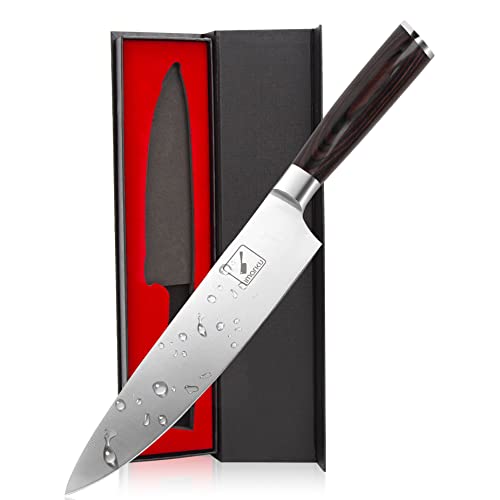
Sharp chef’s knife: Critical for precision in preparing ingredients like meat and vegetables. A dull knife can make preparation difficult and affect the final presentation.



Ingredients
For the Base
| Amount | Ingredient | Notes |
|---|---|---|
| 2 tablespoons | vegetable oil | for sautéing |
| 1 pound | beef chuck | cut into 1-inch cubes |
For the Sauce
| Amount | Ingredient | Notes |
|---|---|---|
| 1 can | coconut milk | adds creaminess |
| 3 tablespoons | massaman curry paste | provides primary flavor |
Vegetables
| Amount | Ingredient | Notes |
|---|---|---|
| 2 medium | potatoes | peeled and cubed |
| 1 large | onion | sliced |
Seasonings
| Amount | Ingredient | Notes |
|---|---|---|
| 2 tablespoons | fish sauce | adds umami |
| 1 tablespoon | brown sugar | balances flavors |
| 1 cinnamon stick | infuses warm spice | |
| 3 pods | cardamom | adds fragrance |


Preparation Methods
Tempering spices: This technique involves gently heating spices in oil to release their essential oils, enhancing the dish’s depth of flavor. Ensure the oil is not too hot to prevent burning.
Searing meat: Browning the meat in a hot pan before simmering helps develop a rich, caramelized flavor base. Do not overcrowd the pan to ensure even browning.
Simmering: Cooking the curry at a low temperature allows the flavors to meld and the meat to become tender. Maintain a gentle simmer without boiling to avoid curdling the coconut milk.


Step 1: Prepare Ingredients
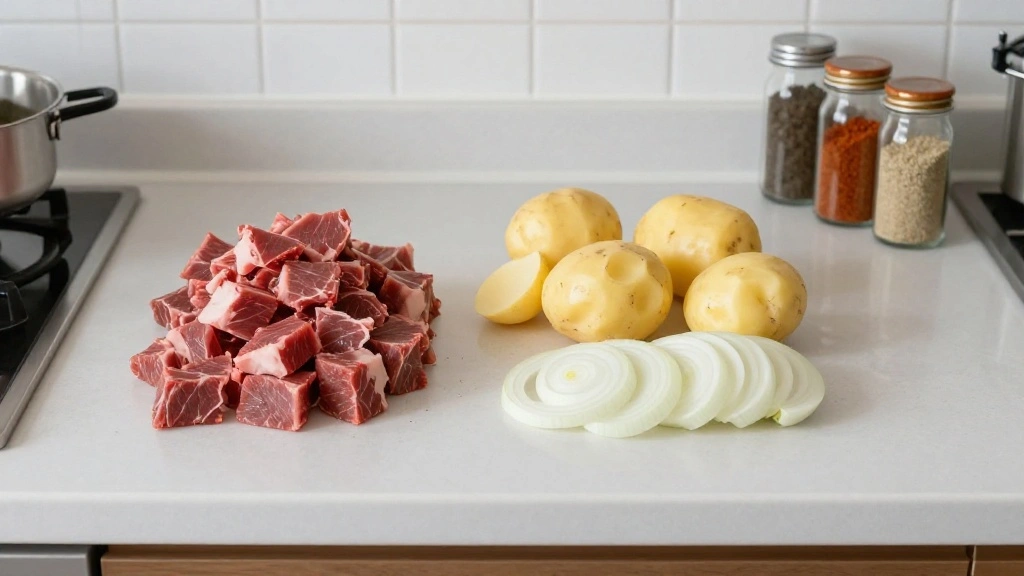
Gather all ingredients and equipment.
Cut the beef into 1-inch cubes and set aside.
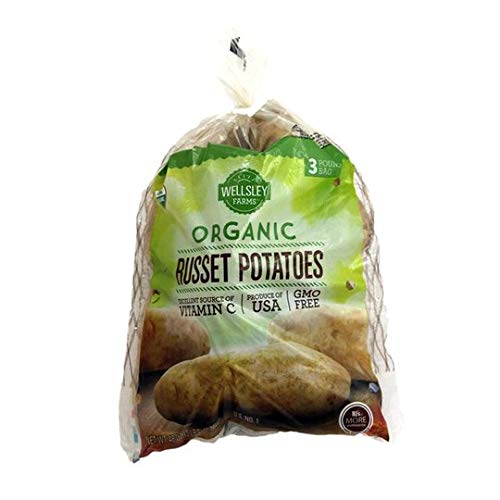
Peel and cube the potatoes and slice the onion.
Measure out the spices and set them close to your cooking area.


Step 2: Heat the Oil
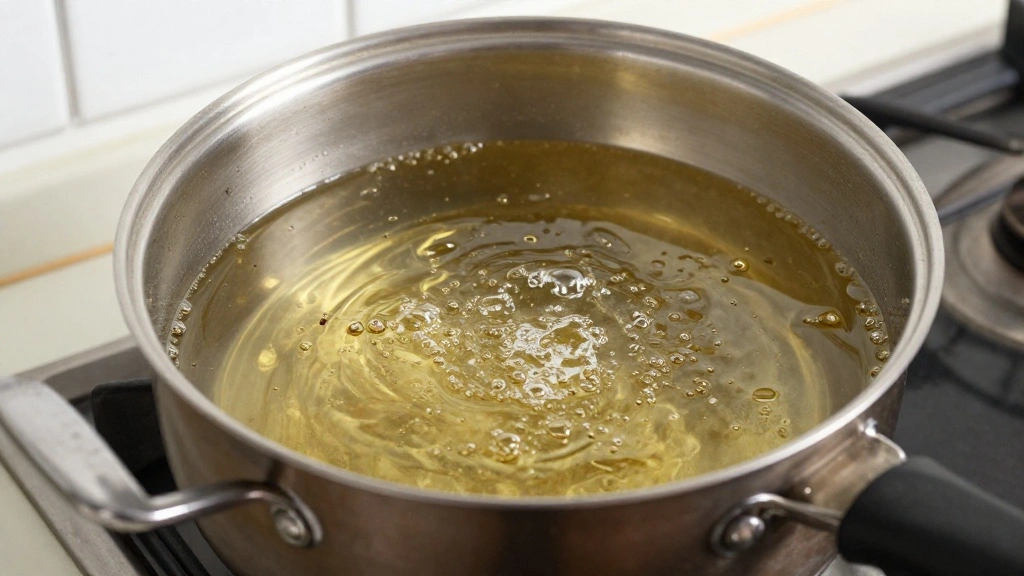
Place a heavy-duty pot or Dutch oven over medium heat.
Add the vegetable oil and allow it to warm up.
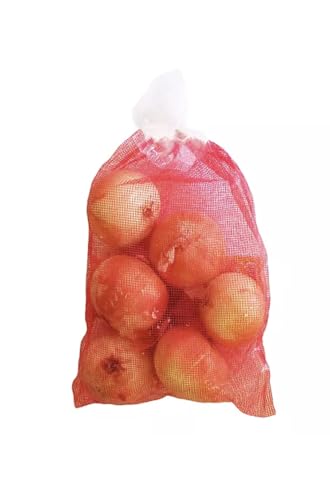
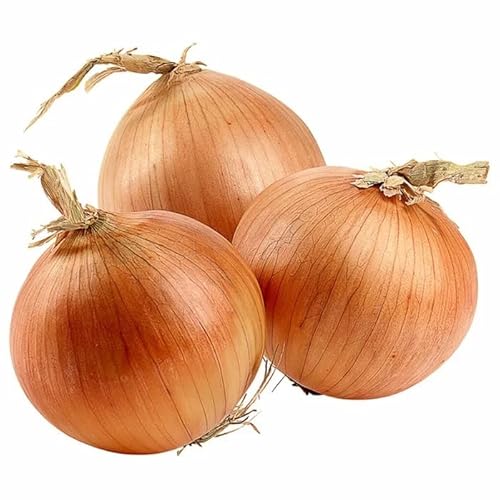
Ensure the oil is hot enough before adding spices by testing with a small piece of onion.
The oil should sizzle gently when ready.

Step 3: Temper the Spices
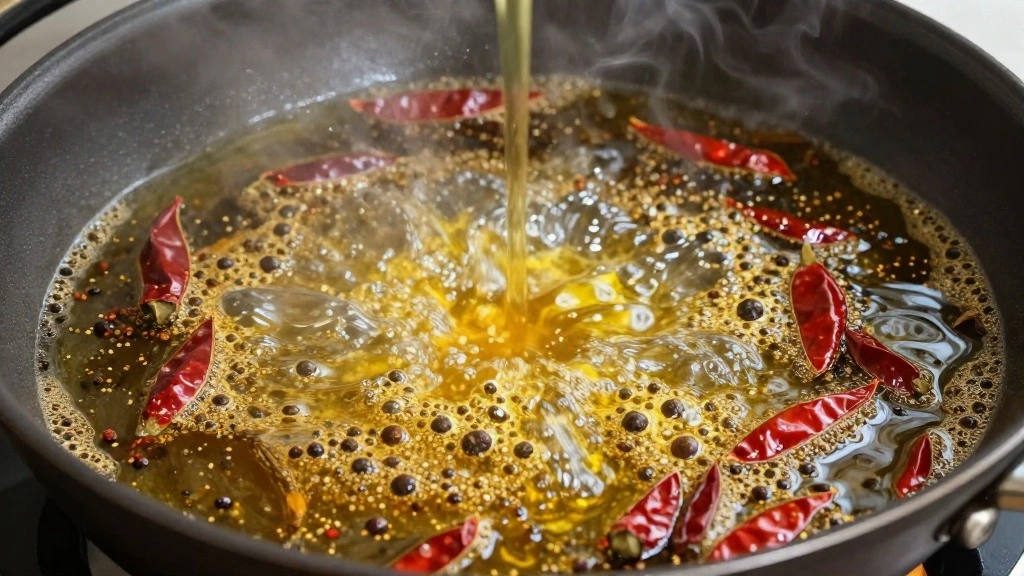
Add the cinnamon stick and cardamom pods to the hot oil.
Stir constantly to prevent burning.
Cook until the spices are fragrant, releasing their essential oils.
This should take about 1-2 minutes.
Step 4: Sear the Beef
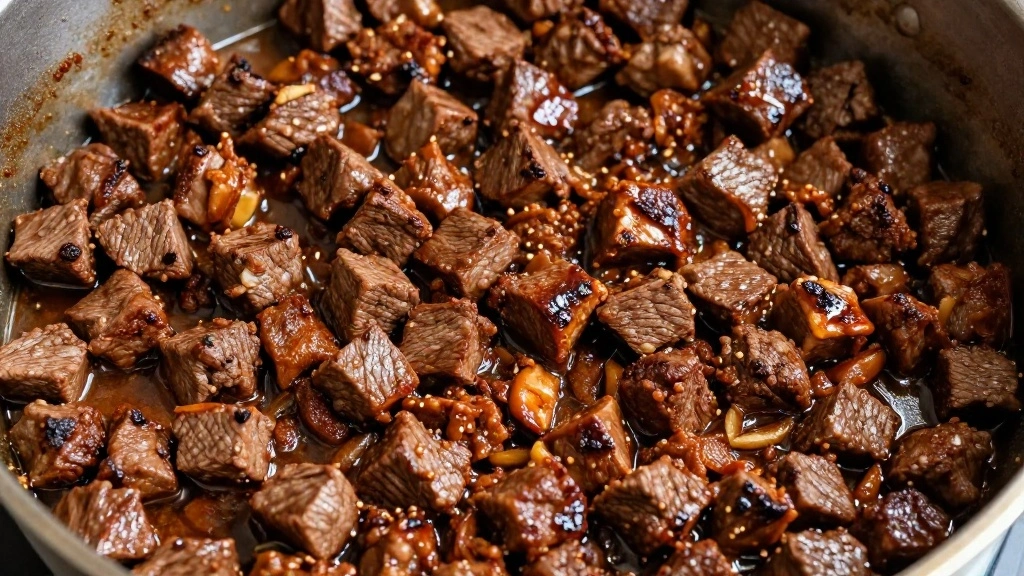
Add the beef cubes to the pot with the spices.
Sear the meat on all sides until browned.
Do this in batches if necessary to avoid overcrowding the pot.
Remove the beef and set aside once browned.
Step 5: Sauté the Onions
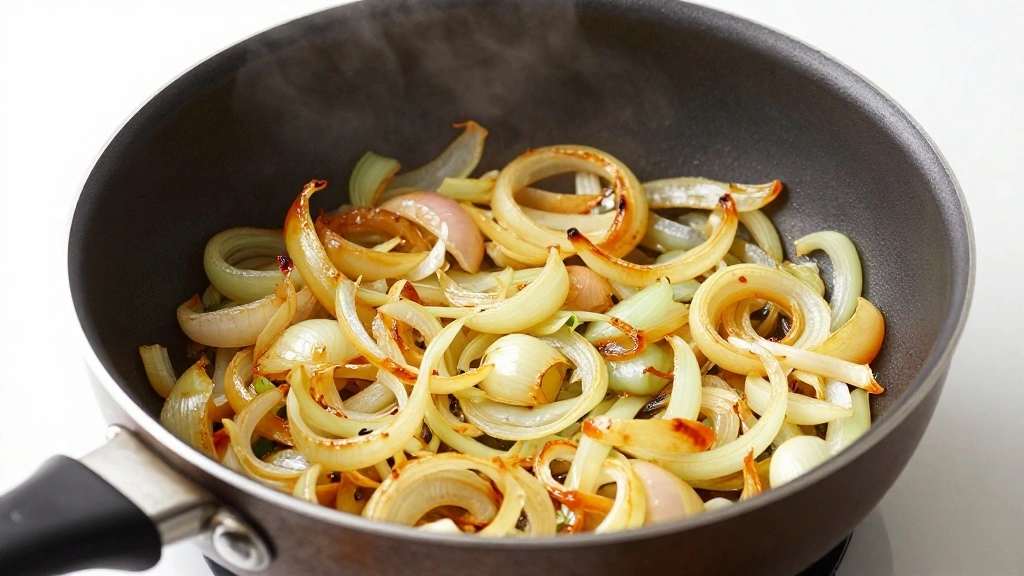
Add the sliced onions to the same pot.
Cook until they are translucent and slightly caramelized.
Scrape up any brown bits from the pot for added flavor.
This should take about 5 minutes.


Step 6: Combine Ingredients
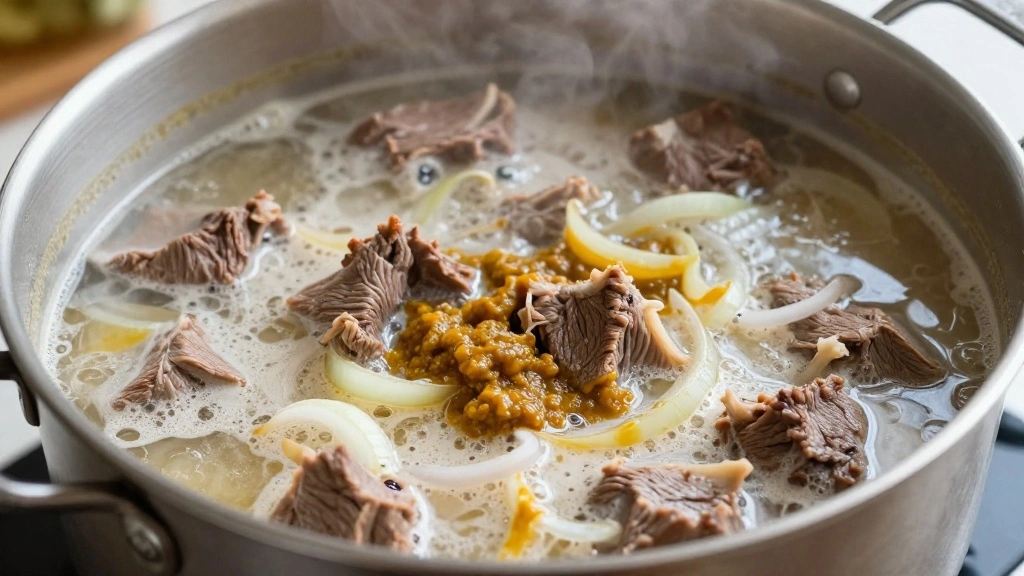
Return the beef to the pot with the onions.
Add the massaman curry paste and stir well to coat the beef.
Pour in the coconut milk and bring to a gentle simmer.
Ensure everything is well mixed.
Step 7: Add Vegetables
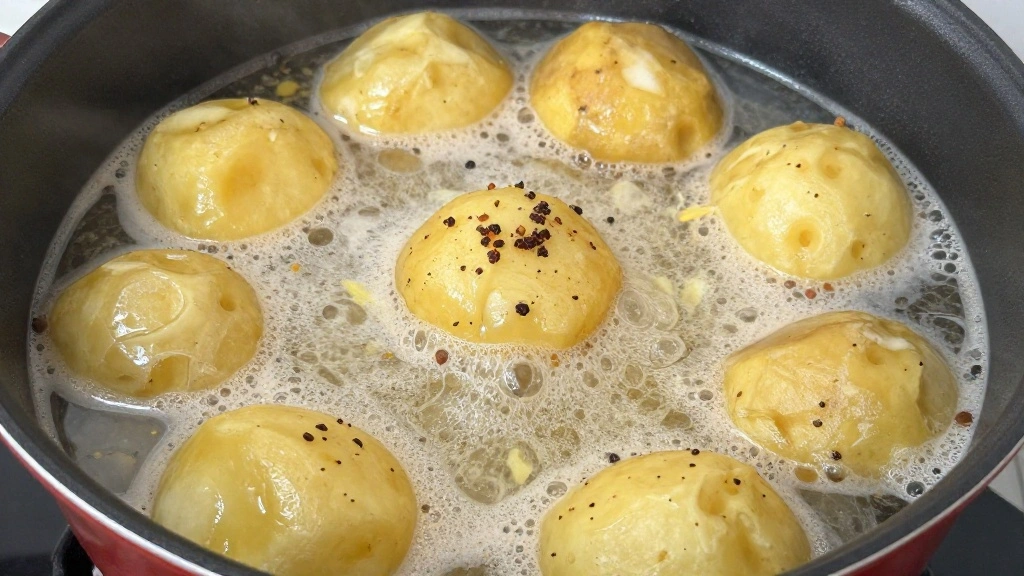
Add the cubed potatoes to the pot.
Stir to ensure they are submerged in the liquid.
Cover the pot and continue to simmer for 30 minutes.
Check occasionally to stir and prevent sticking.
Step 8: Season the Curry
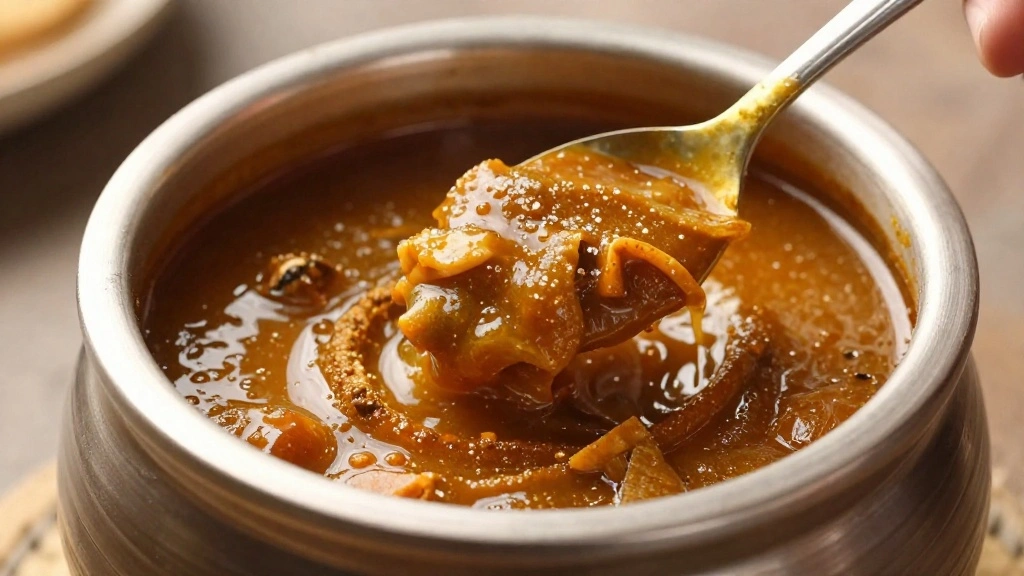
Add the fish sauce and brown sugar to the curry.
Stir well to incorporate the flavors.
Taste and adjust seasoning as needed.
Simmer for another 15 minutes until potatoes are tender.


Step 9: Final Touches
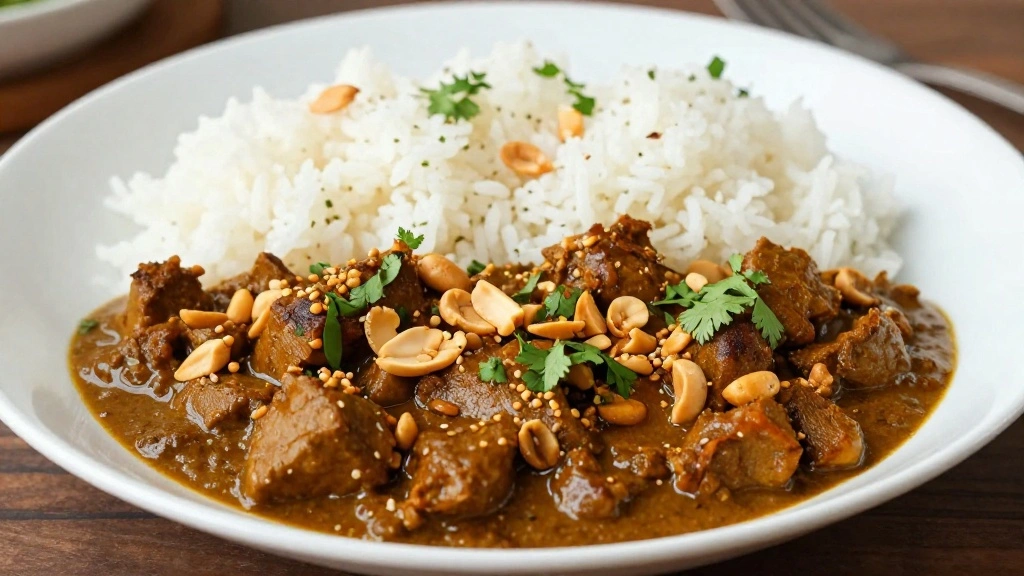
Check the consistency of the curry, adjusting with water if too thick.
Remove from heat once everything is tender and well-flavored.
Garnish with roasted peanuts and fresh cilantro leaves.
Serve hot with steamed jasmine rice.



Critical Timing and Temperature Guide
Tempering spices: Heat oil to medium; spices should sizzle gently for 1-2 minutes without burning.
Searing meat: Sear on high heat for 3-4 minutes per batch; look for a deep brown crust.
Simmering: Maintain a low simmer for at least 45 minutes; meat should be tender and potatoes cooked through.
Pro Tips for Massaman Curry Recipe
• Ingredient Selection: Choose high-quality coconut milk for a richer, creamier curry, and fresh spices for the best flavor.
• Preparation Secret: Marinate the beef in a little curry paste for an hour before cooking to infuse more flavor.
• Temperature Management: Ensure the coconut milk never boils to prevent curdling.
• Texture Enhancement: For a silkier texture, stir in a tablespoon of peanut butter when adding the coconut milk.
• Flavor Layering: Add a splash of lime juice at the end to brighten the flavors.
• Make-Ahead Strategies: Prepare the curry paste and freeze in portions; it will keep for up to 3 months.
• Restaurant-Quality Finishing Touches: Garnish with fresh herbs and a drizzle of coconut cream for a polished look.
• Equipment Optimization: Use a wide pot to ensure even cooking and faster evaporation of excess liquid.


Troubleshooting Common Issues
• Curry Too Watery: This is often due to excess liquid; reduce by simmering uncovered and stirring occasionally.
• Meat Too Tough: This may occur if the meat is not cooked long enough; ensure a slow simmer for adequate tenderization.
• Spices Overwhelming: If the curry is too spicy, add more coconut milk or sugar to balance the flavors.
• Coconut Milk Curdled: This can happen if the heat is too high; always keep the heat low when simmering.
• Sauce Too Thick: Add a little water or stock to thin it out to your preferred consistency.


Variations and Regional Differences
• Central Thai Variation: Often includes additional herbs like kaffir lime leaves for a fresher taste.
• Southern Thai Variation: Spicier due to the inclusion of more chilies and often features seafood.
• Vegetarian Style: Replace meat with tofu or tempeh and use soy sauce instead of fish sauce for a plant-based option.
• Western Adaptation: Sometimes includes additional vegetables like carrots and bell peppers to suit local tastes.


Food Science Behind the Recipe
• Emulsification: The coconut milk acts as an emulsifying agent, binding the spices and liquids together for a creamy texture.
• Maillard Reaction: Searing the meat initiates this reaction, creating complex flavors and a savory depth.
• Heat Distribution: The thick base of a Dutch oven ensures even heat distribution, preventing hot spots and burning.


Frequently Asked Questions
What’s the most common mistake people make when preparing Massaman Curry? Overcooking or undercooking the meat, leading to tough or dry texture.
Can I use a different protein? Yes, chicken or lamb can also be used, adjusting cooking times as needed.
How do I store leftovers? Store in an airtight container in the refrigerator for up to 3 days; reheat gently.
Is Massaman Curry gluten-free? Yes, but check labels for gluten-free curry paste and fish sauce.
Can I make this curry less spicy? Use less curry paste and add more coconut milk to mellow the heat.
What’s the best type of potato to use? Waxy potatoes like Yukon Gold hold their shape well during cooking.
How can I thicken the curry? Simmer uncovered to reduce liquid or add a cornstarch slurry if needed.
Can I freeze Massaman Curry? Yes, it freezes well; thaw in the refrigerator before reheating.
Serving and Presentation Guide
• Traditional Presentation: Serve in a deep bowl with steamed jasmine rice on the side, garnished with fresh cilantro and lime wedges.
• Modern Twist: Present in a large shallow dish with a side of roti or naan for dipping.
• Family Style: Serve in a large pot or dish in the center of the table for sharing, accompanied by various side dishes.
• Individual Portions: Serve in personal-sized bowls for a more refined, restaurant-style presentation.


Conclusion
Massaman Curry is a testament to the rich culinary traditions of Thailand.
Its harmonious blend of flavors and textures makes it a favorite around the world.
By following this comprehensive guide, you’ll master the art of preparing this exquisite dish.
Don’t wait to bring the warm, comforting flavors of Massaman Curry into your home.