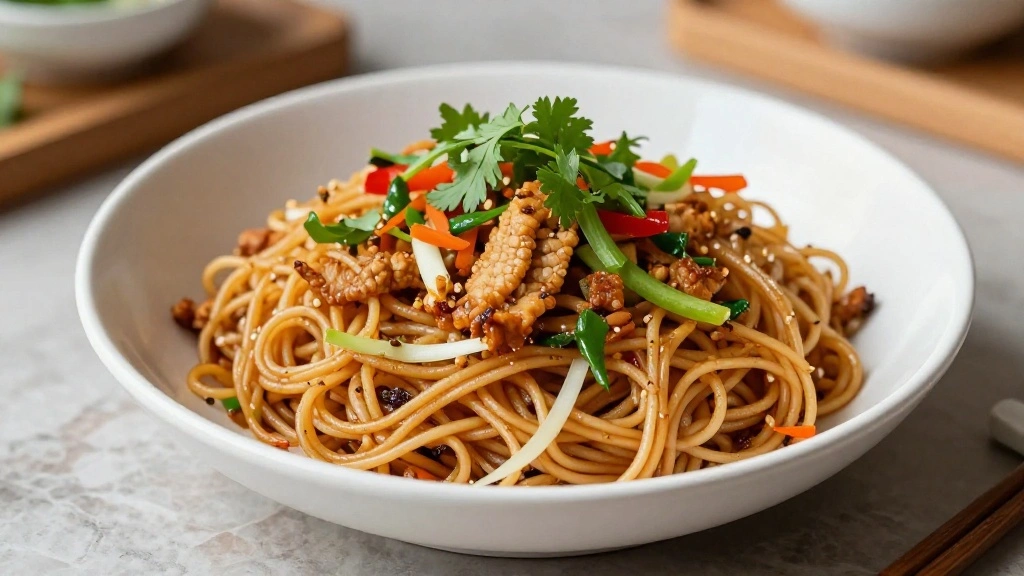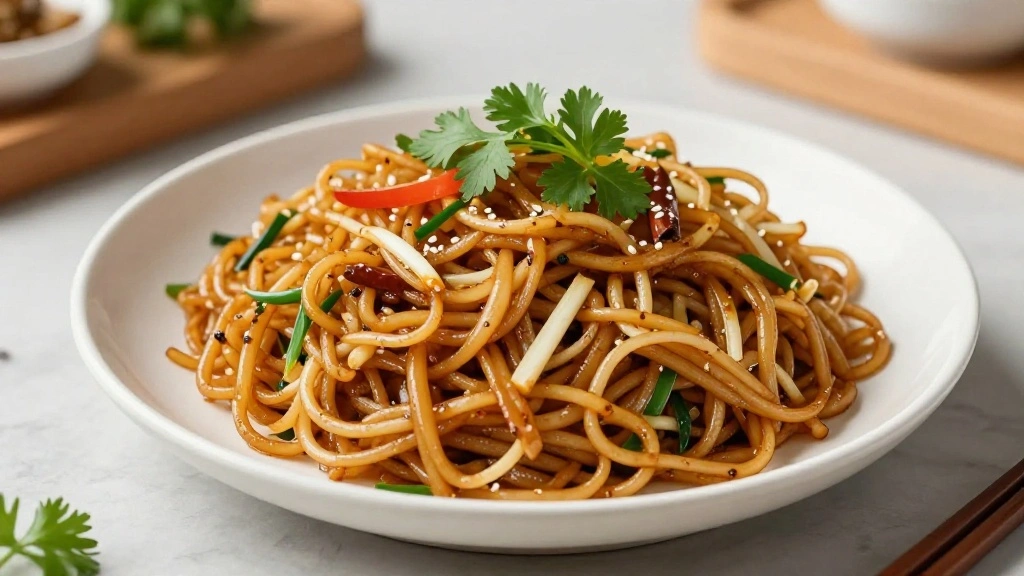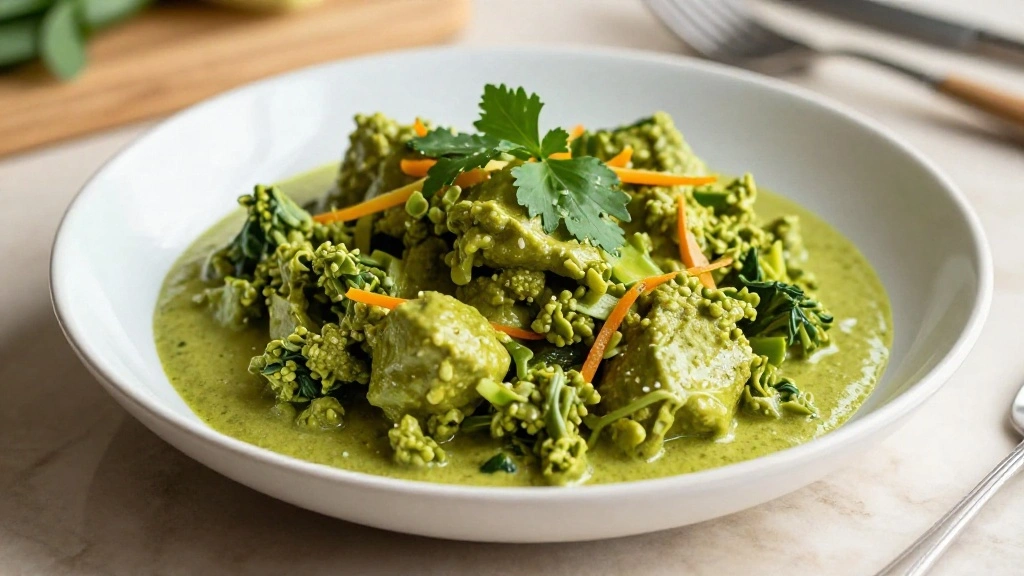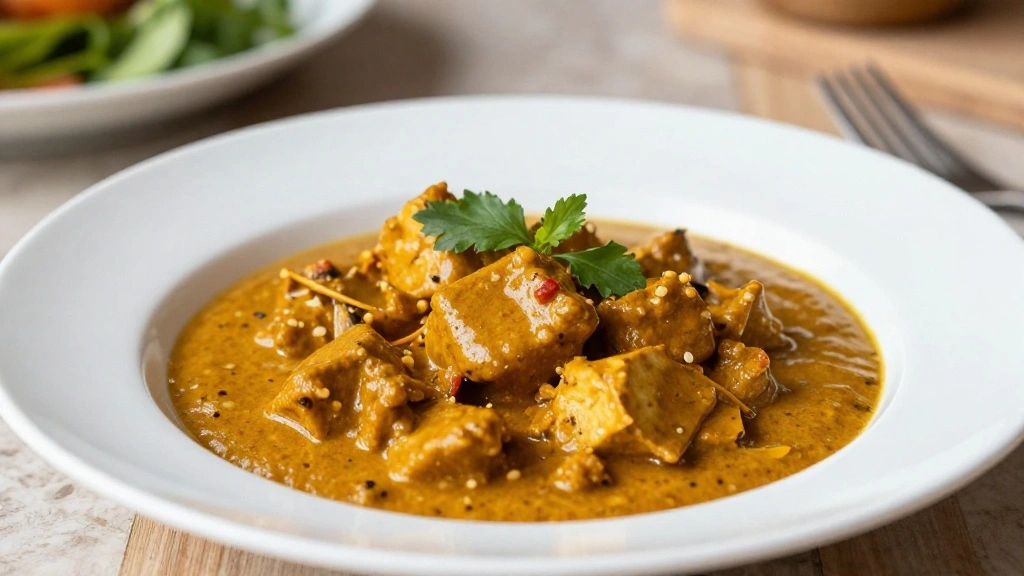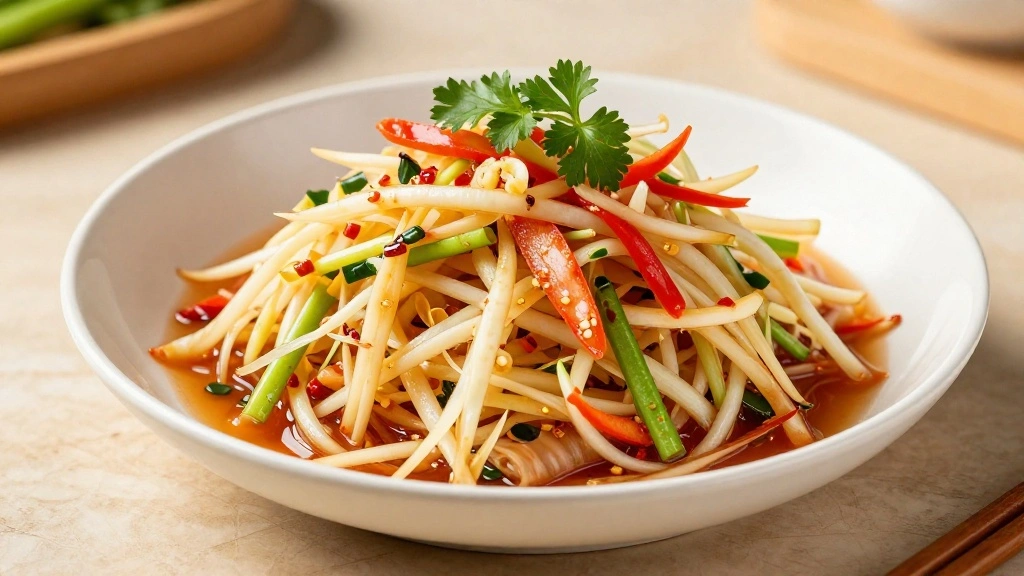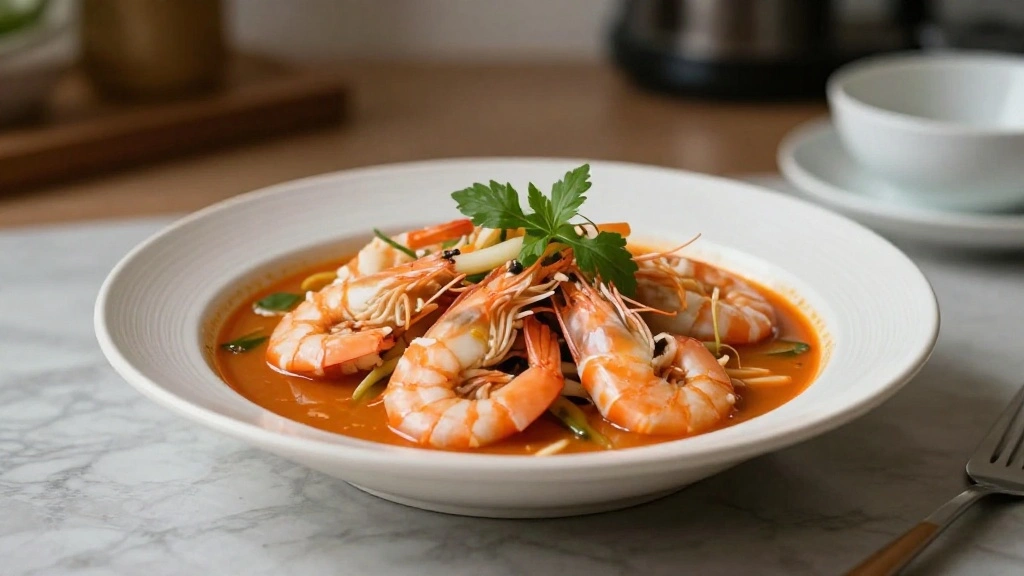

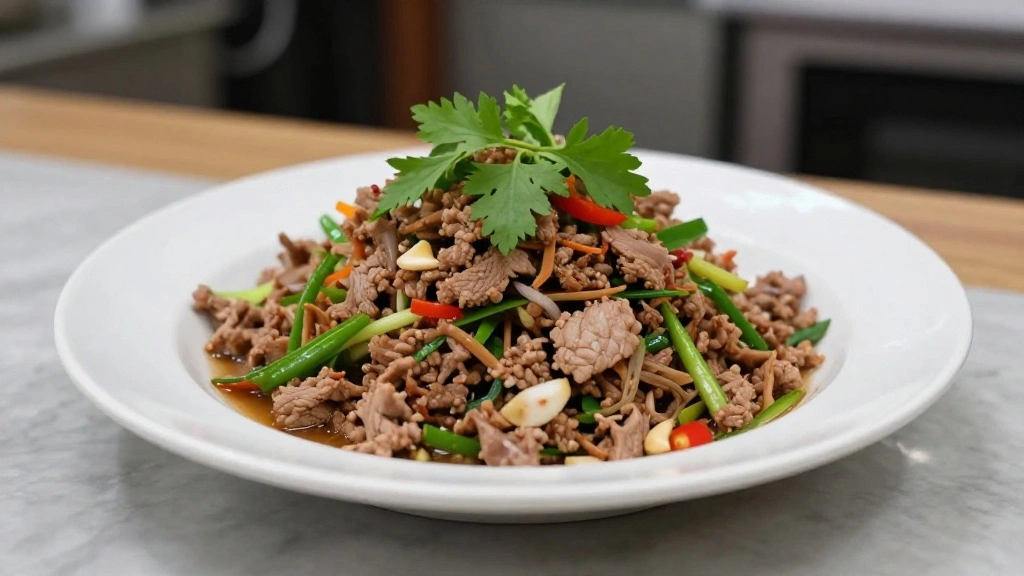


The vibrant and fresh flavors of Thai Larb Moo offer a journey into the culinary heart of Thailand’s Isan region.
This zesty minced pork salad is a delightful balance of spicy, sour, and savory notes that tantalize the taste buds.
I first tasted this dish during a family gathering in Bangkok, where the aroma of toasted rice and fresh herbs filled the air.
It’s a quintessential Thai dish, perfect for a light summer meal or a flavorful appetizer at any gathering.
The simplicity of its preparation allows the robust flavors to shine, making it a beloved staple in Thai cuisine.
The History and Cultural Significance
• Thai Larb Moo traces its origins to the Isan region of northeastern Thailand, where it was originally created by local farmers using fresh, readily available ingredients.
• The dish evolved over decades as it spread to other regions, incorporating varying levels of spice and sweetness, eventually becoming the beloved version we know today.
• In Thai culture, this dish traditionally appears at celebratory occasions like weddings and festivals, symbolizing abundance and community.
• While many variations exist across different regions, the authentic version maintains a delicate balance of flavors and textures that sets it apart from imitations.
Recipe Overview
Nutritional Information (per serving)
Essential Equipment Guide
Mortar and Pestle: Essential for pounding the herbs and spices to release their full aroma and flavor. An alternative could be a food processor, but it may not achieve the same texture.
Non-stick Skillet: Important for evenly browning the minced pork without sticking. Look for a skillet with a heavy base to maintain consistent heat.
Microplane Grater: Useful for finely grating lime zest and other aromatics. A fine box grater can work in a pinch but might not achieve the same finesse.


Ingredients
For the Base
|
| Amount | Ingredient | Notes |
|---|---|---|
| 500 grams | minced pork | provides the main protein |
| 2 tablespoons | toasted rice powder | adds nutty flavor and texture |
Vegetables
| Amount | Ingredient | Notes |
|---|---|---|
| 1 cup | shallots | thinly sliced for sweetness |
| 1 cup | fresh mint leaves | adds freshness |
Seasonings
| Amount | Ingredient | Notes |
|---|---|---|
| 3 tablespoons | fish sauce | for umami and saltiness |
| 2 tablespoons | lime juice | for acidity |
| 1 tablespoon | palm sugar | balances flavors |
| 1 teaspoon | chili flakes | adds heat |


Preparation Methods
Toasting Rice: This technique involves toasting uncooked rice until golden brown and then grinding it into a powder. It adds a unique nutty flavor and texture to the salad. To master this, ensure even toasting by frequently stirring the rice over medium heat.
Slicing Shallots: Thinly slicing shallots is crucial for even cooking and distribution of sweetness. Use a sharp knife to ensure precision. A mandoline slicer can help achieve uniform slices.
Pounding Herbs: Using a mortar and pestle to pound herbs releases oils and enhances aroma. Avoid over-pounding to prevent bruising, which can result in bitterness.



Step 1: Prepare Ingredients
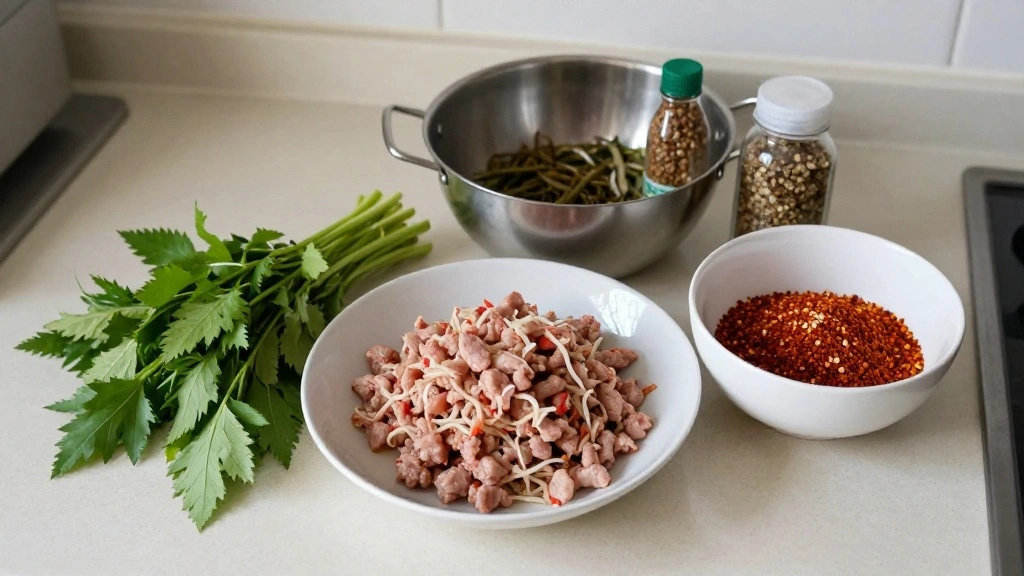
Gather all ingredients and ensure they are fresh.
Wash and dry herbs thoroughly.
Slice shallots thinly and set aside.
Measure out all seasonings.



Step 2: Toast and Grind Rice
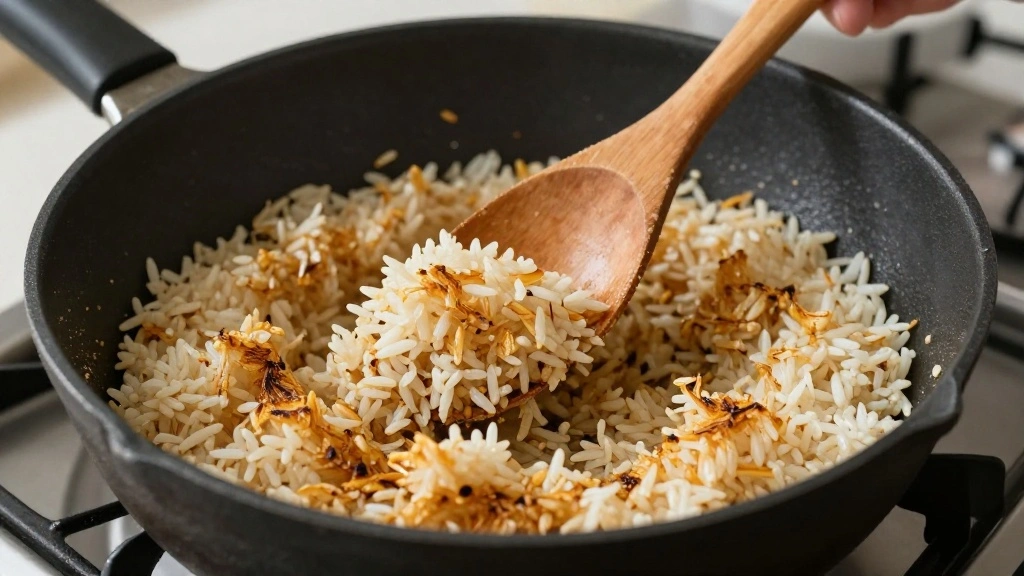
Place uncooked rice in a dry skillet over medium heat.
Stir constantly until rice turns golden brown.
Let rice cool before grinding into a fine powder using a mortar and pestle.
Set aside for later use.
Step 3: Cook the Pork
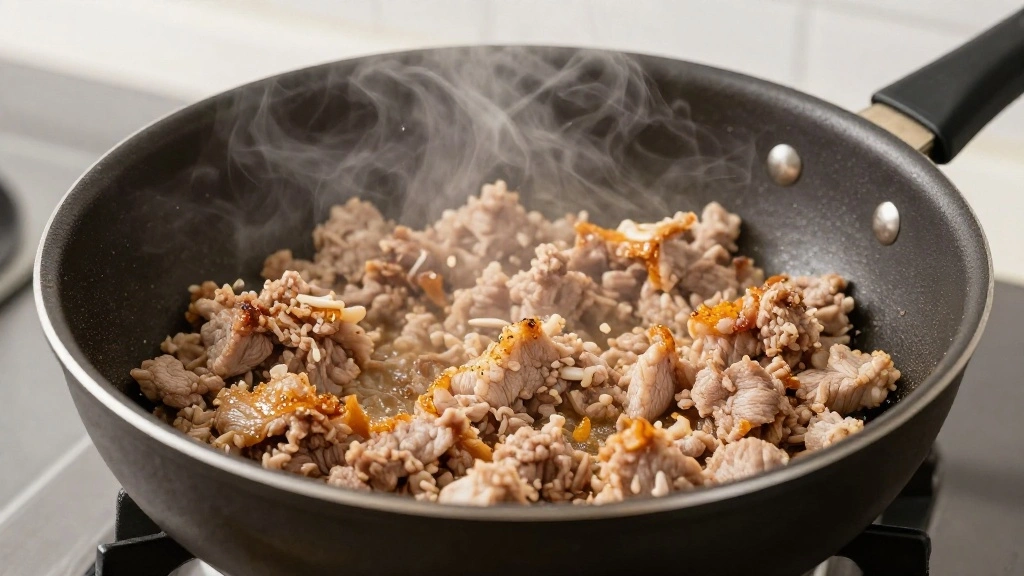
Heat a non-stick skillet over medium-high heat.
Add minced pork and break it apart using a spatula.
Cook until the pork is browned and cooked through.
Drain excess fat and set aside.
Step 4: Prepare the Dressing
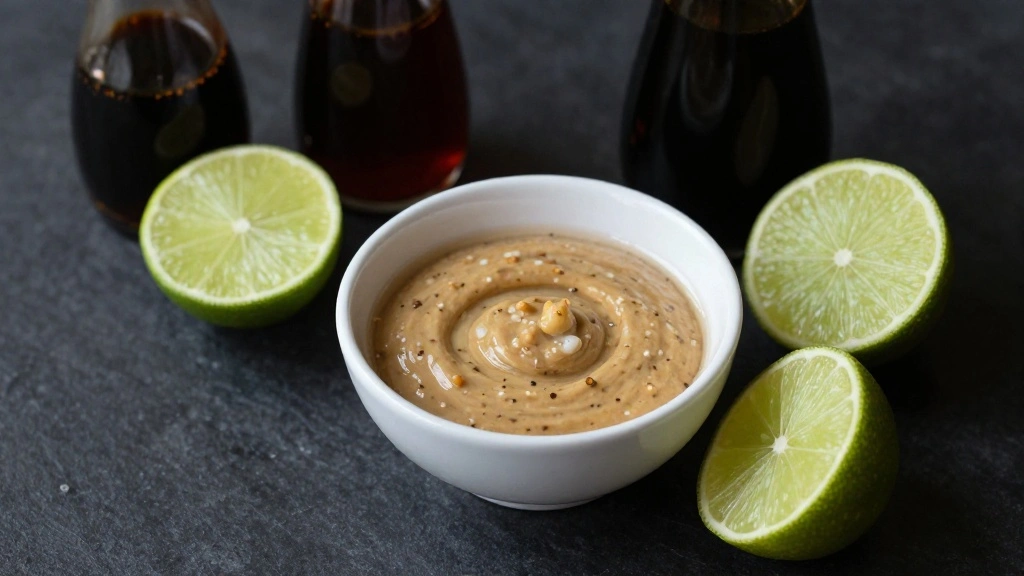
In a small bowl, combine fish sauce, lime juice, and palm sugar.
Stir until sugar is fully dissolved.
Add chili flakes to taste.
Adjust seasoning as needed.


Step 5: Combine Pork and Dressing
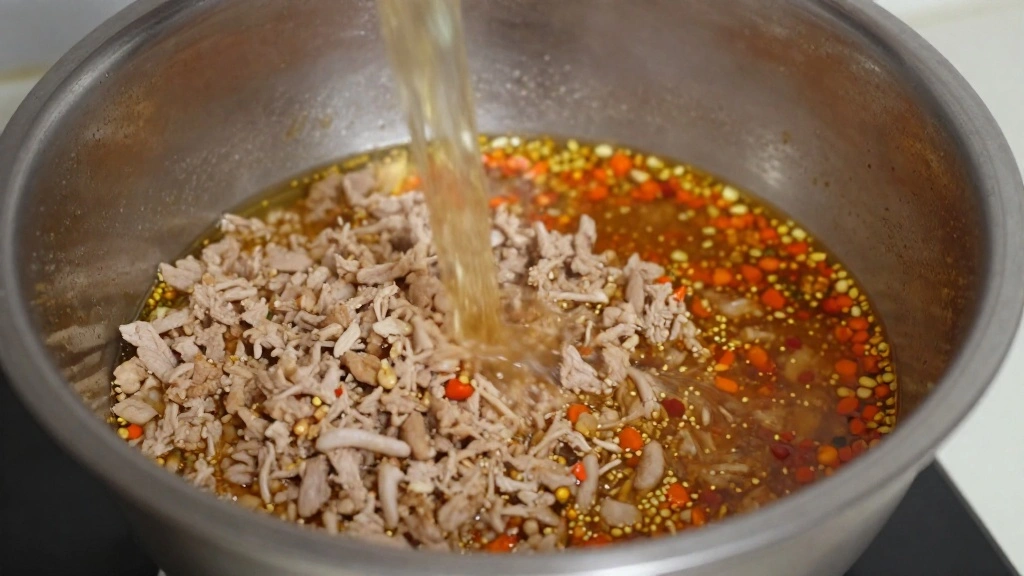
Transfer cooked pork to a large mixing bowl.
Pour the prepared dressing over the pork.
Toss to coat evenly.
Ensure all pork pieces are well-seasoned.
Step 6: Add Shallots and Herbs
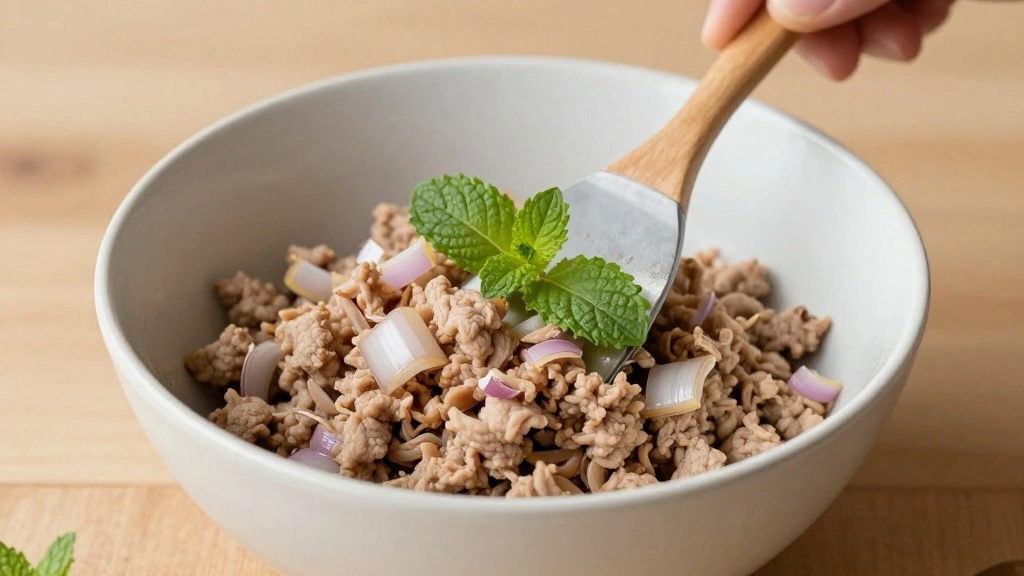
Add sliced shallots and fresh mint leaves to the pork mixture.
Gently fold the ingredients to combine.
Ensure even distribution of herbs and shallots.
Be careful not to bruise the mint leaves.
Step 7: Incorporate Toasted Rice Powder
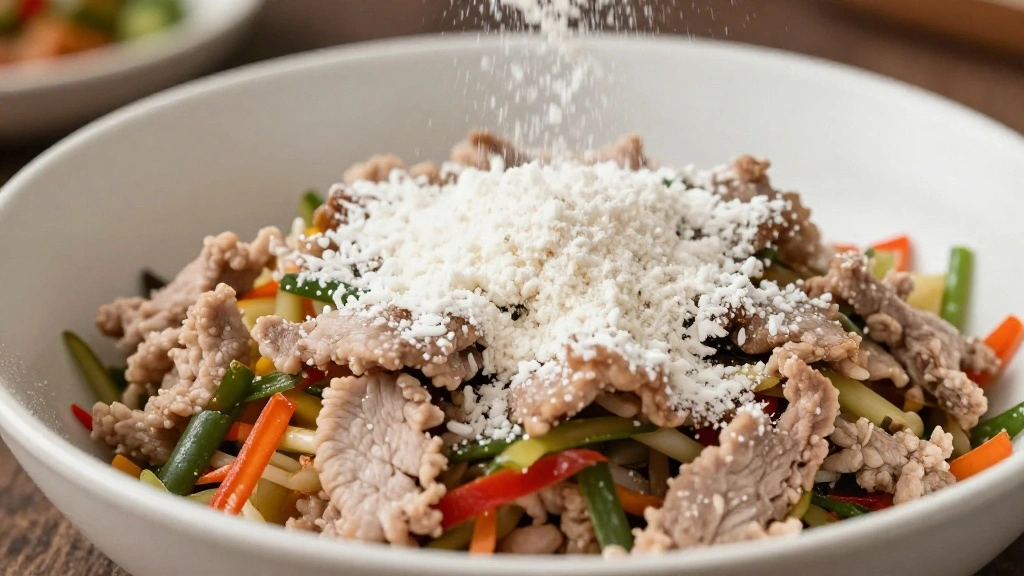
Sprinkle the toasted rice powder over the salad.
Fold gently to incorporate into the mixture.
Taste and adjust seasoning if necessary.
The rice powder should add a subtle nutty aroma.
Step 8: Serve and Garnish
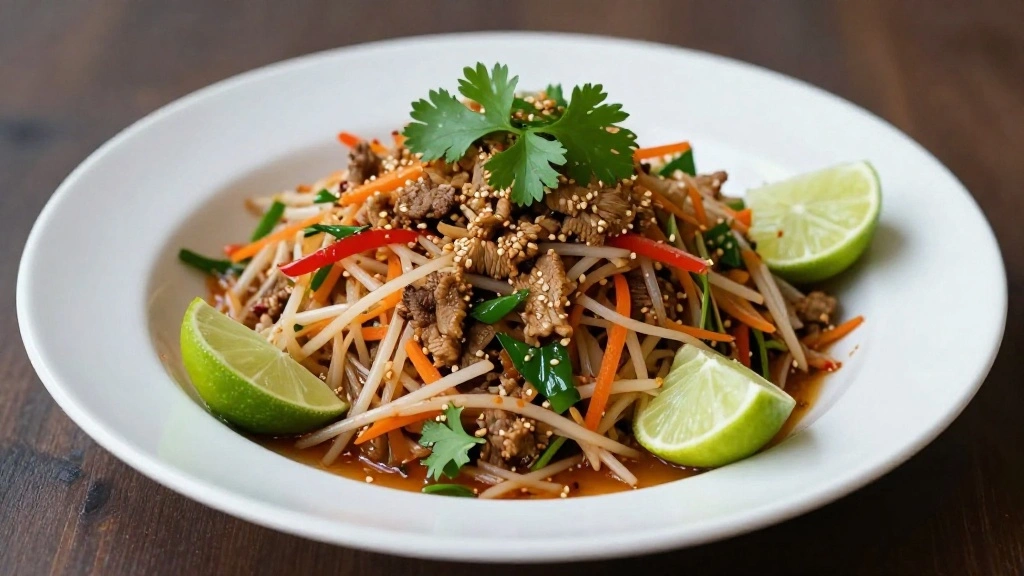
Transfer the salad to a serving dish.
Garnish with additional mint leaves and lime wedges.
Serve immediately for best flavor.
Enjoy as part of a Thai meal or as a standalone dish.
Critical Timing and Temperature Guide
Toasting Rice: Toast rice over medium heat for 5-7 minutes until golden brown. Avoid high heat to prevent burning, which would result in a bitter taste.
Cooking Pork: Cook minced pork at medium-high heat for about 10 minutes until browned. Look for no pink remaining as an indicator of doneness.
Dressing the Salad: Dress the salad just before serving to prevent the herbs from wilting and to maintain the crunch of the vegetables.
Pro Tips for Thai Larb Moo
• Ingredient Selection: Choose fresh, lean pork to ensure a tender texture and clean flavor. Fresh herbs should be vibrant and aromatic to contribute essential fragrance and flavor.
• Preparation Secret: Toast rice slowly and grind it finely to achieve the best texture and flavor integration in the salad.
• Temperature Management: Let the cooked pork cool slightly before mixing it with fresh herbs to prevent wilting.
• Texture Enhancement: Use a sharp knife for slicing shallots to avoid bruising and releasing excessive moisture.
• Flavor Layering: Start with a base layer of lime juice and fish sauce, then adjust chili and sugar to balance the heat and sweetness.
• Make-Ahead Strategies: Prepare the toasted rice powder and dressing in advance, storing them separately for up to 3 days in airtight containers.
• Restaurant-Quality Finishing Touches: Garnish with additional fresh herbs and a sprinkle of extra rice powder for a professional touch.
• Equipment Optimization: Use a heavy-bottomed skillet to ensure even browning of the pork without scorching.


Troubleshooting Common Issues
• Flavors Unbalanced: If the dish tastes too salty or sour, adjust the balance by adding a small amount of sugar or more lime juice.
• Wilted Herbs: Ensure the pork cools slightly before mixing to keep herbs fresh. Add herbs last to maintain their vibrancy.
• Rice Powder Clumping: Grind rice finely and sprinkle evenly to avoid clumping. Stir well to distribute evenly.
• Pork Too Dry: Use a mix of lean and slightly fatty pork for moisture, and avoid overcooking.
• Herbs Overwhelmed: Balance herb amounts to avoid overpowering the dish; use them to complement, not dominate, the flavor.
Variations and Regional Differences
• Laos-Style Variation: Incorporates more herbs like cilantro and adds more lime juice for a sharper flavor profile, often served with sticky rice.
• Isan-Style Variation: Features a higher spice level and sometimes includes additional proteins like liver or gizzard for added depth.
• Vegetarian Version: Uses tofu or mushrooms as a substitute for pork, maintaining the traditional seasoning profile with fish sauce or a vegetarian alternative.
• Northern Thai Variation: May include galangal and kaffir lime leaves for an aromatic twist, with a slightly sweeter dressing.
Food Science Behind the Recipe
• Umami Enhancement: Fish sauce provides umami through glutamates, enhancing the savory depth of the dish.
• Emulsification: The lime juice, fish sauce, and palm sugar in the dressing create a balanced emulsification, allowing flavors to coat the pork evenly.
• Enzyme Activity: Acid from lime juice helps tenderize the pork slightly, contributing to the overall mouthfeel and flavor balance.



Frequently Asked Questions
What's the most common mistake people make when preparing Thai Larb Moo? Overcooking the pork, which can result in a dry texture.
Can I use chicken instead of pork? Yes, ground chicken is a great alternative and offers a lighter flavor profile.
How can I make it less spicy? Reduce the amount of chili flakes or use a milder variety of chili.
What can I substitute for fish sauce? Soy sauce or a combination of soy sauce and a bit of lime juice can be used as a substitute.
Is it possible to make this dish vegan? Yes, substitute pork with firm tofu and use soy sauce instead of fish sauce.
How do I store leftovers? Store in an airtight container in the fridge for up to 2 days, though fresh herbs may lose some vibrancy.
Can I freeze the dish? It's not recommended, as the texture of the herbs and pork will change upon thawing.
Serving and Presentation Guide
• Traditional Presentation: Serve in a shallow dish with a garnish of fresh mint leaves and lime wedges.
• Modern Plating: Use a ring mold to shape the salad into a neat circle, topped with a sprig of fresh mint.
• Family Style: Present in a large bowl with serving spoons, allowing guests to help themselves.
• Appetizer Portions: Serve in small cups or on tasting spoons for a party or buffet setup.


Conclusion
Thai Larb Moo is a perfect example of how simple ingredients can create a dish full of complex flavors.
I encourage you to try this recipe and experience the vibrant taste of Thailand in your own kitchen.
Embrace the balance of sweet, spicy, and savory notes that make every bite a delightful adventure.