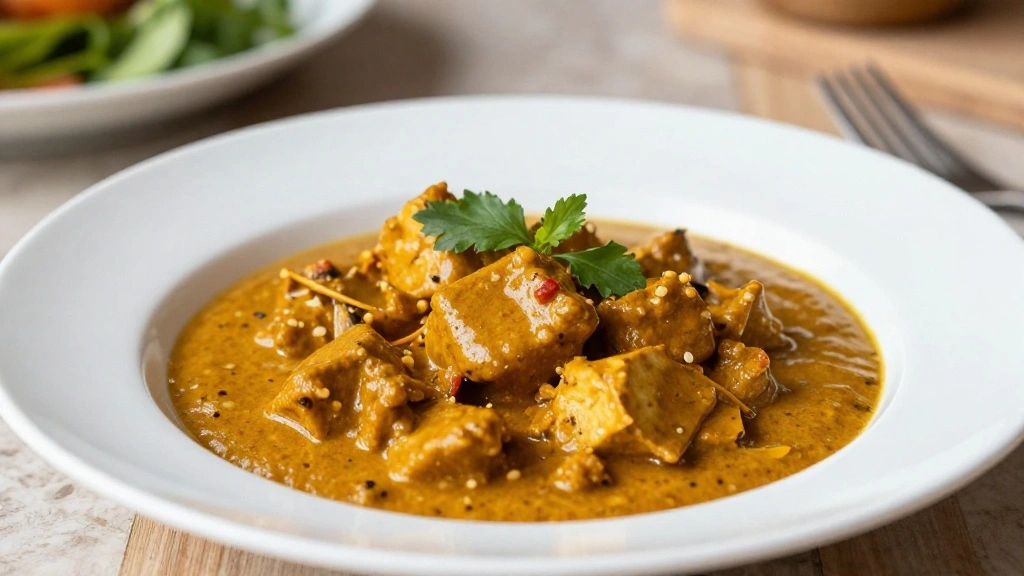

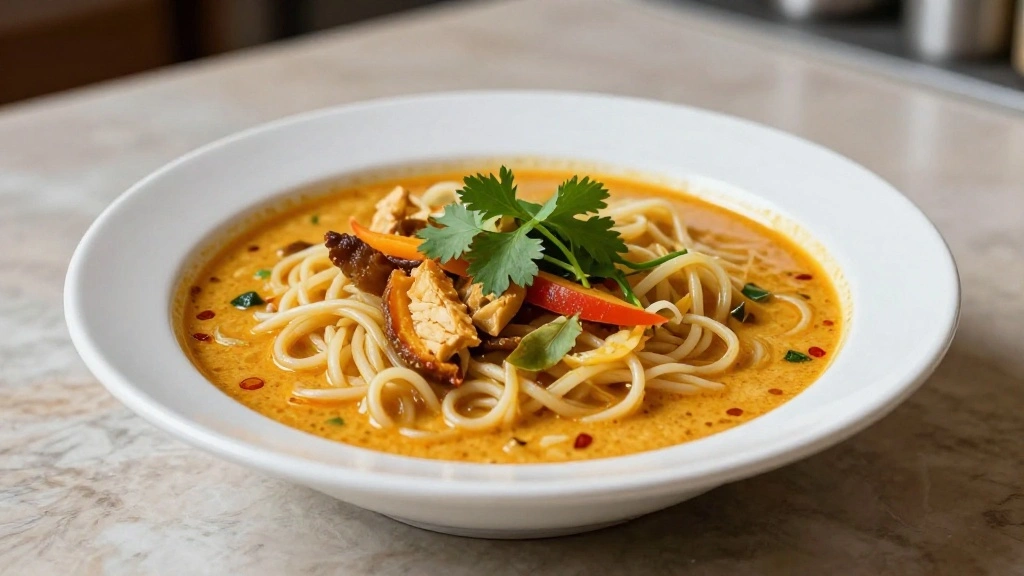


The rich and aromatic allure of Thai Khao Soi is a culinary journey to Northern Thailand, where flavors are as vibrant as the culture.
This creamy coconut curry noodle soup combines the warmth of spices with the freshness of herbs, creating a comforting yet exotic experience.
During my travels in Chiang Mai, I tasted this dish and was captivated by its perfect blend of sweet, spicy, and savory notes.
Khao Soi is more than just a meal; it’s a celebration of tradition and flavor, ideal for cozy nights or when you’re craving something extraordinary.
The dish’s layered complexity makes it a standout, promising a homemade version that’s truly better than takeout.
The History and Cultural Significance
• Thai Khao Soi traces its origins to Northern Thailand and Myanmar, where it was originally created by Chinese Muslim traders in the 19th century.
• The dish evolved over decades as it combined local Thai ingredients with Chinese culinary techniques, eventually becoming the beloved version we know today.
• In Northern Thai culture, this dish traditionally appears at festive gatherings, symbolizing hospitality and communal bonding.
• While many variations exist across different regions, the authentic version maintains a unique balance of coconut milk and curry spices that sets it apart from imitations.
Recipe Overview
Nutritional Information (per serving)
Essential Equipment Guide
Wok: A wok is essential for achieving the authentic stir-fry technique needed for the curry paste. Its high sides and even heat distribution help maintain the right temperature. If you don’t have a wok, a deep frying pan can be a good alternative.
Blender: For creating a smooth and consistent curry paste, a blender is indispensable. A high-power blender ensures all ingredients are finely processed. Alternatively, a mortar and pestle could be used for a more traditional approach.
Stockpot: A large stockpot is ideal for simmering the soup, allowing flavors to meld together properly. Look for one with a sturdy base to prevent burning, or use a heavy-bottomed saucepan as an alternative.


Ingredients
For the Base
|
| Amount | Ingredient | Notes |
|---|---|---|
| 1 pack | egg noodles | cooked as per package instructions |
| 2 cups | coconut milk | full-fat for richness |
Curry Paste
| Amount | Ingredient | Notes |
|---|---|---|
| 3 tablespoons | red curry paste | homemade or store-bought |
| 1 tablespoon | turmeric powder | adds vibrant color |
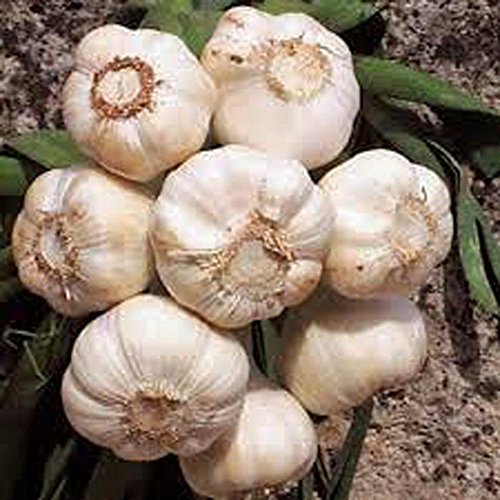
| 2 cloves | garlic | minced |
| 1 inch | ginger | grated |
Protein
| Amount | Ingredient | Notes |
|---|---|---|
| 1 pound | chicken thighs | boneless and skinless, cut into bite-sized pieces |
Seasonings
| Amount | Ingredient | Notes |
|---|---|---|
| 2 tablespoons | fish sauce | adds umami |
| 1 tablespoon | soy sauce | adds depth |
| 1 teaspoon | palm sugar | balances flavors |
Toppings
| Amount | Ingredient | Notes |
|---|---|---|
| 1 cup | crispy fried noodles | for garnish |
| 1 cup | cabbage | thinly sliced |
| 1 whole | lime | cut into wedges |


Preparation Methods
Toasting Spices: Toasting spices is a technique that enhances their flavor and aroma, crucial for the curry paste. Heat them in a dry pan until they become fragrant, then grind them. This step is vital for bringing out the full potential of the spices.
Simmering: This technique involves cooking the soup at a low temperature to allow flavors to meld together. It’s important for deepening the richness of the broth and ensuring the coconut milk doesn’t separate.
Frying Noodles: Frying a portion of the noodles adds a delightful crunch to the dish. Use a small pot with enough oil, and fry in batches to maintain the oil temperature. They should be golden brown and crispy.


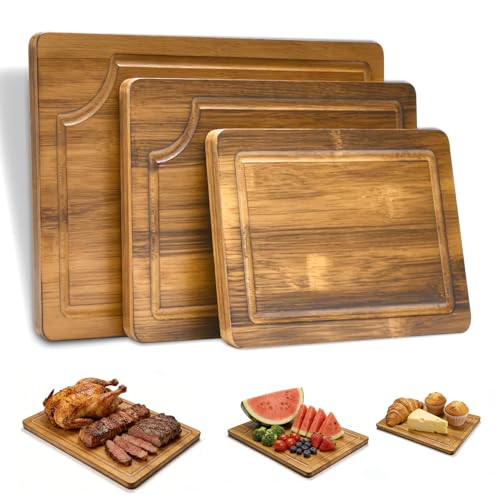
Step 1: Prepare Ingredients
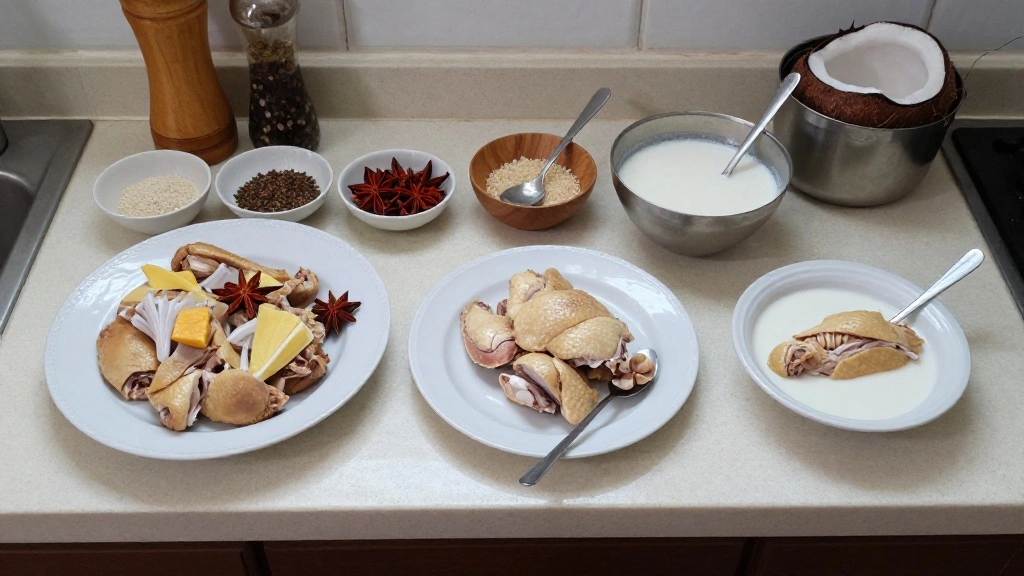
Gather all your ingredients and equipment.
Ensure the chicken is cut into bite-sized pieces.
Measure out the spices and sauces for easy access while cooking.
Having everything ready will streamline the cooking process.


Step 2: Toast the Spices
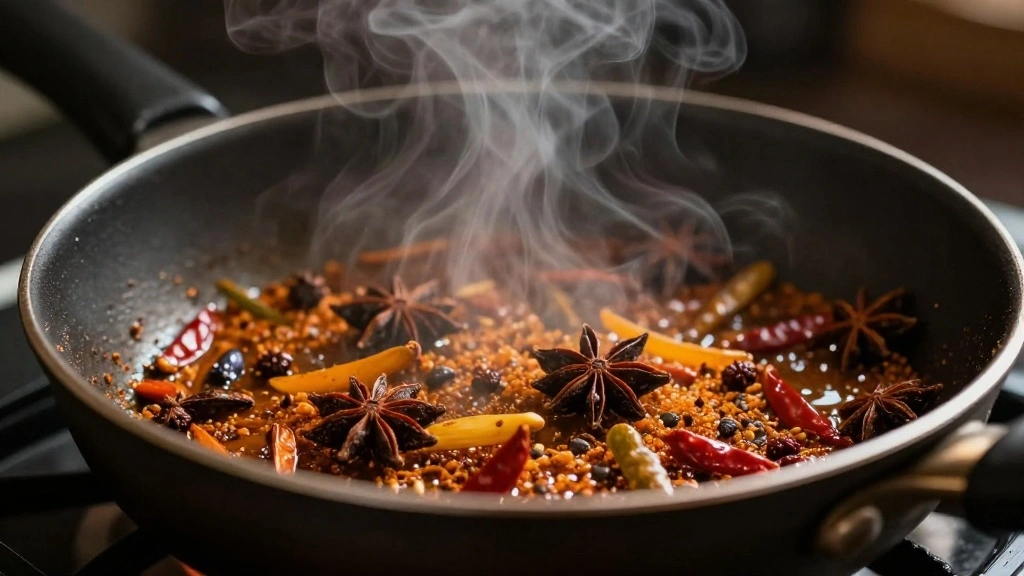
Heat a small pan over medium heat.
Add the curry paste, turmeric, and garlic.
Stir frequently until fragrant, about 2-3 minutes.
This step is crucial for releasing the essential oils in the spices.


Step 3: Cook the Chicken
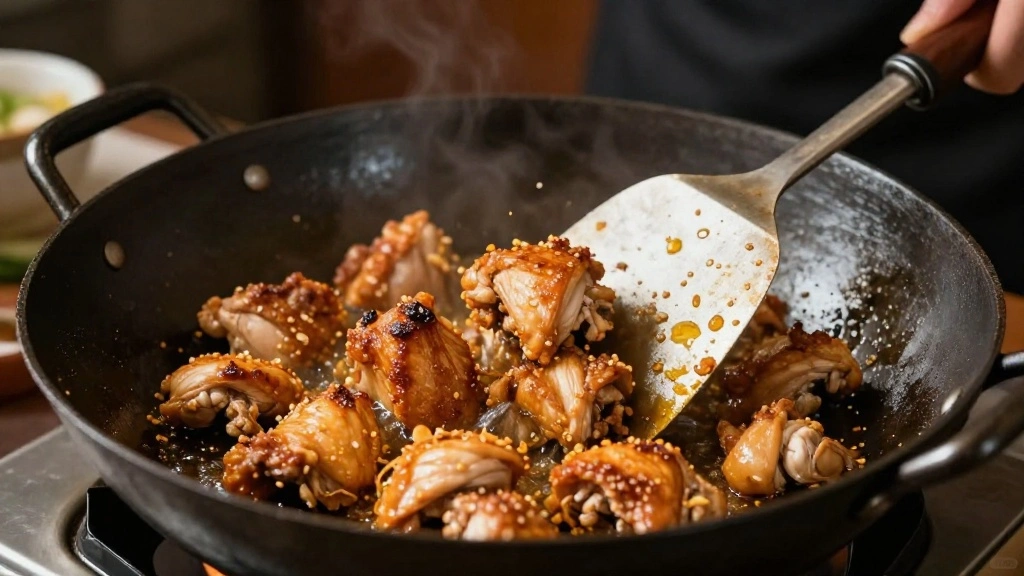
Heat a wok over medium-high heat and add a tablespoon of oil.
Add the chicken pieces and cook until they are browned.
Ensure the chicken is cooked through before proceeding.
Remove the chicken and set aside.
Step 4: Make the Curry Broth
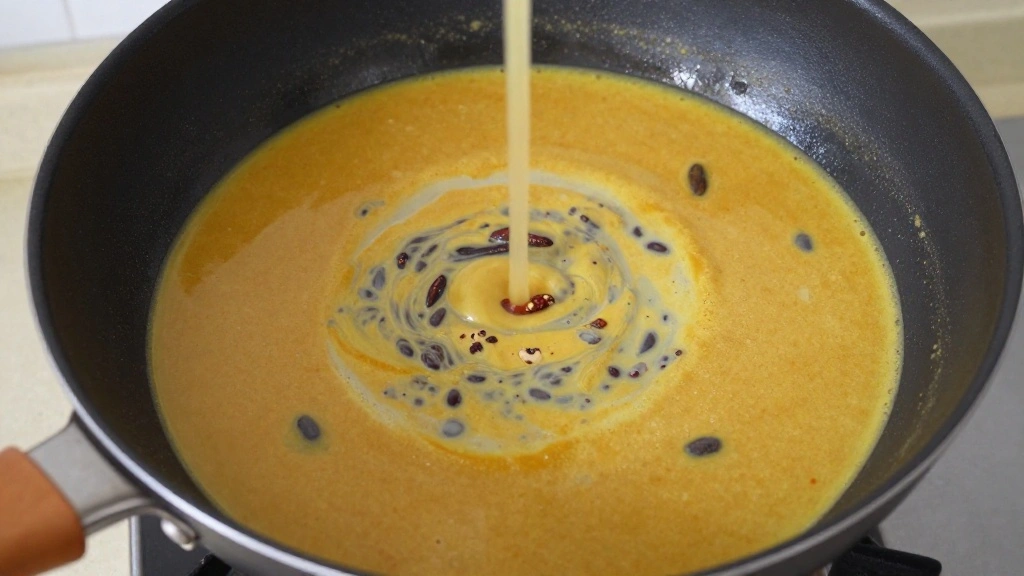
In the same wok, add the toasted spices and coconut milk.
Whisk together until smooth and bring to a simmer.
Add the fish sauce, soy sauce, and palm sugar.
Stir to dissolve the sugar completely.


Step 5: Simmer the Soup
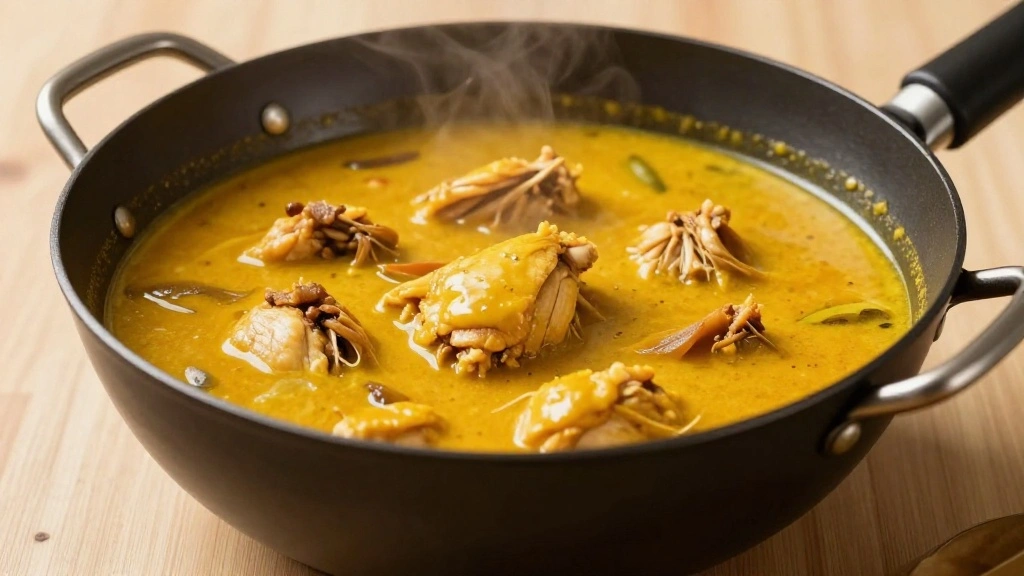
Add the cooked chicken back into the wok.
Reduce the heat to low and let the soup simmer for 10-15 minutes.
This allows the flavors to meld together.
Stir occasionally to prevent sticking.


Step 6: Cook the Noodles

While the soup simmers, cook the egg noodles according to package instructions.
Drain and rinse them under cold water to stop the cooking process.
Toss them lightly with a bit of oil to prevent sticking.
Set aside until ready to serve.


Step 7: Fry the Noodles
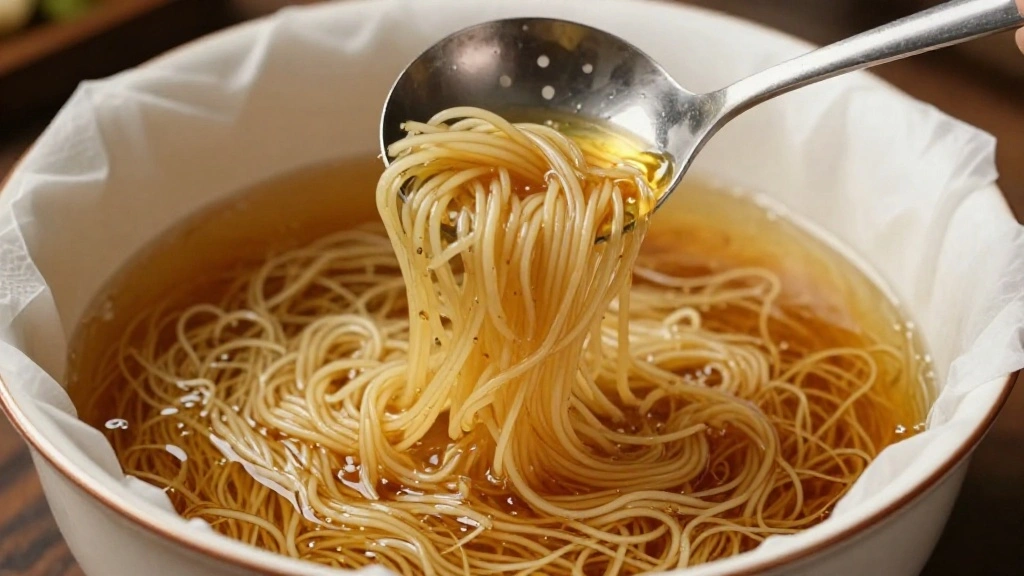
Heat oil in a small pot over medium-high heat.
Fry a portion of the cooked noodles until golden and crispy.
Remove with a slotted spoon and drain on paper towels.
These will be used as a garnish.
Step 8: Assemble the Dish
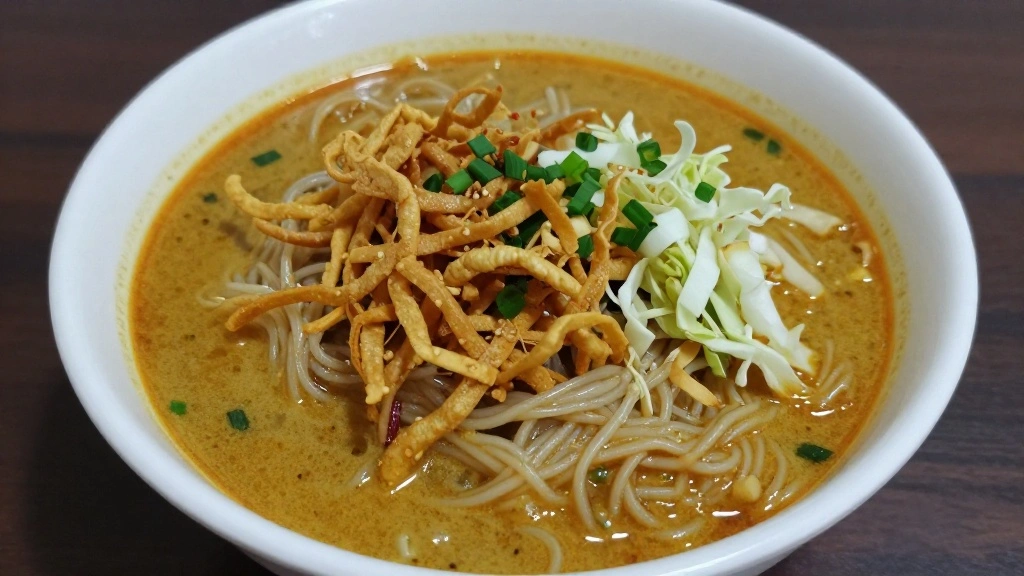
Divide the cooked noodles among serving bowls.
Ladle the hot curry soup over the noodles.
Top with crispy fried noodles and sliced cabbage.
Serve with lime wedges on the side.



Critical Timing and Temperature Guide
Toasting Spices: Toast spices over medium heat for 2-3 minutes until fragrant. Avoid high heat to prevent burning. A light golden color indicates readiness.
Simmering Soup: Maintain a gentle simmer at low heat for 10-15 minutes. Avoid boiling, which can cause coconut milk to separate. The soup should thicken slightly and deepen in color.
Frying Noodles: Fry at medium-high heat until golden brown, approximately 3-4 minutes. Overcrowding the pot will lower oil temperature and result in soggy noodles.


Pro Tips for Thai Khao Soi
• Ingredient Selection: Choose high-quality coconut milk for a rich and creamy texture. Fresh turmeric, if available, adds more vibrant flavor than powder.
• Preparation Secret: Blending the curry paste with a little coconut milk before cooking ensures a smooth consistency and better integration of flavors.
• Temperature Management: Keep the heat low while simmering to prevent the coconut milk from curdling, which can affect the soup's texture.
• Texture Enhancement: For the perfect noodle texture, rinse them under cold water after cooking to stop the cooking process and maintain firmness.
• Flavor Layering: Add a splash of lime juice just before serving to brighten the flavors and balance the richness of the coconut milk.
• Make-Ahead Strategies: Prepare the curry paste in advance and store it in the refrigerator for up to a week, allowing for quick assembly when ready to cook.
• Restaurant-Quality Finishing Touches: Garnish with fresh herbs like cilantro and thinly sliced shallots for added freshness and appeal.
• Equipment Optimization: A high-quality blender will ensure the curry paste is smooth and well-integrated into the soup.


Troubleshooting Common Issues
• Soup Too Thin: If the soup is too watery, simmer longer to reduce it. Add a bit more coconut milk for creaminess if needed.
• Curry Flavor Too Mild: Increase the amount of curry paste or add a pinch of cayenne pepper for more heat and depth.
• Coconut Milk Curdling: Occurs if the soup is boiled. Maintain a low simmer and stir gently to prevent this.
• Noodles Sticking Together: Rinse cooked noodles under cold water and toss with a small amount of oil to prevent clumping.
• Fried Noodles Soggy: Ensure the oil is hot enough before adding noodles. Fry in small batches to maintain temperature.


Variations and Regional Differences
• Lanna Style: This version uses a lighter broth with more emphasis on herbs like lemongrass and galangal, reflecting the flavors of Northern Thailand.
• Chiang Mai Variation: Often includes pickled mustard greens for a tangy contrast, adding a unique twist to the traditional recipe.
• Burmese Influence: Incorporates chickpea flour to thicken the broth, a nod to its origins from Burmese traders.
• Vegetarian Khao Soi: Replaces chicken with tofu or vegetables like mushrooms and bell peppers, offering a plant-based alternative.


Food Science Behind the Recipe
• Emulsification: The blending of curry paste with coconut milk creates an emulsion that is crucial for the soup's creamy consistency. Understanding emulsification helps prevent separation.
• Maillard Reaction: Browning the chicken enhances flavor through the Maillard reaction, creating complex, savory notes that enrich the dish.
• Heat Management: Proper heat control during simmering prevents the coconut milk from curdling, maintaining the soup's smooth texture.


Frequently Asked Questions
What's the most common mistake people make when preparing Khao Soi? The most common mistake is boiling the soup, which can cause the coconut milk to curdle. Maintaining a steady simmer is key.
Can I make Khao Soi without a blender? Yes, a mortar and pestle can be used to manually grind the curry paste ingredients for a more traditional approach.
How do I store leftovers? Store the curry soup and noodles separately in airtight containers in the refrigerator for up to 3 days.
Is it possible to make this dish vegetarian? Absolutely, simply replace the chicken with tofu or additional vegetables.
Can I use light coconut milk? While you can, full-fat coconut milk is recommended for a richer and more authentic flavor.
How can I make the dish spicier? Add more red curry paste or a pinch of cayenne pepper to increase the heat level.
What's a suitable side dish for Khao Soi? A simple Thai cucumber salad works well to complement the rich flavors of the curry soup.
Serving and Presentation Guide
• Traditional Presentation: Serve in wide, shallow bowls, dividing the noodles and curry soup equally among them. Top with crispy noodles and fresh herbs.
• Modern Twist: Use a deep-rimmed plate with a small mound of noodles in the center, pouring the curry soup around for a stylish presentation.
• Family Style: Present the soup in a large communal pot with individual bowls of noodles, allowing guests to serve themselves.
• Garnish with Color: Add slices of red chili, lime wedges, and sprigs of cilantro for a vibrant, eye-catching finish.


Conclusion
Embark on a flavorful journey with this Thai Khao Soi recipe, a dish that brings the essence of Northern Thailand to your kitchen.
Its harmonious blend of spices and creamy coconut milk offers an unforgettable experience better than any takeout.
Invite family and friends to savor this exotic delight, and let the rich aromas fill your home with warmth and joy.