
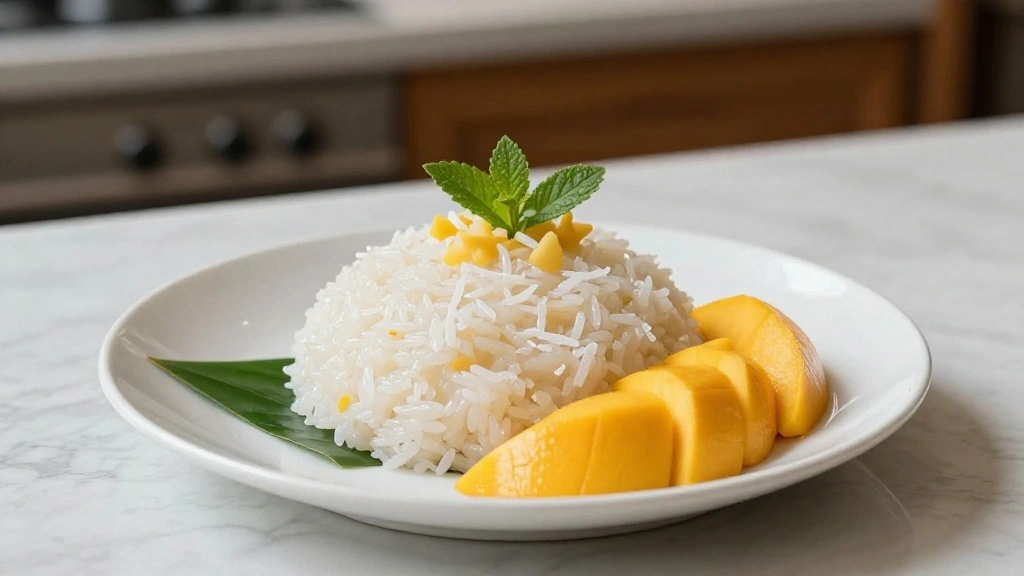


Thai Mango Sticky Rice is a dish that beautifully captures the essence of Southeast Asian cuisine with its tantalizing combination of sweet, salty, and creamy flavors.
The interplay of ripe mangoes, glutinous rice, and rich coconut milk creates a symphony of taste that is both exotic and comforting.
I first encountered this delightful dessert while exploring the vibrant street markets of Bangkok, where its irresistible aroma lured me in.
Whether you’re seeking to elevate a casual meal or impress guests at a festive gathering, this dessert offers a perfect balance of simplicity and indulgence.
Prepare to be enchanted by the harmonious blend of textures and flavors that make Thai Mango Sticky Rice a truly unforgettable treat.
The History and Cultural Significance
• Thai Mango Sticky Rice traces its origins to the central plains of Thailand, where it was originally created by rice farmers as a way to use surplus glutinous rice.
• The dish evolved over decades as the use of coconut milk and sugar were introduced, eventually becoming the beloved version we know today.
• In Thai culture, this dish traditionally appears at Songkran, the Thai New Year, symbolizing prosperity and the sweetness of life.
• While many variations exist across different regions, the authentic version maintains the use of fragrant jasmine rice that sets it apart from imitations.
Recipe Overview
Nutritional Information (per serving)
Essential Equipment Guide
Sticky Rice Steamer: Essential for achieving the perfect texture of glutinous rice, a bamboo or metal steamer ensures even cooking. Alternatives include a rice cooker with a sticky rice setting. Look for a steamer with a snug-fitting lid and a wide base.
Sharp Chef’s Knife: Important for slicing mangoes cleanly and evenly. Alternatives include a paring knife for more precision. Look for a knife with a comfortable grip and a sharp blade for best results.
Mixing Bowl: Necessary for combining coconut milk with sugar and salt. Alternatives include a deep dish or pot. Opt for a non-reactive material like glass or stainless steel to retain flavor integrity.
Ingredients
For the Rice
|
| Amount | Ingredient | Notes |
|---|---|---|
| 1 cup | glutinous rice | soaked for at least 2 hours |
| 1 cup | water | for steaming |
For the Coconut Sauce
| Amount | Ingredient | Notes |
|---|---|---|
| 1 cup | coconut milk | for creamy sauce |
| 1/4 cup | sugar | adds sweetness |
| 1/2 teaspoon | salt | enhances flavor |
For the Mango
| Amount | Ingredient | Notes |
|---|---|---|
| 2 large | ripe mangoes | peeled and sliced |
For Garnish
| Amount | Ingredient | Notes |
|---|---|---|
| 1 tablespoon | sesame seeds | toasted for nutty flavor |


Preparation Methods
Soaking Sticky Rice: Soaking the glutinous rice in water for at least two hours is crucial for achieving the desired sticky texture. This step allows the rice to absorb water, ensuring even cooking.
Making Coconut Sauce: Simmering coconut milk with sugar and salt until slightly thickened creates a rich, flavorful sauce. This technique is vital for balancing sweetness and saltiness.
Toast Sesame Seeds: Toasting sesame seeds in a dry pan enhances their nutty aroma and adds a crunchy texture to the final dish. Keep a close eye to prevent burning.


Step 1: Prepare Ingredients
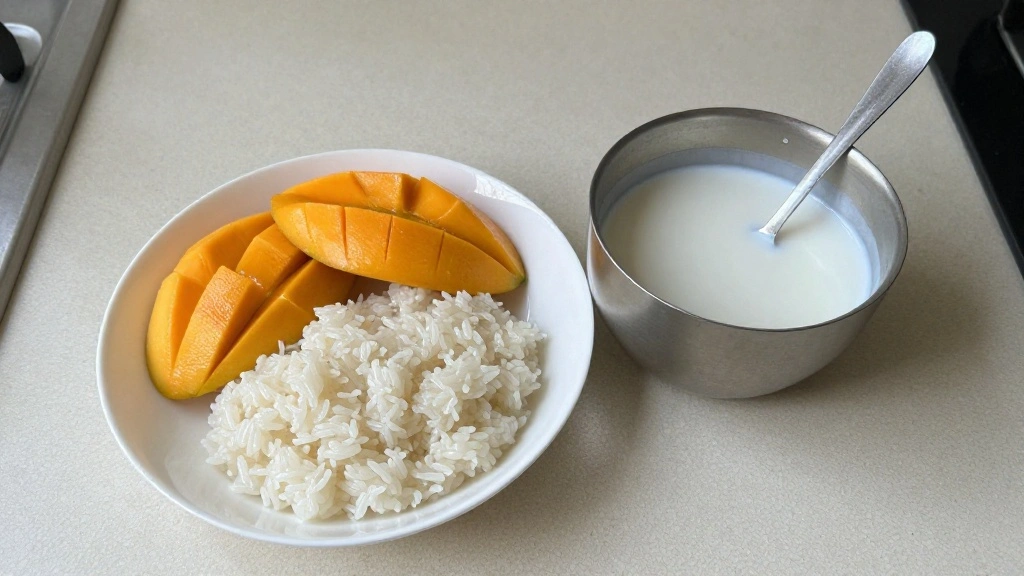
Gather all necessary ingredients and equipment.
Wash and soak the glutinous rice for at least two hours.
Slice the mangoes into thin, even pieces.
Measure out the coconut milk, sugar, and salt for the sauce.



Step 2: Steam the Rice
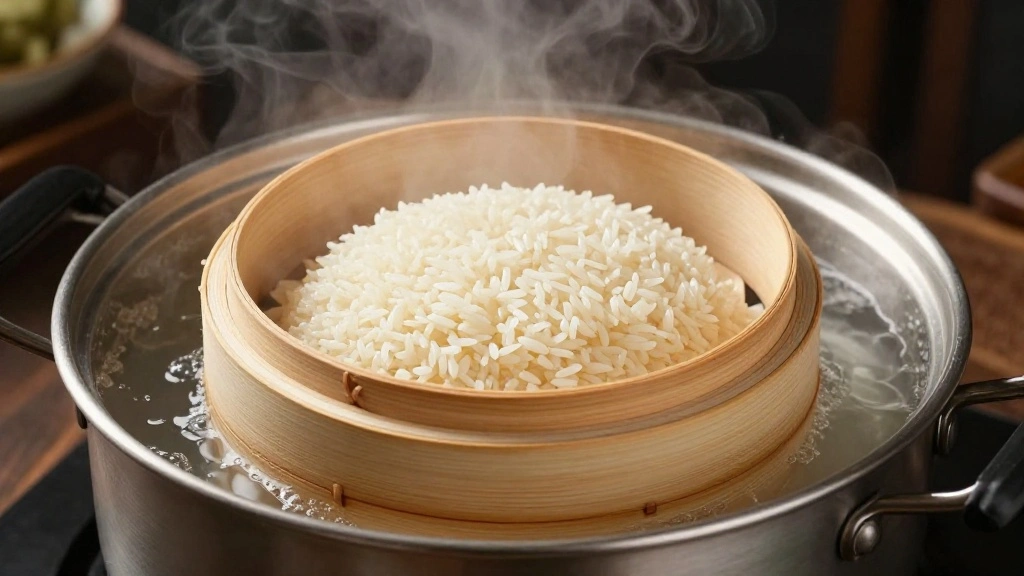
Drain the soaked rice and transfer it to a sticky rice steamer.
Add water to the bottom of the steamer and bring to a boil.
Cover and steam for 20-25 minutes until the rice is soft and sticky.
Check for doneness by tasting a small portion; it should be tender and cohesive.
Step 3: Prepare Coconut Sauce
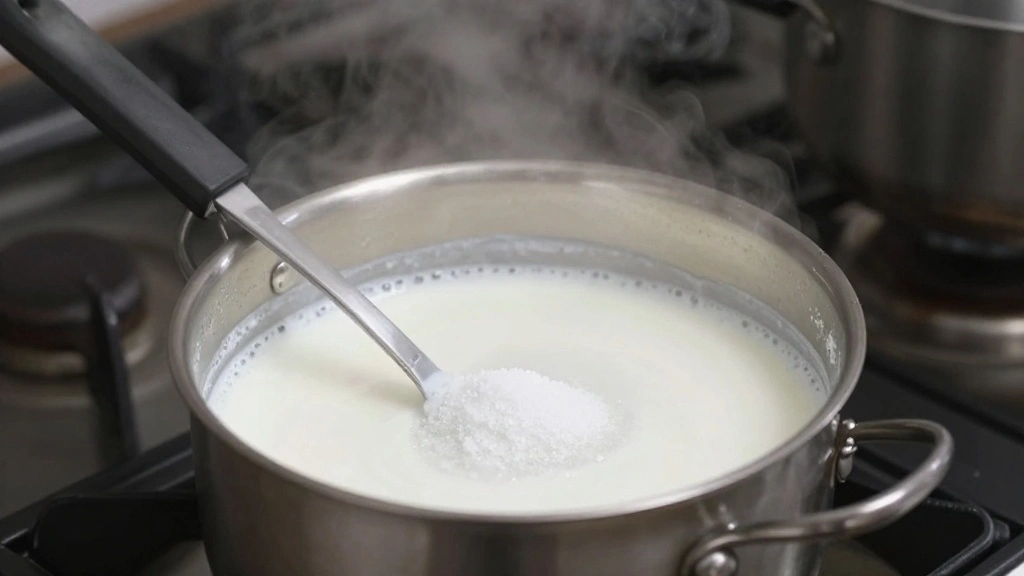
In a saucepan, combine coconut milk, sugar, and salt over medium heat.
Stir continuously until the sugar dissolves and the sauce begins to thicken.
Avoid boiling the sauce to prevent curdling.
Once thickened, remove from heat and set aside.


Step 4: Combine Rice and Sauce
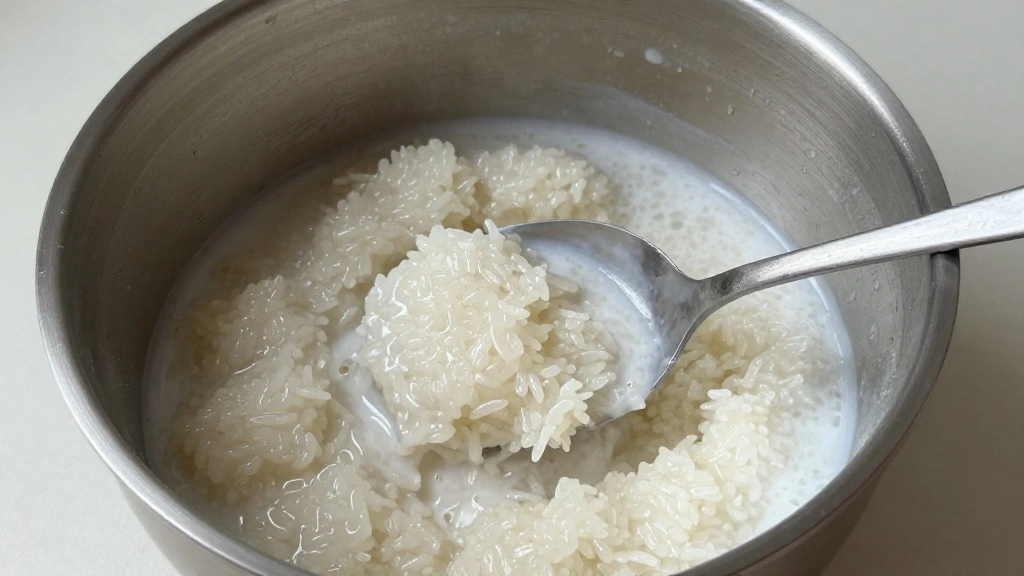
Transfer the steamed rice to a large mixing bowl.
Gradually pour half of the coconut sauce over the rice.
Gently mix to combine, ensuring the rice absorbs the sauce evenly.
Cover and let sit for 10 minutes to allow flavors to meld.


Step 5: Slice the Mangoes
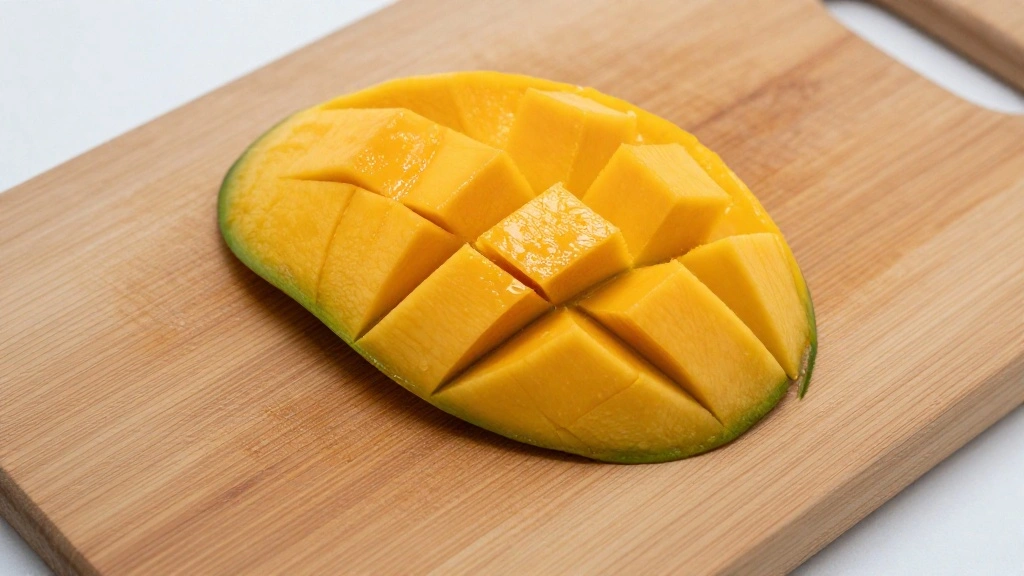
Peel the mangoes and slice them into thin, even pieces.
Arrange the slices on a serving plate.
Ensure each piece is uniform for an appealing presentation.
Set aside for serving with the sticky rice.
Step 6: Toast Sesame Seeds
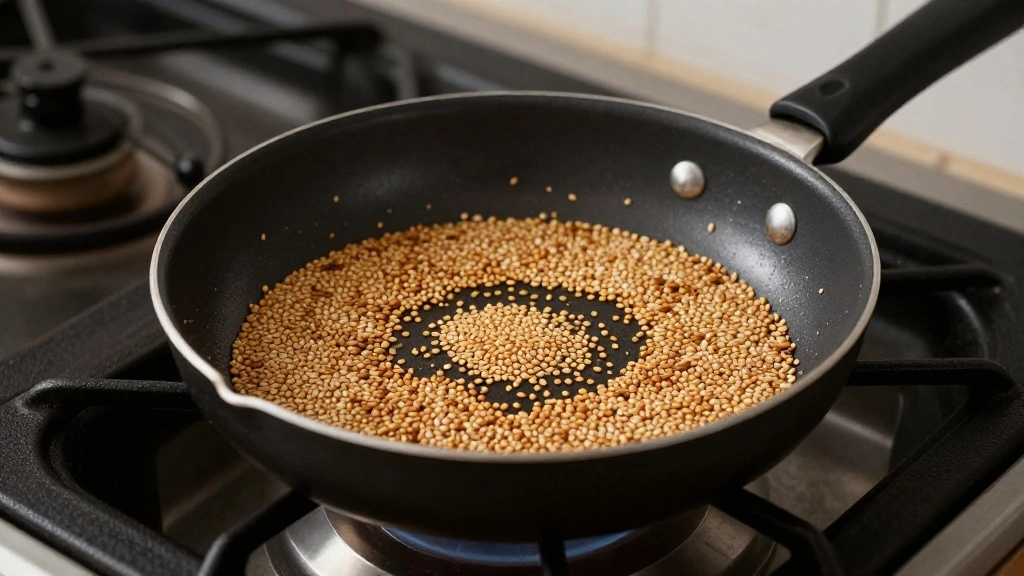
Heat a small pan over medium heat.
Add sesame seeds and toast until golden brown.
Stir frequently to prevent burning.
Remove from heat and let cool.
Step 7: Assemble the Dish
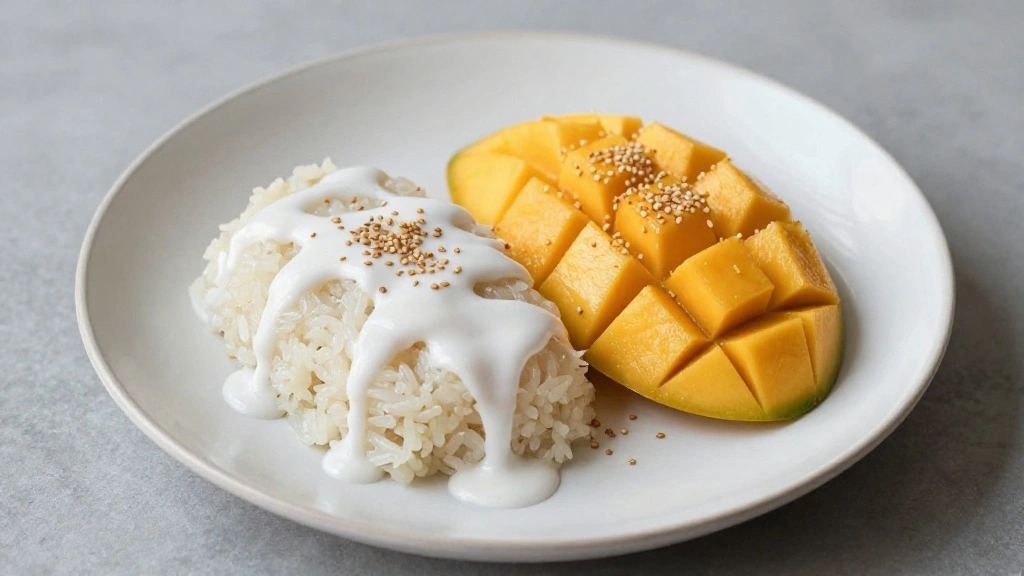
Place a portion of sticky rice on each serving plate.
Arrange mango slices alongside the rice.
Drizzle remaining coconut sauce over the top.
Sprinkle toasted sesame seeds for garnish.
Step 8: Serve and Enjoy
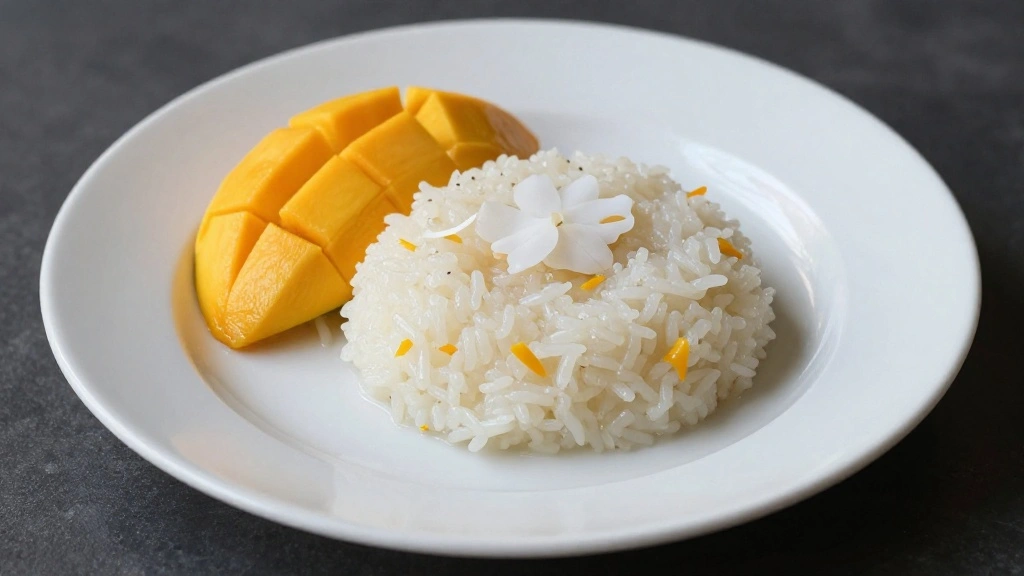
Serve the assembled Thai Mango Sticky Rice immediately.
Enjoy the rich flavors and contrasting textures.
This dish is best enjoyed fresh for optimal taste.
Invite guests to savor this traditional Thai dessert.


Critical Timing and Temperature Guide
Steaming Rice: Steam rice for 20-25 minutes at a steady boil, checking for a soft and sticky texture. Avoid undercooking, which results in hard rice.
Thickening Coconut Sauce: Simmer coconut milk over medium heat until slightly thickened, without boiling to prevent curdling. Look for a smooth, creamy consistency.
Toasting Sesame Seeds: Toast seeds in a dry pan over medium heat until golden, stirring constantly to avoid burning. Remove from heat immediately when fragrant.
Pro Tips for Thai Mango Sticky
• Ingredient Selection: Choose ripe, fragrant mangoes and high-quality coconut milk for the best flavor.
• Preparation Secret: Allow the rice to sit with the coconut sauce for at least 10 minutes to absorb flavors fully.
• Temperature Management: Ensure coconut sauce is warm but not boiling when added to rice, as this affects absorption.
• Texture Enhancement: Use a sticky rice steamer for the perfect rice texture; a rice cooker may not yield the same results.
• Flavor Layering: Balance coconut milk's sweetness with a touch of salt for a more complex, satisfying taste.
• Make-Ahead Strategies: Prepare rice and sauce up to a day in advance, storing separately; reheat gently before serving.
• Restaurant-Quality Finishing Touches: Use a squeeze bottle for precise drizzling of coconut sauce over the dish.
• Equipment Optimization: A sharp knife ensures clean mango slices; maintain its edge for the best results.
Troubleshooting Common Issues
• Rice Too Hard: Caused by insufficient soaking or steaming time. Ensure rice is soaked for at least two hours and check for doneness before removing from steamer.
• Sauce Too Thin: Results from inadequate simmering time. Allow sauce to thicken over medium heat, stirring continuously.
• Mango Overripe: Overripe mangoes can be mushy. Select mangoes that are firm yet yield slightly to pressure.
• Unbalanced Flavors: If coconut sauce is too sweet, add a pinch more salt to balance. Taste and adjust before serving.
• Burnt Sesame Seeds: Occurs from high heat or lack of stirring. Toast seeds over medium heat and stir constantly.
Variations and Regional Differences
• Northern Thai Variation: Uses black sticky rice, offering a nutty flavor and striking color contrast.
• Southern Thai Variation: Includes palm sugar in the sauce for a deeper, caramel-like sweetness.
• Laos Style: Incorporates coconut shreds in the rice for added texture.
• Vietnamese Version: Often features pandan leaves for a subtle, floral aroma.
Food Science Behind the Recipe
• Gelatinization of Rice: Understanding how starch molecules in glutinous rice absorb water and swell is key to achieving the desired sticky texture.
• Emulsification in Coconut Milk: Properly blending fat and water components creates a smooth sauce, influencing mouthfeel and flavor distribution.
• Maillard Reaction in Toasting: Toasting sesame seeds triggers the Maillard reaction, enhancing flavor and aroma through browning.


Frequently Asked Questions
What's the most common mistake people make when preparing Thai Mango Sticky Rice? Overcooking or undercooking the rice, which affects texture and flavor. Always monitor steaming time and test for doneness.
Can I use regular rice instead of glutinous rice? No, glutinous rice is essential for the characteristic sticky texture. Regular rice will not yield the same results.
How do I store leftovers? Store rice and mangoes separately in airtight containers in the fridge for up to 2 days. Reheat rice gently, and serve with fresh mangoes.
What if my coconut sauce curdles? If the sauce boils and curdles, it's best to start over. Keep heat moderate and stir continuously to avoid this.
Can I use canned mangoes? Fresh mangoes are recommended for optimal flavor and texture. Canned mangoes may be too soft and lack aroma.
How do I prevent mangoes from browning? Serve mangoes immediately after slicing, or toss them lightly in a bit of lime juice to slow browning.
Is there a way to make this dessert less sweet? Adjust the sugar in the coconut sauce to taste, and use less sauce when serving.
Serving and Presentation Guide
• Traditional Presentation: Serve on a banana leaf for an authentic touch, with mango slices artfully arranged.
• Modern Twist: Use a ring mold for neatly shaped rice portions, topped with mango cubes for a contemporary look.
• Family Style: Present on a large platter with mangoes and rice side by side, allowing guests to serve themselves.
• Minimalist Approach: White plates with a simple drizzle of sauce and sesame seeds create a clean, elegant presentation.


Conclusion
Thai Mango Sticky Rice is a delightful dessert that brings the exotic flavors of Thailand to your table.
Its combination of sweet, creamy, and fruity elements creates a truly memorable culinary experience.
Try this recipe to impress your loved ones with a dish that's as easy to make as it is delicious.