
Written by

Edited by

Affiliate Disclosure:
If you buy through links on our site, we may earn a small affiliate commission to help support the blog – at no extra cost to you. It never influences our product selection process. Thank you!
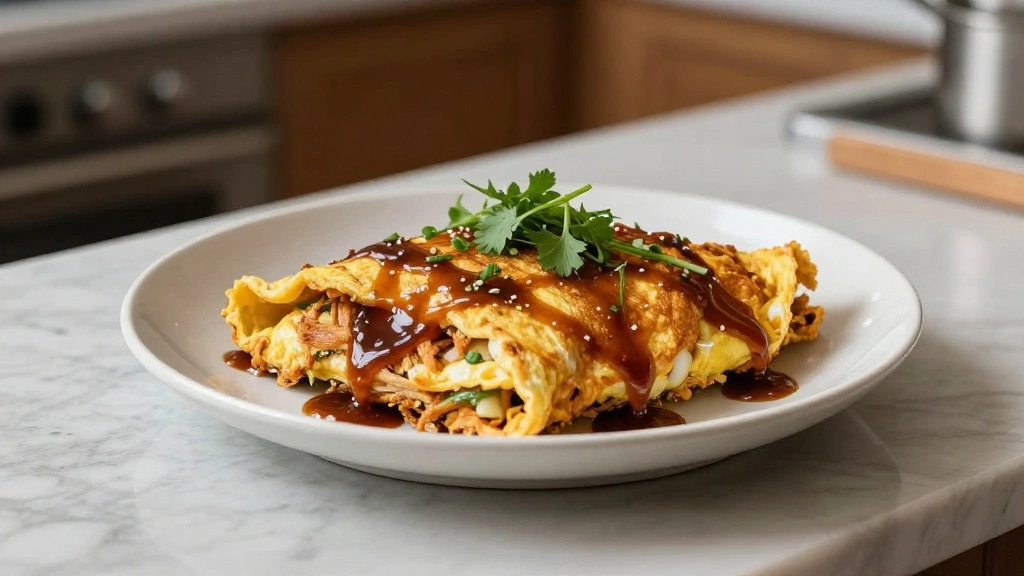
The Thai Kai Jeow, or crispy Thai omelette, is a delightful fusion of simplicity and flavor that captures the essence of Thai street food.
With its light, fluffy interior and crispy, golden edges, this dish is a testament to the power of basic ingredients combined in harmony.
The umami-rich depth provided by fish sauce elevates this omelette from ordinary to extraordinary, making it a staple in Thai households.
I first encountered this irresistible dish in a bustling Bangkok market, where its enticing aroma drew me in from afar.
Perfect for a quick breakfast or a satisfying snack, Thai Kai Jeow is both versatile and easy to make, ensuring it will become a favorite in your kitchen.
Whether you’re an experienced cook or a beginner, this recipe promises delicious results with minimal effort.
• The dish evolved over decades as the introduction of fish sauce and other condiments enhanced its flavor, eventually becoming the beloved version we know today.
• In Thai culture, this dish traditionally appears at informal gatherings and family meals, symbolizing comfort and simplicity.
• While many variations exist across different regions, the authentic version maintains its characteristic crispy edges and fluffy interior that sets it apart from imitations.
Whisk: A whisk is crucial for beating the eggs to the right consistency, ensuring a fluffy texture. A fork can be used as an alternative, but a whisk provides better aeration. Opt for a balloon whisk for the best results.
Spatula: A spatula is important for flipping the omelette without breaking it. Choose a heat-resistant silicone or wooden spatula to avoid damaging the pan’s surface.
| Amount | Ingredient | Notes |
|---|---|---|
| 3 large | eggs | provides the base of the dish |
| 1 tablespoon | fish sauce | adds umami flavor |
| 1 teaspoon | lime juice | enhances brightness |
| Amount | Ingredient | Notes |
|---|---|---|
| 1 pinch | white pepper | adds subtle heat |
| 1 tablespoon | vegetable oil | for frying, ensures crispiness |
High-Heat Cooking: Cooking at high heat is essential for achieving the signature crispy edges of a Thai Kai Jeow. Ensure the oil is hot before adding the egg mixture. Listen for a sizzle as the eggs hit the pan, indicating the oil is at the right temperature.
Flipping the Omelette: Mastering the flip is key to an evenly cooked omelette. Use a quick, confident motion with a spatula to flip the omelette halfway through cooking. Practice with smaller portions if you’re unsure, as this will help build technique.
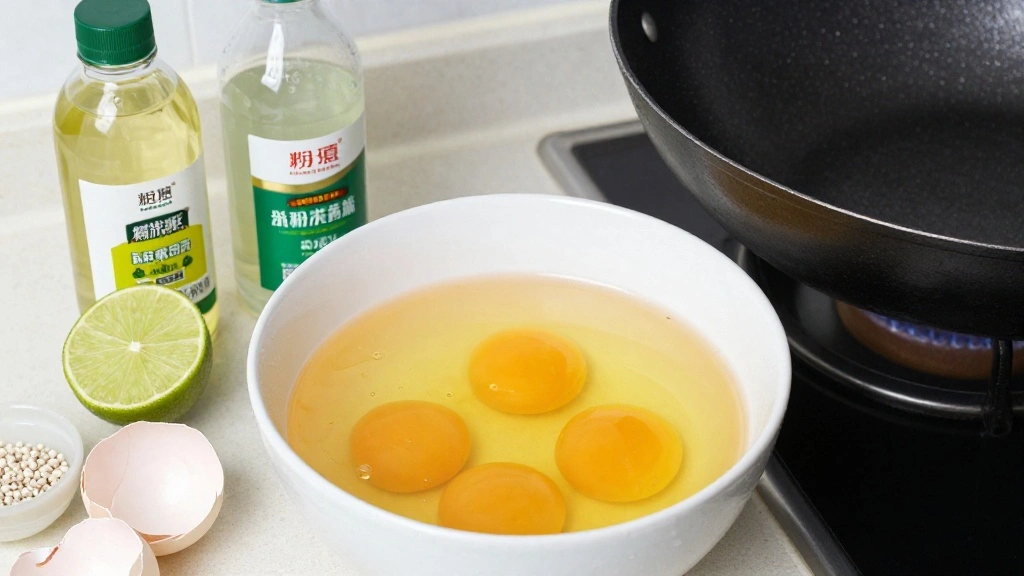
Crack the eggs into a medium-sized bowl.
Measure out the fish sauce, lime juice, and white pepper.
Ensure your wok or frying pan is clean and dry, ready for use.
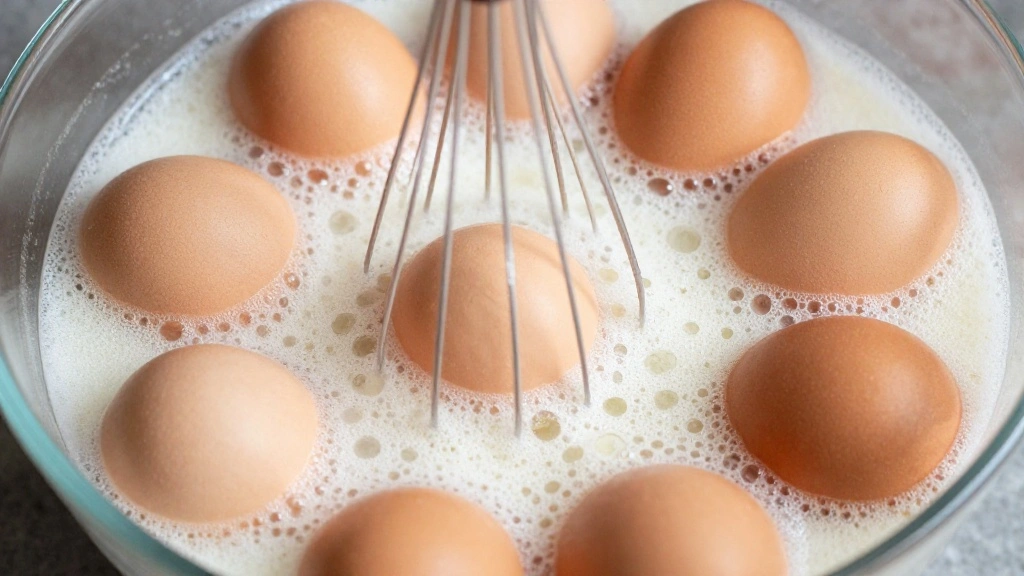
Use a whisk to beat the mixture vigorously until fully combined.
Ensure the mixture is frothy and has increased in volume.
This aeration is key for a fluffy omelette.
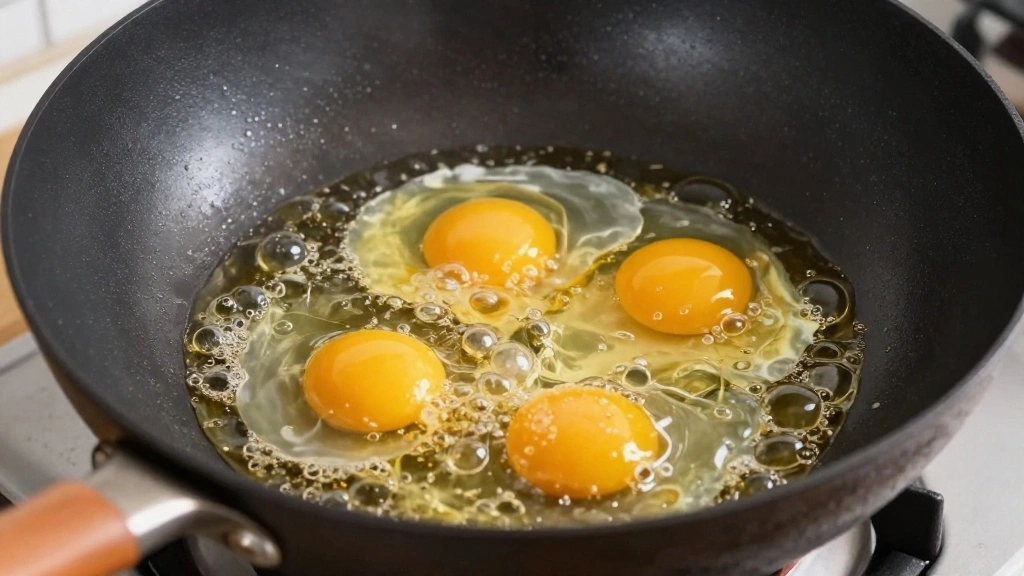
Wait for the oil to shimmer, indicating it is hot enough.
You can test with a drop of egg mixture; it should sizzle immediately.
This ensures the omelette will cook quickly and develop crispy edges.

Tilt the pan slightly to spread the mixture evenly.
The edges should start to crisp and bubble almost immediately.
Ensure an even thickness for uniform cooking.
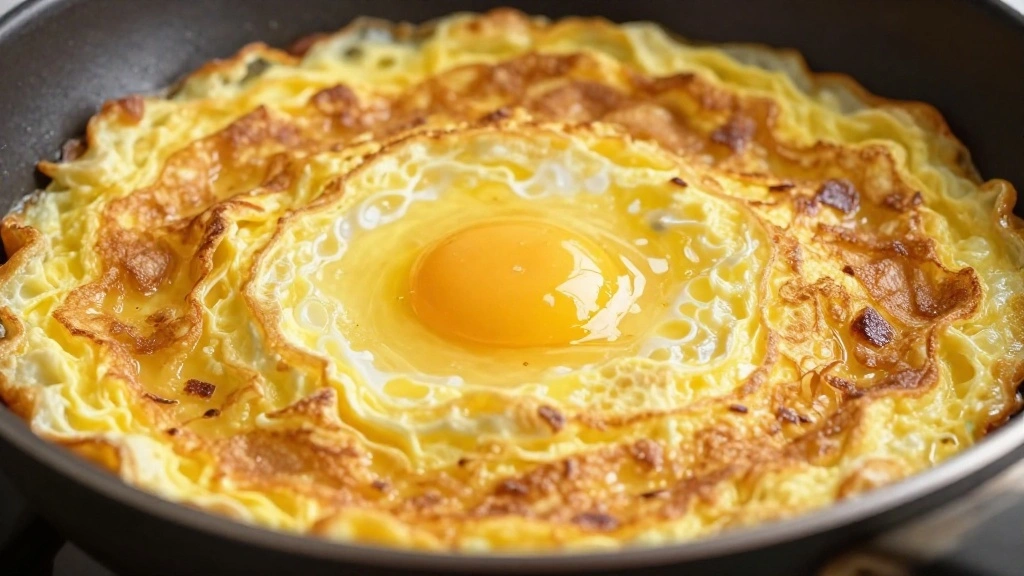
Watch for the edges to become golden brown and crispy.
The center should still be slightly soft but not runny.
This balance ensures a perfect texture.
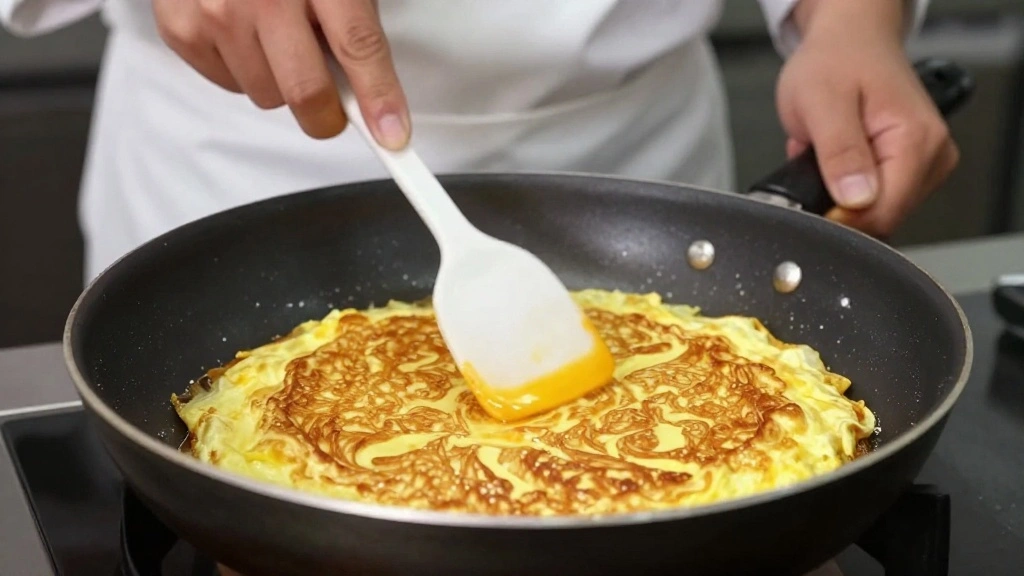
In a quick motion, flip it over to cook the other side.
Cook for an additional 1-2 minutes until both sides are golden.
This ensures the omelette is evenly cooked.
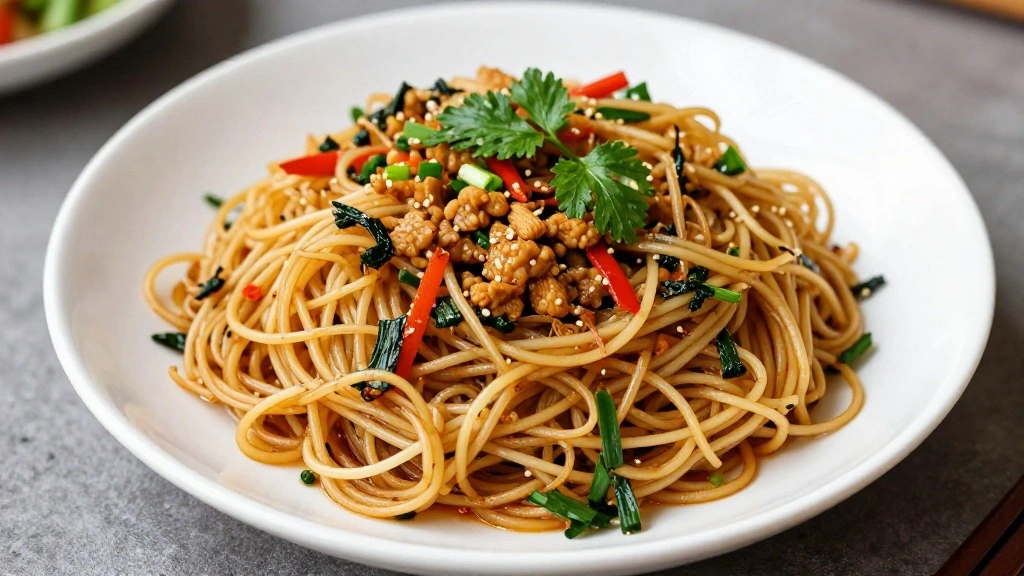
Transfer it to a serving plate, allowing any excess oil to drain.
Garnish with fresh cilantro or spring onions if desired.
Serve immediately while hot for the best experience.
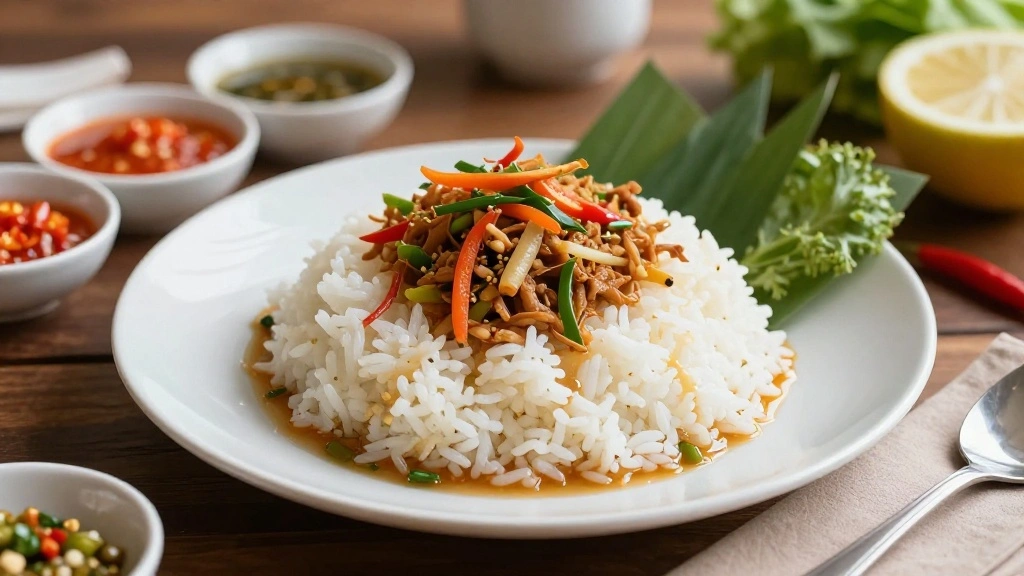
Optionally, add a small bowl of chili sauce for dipping.
Savor each bite, appreciating the crispy and fluffy textures.
Enjoy your quick and delicious homemade Thai Kai Jeow.
Frying: Cook at high heat (around 375°F/190°C); ensure oil is hot before adding egg mixture to achieve crispiness.
Flipping: Flip the omelette after edges are crisp and golden; avoid early flipping which can cause breakage.
• Preparation Secret: Let the egg mixture sit for a minute before frying; this enhances flavor absorption.
• Temperature Management: Use a thermometer to ensure oil is at the right temperature for frying.
• Texture Enhancement: Adding a splash of soda water can make the omelette even fluffier.
• Flavor Layering: Incorporate finely chopped herbs like cilantro or green onions into the egg mixture for added depth.
• Make-Ahead Strategies: Mix the eggs and seasonings in advance and store in the fridge for up to 12 hours.
• Restaurant-Quality Finishing Touches: Top with a sprinkle of fried shallots or crispy garlic for added crunch.
• Equipment Optimization: Preheat your wok or pan to ensure even cooking and avoid sticking.
• Edges Not Crispy: Insufficient oil or heat; ensure oil is hot and use enough to allow the omelette to float.
• Flavor Too Salty: Excessive fish sauce; balance with a touch of sugar or lime juice.
• Omelette Sticking to Pan: Pan not hot enough or insufficient oil; ensure thorough preheating and adequate oil.
• Uneven Cooking: Caused by uneven heat distribution; use a flat-bottomed pan and distribute the mixture evenly.
• Burnt Spots: High heat without movement; adjust heat and gently shake the pan to prevent sticking.
• Southern Style: Uses coconut milk in the egg mixture for a richer, creamier texture.
• Northern Twist: Includes minced pork or chicken for added protein and heartiness.
• Bangkok Street Style: Often served with a side of spicy chili sauce and fresh cucumber slices.
• Maillard Reaction: Occurs when the omelette’s edges crisp, developing complex flavors and aromas.
• Emulsification: The combination of eggs and fats creates a stable mixture that results in a creamy texture.
Can I use a different type of oil? Yes, but choose oils with a high smoke point like canola or peanut oil for best results.
Is it possible to make a vegetarian version? Yes, substitute fish sauce with soy sauce for a vegetarian-friendly option.
How can I store leftovers? Store in an airtight container in the fridge for up to 2 days; reheat gently to preserve texture.
What should I serve with Thai Kai Jeow? Steamed rice and a light salad complement the omelette perfectly.
Can I add other ingredients to the omelette? Absolutely, feel free to add vegetables or meats to customize the dish.
Why is my omelette not fluffy? Ensure you’re whisking the eggs enough to incorporate air, and check that your oil is properly heated.
• Modern Plating: Slice the omelette into wedges and stack them on a plate for a contemporary look.
• Family-Style Serving: Present the omelette whole on a large platter, garnished with fresh herbs.
• Street-Food Style: Serve rolled in a banana leaf with a side of sticky rice for an authentic street-food experience.
This quick and easy recipe promises to become a staple in your cooking repertoire.
Gather your ingredients and equipment, and enjoy crafting this delicious dish in your own kitchen.
Share the joy of this crispy, fluffy omelette with family and friends, and savor the authentic taste of Thailand.

Thai Recipes
Thai Recipes
Thai Recipes
Thai Recipes