
Written by

Edited by

Affiliate Disclosure:
If you buy through links on our site, we may earn a small affiliate commission to help support the blog – at no extra cost to you. It never influences our product selection process. Thank you!
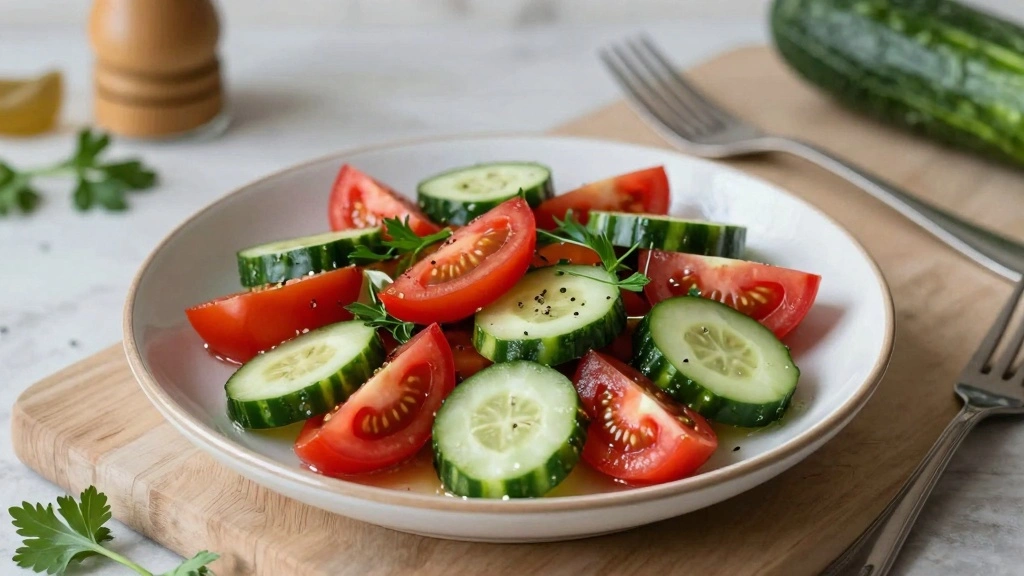
The Greek Tomato and Cucumber Salad is a refreshing dish that captures the essence of summer with its vibrant and crisp flavors.
Every bite offers a delightful balance of juicy tomatoes, cool cucumbers, and a zesty dressing that invigorates the palate.
This salad brings the sun-kissed Mediterranean into your kitchen, making it a perfect accompaniment to any summer meal.
I first encountered this salad on a sunlit terrace in Santorini, where its simplicity was celebrated and cherished.
Its appeal lies in its minimalistic preparation, allowing the fresh ingredients to shine brightly.
Whether you’re hosting a barbecue or enjoying a quiet lunch, this salad is a testament to the beauty of uncomplicated dishes.
• The dish evolved over decades as the introduction of new ingredients like feta cheese and olives enriched its flavor, eventually becoming the beloved version we know today.
• In Greek culture, this dish traditionally appears at family gatherings and summer festivals, symbolizing the country’s rich agricultural heritage.
• While many variations exist across different regions, the authentic version maintains a focus on fresh, high-quality ingredients that set it apart from imitations.
Cutting Board: A large, stable cutting board provides ample space for chopping and prevents slipping, ensuring safety and efficiency. Wooden or bamboo boards are preferred for their durability and gentle effect on knife blades.
Salad Bowl: A wide, shallow salad bowl allows for even mixing and presentation of the salad. Glass or ceramic bowls work best to showcase the vibrant colors of the ingredients.
| Amount | Ingredient | Notes |
|---|---|---|
| 4 medium | tomatoes | chopped into large chunks |
| 1 large | cucumber | sliced into thin rounds, peeled if desired |
| Amount | Ingredient | Notes |
|---|---|---|
| 1 teaspoon | dried oregano | adds authentic Greek flavor |
| 1 pinch | salt | enhances the natural flavors of the vegetables |
| Amount | Ingredient | Notes |
|---|---|---|
| 3 tablespoons | olive oil | extra virgin for richness |
| 1 tablespoon | red wine vinegar | adds a tangy note |
| Amount | Ingredient | Notes |
|---|---|---|
| 1/2 cup | feta cheese | crumbled, for added creaminess |
| 1/4 cup | black olives | pitted and sliced, for a salty depth |
Chopping Technique: Use a rocking motion with your knife to achieve consistent cuts, which ensures even distribution of flavors and a uniform texture. Practice makes perfect, so take your time to master this technique.
Balancing Flavor: The key to this salad is balancing the acidity of the vinegar with the richness of the olive oil. Taste as you go and adjust the seasoning to suit your preference.
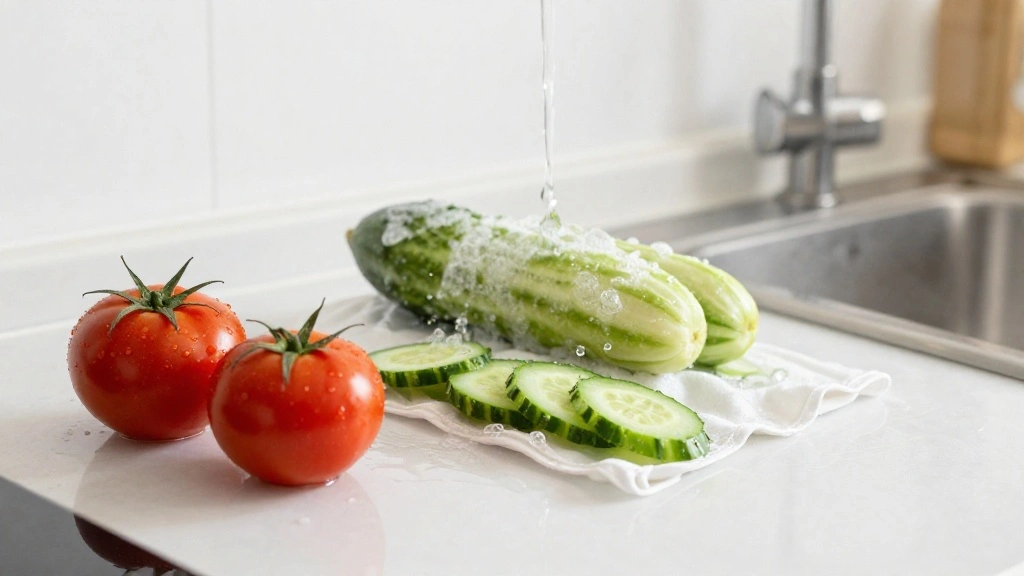
Pat them dry with a clean kitchen towel to remove excess moisture.
This ensures that the dressing adheres properly to the vegetables.
Arrange them on a cutting board, ready for chopping.

Ensure they are bite-sized but substantial to hold their shape in the salad.
Place them into a large salad bowl.
This allows the juices to mingle and create a natural dressing base.
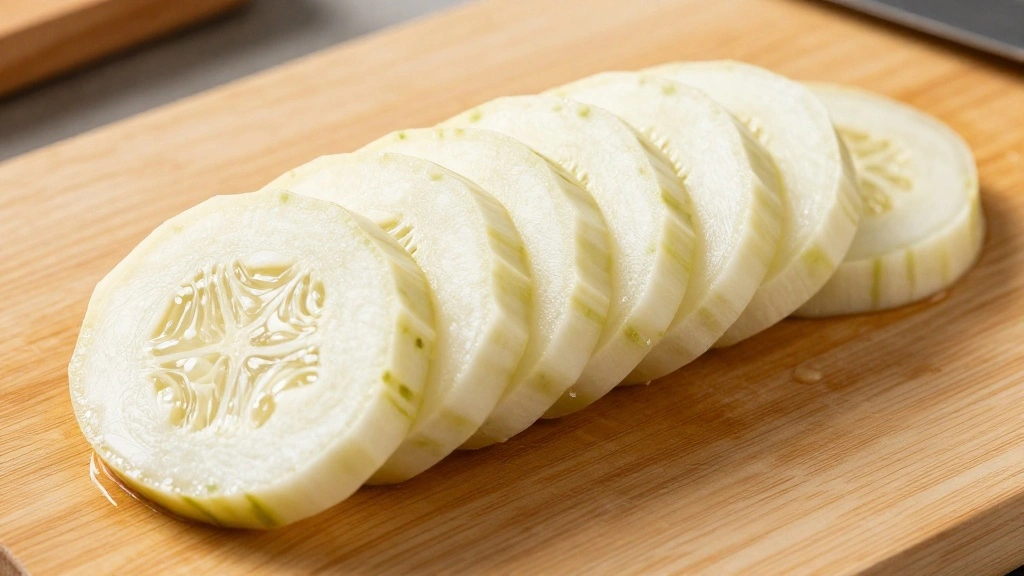
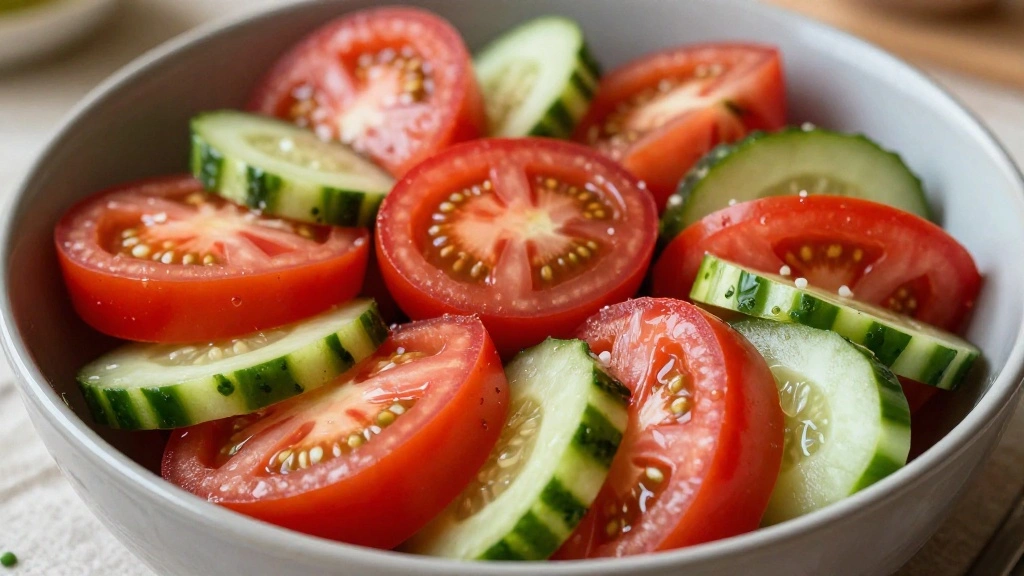
Slice it into thin rounds, about 1/4 inch thick.
Add these to the bowl with the tomatoes.
Mix gently to combine the two vegetables evenly.
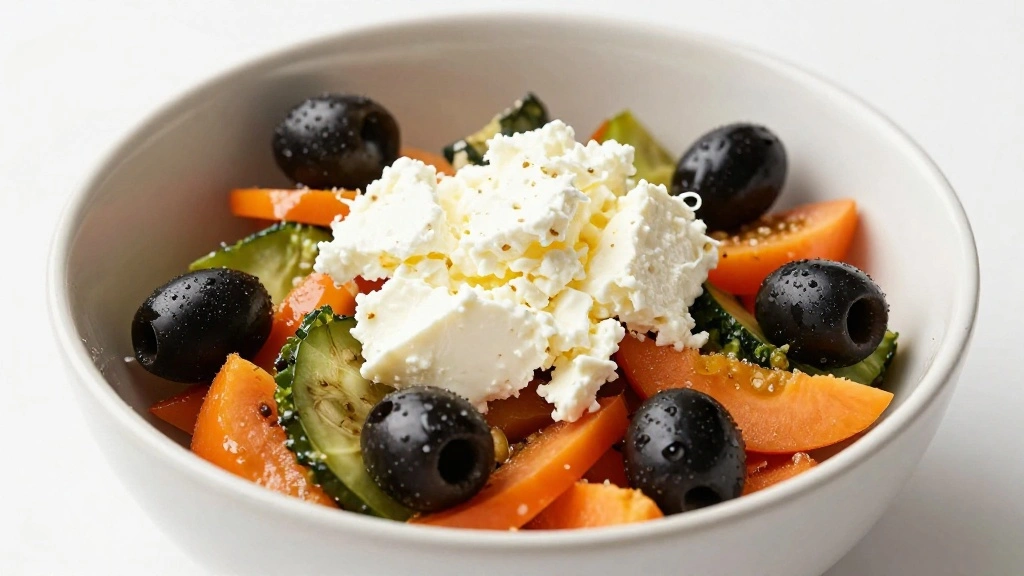
Similarly, add the sliced black olives for extra flavor.
These ingredients bring a salty, creamy contrast to the fresh vegetables.
Ensure they are evenly distributed throughout the salad.

Add a pinch of salt and dried oregano, whisking until well combined.
Taste the dressing and adjust seasoning if necessary.
The dressing should have a balanced, tangy flavor.

Use a large spoon to gently toss the salad, ensuring even coating.
Be careful not to crush the vegetables as you mix.
The goal is a light, even distribution of dressing.

This allows the flavors to meld and the vegetables to absorb the dressing.
Check the seasoning and adjust if needed before serving.
This step enhances the depth of flavor in the dish.
Garnish with a sprinkle of extra oregano if desired.
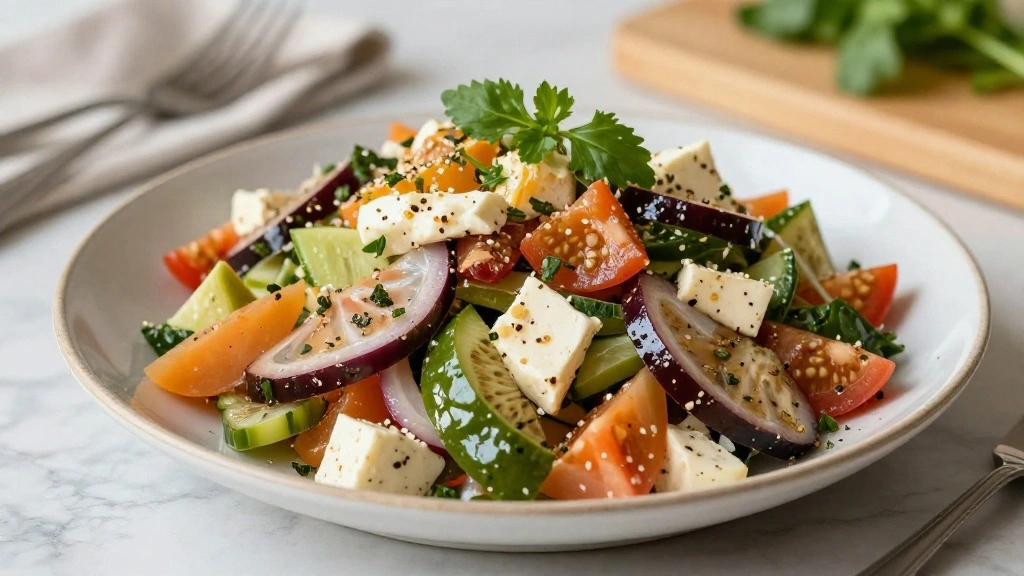
Serve immediately as a refreshing side dish or appetizer.
Enjoy the vibrant, fresh flavors of this classic Greek salad.
Dressing Consistency: Whisk dressing ingredients until fully emulsified, which should take about 1 minute, to ensure even flavor distribution.
Flavor Resting: Allow the salad to sit for 5-10 minutes after dressing to let the flavors meld; avoid refrigerating during this step to maintain freshness.
• Preparation Secret: Slightly salt the vegetables before adding dressing to draw out their natural juices and intensify flavor.
• Temperature Management: Keep salad at room temperature when serving for optimal taste and texture.
• Texture Enhancement: Use a mandoline for uniform cucumber slices that contribute to a professional texture.
• Flavor Layering: Add a pinch of lemon zest to the dressing for an extra layer of complexity and brightness.
• Make-Ahead Strategies: Prep vegetables and dressing up to 2 hours in advance, but combine just before serving to maintain freshness.
• Restaurant-Quality Finishing Touches: Garnish with fresh herbs like basil or mint for a vibrant, aromatic finish.
• Equipment Optimization: Use a whisk with a comfortable grip to ensure proper emulsification of the dressing.
• Flavors Unbalanced: If the salad tastes too acidic, add a touch more olive oil to balance; if too bland, a pinch more salt can enhance flavors.
• Vegetables Too Soft: Overmixing can break down the vegetables; toss gently to preserve their texture.
• Overly Salty Taste: If the salad is too salty, add more tomatoes or cucumbers to dilute the saltiness.
• Dressings Not Sticking: Ensure the dressing is well emulsified; if it separates, whisk again before adding to the salad.
• Crete Style: Adds barley rusks soaked in olive oil, creating a heartier, more filling salad.
• Island Variation: Incorporates fresh herbs like dill and mint, highlighting the aromatic flavors preferred in the Greek islands.
• Modern Twist: Some contemporary versions add avocado for creaminess and nutritional boost, catering to modern dietary preferences.
• Osmosis in Vegetables: Salting the vegetables draws out moisture, concentrating flavors and improving texture.
• Acid Balance: The acidity of the vinegar balances the natural sweetness of tomatoes, creating a harmonious taste experience.
Can I make this salad in advance? Yes, you can prepare the components up to 2 hours ahead, but it’s best to combine the dressing and vegetables just before serving.
What can I substitute for feta cheese? Goat cheese or ricotta salata can be used as alternatives for a similar creamy, tangy flavor profile.
How can I make the salad more filling? Adding cooked quinoa or chickpeas can increase the salad’s heartiness, making it suitable as a main dish.
How do I prevent the cucumbers from making the salad too watery? You can slice the cucumbers, sprinkle them with a little salt, and let them sit for a few minutes before adding them to the salad to draw out excess moisture.
What type of olive oil is best for the dressing? Extra virgin olive oil is recommended for its rich flavor and high quality.
Can I use white vinegar instead of red wine vinegar? Yes, but it will alter the flavor slightly; red wine vinegar is preferred for its mellow acidity.
• Individual Plates: Arrange the salad on small plates for individual servings, topped with a sprig of fresh herbs for elegance.
• Family Style: Serve in a large bowl in the center of the table, allowing guests to serve themselves as part of a communal meal.
• Garnished Platters: Present on a platter with slices of crusty bread on the side, enhancing the Mediterranean dining experience.
Its vibrant flavors and delightful textures make it a must-try for any salad lover.
With minimal preparation and maximal impact, this salad is sure to become a favorite in your culinary repertoire.


Greek Recipes
Greek Recipes

Greek Recipes
Greek Recipes
Greek Recipes