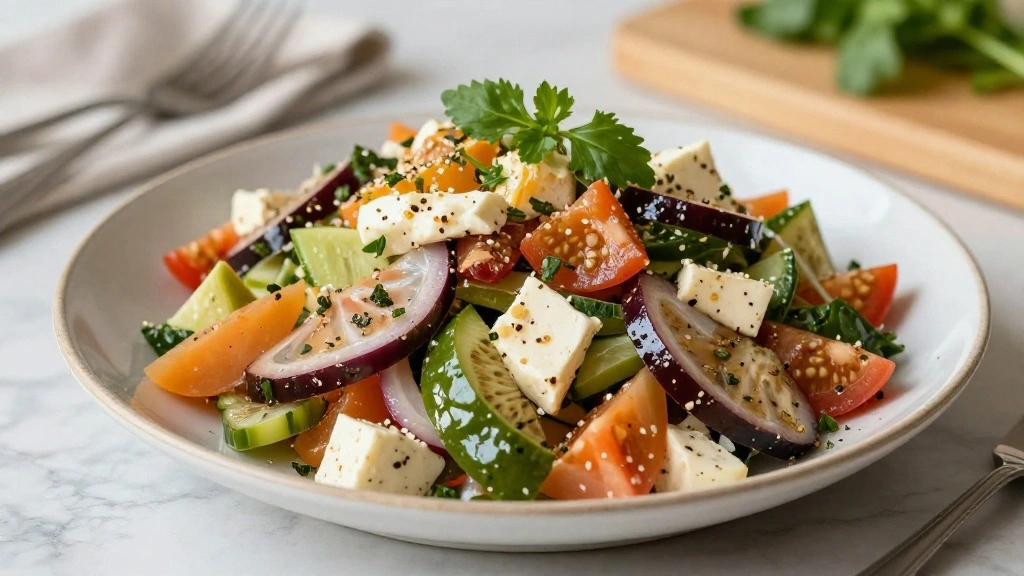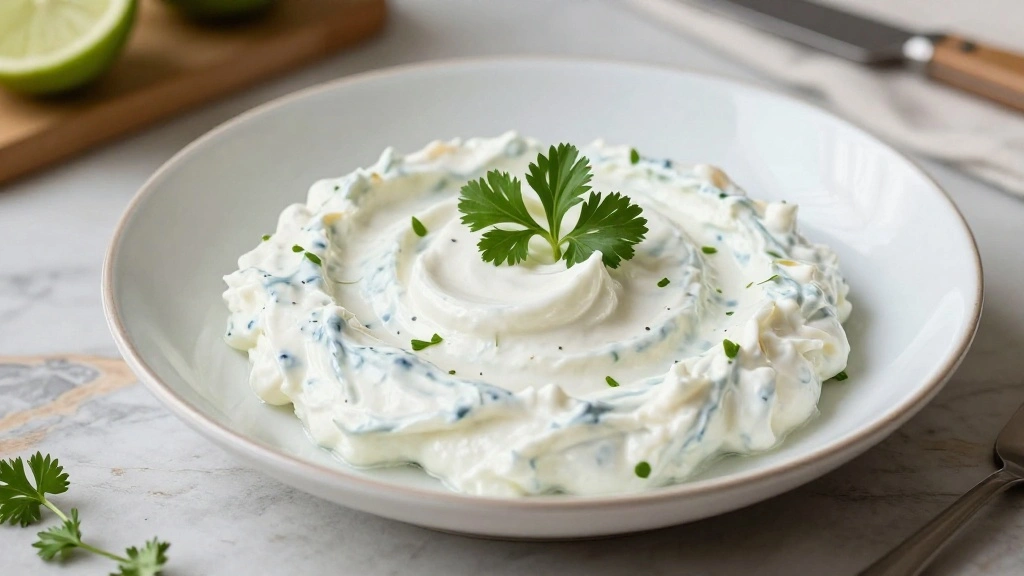



The Creamy Greek Salad Dressing recipe brings together centuries of culinary tradition with modern techniques to create a dressing that’s both refreshing and luxurious.
The harmonious balance of tangy yogurt, rich olive oil, and zesty lemon creates a memorable dining experience that will have everyone asking for your secret.
I discovered this recipe during my travels through Greece, where local chefs have perfected it through generations of careful refinement.
Whether you’re preparing a casual family dinner or hosting a special celebration, this Creamy Greek Salad Dressing delivers impressive results with straightforward preparation.
The History and Cultural Significance
• The dish evolved over decades as yogurt and olive oil became more widely available, eventually becoming the beloved version we know today.
• In Greek culture, this dressing traditionally appears at family gatherings and summer meals, symbolizing hospitality and abundance.
• While many variations exist across different regions, the authentic version maintains the use of tangy yogurt and extra virgin olive oil that sets it apart from imitations.


Recipe Overview
Nutritional Information (per serving)



Essential Equipment Guide
Measuring Cups and Spoons: Precision in measurement is key to balancing flavors. Look for sets that include both metric and imperial measurements for versatility.
Whisk: A whisk is essential for combining the ingredients if you prefer a more hands-on approach. Choose one with a comfortable grip and flexible wires for effective mixing.
Ingredients
For the Dressing
| Amount | Ingredient | Notes |
|---|---|---|
| 1 cup | Greek yogurt | adds creaminess and tang |
| 1/4 cup | extra virgin olive oil | richness and smooth texture |
| 2 tablespoons | lemon juice | brightens the flavors |
| 1 tablespoon | red wine vinegar | adds depth and acidity |
| 1 teaspoon | honey | balances acidity |
Seasonings
| Amount | Ingredient | Notes |
|---|---|---|
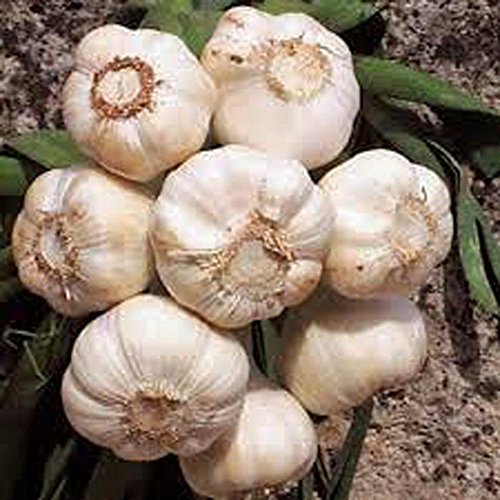
| 1 clove | garlic | minced, for a sharp bite |
| 1 teaspoon | dried oregano | classic Greek herb flavor |
| 1/2 teaspoon | salt | enhances overall taste |
| 1/4 teaspoon | black pepper | adds mild heat |


Preparation Methods
Balancing Flavors: Balancing flavors involves adjusting sweetness, acidity, and seasoning to achieve harmony. Taste the dressing and adjust with more honey, vinegar, or salt until the desired balance is reached.
Mincing Garlic: Mincing garlic finely is crucial for even distribution in the dressing. Use a sharp knife and a steady hand, or a garlic press for convenience.



Step 1: Gather Ingredients
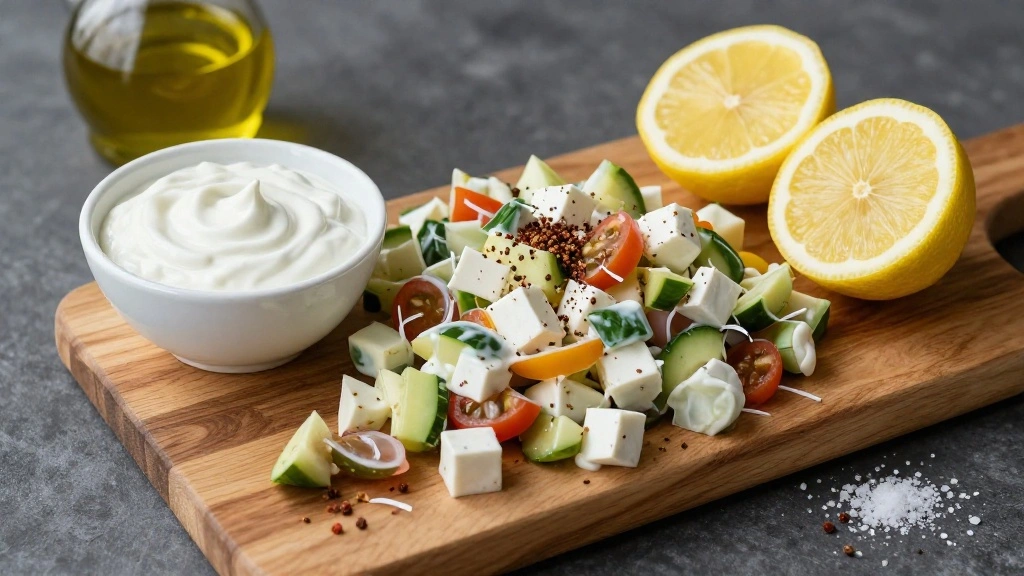
Ensure the Greek yogurt is at room temperature for easier mixing.
Measure each ingredient precisely to maintain flavor balance.
Set ingredients aside within reach for efficient preparation.


Step 2: Prepare Garlic
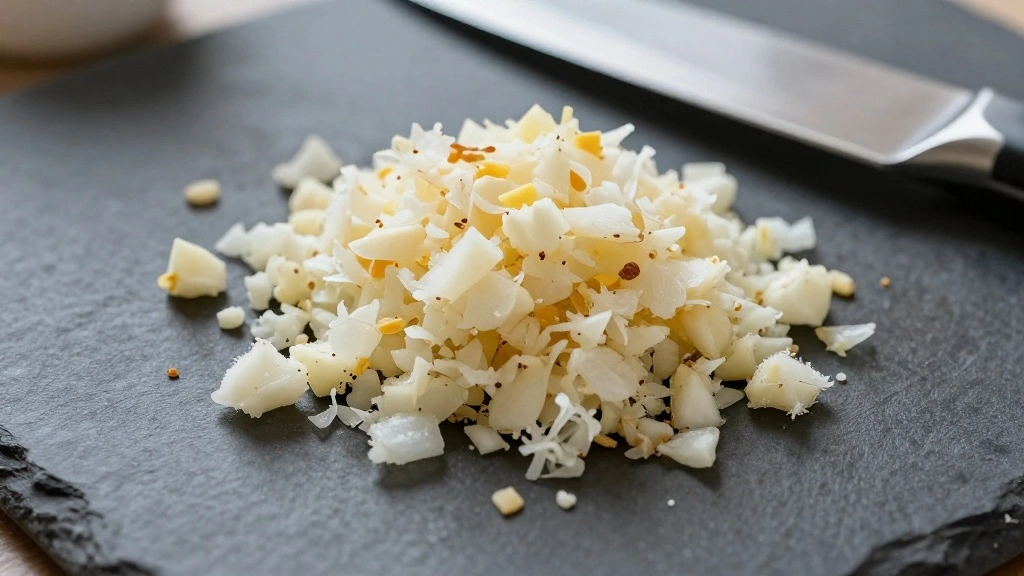
Mince the garlic finely using a knife or garlic press.
Ensure the garlic pieces are uniform in size for even flavor distribution.
Set the minced garlic aside for later use.
Step 3: Combine Base Ingredients

Blend on low to start incorporating the ingredients.
Gradually increase the speed to medium-high for a smooth mixture.
Stop blending once the mixture appears creamy and uniform.
Step 4: Add Vinegar and Honey
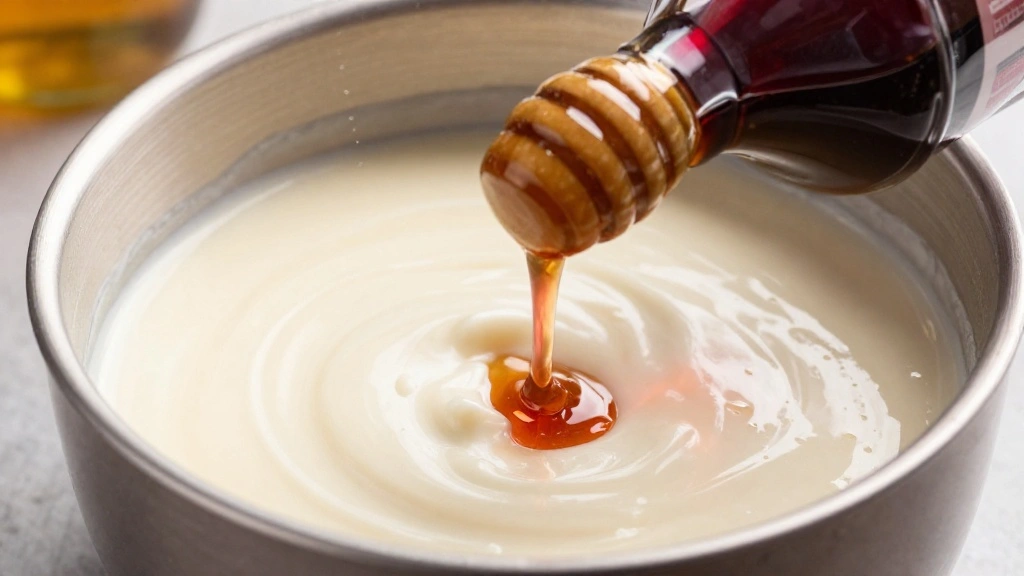
Blend again on medium speed until well mixed.
Check that the honey is fully dissolved in the mixture.
Scrape down the sides if necessary to ensure even mixing.
Step 5: Season the Dressing

Blend on low to incorporate the seasonings evenly.
Taste the dressing and adjust seasoning if needed.
Ensure all ingredients are fully mixed for a consistent flavor.
Step 6: Adjust Consistency

If too thick, add a splash of cold water and blend briefly.
Continue adjusting with small amounts of water until desired consistency is reached.
Avoid over-thinning which can dilute the flavor.
Step 7: Final Taste Test
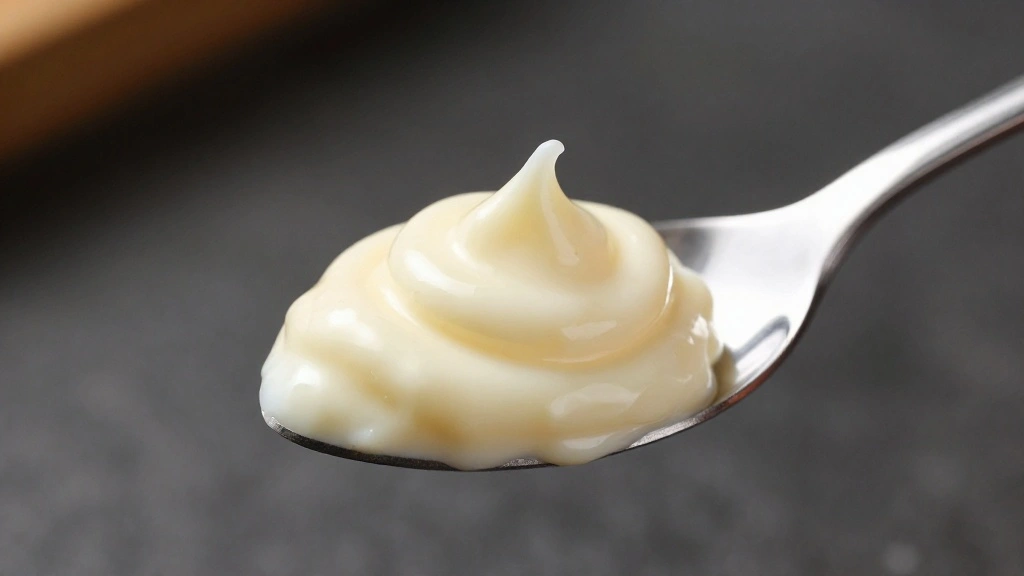
Evaluate the balance of creaminess, acidity, and seasoning.
Make any final adjustments to the seasoning or lemon juice.
Ensure the dressing tastes balanced and flavorful.
Step 8: Transfer to Serving Container

Seal tightly to preserve freshness and flavor.
Label the container with the preparation date if making in advance.
Refrigerate the dressing until ready to serve.
Critical Timing and Temperature Guide
Flavor Adjustment: Taste and adjust seasoning within the first 5 minutes of preparation. Avoid waiting too long as flavors meld with time.
Storage: Store at a temperature of 38°F to 40°F in the refrigerator. Use within 5-7 days for best flavor and safety.
Pro Tips for Creamy Greek Salad
• Preparation Secret: Let the dressing sit for at least an hour in the fridge to allow flavors to meld and develop depth.
• Temperature Management: Ensure the yogurt is at room temperature to facilitate easy blending and emulsification.
• Texture Enhancement: For a richer texture, consider adding a teaspoon of Dijon mustard to the mix before blending.
• Flavor Layering: Build complexity by adding a pinch of fresh herbs like dill or mint for a unique twist.
• Make-Ahead Strategies: Prepare the dressing up to a week in advance and store in an airtight container in the fridge.
• Restaurant-Quality Finishing Touches: Sprinkle freshly cracked black pepper and a drizzle of olive oil just before serving for an extra touch of elegance.
• Equipment Optimization: Use a blender with a pulse function to carefully control the mixing and avoid over-blending which can affect texture.
Troubleshooting Common Issues
• Flavors Unbalanced: If the dressing tastes too acidic, counterbalance with a bit more honey or a pinch of sugar and blend again.
• Ingredients Not Blending: Ensure all components are at room temperature and add a tablespoon of warm water to help emulsify.
• Separation After Storage: Shake or stir the dressing vigorously before serving to re-emulsify the ingredients.
• Overpowering Garlic Flavor: Use a smaller garlic clove or soak minced garlic in lemon juice for 5 minutes to mellow its intensity.
• Lack of Creaminess: Use full-fat Greek yogurt for the creamiest results; low-fat versions may result in a thinner dressing.
Variations and Regional Differences
• Spicy Version: Includes a pinch of red pepper flakes for heat and uses a more robust vinegar like apple cider for added punch.
• Lemon-Dill Variation: Emphasizes the use of fresh dill and extra lemon juice, creating a tangier, herbaceous dressing.
• Traditional Tzatziki Twist: Incorporates grated cucumber and a hint of mint, transforming it into a more complex, tzatziki-like dressing.
Food Science Behind the Recipe
• Acid Balance: The acid from lemon juice and vinegar helps to cut through the richness of the oil and yogurt, enhancing flavors and acting as a preservative.
• Yogurt’s Role: The proteins in Greek yogurt stabilize the emulsion, providing both flavor and texture, while its live cultures can contribute to the development of flavor over time.
Frequently Asked Questions
Can I substitute regular yogurt for Greek yogurt? Yes, but the dressing may be thinner and less creamy, so consider straining regular yogurt first.
How can I make the dressing vegan? Substitute Greek yogurt with a plant-based yogurt alternative and use agave syrup instead of honey.
Is it possible to freeze the dressing? Freezing is not recommended as it can cause separation and alter the texture upon thawing.
How long will the dressing last in the refrigerator? Stored properly in an airtight container, it will last about 5-7 days.
What dishes pair well with this dressing? It pairs excellently with Greek salads, fresh vegetables, or as a dip for pita bread.
Can I use dried herbs instead of fresh? Yes, but use dried herbs sparingly as they have a more concentrated flavor.
Why is my dressing separating? Separation can occur if not blended well; ensure to whisk or shake before serving.
Serving and Presentation Guide
• Rustic Style: Present it in a rustic olive wood bowl with a wooden spoon for a Mediterranean feel.
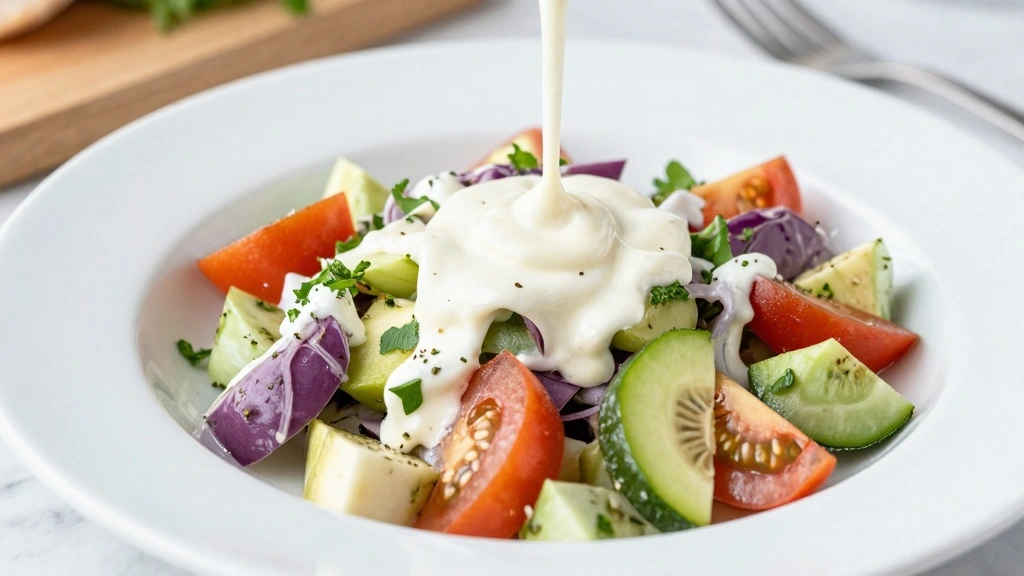
• Elegant Touch: Drizzle the dressing over a plated salad and sprinkle with freshly cracked black pepper just before serving.
• Casual Approach: Serve in a clear glass jar with a lid, allowing guests to shake and pour themselves.



Conclusion
Its simple preparation and versatile application make it perfect for any occasion.
Try this recipe today and enjoy the taste of Greece in every bite.