
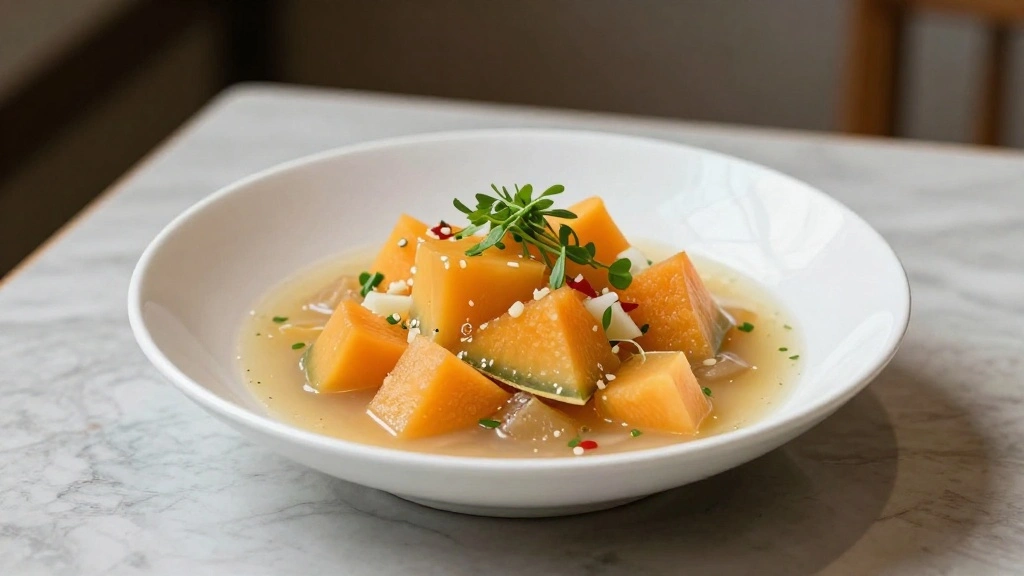


This classic Chinese Winter Melon Soup brings together centuries of culinary tradition with modern techniques to create a dish that’s both comforting and elegant.
The harmonious balance of light, delicate flavors creates a memorable dining experience that will have everyone asking for your secret.
I discovered this recipe during my travels through Southern China, where local chefs have perfected it through generations of careful refinement.
Whether you’re preparing a casual family dinner or hosting a special celebration, this soup delivers impressive results with straightforward preparation.
The History and Cultural Significance
• Chinese Winter Melon traces its origins to ancient China, where it was originally created by imperial chefs during the Tang dynasty.
• The dish evolved over decades as local ingredients were incorporated, eventually becoming the beloved version we know today.
• In Chinese culture, this dish traditionally appears at New Year celebrations, symbolizing prosperity and good health.
• While many variations exist across different regions, the authentic version maintains a clear broth that sets it apart from imitations.


Recipe Overview
Nutritional Information (per serving)


Essential Equipment Guide
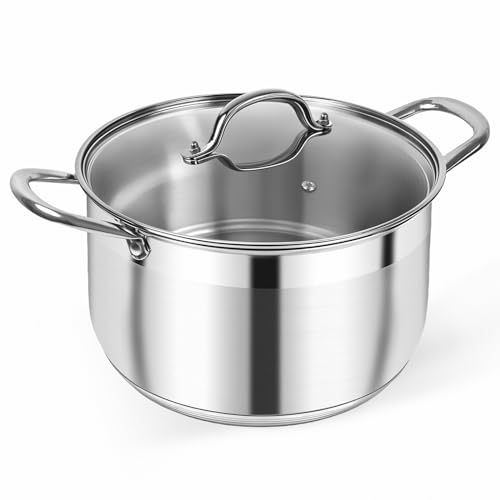
Large Soup Pot: A large soup pot is crucial for simmering the soup to perfection, allowing flavors to meld together while maintaining even heat distribution. An alternative could be a Dutch oven, which also retains heat well.
Fine Mesh Strainer: This tool is important for ensuring the broth is clear and free of any impurities. If unavailable, a cheesecloth can be used for straining.
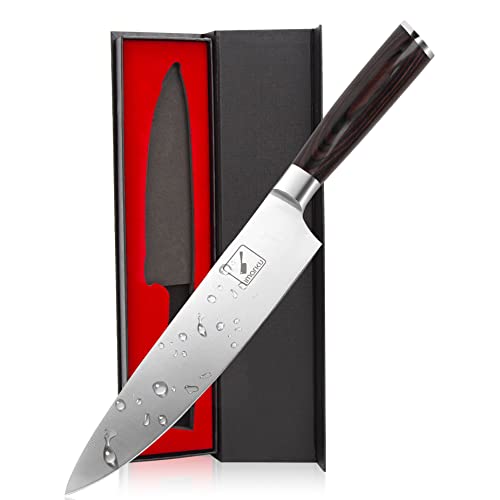
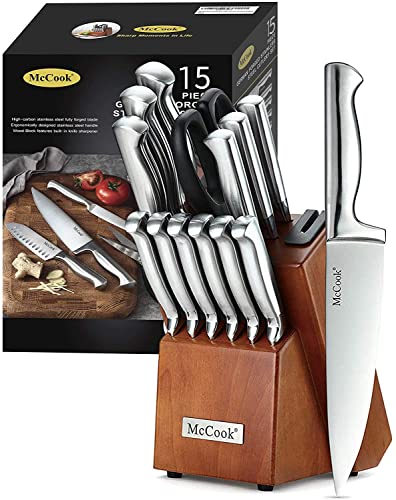
Sharp Chef’s Knife: A sharp knife is essential for cutting the winter melon into even pieces, ensuring uniform cooking. Look for a knife with a comfortable grip and a well-balanced blade.


Ingredients
For the Base
|
| Amount | Ingredient | Notes |
|---|---|---|
| 1 medium | winter melon | peeled and cut into cubes |
| 8 cups | chicken stock | homemade or low-sodium |
Proteins
| Amount | Ingredient | Notes |
|---|---|---|
| 200 grams | pork ribs | blanched |
| 100 grams | dried shrimp | soaked |
Seasonings
| Amount | Ingredient | Notes |
|---|---|---|
| 2 teaspoons | salt | to taste |
| 1 tablespoon | light soy sauce | adds depth |
Herbs
| Amount | Ingredient | Notes |
|---|---|---|
| 2 slices | ginger | adds warmth |
| 2 stalks | green onions | chopped for garnish |


Preparation Methods
Blanching: Blanching the pork ribs removes impurities and excess fat, ensuring a clean and clear broth. Bring water to a boil, add ribs, and cook for 5 minutes before rinsing under cold water.
Soaking: Soaking dried shrimp in warm water for about 10 minutes rehydrates them and enhances their flavor, which is crucial for a rich-tasting soup.
Simmering: Gently simmering the soup allows the flavors to meld without breaking down the delicate winter melon. Keep the heat low and cover the pot to maintain temperature.
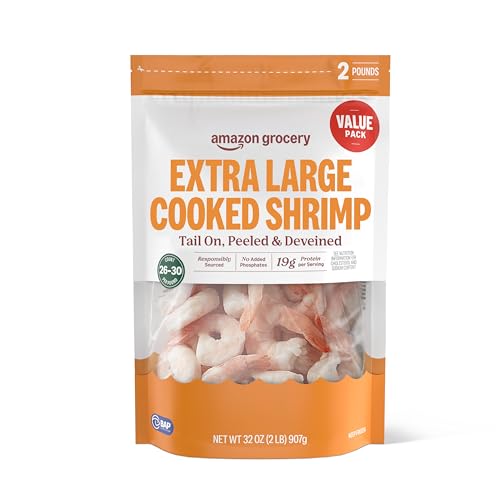
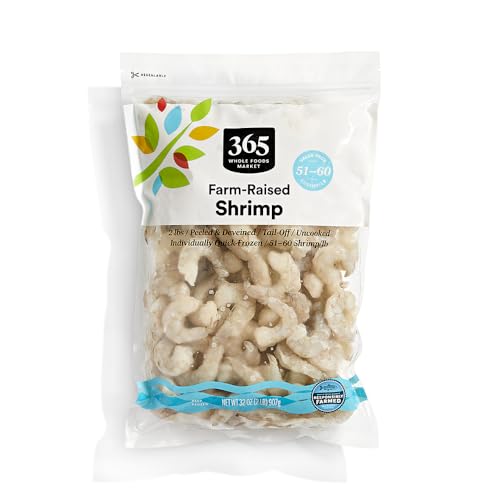

Step 1: Prepare Ingredients
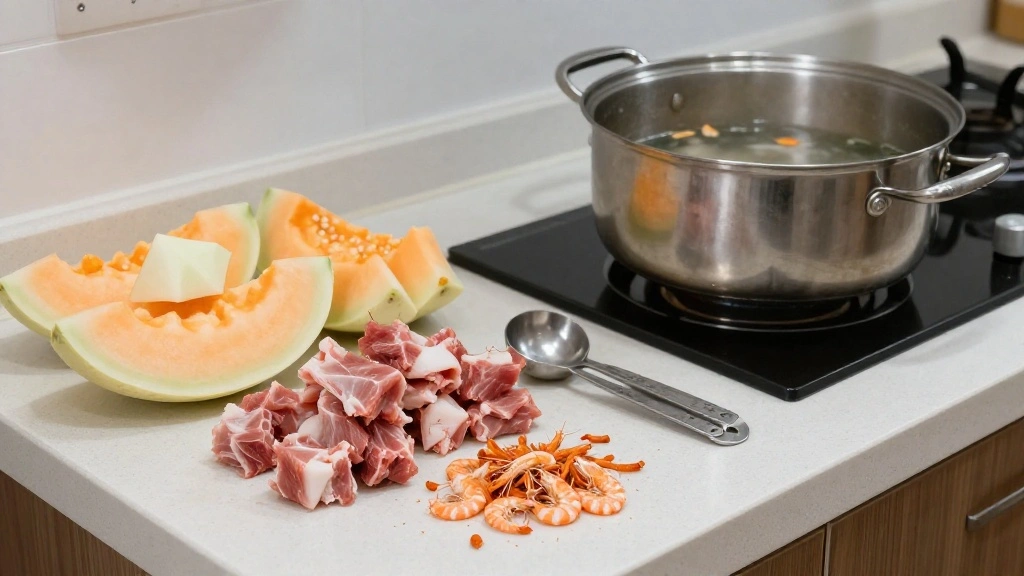
Gather all ingredients and equipment needed for the recipe.
Peel the winter melon and cut it into small cubes of about 1 inch.
Blanch the pork ribs in boiling water for 5 minutes, then rinse under cold water.
Soak the dried shrimp in warm water for 10 minutes, then drain.

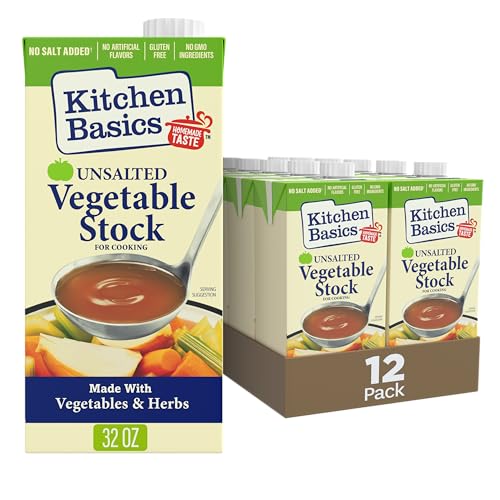

Step 2: Start the Broth
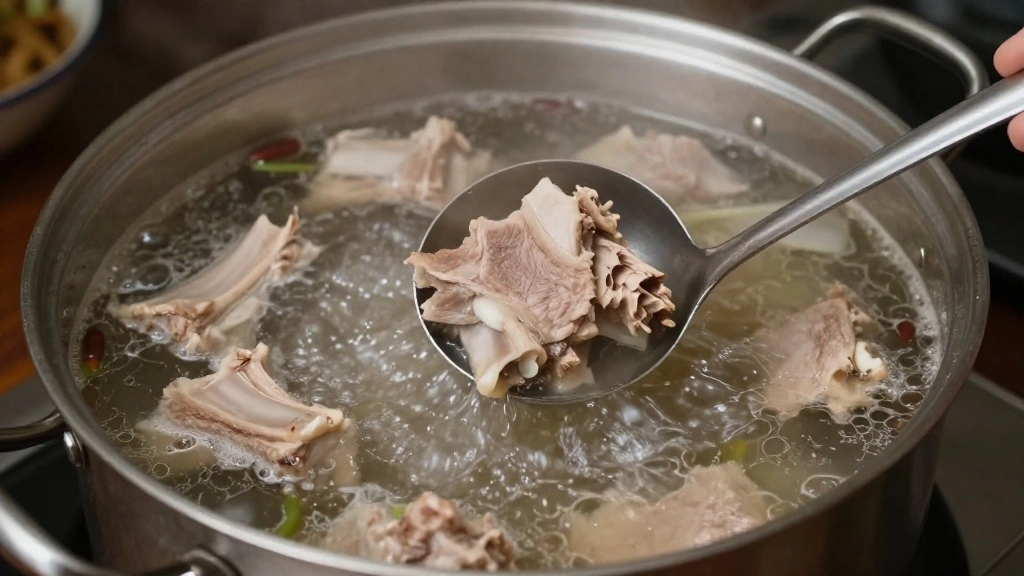
Place the blanched pork ribs in the large soup pot.
Add the chicken stock and bring to a boil over medium heat.
Once boiling, reduce the heat to low and skim off any foam or impurities from the surface.
This will ensure a clear and clean broth for the soup.


Step 3: Add the Seasonings

Add the ginger slices and soaked dried shrimp to the pot.
Stir in the salt and light soy sauce for seasoning.
Let the mixture simmer gently, allowing the flavors to meld together.
This step sets the foundation for the soup's rich flavor profile.


Step 4: Cook the Winter Melon
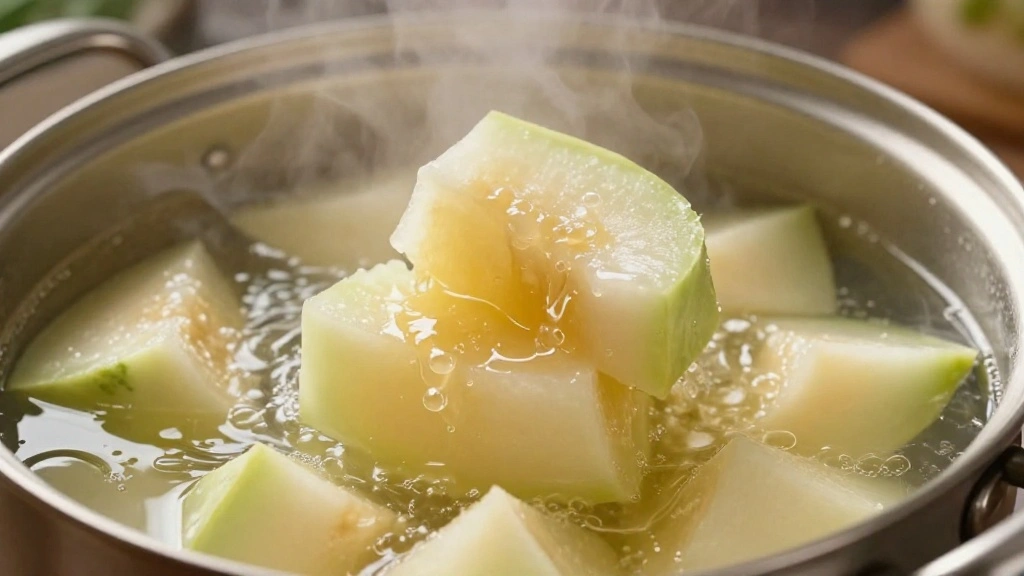
Add the cubed winter melon to the simmering broth.
Ensure the melon is fully submerged in the liquid.
Continue to simmer for about 30 minutes, or until the melon becomes translucent.
The melon should be tender but still hold its shape.


Step 5: Final Seasoning Adjustments
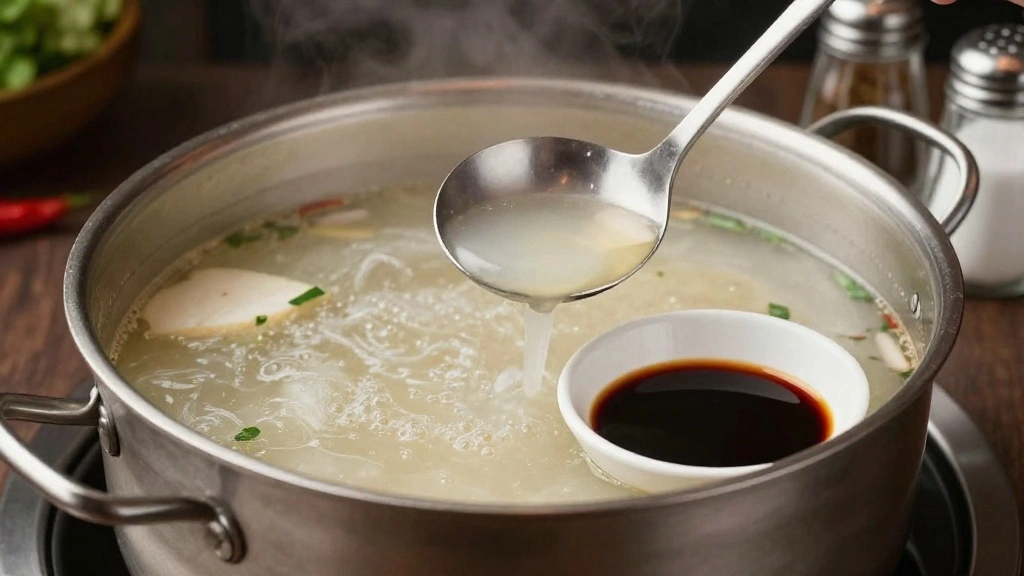
Taste the soup and adjust seasoning as needed with additional salt or soy sauce.
Stir gently to incorporate any added seasonings evenly.
Remember to taste as you go, ensuring the balance of flavors is just right.
This step is crucial for achieving a well-rounded taste.


Step 6: Garnish and Serve
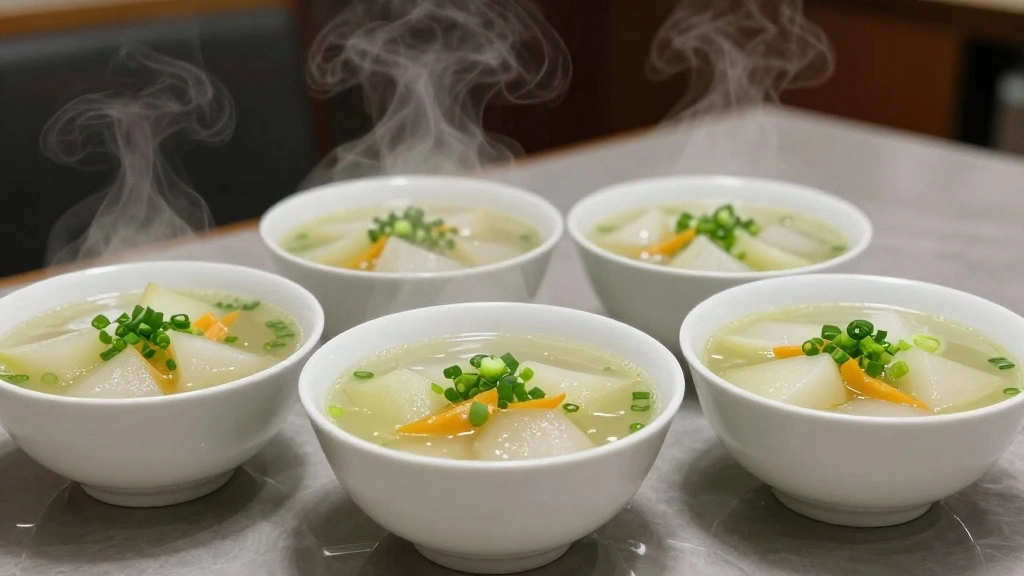
Ladle the soup into individual serving bowls.
Sprinkle chopped green onions over each bowl for a fresh burst of flavor.
Serve immediately while the soup is hot and fragrant.
Enjoy with steamed rice or on its own as a light meal.

Critical Timing and Temperature Guide
Blanching Pork Ribs: Blanch the ribs for exactly 5 minutes at boiling temperature to remove impurities without overcooking.
Simmering the Soup: Maintain a low simmer, avoiding a rolling boil, to keep the broth clear and allow flavors to develop gently.
Cooking Winter Melon: Cook the melon for 30 minutes until translucent; avoid overcooking, which can cause it to disintegrate.


Pro Tips for Chinese Winter Melon
• Ingredient Selection: Choose a firm, fresh winter melon with a smooth skin for best texture and flavor.
• Preparation Secret: Soak the dried shrimp in warm water to enhance their umami flavor in the soup.
• Temperature Management: Keep the soup at a gentle simmer rather than a boil to maintain clarity and flavor.
• Texture Enhancement: Cut the winter melon into even cubes to ensure uniform cooking and texture.
• Flavor Layering: Add ginger early in the cooking process to infuse warmth and depth into the broth.
• Make-Ahead Strategies: Prepare the soup base in advance and store it refrigerated for up to 2 days before adding the melon.
• Restaurant-Quality Finishing Touches: Garnish with fresh herbs like cilantro or green onions for a burst of fresh flavor.
• Equipment Optimization: Use a fine mesh strainer to keep the broth clear and free from impurities.

Troubleshooting Common Issues
• Cloudy Broth: This can be caused by boiling the soup too vigorously. Keep the heat low and skim off impurities regularly.
• Flavors Unbalanced: If the soup is too salty, add more water or a slice of potato to absorb excess salt, then remove it before serving.
• Winter Melon Too Soft: Overcooking the melon can cause it to break down. Check frequently for doneness and remove from heat when translucent.
• Lack of Flavor: Ensure dried shrimp are properly soaked and use high-quality chicken stock for a richer taste.
• Greasy Soup: Blanch the pork ribs thoroughly and skim fat from the surface during cooking to keep the soup light.


Variations and Regional Differences
• Cantonese Style: This version often includes ham and mushrooms for added umami and richness, differing mainly in protein choice.
• Hong Kong Variation: Features the addition of seafood like crab or scallops, emphasizing the region's penchant for fresh seafood.
• Vegetarian Option: Omits meat, using vegetable broth and tofu for a lighter, plant-based alternative.
• Spicy Sichuan Style: Incorporates chili oil and Sichuan peppercorns for a spicy twist, showcasing regional spice preferences.


Food Science Behind the Recipe
• Umami Extraction: The soaking and simmering of dried shrimp release glutamates, enhancing the soup's savory depth.
• Gelatin Release: Blanching and simmering pork ribs release gelatin, contributing to the soup's body and mouthfeel.
• Flavor Infusion: Slow simmering allows herbs and seasonings to infuse deeply into the broth, creating a harmonious flavor profile.


Frequently Asked Questions
What's the most common mistake people make when preparing Chinese Winter Melon Soup? Boiling the soup too vigorously can lead to a cloudy broth, which is why a gentle simmer is recommended.
Can I use other types of melon for this recipe? While winter melon is traditional, other mild-flavored melons may be used, but may alter the soup's texture and taste.
How can I make this soup more filling? Add noodles or rice to the soup for a heartier meal.
Is it possible to freeze this soup? Yes, but it's best to freeze without the melon, adding fresh melon when reheating.
How do I know if the winter melon is cooked properly? The melon should be translucent and tender but still retain its shape.
What can I substitute for pork ribs if I want to make it vegetarian? Replace pork ribs with tofu for protein and use vegetable broth instead of chicken stock.
How long does the soup last in the refrigerator? It can last up to 3 days in an airtight container.
What should I serve with Chinese Winter Melon Soup? It pairs well with steamed rice or as part of a multi-course Chinese meal.
Serving and Presentation Guide
• Traditional Presentation: Serve the soup in small, deep bowls with a garnish of green onions for a classic touch.
• Modern Twist: Use clear glass bowls to highlight the soup's translucency and garnishes.
• Family Style: Present in a large communal pot at the center of the table, allowing guests to serve themselves.
• Elegant Dining: Accompany with a side of jasmine rice served in separate small bowls for individual diners.


Conclusion
Chinese Winter Melon Soup is a testament to the beauty of simple, fresh ingredients coming together in harmony.
Its light, flavorful broth and tender melon offer a delightful dining experience steeped in tradition.
I encourage you to try this recipe and bring a taste of Chinese culinary heritage to your table.
Share the warmth and comfort of this timeless dish with friends and family.