


Tzatziki Sauce Recipe Creamy Greek Yogurt Dip
2 cups Greek yogurt
1 large cucumber
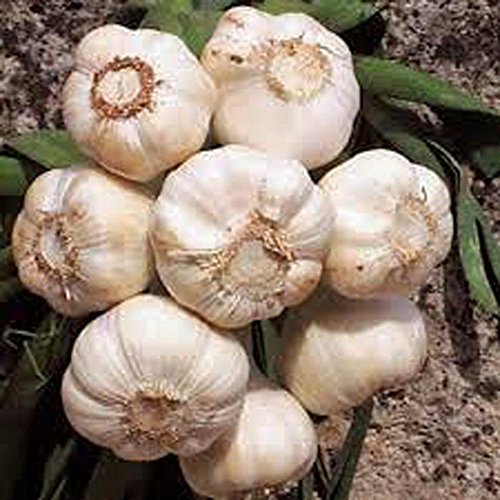
3 cloves garlic
2 tablespoons olive oil
1 tablespoon fresh dill
1 tablespoon lemon juice
1 teaspoon salt
1 teaspoon black pepper
PT15M
8 servings
This classic Tzatziki Sauce brings together centuries of culinary tradition with modern techniques to create a dish that’s both refreshing and versatile.
The harmonious balance of creamy Greek yogurt, crisp cucumbers, and aromatic garlic creates a memorable dining experience that will have everyone asking for your secret.
I discovered this recipe during my travels through Greece, where local chefs have perfected it through generations of careful refinement.
Whether you’re preparing a casual family dinner or hosting a special celebration, this Tzatziki Sauce delivers impressive results with straightforward preparation.
Perfect for summer gatherings, its cool and zesty flavor profile makes it an ideal accompaniment to grilled meats or fresh vegetables.
The History and Cultural Significance
• Tzatziki Sauce traces its origins to the Ottoman Empire, where it was originally created by blending yogurt with various herbs and spices.
• The dish evolved over decades as Greek and Turkish communities adapted it with local ingredients, eventually becoming the beloved version we know today.
• In Greek culture, this dish traditionally appears at family gatherings and festive celebrations, symbolizing hospitality and Greek culinary heritage.
• While many variations exist across different regions, the authentic version maintains a creamy texture and a bright, garlicky flavor that sets it apart from imitations.


Recipe Overview
Nutritional Information (per serving)


Essential Equipment Guide
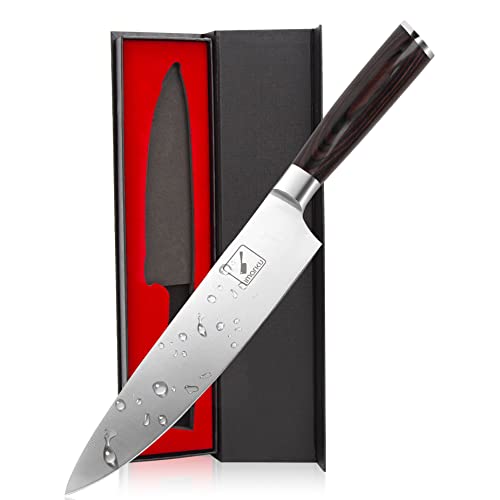
Mixing Bowl: A medium-sized mixing bowl is essential for combining and thoroughly mixing the ingredients, ensuring an even distribution of flavors. Alternatives include a large measuring cup or a small salad bowl, but ensure they’re large enough to whisk without spilling.
Whisk: A whisk is crucial for blending the yogurt with the other ingredients smoothly, preventing lumps and ensuring a consistent texture. A fork can suffice in a pinch, but it may not achieve the same smoothness.
Fine Grater: A fine grater is important for grating the cucumber and garlic, which helps integrate them seamlessly into the yogurt. A microplane or small food processor can also work, but a grater achieves the ideal texture.


Ingredients
For the Sauce
| Amount | Ingredient | Notes |
|---|---|---|
| 2 cups | Greek yogurt | provides a creamy base |
| 1 large | cucumber | grated, moisture squeezed out |
| 3 cloves | garlic | minced for flavor |
| 2 tablespoons | olive oil | adds richness |
| 1 tablespoon | fresh dill | chopped for freshness |
| 1 tablespoon | lemon juice | adds acidity |
| 1 teaspoon | salt | enhances flavor |
| 1 teaspoon | black pepper | adds a hint of spice |


Preparation Methods
Straining Yogurt: Straining yogurt removes excess moisture, resulting in a thicker, creamier sauce. To achieve this, place yogurt in a cheesecloth-lined sieve over a bowl and let it drain in the refrigerator for at least an hour. This step is crucial for achieving the traditional thick consistency of tzatziki.
Grating Cucumber: Grating cucumber allows it to blend seamlessly into the sauce. Use a fine grater and then squeeze out the excess moisture with a clean cloth or paper towels to prevent the sauce from becoming watery.
Mincing Garlic: Finely mincing garlic ensures the flavor is evenly distributed throughout the sauce. Use a garlic press for convenience or a knife to achieve a fine mince. This enhances the aromatic profile of the dish without overpowering the other flavors.


Step 1: Prepare Ingredients
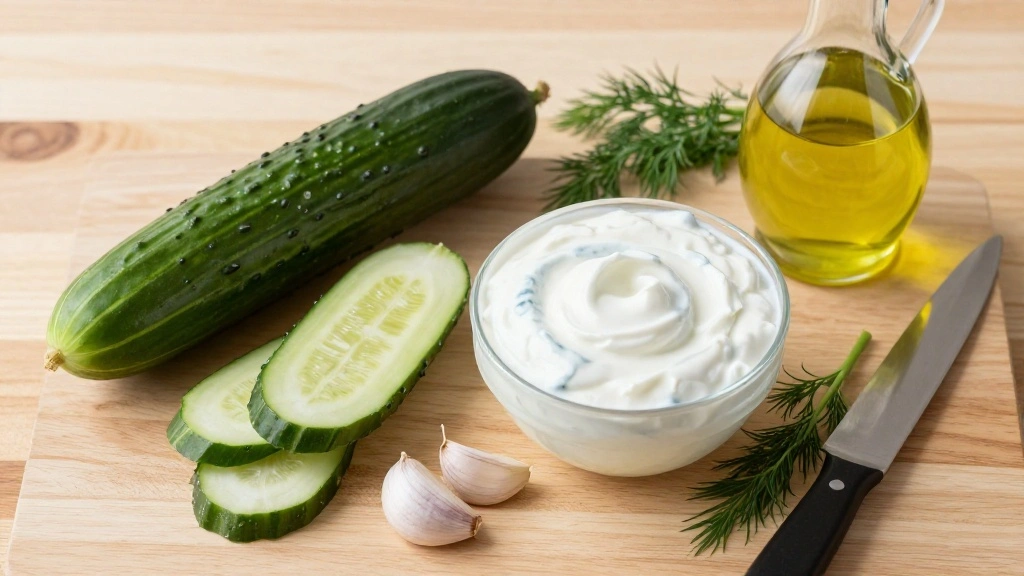
Gather all your ingredients.
Ensure the cucumber is washed and dried.
Prepare a clean working space to start grating and mincing.
This step sets you up for smooth and efficient preparation.


Step 2: Strain the Yogurt
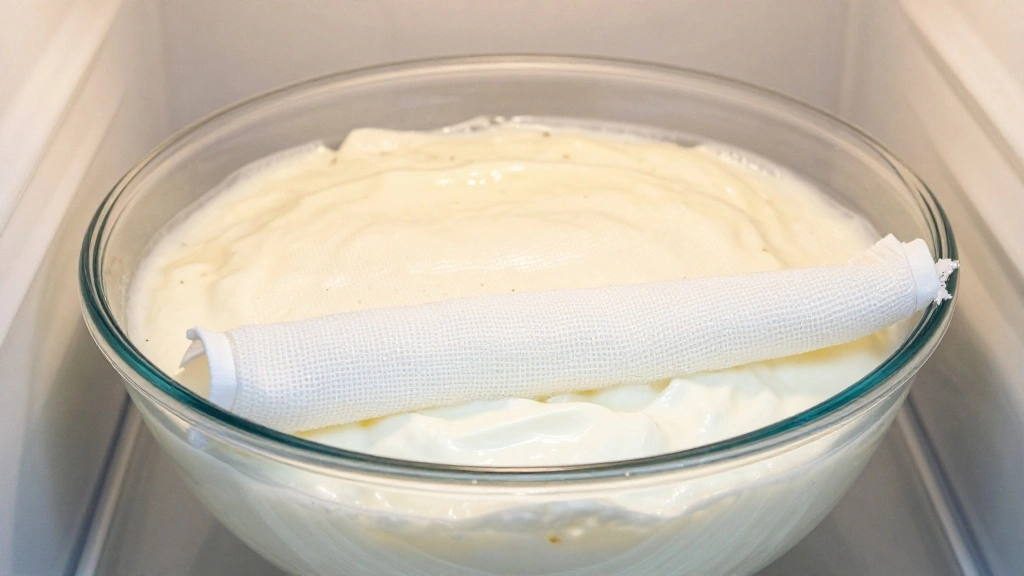
Place Greek yogurt into a cheesecloth-lined sieve.
Set it over a bowl to catch any draining liquid.
Let it rest in the refrigerator for at least an hour.
This step thickens the yogurt, enhancing the sauce’s texture.


Step 3: Grate the Cucumber
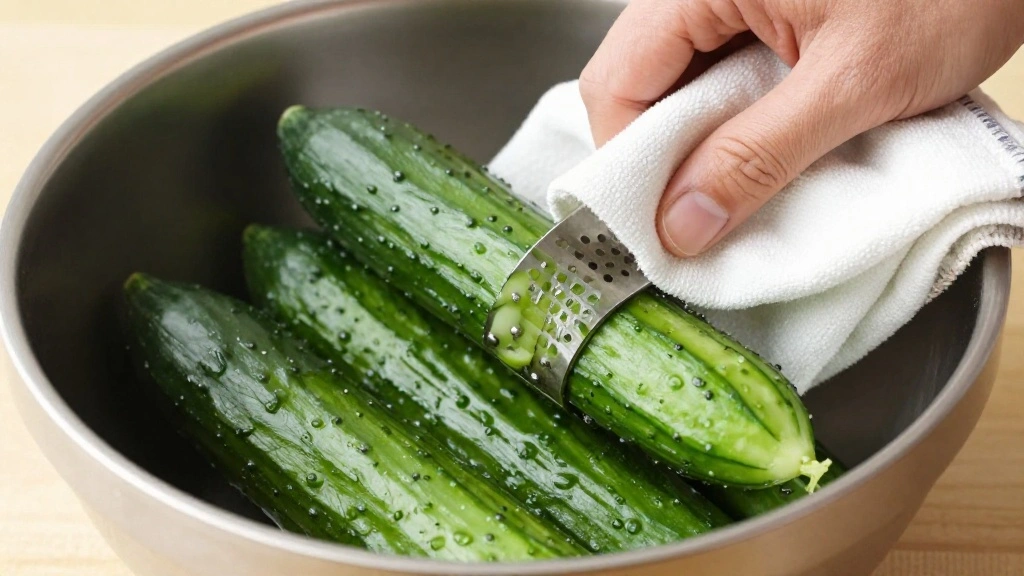
Use a fine grater to grate the cucumber.
Place the grated cucumber in a clean cloth.
Squeeze tightly to remove as much moisture as possible.
This prevents the sauce from becoming watery.
Step 4: Mince the Garlic
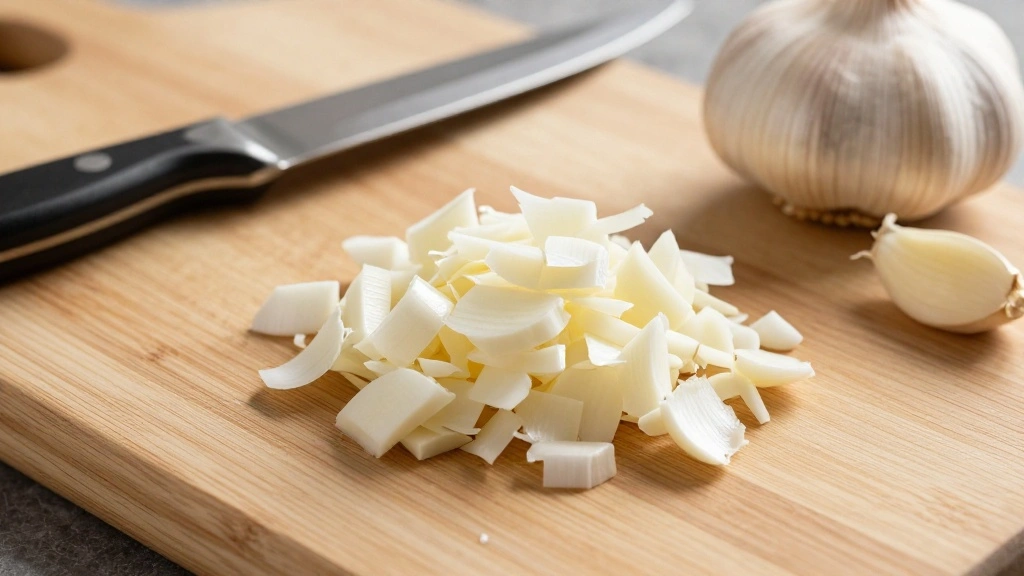
Peel the garlic cloves.
Use a garlic press or knife to mince finely.
Ensure the pieces are small for even flavor distribution.
This step enhances the aromatic intensity of the sauce.
Step 5: Combine Ingredients
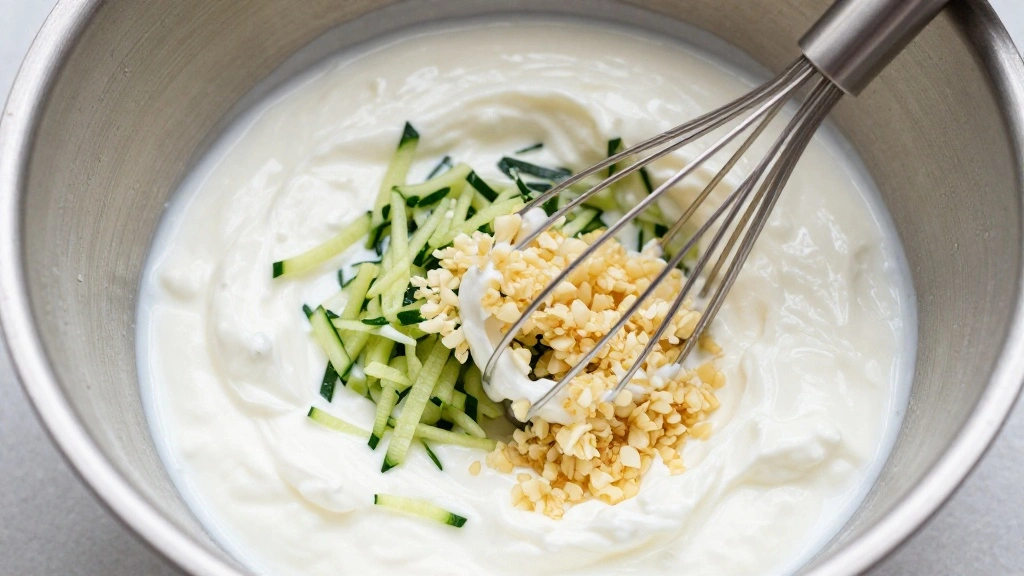
Take the strained yogurt and place it in a mixing bowl.
Add the grated cucumber and minced garlic.
Pour in the olive oil and lemon juice.
This creates the base for the tzatziki sauce.
Step 6: Add Seasonings
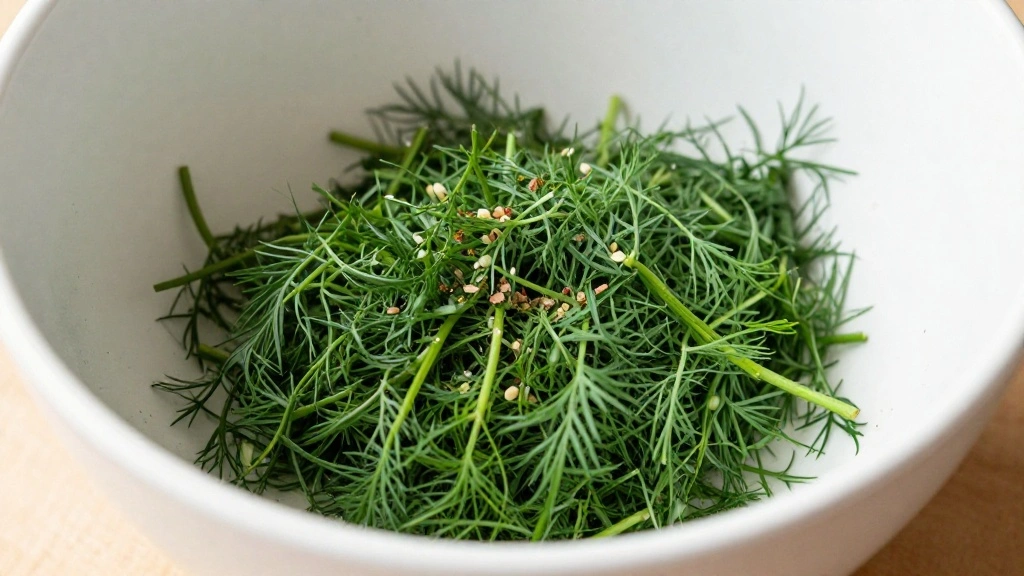
Chop fresh dill finely.
Add dill, salt, and pepper to the bowl.
Mix thoroughly to ensure even seasoning.
This step integrates all flavor elements into the sauce.


Step 7: Adjust Consistency
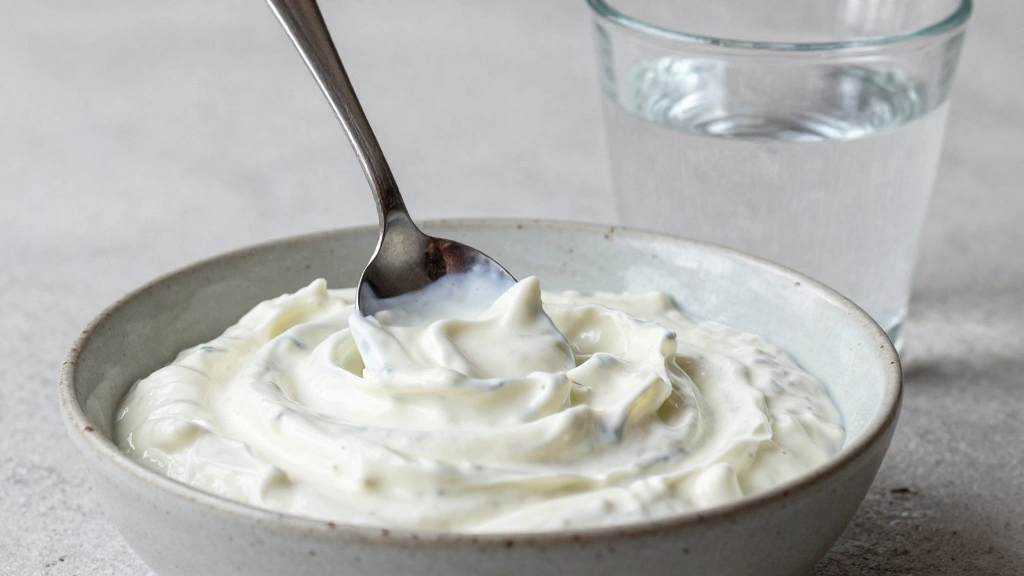
Check the thickness of the sauce.
If too thick, add a splash of water or more lemon juice.
Stir until you reach the desired consistency.
This ensures the sauce is perfect for dipping or drizzling.
Step 8: Chill Before Serving
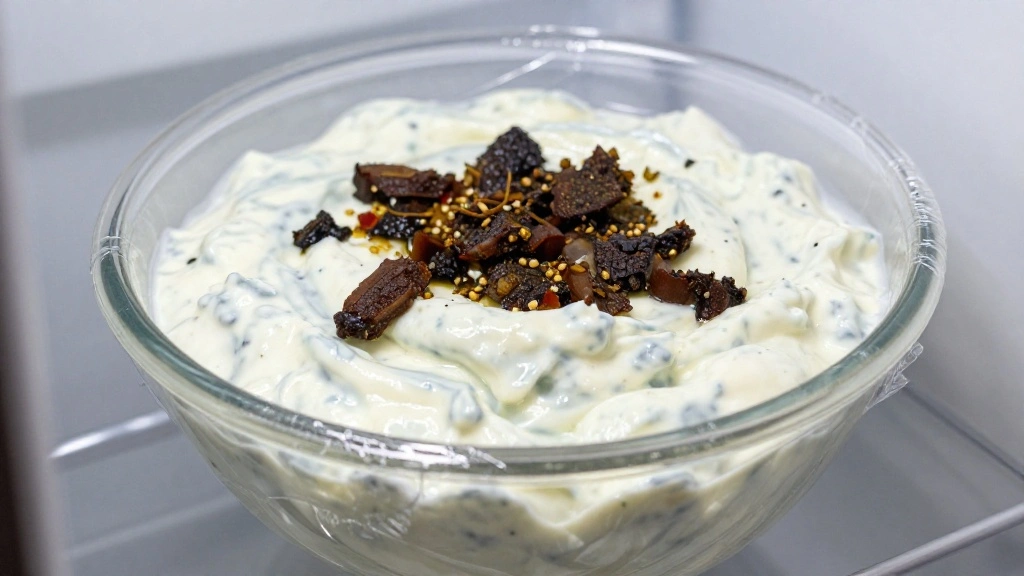
Transfer the sauce to a serving dish.
Cover and refrigerate for at least 30 minutes.
This allows flavors to meld and enhance.
Chilled, the sauce reaches its optimal taste and texture.
Critical Timing and Temperature Guide
Straining Yogurt: Strain for at least 1 hour in the refrigerator.
Visual indicators of doneness include a thicker consistency, with liquid collected in the bowl below.
Common mistakes include not straining long enough, resulting in a runny sauce.
Chilling Sauce: Chill for a minimum of 30 minutes before serving.
The sauce should be cold to touch and flavors should be well-blended.
Avoid serving too soon to prevent underdeveloped flavors.
Preparation Time: Allocate 15 minutes for preparation.
Ensure all ingredients are ready before combining to avoid delays.
Rushing can lead to uneven mixing and inconsistent texture.


Pro Tips for Tzatziki Sauce Recipe
• Ingredient Selection: Use full-fat Greek yogurt for the creamiest texture and richest flavor.
The quality of yogurt dramatically impacts the final result.
• Preparation Secret: Squeeze the cucumber thoroughly to avoid a watery sauce.
This step is often overlooked but crucial for maintaining the sauce’s thickness.
• Temperature Management: Ensure all ingredients are at room temperature before mixing.
This helps them blend more easily and evenly.
• Texture Enhancement: Strain yogurt even if using a thick brand.
This small step ensures a superior, velvety texture.
• Flavor Layering: Add a pinch of cayenne or paprika for subtle heat.
This creates a nuanced flavor profile without overpowering the dish.
• Make-Ahead Strategies: Prepare the sauce a day in advance.
Store in an airtight container in the refrigerator to let flavors develop.
• Restaurant-Quality Finishing Touches: Garnish with a drizzle of high-quality olive oil and a sprig of dill.
This adds visual appeal and a burst of flavor.
• Equipment Optimization: Use a microplane for garlic to achieve an even finer mince.
This helps distribute the garlic flavor evenly throughout the sauce.
Troubleshooting Common Issues
• Texture Too Thin: Excessive moisture in cucumber or insufficient yogurt straining causes this issue.
Recognize it by a watery consistency.
To fix, strain sauce through cheesecloth again and adjust with more yogurt.
• Flavors Unbalanced: Overpowering garlic or lack of acidity can imbalance flavors.
Taste as you mix and adjust by adding lemon juice or reducing garlic.
• Chunky Texture: Insufficient mixing or improperly grated cucumber can lead to chunks.
Ensure ingredients are uniformly combined and cucumbers are finely grated.
• Too Sour: Excessive lemon juice can cause overwhelming sourness.
To balance, add more yogurt or a touch of honey to mellow the acidity.
• Lacking Freshness: Dull flavors occur if fresh herbs are not used.
Always opt for fresh dill and garlic for the best results.
Variations and Regional Differences
• Turkish Cacik: This version is similar but often includes mint instead of dill and uses a thinner yogurt consistency.
Served as a soup or dip, it’s more liquid than the Greek version.
• Indian Raita: While not a direct variation, it’s a similar yogurt-based dish with cumin and mustard seeds, offering a spiced alternative.
It plays a cooling role alongside spicy dishes.
• Bulgarian Tarator: Served as a cold soup, it includes walnuts and is more diluted, offering a different texture and flavor profile.
• Middle Eastern Labneh: Made by straining yogurt even further, labneh creates a thicker, creamier dip that’s similar yet distinct from traditional tzatziki.


Food Science Behind the Recipe
• Emulsification: The olive oil blends with yogurt to create a stable emulsion, enhancing the sauce’s richness.
Understanding emulsification helps achieve a smoother texture.
• Enzyme Activity: Garlic contains alliinase, an enzyme that transforms alliin into allicin, the compound responsible for its pungent flavor.
Finely mincing garlic activates this process, maximizing flavor.
• Water Retention: Properly straining cucumbers and yogurt is crucial to controlling water content.
This prevents the sauce from becoming overly diluted, maintaining its desirable creamy consistency.
Frequently Asked Questions
What’s the most common mistake people make when preparing Tzatziki Sauce? The most common mistake is not straining the yogurt or cucumber enough, leading to a watery consistency.
Can I use regular yogurt instead of Greek yogurt? Greek yogurt is preferred for its thickness, but if using regular yogurt, strain it overnight to achieve a similar texture.
How long can Tzatziki Sauce be stored? It can be stored in an airtight container in the refrigerator for up to 3 days, but fresh is always best.
Is there a vegan alternative to Tzatziki Sauce? Yes, substitute Greek yogurt with a coconut or almond-based yogurt for a vegan version.
Can I use dried dill instead of fresh? Fresh dill is recommended for the best flavor, but you can use dried dill in a pinch; just use half the amount.
How can I make the sauce spicier? Add a pinch of cayenne pepper or chopped chili to introduce some heat.
What’s the role of lemon juice in the recipe? Lemon juice adds acidity, balancing the flavors and helping to preserve the sauce’s freshness.
Serving and Presentation Guide
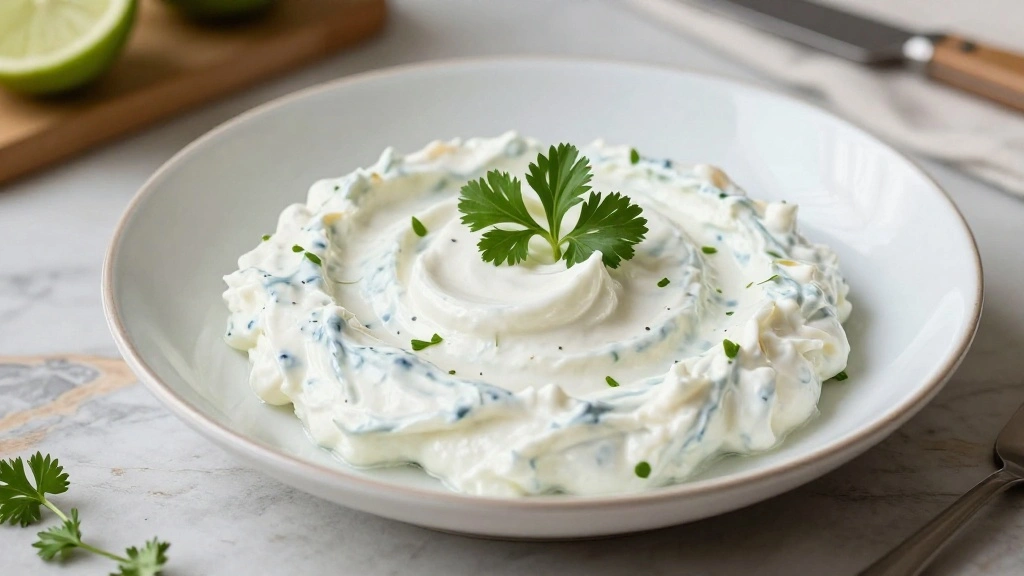
• Traditional Presentation: Serve in a shallow bowl with a drizzle of olive oil and a sprinkle of fresh dill on top.
• Appetizer Platter: Present alongside pita bread, olives, and sliced vegetables like carrots and bell peppers for dipping.
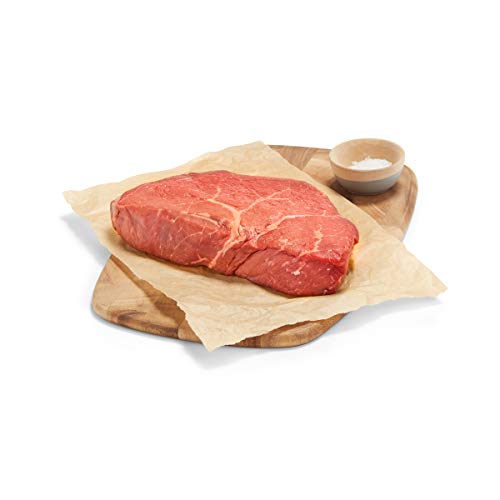
• Grilled Meat Accompaniment: Serve as a side with grilled lamb, chicken, or beef for a refreshing contrast.
• Culinary Garnish: Use as a topping for baked potatoes or grilled fish, adding a creamy, tangy element to the dish.


Conclusion
Creating this traditional Tzatziki Sauce is a delightful way to bring a taste of Greece into your kitchen.
Its creamy texture and refreshing flavors make it a versatile addition to any meal.
Whether you’re a seasoned cook or a culinary novice, this recipe is sure to impress.
Give it a try and enjoy the authentic taste of the Mediterranean.