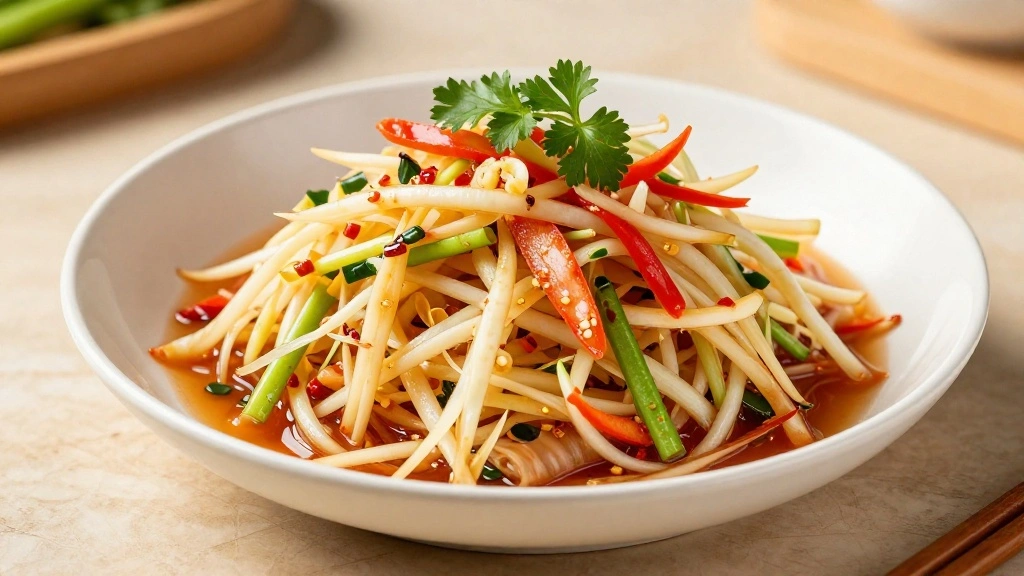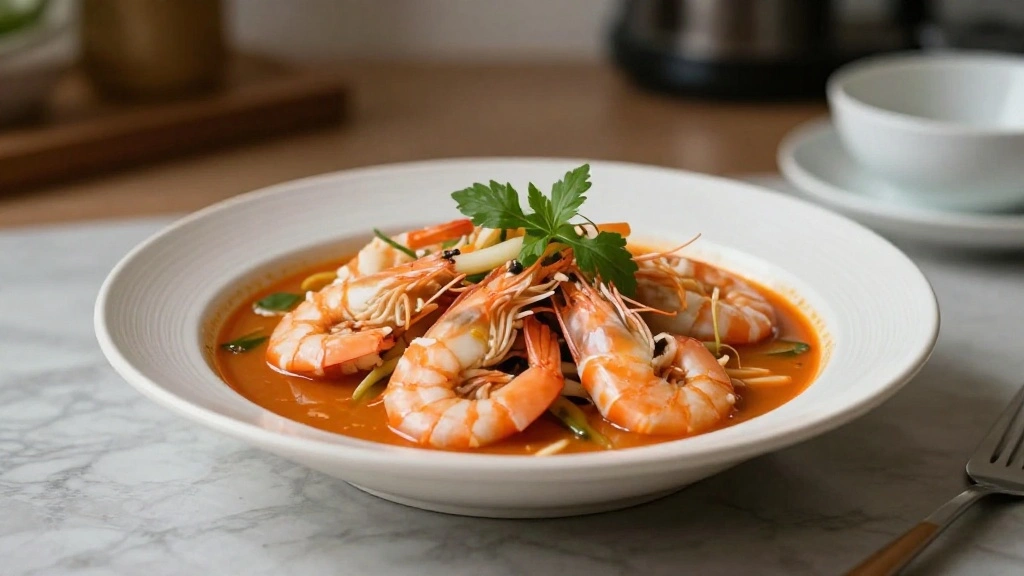

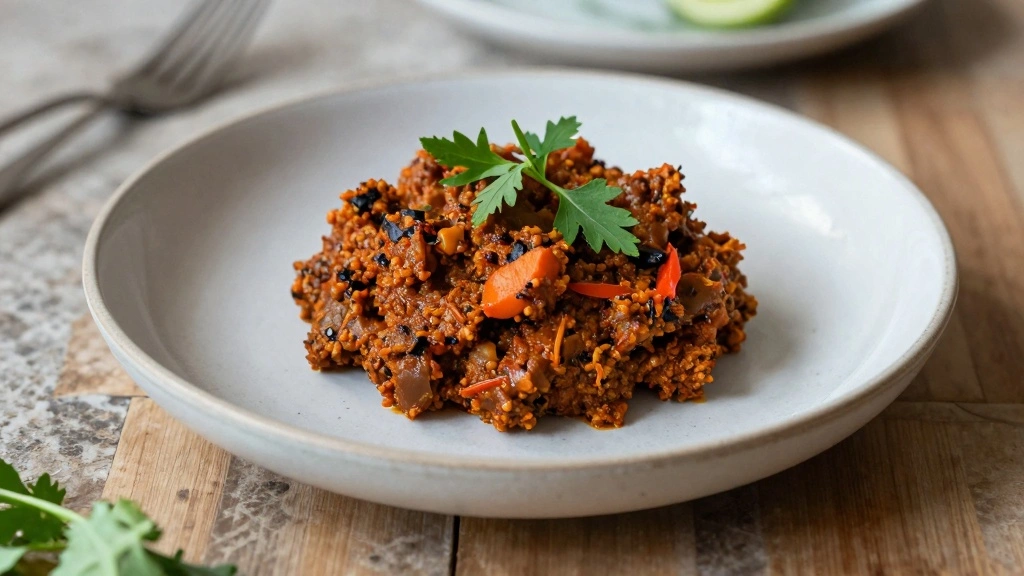


This classic Thai Red Curry Paste brings together centuries of culinary tradition with modern techniques to create a dish that’s both comforting and elegant.
The harmonious balance of spicy, sweet, and savory flavors creates a memorable dining experience that will have everyone asking for your secret.
I discovered this recipe during my travels through Thailand, where local chefs have perfected it through generations of careful refinement.
Whether you’re preparing a casual family dinner or hosting a special celebration, this Thai Red Curry Paste delivers impressive results with straightforward preparation.
The History and Cultural Significance
• The dish evolved over decades as regional ingredients like galangal and kaffir lime were incorporated, eventually becoming the beloved version we know today.
• In Thai culture, this dish traditionally appears at family gatherings and festive occasions, symbolizing the warmth and unity of shared meals.
• While many variations exist across different regions, the authentic version maintains a balance of fresh and dried spices that sets it apart from imitations.


Recipe Overview
Nutritional Information (per serving)
Essential Equipment Guide
Spice Grinder: Useful for ensuring a fine grind of dried spices if a mortar and pestle is not available. Look for a model with adjustable settings for versatility.
Microplane Grater: Important for finely grating ingredients such as ginger and lime zest, ensuring they blend seamlessly into the paste.
Ingredients
For the Paste
| Amount | Ingredient | Notes |
|---|---|---|
| 5 whole | dried red chilies | soaked in warm water, seeds removed |
| 2 tablespoons | lemongrass | finely chopped, adds citrusy notes |
| 1 tablespoon | galangal | grated, imparts earthy flavor |
| 2 tablespoons | shallots | chopped, for sweetness |
| 1 tablespoon | garlic | minced, for pungency |
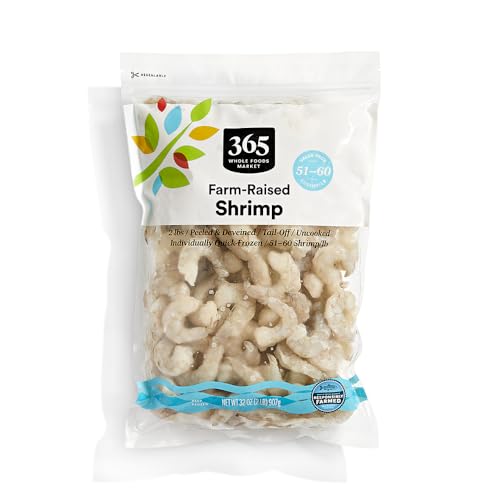
| 1 teaspoon | shrimp paste | adds umami |
| 1 tablespoon | coriander seeds | toasted, ground |
| 1 teaspoon | cumin seeds | toasted, ground |
| 1 teaspoon | kaffir lime zest | grated, for fragrance |
| 1 tablespoon | sea salt | enhances flavor |
| 2 tablespoons | vegetable oil | for blending |


Preparation Methods
Toasting Spices: Toasting spices like coriander and cumin seeds enhances their aroma and flavor. Use a dry pan over medium heat, and stir continuously to prevent burning.
Grinding Paste: Grinding the paste using a mortar and pestle is traditional and helps release the oils in the spices, creating a more aromatic paste. It’s essential to grind until smooth for the best texture.

Step 1: Prepare Ingredients
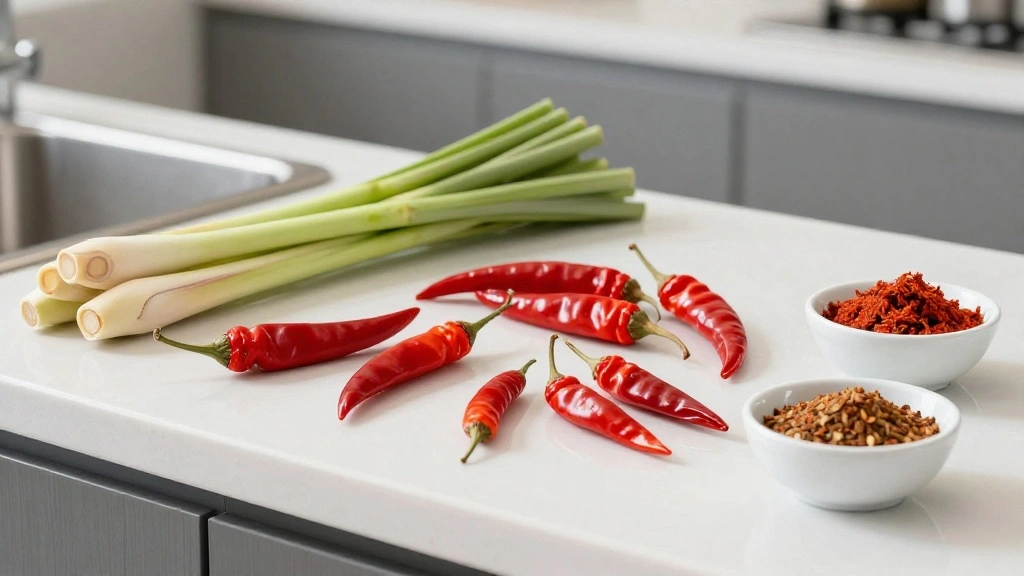
Ensure that the dried red chilies are soaked and the seeds are removed.
Chop the lemongrass, galangal, and shallots finely.
Measure out the shrimp paste, spices, and salt.



Step 2: Soak Red Chilies
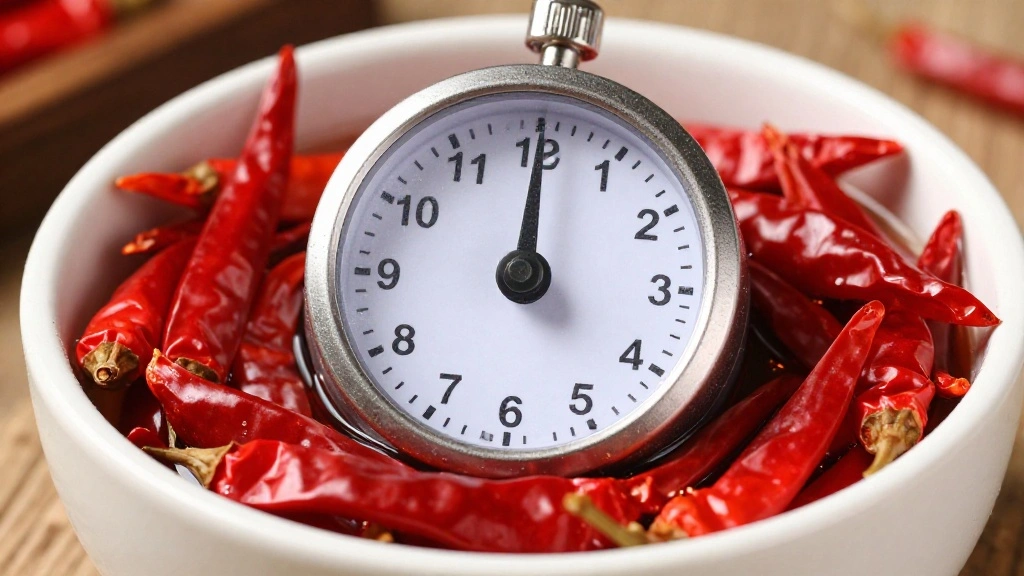
Cover with warm water and let soak for 15 minutes.
After soaking, drain the water and remove the seeds.
Set the chilies aside for blending.


Step 3: Toast Spices
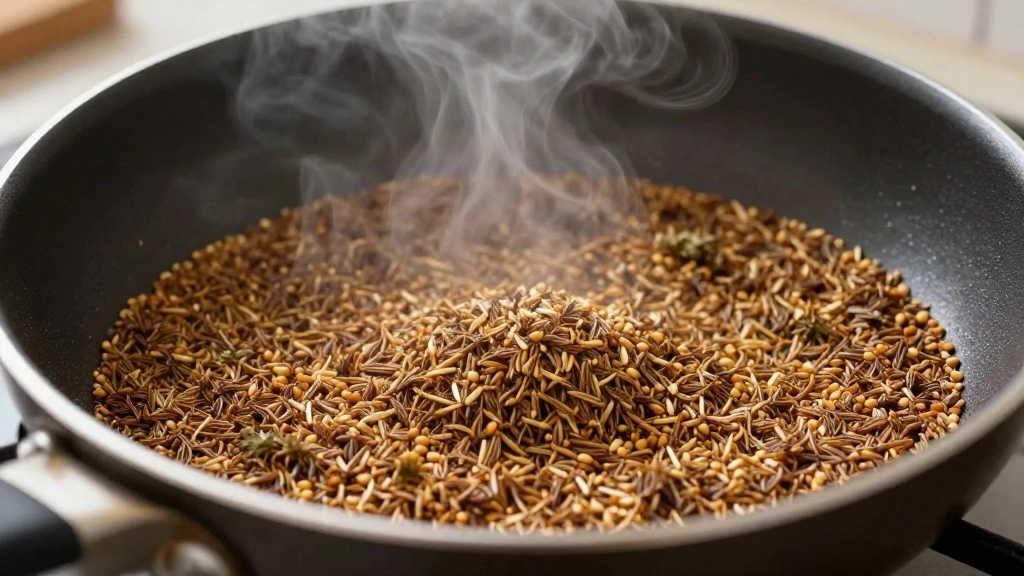
Add coriander and cumin seeds to the pan.
Toast for about 2 minutes, stirring constantly.
Remove from heat when they release a fragrant aroma.
Step 4: Grind Spices
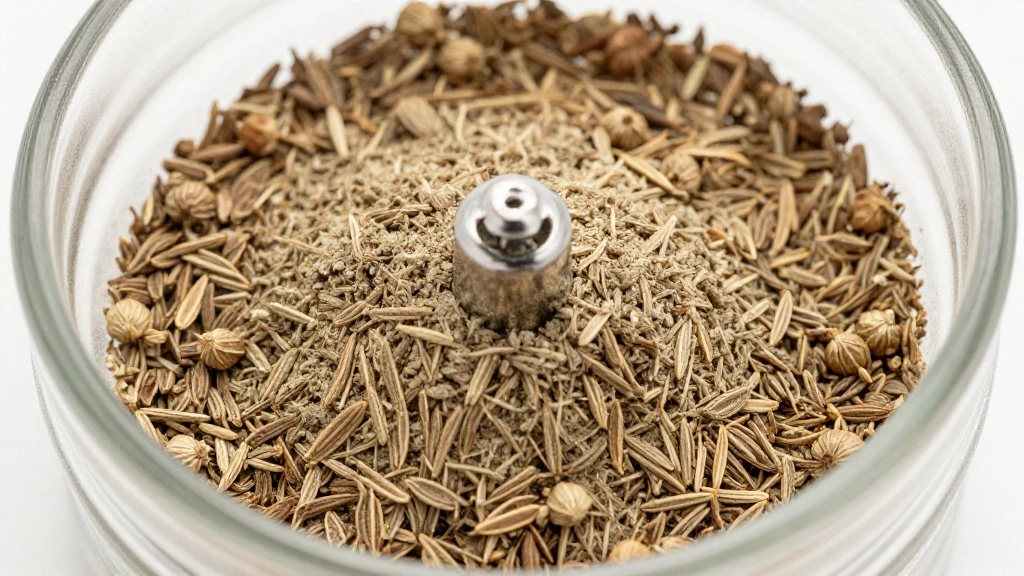
Grind them into a fine powder.
Ensure there are no large pieces remaining.
Set the ground spices aside with the other ingredients.
Step 5: Blend Ingredients
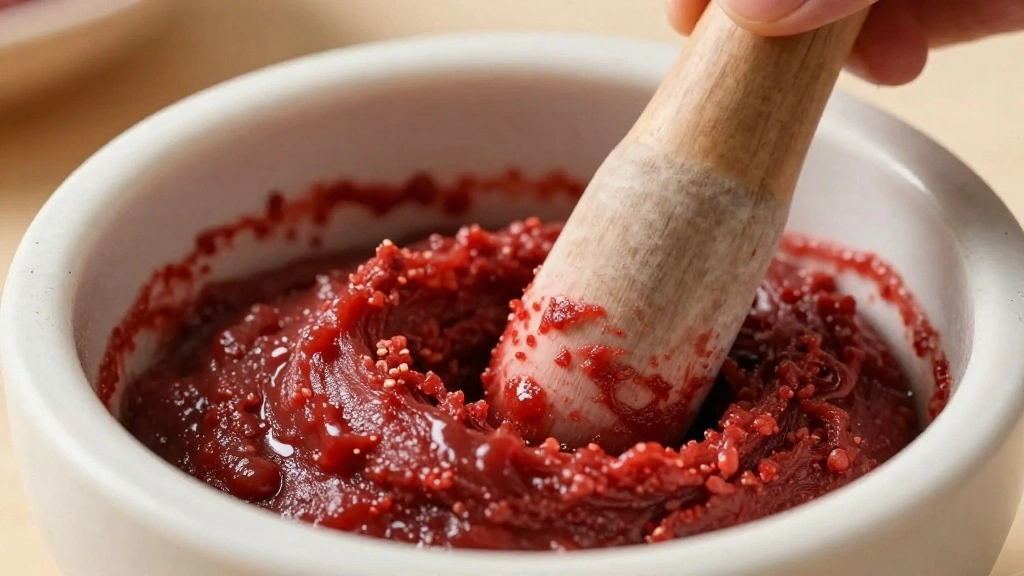
Add the ground spices and sea salt.
Begin grinding with the pestle, using circular motions.
Continue until a smooth paste forms.


Step 6: Adjust Consistency
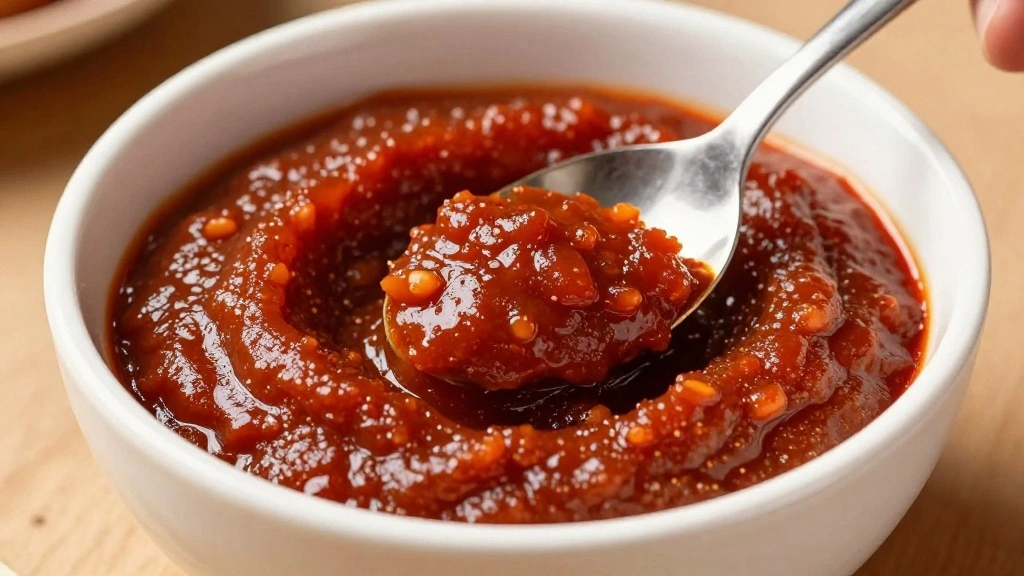
Mix thoroughly until the paste reaches a spreadable consistency.
Check for smoothness and adjust oil as needed.
The paste should be thick but pliable.
Step 7: Taste and Refine
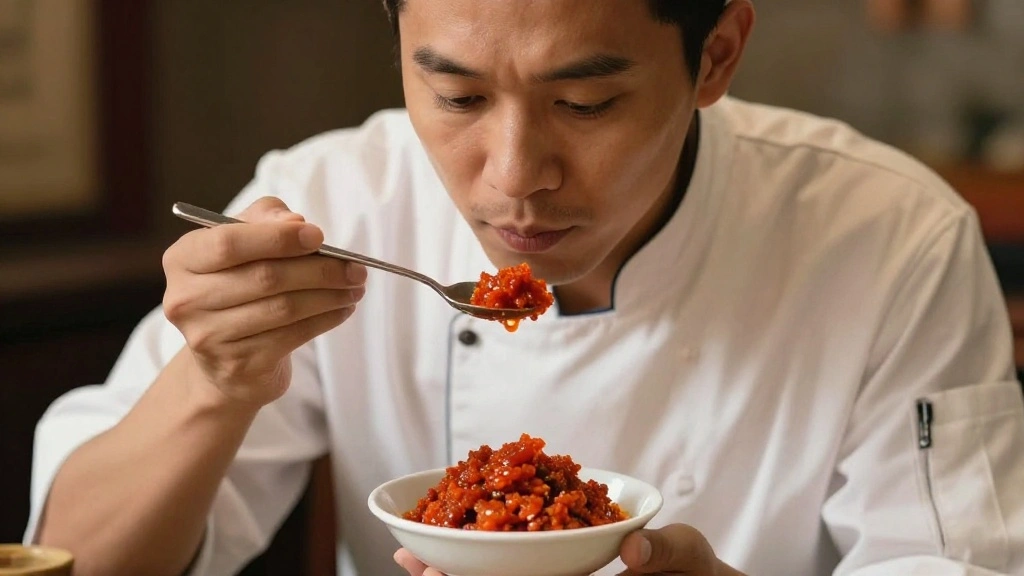
Add more salt if needed for seasoning.
Ensure the paste has a balanced profile of spicy, sweet, and umami.
Refine with additional lime zest if more fragrance is desired.
Step 8: Store or Use Immediately
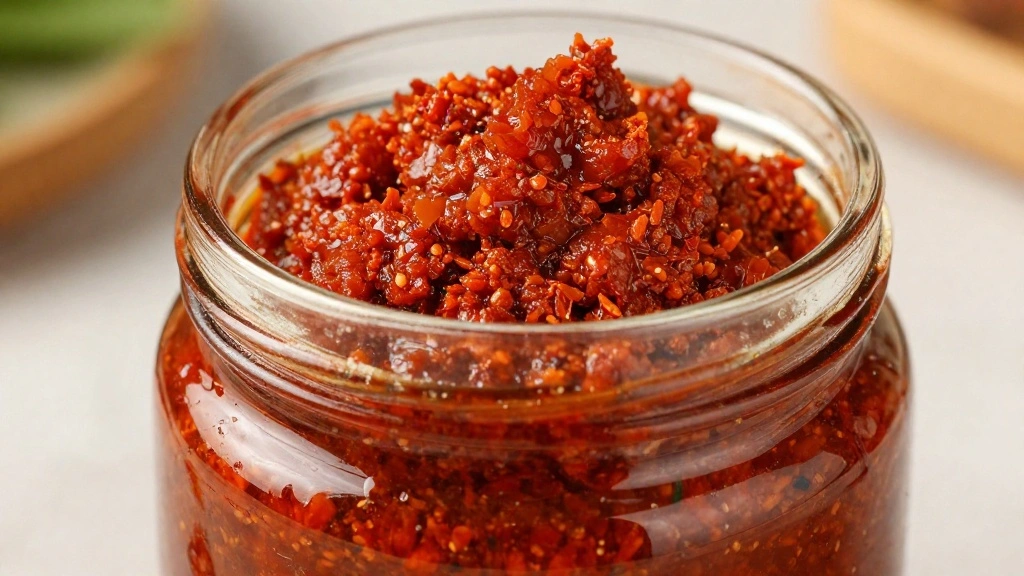
Store in the refrigerator if not using immediately.
The paste can be kept for up to 2 weeks.
Use as a base for curries or other Thai dishes.
Critical Timing and Temperature Guide
Toasting Spices: Toast for 2 minutes over medium heat. Look for a fragrant aroma but avoid burning, which can cause bitterness.
Grinding Paste: Grind until completely smooth. Incomplete grinding can result in a gritty texture, which is undesirable.
Pro Tips for Thai Red Curry
• Preparation Secret: Soak the chilies in advance and use the soaking liquid to adjust paste consistency for added depth of flavor.
• Temperature Management: Keep the paste cool when not in use to preserve its freshness and vibrant color.
• Texture Enhancement: Use a mortar and pestle for grinding to achieve a smoother, more integrated paste.
• Flavor Layering: Add freshly grated lime zest at the end to amplify the citrus notes and provide a refreshing finish.
• Make-Ahead Strategies: Prepare the paste in bulk and freeze in small portions for quick and convenient use.
• Restaurant-Quality Finishing Touches: Drizzle a small amount of coconut cream over the paste before serving to enhance richness.
• Equipment Optimization: Use a sharp knife to finely chop ingredients before grinding, reducing the workload on your mortar and pestle.


Troubleshooting Common Issues
• Flavors Unbalanced: If the paste tastes too spicy or salty, add a touch of sugar or lime zest to balance the flavors.
• Gritty Texture: Incomplete grinding can cause this issue. Ensure all ingredients are finely chopped before grinding, and take your time with the mortar and pestle.
• Color Fading: Exposure to air can cause the paste to lose its vibrant color. Store in an airtight container, and press plastic wrap directly onto the surface inside the jar to minimize air contact.
• Overpowering Shrimp Paste: If the shrimp paste flavor is too strong, reduce the amount next time, or add more fresh herbs to balance it out.
• Spices Not Toasted Evenly: Ensure spices are stirred constantly while toasting to avoid uneven heating and burning.


Variations and Regional Differences
• Northern Thai Variation: Often includes a higher proportion of dried chilies and omits shrimp paste, resulting in a spicier, less umami-forward paste.
• Central Thai Style: Balances sweetness with palm sugar, creating a slightly sweeter and more aromatic paste.
• Vegetarian Version: Omits shrimp paste and replaces it with fermented soybeans or miso for a similar umami effect without animal products.
Food Science Behind the Recipe
• Flavor Extraction: Grinding releases essential oils from herbs and spices, enhancing the paste’s aromatic profile.
• Maillard Reaction: Toasting spices initiates the Maillard reaction, which develops deeper, more complex flavors in the final paste.
Frequently Asked Questions
Can I use a food processor instead of a mortar and pestle? Yes, but the texture may be less authentic. A mortar and pestle allows for better flavor extraction.
How can I store leftover curry paste? Store in an airtight container in the refrigerator for up to two weeks, or freeze for up to three months.
What can I substitute for shrimp paste? Use fermented soybeans or miso for a vegetarian alternative with similar umami flavor.
How do I adjust the spiciness of the paste? Reduce the number of chilies or remove more seeds for a milder paste.
Is it necessary to toast the spices? Toasting is crucial for developing flavor depth and is highly recommended.
Can I prepare the paste ahead of time? Yes, the paste can be made in advance and stored, allowing flavors to meld and intensify.
Serving and Presentation Guide
• Garnished Elegance: Top with a drizzle of coconut cream and a sprinkle of finely chopped cilantro for added color and flavor.
• Rustic Approach: Serve alongside a variety of fresh vegetables and herbs for a vibrant, natural presentation.
• Modern Minimalism: Present in a clean, white ceramic dish to highlight the paste’s vibrant color and texture.
Conclusion
With its rich flavors and aromatic spices, you’ll find endless ways to incorporate it into your cooking.
Don’t hesitate to experiment and make this recipe your own.
Enjoy the satisfaction of crafting a truly traditional Thai ingredient from scratch.