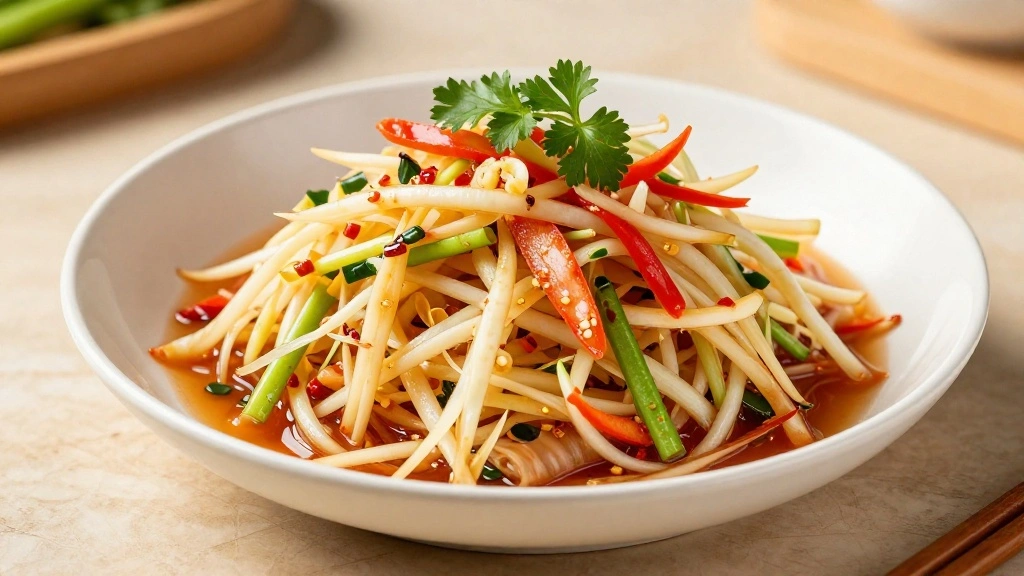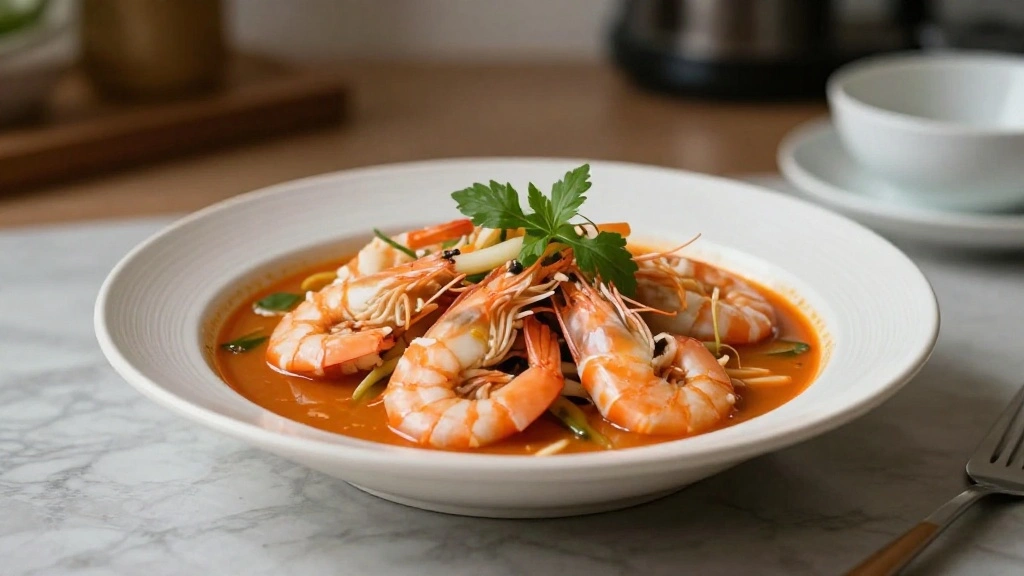

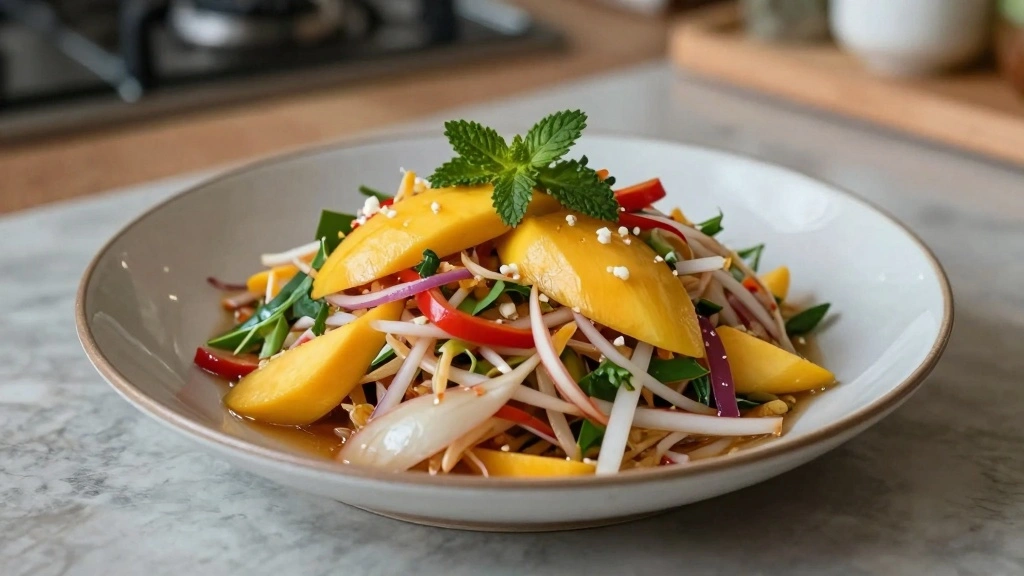


Thai Mango Salad is a refreshing explosion of flavors that perfectly balances the sweet, sour, spicy, and salty elements of traditional Thai cuisine.
Its vibrant colors and tantalizing aroma make it a feast for the senses before you even take a bite.
I first encountered this delightful dish on a warm afternoon in Bangkok, where the street vendors skillfully crafted it from the freshest ingredients.
The combination of ripe mango, crisp vegetables, and zesty dressing is the essence of summer, offering a light yet satisfying meal.
Whether you’re looking to add a touch of Thailand to your meal rotation or impress guests with a unique side dish, Thai Mango Salad is both accessible and extraordinary.
The History and Cultural Significance
• The dish evolved over decades as different regions added their own twists, incorporating local ingredients and spices.
• In Thai culture, this dish traditionally appears at family gatherings and festivals, symbolizing the abundance and vibrancy of the land.
• While many variations exist across different regions, the authentic version maintains its signature balance of sweet, sour, spicy, and salty flavors that sets it apart from imitations.


Recipe Overview
Nutritional Information (per serving)
Essential Equipment Guide
Mortar and Pestle: This traditional tool is essential for crushing garlic and chilies to release their full flavor. A food processor could work in a pinch, but the mortar and pestle provide better control over the texture. Choose one made of granite or another heavy material for stability.
Large Mixing Bowl: A large mixing bowl is needed to combine all ingredients thoroughly without spilling. While any bowl can work, a wide, shallow bowl allows for better mixing and presentation. Opt for one with a non-slip base for added convenience.


Ingredients
For the Salad
| Amount | Ingredient | Notes |
|---|---|---|
| 2 large | ripe mangoes | peeled and julienned |
| 1 cup | green papaya | shredded for crunch |
| 1 cup | cucumber | sliced thinly |
| 1/4 cup | red onion | finely sliced |
| 1/4 cup | fresh cilantro | chopped |
For the Dressing
| Amount | Ingredient | Notes |
|---|---|---|
| 2 tablespoons | fish sauce | adds umami |
| 2 tablespoons | lime juice | provides acidity |
| 1 tablespoon | palm sugar | balances flavors |
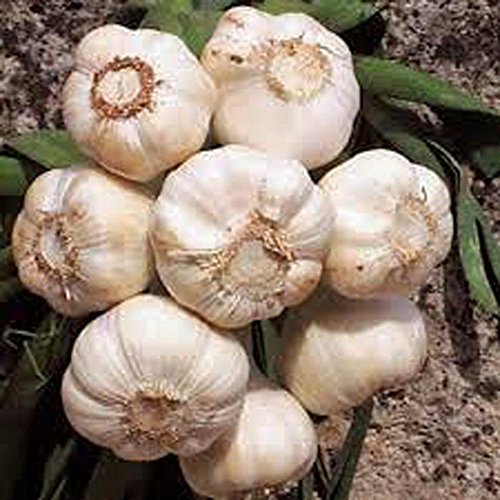
| 2 cloves | garlic | crushed |
| 1 small | red chili | finely chopped for heat |


Preparation Methods
Balancing Flavors: Thai cuisine is known for its complex balance of flavors. In this dish, achieving the right mix of sweet, salty, sour, and spicy is crucial. Taste the dressing before combining it with the salad, and adjust the seasoning to suit your preference.
Tossing: Properly tossing the salad ensures even distribution of the dressing and flavors. Use a large bowl and gently lift and turn the ingredients with tongs or clean hands to avoid bruising the delicate mango and vegetables.



Step 1: Prepare the Mangoes
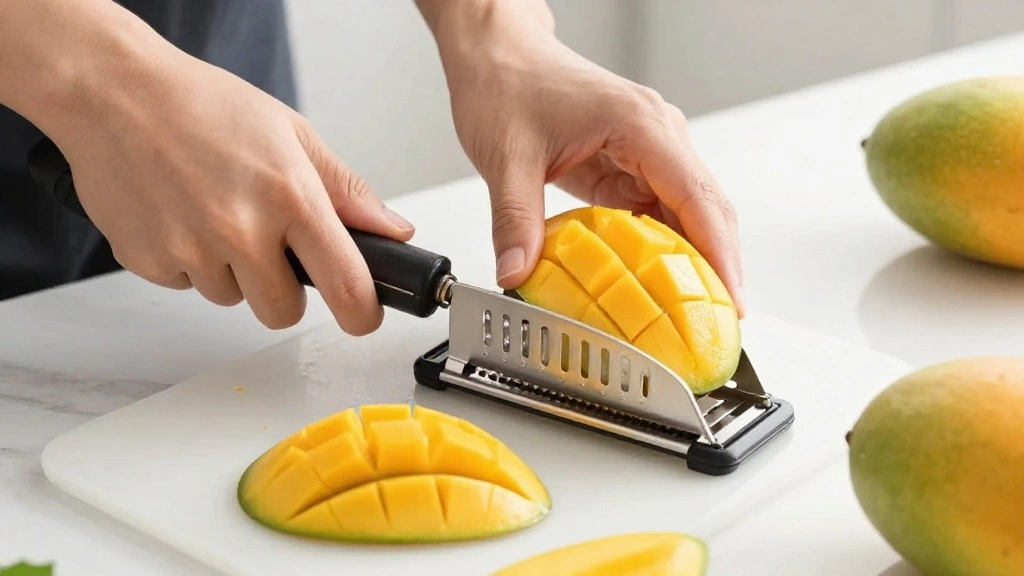
Use a mandoline slicer for uniformity and ease.
Ensure the strips are of consistent thickness for even texture in the salad.
Work carefully to avoid squashing the ripe mango flesh.

Step 2: Shred the Green Papaya
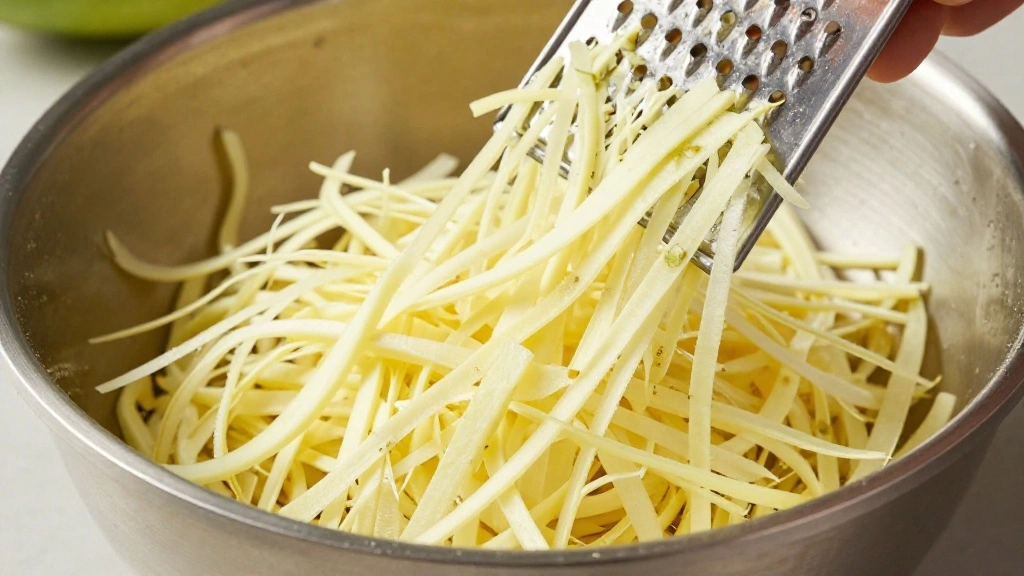
Aim for long, thin strands that will add crunch to the salad.
If the papaya is too firm, soak the strands in cold water for a few minutes to soften.
Drain well before adding to the salad.
Step 3: Slice the Cucumber and Onion
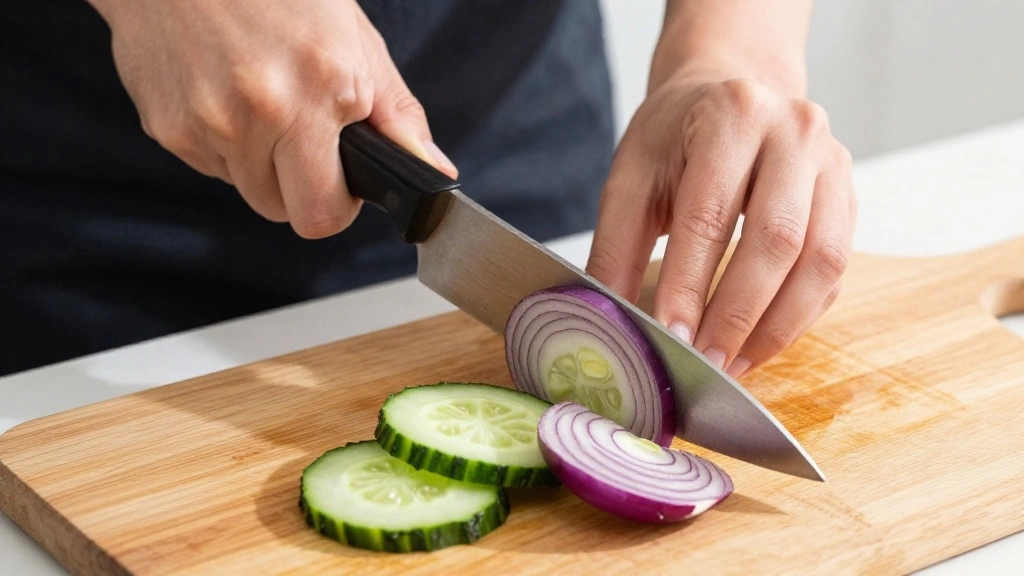
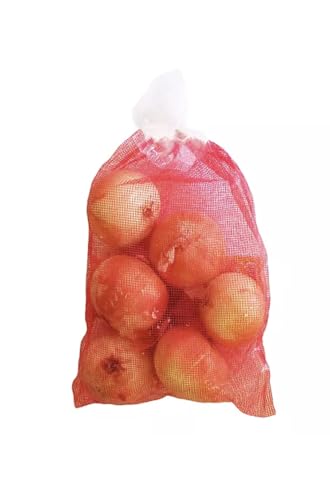
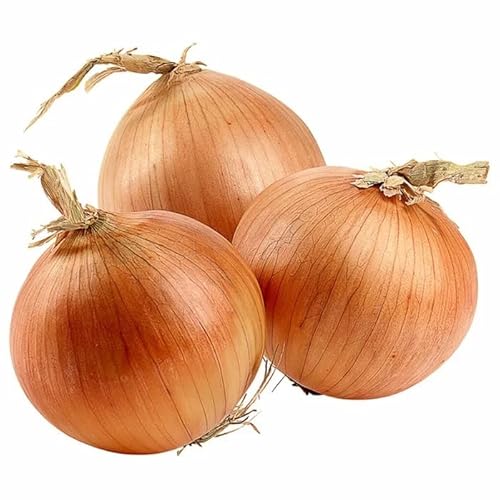
Cut the red onion into fine slices, ensuring they are not too thick.
Keep the slices consistent to maintain an even distribution of flavors.
Rinse the onion slices in cold water to remove any harshness.

Step 4: Chop the Cilantro
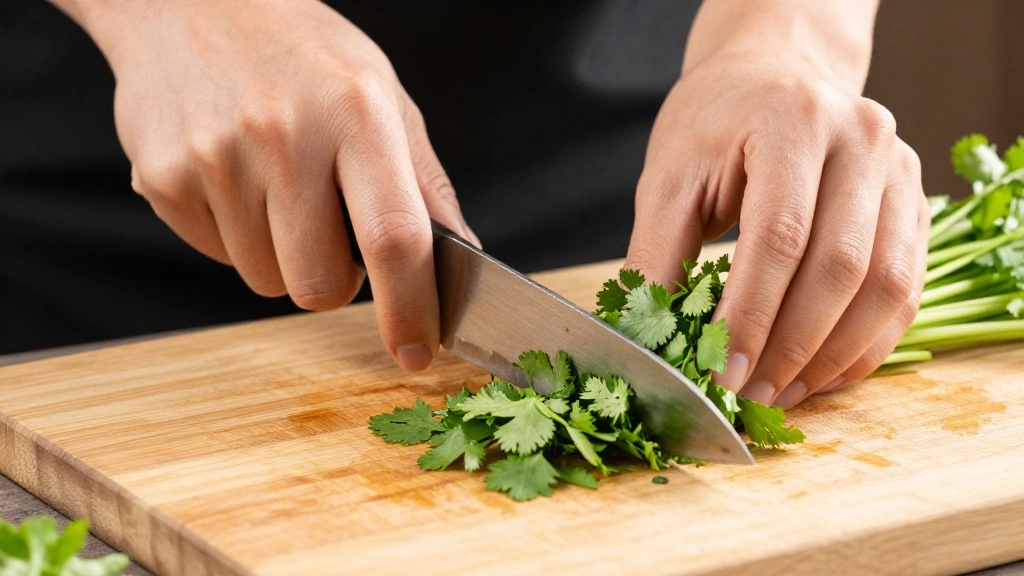
Include both the leaves and tender stems for maximum flavor.
The cilantro should be evenly distributed throughout the salad.
Use a sharp knife to avoid bruising the herbs.



Step 5: Make the Dressing
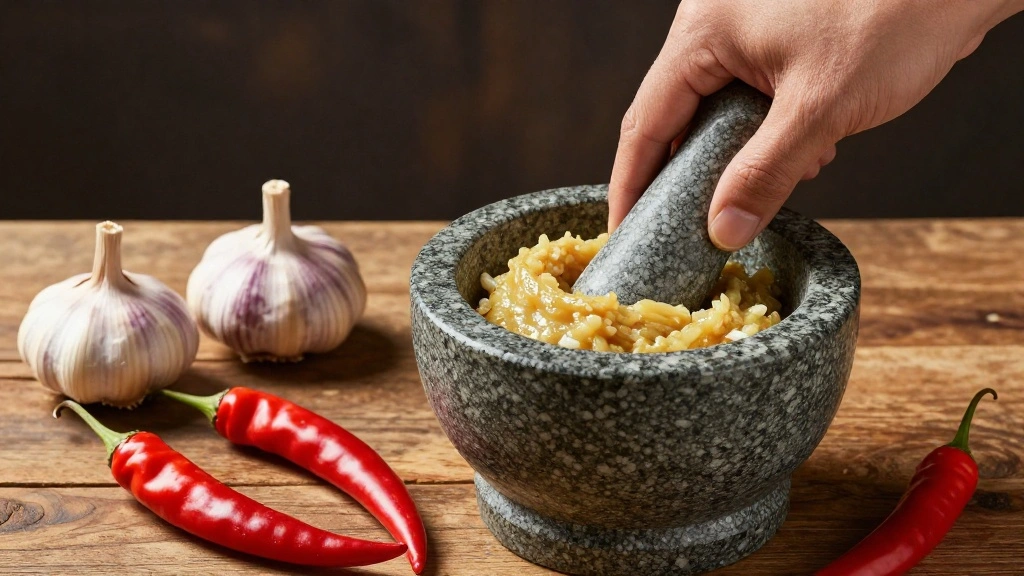
Add the fish sauce, lime juice, and palm sugar to the paste.
Mix well until the sugar is fully dissolved and the dressing is smooth.
Taste and adjust the seasoning if necessary.


Step 6: Combine the Salad Ingredients
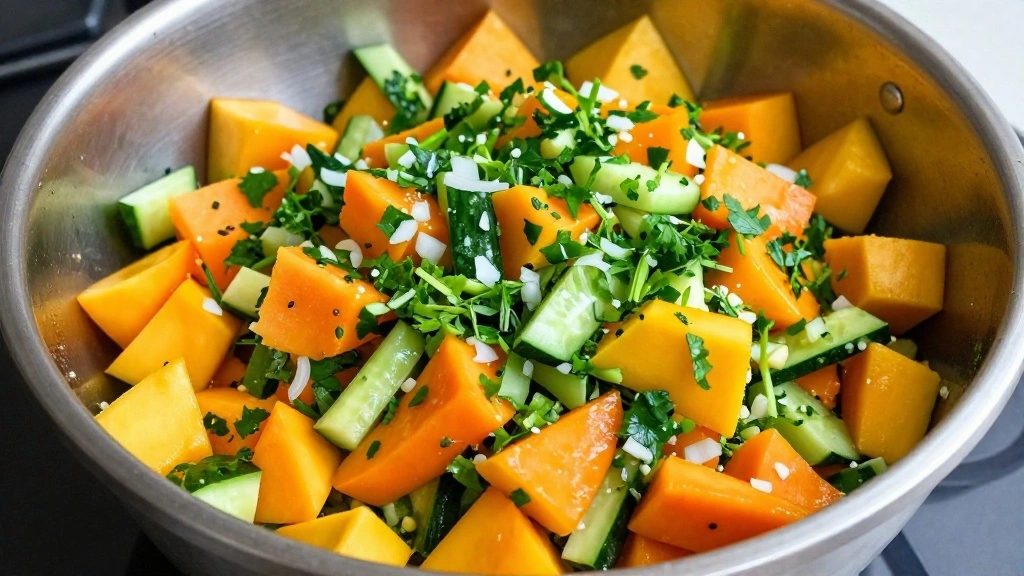
Gently toss the ingredients to mix them evenly.
Ensure the vegetables and mango are well distributed throughout the bowl.
Be careful not to crush the mango pieces.
Step 7: Dress the Salad
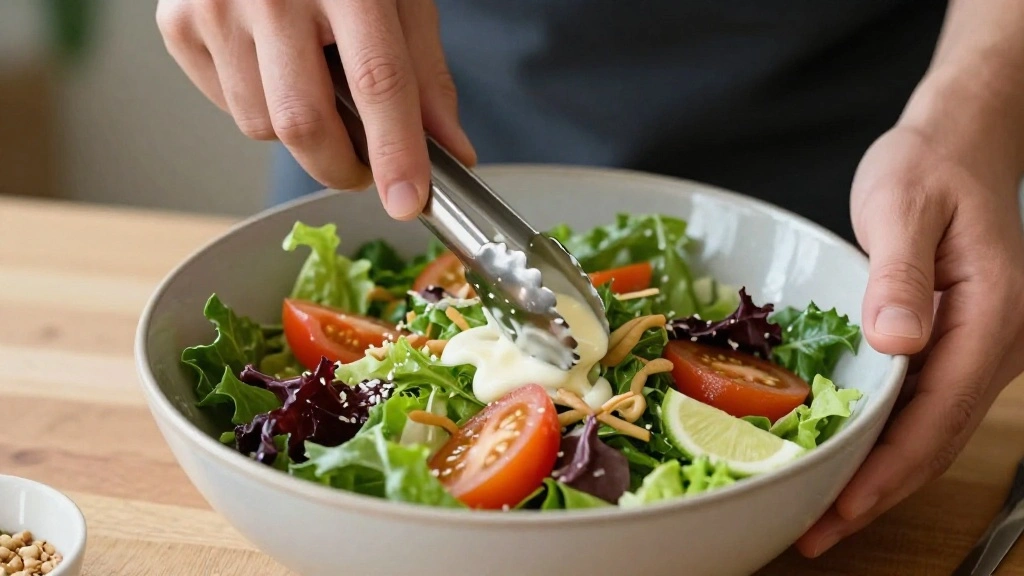
Use tongs or clean hands to toss the salad gently, ensuring all components are coated.
Taste the salad to check for flavor balance and adjust if needed.
Allow the salad to sit for a few minutes to let the flavors meld.


Step 8: Serve and Enjoy
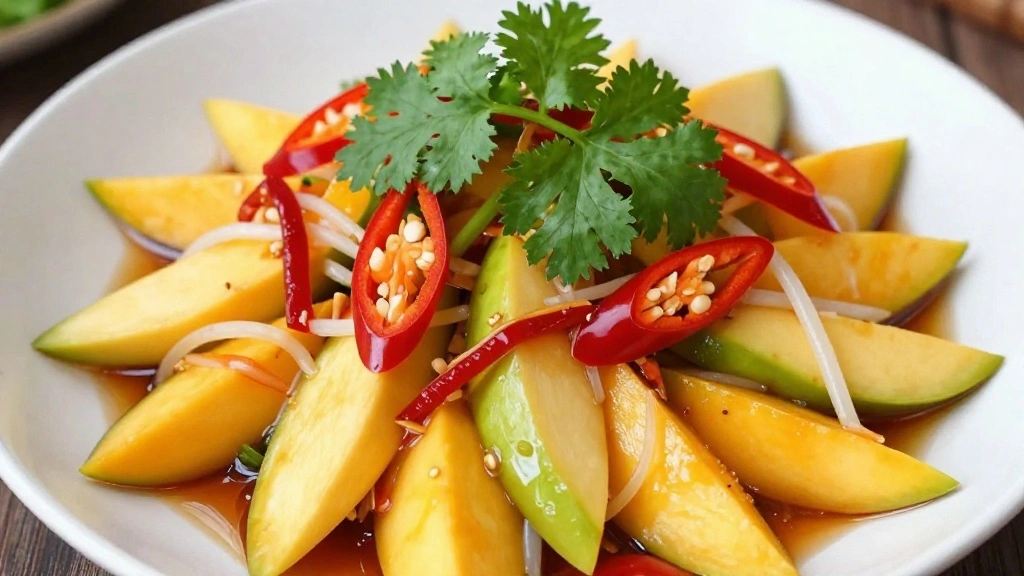
Garnish with extra cilantro leaves or sliced chili for added color.
Serve immediately to enjoy the fresh, vibrant flavors at their peak.
Pair with grilled meats or enjoy as a light, standalone dish.


Critical Timing and Temperature Guide
Resting the Dressing: Allow the dressing to rest for at least 5 minutes after mixing to let the flavors meld. This step is crucial for achieving a well-balanced taste.
Serving Temperature: Serve the salad at room temperature to ensure the best flavor and texture. Serving too cold can mask the flavors, while too warm can make the salad soggy.
Pro Tips for Thai Mango Salad
• Preparation Secret: Lightly massaging the shredded green papaya with a pinch of salt can enhance its crunch and flavor.
• Temperature Management: Keep the dressing ingredients at room temperature to ensure easy mixing and even coating.
• Texture Enhancement: Toss the salad gently to maintain the integrity of the mango and vegetables, ensuring a pleasing texture.
• Flavor Layering: Add a pinch of finely grated lime zest to the dressing for an extra burst of citrus flavor.
• Make-Ahead Strategies: Prepare the mango and papaya ahead of time, storing them separately in the refrigerator. Combine and dress just before serving.
• Restaurant-Quality Finishing Touches: Garnish with toasted peanuts or cashews for added crunch and a professional touch.
• Equipment Optimization: Use a wide, shallow mixing bowl to toss the salad evenly without spilling.
Troubleshooting Common Issues
• Flavors Unbalanced: If the salad tastes too salty or sweet, adjust by adding more lime juice or a splash of water to balance the flavors.
• Insufficient Heat: For more spice, add extra chopped chili or a dash of chili flakes to the dressing.
• Overly Ripe Mango: If the mango is too soft, consider using a firmer variety or adjusting the slicing technique to maintain texture.
• Uneven Flavor Distribution: Ensure the dressing is thoroughly mixed and the salad is well-tossed to achieve even flavor.
• Ingredient Separation: If the salad ingredients separate, toss again gently before serving or add a touch more dressing to bind them.
Variations and Regional Differences
• Isaan Style: Incorporates more chili and lime, resulting in a spicier and tangier salad that is a staple in northeastern Thailand.
• Vietnamese Influence: Adds herbs like mint and Thai basil, creating a more aromatic and herbal profile.
• Western Fusion: Sometimes features avocado and cherry tomatoes, adapting the traditional recipe for a modern palate.

Food Science Behind the Recipe
• Enzymatic Browning: The acid in the lime juice helps prevent the mango and papaya from browning, keeping the salad vibrant and fresh-looking.
• Osmosis: Salting the papaya encourages osmosis, drawing out excess moisture and enhancing crispness.
Frequently Asked Questions
Can this salad be made ahead of time? Yes, you can prepare the components ahead of time, but it’s best to combine and dress just before serving.
What can I use as a substitute for fish sauce? Soy sauce or tamari can be used as a substitute, though the flavor will be slightly different.
Is there a way to make this salad less spicy? Yes, reduce the amount of chili or remove the seeds to lessen the heat.
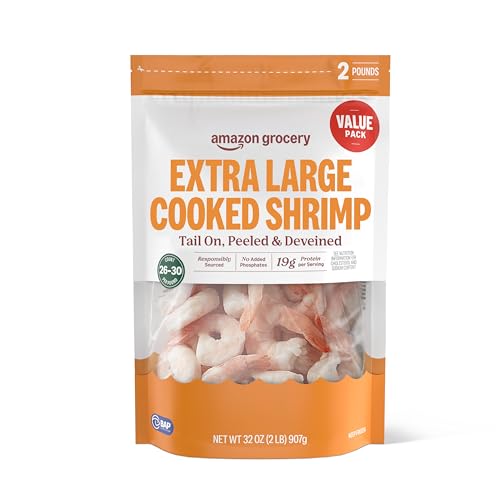
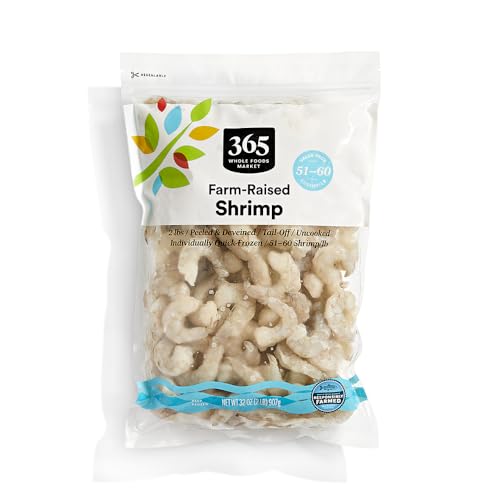
How can I add more protein to this dish? Add grilled chicken, shrimp, or tofu for a more substantial meal.
Why is my salad not as flavorful as expected? Ensure the dressing is well-balanced and that the salad is properly tossed to distribute flavors evenly.
What type of mango is best for this salad? Use a firm, less fibrous variety like Ataulfo or Haden for the best texture.
Serving and Presentation Guide
• Individual Plating: Present the salad in individual bowls or plates, garnished with a wedge of lime for a touch of elegance.
• Layered Presentation: Layer the mango, papaya, and vegetables in a clear glass bowl for a visually appealing presentation that highlights the vibrant colors.
• Family-Style Serving: Serve in a large communal bowl with a serving spoon, encouraging guests to help themselves.


Conclusion
Its vibrant colors and refreshing flavors make it a standout dish for any occasion.
Give this recipe a try and savor the authentic taste of Thai cuisine in your own home.