
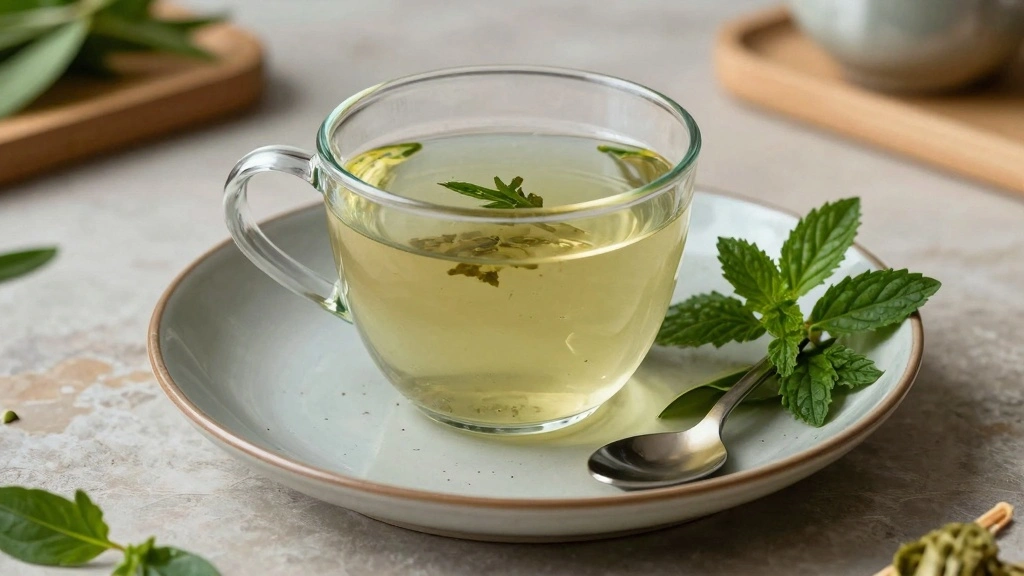


I discovered authentic Thai Green Tea during my travels through Thailand, where the locals have perfected its refreshing taste over generations.
The smooth blend of earthy green tea with subtle floral notes creates a unique beverage that is both invigorating and calming.
This delightful drink is an essential part of Thai culture, often enjoyed as a refreshing escape from the tropical heat.
Whether you’re sipping it on a sunny afternoon or serving it at a social gathering, Thai Green Tea offers a tantalizing experience that is both exotic and comforting.
Prepare to be captivated by its vibrant color and enchanting flavor profile that will have you reaching for another cup.
The History and Cultural Significance
• The dish evolved over decades as trade introduced new spices and flavors, eventually becoming the beloved version we know today.
• In Thai culture, this drink traditionally appears at festivals and ceremonies, symbolizing hospitality and warmth.
• While many variations exist across different regions, the authentic version maintains a delicate balance of sweetness and bitterness that sets it apart from imitations.
Recipe Overview
Nutritional Information (per serving)
Essential Equipment Guide
Measuring Spoon: Precise measurements are crucial for achieving the perfect balance of flavors, particularly when adding sugar and other sweeteners. A digital scale can be a suitable alternative for more accuracy.
Glass Pitcher: Using a glass pitcher helps in maintaining the temperature and showcasing the vibrant color of the tea. A clear, heat-resistant pitcher is ideal for both preparation and presentation.


Ingredients
For the Tea
| Amount | Ingredient | Notes |
|---|---|---|
| 4 tablespoons | loose leaf green tea | authentic Thai green tea leaves recommended |
| 4 cups | water | freshly boiled, slightly cooled |
For Sweetening
| Amount | Ingredient | Notes |
|---|---|---|
| 4 tablespoons | sugar | adjust to taste |
For Serving
| Amount | Ingredient | Notes |
|---|---|---|
| 1 cup | ice cubes | to serve chilled |
| 4 tablespoons | condensed milk | optional, adds creaminess |


Preparation Methods
Sugar Dissolution: Ensuring the sugar fully dissolves in the hot tea before it cools helps in achieving a consistent sweetness throughout the drink. Stir continuously and taste for balance.
Ice Layering: Properly layering ice in the serving glass helps in cooling the tea without diluting it too quickly. Use large ice cubes for slower melting and to keep the tea at the perfect drinking temperature.


Step 1: Prepare Ingredients
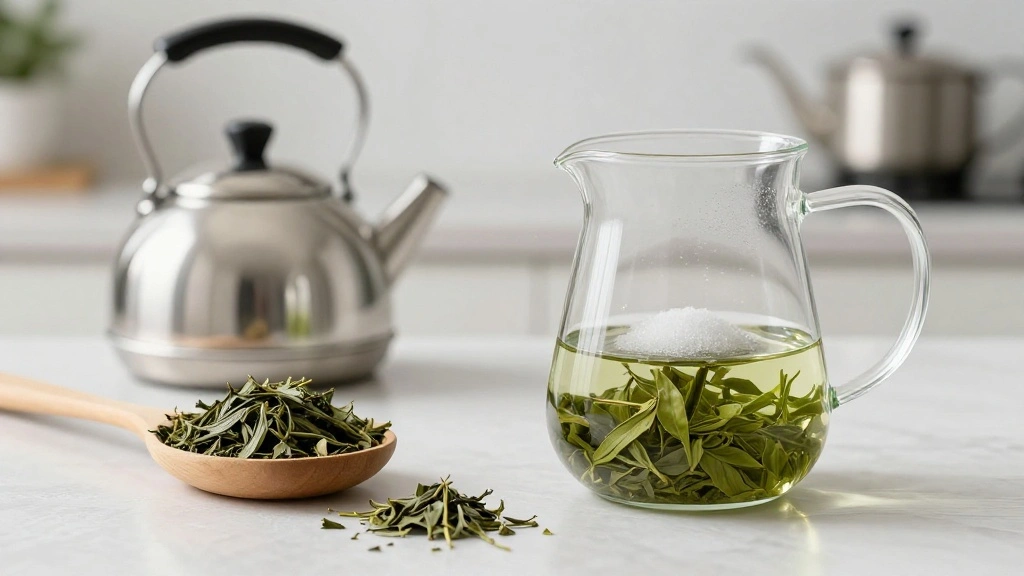
Ensure the water is freshly boiled and slightly cooled.
Measure out the loose leaf green tea and sugar.
Have your ice cubes and optional condensed milk ready for serving.
Step 2: Boil Water
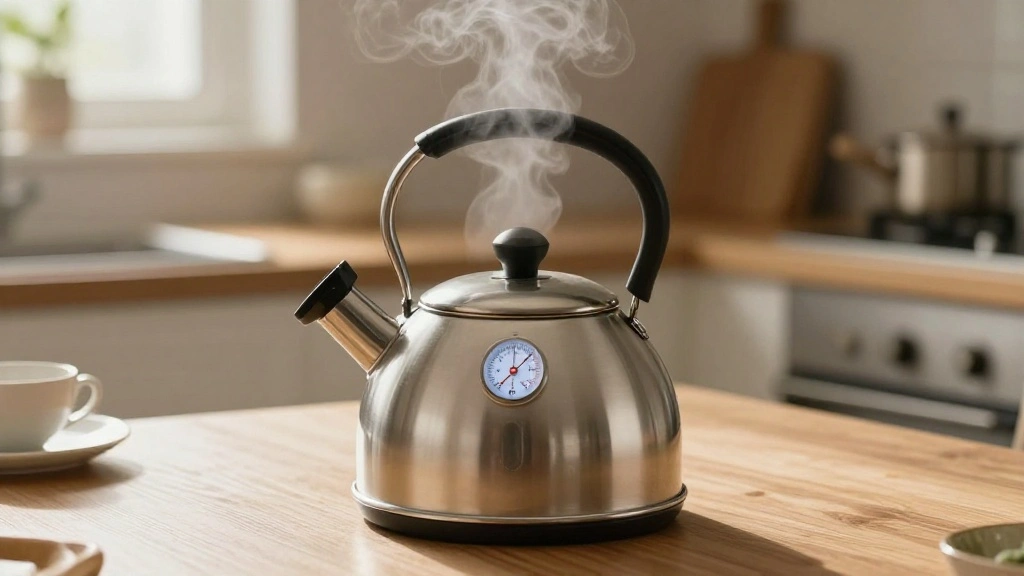
Once boiled, allow it to cool for a couple of minutes to reach about 80°C (175°F).
This temperature is crucial to prevent the tea from becoming bitter.
Use a thermometer if available to ensure accuracy.
Step 3: Steep the Tea
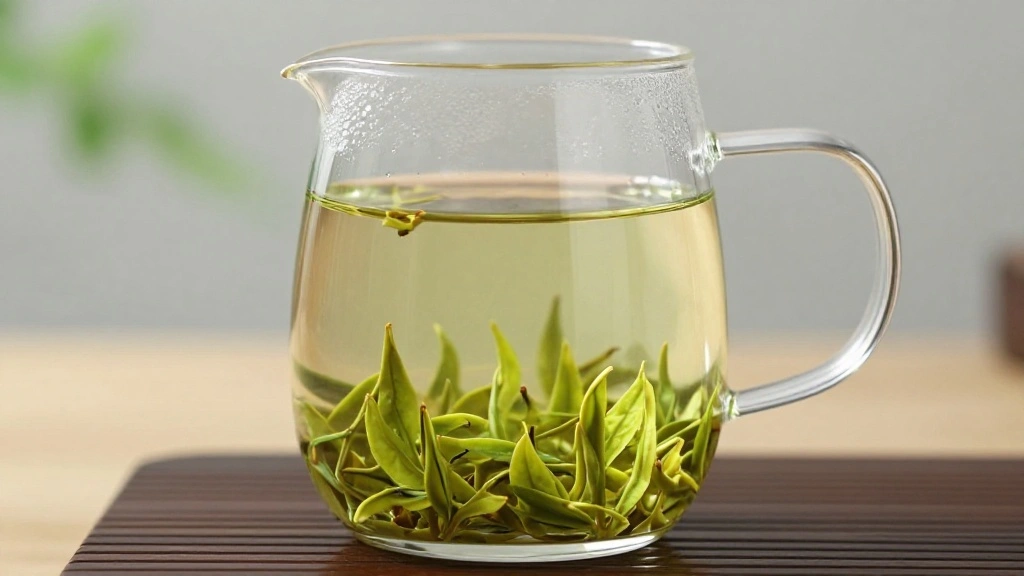
Submerge the infuser into the glass pitcher with the slightly cooled water.
Allow the tea to steep for 3-5 minutes, depending on desired strength.
Stir gently to enhance flavor extraction.
Step 4: Sweeten the Tea

Add the sugar into the hot tea while stirring continuously.
Ensure the sugar is fully dissolved for a uniform sweetness.
Taste and adjust sweetness if necessary.
Step 5: Cool the Tea
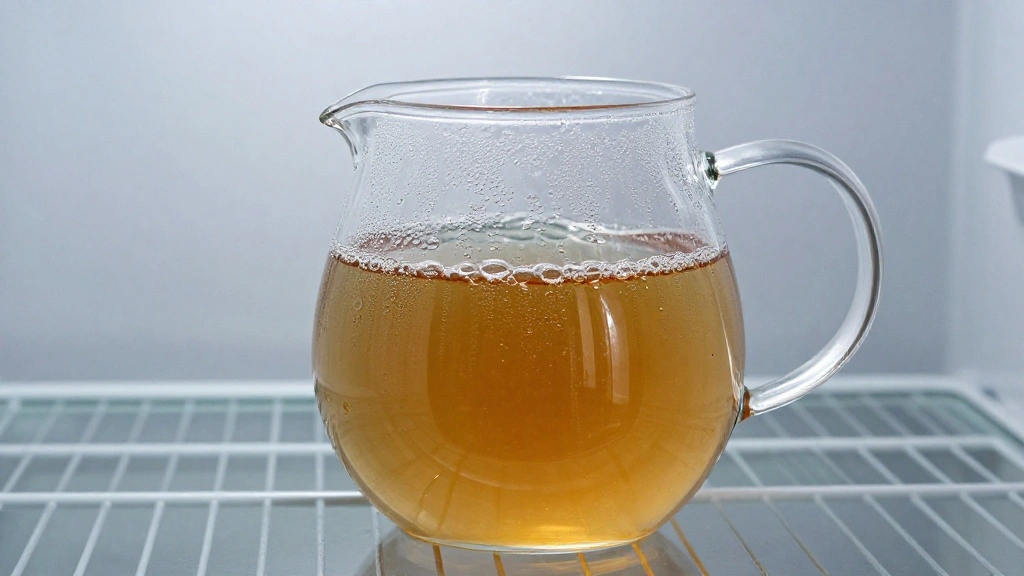
This step is important before adding ice to avoid rapid melting.
Place the pitcher in the refrigerator for faster cooling if desired.
Ensure the tea is fully cooled before proceeding.
Step 6: Prepare Serving Glasses

Large ice cubes are preferable to minimize dilution.
Ensure the glasses are clean and clear for optimal presentation.
Set aside for final preparation.
Step 7: Serve the Tea
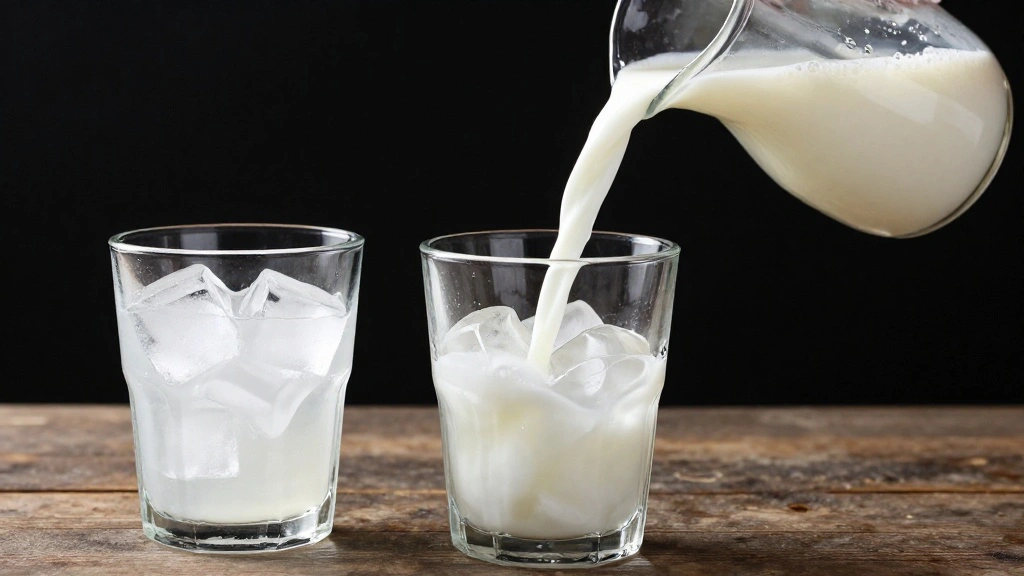
Leave some space at the top for optional condensed milk.
Observe the beautiful color and clarity of the tea.
Add a tablespoon of condensed milk if desired, stirring gently.
Step 8: Enjoy
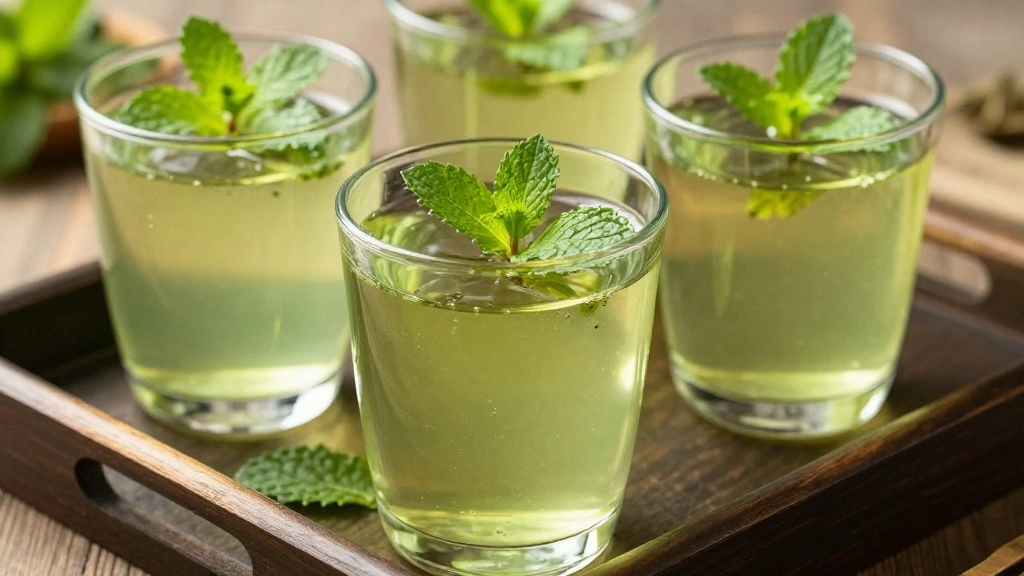
Garnish with a sprig of mint for an extra touch of freshness.
Sip slowly to enjoy the harmonious blend of flavors.
Share and enjoy with friends or family.


Critical Timing and Temperature Guide
Cooling the Tea: Allow the tea to cool to room temperature before serving. Rapid cooling can result in a loss of aroma. The tea should be cool but not cold when poured over ice.
Serving the Tea: Serve the tea immediately after pouring over ice to maintain its refreshing quality. Delayed serving can cause the ice to melt too quickly, diluting the flavor.
Pro Tips for Thai Green Tea
• Preparation Secret: Gently stir the tea while steeping to enhance flavor extraction, a technique often overlooked.
• Temperature Management: Use water at 80°C (175°F) to steep the tea, as too hot water can cause bitterness.
• Texture Enhancement: Adding condensed milk can give a creamy texture that complements the tea’s natural flavors.
• Flavor Layering: Introduce a hint of floral notes by adding a small piece of jasmine flower during steeping.
• Make-Ahead Strategies: Steep and sweeten the tea ahead, then refrigerate for up to 24 hours. Add ice and condensed milk just before serving.
• Restaurant-Quality Finishing Touches: Garnish with fresh mint leaves or a slice of lime for an added burst of freshness.
• Equipment Optimization: Ensure your tea infuser is spacious enough for the leaves to expand fully, allowing better infusion.



Troubleshooting Common Issues
• Tea Too Weak: This occurs when not enough tea is used or steeping time is too short. Increase the amount of tea leaves or steep longer.
• Sugar Not Dissolving: Ensure the tea is hot enough when adding sugar. Stir continuously until fully dissolved.
• Ice Melting Too Fast: Use larger ice cubes and ensure the tea is cooled before pouring over ice.
• Cloudy Appearance: This can happen if the tea is not properly cooled before being iced. Allow the tea to cool to room temperature before serving.
Variations and Regional Differences
• Southern Thailand Variation: Often incorporates coconut milk instead of condensed milk, adding a rich, tropical flavor.
• Central Thailand Variation: Features a stronger brew with additional spices such as star anise for an aromatic twist.
• Modern Urban Variation: Combines matcha powder with traditional green tea for a vibrant color and enhanced flavor.
Food Science Behind the Recipe
• Temperature Effects: The temperature at which tea is steeped affects the solubility of different compounds, impacting bitterness and aroma.
• Ice and Dilution: The size of the ice cubes affects the rate of dilution. Larger cubes melt slower, maintaining the tea’s concentration longer.



Frequently Asked Questions
Can I use tea bags instead of loose leaf tea? While tea bags can be used, loose leaf tea provides a richer flavor and authentic experience.
How can I make the tea creamier? Adding condensed milk or a splash of coconut milk can create a creamier texture.
Is it necessary to use a tea infuser? While a tea infuser is ideal, you can also strain the tea leaves using a fine-mesh strainer.
Can I prepare Thai Green Tea in advance? Yes, you can prepare it a day in advance and store it in the refrigerator. Just add ice before serving.
Why does my tea look cloudy? Cloudiness can occur if the tea isn’t properly cooled before adding ice.
Is condensed milk necessary? Condensed milk is optional and can be omitted for a lighter version, or replaced with plant-based milk for a vegan option.
What can I use as a garnish? Fresh mint, a slice of lime, or even a star anise can be used for garnish to add visual appeal and flavor.
Serving and Presentation Guide
• Modern Chic: Use double-walled glasses to keep the drink cold longer and highlight the tea’s clarity without condensation.
• Rustic Style: Present in a mason jar with a slice of lime on the rim for a casual, rustic appeal.
• Elegant Setting: Serve in a crystal glass with a small dessert spoon for stirring in the condensed milk, adding a touch of elegance.


Conclusion
With its harmonious blend of flavors and refreshing qualities, it’s perfect for any occasion.
I encourage you to try this recipe and share its unique charm with your loved ones.