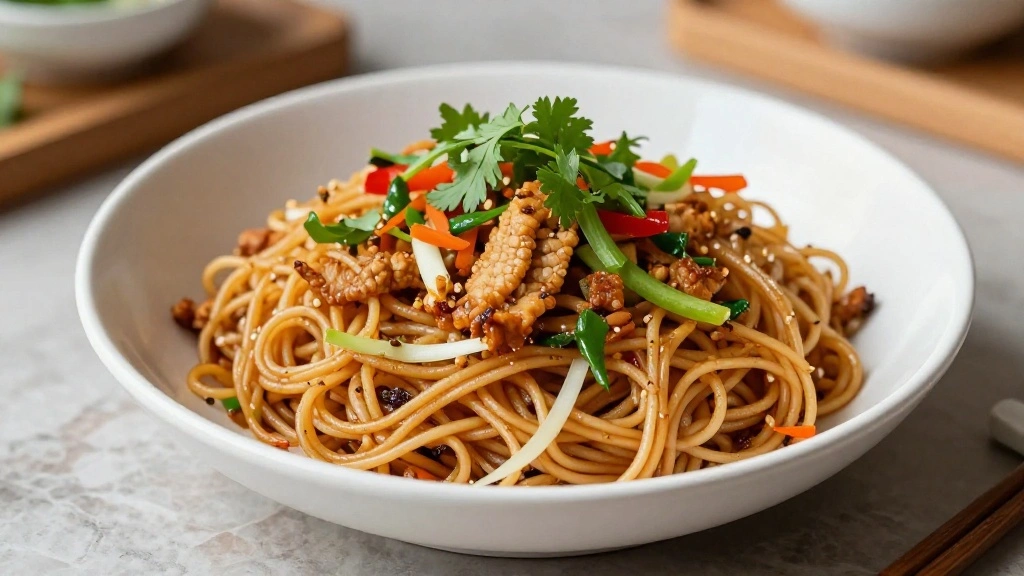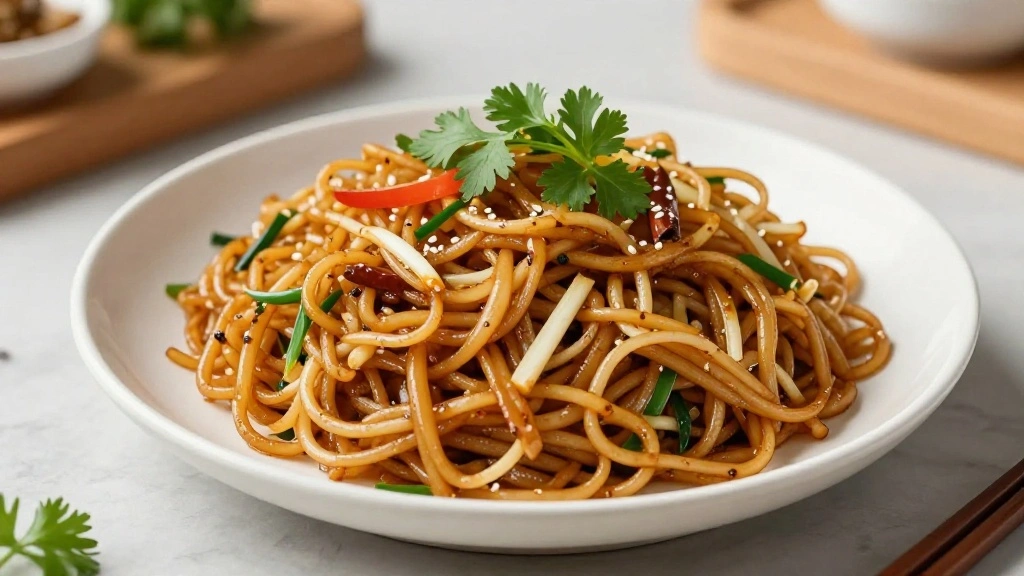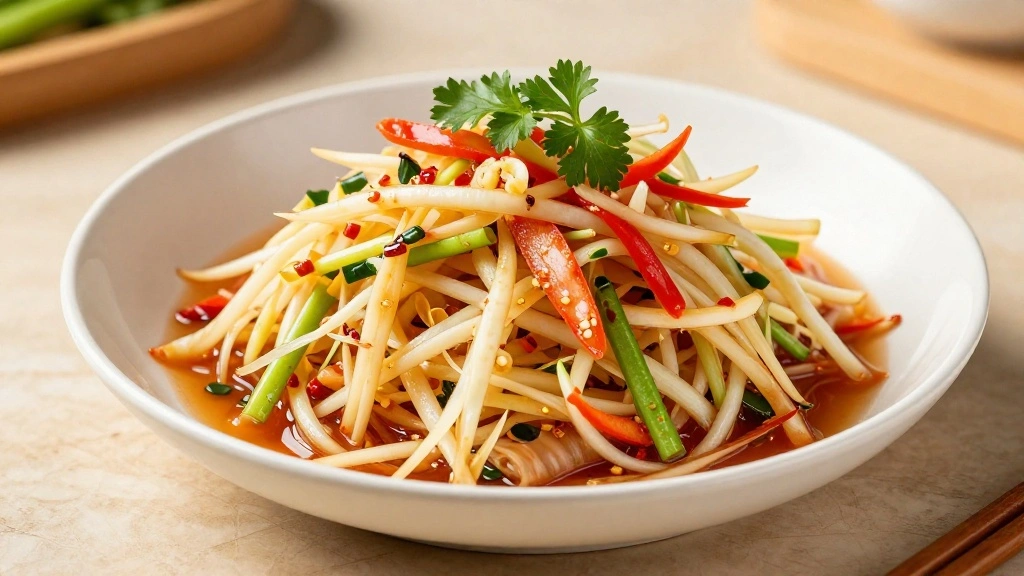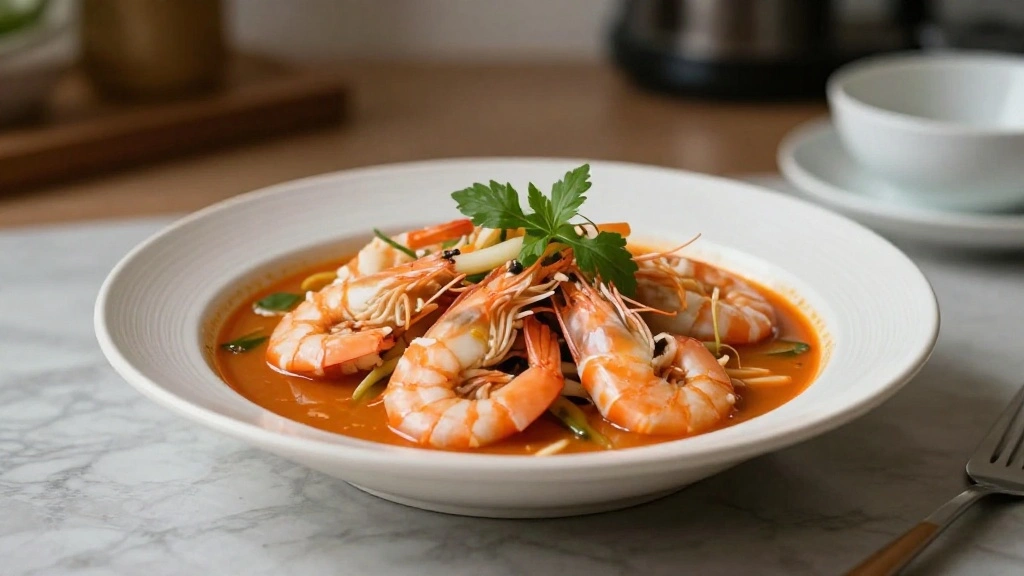

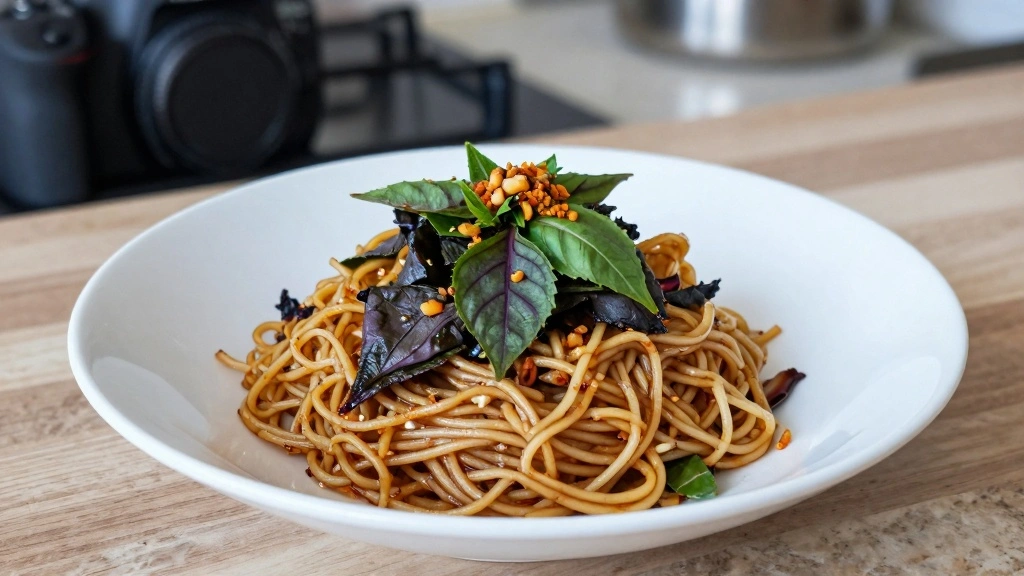


The allure of Thai Drunken Noodles lies in its bold flavors and aromatic ingredients.
Each bite offers a delightful medley of heat, garlic, and the unmistakable fragrance of Thai basil.
This dish is a staple in Thai cuisine, often enjoyed during late-night gatherings for its rich and satisfying taste.
I first encountered this dish in a bustling street market in Bangkok, where its intoxicating aroma drew me in.
Perfect for any occasion, it brings a taste of Thailand to your table with every bite.
Whether you’re a fan of spicy cuisine or new to Thai dishes, these noodles promise a memorable culinary experience.
The History and Cultural Significance
• The dish evolved over decades as Thai chefs incorporated locally available ingredients, eventually becoming the beloved version we know today.
• In Thai culture, this dish traditionally appears at late-night gatherings, symbolizing a comforting and satisfying meal after an evening out.
• While many variations exist across different regions, the authentic version maintains a balance of spicy, savory, and aromatic flavors that sets it apart from imitations.


Recipe Overview
Nutritional Information (per serving)
Essential Equipment Guide
Mortar and Pestle: Ideal for crushing garlic and chilies, releasing their natural oils for heightened flavor. A knife can work, but the depth of flavor may be compromised.
Spider Strainer: Useful for removing noodles from boiling water quickly, ensuring they don’t overcook. A slotted spoon can be used as an alternative but might not drain as effectively.


Ingredients
For the Base
| Amount | Ingredient | Notes |
|---|---|---|
| 8 ounces | rice noodles | soaked in warm water until pliable |
For the Sauce
| Amount | Ingredient | Notes |
|---|---|---|
| 3 tablespoons | soy sauce | adds savory depth |
| 2 tablespoons | oyster sauce | provides umami richness |
| 1 tablespoon | fish sauce | contributes to authentic Thai flavor |
| 1 tablespoon | sugar | balances the heat |
Vegetables
| Amount | Ingredient | Notes |
|---|---|---|
| 1 cup | bell peppers | sliced, adds color and sweetness |
| 1 cup | broccoli florets | provides crunch and nutrition |
Seasonings
| Amount | Ingredient | Notes |
|---|---|---|
| 3 cloves | garlic | minced, for aromatic base |
| 1 teaspoon | chili flakes | adjust to taste for spiciness |
| 1 cup | Thai basil leaves | adds signature fragrance |


Preparation Methods
Stir-Frying: A high-heat technique that cooks ingredients quickly while preserving their flavor and texture. Constant stirring and tossing are crucial to prevent burning and to ensure even cooking.
Balancing Flavors: Achieving the right balance of salty, sweet, and spicy is key to this dish. Taste the sauce before adding it to the noodles and adjust according to your preference. Remember, flavors intensify as they cook.

Step 1: Prepare Ingredients
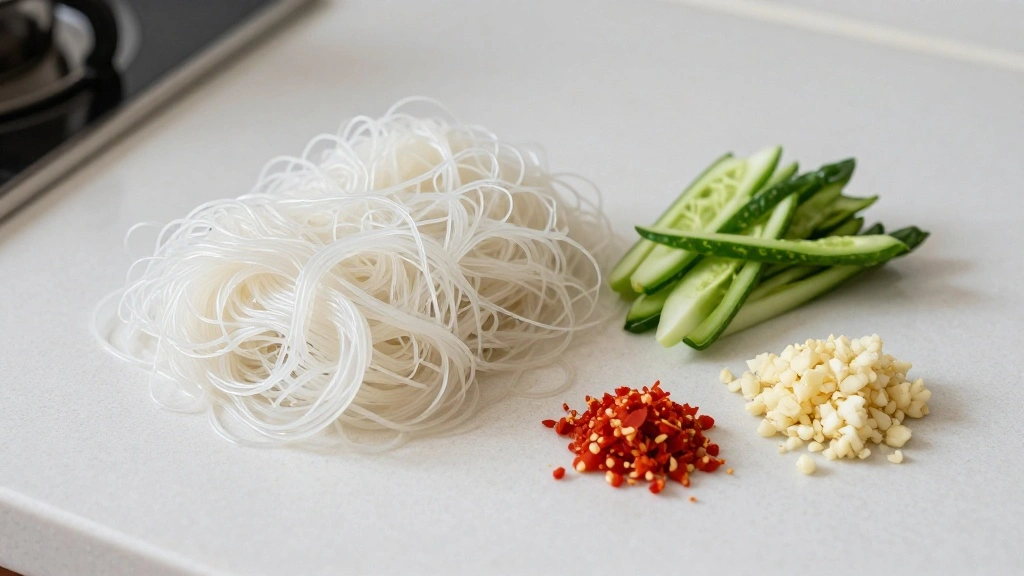
Soak the rice noodles in warm water until pliable.
Slice the bell peppers and cut broccoli into florets.
Mince the garlic and set aside.


Step 2: Mix the Sauce
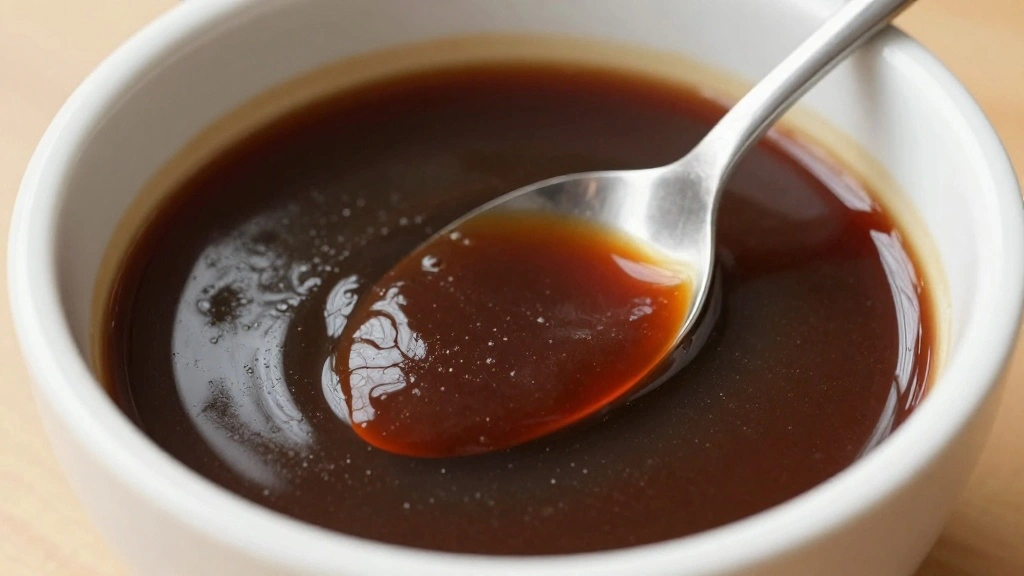
Stir until the sugar dissolves completely.
Taste the sauce and adjust seasoning if necessary.
Set the sauce aside for later use.


Step 3: Heat the Wok
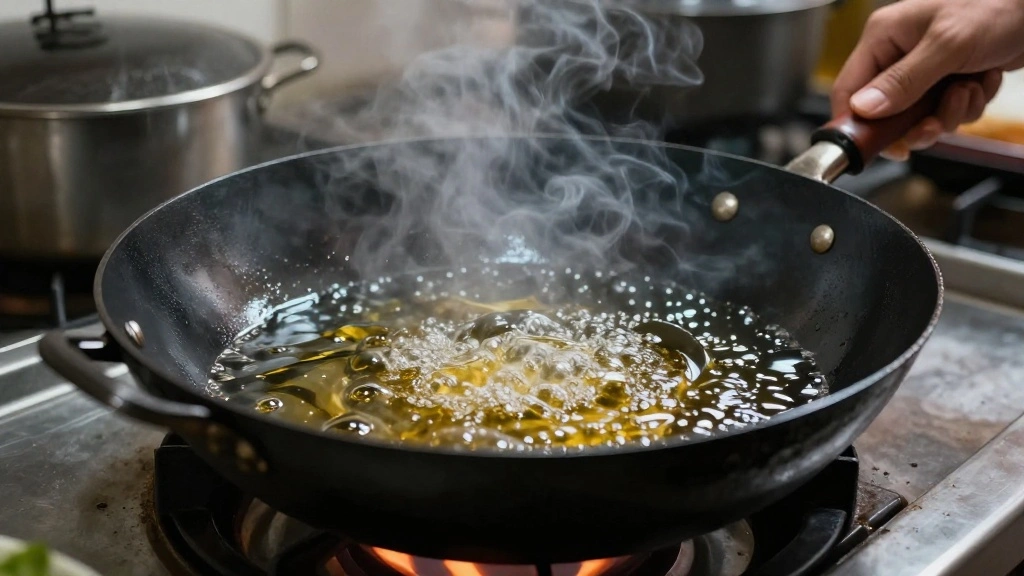
Add a tablespoon of oil and swirl to coat the surface.
Ensure the oil is hot before proceeding.
This step is crucial for proper stir-frying.
Step 4: Sauté the Garlic
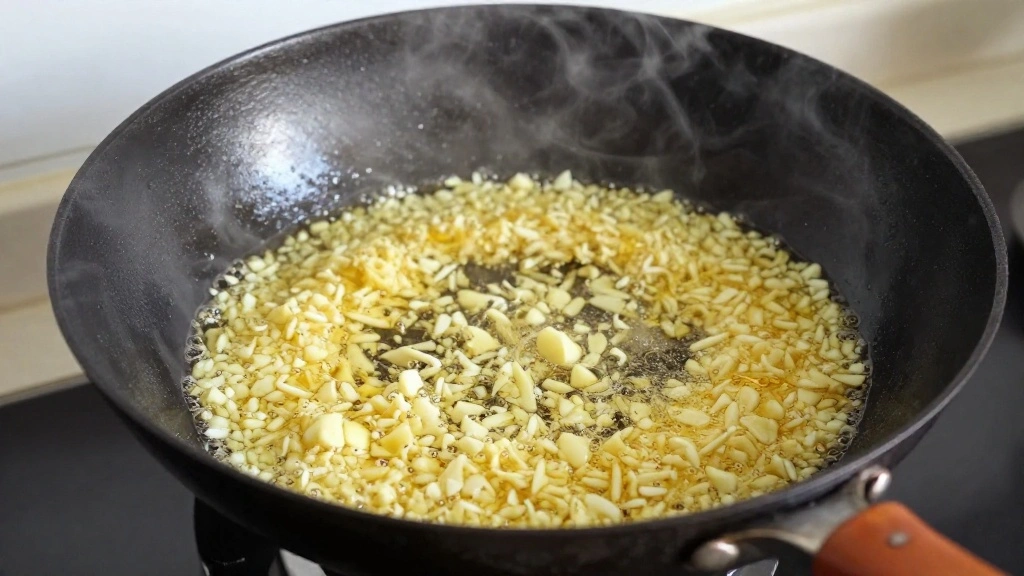
Stir quickly to prevent burning.
Cook until the garlic is golden and aromatic.
This forms the flavor base for the dish.
Step 5: Add Vegetables
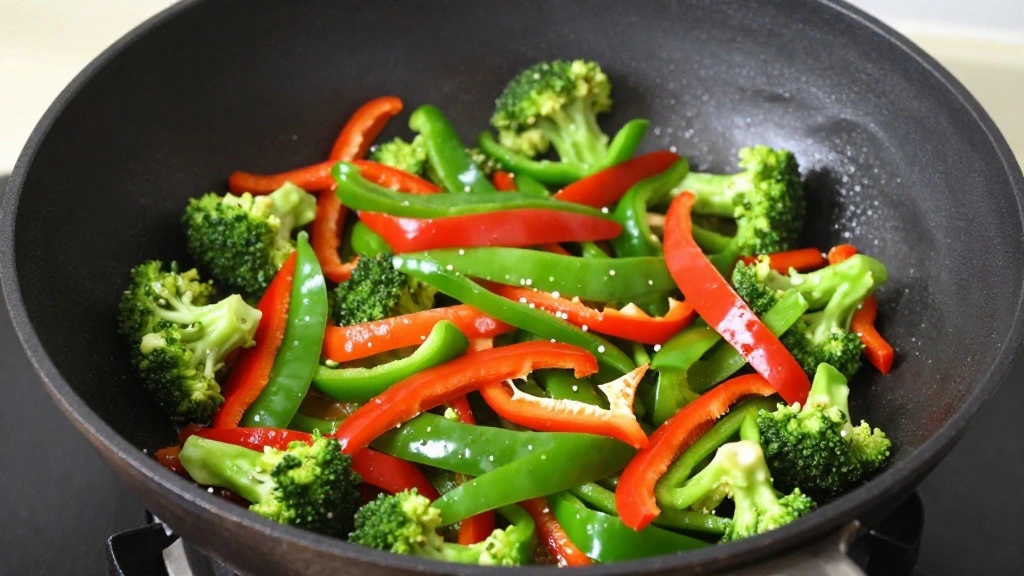
Stir-fry for 2-3 minutes until vegetables are slightly tender.
Ensure they retain some crunch for texture.
Toss frequently to avoid burning.
Step 6: Incorporate the Noodles
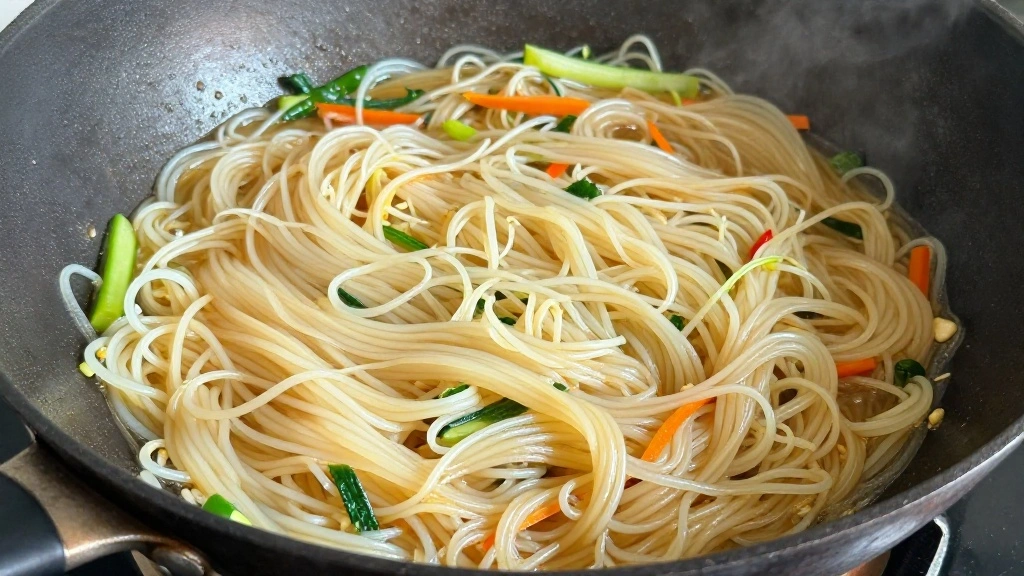
Toss the noodles with the vegetables to combine.
Ensure even distribution and avoid clumping.
This step requires quick, continuous stirring.
Step 7: Add the Sauce
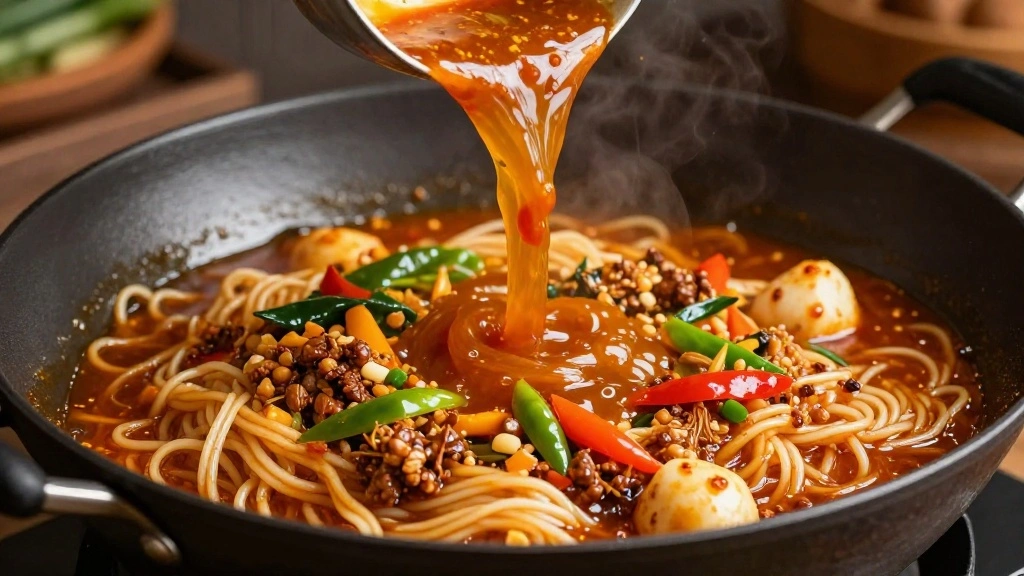
Toss to coat everything evenly.
Cook for another 2-3 minutes until the noodles absorb the sauce.
Ensure the flavors are well balanced.


Step 8: Finish with Basil and Chili
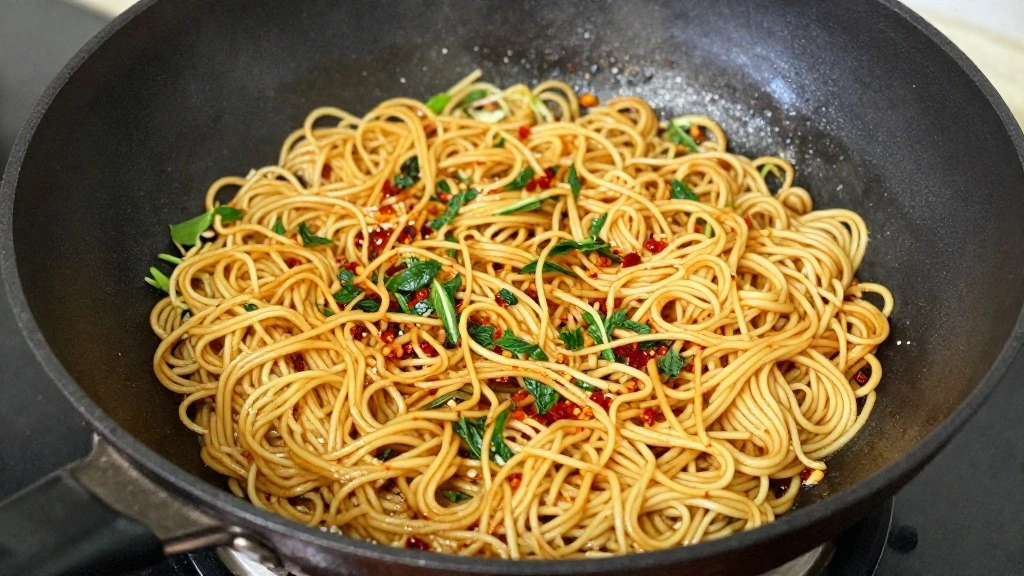
Toss briefly to wilt the basil and distribute the chili.
Remove from heat to prevent overcooking.
Serve immediately for optimal flavor.


Critical Timing and Temperature Guide
Stir-Frying: Maintain high heat throughout for quick cooking and flavor preservation. Stir constantly to prevent burning and ensure even cooking.
Adding Basil: Add basil at the end of cooking to preserve its fragrance. Overcooking can cause it to lose its signature aroma.
Pro Tips for Thai Drunken Noodles
• Preparation Secret: Slightly undercook the noodles during soaking. They will finish cooking in the wok, absorbing flavors without becoming mushy.
• Temperature Management: Ensure the wok is smoking hot before adding ingredients. This allows for proper searing and flavor development.
• Texture Enhancement: Stir-fry vegetables briefly to retain crunch, adding a pleasing contrast to the tender noodles.
• Flavor Layering: Build flavors by layering garlic, sauce, and basil, ensuring each component is fully developed and balanced.
• Make-Ahead Strategies: Prepare the sauce and chop vegetables in advance. Store them separately in the fridge for up to 24 hours.
• Restaurant-Quality Finishing Touches: Garnish with fresh Thai basil and a sprinkle of sesame seeds for a professional presentation.
• Equipment Optimization: Utilize a well-seasoned wok for optimal heat distribution and non-stick properties.
Troubleshooting Common Issues
• Flavors Unbalanced: Results from incorrect sauce proportions. Taste and adjust seasoning before adding to the wok.
• Burned Garlic: Occurs when garlic is cooked on too high heat without stirring. Add to hot oil and stir constantly to prevent burning.
• Soggy Vegetables: Caused by overcooking. Stir-fry vegetables quickly over high heat to maintain texture.
• Lack of Aroma: Happens when basil is added too early. Add it at the end of cooking to preserve its fragrance.
Variations and Regional Differences
• Northeastern Thai Style: Incorporates more chili and lime juice, offering a spicier and tangier profile.
• Vegetarian Version: Omits fish sauce and includes tofu for protein, catering to dietary preferences without sacrificing flavor.
• Street Vendor Style: Often includes a fried egg on top, providing richness and an additional layer of flavor.

Food Science Behind the Recipe
• Emulsification: The sauce acts as an emulsifier, binding oil and water components together to coat noodles and vegetables evenly.
• Heat Transfer: The wok’s design allows for efficient heat transfer, essential for quick cooking and maintaining the integrity of ingredients.
Frequently Asked Questions
How can I make this dish less spicy? Reduce the amount of chili flakes and opt for a milder variety of chili if desired.
Can I use regular basil instead of Thai basil? While possible, Thai basil is recommended for its unique flavor that enhances authenticity.
Is it possible to make this dish gluten-free? Yes, by using gluten-free soy sauce and ensuring all other ingredients are gluten-free.
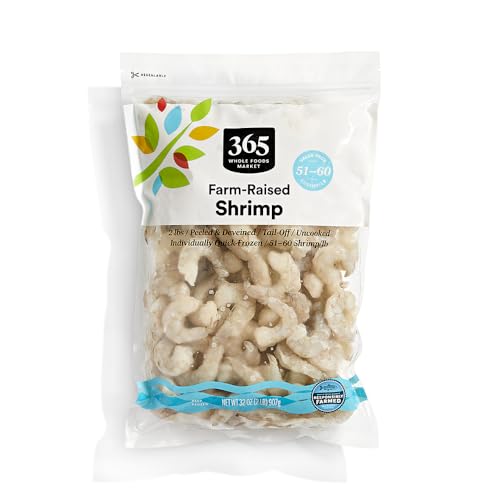
What protein alternatives work well in this recipe? Chicken, beef, shrimp, or tofu can be used depending on preference and dietary needs.
How do I store leftovers? Store in an airtight container and refrigerate for up to 2 days. Reheat in a wok or skillet for best results.
Can I freeze Thai Drunken Noodles? Freezing is not recommended, as the noodles may lose their texture upon thawing.
Serving and Presentation Guide
• Individual Plates: Portion into bowls or plates, topped with sesame seeds and a few slices of fresh chili for color.
• Family Style: Present in a large serving bowl with a side of extra chili flakes and lime wedges for guests to customize.
• Elegant Plating: Arrange neatly on a plate with a sprinkle of fresh herbs and a drizzle of sauce for a refined touch.


Conclusion
With its aromatic blend of heat and savory notes, this dish is sure to impress.
Gather your ingredients and equipment, and bring a taste of Thailand to your home.
Enjoy the satisfaction of creating an authentic and delicious meal that will delight family and friends alike.