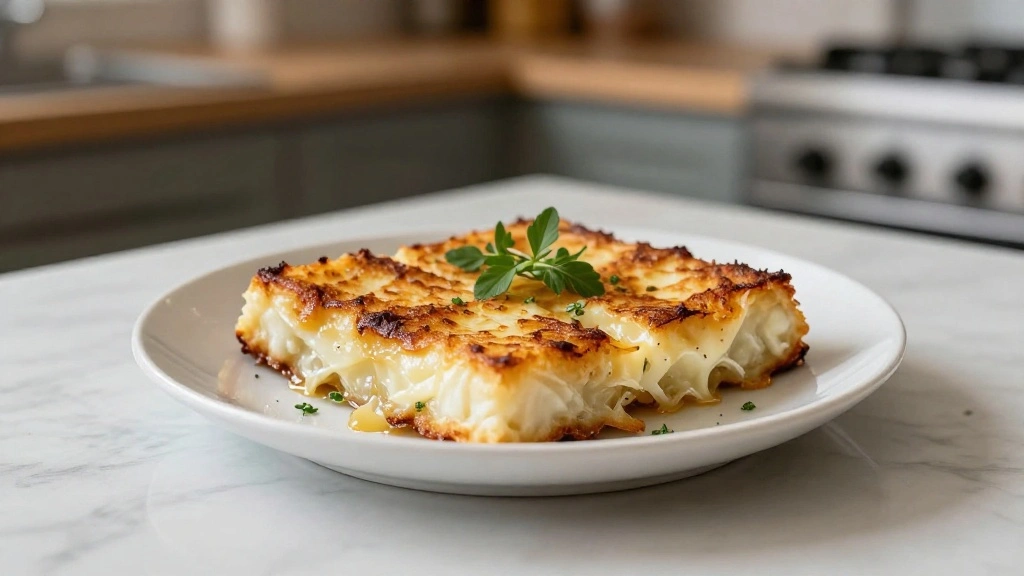

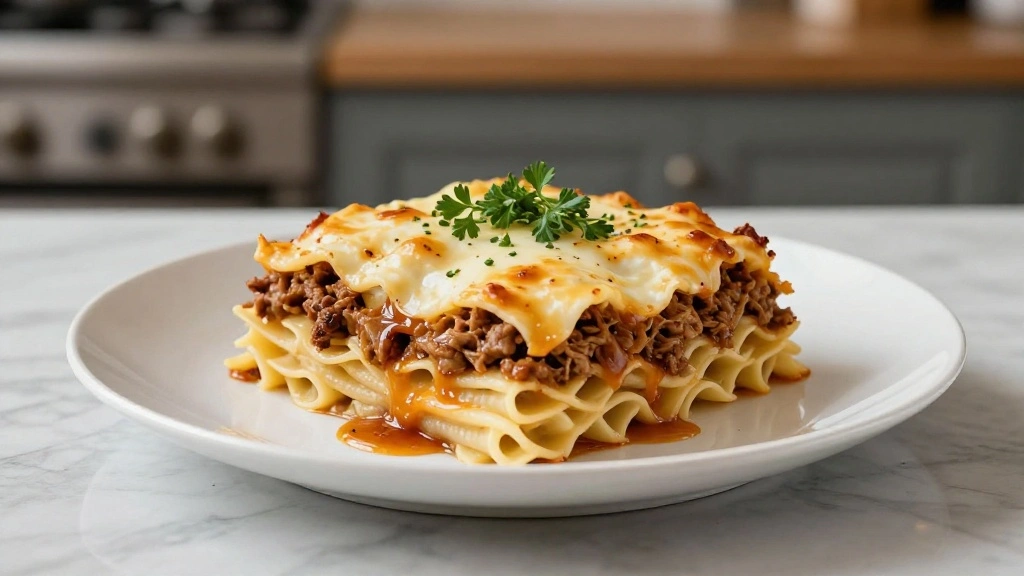


Greek Pastitsio – Creamy Baked Pasta with Spiced Meat Sauce – is a comforting classic that brings the warmth of a Greek kitchen into your home.
The combination of creamy béchamel sauce and richly spiced meat sauce creates a flavor profile that’s both vibrant and soothing.
I first encountered this dish during a memorable family gathering, where its layers of flavor and texture left a lasting impression.
With its inviting aroma and beautiful presentation, Pastitsio is perfect for both casual dinners and festive occasions.
This recipe promises to deliver authentic Greek flavors with straightforward preparation techniques.
Whether you’re a seasoned cook or a beginner, this dish is sure to become a beloved staple in your culinary repertoire.
The History and Cultural Significance
• Greek Pastitsio traces its origins to the Mediterranean region, where it was originally created by blending Italian and Middle Eastern culinary influences.
• The dish evolved over decades as Greek chefs incorporated local ingredients like cinnamon and nutmeg, eventually becoming the beloved version we know today.
• In Greek culture, this dish traditionally appears at family gatherings and celebrations, symbolizing warmth and hospitality.
• While many variations exist across different regions, the authentic version maintains a layered structure of pasta, meat sauce, and béchamel that sets it apart from imitations.


Recipe Overview
Nutritional Information (per serving)



Essential Equipment Guide
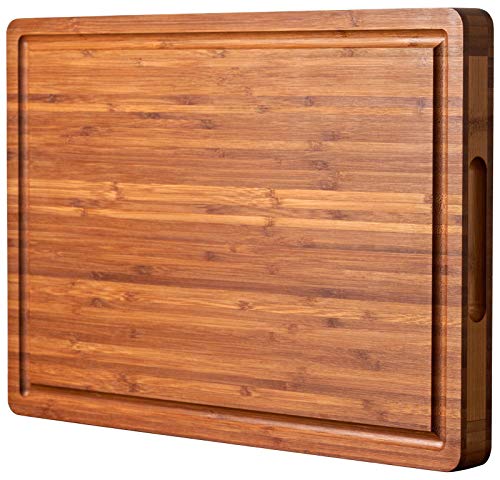
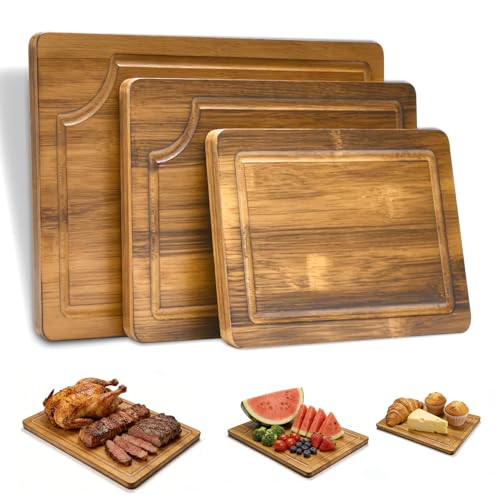
Baking Dish: A high-quality ceramic or glass baking dish is essential for even cooking and beautiful presentation. Alternatives like metal pans can work but may affect browning.
Whisk: A sturdy whisk is crucial for creating a smooth béchamel sauce. Look for one with a comfortable handle and flexible wires.
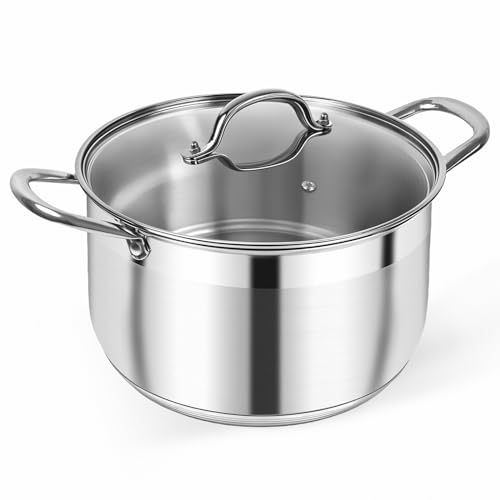
Large Pot: A large, heavy-bottomed pot is important for evenly cooking the meat sauce without burning. A Dutch oven is a great alternative.


Ingredients
For the Base
|
| Amount | Ingredient | Notes |
|---|---|---|
| 400 grams | pasta | such as penne or ziti, cooked al dente |
| 2 tablespoons | olive oil | for coating cooked pasta |
For the Meat Sauce
| Amount | Ingredient | Notes |
|---|---|---|
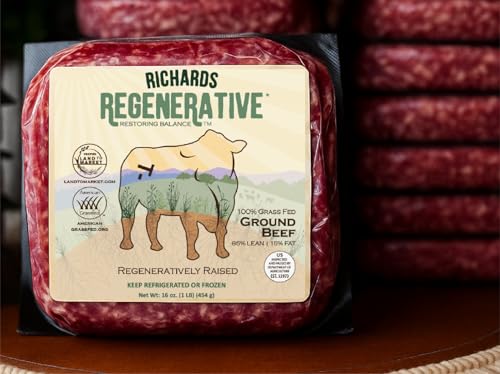
| 500 grams | ground beef | adds richness |
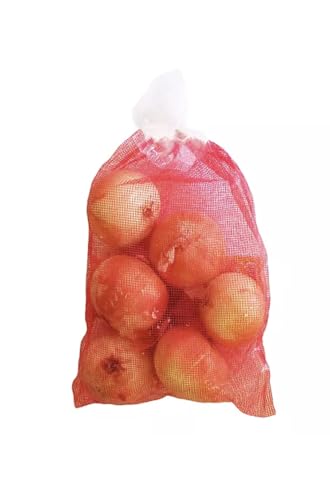
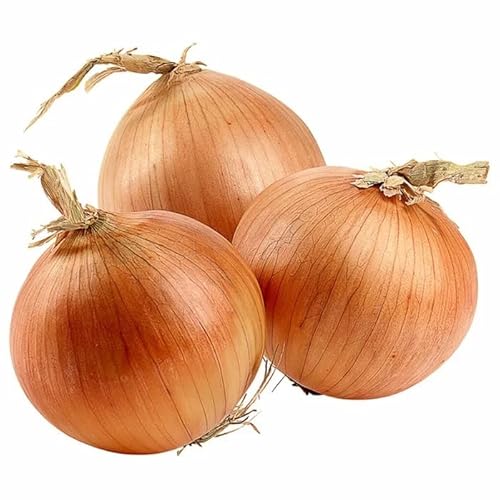
| 1 large | onion | finely chopped |
| 2 cloves | garlic | minced |
| 1 cup | tomato sauce | provides acidity |
| 1 teaspoon | cinnamon | for warmth |
| 1 teaspoon | nutmeg | for depth |
| 1 teaspoon | salt | to enhance flavor |
| 1 teaspoon | black pepper | for spice |
For the Béchamel Sauce
| Amount | Ingredient | Notes |
|---|---|---|
| 4 tablespoons | butter | for creaminess |
| 4 tablespoons | all-purpose flour | for thickening |
| 3 cups | milk | preferably whole, for richness |
| 1 cup | Parmesan cheese | grated, for flavor |
Seasonings and Garnish
| Amount | Ingredient | Notes |
|---|---|---|
| 1 teaspoon | dried oregano | for aroma |
| 1 teaspoon | paprika | for color |

Preparation Methods
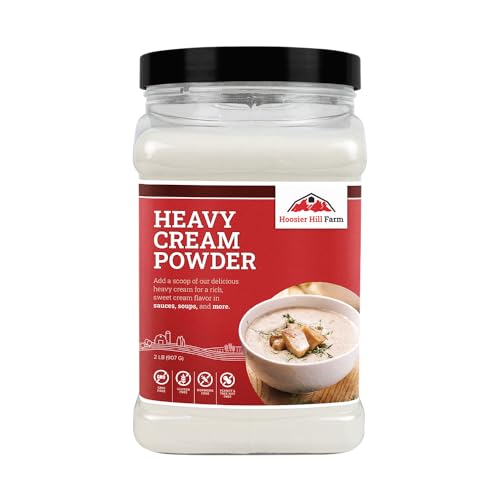
Béchamel Mastery: Béchamel sauce is created by cooking butter and flour to form a roux, then gradually whisking in milk. This technique ensures a smooth, creamy sauce. Stir continuously to prevent lumps.
Browning Meat: Achieving a deep brown on the ground beef enhances flavor through caramelization. Use a hot pan and avoid overcrowding to get the best results.
Layering Technique: Carefully layer pasta, meat sauce, and béchamel to create distinct layers that meld together when baked. This technique contributes to the dish's iconic texture.


Step 1: Prepare the Pasta
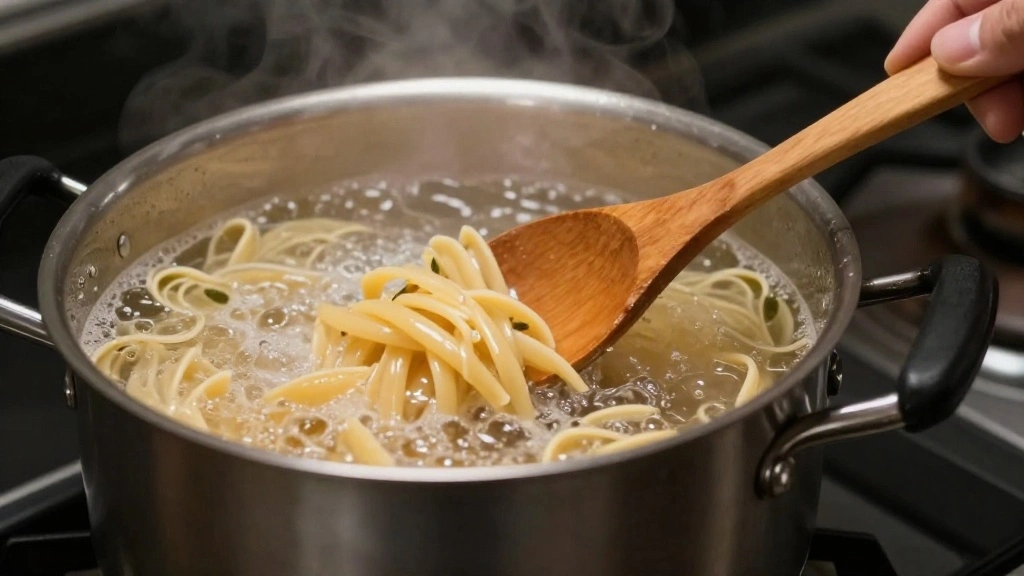
Boil a large pot of salted water over high heat.
Add the pasta and cook until just al dente.
Drain the pasta and toss with olive oil to prevent sticking.
Set aside and let cool slightly.

Step 2: Cook the Meat Sauce
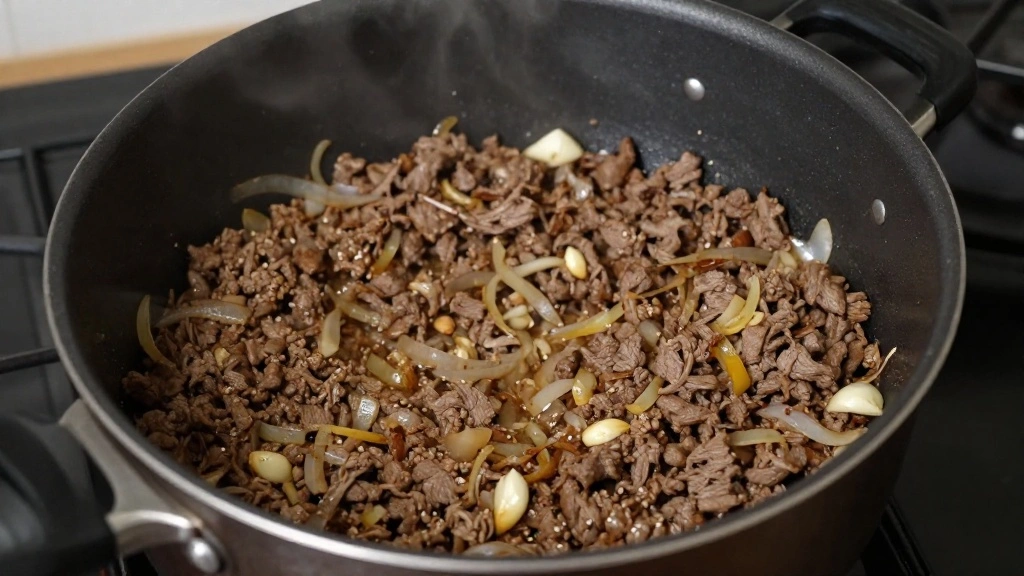
Heat a large pot over medium heat and add ground beef.
Cook until browned, breaking it apart with a spoon.
Add chopped onion and garlic, sautéing until soft and fragrant.
Stir in tomato sauce, cinnamon, nutmeg, salt, and pepper.

Step 3: Simmer the Sauce
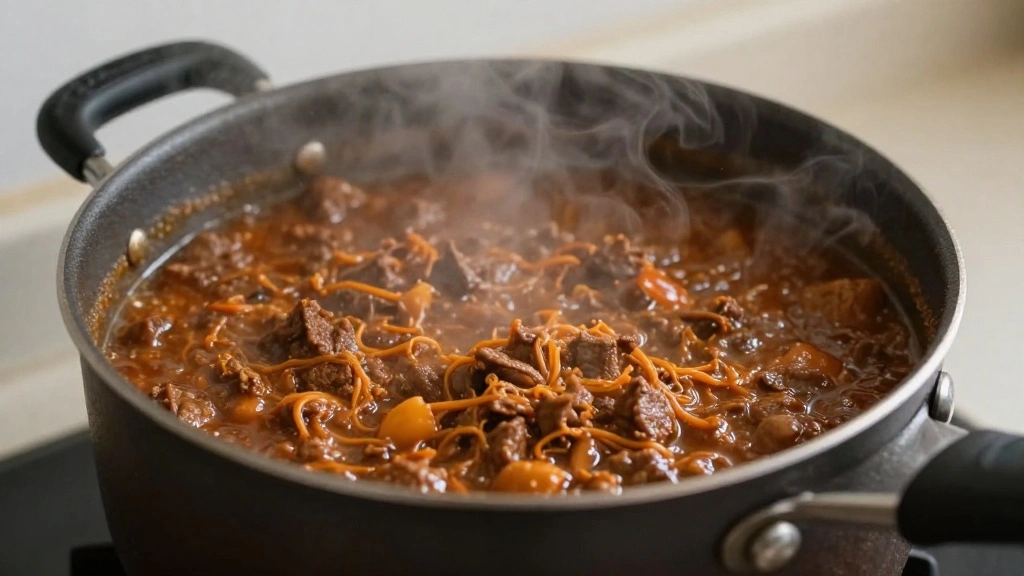
Reduce the heat to low and let the sauce simmer.
Allow flavors to meld for about 20 minutes, stirring occasionally.
Taste and adjust seasonings if necessary.
The sauce should thicken slightly.

Step 4: Make the Béchamel Sauce
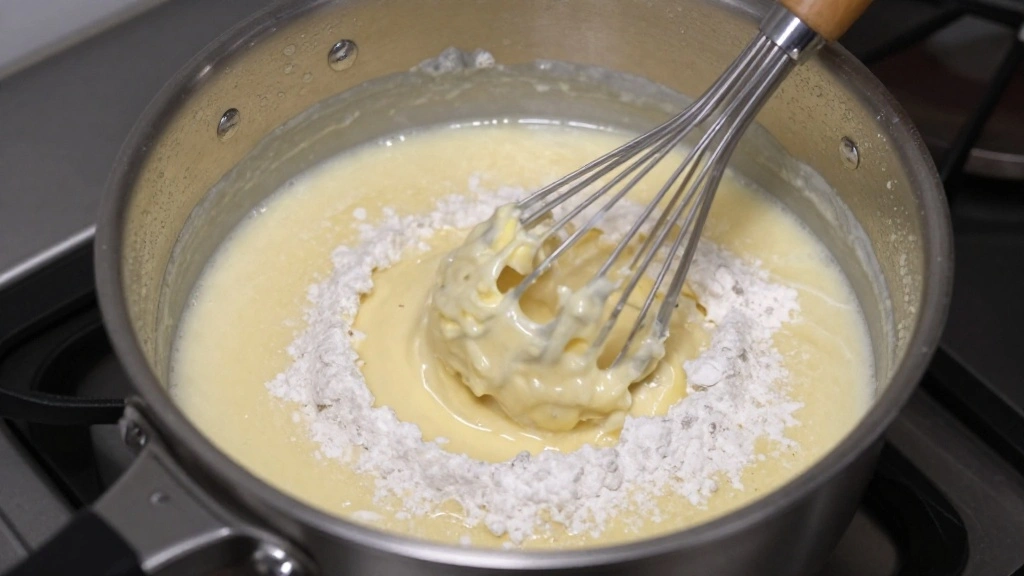
Melt butter in a saucepan over medium heat.
Whisk in flour to form a roux, cooking until golden.
Gradually add milk, whisking constantly to avoid lumps.
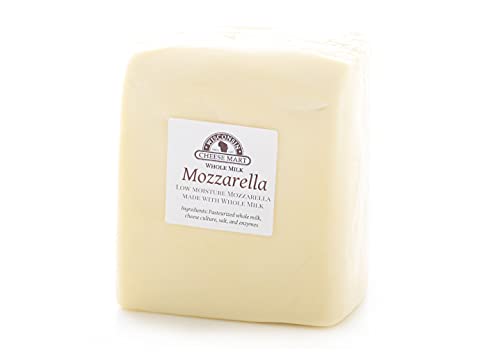
Stir in Parmesan cheese until melted and smooth.


Step 5: Layer the Pastitsio
Preheat your oven to 180°C (350°F).
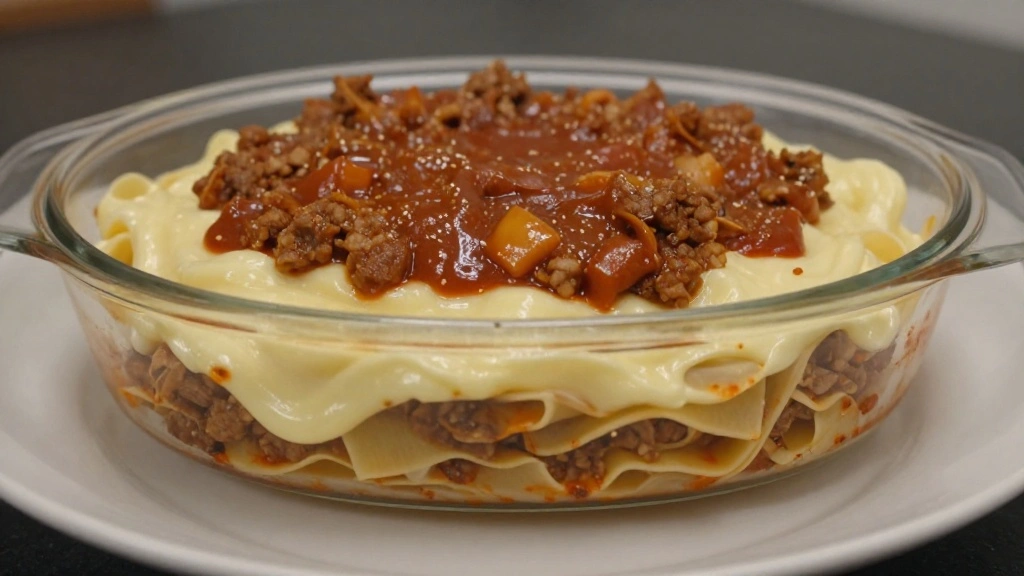
Spread half of the cooked pasta in an even layer in a baking dish.
Spoon the meat sauce over the pasta, spreading evenly.
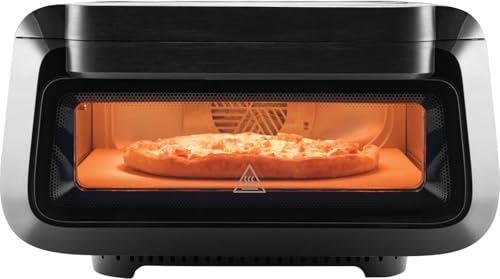
Top with remaining pasta and pour béchamel sauce over the top.

Step 6: Bake the Pastitsio
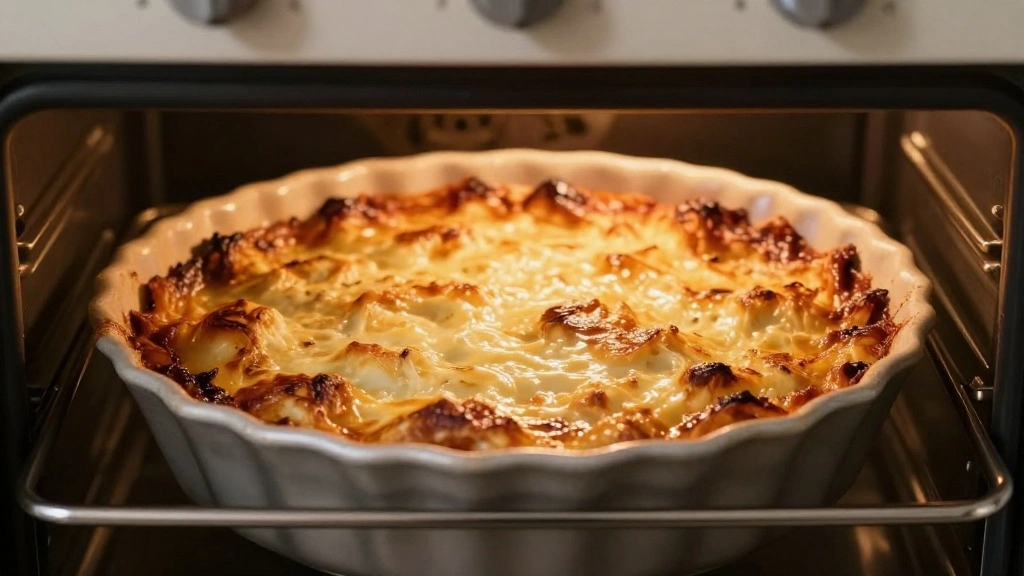
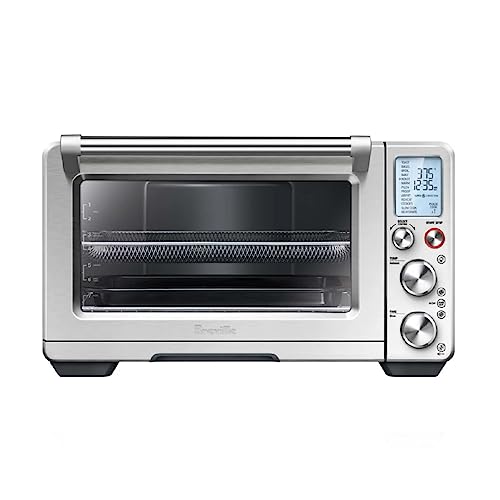
Place the baking dish in the preheated oven.
Bake for 30-40 minutes, until the top is golden and bubbling.
Look for a crisp crust forming on the edges.
Remove from oven and let cool slightly before serving.

Step 7: Garnish and Serve
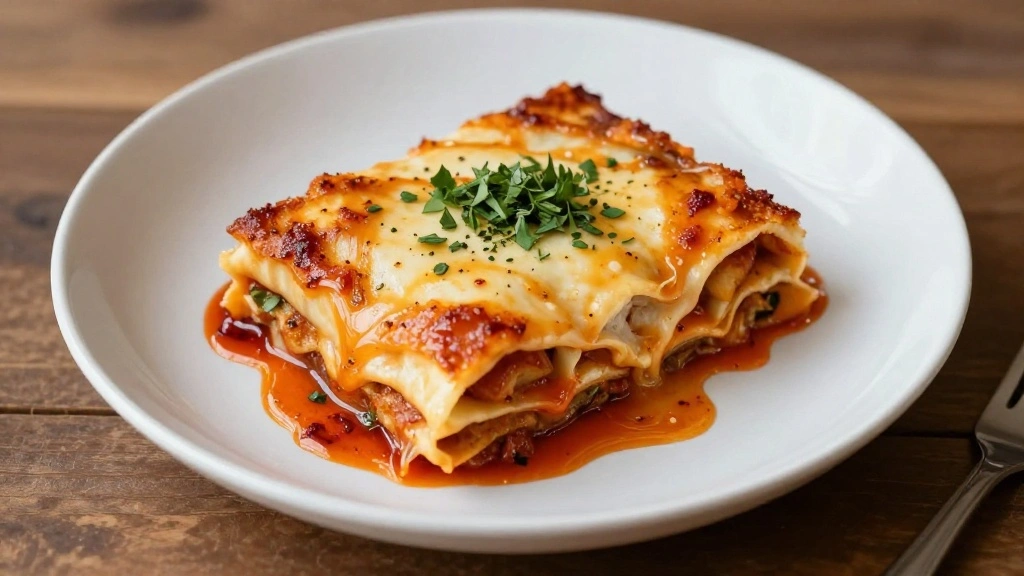
Sprinkle dried oregano and paprika over the baked pastitsio.
Allow it to cool for a few minutes to set the layers.
Cut into squares and serve on warm plates.
Enjoy the rich, creamy flavors with a side salad if desired.


Critical Timing and Temperature Guide
Boiling Pasta: Cook pasta for 8-10 minutes until al dente. Avoid overcooking, as it will continue to cook in the oven.
Sautéing Meat: Brown meat over medium heat for 5-7 minutes until no pink remains. Ensure it's evenly browned for best flavor.
Baking Pastitsio: Bake at 180°C (350°F) for 30-40 minutes. Look for a golden top and bubbling edges, avoiding over-browning.


Pro Tips for Greek Pastitsio –
• Ingredient Selection: Choose high-quality Parmesan cheese and fresh ground beef for the best flavor impact.
• Preparation Secret: Allow the pasta to cool slightly before layering to prevent it from overcooking in the oven.
• Temperature Management: Ensure all ingredients are at room temperature before assembling to promote even baking.
• Texture Enhancement: Whisk the béchamel sauce continuously to maintain a velvety smooth texture.
• Flavor Layering: Integrate spices like cinnamon and nutmeg into the meat sauce for a signature Greek flavor.
• Make-Ahead Strategies: Prepare the meat sauce a day in advance and refrigerate. Assemble the dish just before baking.
• Restaurant-Quality Finishing Touches: Garnish with fresh herbs and a touch of paprika for visual appeal.
• Equipment Optimization: Utilize a heavy-bottomed pot for even heat distribution when cooking sauces.


Troubleshooting Common Issues
• Texture Too Dense: Caused by overcooked pasta or insufficient béchamel. Ensure pasta is al dente and béchamel is creamy.
• Sauce Too Runny: Insufficient thickening of béchamel or watery meat sauce. Thicken béchamel with additional roux if needed.
• Flavors Unbalanced: Imbalance of spices. Taste and adjust seasoning during cooking to achieve harmony.
• Overcooked Top: Baking too long or at high temperature. Cover with foil if top browns too quickly.
• Layers Not Distinct: Improper layering technique. Ensure each layer is evenly spread before adding the next.


Variations and Regional Differences
• Cypriot Variation: Includes halloumi cheese and sometimes uses pork instead of beef for a distinct flavor.
• Vegetarian Style: Substitutes lentils or mushrooms for meat, offering a hearty plant-based option.
• Turkish Influence: Uses eggplant instead of pasta layers, creating a fusion with Middle Eastern moussaka.
• Modern Twist: Incorporates béchamel infused with truffle oil for a luxurious, contemporary touch.


Food Science Behind the Recipe
• Maillard Reaction: Browning the meat initiates the Maillard reaction, enhancing flavor through caramelization.
• Roux-Based Thickening: The interaction of flour and fat in the béchamel causes thickening, essential for sauce stability.
• Emulsification: The béchamel sauce acts as an emulsifier, binding fats and liquids for a creamy consistency.


Frequently Asked Questions
What's the most common mistake people make when preparing Pastitsio? Overcooking the pasta is a common issue, leading to a mushy texture. Ensure it's cooked al dente.
Can I make Pastitsio ahead of time? Yes, prepare the meat sauce in advance and refrigerate. Assemble and bake when ready to serve.
Is there a vegetarian alternative? Substitute the meat with cooked lentils or mushrooms for a flavorful vegetarian version.
How do I prevent the top from burning? Cover with foil if it browns too quickly, and monitor the baking time closely.
Why is my béchamel sauce lumpy? Whisk continuously while adding milk gradually to avoid lumps.
Can I freeze leftovers? Yes, cool completely, then wrap tightly and freeze. Reheat in the oven before serving.
What pasta works best for Pastitsio? Penne or ziti are ideal due to their ability to hold sauce and maintain structure.
Serving and Presentation Guide
• Traditional Presentation: Serve in square portions on a large platter, garnished with fresh oregano for authenticity.
• Family Style: Present directly from the baking dish, allowing guests to serve themselves.
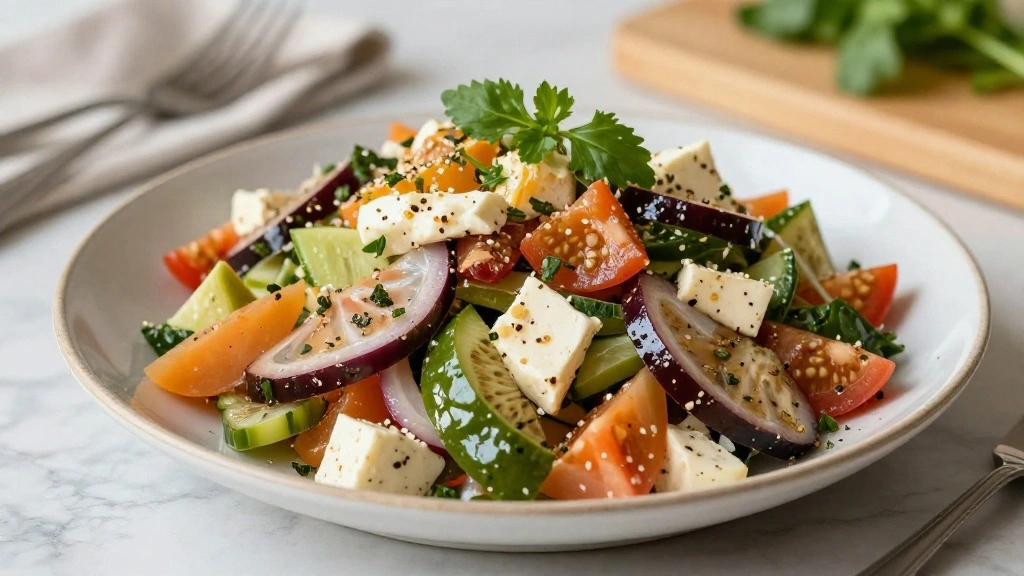
• Elegant Plates: Use individual plates with a side of Greek salad for a restaurant-quality presentation.
• Casual Buffet: Offer with warm bread and a selection of dips for a self-serve experience.
Conclusion
Greek Pastitsio is a comforting dish that brings the flavors of Greece to your table.
With its creamy béchamel and spiced meat sauce, it offers a delightful balance of textures and tastes.
Follow this comprehensive guide to create a memorable dining experience for family and friends.
Enjoy the warmth and hospitality of Greek cuisine with every bite.