
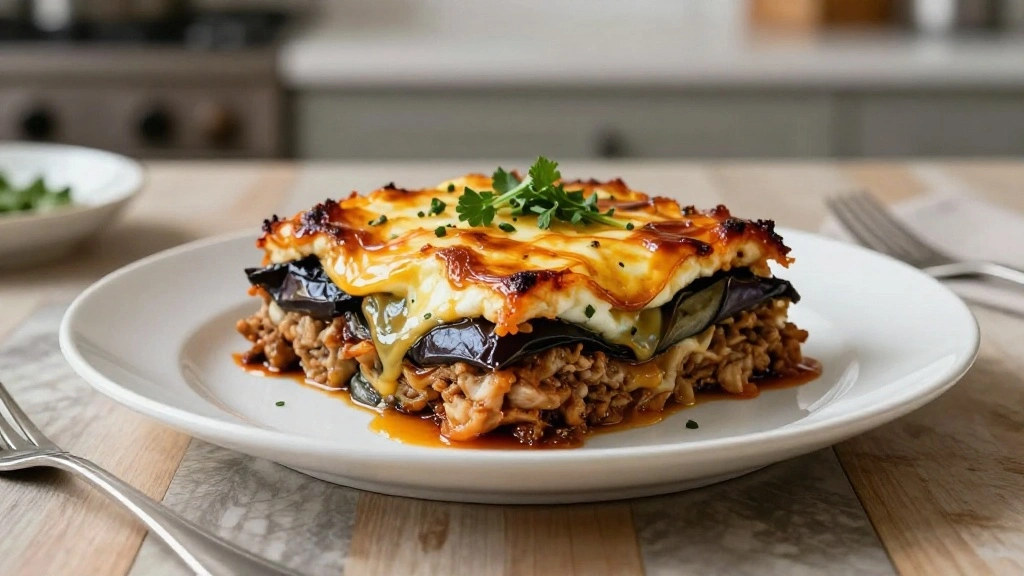


The classic Greek Moussaka brings together centuries of culinary tradition with modern techniques to create a dish that’s both comforting and elegant.
The harmonious balance of savory ground meat, tender eggplant, and creamy béchamel sauce creates a memorable dining experience that will have everyone asking for your secret.
I discovered this recipe during my travels through Greece, where local chefs have perfected it through generations of careful refinement.
Whether you’re preparing a casual family dinner or hosting a special celebration, this Moussaka delivers impressive results with straightforward preparation.
The History and Cultural Significance
• Greek Moussaka traces its origins to the Middle Eastern region during the Ottoman Empire, where it was originally created by combining Mediterranean ingredients with local spices.
• The dish evolved over decades as culinary techniques and available ingredients changed, eventually becoming the beloved version we know today with its distinct layers and creamy topping.
• In Greece, this dish traditionally appears at family gatherings and festive occasions, symbolizing warmth and hospitality.
• While many variations exist across different regions, the authentic version maintains its layered presentation and rich béchamel sauce that sets it apart from imitations.


Recipe Overview
Nutritional Information (per serving)

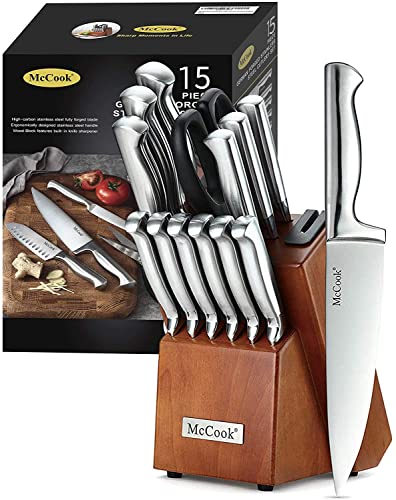

Essential Equipment Guide
Sauté Pan: A sauté pan is crucial for browning the meat and vegetables evenly, ensuring rich flavors develop. Alternatives like a large skillet can work, but ensure it has a heavy bottom for consistent heat distribution.
Ovenproof Casserole Dish: This dish is essential for baking the moussaka, allowing it to cook evenly and set properly. Look for one with a lid or deep sides to prevent overflow.
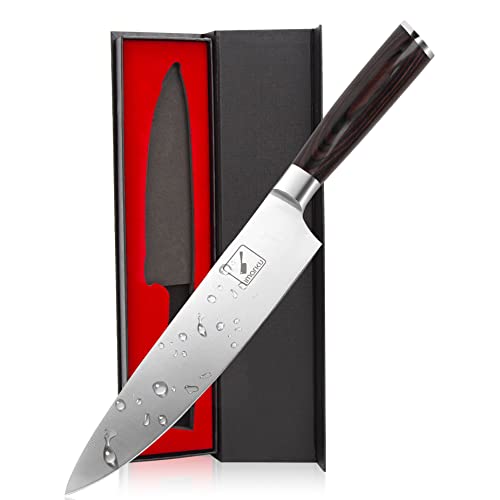
Mandoline: A mandoline slices eggplants uniformly, crucial for even cooking. A sharp knife can substitute, but precise thickness is key for texture consistency.


Ingredients
For the Base
|
| Amount | Ingredient | Notes |
|---|---|---|
| 2 large | eggplants | sliced into 1/4 inch rounds, adds foundational layer |
| 2 tablespoons | olive oil | for sautéing eggplants, adds flavor |
For the Meat Sauce
| Amount | Ingredient | Notes |
|---|---|---|
| 1 pound | ground lamb | provides rich, savory flavor |
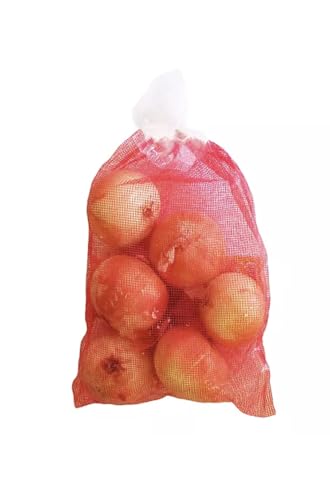
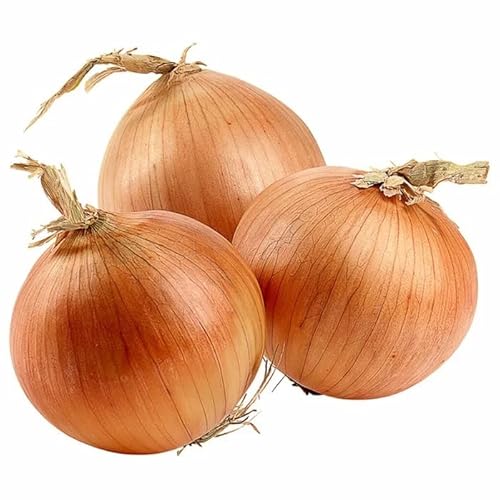
| 1 large | onion | finely chopped, adds sweetness |
| 2 cloves | garlic | minced, enhances aroma |
| 1 cup | crushed tomatoes | adds acidity |
| 1 teaspoon | cinnamon | adds warmth |
For the Béchamel Sauce
| Amount | Ingredient | Notes |
|---|---|---|
| 4 tablespoons | butter | for roux |
| 4 tablespoons | flour | thickens sauce |
| 2 cups | milk | creates creamy texture |
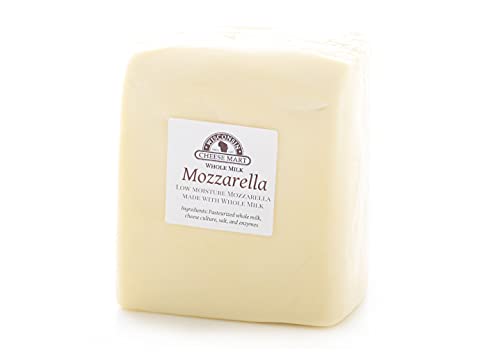
| 1 cup | grated Parmesan | adds richness |
Seasonings
| Amount | Ingredient | Notes |
|---|---|---|
| 1 teaspoon | salt | enhances flavor |
| 1 teaspoon | black pepper | adds subtle heat |


Preparation Methods
Sautéing: Sautéing the eggplants and meat separately is crucial for developing deep flavors and preventing sogginess. Ensure the pan is hot before adding ingredients to achieve a good sear.
Béchamel Preparation: Creating a smooth béchamel requires constant stirring and gradual milk addition to prevent lumps. Cook until thickened but not boiling to ensure a creamy consistency.

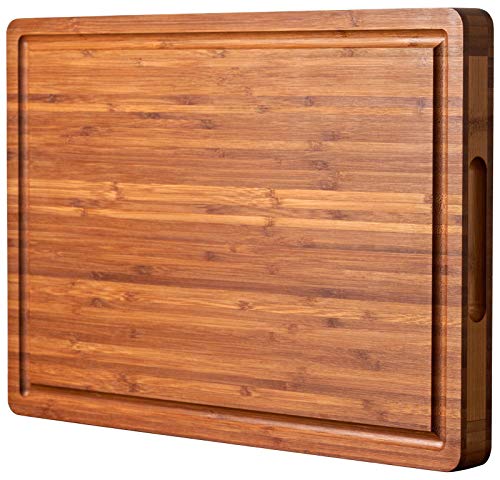
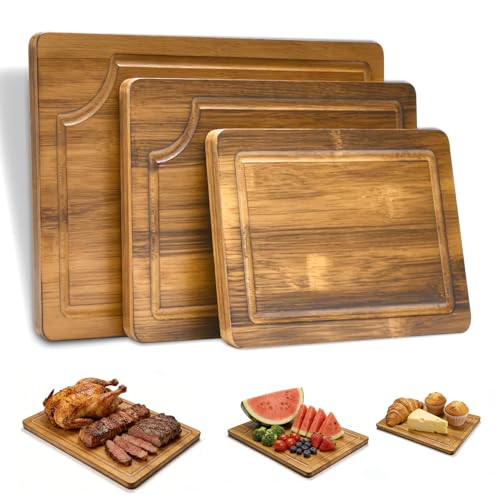
Step 1: Prepare Ingredients
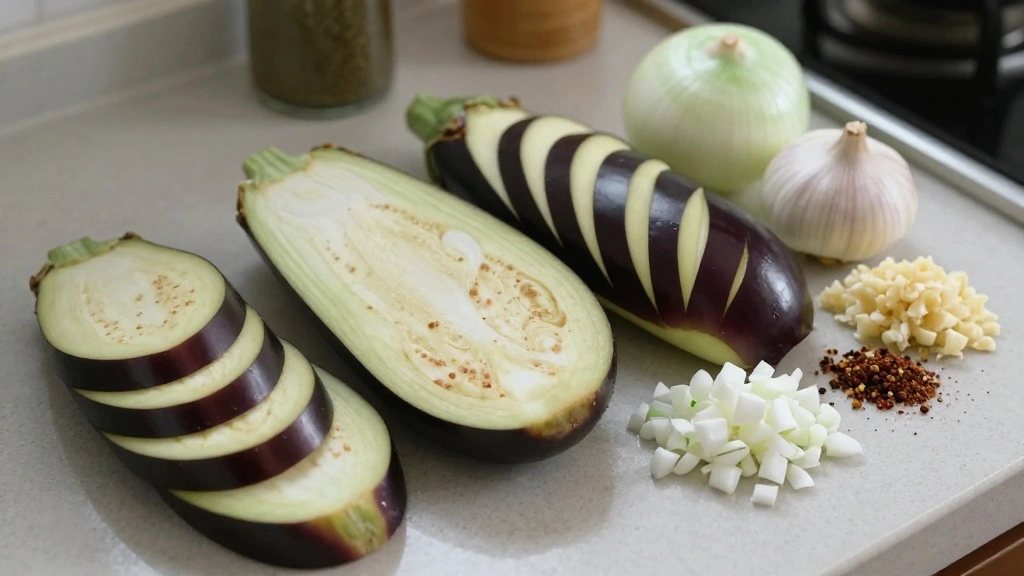
Gather all ingredients and equipment.
Wash and slice eggplants into 1/4 inch rounds.
Chop onions and mince garlic cloves.
Measure out spices and cheese.


Step 2: Sauté Eggplants
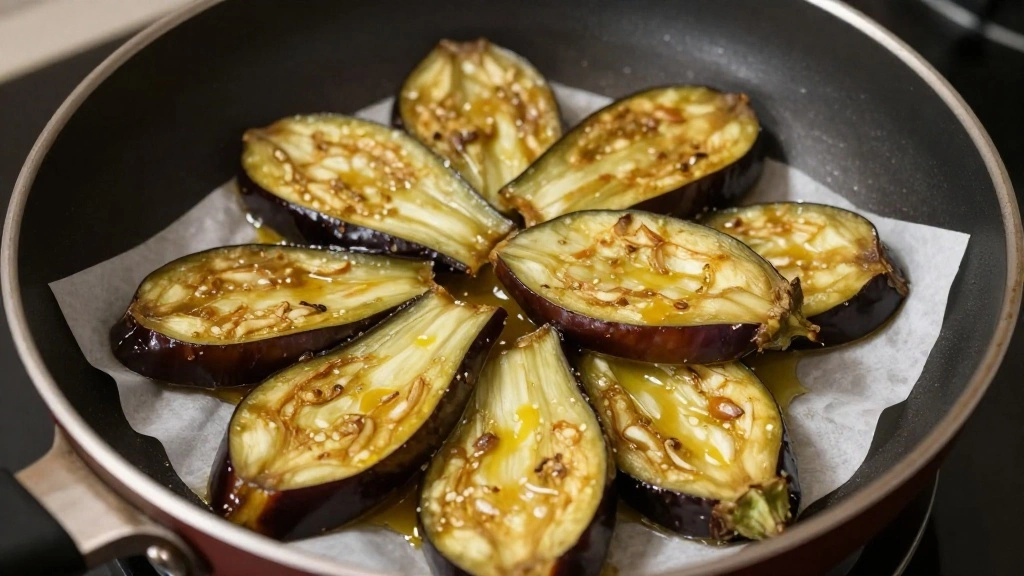
Heat olive oil in a sauté pan over medium heat.
Add eggplant slices and cook until golden brown on each side.
Remove and drain on paper towels to absorb excess oil.
Repeat until all slices are cooked.


Step 3: Prepare Meat Sauce
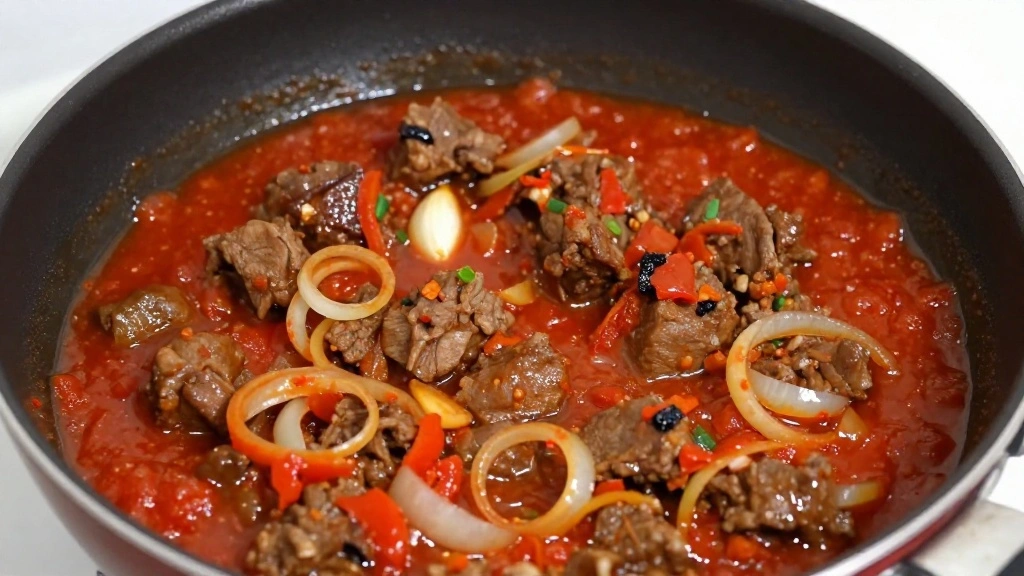
In the same pan, add ground lamb and cook until browned.
Add chopped onions and garlic, sauté until onions are translucent.
Stir in crushed tomatoes, cinnamon, salt, and pepper.
Simmer for 15 minutes to meld flavors.

Step 4: Make Béchamel Sauce
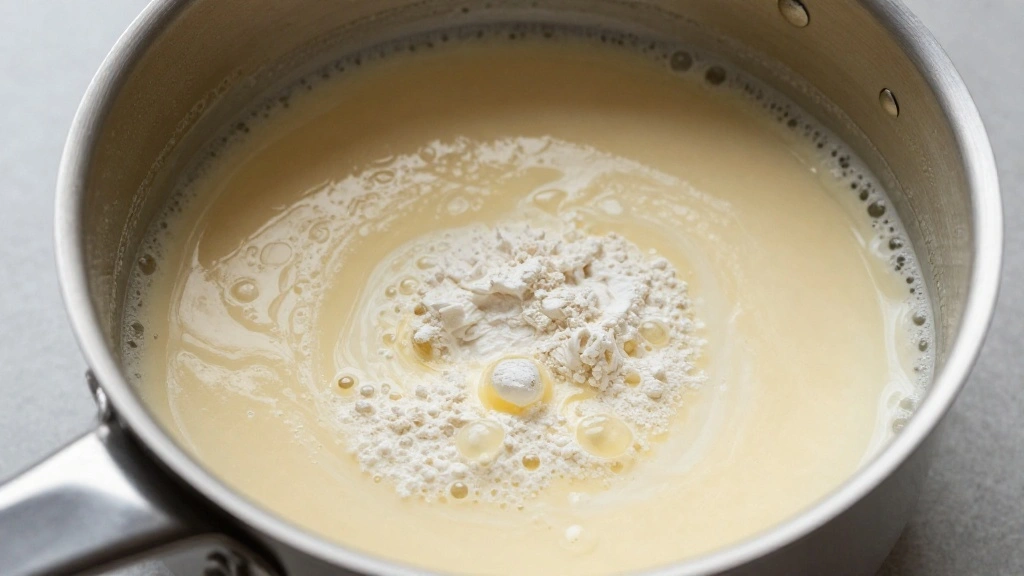
Melt butter in a saucepan over medium heat.
Whisk in flour, cooking for 2 minutes to eliminate raw flavor.
Gradually add milk, whisking constantly to avoid lumps.
Stir in Parmesan until melted and smooth.


Step 5: Preheat Oven
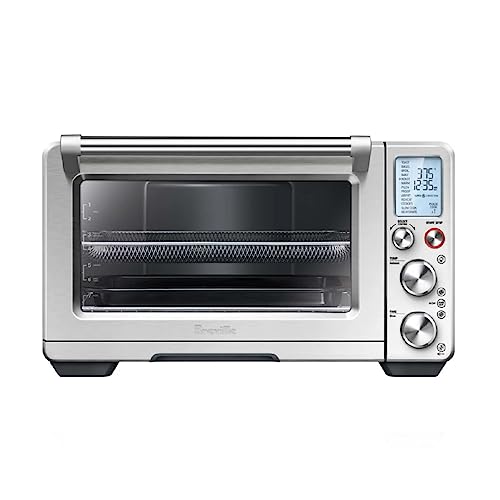
Preheat your oven to 350°F (175°C).
Ensure the oven rack is positioned in the center.
Prepare an ovenproof casserole dish for layering.
Grease the dish lightly with olive oil.


Step 6: Layer the Ingredients
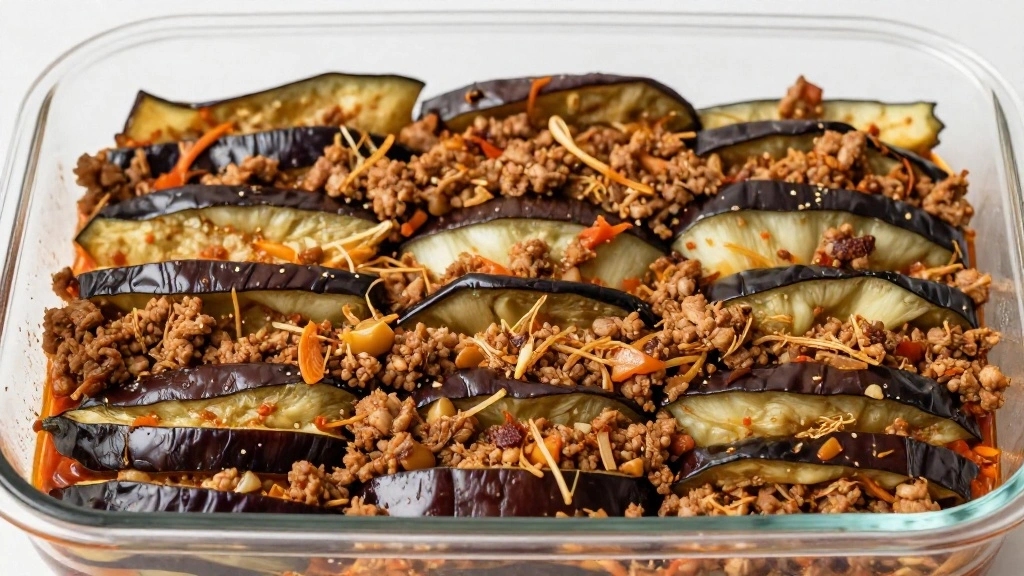
Place a layer of eggplant slices in the casserole dish.
Spread half of the meat sauce evenly over the eggplants.
Add another layer of eggplants, followed by remaining meat sauce.
Finish with a final layer of eggplants.
Step 7: Top with Béchamel
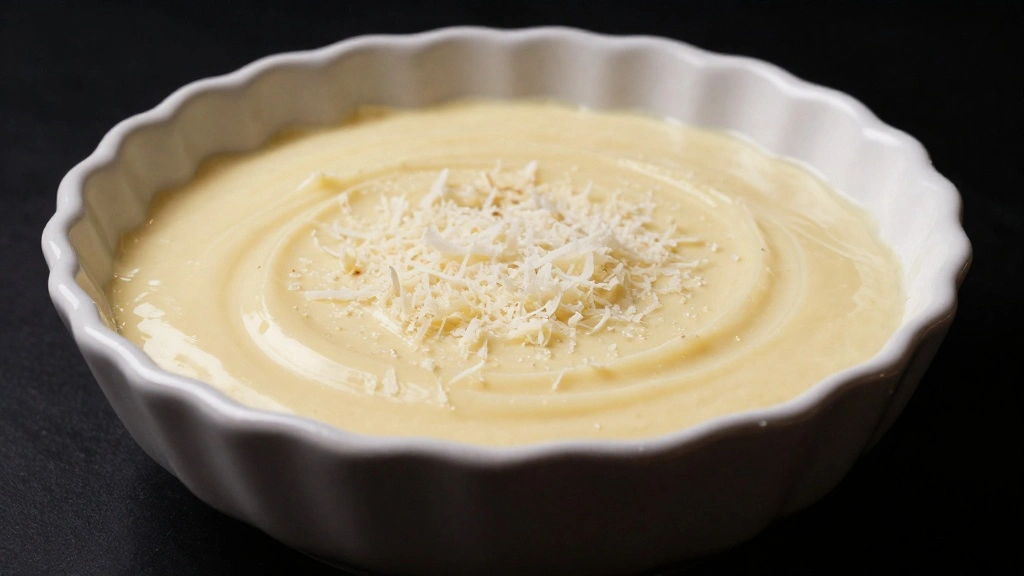
Pour the béchamel sauce over the top layer of eggplants.
Spread evenly with a spatula to cover completely.
Sprinkle additional Parmesan on top for a golden crust.
Ensure there are no exposed eggplants.
Step 8: Bake the Moussaka
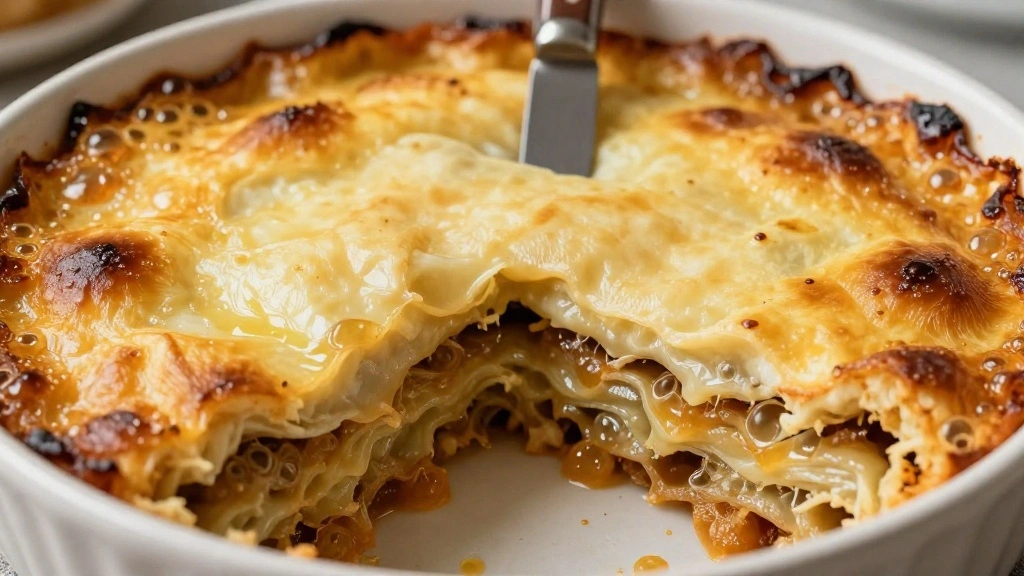
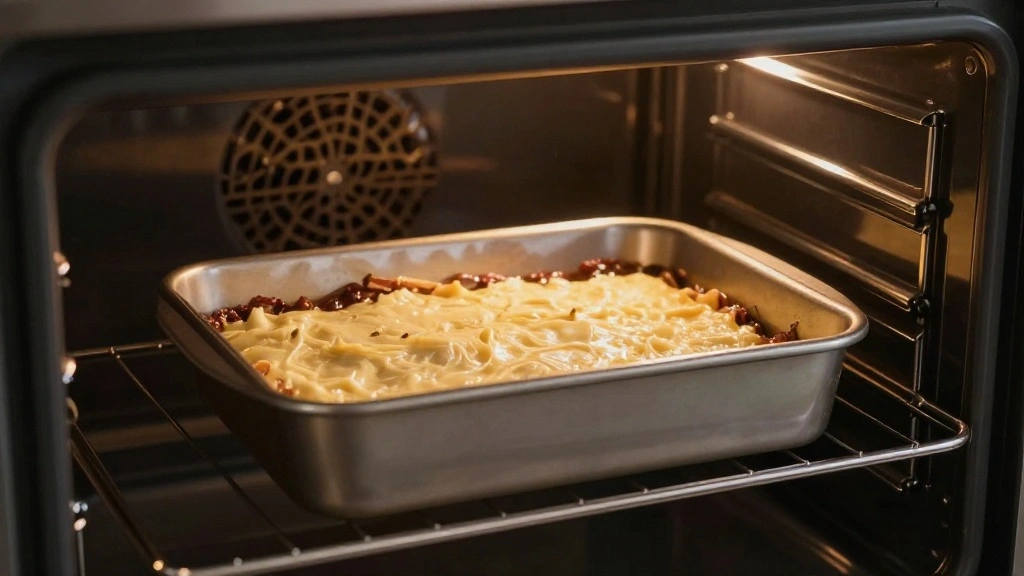
Place the casserole dish in the preheated oven.
Bake for 45 minutes until the top is golden brown and bubbling.
Check for doneness by inserting a knife to see if it comes out clean.
Let rest for 10 minutes before serving.


Critical Timing and Temperature Guide
Sautéing Eggplants: Cook each side for 3-4 minutes over medium heat until golden brown, avoiding overcrowding to prevent steaming.
Baking Moussaka: Bake at 350°F (175°C) for 45 minutes, looking for a golden crust and bubbling edges as indicators of doneness.
Resting: Allow the baked moussaka to rest for at least 10 minutes, which helps set the layers and enhances flavor integration.


Pro Tips for Greek Moussaka Recipe
• Ingredient Selection: Choose firm, fresh eggplants without blemishes, and high-quality ground lamb for the richest flavor profile.
• Preparation Secret: Salting eggplant slices before cooking draws out excess moisture, preventing sogginess in the final dish.
• Temperature Management: Always start with a hot pan for sautéing, which ensures caramelization without overcooking the eggplants.
• Texture Enhancement: Use a mandoline or sharp knife for uniform eggplant slices, crucial for even cooking and layering.
• Flavor Layering: Incorporate cinnamon and garlic in the meat sauce to develop complex aromas that define authentic moussaka.
• Make-Ahead Strategies: Prepare the meat sauce a day in advance and store in the refrigerator, allowing the flavors to meld.
• Restaurant-Quality Finishing Touches: Top the final baked moussaka with fresh parsley before serving for a burst of color and freshness.
• Equipment Optimization: Ensure your ovenproof casserole dish is the right size to avoid thin layers, which can dry out during baking.


Troubleshooting Common Issues
• Texture Too Dense: This can occur if the eggplants are not cooked properly. Ensure they are sautéed until tender before layering.
• Flavors Unbalanced: If the dish tastes bland, check that spices are measured correctly and fresh. Adjust seasoning during meat sauce preparation.
• Runny Béchamel: If the sauce doesn't thicken, ensure flour is cooked thoroughly before adding milk. Whisk constantly to achieve desired consistency.
• Undercooked Middle: If the center is undercooked, bake longer at a slightly lower temperature to prevent burning the top.
• Soggy Bottom: This may result from insufficiently cooked eggplants. Make sure they are well-drained on paper towels before layering.
Variations and Regional Differences
• Turkish Moussaka: Unlike the layered Greek version, this style is more of a stew with eggplant cubes mixed throughout.
• Vegetarian Moussaka: Instead of meat, use lentils or chickpeas for protein, and add zucchini and potatoes for additional layers.
• Cypriot Moussaka: Includes additional layers of potatoes and sometimes zucchini, providing more texture and variety.
• Arab Moussaka: Often served cold and vegetarian, this variation features eggplants, tomatoes, and chickpeas cooked together.

Food Science Behind the Recipe
• Maillard Reaction: This chemical reaction occurs when browning the meat and eggplants, creating complex flavors and aromas essential for authentic moussaka.
• Emulsion Stability: In the béchamel sauce, the combination of fat and milk proteins forms a stable emulsion, providing the creamy texture.
• Layered Cooking: The layering technique promotes even heat distribution, ensuring each component is cooked perfectly and retains its distinct flavor.
Frequently Asked Questions
What's the most common mistake people make when preparing Moussaka? Overcooking or undercooking the eggplants is a frequent issue. Ensure they are golden brown and tender before layering.
Can I make Moussaka ahead of time? Yes, Moussaka can be assembled a day ahead and stored in the refrigerator. Bake it fresh before serving for the best texture.
Is it possible to freeze Moussaka? Absolutely, Moussaka freezes well. Freeze before baking, then thaw and bake as directed for optimal results.
What can I substitute for lamb? Ground beef or turkey can be used, though they offer different flavor profiles. Adjust seasoning accordingly.
How do I prevent a soggy Moussaka? Properly cook and drain the eggplants before layering to prevent excess moisture.
Why is my béchamel sauce lumpy? Lumps form if flour isn't cooked properly or milk is added too quickly. Whisk continuously and add milk gradually.
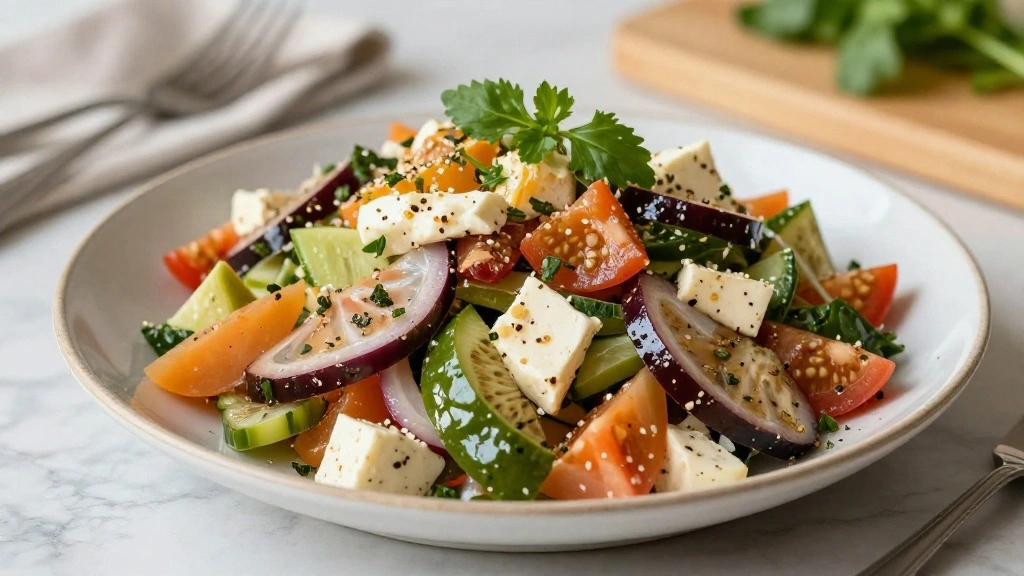
What should I serve with Moussaka? A light Greek salad or crusty bread complements the rich flavors of Moussaka beautifully.
Serving and Presentation Guide
• Traditional Presentation: Serve Moussaka directly from the casserole dish, cutting it into neat squares or rectangles for a rustic appeal.
• Modern Plating: Use a ring mold to create individual portions, topped with a sprig of fresh parsley for a refined look.
• Family Style: Present the entire dish at the table, allowing guests to serve themselves, emphasizing the communal aspect of Greek dining.
• Garnish with Herbs: Sprinkle fresh oregano or mint over the top before serving to add a fragrant finish.


Conclusion
This authentic Greek Moussaka recipe is a testament to the rich culinary heritage of the Mediterranean.
Its layers of flavor and texture promise a truly memorable dining experience.
Don't hesitate to bring a taste of Greece to your table and impress your family and friends with this classic dish.