
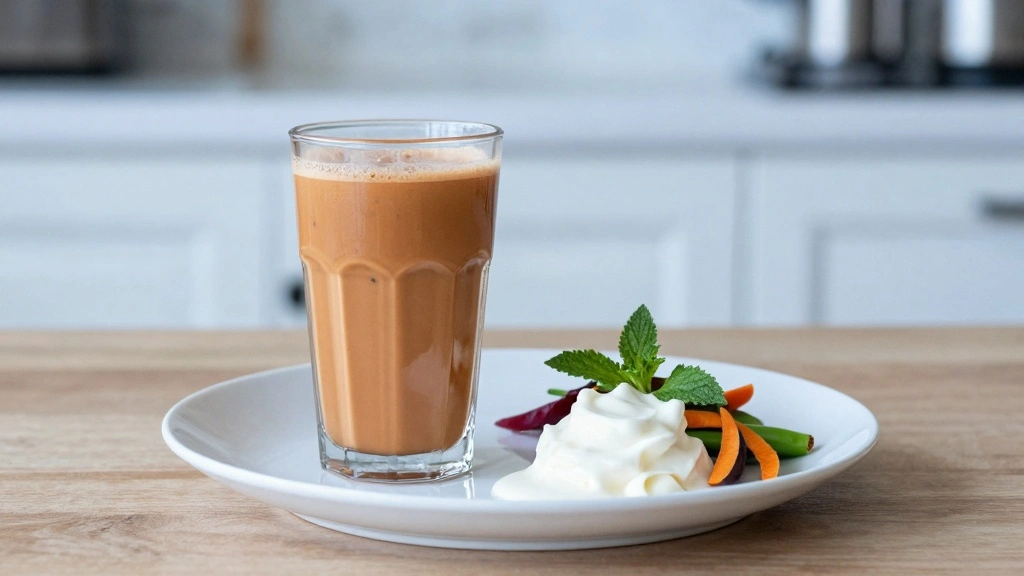


The allure of Minuman Thai Tea lies in its perfect balance of rich creaminess and aromatic spices.
This traditional beverage has captivated taste buds across the globe, offering a unique experience in every sip.
I first encountered this delightful drink during a vibrant street festival in Thailand, where its deep amber hue caught my eye.
Whether you’re lounging on a summer afternoon or seeking comfort on a chilly evening, Thai Tea promises a moment of bliss.
Its blend of sweetened condensed milk and strong black tea creates an indulgent treat that is hard to resist.
This recipe invites you to recreate an authentic Thai experience in the comfort of your home.
The History and Cultural Significance
• The dish evolved over decades as imported tea blends and local spices were incorporated, eventually becoming the beloved version we know today.
• In Thai culture, this dish traditionally appears at street fairs and celebrations, symbolizing hospitality and warmth.
• While many variations exist across different regions, the authentic version maintains a distinctive orange hue that sets it apart from imitations.
Recipe Overview
Nutritional Information (per serving)
Essential Equipment Guide
Heavy Saucepan: A heavy-bottomed saucepan helps maintain even heat distribution, crucial for infusing tea and spices evenly. Look for a pan with a good lid to prevent evaporation.
Measuring Cups and Spoons: Accurate measurements ensure the perfect balance of flavors. Choose stainless steel sets for durability and precision.


Ingredients
For the Base
| Amount | Ingredient | Notes |
|---|---|---|
| 4 cups | water | boiled for tea infusion |
| 3 tablespoons | black tea leaves | strong and robust flavor |
| 2 sticks | cinnamon | adds warmth and spice |
| 4 units | star anise | provides a licorice-like aroma |
| 1 cup | sweetened condensed milk | adds richness and sweetness |
| 1/2 cup | evaporated milk | for creamy texture |
Seasonings
| Amount | Ingredient | Notes |
|---|---|---|
| 1 teaspoon | vanilla extract | enhances sweetness |
| 1 tablespoon | sugar | optional, adjusts sweetness |


Preparation Methods
Milk Frothing: Frothing the milk enhances the creaminess and creates a luxurious mouthfeel. Use a hand frother or whisk vigorously to incorporate air into the milk, creating a light, airy texture.
Chilling: Allowing the tea to cool before serving over ice is essential to prevent dilution. Let the tea reach room temperature or refrigerate it for faster results.


Step 1: Boil Water
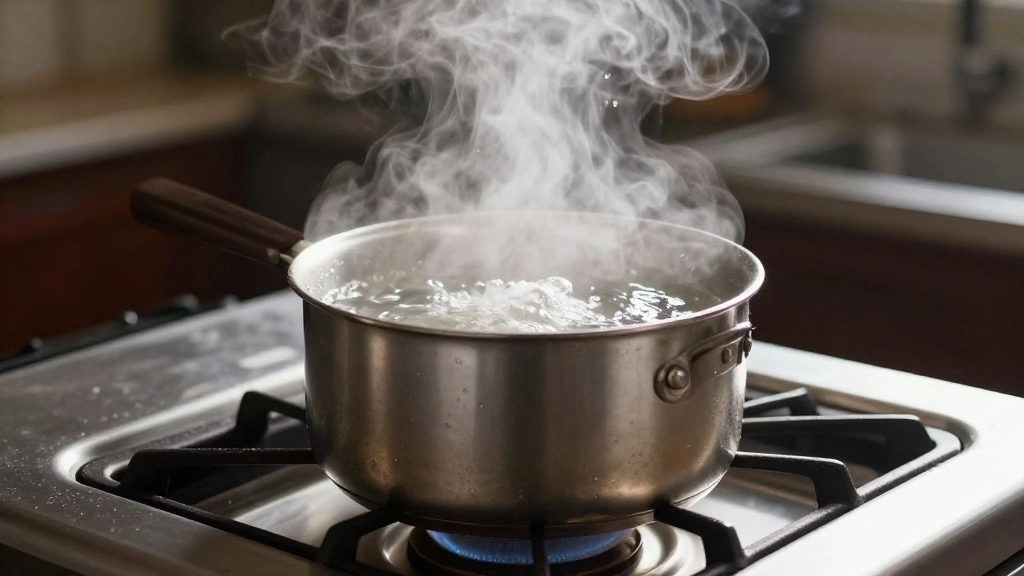
Ensure the water is fully boiling before adding any ingredients.
This will help maximize the extraction of flavors from the tea leaves and spices.
Make sure the saucepan is covered to prevent excessive evaporation.
Step 2: Add Tea and Spices
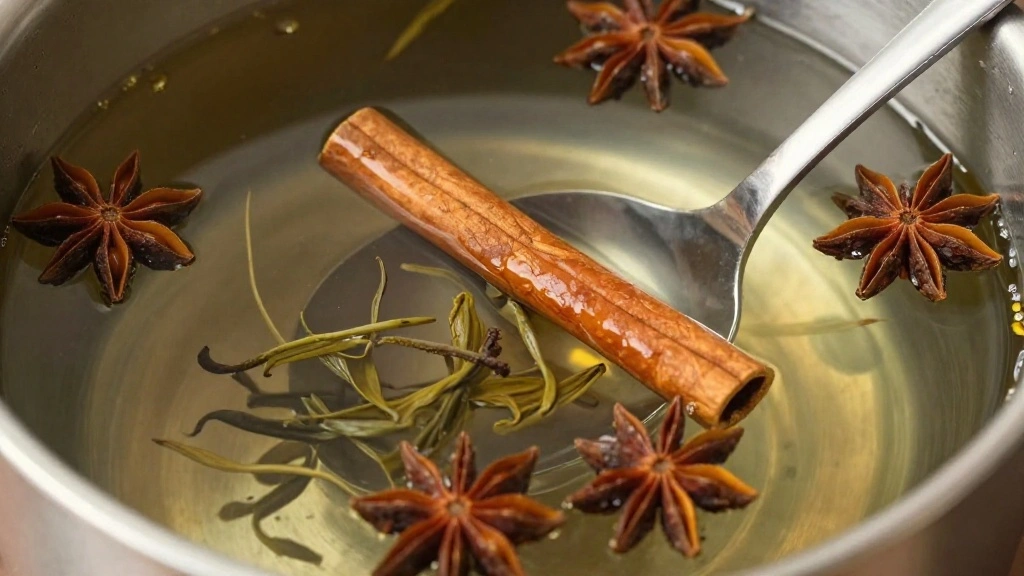
Stir gently to ensure even distribution of the spices.
Allow the mixture to simmer gently for five minutes.
This step is crucial for infusing the water with the tea and spice flavors.
Step 3: Strain the Tea
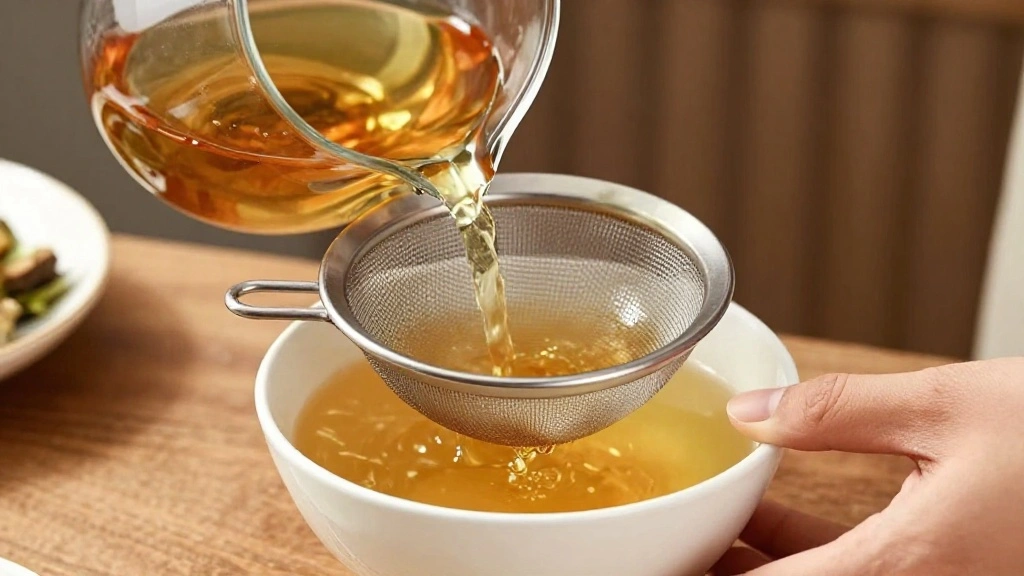
Use a fine-mesh strainer to remove the tea leaves and spices from the liquid.
Ensure all solids are removed to achieve a smooth, clear tea base.
Rinse the strainer after use for easy cleaning.
Step 4: Add Sweetened Condensed Milk
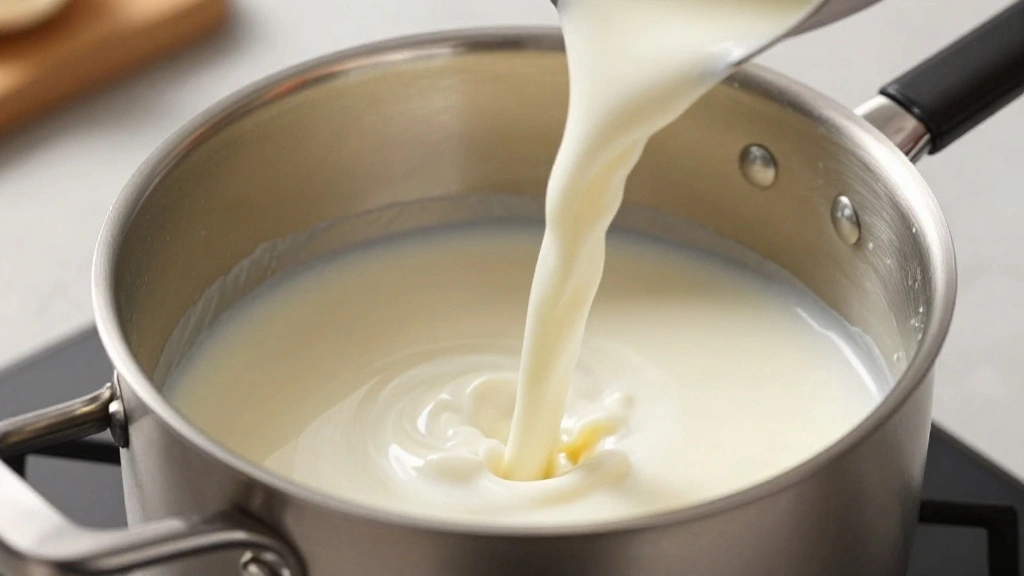
Add the sweetened condensed milk to the tea base.
Stir continuously until the milk is thoroughly incorporated and the mixture is smooth.
Avoid boiling to prevent curdling.
Step 5: Stir in Evaporated Milk
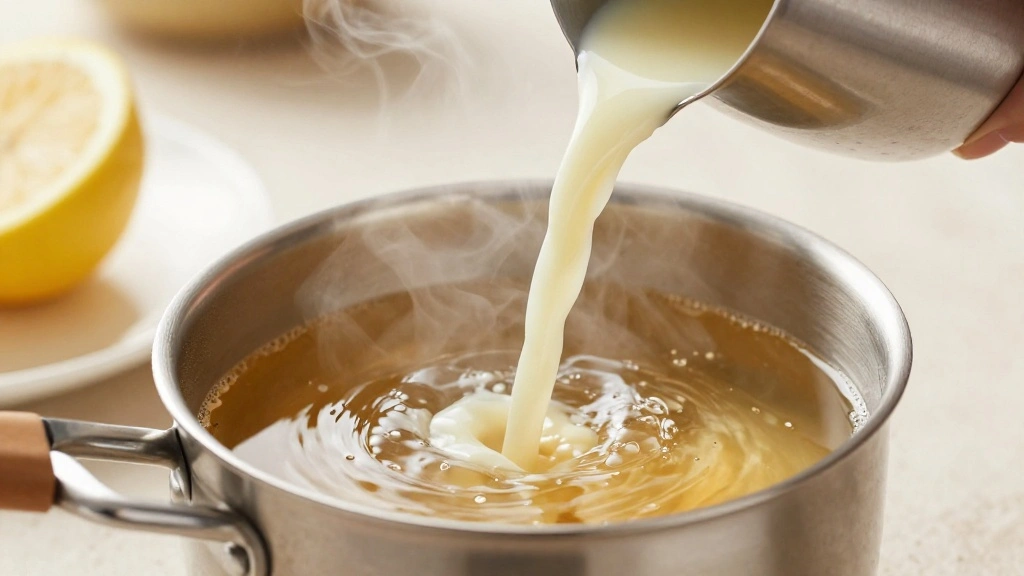
Continue stirring gently to achieve a consistent texture.
The evaporated milk adds depth and creaminess to the tea.
Ensure the mixture remains warm but not boiling.
Step 6: Add Vanilla and Optional Sugar
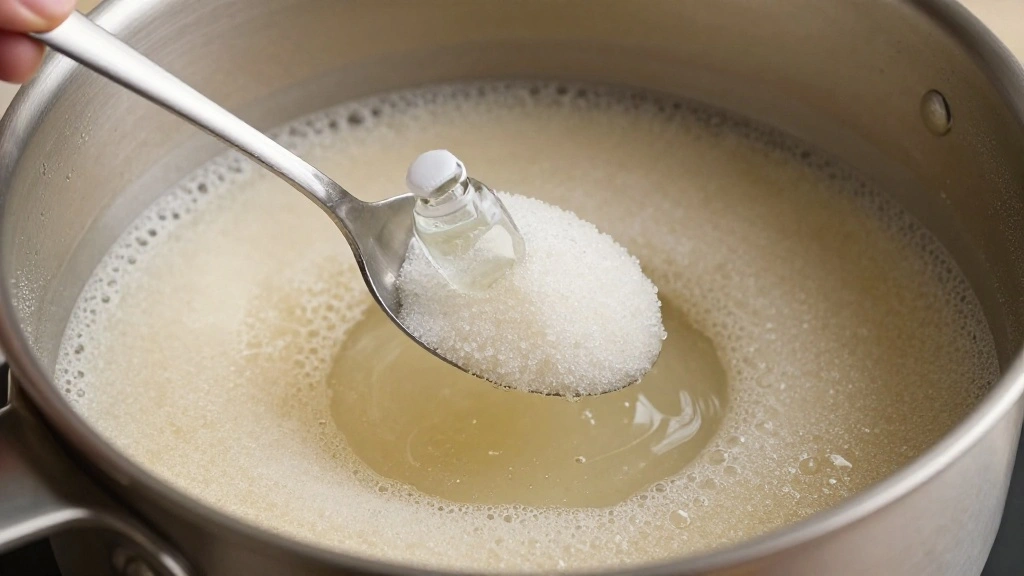
Add sugar if desired, adjusting to your taste preference.
Mix thoroughly to dissolve the sugar completely.
Taste and adjust flavors as needed for balance.
Step 7: Cool the Tea

Transfer the tea to a pitcher if desired for easier pouring.
Refrigerate the tea if you prefer a colder drink.
Cooling helps prevent ice from quickly diluting the tea when served.
Step 8: Serve Over Ice
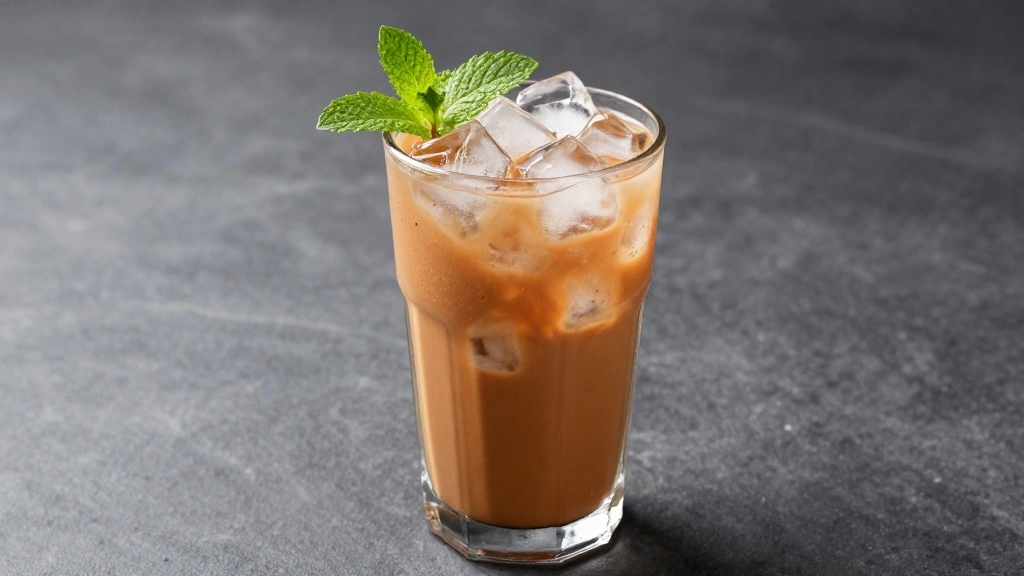
Pour the cooled tea over the ice, allowing it to chill further.
Garnish with a sprig of mint or a slice of lime for added freshness.
Serve immediately and enjoy your creamy, aromatic Thai tea.


Critical Timing and Temperature Guide
Milk Incorporation: Keep the mixture at a low heat while adding the milks to ensure smooth blending. High heat can cause curdling.
Cooling: Let the tea cool completely before serving over ice to maintain full flavor without dilution.
Pro Tips for Minuman Thai Tea
• Preparation Secret: Pre-soak the tea leaves in cold water for 30 minutes before boiling to enhance flavor extraction.
• Temperature Management: Use cold, filtered water for brewing to ensure a clean taste.
• Texture Enhancement: Froth the milk separately before adding to achieve a luscious, creamy texture.
• Flavor Layering: Toast the spices lightly before adding to the tea to release their essential oils and deepen the flavor.
• Make-Ahead Strategies: Prepare the tea base a day ahead and store it in the refrigerator to allow flavors to meld further.
• Restaurant-Quality Finishing Touches: Add a sprinkle of ground cardamom on top just before serving for a fragrant boost.
• Equipment Optimization: Use a French press for both brewing and straining to streamline the process.


Troubleshooting Common Issues
• Milk Curdling: Ensure that the tea base is not boiling when adding the milk; a gentle simmer is ideal.
• Flavors Unbalanced: Adjust the sweetness with sugar or additional condensed milk to suit your taste; always taste before serving.
• Insufficient Creaminess: Increase the amount of evaporated milk or froth the milk more vigorously for a richer texture.
• Tea Not Strong Enough: Use more tea leaves or a longer steeping time, carefully monitoring for bitterness.
• Spices Overpowering: Reduce the quantity of spices and ensure they are fresh; stale spices can alter the flavor balance.
Variations and Regional Differences
• Modern Iced Thai Tea: Incorporates boba pearls for a chewy texture, transforming it into a trendy bubble tea variant.
• Vietnamese Influence: Uses condensed coconut milk and pandan leaves for a fragrant, Southeast Asian flair.
• Spicy Thai Tea: Adds crushed red chili or ginger for a warming, spicy kick that contrasts with the tea’s sweetness.


Food Science Behind the Recipe
• Emulsification: The blending of sweetened condensed milk with tea creates an emulsion, giving the drink its signature creamy mouthfeel.
• Cooling Dynamics: Rapid cooling over ice helps preserve volatile compounds, ensuring a fresh and vibrant flavor even when chilled.


Frequently Asked Questions
Can I use different types of milk? Yes, you can substitute dairy milk with almond, soy, or coconut milk for a different flavor profile and dietary preferences.
How can I make the tea less sweet? Reduce the amount of sweetened condensed milk and add unsweetened evaporated milk to balance the sweetness.
What’s the best type of tea to use? Ceylon and Assam teas are recommended for their robust flavors, but any strong black tea can work.
How do I store leftover Thai tea? Keep it refrigerated in an airtight container for up to three days to preserve freshness.
Can I serve Thai tea hot? Absolutely, simply skip the chilling step and serve immediately after preparation.
Why is my Thai tea not bright orange? The color can vary based on the type of tea and spices used; ensure your tea is fresh and strong for the best color.
Serving and Presentation Guide
• Modern Twist: Present in a mason jar with a bamboo straw for an eco-friendly, trendy presentation.
• Elegant Setting: Use clear glassware to showcase the tea’s color, with a sprig of edible flowers for sophistication.
• Casual Gathering: Serve in colorful tumblers with playful paper straws for a fun and festive touch.
Conclusion
This traditional recipe offers a taste of Thai culture, blending rich flavors and creamy textures.
I encourage you to try this recipe and enjoy the unique experience it brings.
Share it with friends and family, and savor the warmth and comfort it provides.