


Mapo Tofu Recipe Authentic Sichuan Spicy Tofu Dish
400 grams soft tofu
200 grams minced pork
3 tablespoons doubanjiang (fermented broad bean paste)
1 tablespoon douchi (fermented black beans)
1 tablespoon soy sauce
1 teaspoon sugar
2 cloves garlic
1 inch ginger
1 teaspoon Sichuan peppercorns
1 tablespoon cornstarch
2 tablespoons vegetable oil
PT30M
4 servings
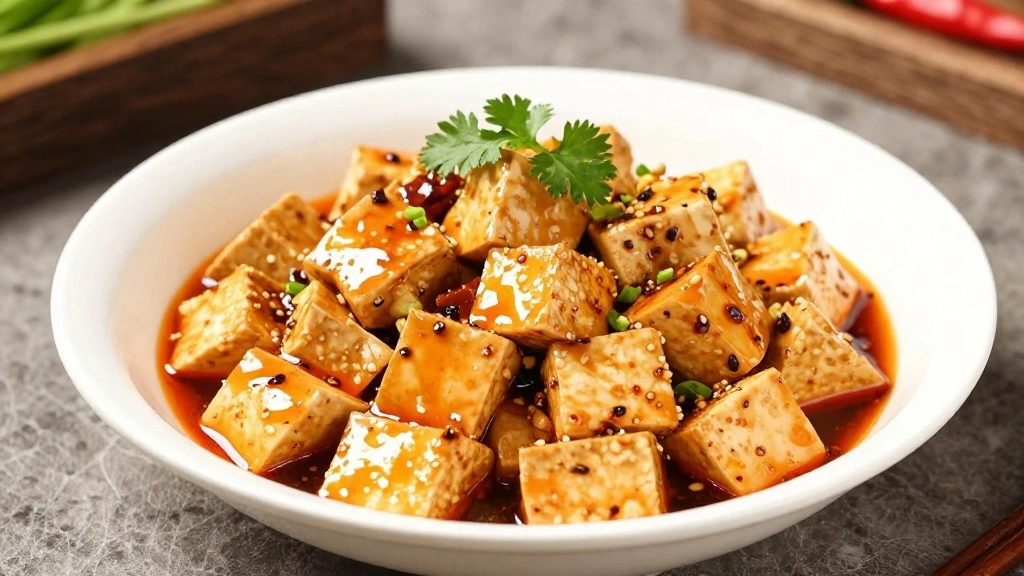
Mapo Tofu is a quintessential dish from the Sichuan province of China, known for its bold and spicy flavors.
The combination of silky tofu, savory minced pork, and a fiery sauce creates a complex and delightful taste experience.
I first encountered this dish in a small Sichuan restaurant, where the intense aroma drew me in and the vibrant flavors kept me coming back.
Whether you’re a fan of spicy food or looking to explore authentic Chinese cuisine, Mapo Tofu offers an unforgettable culinary adventure.
This recipe captures the essence of the traditional dish while making it accessible for home cooks.
Prepare to embark on a flavor journey that celebrates the heat and depth of Sichuan cooking.
The History and Cultural Significance
• Mapo Tofu Recipe traces its origins to Sichuan province in the late 19th century, where it was originally created by a pockmarked old woman known as ‘Ma Po’ who ran a small restaurant.
• The dish evolved over decades as the use of Sichuan peppercorns and fermented bean paste became more prevalent, eventually becoming the beloved version we know today.
• In Chinese culture, this dish traditionally appears at family gatherings and celebrations, symbolizing warmth and hospitality.
• While many variations exist across different regions, the authentic version maintains the characteristic numbing spiciness that sets it apart from imitations.


Recipe Overview
Nutritional Information (per serving)
Essential Equipment Guide
Wok: Essential for achieving the high heat needed for stir-frying, which is crucial for authentic flavor development. A deep skillet can be an alternative, but make sure it’s heavy-bottomed to retain heat.
Spatula: A flat spatula helps in tossing the ingredients evenly while cooking, ensuring the sauce coats everything properly. Look for a heat-resistant version to avoid melting.
Mortar and Pestle: Used for grinding Sichuan peppercorns to release their unique aroma and flavor. An electric spice grinder can be used as an alternative.


Ingredients
For the Base
| Amount | Ingredient | Notes |
|---|---|---|
| 400 grams | soft tofu | cut into 2 cm cubes |
| 200 grams | minced pork | adds umami flavor |
For the Sauce
| Amount | Ingredient | Notes |
|---|---|---|
| 3 tablespoons | doubanjiang (fermented broad bean paste) | provides the signature spicy flavor |
| 1 tablespoon | douchi (fermented black beans) | adds depth and umami |
| 1 tablespoon | soy sauce | enhances color and flavor |
| 1 teaspoon | sugar | balances the heat |
Vegetables
| Amount | Ingredient | Notes |
|---|---|---|
| 2 cloves | garlic | minced |
| 1 inch | ginger | finely chopped |
Seasonings
| Amount | Ingredient | Notes |
|---|---|---|
| 1 teaspoon | Sichuan peppercorns | ground, for numbing heat |
| 1 tablespoon | cornstarch | mixed with 2 tablespoons water, for thickening |
| 2 tablespoons | vegetable oil | for cooking |
Mince the garlic and chop the ginger finely.
Measure out the doubanjiang, douchi, soy sauce, and sugar for the sauce.


Step 2: Grind Sichuan Peppercorns
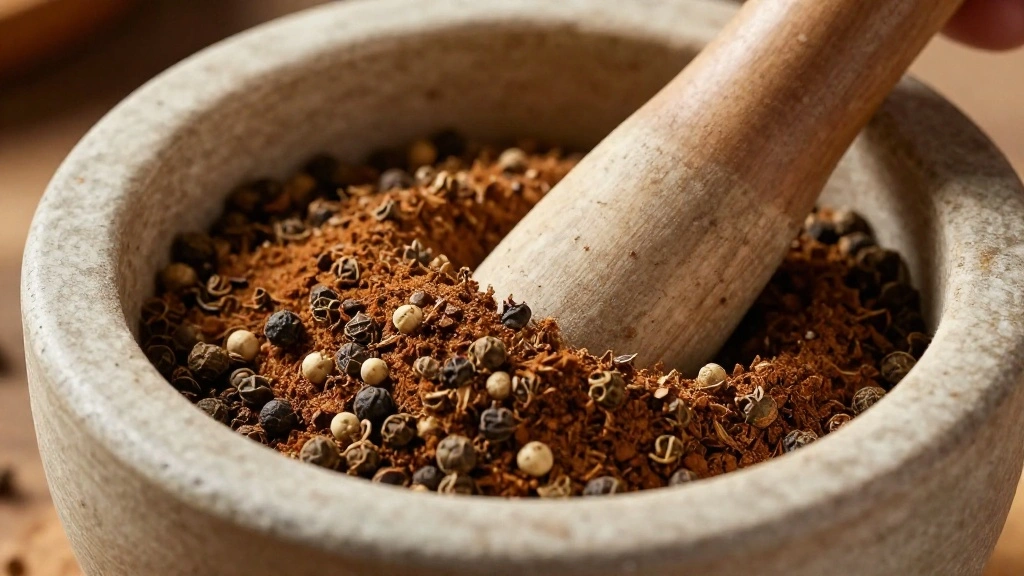
Use a mortar and pestle to grind the Sichuan peppercorns.
Aim for a fine powder to ensure even distribution of flavor.
You should be able to smell the fragrant aroma as you grind.
Set the ground peppercorns aside for later use.
Step 3: Brown the Pork
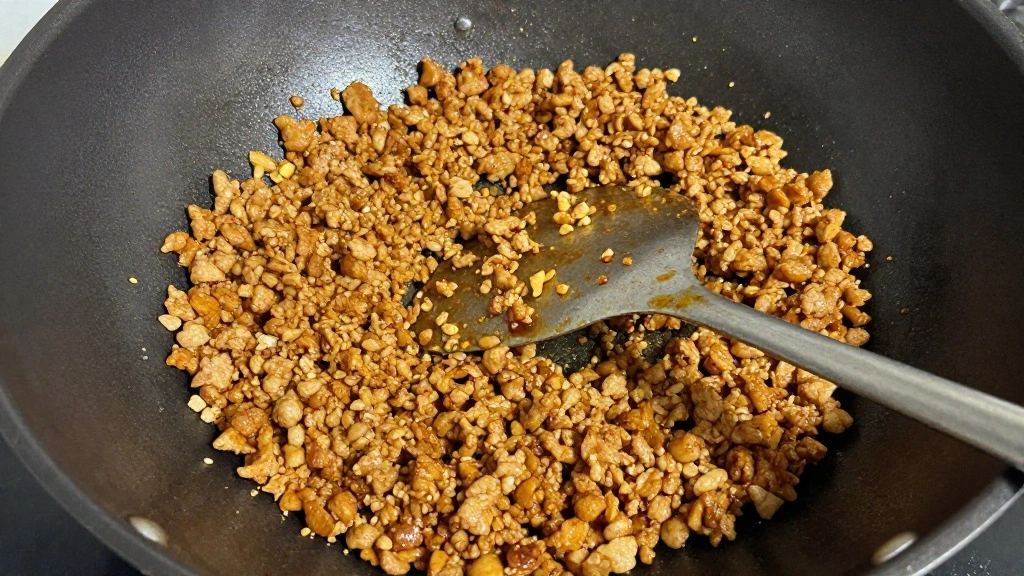
Heat 1 tablespoon of vegetable oil in a wok over medium-high heat.
Add the minced pork and stir-fry until browned.
Break up any clumps of pork with your spatula as it cooks.
Once browned, remove the pork from the wok and set aside.
Step 4: Sauté Aromatics
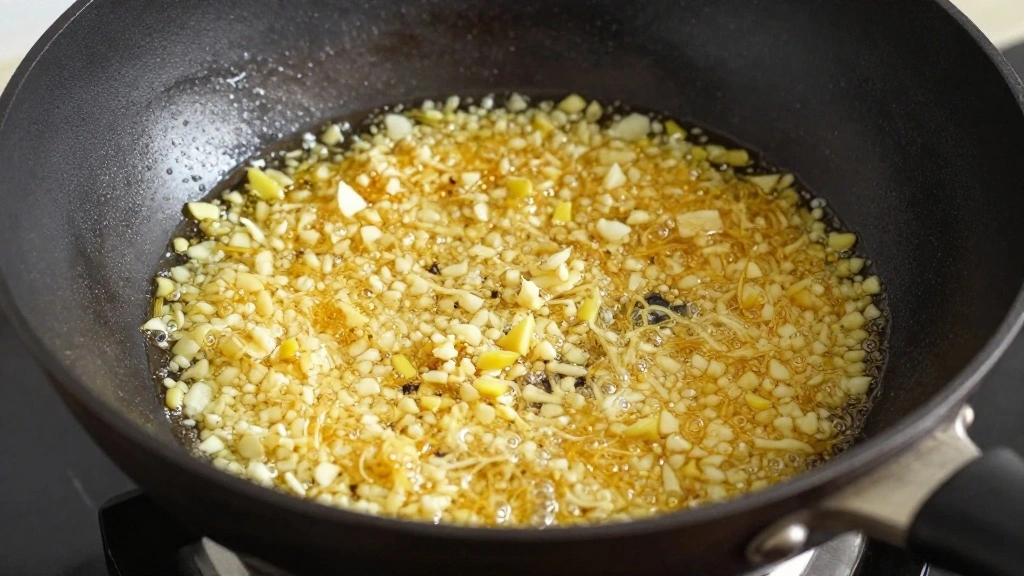
In the same wok, add another tablespoon of vegetable oil.
Add the minced garlic and chopped ginger to the hot oil.
Stir-fry for about 30 seconds until fragrant.
Be careful not to burn the garlic as it can become bitter.


Step 5: Cook the Sauce
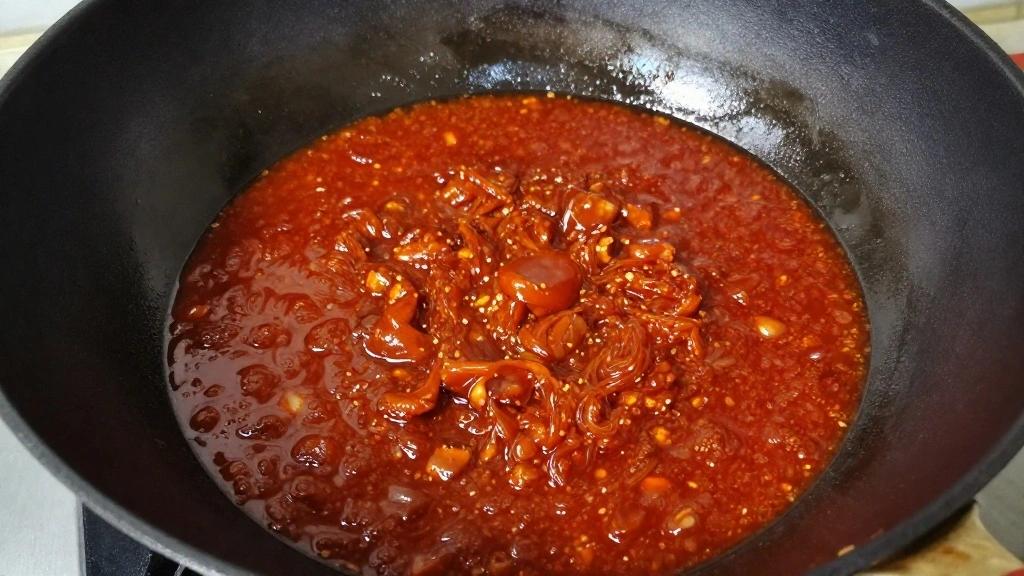
Add the doubanjiang and douchi to the wok with the aromatics.
Stir-fry for about 1 minute to release their flavors.
Add the soy sauce and sugar, mixing well.
The sauce should become aromatic and slightly thickened.
Step 6: Combine Tofu and Pork
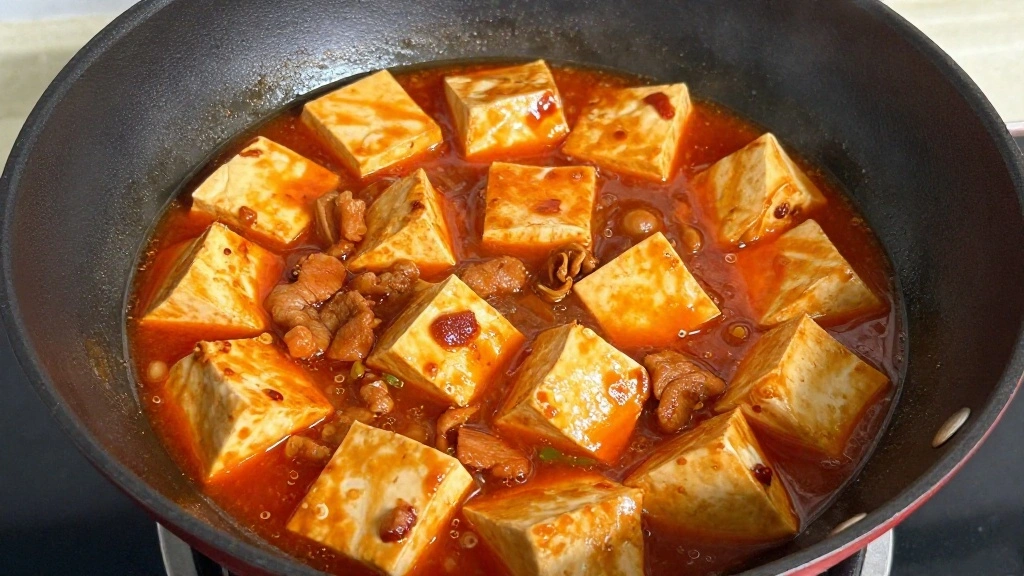
Gently add the cubed tofu to the sauce, being careful not to break it.
Return the browned pork to the wok and mix gently.
Ensure the tofu is well-coated with the sauce.
Simmer for about 3 minutes to allow the flavors to meld.
Step 7: Thicken the Sauce
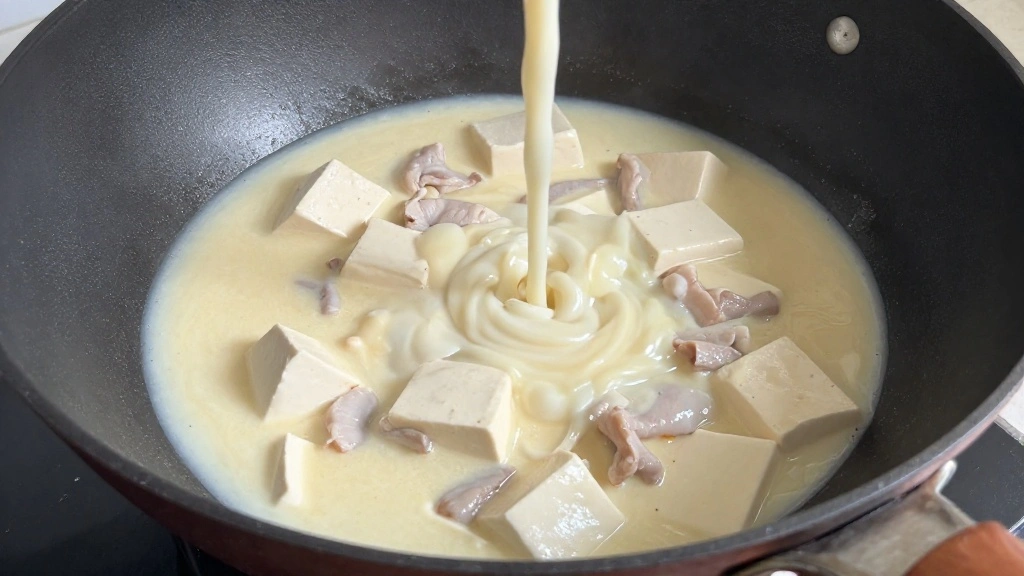
Prepare a slurry by mixing cornstarch with cold water.
Slowly pour the slurry into the simmering wok, stirring gently.
The sauce should thicken and coat the tofu and pork evenly.
Continue cooking for another 2 minutes to reach the desired consistency.

Step 8: Finish with Sichuan Peppercorns
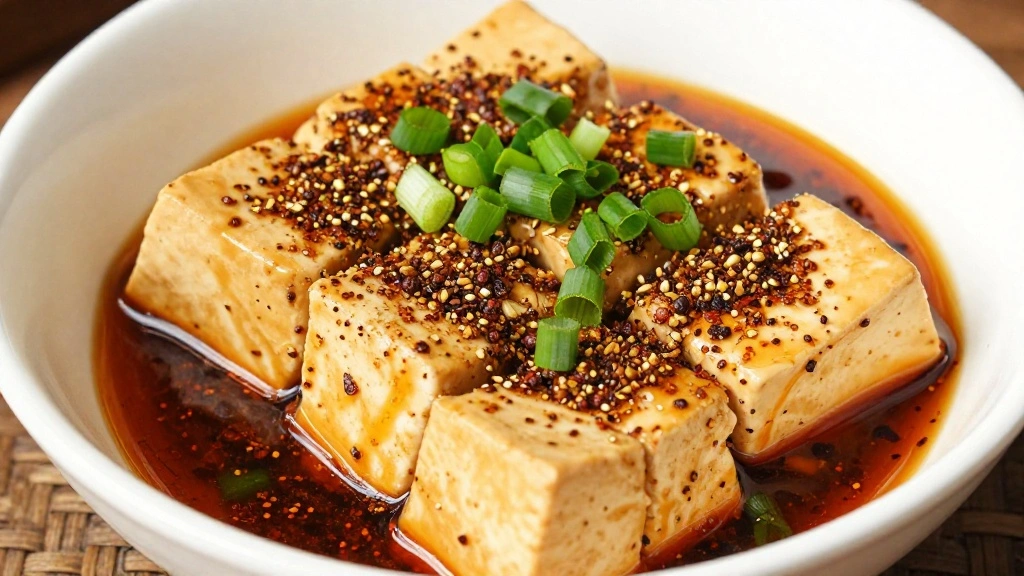
Sprinkle the ground Sichuan peppercorns over the dish.
Mix gently to distribute the numbing heat throughout.
Taste and adjust seasoning if necessary.
Serve hot, garnished with chopped green onions if desired.

Critical Timing and Temperature Guide
Stir-Frying: Cook over medium-high heat for quick browning. Look for a slight caramelization on meat without burning. Avoid overcrowding to maintain high heat.
Simmering: Once all ingredients are combined, simmer for 3-5 minutes. Ensure the sauce bubbles gently, not vigorously, to meld flavors without breaking tofu.
Thickening: Add cornstarch slurry and cook for 2 minutes until sauce thickens. The sauce should cling to tofu and pork without being too gooey. Avoid adding slurry to boiling sauce to prevent lumps.
Pro Tips for Mapo Tofu Recipe
• Ingredient Selection: Use fresh, soft tofu and high-quality doubanjiang for the best flavor. Doubanjiang is the soul of the dish and should be authentic Sichuan.
• Preparation Secret: To enhance the tofu’s ability to absorb flavor, soak it in hot salted water for 5 minutes before cooking.
• Temperature Management: Ensure your wok is hot before adding ingredients to maintain the high heat needed for stir-frying.
• Texture Enhancement: Gentle handling of tofu prevents it from breaking and maintains its silky texture.
• Flavor Layering: Add spices in stages—first during sautéing, then before simmering to build depth and complexity.
• Make-Ahead Strategies: Prepare the sauce in advance and store in the refrigerator for up to 3 days. Reheat and add fresh tofu when ready to serve.
• Restaurant-Quality Finishing Touches: Garnish with freshly chopped green onions and a drizzle of sesame oil for a professional finish.
• Equipment Optimization: Preheat your wok over high heat before adding oil to ensure even cooking and prevent sticking.


Troubleshooting Common Issues
• Texture Too Dense: Overcooked tofu becomes dense. Ensure tofu is simmered gently and not stirred too vigorously.
• Flavors Unbalanced: If too salty or spicy, add a touch of sugar or vinegar. Adjust the amount of doubanjiang based on preference.
• Sauce Too Runny: Insufficient thickening. Ensure cornstarch slurry is mixed well before adding and give it time to thicken.
• Peppercorns Not Fragrant: Use fresh Sichuan peppercorns and grind them just before use to maximize aroma.
• Tough Pork: Use fatty minced pork and brown it properly before combining with other ingredients to ensure tenderness.
Variations and Regional Differences
• Chengdu Style: This version uses less doubanjiang and adds more garlic for a milder, aromatic flavor, popular in the Chengdu region.
• Vegetarian Variation: Replace pork with shiitake mushrooms for an earthy flavor, maintaining the dish’s umami depth.
• Yunnan Style: Incorporates Yunnan ham and local spices, offering a smokier and slightly sweet profile.
• Japanese Mapo Tofu: A milder, sweeter version using miso paste and often served over rice, reflecting local tastes.
Food Science Behind the Recipe
• Maillard Reaction: Browning the pork develops complex flavors through the Maillard reaction, crucial for depth and richness.
• Gelation: Cornstarch thickens the sauce by forming a gel-like network, which helps the sauce adhere to the tofu and pork.
• Capsaicin Release: Cooking doubanjiang releases capsaicin, the compound responsible for the dish’s heat, into the oil, dispersing it throughout the dish.
Frequently Asked Questions
What’s the most common mistake people make when preparing Mapo Tofu? Overcooking the tofu, which results in a dense texture and loss of the dish’s characteristic silkiness.
Can I make Mapo Tofu less spicy? Yes, reduce the amount of doubanjiang and adjust the Sichuan peppercorns to taste.
Is there a vegetarian option for Mapo Tofu? Absolutely, replace the pork with a mix of mushrooms or tofu crumbles for a vegetarian version.
What can I use if I can’t find doubanjiang? Miso paste with added chili flakes can be a substitute, though it will alter the flavor slightly.
How can I store leftovers? Store in an airtight container in the refrigerator for up to 3 days. Reheat gently to maintain texture.
Why is my sauce not thickening? Ensure your cornstarch slurry is mixed thoroughly and added to the sauce while it’s simmering, not boiling.
Can I freeze Mapo Tofu? Freezing is not recommended as tofu changes texture upon thawing, affecting the dish’s quality.
Serving and Presentation Guide
• Traditional Presentation: Serve Mapo Tofu in a shallow bowl, garnished with chopped green onions and a sprinkle of ground Sichuan peppercorns.
• Family Style: Present in a large serving dish at the center of the table, encouraging communal dining.
• Modern Plating: Serve over a bed of steamed rice with a side of sautéed greens for a complete meal.
• Restaurant Style: Add a swirl of sesame oil and serve with a side of pickled vegetables for an elegant touch.


Conclusion
Mapo Tofu is a testament to the vibrant and bold flavors of Sichuan cuisine.
This recipe allows you to bring the authentic taste of China into your home kitchen with ease.
Take the plunge into spicy, savory flavors, and enjoy the satisfaction of creating a beloved classic.
We hope this guide inspires you to explore more culinary adventures!