
Written by

Edited by

Affiliate Disclosure:
If you buy through links on our site, we may earn a small affiliate commission to help support the blog – at no extra cost to you. It never influences our product selection process. Thank you!
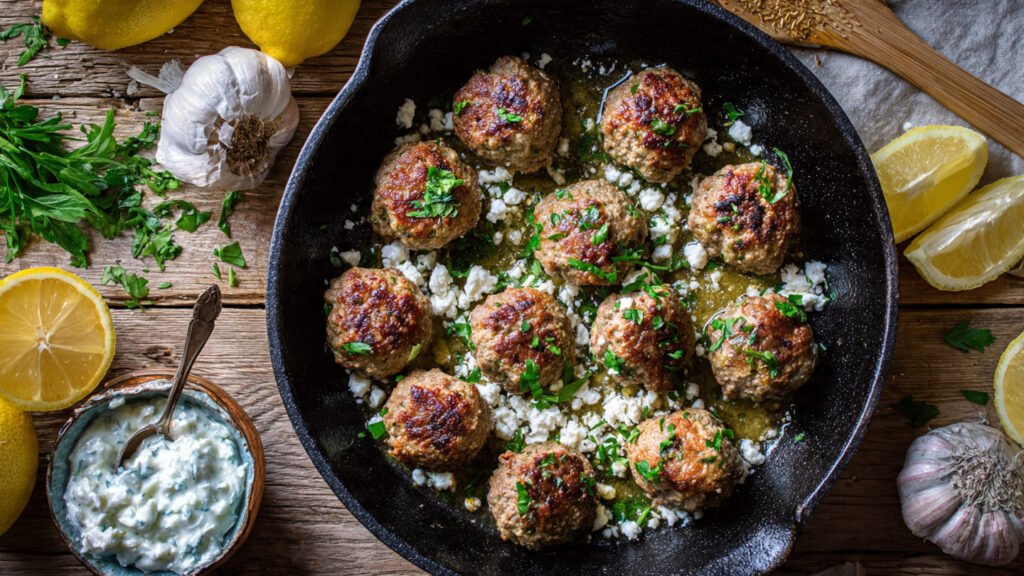
The rich aroma of Greek Lamb Meatballs brings the authentic flavors of the Mediterranean to your table.
Each bite is a journey through a blend of herbs and spices that perfectly complement the tender, juicy lamb.
Inspired by my travels through Greece, this dish captures the essence of traditional Greek hospitality.
Perfect for a cozy family meal or a special gathering, these meatballs are both delightful and easy to prepare.
The combination of fresh ingredients and simple techniques ensures a dish that’s both flavorful and satisfying.
• The dish evolved over decades as it incorporated Mediterranean flavors, eventually becoming the beloved version we know today.
• In Greek culture, this dish traditionally appears at family gatherings and celebrations, symbolizing hospitality and warmth.
• While many variations exist across different regions, the authentic version maintains the use of fresh mint and oregano, setting it apart from imitations.
Cast Iron Skillet: This tool is crucial for evenly browning the meatballs and developing a rich crust. An alternative could be a heavy-bottomed non-stick pan, but cast iron yields superior results.
Meat Thermometer: Ensures meatballs are cooked to the perfect internal temperature, preventing dryness or undercooking. Look for a digital version for quick and accurate readings.
| Amount | Ingredient | Notes |
|---|---|---|
| 500 grams | ground lamb | provides authentic flavor and richness |
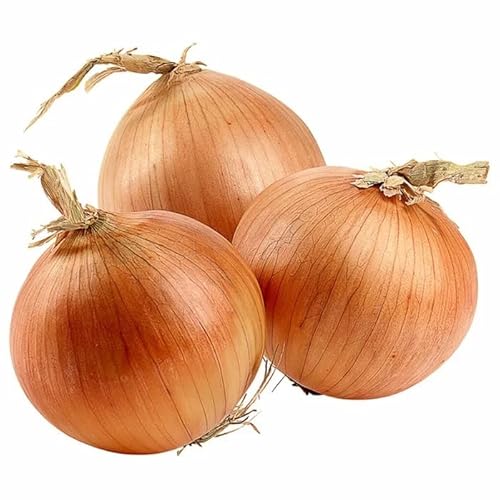
| 1 medium | onion | finely chopped for moisture |
| 2 cloves | garlic | minced for depth of flavor |
| 1 cup | breadcrumbs | binds ingredients together |
| 1 large | egg | helps to bind the mixture |
| 2 tablespoons | fresh mint | chopped, enhances freshness |
| 1 tablespoon | oregano | adds a Mediterranean touch |
| 1 teaspoon | salt | enhances flavor |
| 0.5 teaspoon | black pepper | adds spice |
| Amount | Ingredient | Notes |
|---|---|---|
| 1 cup | Greek yogurt | for creaminess |
| 1 tablespoon | lemon juice | adds tanginess |
| 1 tablespoon | olive oil | adds richness |
| 1 teaspoon | dill | fresh, for garnish |
Pan Searing: This technique involves browning the meatballs in a hot skillet to create a flavorful crust, sealing in juices. Ensure the pan is hot before adding meatballs to avoid sticking.
Resting: Allowing the meatballs to rest after cooking helps redistribute juices, ensuring they remain moist. Cover loosely with foil for about 5 minutes before serving.
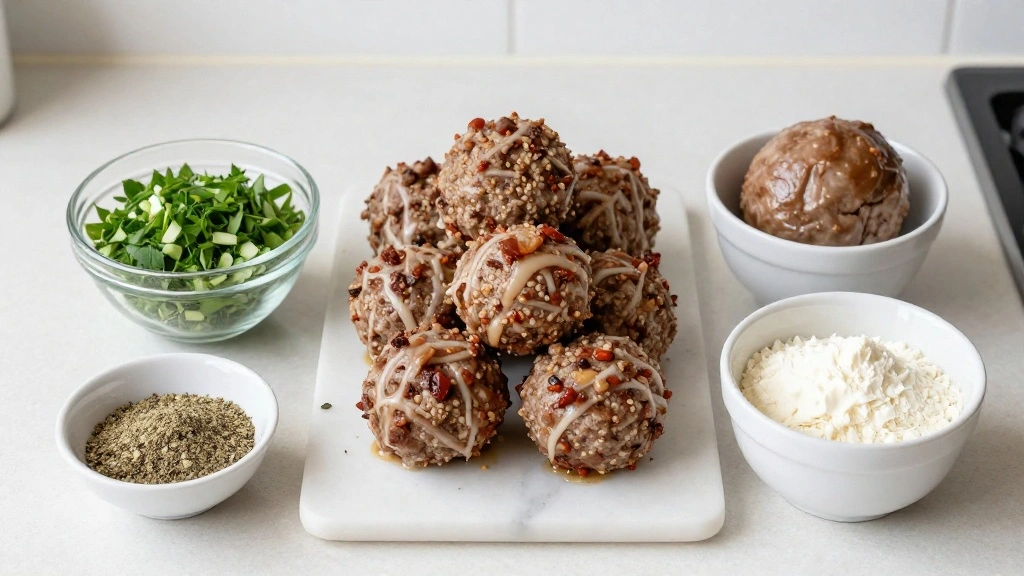
Chop the onion and mint finely for even distribution.
Measure out all spices and have them ready for mixing.
Arrange ingredients in an organized manner to streamline the cooking process.
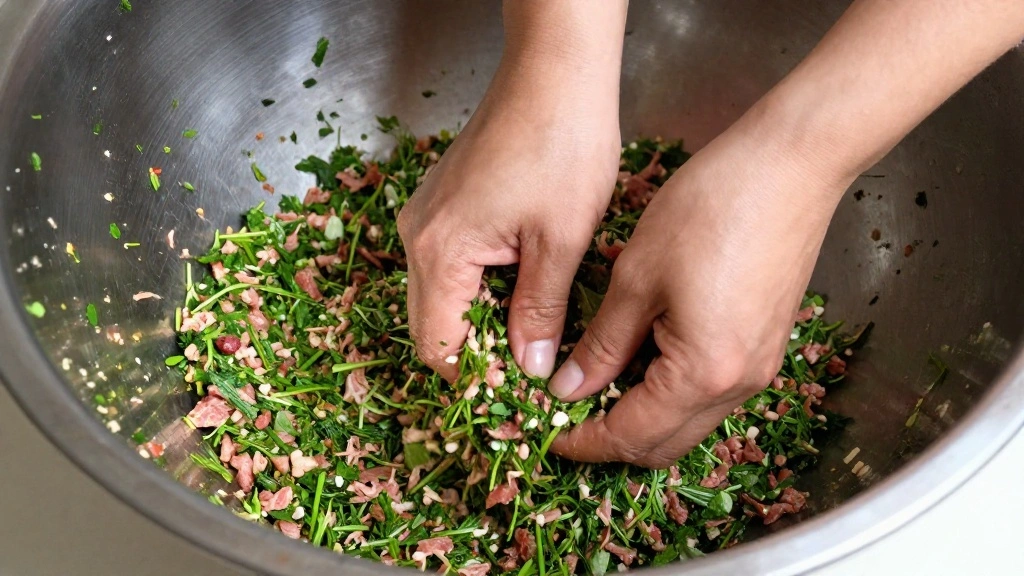
Add the fresh mint, oregano, salt, and pepper to the mixture.
Use your hands to gently mix until all ingredients are just combined.
Avoid overmixing to maintain a tender texture in the meatballs.
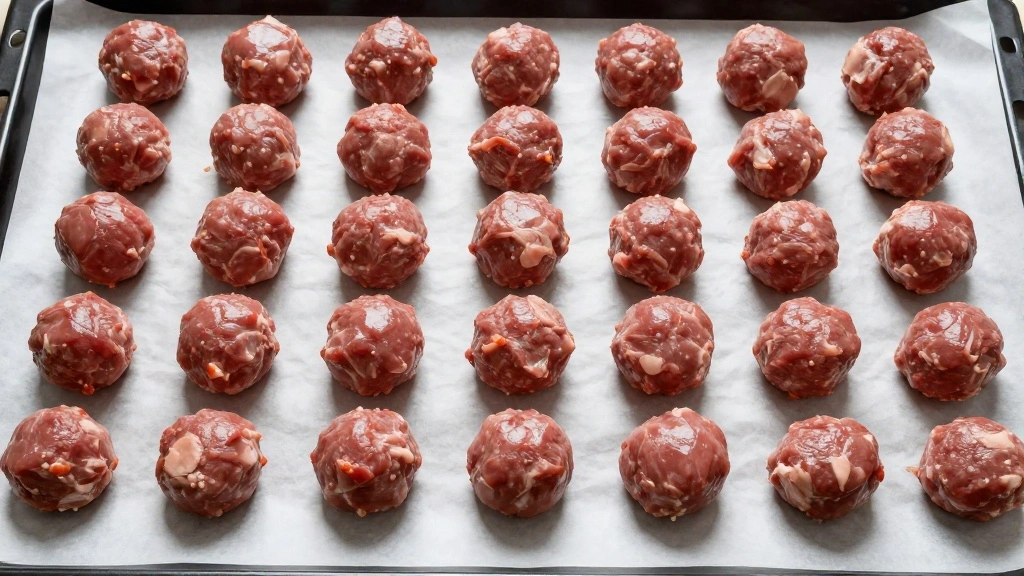
Aim for uniform size to ensure even cooking.
Place the shaped meatballs on a parchment-lined baking sheet.
Repeat until all the mixture is used, making approximately 16-20 meatballs.
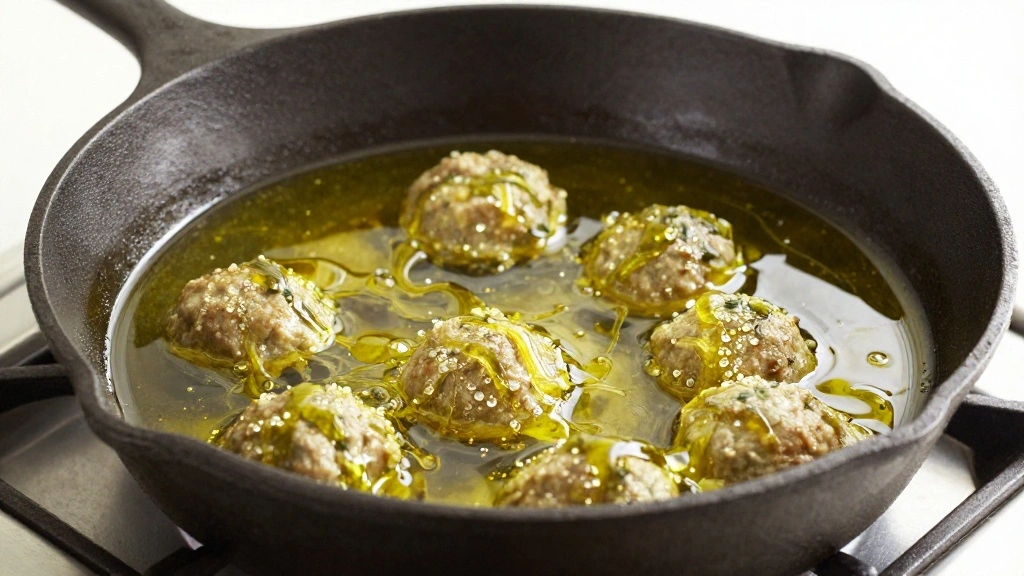
Allow it to heat for about 3-4 minutes until hot.
Add a tablespoon of olive oil to the skillet, swirling to coat the bottom.
The oil should shimmer slightly, indicating it’s ready for the meatballs.
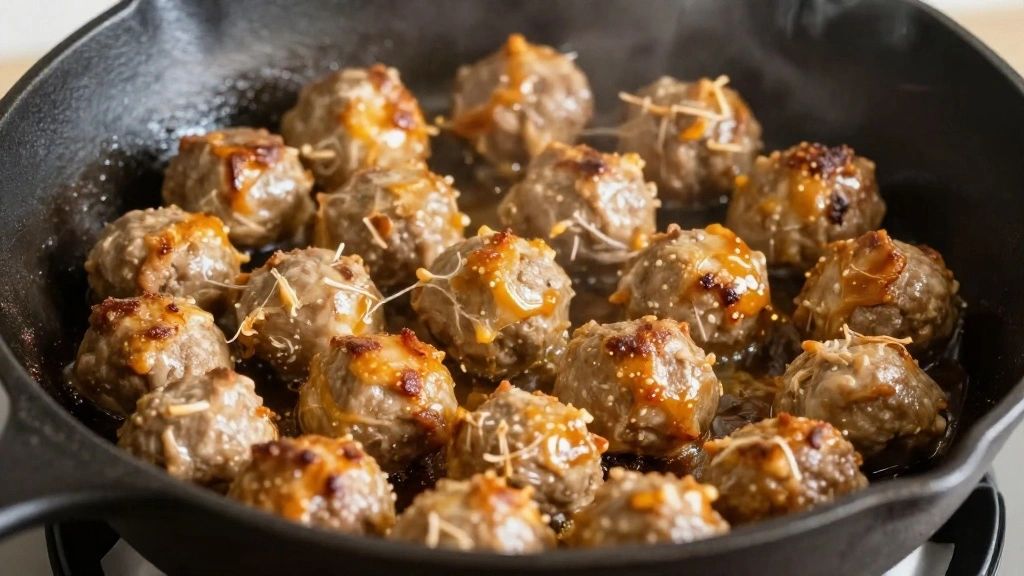
Cook without moving for 2-3 minutes until the bottoms are browned.
Turn each meatball gently with tongs to brown on all sides.
Continue cooking until they are evenly browned, about 8-10 minutes total.
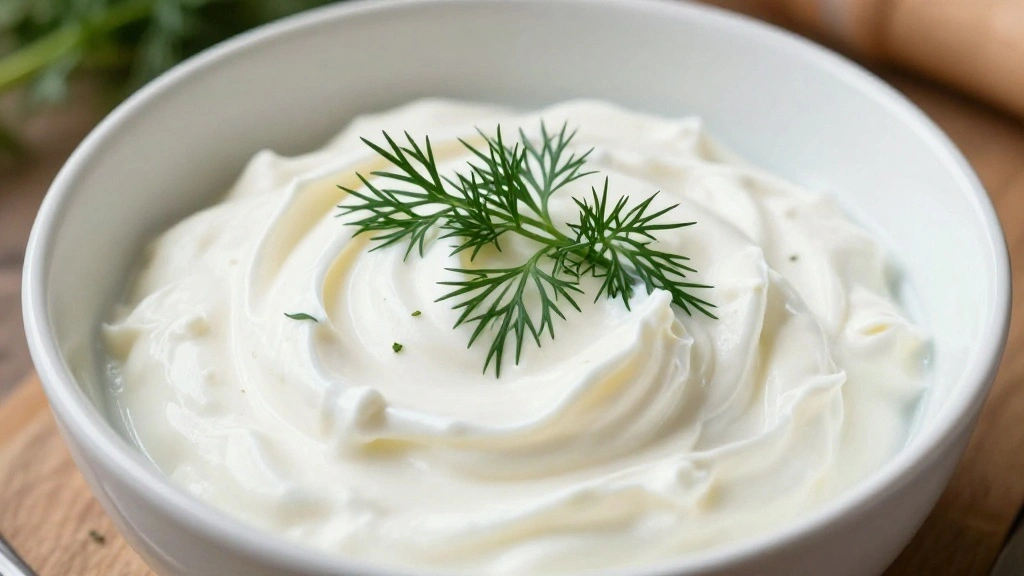
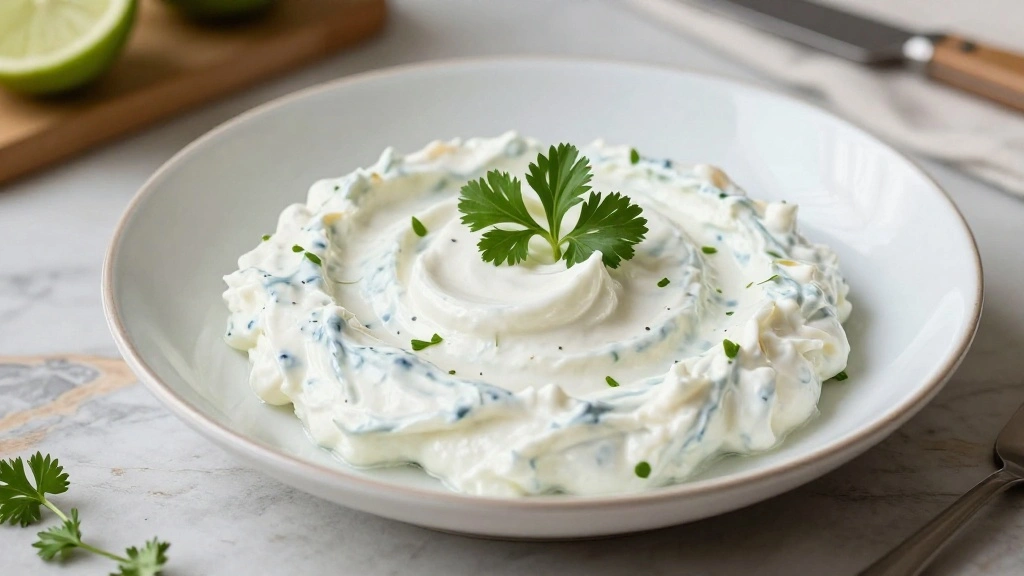
In a small bowl, combine Greek yogurt, lemon juice, and olive oil.
Whisk until smooth and creamy.
Add dill for garnish and adjust seasoning if needed.
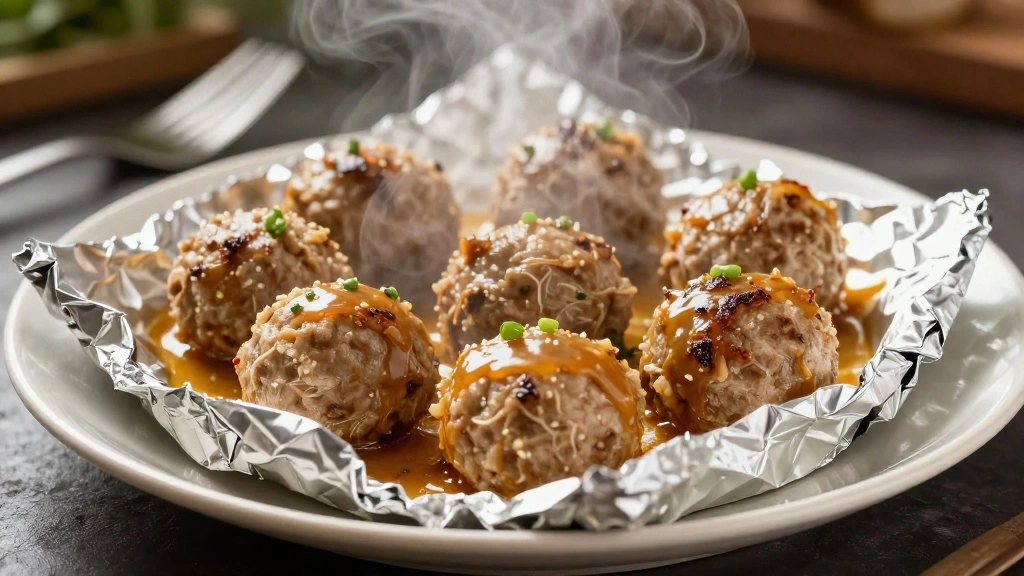
Cover loosely with aluminum foil and let rest for 5 minutes.
This allows the juices to redistribute throughout the meatballs.
Resting ensures the meatballs remain juicy when served.
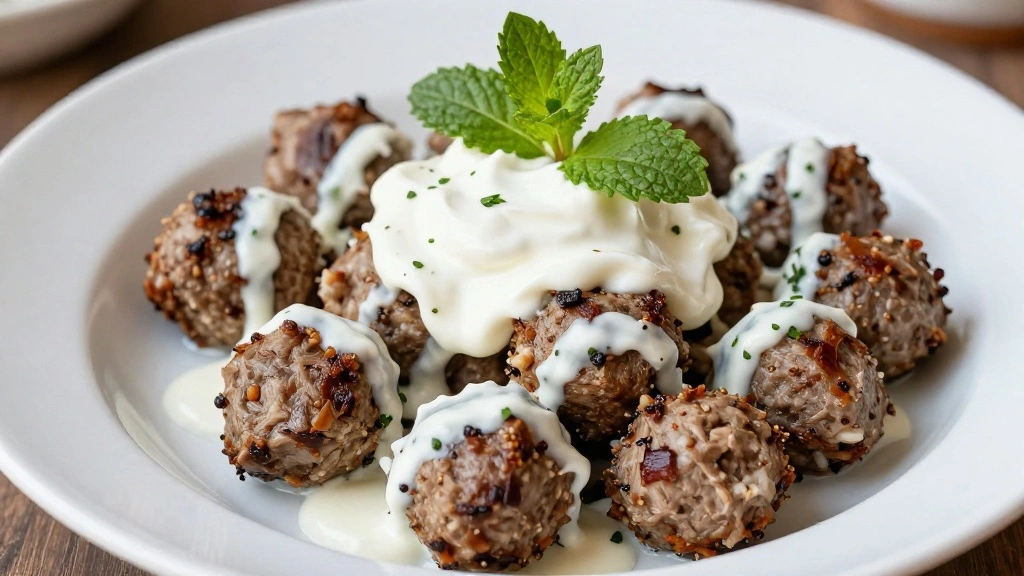
Drizzle the yogurt sauce over the top or serve it on the side.
Garnish with additional mint leaves for a fresh touch.
Serve immediately while warm for best flavor.
Cooking Internal Temperature: Aim for an internal temperature of 160°F (71°C) for perfectly cooked lamb. Use a meat thermometer to check doneness. Overcooking can lead to dryness.
Resting Time: Allow meatballs to rest for at least 5 minutes. This step is crucial for juice redistribution. Skipping this can result in dry meatballs.
• Preparation Secret: Chill the meat mixture for 15 minutes before shaping. This makes it easier to handle and results in firmer meatballs.
• Temperature Management: Ensure the skillet is hot before adding meatballs. This prevents sticking and promotes even browning.
• Texture Enhancement: Use panko breadcrumbs for a lighter texture. Soak in milk for extra tenderness if desired.
• Flavor Layering: Infuse olive oil with garlic before searing for an added layer of flavor.
• Make-Ahead Strategies: Prepare meatballs up to a day in advance and refrigerate. Bring to room temperature before cooking to ensure even cooking.
• Restaurant-Quality Finishing Touches: Finish with a sprinkle of flaky sea salt and a drizzle of high-quality olive oil for a touch of elegance.
• Equipment Optimization: Use a non-stick skillet if a cast iron is unavailable. Preheat thoroughly for best results.
• Flavors Unbalanced: If the meatballs taste bland, check seasoning levels. Ensure salt and herbs are evenly distributed during mixing.
• Meatballs Falling Apart: This may happen if the egg or breadcrumbs are omitted. Ensure both are included to bind the mixture effectively.
• Burned Exterior: If the meatballs burn before cooking through, reduce heat and increase cooking time slightly. Ensure the pan is not overcrowded.
• Dry Meatballs: Overcooking can lead to dryness. Monitor internal temperature closely and rest meatballs before serving.
• Bland Sauce: If the yogurt sauce lacks flavor, adjust lemon juice and salt to taste. Adding a pinch of garlic powder can enhance flavor.
• Middle Eastern Kofta: Uses a mix of spices such as allspice and cinnamon, often served with a tahini sauce.
• Italian Polpette: Uses breadcrumbs soaked in milk and Parmesan cheese, typically simmered in tomato sauce.
• Moroccan Merguez: Spicy lamb sausage variation with harissa, served with couscous.
• Protein Denaturation: Occurs as the meat cooks, transforming it from raw to firm. Understanding this helps in achieving the desired texture.
• Emulsification: The egg acts as an emulsifier, binding fat and moisture in the meatballs, which prevents them from falling apart.
How can I make the meatballs more tender? Use panko breadcrumbs and mix the ingredients gently.
Can I freeze the meatballs? Yes, shape and freeze them before cooking. Thaw overnight in the fridge before cooking.
What’s a good substitute for lamb? Ground beef or turkey can be used, but the flavor will differ.
How do I prevent the meatballs from falling apart? Ensure the mixture is well-bound with egg and breadcrumbs.
Can I bake the meatballs instead? Yes, bake at 400°F for 20-25 minutes until golden and cooked through.
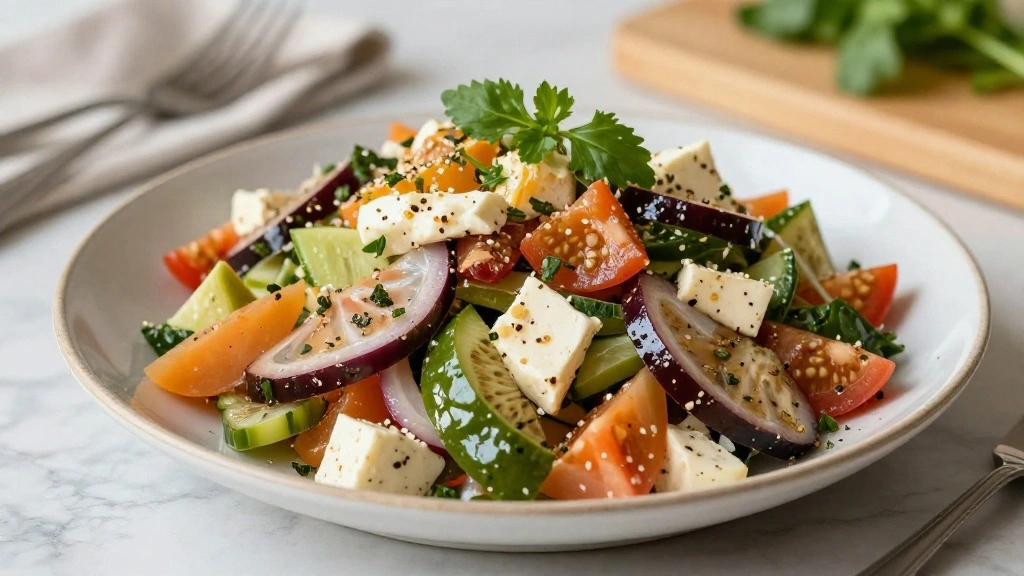
What can I serve with these meatballs? Tzatziki, pita bread, or a Greek salad complement them well.
Is it necessary to rest the meatballs? Yes, resting helps the juices redistribute, making them juicier.
• Individual Portions: Plate 4-5 meatballs per person with a small scoop of sauce and a lemon wedge.
• Family Style: Serve in a large bowl with sauce on the side, allowing guests to help themselves.
• Appetizer Style: Serve meatballs on skewers with small bowls of sauce for dipping.
Their rich flavors and easy preparation make them a perfect dish for any occasion.
I encourage you to try this recipe and discover the warmth of Greek hospitality in your own home.

Greek Recipes
Greek Recipes

Greek Recipes
Greek Recipes
Greek Recipes