


Kung Pao Chicken Recipe Easy Spicy Chinese Chicken at Home
1 pound chicken breast
2 tablespoons cornstarch
3 tablespoons soy sauce
1 tablespoon rice vinegar
1 tablespoon sugar
2 tablespoons water
1 cup bell peppers
1 cup zucchini
1 medium onion
2 cloves garlic
1 inch ginger
1 tablespoon Sichuan peppercorns
4 whole dried red chilies
PT30M
4 servings
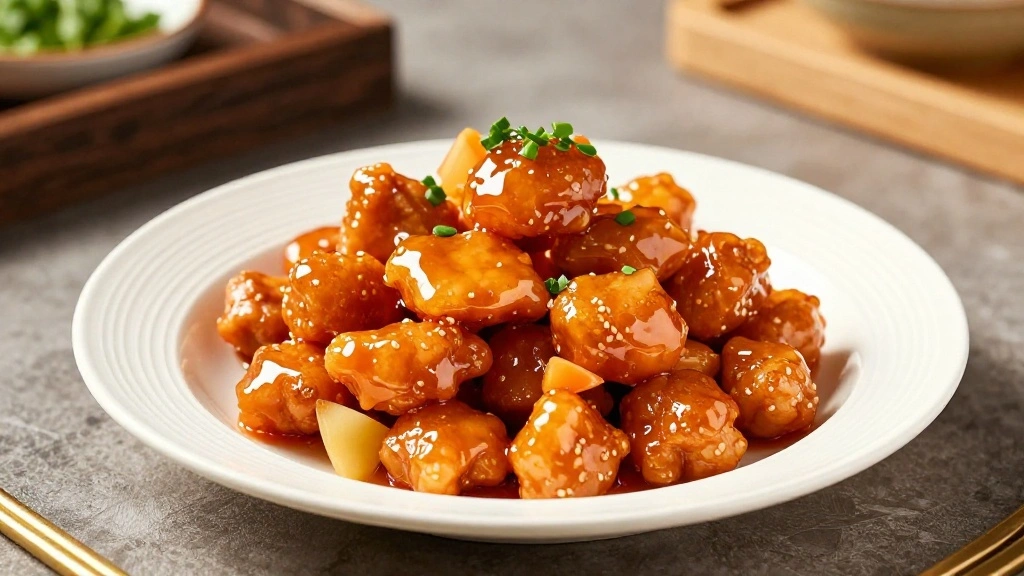
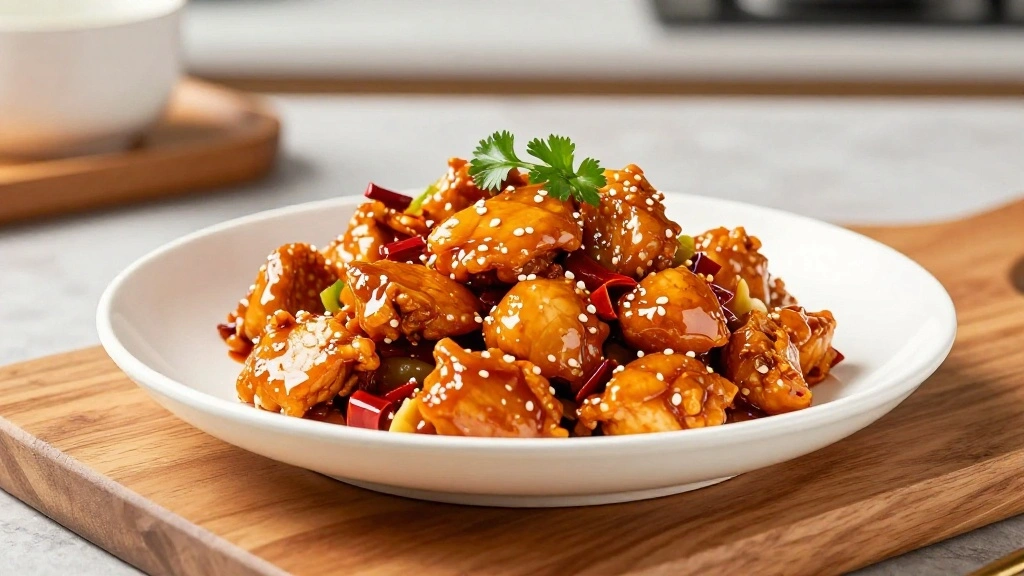
Kung Pao Chicken is a delightful fusion of spicy, sweet, and savory flavors that create a truly memorable dish.
Its bold and vibrant taste profile makes it a favorite among those who enjoy a little heat in their meals.
Originating from the Sichuan province of China, Kung Pao Chicken offers a taste of authentic Chinese cuisine right in your own kitchen.
This dish is perfect for a cozy family dinner or a lively gathering with friends, showcasing both simplicity and elegance.
With straightforward preparation and readily available ingredients, you can easily recreate this classic Chinese dish at home.
The History and Cultural Significance
• Kung Pao Chicken traces its origins to the Sichuan province of China, where it was originally created by Ding Baozhen, a Qing Dynasty official.
• The dish evolved over decades as chefs experimented with different spices and ingredients, eventually becoming the beloved version we know today.
• In Chinese culture, this dish traditionally appears at family gatherings and festive occasions, symbolizing warmth and togetherness.
• While many variations exist across different regions, the authentic version maintains the characteristic use of Sichuan peppercorns, which sets it apart from imitations.


Recipe Overview
Nutritional Information (per serving)
Essential Equipment Guide
Wok: A wok is essential for achieving the authentic stir-fry texture and flavor in Kung Pao Chicken. Its shape allows for even heat distribution and quick cooking. If unavailable, a large skillet can be used, but ensure it has a heavy bottom to prevent sticking.
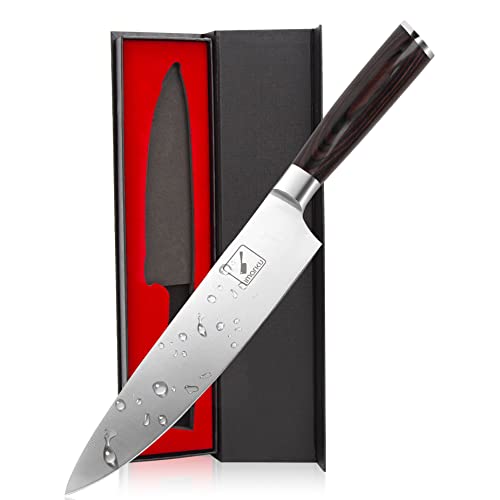
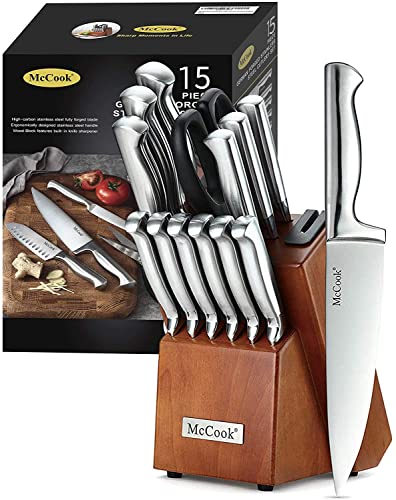
Sharp Chef’s Knife: A sharp knife is crucial for efficiently chopping the chicken and vegetables. A dull knife can damage ingredients and slow down prep time. If you’re investing in one, look for a high-carbon stainless steel knife for durability.
Measuring Spoons and Cups: Precision is key when it comes to balancing flavors in Kung Pao Chicken. Measuring spoons and cups ensure you get the right amount of each ingredient. Look for a set that includes both spoons and cups for versatility.


Ingredients
For the Base
| Amount | Ingredient | Notes |
|---|---|---|
| 1 pound | chicken breast | cut into bite-sized pieces |
| 2 tablespoons | cornstarch | coats the chicken for a crisp texture |
For the Sauce
| Amount | Ingredient | Notes |
|---|---|---|
| 3 tablespoons | soy sauce | provides savory depth |
| 1 tablespoon | rice vinegar | adds tangy brightness |
| 1 tablespoon | sugar | balances the heat |
| 2 tablespoons | water | thins out the sauce |
Vegetables
| Amount | Ingredient | Notes |
|---|---|---|
| 1 cup | bell peppers | sliced, adds color and crunch |
| 1 cup | zucchini | sliced, provides a fresh element |
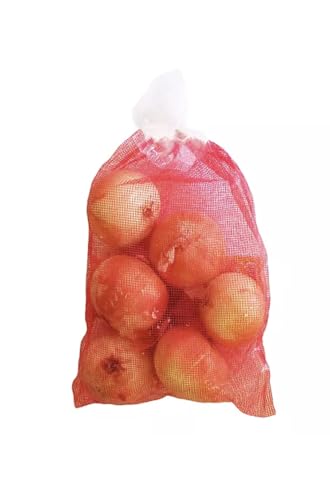
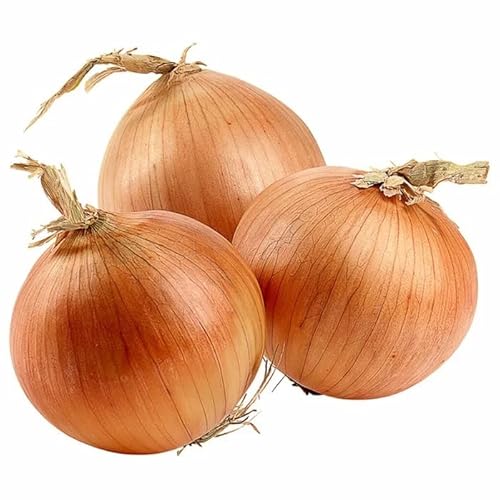
| 1 medium | onion | cut into wedges, adds sweetness |
Seasonings
| Amount | Ingredient | Notes |
|---|---|---|
| 2 cloves | garlic | minced, enhances flavor |
| 1 inch | ginger | grated, adds warmth |
| 1 tablespoon | Sichuan peppercorns | for authentic numbing spice |
| 4 whole | dried red chilies | for heat |

Preparation Methods
Velveting Chicken: This technique involves coating the chicken in cornstarch and marinating it briefly, which helps retain moisture and tenderness during cooking. It’s a crucial step for achieving the silky texture Kung Pao Chicken is known for. To master it, ensure the chicken is evenly coated and marinate for at least 10 minutes.
Stir-Frying: Stir-frying is a high-heat cooking method that ensures ingredients cook quickly and retain their vibrant colors and textures. It’s important for Kung Pao Chicken to maintain its fresh and crunchy vegetables. Use a wok or a heavy-bottomed pan, and keep the ingredients moving constantly to avoid burning.
Toasting Sichuan Peppercorns: Toasting the peppercorns releases their oils, enhancing the dish’s aroma and flavor. It’s an essential step for achieving the authentic Sichuan taste. Toast in a dry pan over medium heat until fragrant, then grind coarsely before using.

Step 1: Prepare Ingredients
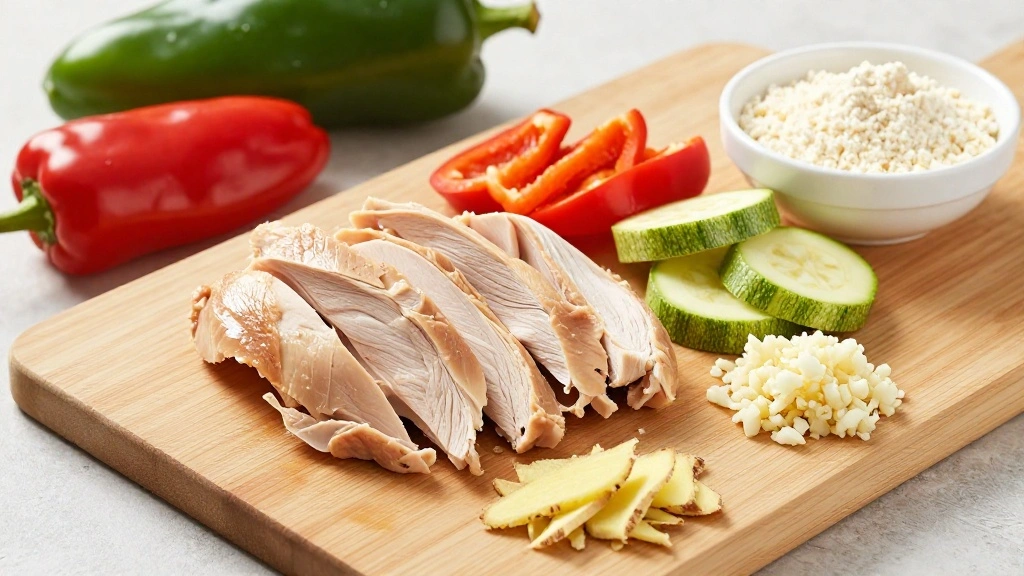
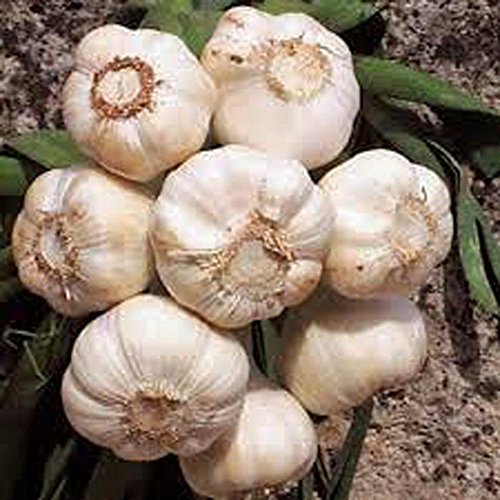
Begin by cutting the chicken breast into bite-sized pieces.
Coat the chicken pieces with cornstarch evenly.
Slice the bell peppers and zucchini into thin strips.
Mince the garlic and grate the ginger for the sauce.


Step 2: Marinate the Chicken
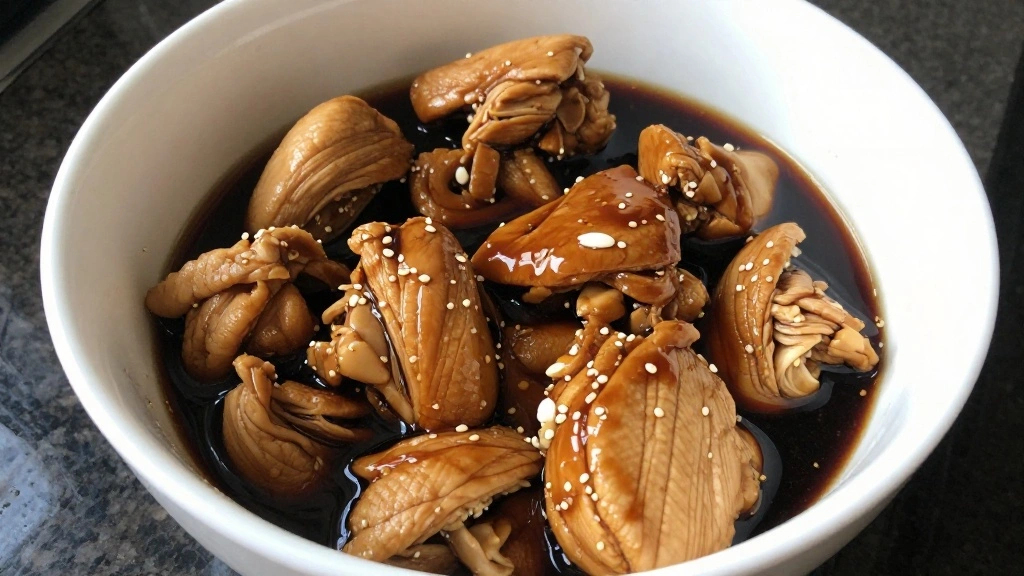
Combine soy sauce, rice vinegar, and sugar in a bowl.
Add the cornstarch-coated chicken pieces to the bowl.
Mix until the chicken is evenly coated in the marinade.
Allow the chicken to marinate for at least 10 minutes.


Step 3: Toast the Sichuan Peppercorns
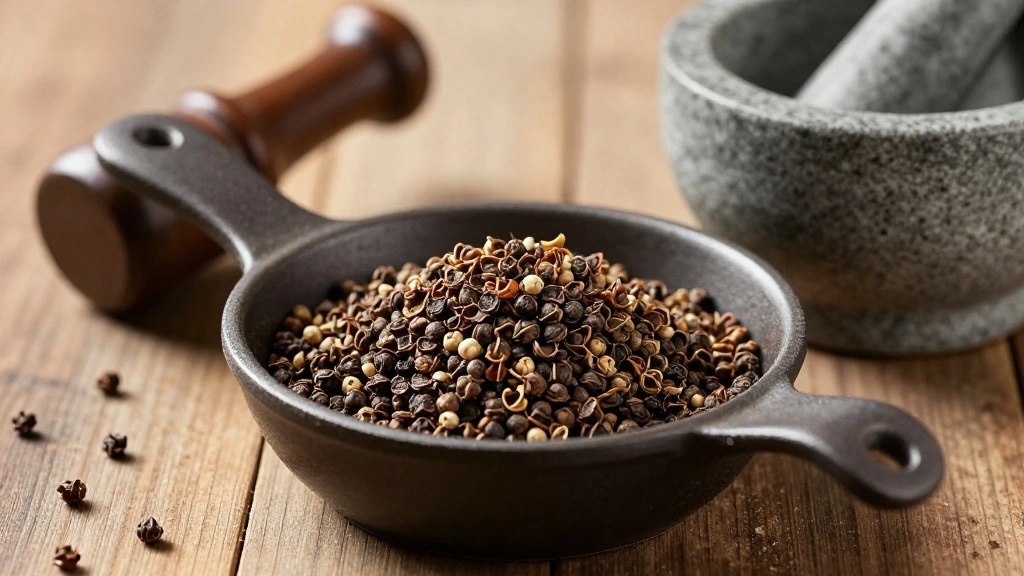
Place a dry pan over medium heat on the stove.
Add the Sichuan peppercorns to the pan.
Toast them until they become fragrant, stirring occasionally.
Remove from heat and grind coarsely with a mortar and pestle.
Step 4: Sauté the Aromatics
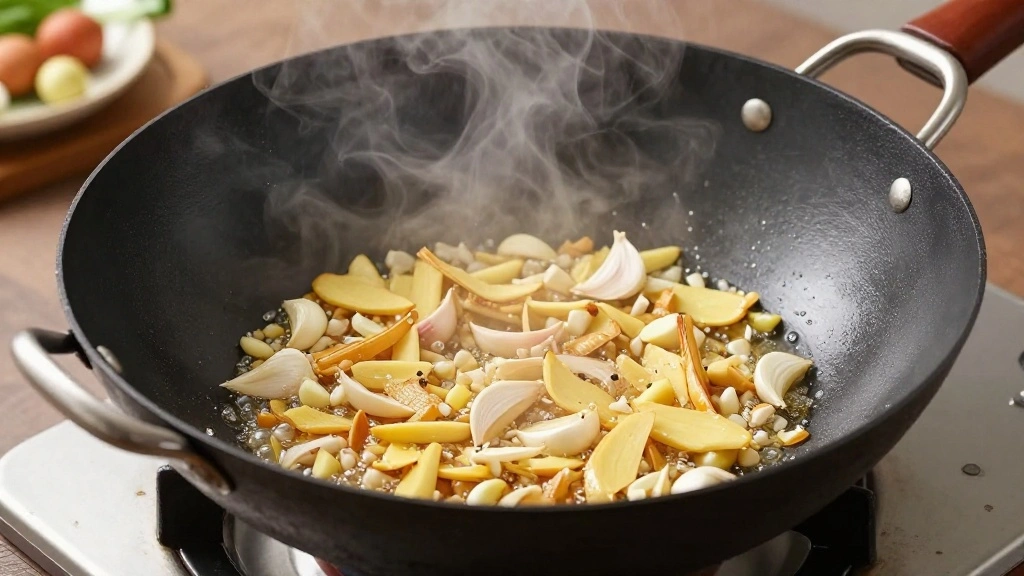
Heat a tablespoon of oil in a wok over high heat.
Add the minced garlic and grated ginger to the wok.
Stir-fry quickly until fragrant, taking care not to burn them.
Remove the aromatics from the wok and set aside.
Step 5: Cook the Chicken
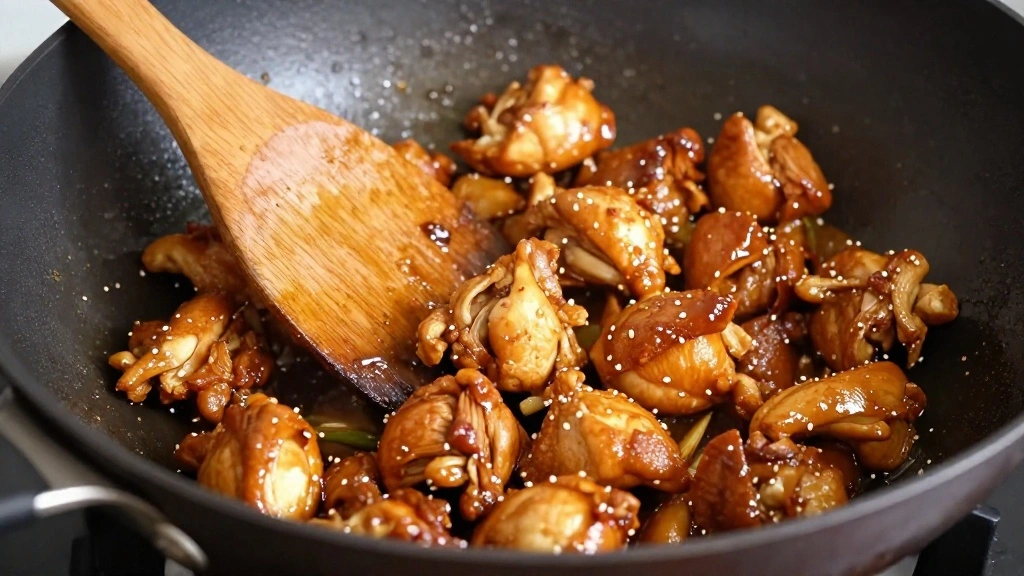
Add a little more oil to the wok if needed.
Add the marinated chicken pieces to the hot wok.
Stir-fry the chicken until it turns golden brown on all sides.
Ensure the chicken is cooked through by cutting a piece to check.
Step 6: Add the Vegetables
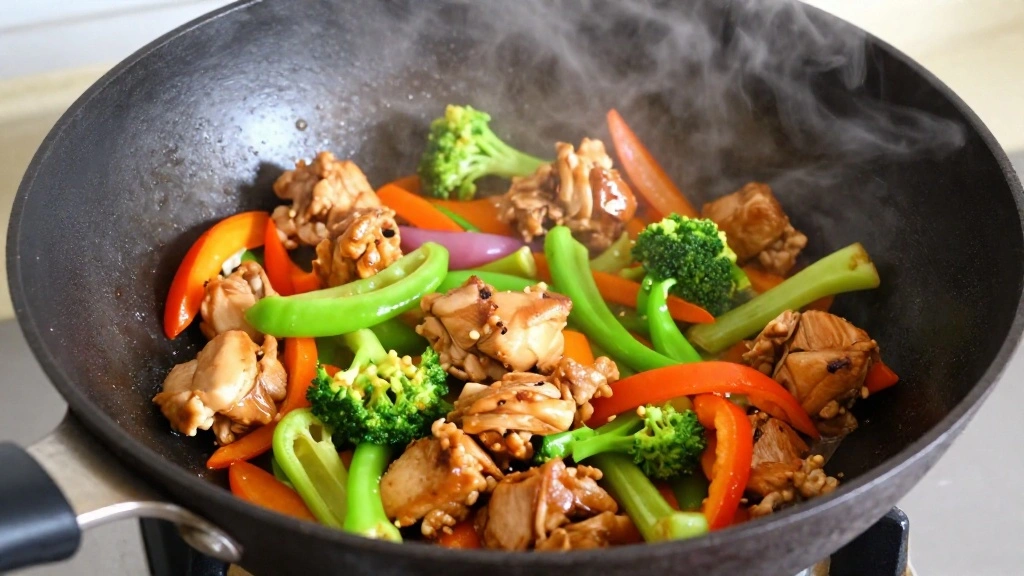
Add the sliced bell peppers, zucchini, and onion to the wok.
Stir-fry the vegetables with the chicken for about 2-3 minutes.
Ensure the vegetables remain crisp and vibrant in color.
Mix in the sautéed aromatics set aside earlier.
Step 7: Incorporate the Sauce
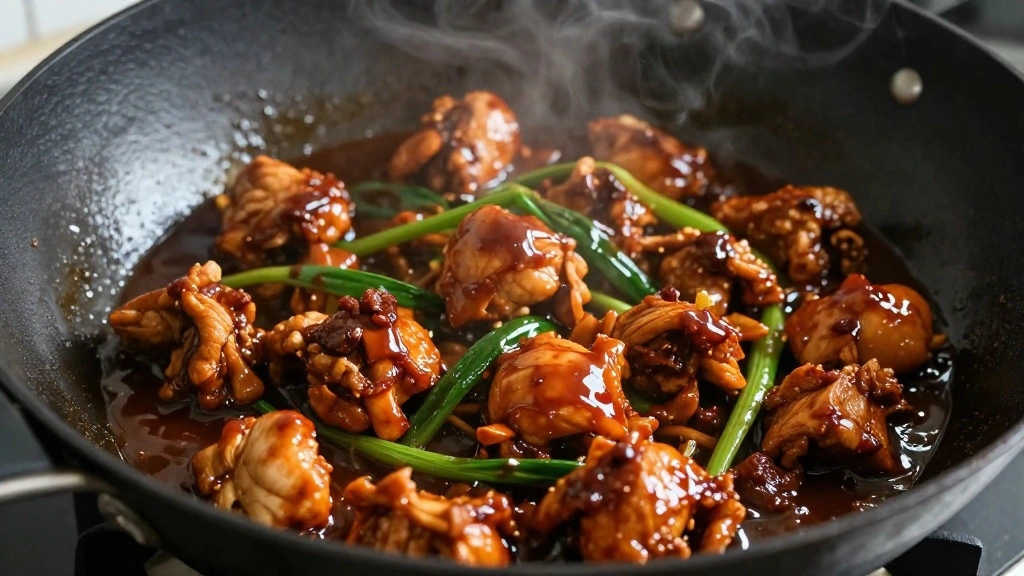
Pour the sauce mixture over the chicken and vegetables.
Stir well to ensure everything is evenly coated with the sauce.
Allow the sauce to thicken slightly as it heats.
Adjust seasoning with salt if necessary.
Step 8: Finish with Peanuts and Peppercorns
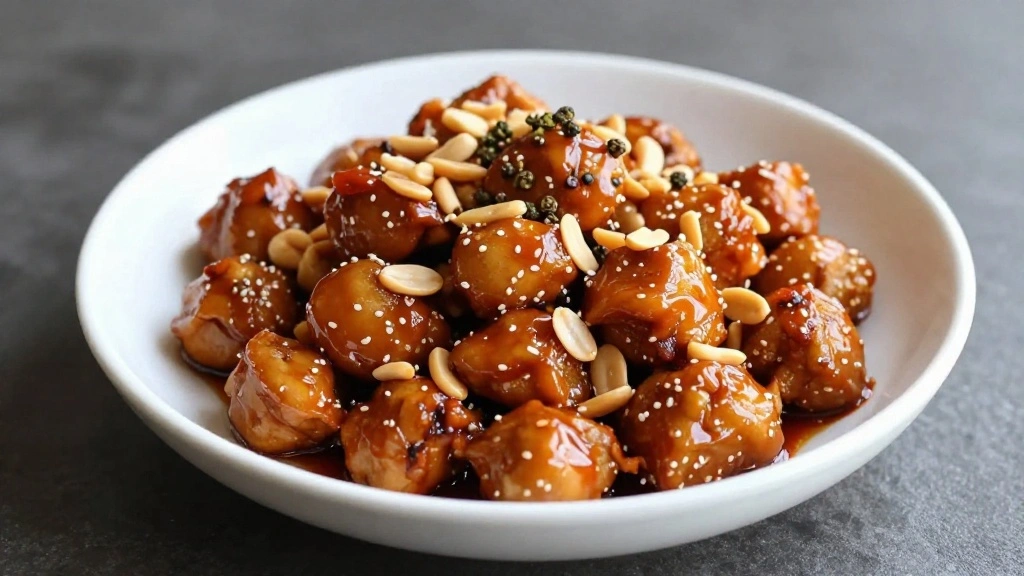
Sprinkle the toasted and ground Sichuan peppercorns over the dish.
Add a handful of roasted peanuts for crunch.
Toss everything gently to combine the flavors.
Serve immediately while hot.

Critical Timing and Temperature Guide
Marinating: Marinate the chicken for at least 10 minutes. Longer marination can enhance flavor but avoid exceeding 30 minutes to prevent over-tenderizing.
Stir-Frying: Cook on high heat for a total of 10-15 minutes. Visual indicators include golden-brown chicken and vibrant vegetables. Avoid overcrowding the wok.
Sauce Thickening: Allow the sauce to thicken over medium-high heat for 2-3 minutes. The sauce should coat the back of a spoon without being too thick.
Pro Tips for Kung Pao Chicken
• Ingredient Selection: Choose fresh, high-quality chicken breast and crisp vegetables for the best results, as they are the foundation of this dish.
• Preparation Secret: Toasting the Sichuan peppercorns is a step often skipped, but it significantly enhances the dish’s aroma and flavor.
• Temperature Management: Ensure the wok is hot before adding ingredients for a quick stir-fry that preserves texture and color.
• Texture Enhancement: Velveting the chicken with cornstarch keeps it moist and tender, distinguishing it from a plain stir-fry.
• Flavor Layering: Build complex flavors by optimizing the balance between sweet, sour, and spicy elements in the sauce.
• Make-Ahead Strategies: Prepare the sauce and chop the vegetables ahead of time, storing them in airtight containers for up to a day.
• Restaurant-Quality Finishing Touches: Garnish with fresh scallions or cilantro for a burst of color and freshness before serving.
• Equipment Optimization: Use a well-seasoned wok to prevent sticking and ensure even cooking.


Troubleshooting Common Issues
• Chicken Too Dry: This can happen if overcooked. Ensure to velvet the chicken properly and stir-fry on high heat for a short time.
• Sauce Too Thick: If the sauce becomes overly thick, add a tablespoon of water or chicken broth to thin it out.
• Flavors Unbalanced: Adjust soy sauce, vinegar, or sugar to achieve the desired balance of salty, sour, and sweet.
• Vegetables Soggy: Ensure the wok is hot enough and don’t overcrowd it. Stir-fry vegetables quickly to maintain crunch.
• Lack of Heat: Increase the number of dried chilies or add a pinch of chili flakes if more spice is desired.


Variations and Regional Differences
• Sichuan Style: Traditionally, this version includes Sichuan peppercorns and dried red chilies for a numbing and spicy flavor profile.
• Westernized Version: Often sweeter and less spicy, this version may use bell peppers and omit the Sichuan peppercorns.
• Vegetarian Kung Pao: Substitute chicken with tofu or mushrooms for a plant-based twist on the classic dish.
• Cantonese Variation: Typically milder, with more sauce and a focus on sweetness over heat.
Food Science Behind the Recipe
• Maillard Reaction: This chemical reaction occurs when proteins and sugars in the chicken brown at high heat, enhancing the dish’s flavor and aroma.
• Starch Gelatinization: Cornstarch coating on the chicken helps retain moisture through gelatinization, keeping the meat tender.
• Capsaicin Release: The heat from chilies is due to capsaicin, which is released more effectively when the chilies are cooked in hot oil.
Frequently Asked Questions
What’s the most common mistake people make when preparing Kung Pao Chicken? Overcooking the chicken is a common mistake that leads to dryness. Proper marination and quick stir-frying help prevent this.
Can I make Kung Pao Chicken less spicy? Yes, reduce the number of dried red chilies or remove the seeds to lessen the heat.
Is there a substitute for Sichuan peppercorns? While nothing replicates their unique flavor, a mix of black pepper and coriander seeds can provide a similar effect.
How can I add more vegetables to the dish? Simply increase the quantity of bell peppers or add other vegetables like broccoli or snap peas.
What’s the best way to store leftovers? Store in an airtight container in the refrigerator for up to 3 days. Reheat in a wok or microwave before serving.
Is Kung Pao Chicken gluten-free? Use tamari instead of soy sauce to make the dish gluten-free.
Can I use pre-cooked chicken? Yes, but add it only in the last few minutes of cooking to prevent overcooking.
Serving and Presentation Guide
• Traditional Presentation: Serve Kung Pao Chicken in a shallow bowl with steamed rice on the side.
• Modern Plating: Arrange the chicken and vegetables neatly on a platter, garnished with fresh herbs and a drizzle of sauce.
• Family Style: Present in a large serving dish, allowing guests to serve themselves from the table.
• Garnishing: Top with chopped scallions and a sprinkle of toasted sesame seeds for added texture and flavor.


Conclusion
Now that you’ve learned the secrets of Kung Pao Chicken, it’s time to bring this classic dish to your table.
With its vibrant flavors and straightforward preparation, you’ll impress your family and friends with your culinary skills.
Don’t hesitate to experiment with variations to make the recipe your own.
Enjoy the rich traditions and tastes of Sichuan cuisine from the comfort of your home.