
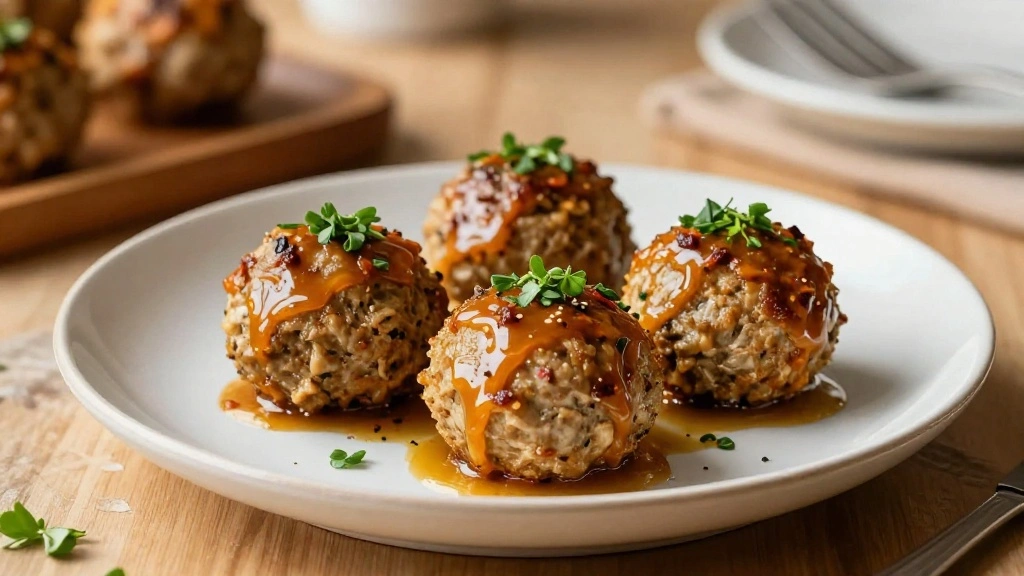


Keftedes Recipe Traditional Greek Meatballs
500 grams ground beef
100 grams bread crumbs
1 large onion
2 cloves garlic
1 large egg
1 tablespoon dried oregano
1 tablespoon fresh mint
1 teaspoon salt
0.5 teaspoon black pepper
PT50M
4 servings
The traditional Greek dish of Keftedes brings together centuries of culinary tradition with modern techniques to create a dish that’s both comforting and elegant.
The harmonious balance of herbs, spices, and succulent ground meat creates a memorable dining experience that will have everyone asking for your secret.
I discovered this recipe during my travels through the sun-drenched islands of Greece, where local chefs have perfected it through generations of careful refinement.
Whether you’re preparing a casual family dinner or hosting a special celebration, these Keftedes deliver impressive results with straightforward preparation.
The History and Cultural Significance
• Keftedes Recipe Traditional traces its origins to ancient Greece, where it was originally created by local cooks as a versatile dish for various occasions.
• The dish evolved over decades as ingredients like spices and herbs were introduced, eventually becoming the beloved version we know today.
• In Greek culture, this dish traditionally appears at family gatherings and festive occasions, symbolizing celebration and togetherness.
• While many variations exist across different regions, the authentic version maintains a distinctive use of mint and oregano that sets it apart from imitations.


Recipe Overview
Nutritional Information (per serving)
Essential Equipment Guide
Mixing Bowl: A large mixing bowl is crucial for evenly combining all ingredients, ensuring that the flavors meld perfectly. While any bowl can work, a stainless-steel option is preferred for its durability and ease of cleaning.
Non-stick Skillet: A good quality non-stick skillet is important for frying the meatballs to a perfect golden brown without sticking. Alternatives include cast iron or ceramic pans, but ensure they are well-seasoned or non-stick.
Slotted Spoon: This tool is key for removing the meatballs from the oil, allowing excess oil to drain away for a less greasy finish. Look for a slotted spoon with a sturdy handle and wide slots.
Ingredients
For the Meatballs
| Amount | Ingredient | Notes |
|---|---|---|
| 500 grams | ground beef | provides a rich base |
| 100 grams | bread crumbs | adds texture and binds |
| 1 large | onion | finely chopped, adds sweetness |
| 2 cloves | garlic | minced, enhances flavor |
| 1 large | egg | acts as a binder |
Seasonings
| Amount | Ingredient | Notes |
|---|---|---|
| 1 tablespoon | dried oregano | adds a Mediterranean aroma |
| 1 tablespoon | fresh mint | chopped, adds freshness |
| 1 teaspoon | salt | enhances flavor |
| 0.5 teaspoon | black pepper | adds slight heat |


Preparation Methods
Binding: Achieving the right consistency in the meatball mixture is critical. The egg and breadcrumbs act together as a binding agent, ensuring that the meatballs hold their shape when cooked. Mix thoroughly to combine but avoid over-mixing to keep the texture light.
Frying: Proper frying technique is essential for a crispy exterior while maintaining a juicy interior. Preheat the oil to the right temperature and fry the meatballs in batches to avoid overcrowding the pan.
Flavor Infusion: Allowing the meatball mixture to rest before cooking helps the flavors meld. This resting period is crucial for the herbs to infuse the meat with their full aroma.


Step 1: Prepare Ingredients
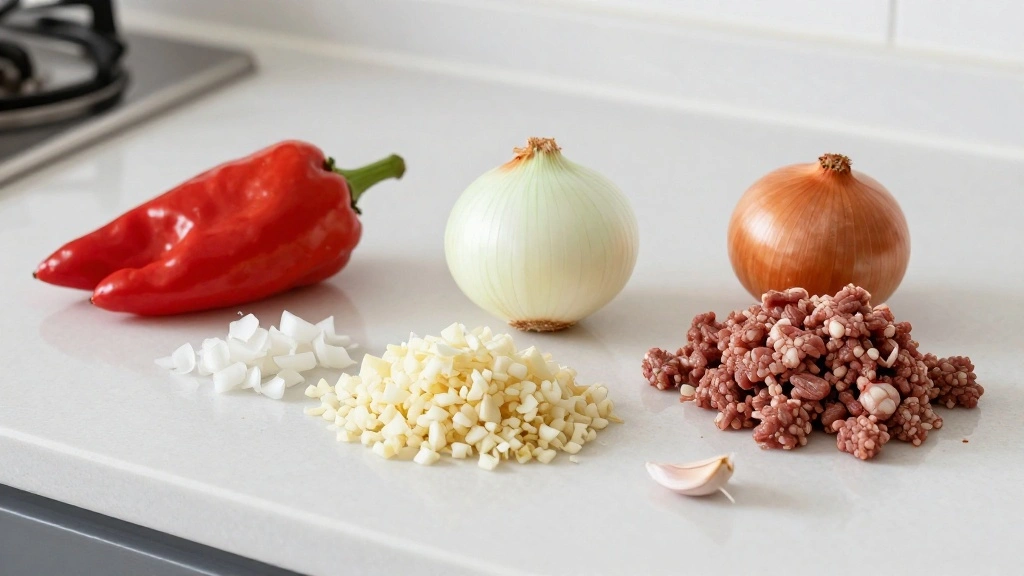
Gather all ingredients and equipment needed for the recipe.
Chop the onion finely and mince the garlic cloves.
Measure out the bread crumbs and spices.
Ensure the ground beef is at room temperature for even mixing

Step 2: Mix Meatball Ingredients
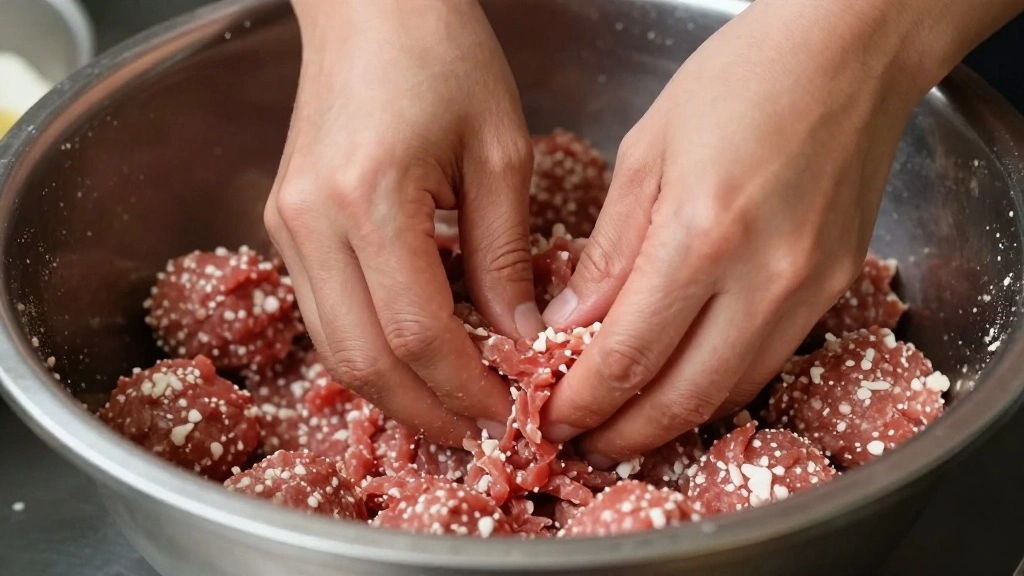
In a large mixing bowl, combine ground beef, bread crumbs, chopped onion, minced garlic, and egg.
Add the oregano, mint, salt, and black pepper to the mixture.
Mix thoroughly using your hands to ensure an even distribution of ingredients.
Do not over-mix to maintain a tender texture


Step 3: Form Meatballs
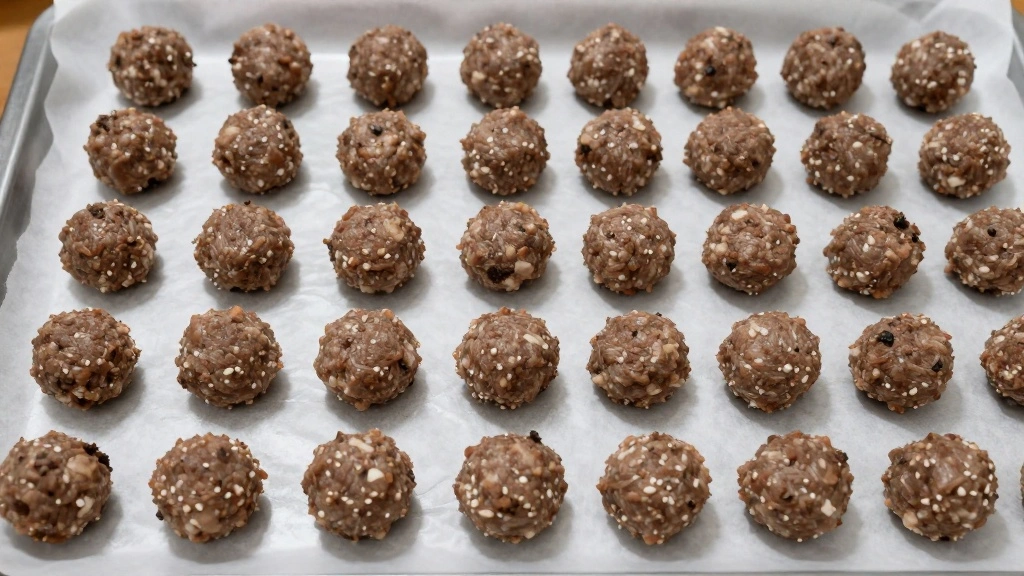
Take small portions of the mixture and roll them into balls about the size of a walnut.
Ensure each meatball is uniform in size for even cooking.
Place the formed meatballs on a tray lined with parchment paper.
Continue until all the mixture is used up.
Step 4: Preheat Oil
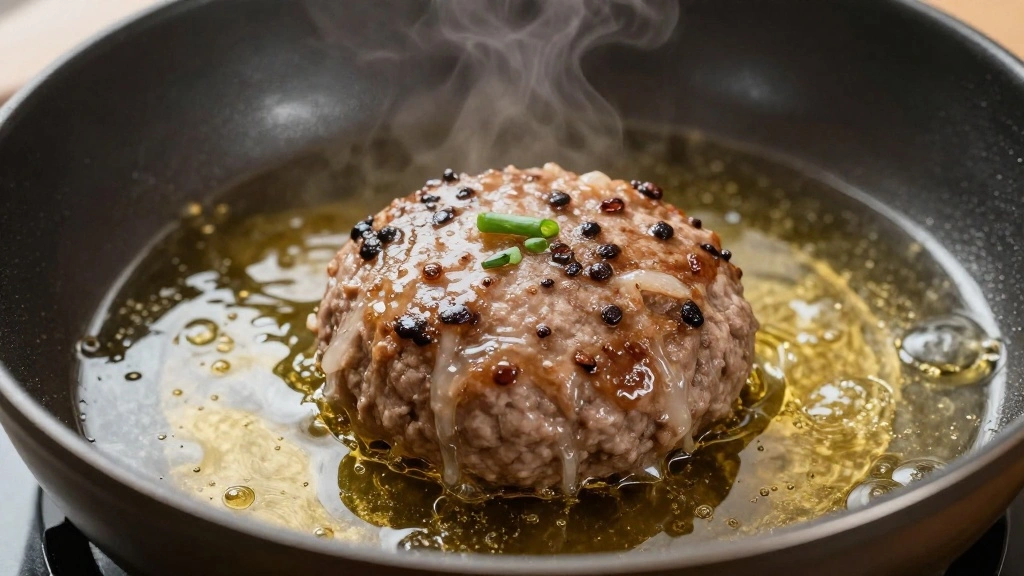
Heat a non-stick skillet over medium heat and add a generous amount of olive oil.
Wait until the oil is hot but not smoking.
Test the oil by dipping the end of a meatball into it; it should sizzle gently.
Adjust the heat to maintain a consistent temperature.
Step 5: Fry Meatballs
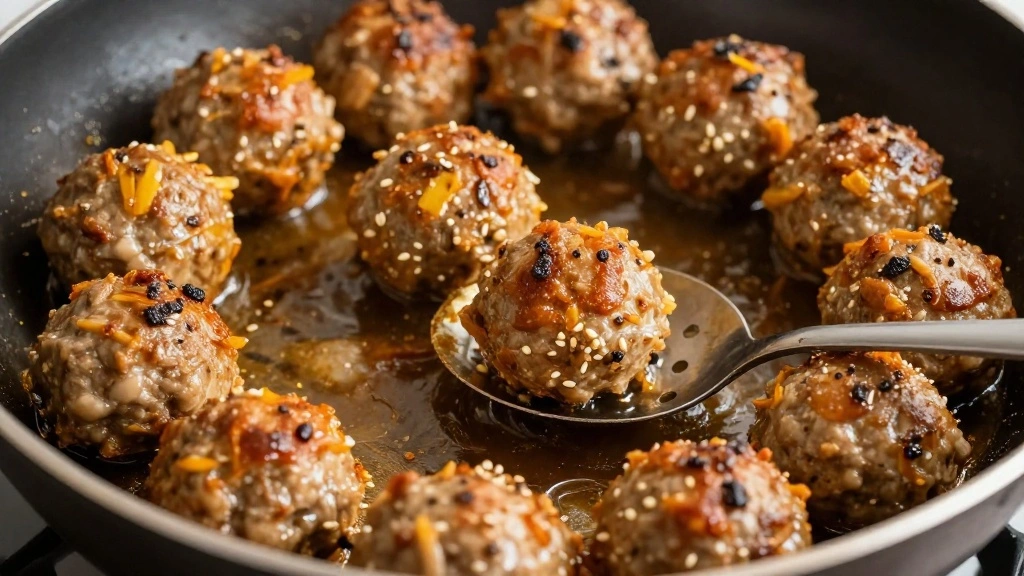
Carefully place the meatballs into the hot oil using a slotted spoon.
Fry in batches to avoid overcrowding, which can lower the oil’s temperature.
Cook each meatball for about 3-4 minutes on each side until golden brown.
Remove them from the oil and let them drain on paper towels.
Step 6: Serve
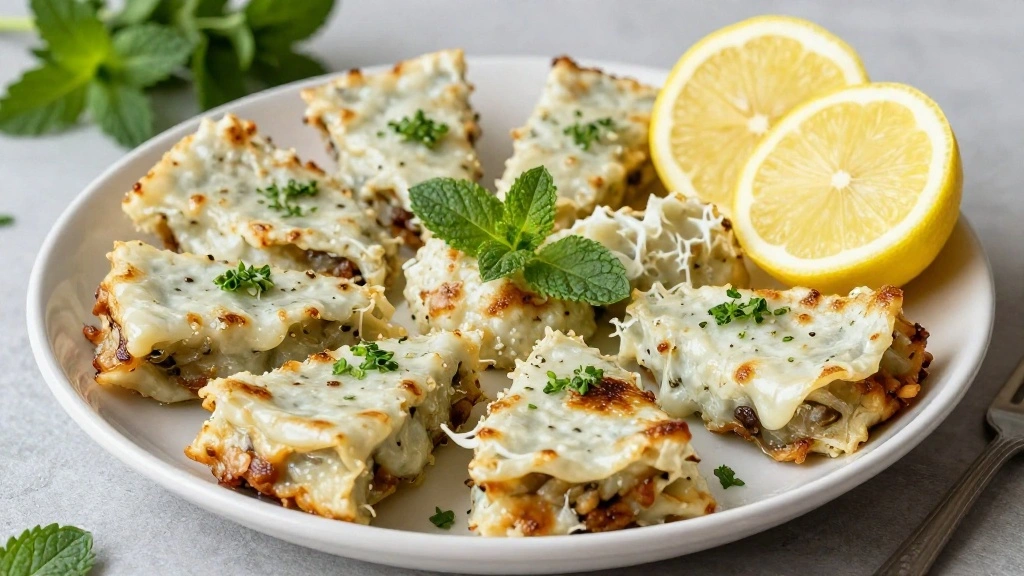
Arrange the cooked meatballs on a serving platter.
Garnish with additional fresh mint leaves for a burst of color.
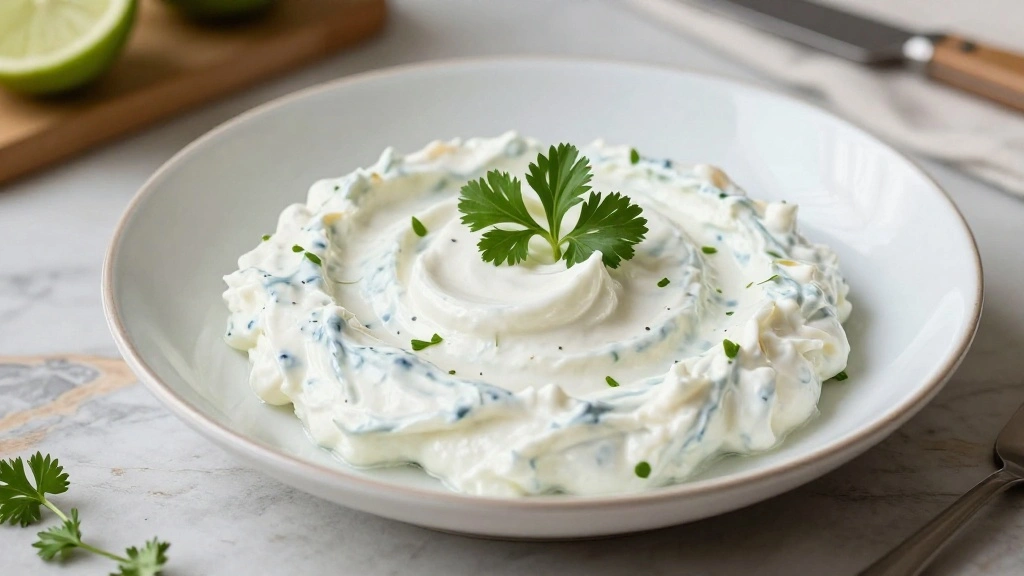
Serve with a side of tzatziki or lemon wedges.
Enjoy them hot for the best flavor and texture.
Critical Timing and Temperature Guide
Mixing Ingredients: Mix for no more than 2-3 minutes to avoid toughening the meat. Look for a uniform mixture that’s not overly sticky.
Frying: Maintain the oil temperature at around 180°C (350°F). The meatballs should sizzle gently but not burn; adjust the heat as needed.
Resting After Cooking: Allow the meatballs to rest for at least 5 minutes before serving. This helps redistribute the juices for a more flavorful bite.
Pro Tips for Keftedes Recipe Traditional
• Ingredient Selection: Opt for lean ground beef with a bit of fat to ensure the meatballs remain juicy yet firm.
• Preparation Secret: Chilling the mixture for 30 minutes before forming the meatballs helps maintain their shape during cooking.
• Temperature Management: Use room temperature ingredients to allow for easier mixing and more even cooking.
• Texture Enhancement: For the best texture, gently knead the mixture with your hands rather than using a spoon.
• Flavor Layering: Layer the flavors by using fresh herbs; dried herbs can be used in a pinch but may alter the flavor profile.
• Make-Ahead Strategies: Prepare the meatballs a day ahead and store them uncooked in the fridge, covered with plastic wrap.
• Restaurant-Quality Finishing Touches: Finish with a sprinkle of sea salt and a drizzle of extra virgin olive oil just before serving.
• Equipment Optimization: Ensure your skillet is well-heated before adding the meatballs to achieve a perfect sear.

Troubleshooting Common Issues
• Texture Too Dense: This may be caused by over-mixing the meat or using too few breadcrumbs. To fix, gently mix and ensure a 1:5 ratio of breadcrumbs to meat.
• Meatballs Falling Apart: If the meatballs fall apart, it could be due to insufficient binding. Add an extra egg or more breadcrumbs to the mixture.
• Flavors Unbalanced: If the herbs overpower the dish, balance with a touch of lemon juice or additional salt.
• Too Greasy: If the meatballs seem greasy, ensure they are drained properly on paper towels and use leaner meat.
• Undercooked Center: If the centers are undercooked, lower the heat and cook for a longer duration, ensuring the internal temperature reaches 70°C (160°F).
Variations and Regional Differences
• Cyprus Style: This variation includes grated zucchini and halloumi cheese in the mixture, adding a unique texture and flavor.
• Spicy Keftedes: In some regions, chili flakes are added for a spicy kick, altering the traditional profile to suit local tastes.
• Herbed Keftedes: Some areas prefer using dill and parsley instead of mint, offering a more herbaceous aroma.
• Lamb Keftedes: A variation using ground lamb instead of beef provides a richer, more robust flavor, often seen in more mountainous regions.


Food Science Behind the Recipe
• Maillard Reaction: The browning of the meatballs during frying is due to the Maillard reaction, which enhances flavor and aroma.
• Protein Coagulation: The egg and breadcrumbs help proteins coagulate, giving structure to the meatballs and preventing them from falling apart.
• Flavor Absorption: Allowing the mixture to rest before cooking aids in the absorption of flavors, as spices and herbs meld into the meat.
Frequently Asked Questions
What’s the most common mistake people make when preparing Keftedes? Over-mixing the meat mixture, which can lead to tough meatballs.
Can I freeze Keftedes? Yes, uncooked meatballs can be frozen for up to three months.
What’s the best way to reheat Keftedes? Reheat in an oven at 180°C (350°F) for 10 minutes to maintain moisture.
Can I use a different type of meat? Absolutely, you can substitute ground lamb or turkey for a different flavor profile.
Is there a vegetarian version of Keftedes? Yes, you can use lentils or chickpeas as a base for vegetarian Keftedes.
How do I prevent the meatballs from sticking to the pan? Ensure the skillet and oil are properly preheated before adding the meatballs.
Why do my Keftedes taste bland? Ensure you are using fresh herbs and season the mixture well before cooking.
Can I bake instead of fry the meatballs? Yes, bake at 200°C (390°F) for about 20 minutes, turning halfway through.
Serving and Presentation Guide
• Traditional Presentation: Serve on a large platter with lemon wedges and a side of tzatziki sauce.
• Modern Twist: Stack meatballs in a pyramid, drizzle with olive oil and sprinkle with fresh herbs for a contemporary look.
• Family Style: Serve in a large bowl with a collection of Mediterranean sides like olives and feta cheese.
• Gourmet Plating: Individually plate with a dollop of yogurt and a sprinkle of paprika for a sophisticated touch.


Conclusion
Embrace the flavors of Greece with this traditional Keftedes recipe that promises a delightful culinary journey.
With its rich history and cultural significance, this dish is sure to become a staple in your kitchen.
Don’t hesitate to try your hand at crafting these flavorful meatballs and share a piece of Greek heritage with your loved ones.