


Greek Salad Horiatiki Recipe Fresh Healthy Classic
3 medium tomatoes
1 large cucumber
1 large red onion
1 cup kalamata olives
200 grams feta cheese
2 tablespoons olive oil
1 teaspoon dried oregano
1 pinch salt
1 pinch black pepper
PT15M
4 servings
I first fell in love with Greek Salad Horiatiki during a sun-drenched summer in Crete, where the freshness of the ingredients seemed to capture the essence of the island itself.
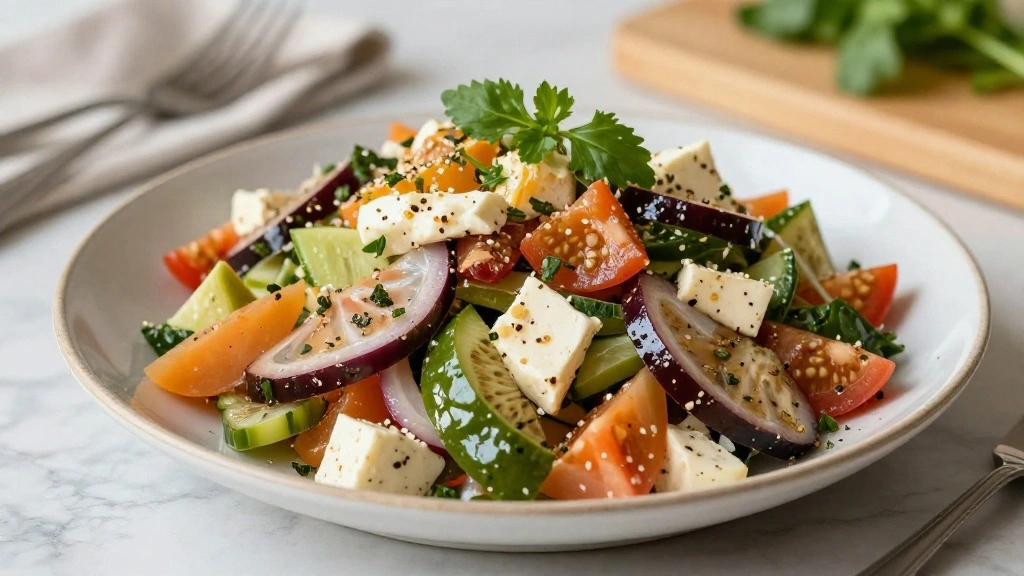
The bold flavors of ripe tomatoes, crisp cucumbers, and briny feta cheese create a vibrant symphony of taste and texture.
This salad is a celebration of simplicity, allowing each ingredient to shine while harmonizing beautifully with the others.
Perfect for a summer barbecue or a light lunch, this dish brings a touch of Mediterranean sunshine to any meal.
With minimal preparation and no cooking required, it’s an easy yet impressive addition to your culinary repertoire.
Get ready to experience a burst of freshness that will transport you straight to the heart of Greece.
The History and Cultural Significance
• Greek Salad Horiatiki traces its origins to rural Greece, where it was originally created by farmers using locally available ingredients.
• The dish evolved over decades as urbanization brought diverse influences, eventually becoming the beloved version we know today.
• In Greek culture, this dish traditionally appears at family gatherings and celebrations, symbolizing community and the bounty of the land.
• While many variations exist across different regions, the authentic version maintains the use of high-quality feta cheese and olive oil that sets it apart from imitations.


Recipe Overview
Nutritional Information
Essential Equipment Guide
Sharp Chef’s Knife: A sharp chef’s knife is essential for achieving clean, precise cuts of vegetables, which enhances both the presentation and texture of the salad. Alternatives might include a santoku knife, and look for a knife with a comfortable grip and well-balanced weight.
Cutting Board: A large cutting board provides ample space to work efficiently and safely when chopping vegetables. Wooden or bamboo boards are preferred for their durability and gentle surface, which keeps knives sharp longer.
Salad Bowl: A large, wide salad bowl allows for easy tossing and mixing of ingredients, ensuring an even distribution of flavors. Glass or ceramic bowls are ideal as they do not interact with acidic ingredients.



Ingredients
Vegetables
| Amount | Ingredient | Notes |
|---|---|---|
| 3 medium | tomatoes | diced, room temperature |
| 1 large | cucumber | sliced into half-moons |
| 1 large | red onion | thinly sliced |
| 1 cup | kalamata olives | pitted |
Cheese
| Amount | Ingredient | Notes |
|---|---|---|
| 200 grams | feta cheese | crumbled |
Seasonings
| Amount | Ingredient | Notes |
|---|---|---|
| 2 tablespoons | olive oil | extra virgin for best flavor |
| 1 teaspoon | dried oregano | adds aromatic complexity |
| 1 pinch | salt | to taste |
| 1 pinch | black pepper | freshly ground |


Preparation Methods
Perfect Tomato Dicing: Dicing tomatoes properly is crucial to maintaining their juicy texture without making the salad too watery. Use a serrated knife for clean cuts.
Onion Slicing Technique: Thinly slicing onions reduces their pungency and allows them to blend seamlessly into the salad. Soak sliced onions in cold water for 10 minutes to further mellow their flavor.
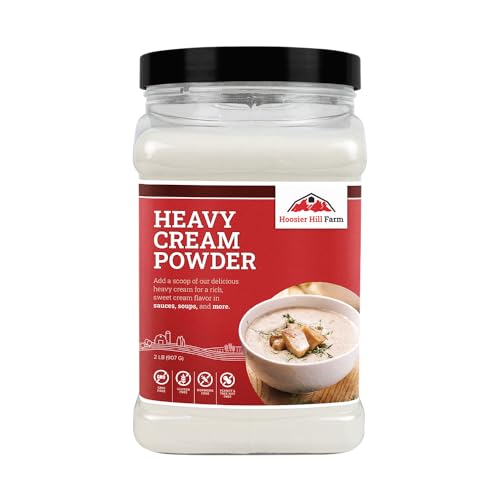
Marinating Feta: Crumbling feta cheese and allowing it to sit with olive oil and oregano intensifies its flavor, providing a rich and creamy contrast to the fresh vegetables.


Step 1: Prepare Ingredients
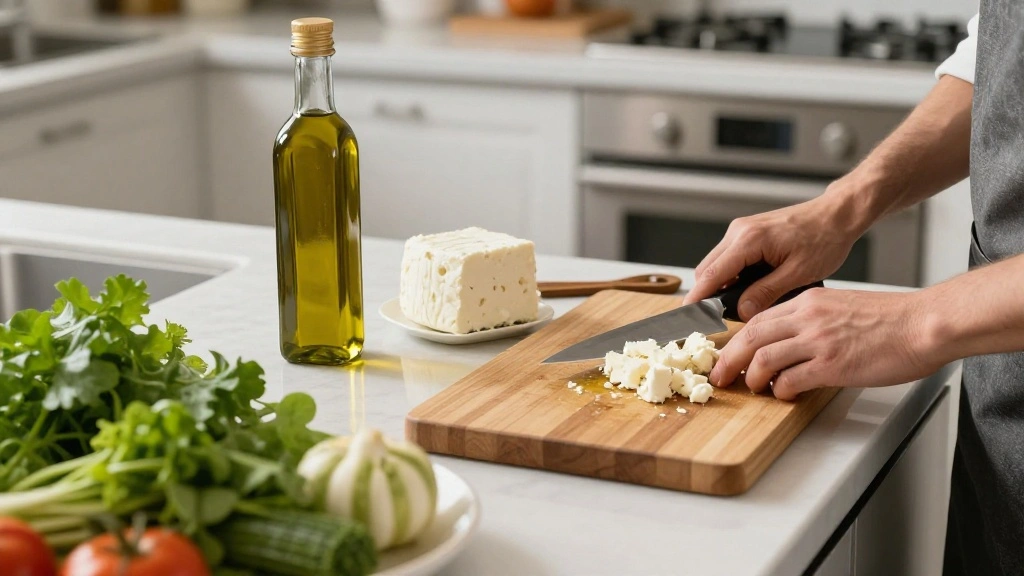
Gather all your ingredients and ensure they are at room temperature.
Wash and pat dry the vegetables to remove any dirt and excess moisture.
Set up your cutting board and knife to begin chopping.
Organize each ingredient in separate bowls to streamline the assembly process.



Step 2: Dice the Tomatoes
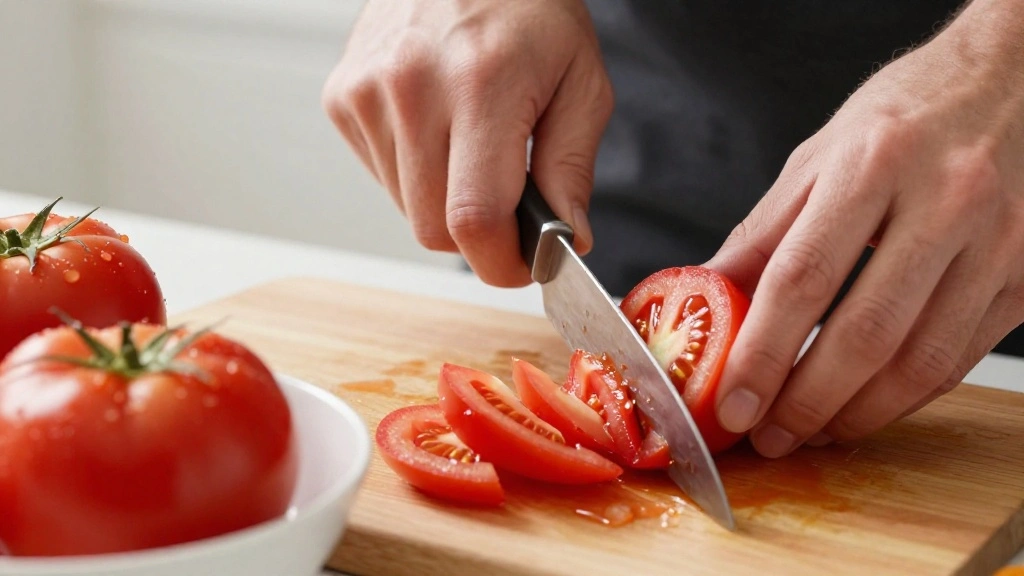
Using a serrated knife, carefully dice the tomatoes into uniform pieces.
Aim for bite-sized chunks to ensure they mix well with other ingredients.
Be gentle to preserve the tomato juices within the flesh.
Place the diced tomatoes into a large salad bowl.


Step 3: Slice the Cucumber
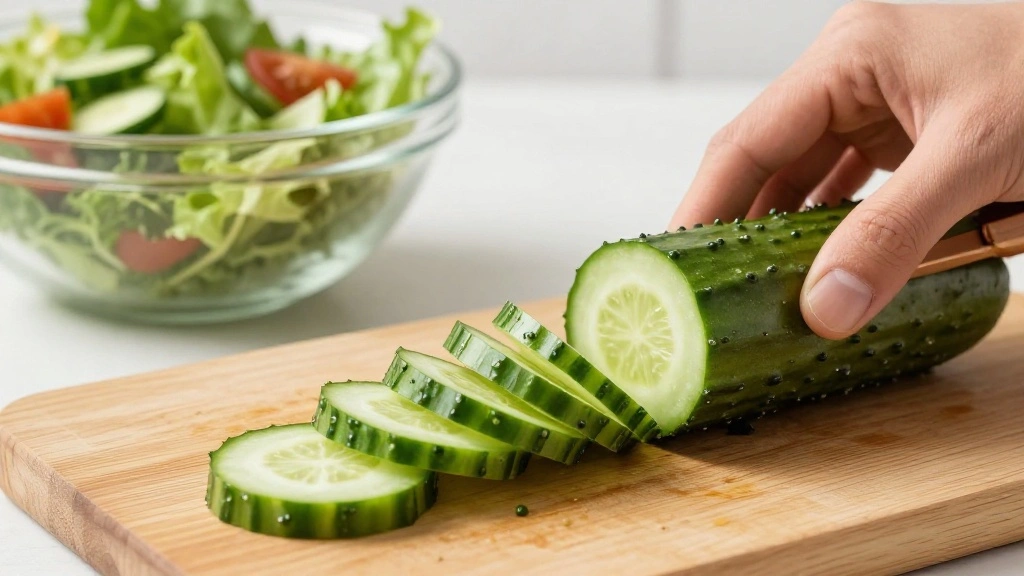
Peel the cucumber if desired, then slice it into thin half-moons.
Keep slices consistent for even texture throughout the salad.
If cucumber is large, consider removing seeds to prevent excess water content.
Add the sliced cucumber to the salad bowl with tomatoes.
Step 4: Thinly Slice the Onion
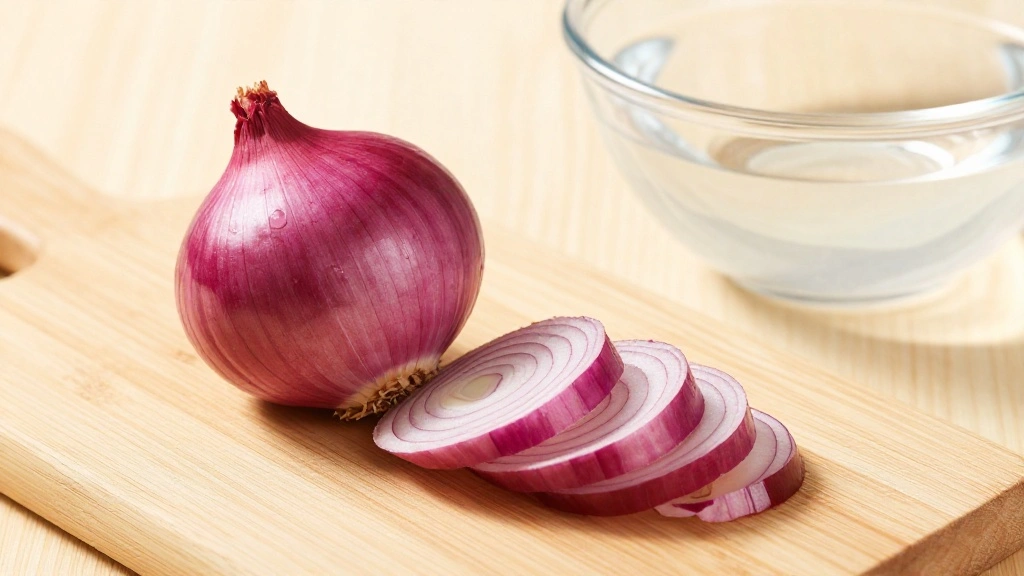
Peel the red onion and slice it as thinly as possible.
Consider using a mandoline for uniform slices if available.
Soak slices in cold water for 10 minutes to mellow their sharpness.
Drain and add the onion slices to the salad bowl.

Step 5: Prepare the Olives
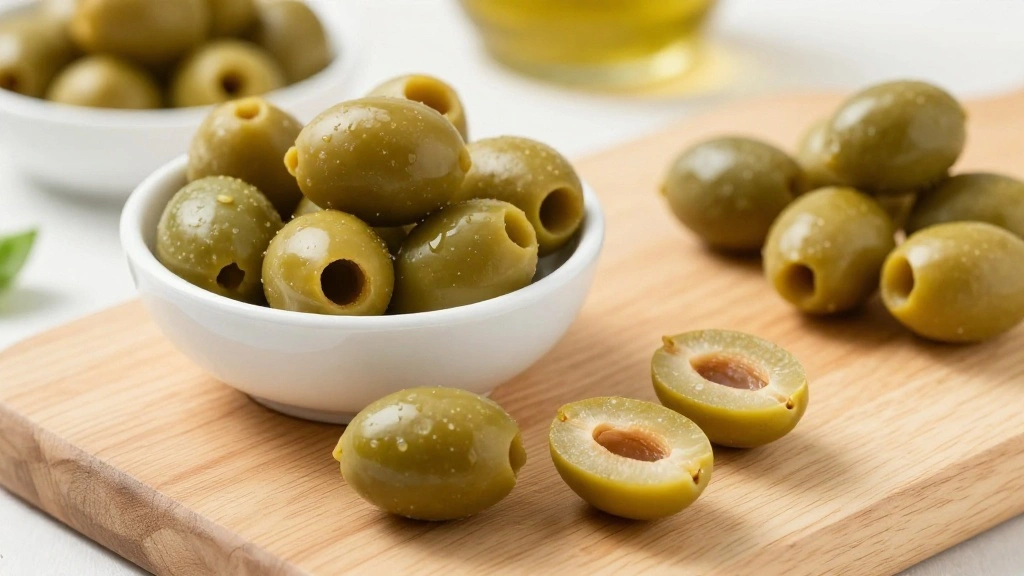
Ensure the kalamata olives are pitted to avoid any surprises.
Halve the olives if they are large to incorporate more easily.
Mix the olives into the salad bowl with other vegetables.
This adds a salty, briny flavor that complements the other ingredients.


Step 6: Crumble the Feta Cheese
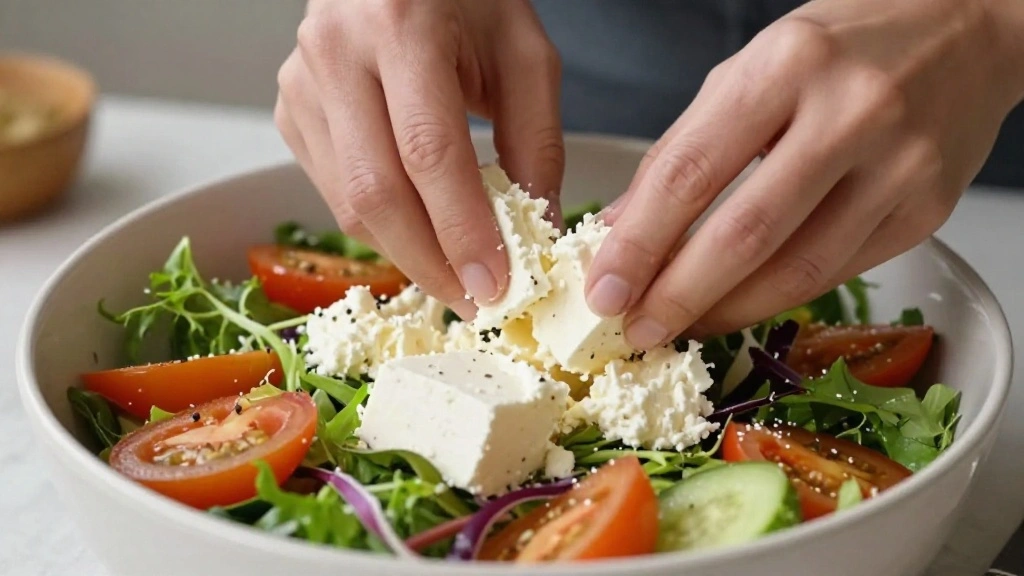
Take the feta cheese and crumble it using your fingers into small chunks.
Ensure the feta is evenly distributed throughout the salad.
This will add creaminess and a rich flavor profile.
Sprinkle the crumbled feta over the vegetables in the bowl.
Step 7: Dress the Salad
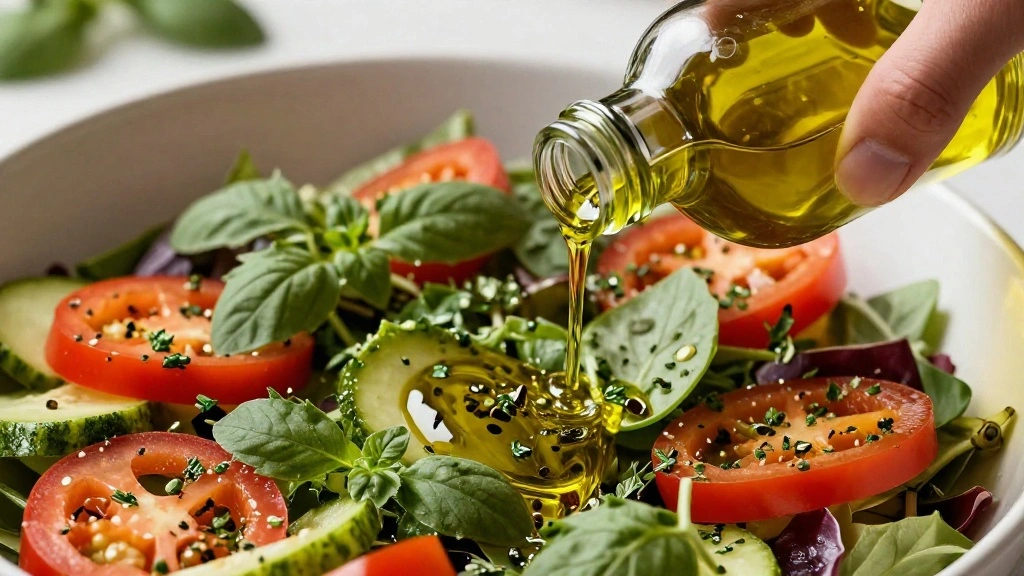
Drizzle extra virgin olive oil over the salad for richness.
Sprinkle dried oregano evenly across the top for aromatic depth.
Season with salt and freshly ground black pepper to taste.
Gently toss the salad to combine all ingredients thoroughly.
Step 8: Serve and Enjoy
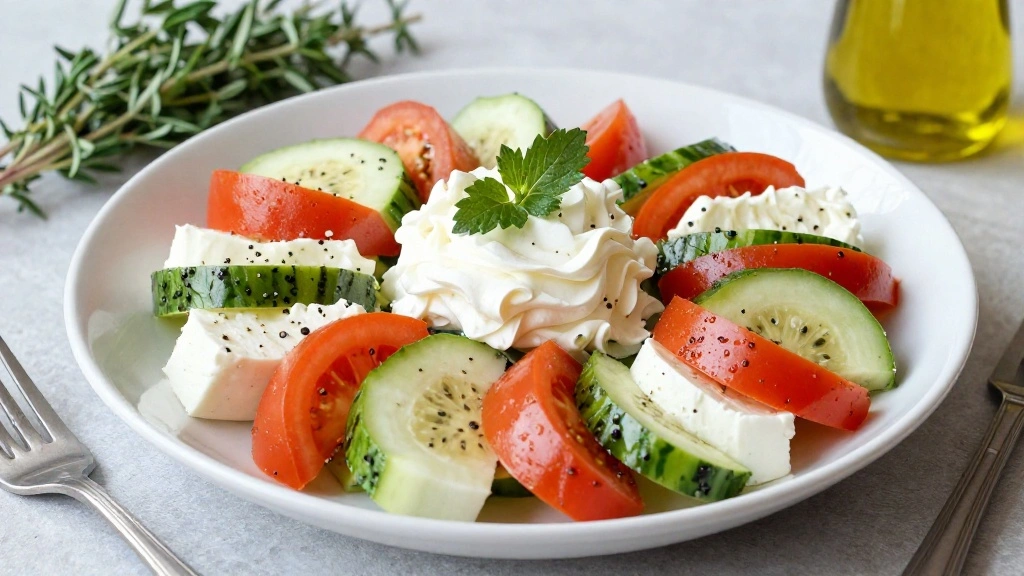
Transfer the Greek Salad Horiatiki to a serving dish for presentation.
Alternatively, serve directly from the mixing bowl if preferred.
Ensure each portion has a good mix of all ingredients.
Enjoy immediately for the freshest taste and texture.
Critical Timing and Temperature Guide
Vegetable Preparation: Ensure all vegetables are at room temperature before starting; this enhances their flavor and texture. Avoid letting them sit too long after cutting to preserve freshness.
Feta Marination: Allow feta to marinate in olive oil and oregano for at least 15 minutes for optimal flavor infusion; longer marination can enhance the taste further.
Serving Temperature: Serve the salad immediately after preparation for the best flavor and texture; refrigeration can cause vegetables to lose their crispness.


Pro Tips for Greek Salad Horiatiki
• Ingredient Selection: Choose the ripest tomatoes and freshest cucumbers, as they make the biggest difference in flavor and texture.
• Preparation Secret: Rinse the onions in cold water to reduce pungency, which is often overlooked by home cooks.
• Temperature Management: Keep olive oil at room temperature to ensure it blends seamlessly with the salad ingredients.
• Texture Enhancement: Avoid over-mixing the salad to maintain the integrity of each ingredient, preserving their distinct textures.
• Flavor Layering: Allow the salad to sit for 10 minutes after dressing to let flavors meld together.
• Make-Ahead Strategies: Prep vegetables up to a day in advance, storing them in airtight containers, but add dressing just before serving.
• Restaurant-Quality Finishing Touches: Garnish with fresh oregano leaves for a professional touch.
• Equipment Optimization: Use a large, wide bowl for tossing to ensure even distribution of ingredients without spillage.
Troubleshooting Common Issues
• Overly Watery Salad: This can occur if the tomatoes or cucumbers are too ripe or if they were cut too early. Drain excess liquid or use a slotted spoon to serve.
• Lack of Flavor: Ensure the use of high-quality olive oil and feta cheese; add more salt or pepper if needed to balance flavors.
• Vegetables Losing Texture: This happens if the salad is left to sit too long before serving. Prepare just before eating for the best crunch.
• Cheese Clumping: If feta cheese clumps, ensure it is crumbled finely and distributed evenly. Toss gently to avoid further clumping.
• Uneven Flavor Distribution: This can result from inadequate tossing. Use a large bowl and toss gently but thoroughly to ensure even coating of dressing.
Variations and Regional Differences
• Crete Style: This version includes capers and uses local Cretan rusks, known as dakos, soaked slightly and added for texture.
• Santorini Twist: Incorporates sun-dried tomatoes and uses cherry tomatoes for added sweetness and texture variation.
• Athenian Variation: Adds green bell peppers and a splash of red wine vinegar for a tangier flavor profile.
• Spartan Simplicity: Focuses on minimal ingredients, emphasizing olive oil and oregano, often omitting olives for a more straightforward taste.
Food Science Behind the Recipe
• Acid-Base Balance: The acidity of tomatoes and the fattiness of feta cheese create a balanced flavor profile, which is essential for palatability.
• Emulsification: Olive oil acts as an emulsifier, helping to distribute seasonings evenly across the salad, enhancing flavor cohesion.
• Osmosis in Vegetables: Salt draws moisture from vegetables, intensifying their flavor but also requiring careful management to avoid a watery salad.
Frequently Asked Questions
What’s the most common mistake people make when preparing Greek Salad Horiatiki? The most common mistake is using low-quality ingredients, particularly olive oil and feta cheese, which can significantly affect the final flavor.
Can I make this salad ahead of time? It’s best to prepare the vegetables in advance but wait to dress the salad until just before serving to maintain freshness and texture.
Is there a way to reduce the onion’s sharpness? Yes, soaking sliced onions in cold water for 10 minutes can significantly mellow their flavor.
What can I substitute for feta cheese? While feta is traditional, you can use ricotta salata or a mild goat cheese as alternatives.
Can I add other vegetables? Absolutely, bell peppers or radishes can be great additions for extra crunch and flavor.
How do I ensure the salad isn’t too salty? Start with a small amount of salt, taste, and adjust as needed, keeping in mind that feta and olives already add saltiness.
What’s the best way to serve this salad? Serve it with warm pita bread or as a side to grilled meats for a complete meal.
Serving and Presentation Guide
• Traditional Presentation: Serve directly from a large, rustic ceramic bowl to emphasize the dish’s simplicity and authenticity.
• Modern Plating: Use small individual plates with a ring mold to create a neat, cylindrical shape for an elegant presentation.
• Family Style: Present on a large platter, allowing diners to help themselves, which is perfect for casual gatherings.
• Garnished Elegance: Top with fresh oregano or parsley and a light drizzle of olive oil for a refined finish.


Conclusion
Greek Salad Horiatiki offers a delicious journey to the Mediterranean with each bite.
Its combination of fresh ingredients and robust flavors makes it a standout dish for any occasion.
Try this recipe to bring a touch of Greek sunshine into your home and delight your taste buds.