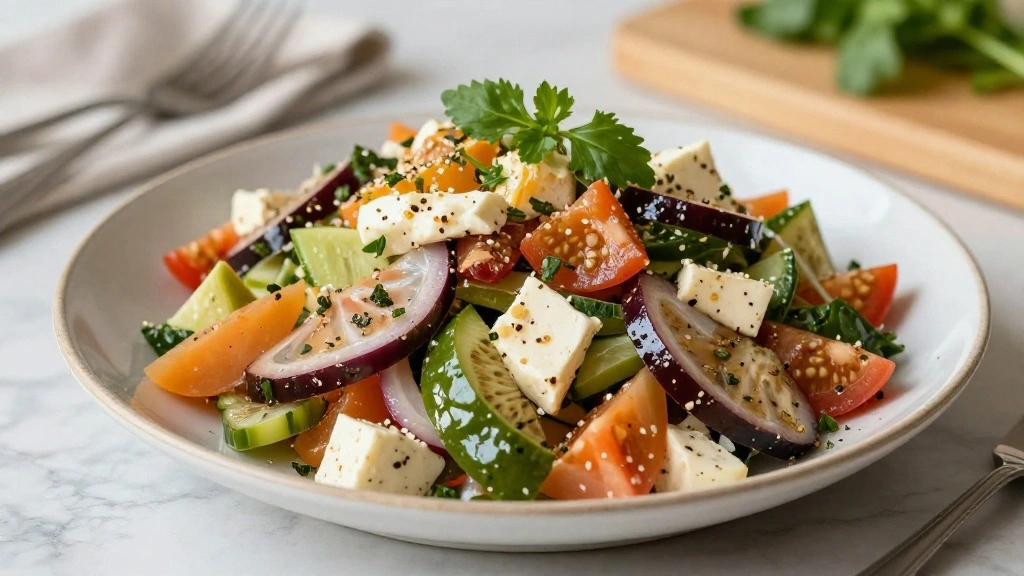

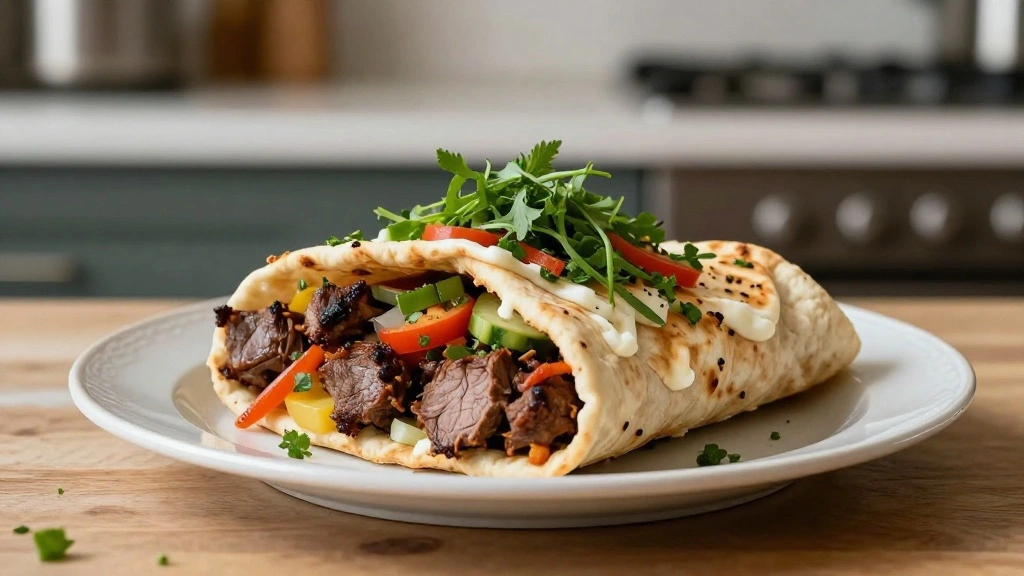


Greek Gyros are a beloved street food that brings the vibrant flavors of Greece right into your kitchen.
The juicy, well-seasoned meat combined with fresh toppings creates a symphony of taste and texture.
Whether you’ve visited Greece or simply dream of doing so, this recipe transports you to the bustling streets filled with enticing aromas.
Perfect for a casual family meal or a special gathering, homemade gyros are surprisingly easy to prepare and incredibly satisfying.
The combination of tender meat, creamy tzatziki, and crisp vegetables will have everyone coming back for seconds.
Imagine savoring each bite, filled with rich cultural history and flavor.
The History and Cultural Significance
• Greek Gyros – traces its origins to the Middle East during the Ottoman Empire, where it was originally created by rotating meat on a vertical spit.
• The dish evolved over decades as Greek immigrants adapted it with local ingredients, eventually becoming the beloved version we know today.
• In Greek culture, this dish traditionally appears at street festivals and family gatherings, symbolizing community and sharing.
• While many variations exist across different regions, the authentic version maintains the unique spice blend that sets it apart from imitations.


Recipe Overview
Nutritional Information (per serving)
Essential Equipment Guide
Vertical Rotisserie: This equipment is crucial for achieving the authentic gyro texture and flavor, allowing the meat to cook evenly while retaining its juices. If unavailable, a regular oven or grill can be a substitute, but ensure it has a rotisserie function for best results.
Sharp Chef’s Knife: Essential for thinly slicing the cooked meat, a sharp knife ensures clean cuts and prevents tearing. A serrated knife can be an alternative if needed.
Heavy-Duty Skewers: These are important for stacking the meat securely on the rotisserie. Look for stainless steel options for durability, or use wooden skewers soaked in water to prevent burning.



Ingredients
For the Marinade
|
| Amount | Ingredient | Notes |
|---|---|---|
| 2 tablespoons | olive oil | adds richness |
| 3 cloves | garlic | minced, enhances flavor |
| 1 tablespoon | oregano | provides authentic Greek taste |
| 1 teaspoon | cumin | adds depth |
| 1 teaspoon | paprika | for color and mild heat |
| 1 whole | lemon | juiced, for acidity |
For the Meat
| Amount | Ingredient | Notes |
|---|---|---|
| 2 pounds | boneless pork shoulder | sliced thinly |
Vegetables
| Amount | Ingredient | Notes |
|---|---|---|
| 2 medium | tomatoes | diced, room temperature |
| 1 large | onion | finely sliced |
| 1 cup | lettuce | shredded |
For the Sauce
| Amount | Ingredient | Notes |
|---|---|---|
| 1 cup | Greek yogurt | base for tzatziki |
| 1 whole | cucumber | grated, excess water removed |
| 1 teaspoon | dill | chopped |
| 1 whole | lemon | juiced, freshness |
| 1 clove | garlic | minced |


Preparation Methods
Marinating: Marinating the meat is crucial for infusing it with flavor. Allow the pork to marinate for at least 2 hours or overnight in the refrigerator to absorb the spices fully. Use a sealable bag for even distribution.
Vertical Roasting: Cooking the meat on a vertical rotisserie ensures even cooking and caramelization. This technique allows the fat to baste the meat as it cooks, resulting in juicy, flavorful slices.
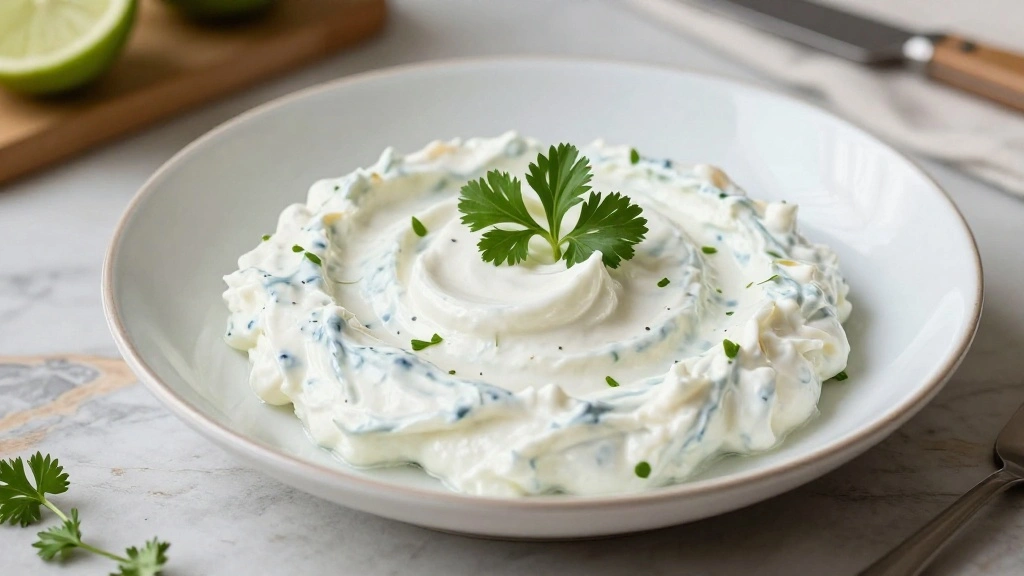
Tzatziki Preparation: Squeeze excess water from the grated cucumber to prevent the sauce from becoming watery. Mix all ingredients thoroughly and refrigerate to let the flavors meld.



Step 1: Prepare Marinade
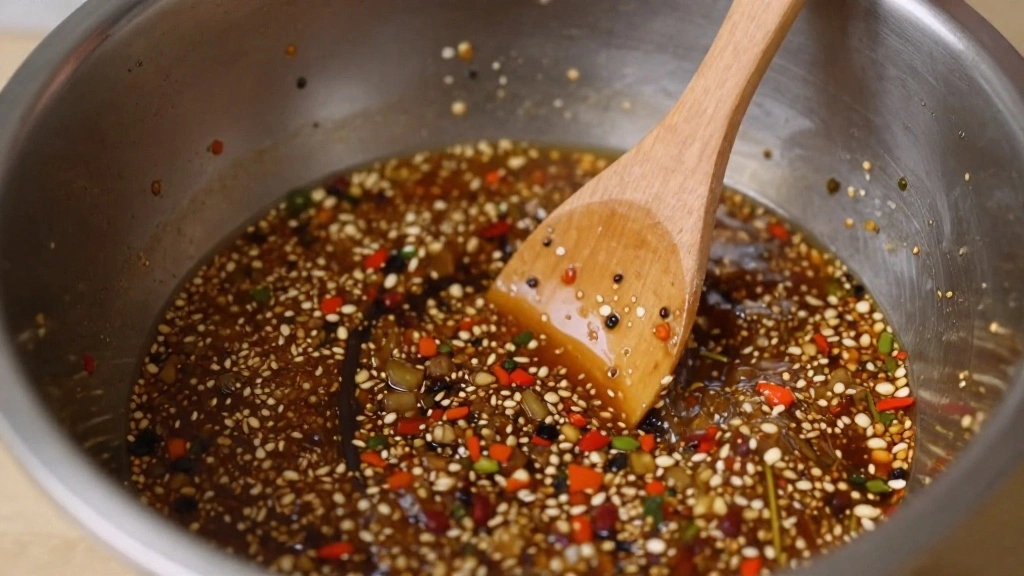
Combine olive oil, minced garlic, oregano, cumin, paprika, and lemon juice in a mixing bowl.
Stir the ingredients until well mixed.
Ensure the marinade has a balanced consistency.
Taste and adjust seasoning if necessary.


Step 2: Marinate the Meat
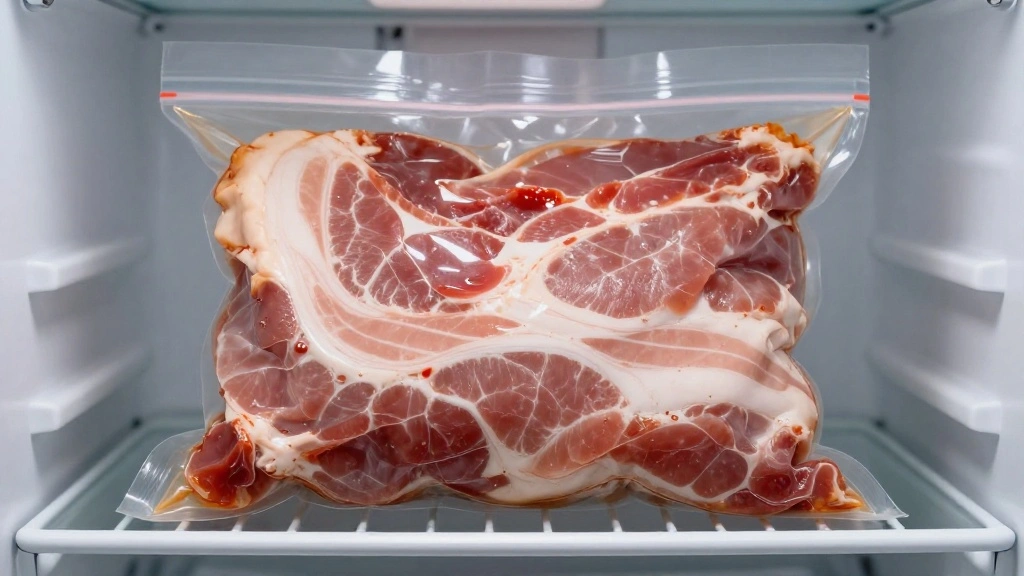
Place thinly sliced pork shoulder into a large resealable bag.
Pour the marinade over the meat, seal the bag, and massage to coat all pieces evenly.
Lay the bag flat in the refrigerator for at least 2 hours.
Turn the bag occasionally to redistribute the marinade.
Step 3: Prepare Tzatziki Sauce
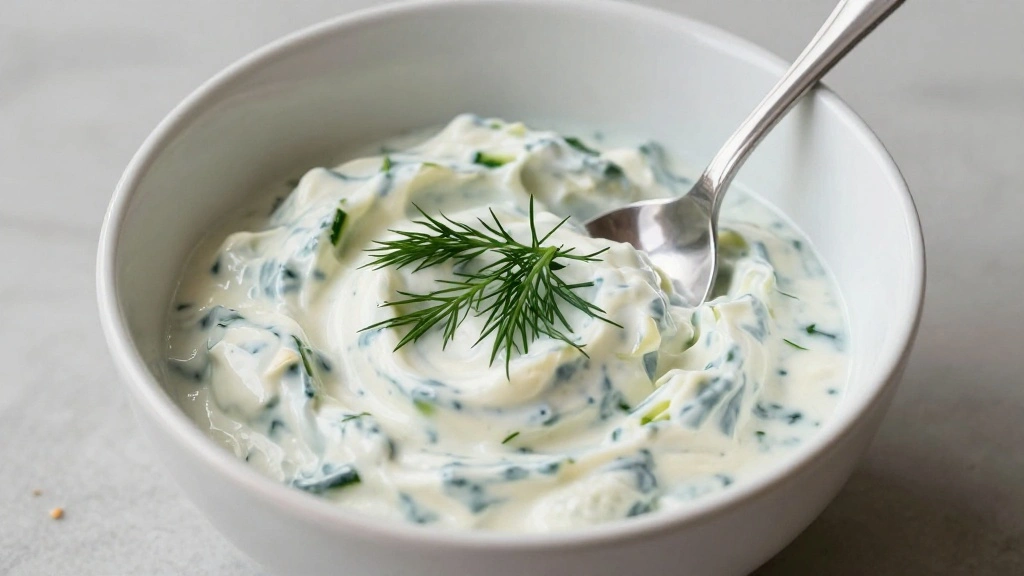
Grate the cucumber and place it into a clean cloth.
Squeeze out any excess moisture from the cucumber.
Mix Greek yogurt, cucumber, dill, lemon juice, and minced garlic in a bowl.
Refrigerate the sauce until ready to serve.

Step 4: Assemble the Rotisserie
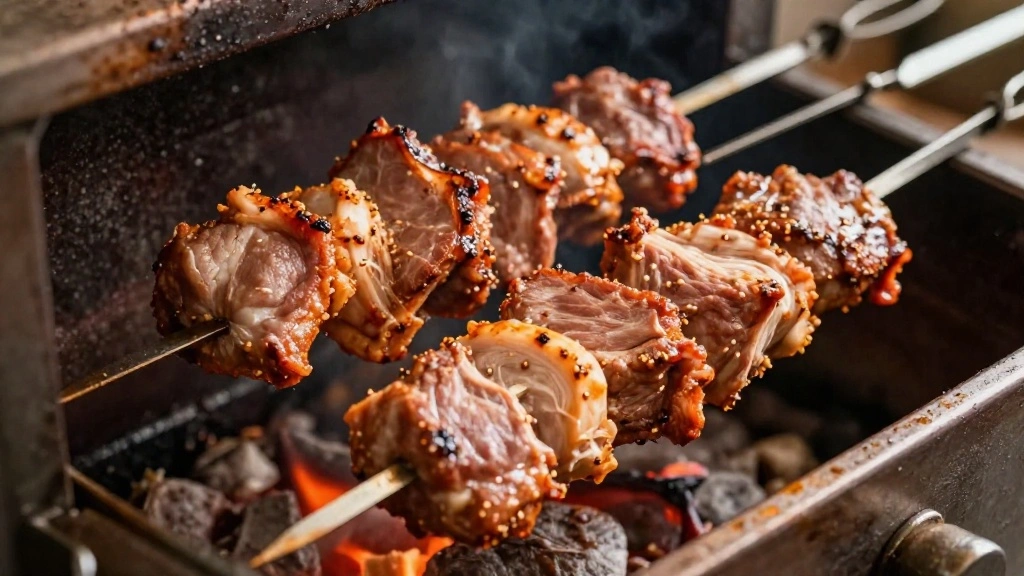
Remove marinated meat from the refrigerator.
Thread the pork slices onto the rotisserie skewer, packing them tightly.
Ensure the skewer is balanced and secure.
Place the skewer into the rotisserie or oven.


Step 5: Cook the Meat
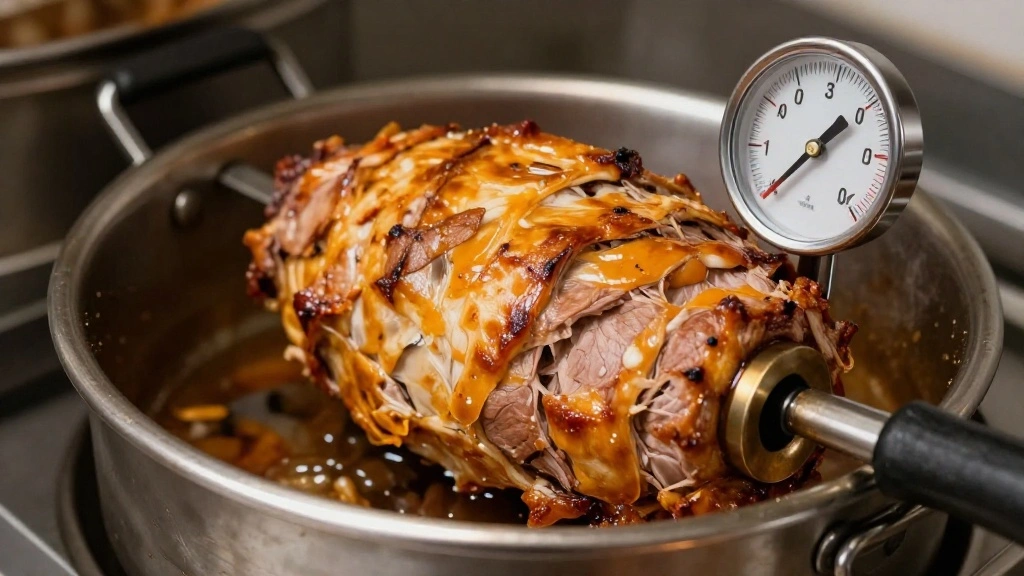
Preheat the rotisserie or oven to 375°F (190°C).
Cook the meat for 45 minutes, until the outer layer is crispy and golden brown.
Check occasionally to ensure even cooking.
Insert a thermometer to ensure the internal temperature reaches 145°F (63°C).
Step 6: Prepare Vegetables
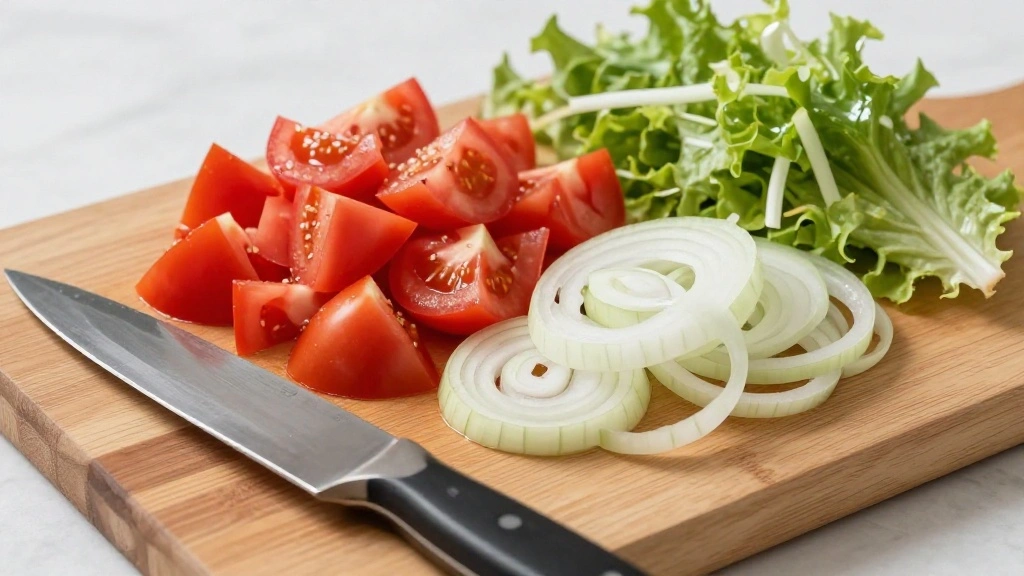
Wash and dice the tomatoes.
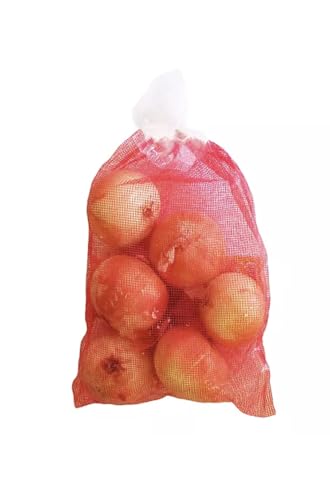
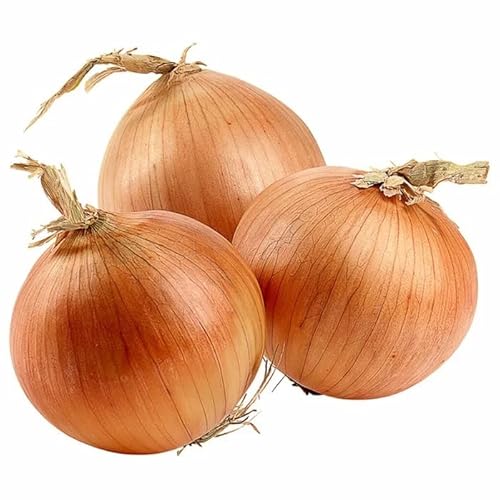
Slice the onion thinly and separate the rings.
Shred the lettuce into bite-sized pieces.
Arrange the vegetables on a serving platter for easy access.

Step 7: Slice the Cooked Meat
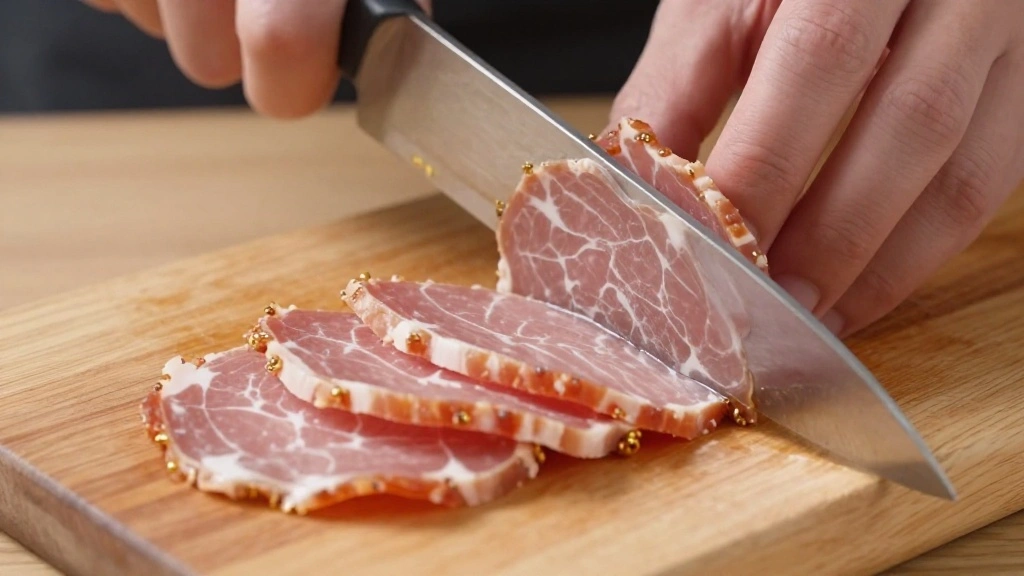
Remove the cooked meat from the rotisserie and let it rest for 5 minutes.
Using a sharp knife, slice the meat thinly against the grain.
Arrange the slices on a serving platter.
Cover with foil to keep warm.
Step 8: Assemble the Gyros
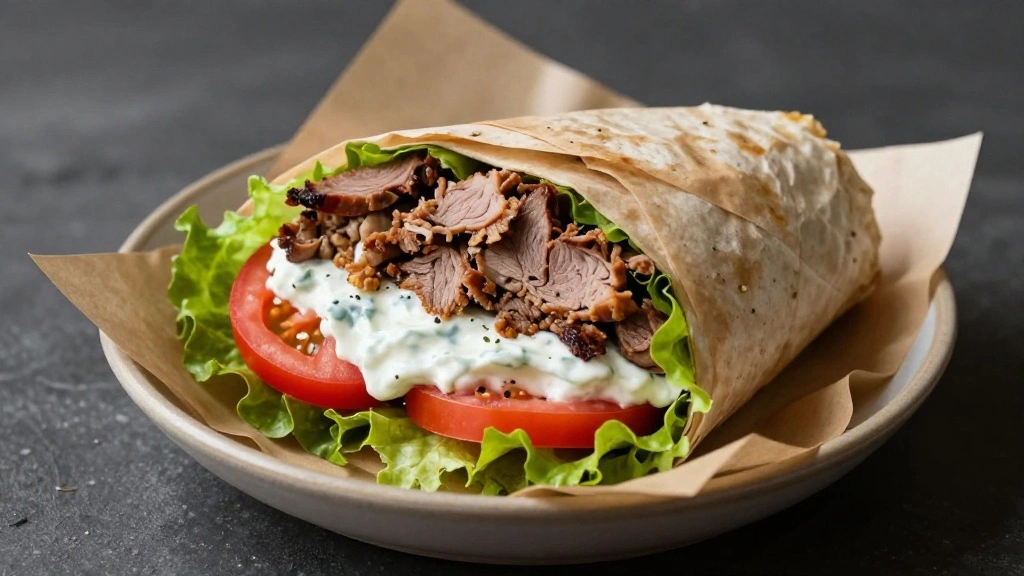
Warm the pita bread in a pan or oven for a soft texture.
Place a few slices of meat onto the center of the pita.
Top with tzatziki sauce and fresh vegetables.
Fold the pita and wrap it in parchment paper for easy handling.


Critical Timing and Temperature Guide
Marinating: Let the meat marinate for at least 2 hours for full flavor absorption. Longer marination results in more tender and flavorful meat.
Cooking: Maintain a consistent temperature of 375°F (190°C) during cooking. Look for crispy edges and a juicy interior to ensure the meat is perfectly done.
Resting: Allow the meat to rest for at least 5 minutes after cooking to allow juices to redistribute, preventing dryness.
Pro Tips for Greek Gyros –
• Ingredient Selection: Use high-quality pork shoulder for the best flavor and tenderness. Fresh oregano and garlic are crucial for authentic taste.
• Preparation Secret: Grating the cucumber and squeezing out excess moisture is essential for a thick, creamy tzatziki.
• Temperature Management: Ensure all ingredients, especially the meat, are at room temperature before cooking for even cooking.
• Texture Enhancement: Slice the meat thinly against the grain for tender bites that melt in your mouth.
• Flavor Layering: Layer flavors by marinating the meat overnight and using fresh, high-quality spices.
• Make-Ahead Strategies: Prepare the tzatziki sauce a day ahead to enhance its flavor. Store it in an airtight container in the refrigerator.
• Restaurant-Quality Finishing Touches: Garnish gyros with fresh parsley or mint for an aromatic touch.
• Equipment Optimization: If using a grill instead of a rotisserie, use indirect heat to mimic the rotisserie effect.



Troubleshooting Common Issues
• Meat Too Dry: This can happen if the meat is overcooked or not marinated long enough. Ensure proper marination and rest time.
• Tzatziki Too Watery: Often due to insufficient draining of the cucumber. Squeeze out all excess water before mixing.
• Flavors Unbalanced: If the marinade is too acidic, add a pinch of sugar to balance it out.
• Meat Not Crispy: Ensure the oven or rotisserie is hot enough and the meat is cooked long enough for the edges to crisp.
• Pita Too Hard: Warm pita just until soft and pliable to prevent it from becoming tough.
• Overpowering Garlic: Use garlic sparingly if you prefer a milder flavor or roast it before adding to the marinade.
Variations and Regional Differences
• Classic Greek Gyro: Typically uses pork or chicken, marinated with traditional Greek spices.
• Turkish Döner: Similar concept but often uses lamb or beef, with a different spice profile and served with pickled vegetables.
• Middle Eastern Shawarma: Uses a variety of meats, heavily spiced and often served with tahini sauce instead of tzatziki.
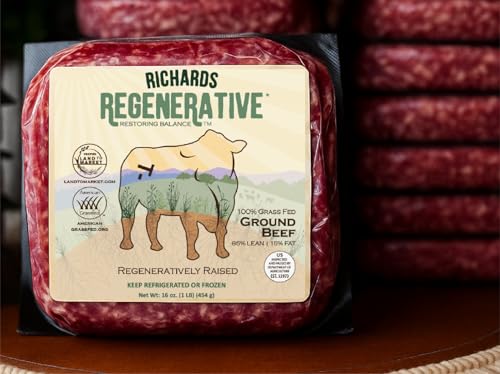
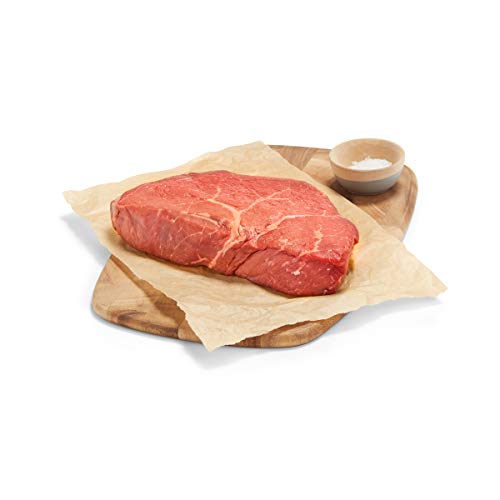
• American Gyro: Often made with a beef and lamb mixture, served with a thicker pita and more vegetables.

Food Science Behind the Recipe
• Maillard Reaction: This chemical reaction occurs when the meat is roasted, creating complex flavors and a rich brown color.
• Acidic Marination: The acid in the lemon juice helps to tenderize the meat by breaking down proteins, resulting in a juicier texture.
• Emulsification in Tzatziki: Mixing yogurt with cucumber and lemon juice can cause the ingredients to bind, creating a creamy texture that coats the meat and pita beautifully.



Frequently Asked Questions
What's the most common mistake people make when preparing Greek Gyros? Overcooking the meat, which leads to dryness. Always monitor internal temperature and rest time.
Can I use other meats besides pork? Yes, chicken, beef, or lamb can be used for variations.
How do I keep the gyro from falling apart? Ensure the pita is warm and pliable, and don't overstuff it with fillings.
What's the best way to store leftovers? Store meat and toppings separately in airtight containers in the refrigerator for up to three days.
Is there a vegetarian version of gyros? Yes, you can use grilled vegetables or plant-based protein substitutes.
What can I do if I don't have a rotisserie? Use a grill or oven with indirect heat, turning the meat regularly.
Can I freeze the gyros? It's best to freeze the cooked meat separately and assemble the gyros fresh when ready to eat.
Serving and Presentation Guide
• Traditional Presentation: Serve gyros wrapped in parchment, with fillings spilling out slightly for an authentic street food look.
• Family Style: Arrange all components on a platter, allowing guests to build their own.
• Plated Elegance: Present open-faced with neatly arranged toppings, drizzled with extra tzatziki.
• Bite-Sized Appetizers: Serve mini versions using smaller pita or flatbread for parties.


Conclusion
Creating homemade Greek gyros is a rewarding culinary journey that brings the taste of Greece to your table.
With a little preparation and attention to detail, you can enjoy this street food delicacy anytime.
Embrace the vibrant flavors and textures, and share the joy of gyros with family and friends.