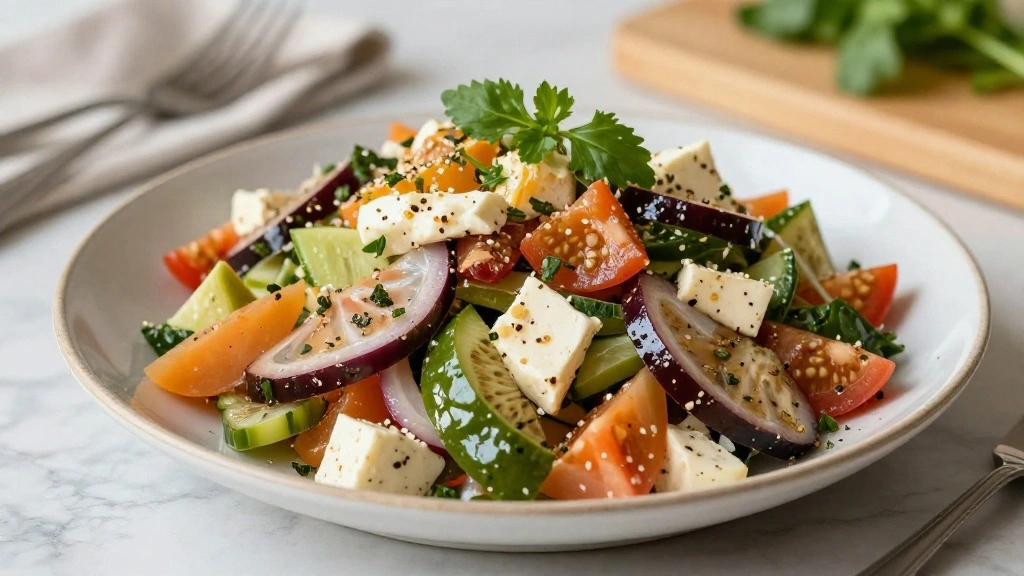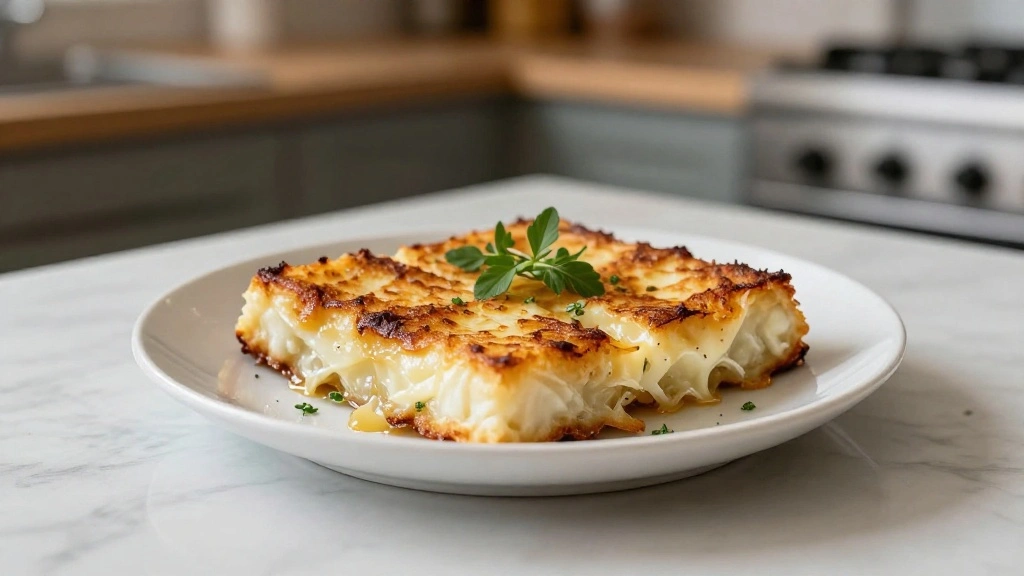

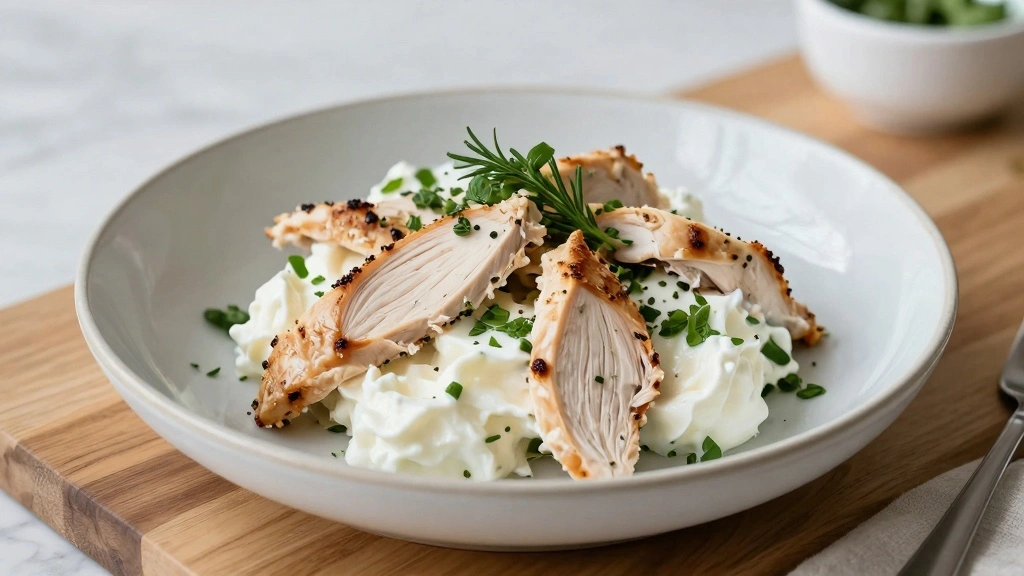


The Greek Yogurt Chicken Salad is a delightful blend of creamy, tangy, and savory flavors that offers a refreshing twist on a traditional favorite.
This protein-packed dish is perfect for those looking to enjoy a nutritious meal that doesn’t compromise on taste.
During a trip to the Mediterranean, I was inspired by the locals’ use of fresh ingredients and yogurt-based marinades, which led to this delicious recipe.
Whether you’re enjoying a sunny picnic or a casual lunch at home, this salad is sure to become a staple in your culinary repertoire.
With its vibrant flavors and wholesome ingredients, it provides a satisfying meal that keeps you full and energized.
Dive into this recipe to discover how easy it is to bring a taste of the Mediterranean to your kitchen.
The History and Cultural Significance
• The dish evolved over decades as new spices and ingredients were introduced, eventually becoming the beloved version we know today.
• In Greek culture, this dish traditionally appears at family gatherings and picnics, symbolizing hospitality and the sharing of food with loved ones.
• While many variations exist across different regions, the authentic version maintains a balance of creamy yogurt and aromatic herbs that sets it apart from imitations.



Recipe Overview
Nutritional Information (per serving)
Essential Equipment Guide
Grill Pan: A grill pan is crucial for achieving the perfect char on the chicken, which adds a smoky depth to the salad. If you don’t have a grill pan, a regular skillet can be used, though it won’t impart the same grill marks. Choose a pan with a non-stick surface for easy cooking and cleaning.
Sharp Knife: A sharp knife is necessary for efficiently chopping vegetables and slicing the chicken. A dull knife can bruise vegetables and make the preparation process tedious. Look for a knife with a comfortable handle and a well-balanced weight for precision cutting.



Ingredients
For the Chicken
| Amount | Ingredient | Notes |
|---|---|---|
| 2 pieces | chicken breast | boneless, skinless |
| 1 cup | Greek yogurt | plain, adds creaminess |
| 1 tablespoon | olive oil | for marinating |
For the Salad
| Amount | Ingredient | Notes |
|---|---|---|
| 2 cups | mixed greens | fresh, washed |
| 1 medium | cucumber | sliced, adds crunch |
| 1 cup | cherry tomatoes | halved, adds sweetness |
For the Dressing
| Amount | Ingredient | Notes |
|---|---|---|
| 1 tablespoon | lemon juice | freshly squeezed, adds tang |
| 1 teaspoon | dijon mustard | adds depth |
| 1 clove | garlic | minced, adds aroma |
Seasonings
| Amount | Ingredient | Notes |
|---|---|---|
| 1 teaspoon | oregano | dried, adds earthiness |
| 1 teaspoon | salt | enhances flavor |
| 1 teaspoon | black pepper | freshly ground, adds spice |


Preparation Methods
Grilling Technique: Grilling adds a smoky flavor and beautiful char marks to the chicken. Preheat the grill pan until very hot before adding the chicken to prevent sticking. Cook without moving the chicken for distinct grill lines.
Emulsification Technique: Emulsifying the dressing ensures a creamy, well-combined sauce that clings to the salad. Slowly drizzle olive oil into the lemon juice and mustard while whisking vigorously to achieve this.

Step 1: Prepare Marinade
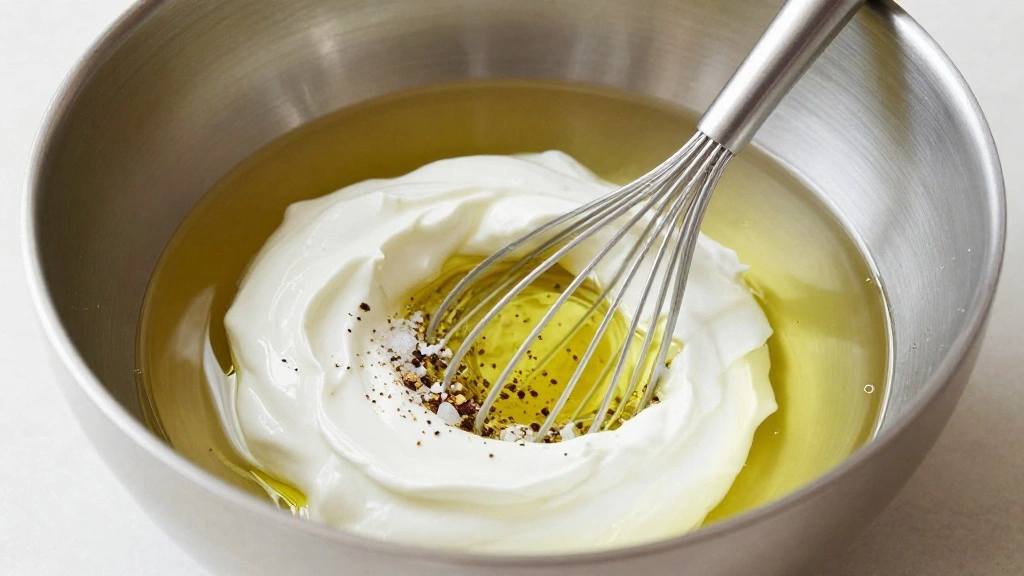
Whisk until smooth and well-blended.
Ensure no lumps remain for even marination.
Taste and adjust seasoning if necessary.


Step 2: Marinate Chicken
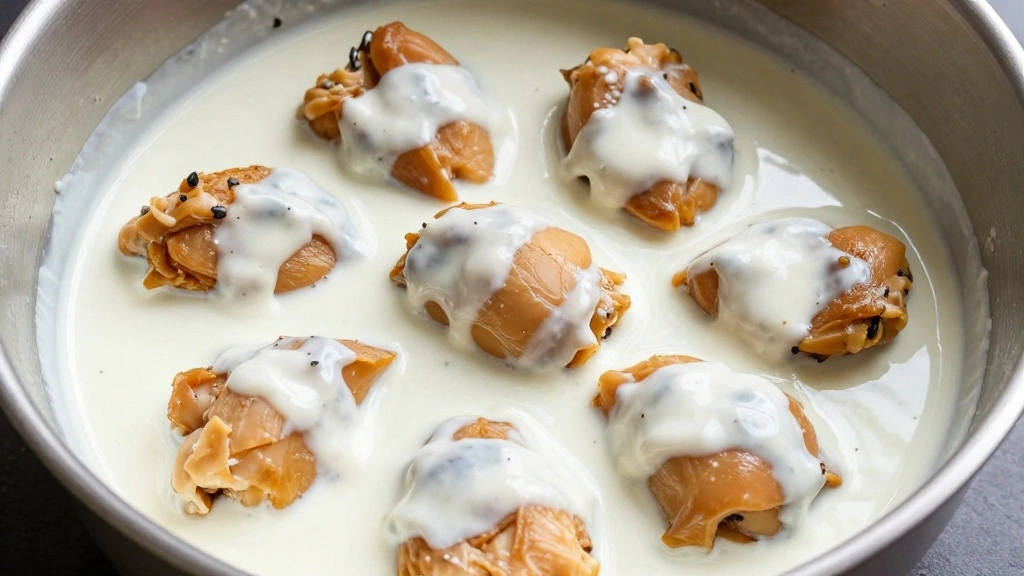
Turn to coat evenly on all sides.
Cover and refrigerate for at least 30 minutes.
This step helps tenderize and flavor the chicken.
Step 3: Preheat Grill Pan

Allow it to heat for about 5 minutes until hot.
A drop of water should sizzle upon contact.
This ensures the chicken won’t stick and will develop grill marks.
Step 4: Grill Chicken

Place on hot grill pan without overcrowding.
Cook for 6-7 minutes per side.
Look for clear juices and internal temperature of 165°F.
Step 5: Prepare Salad Base
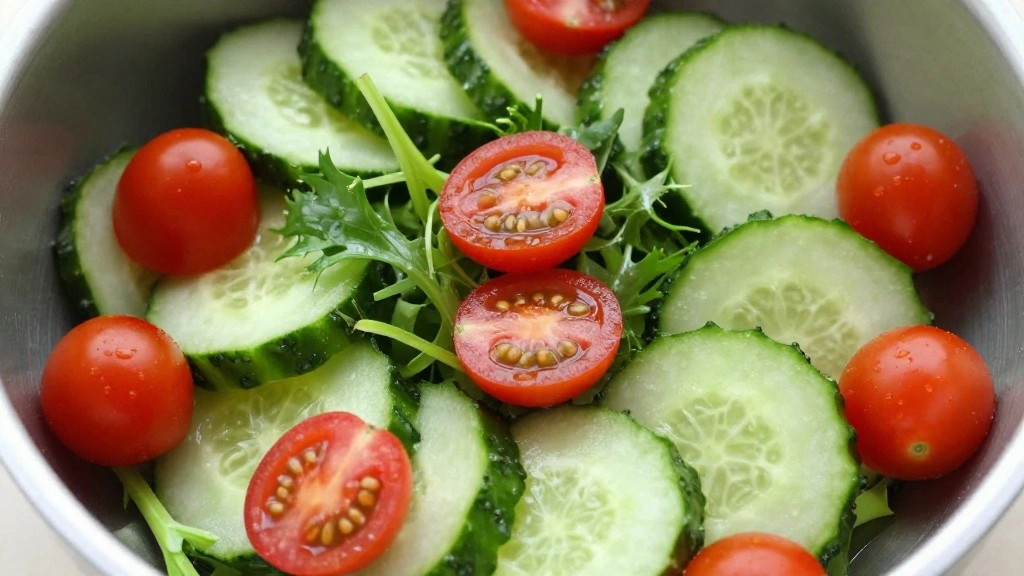
Slice cucumber and halve cherry tomatoes.
Combine with mixed greens in a large bowl.
Toss gently to mix vegetables evenly.


Step 6: Make Dressing
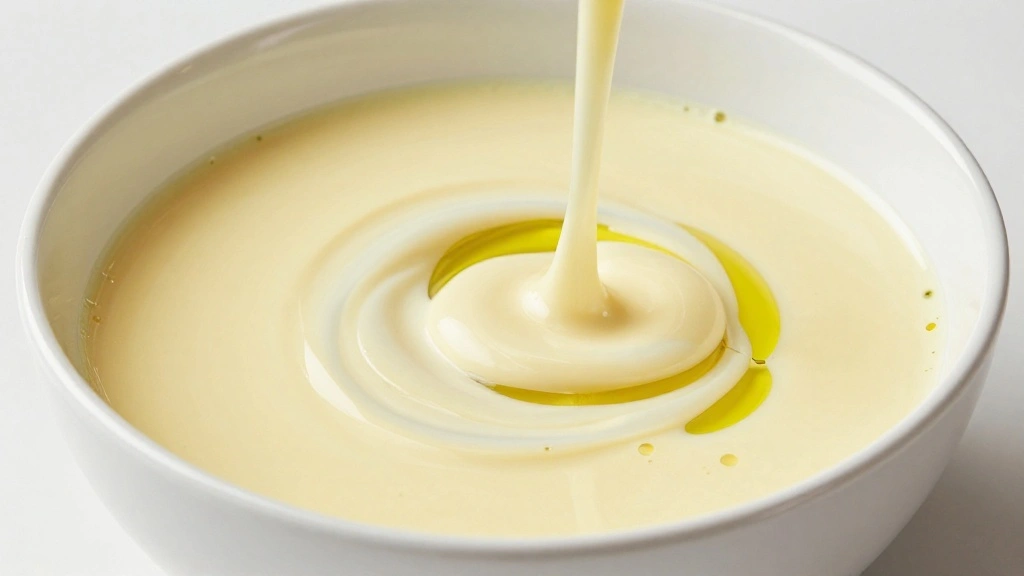
Whisk while slowly drizzling in olive oil.
Continue whisking until emulsified and thickened.
Taste and adjust seasoning as needed.
Step 7: Slice Grilled Chicken
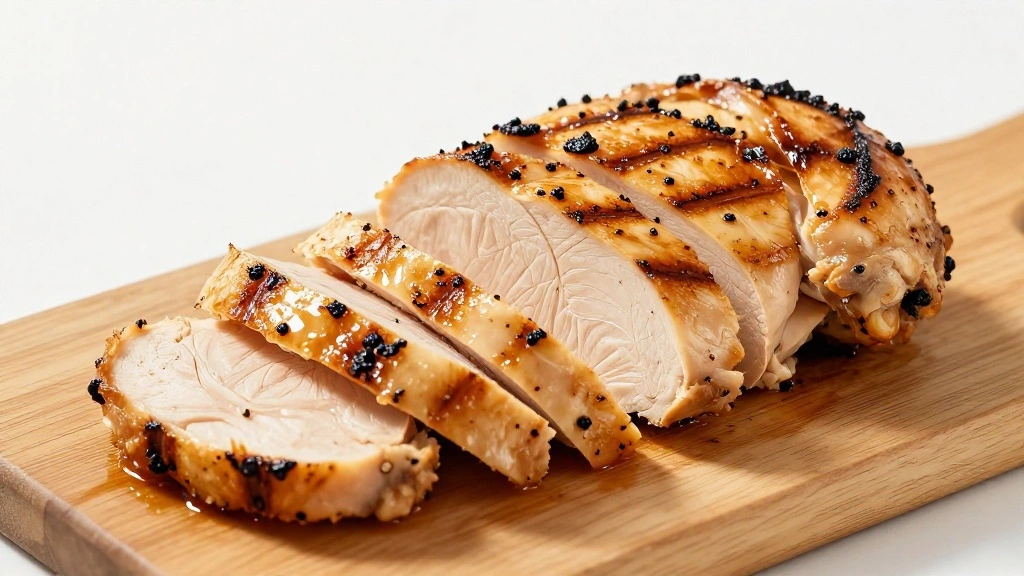
Slice into thin strips against the grain.
This ensures tender, bite-sized pieces.
Look for juicy and evenly cooked slices.
Step 8: Assemble Salad
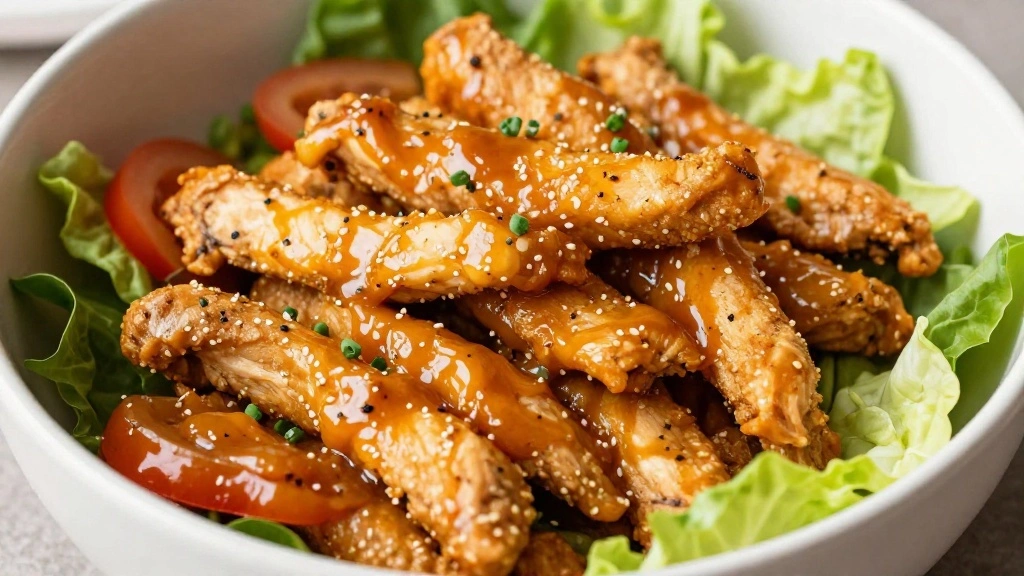
Drizzle with prepared dressing.
Toss gently to combine all ingredients.
Ensure every component is lightly coated.
Critical Timing and Temperature Guide
Grilling: Grill chicken for approximately 6-7 minutes per side at medium-high heat (about 375°F). Look for clear juices and an internal temperature of 165°F to indicate doneness.
Resting: Allow grilled chicken to rest for 5 minutes before slicing. This helps retain juices and ensures tender slices.
Pro Tips for Greek Yogurt Chicken
• Preparation Secret: Pat the chicken dry before marinating to help the yogurt adhere better.
• Temperature Management: Ensure the grill pan is properly preheated for optimal searing and grill marks.
• Texture Enhancement: Let the chicken rest after grilling to maintain juiciness and tenderness.
• Flavor Layering: Use fresh lemon juice in the dressing for a bright, tangy contrast to the creamy elements.
• Make-Ahead Strategies: Prepare the salad components ahead of time and store them separately to keep them fresh. Assemble just before serving.
• Restaurant-Quality Finishing Touches: Garnish with fresh herbs like parsley or dill for a vibrant touch.
• Equipment Optimization: Use a sharp knife for clean, precise cuts when slicing chicken and vegetables.
Troubleshooting Common Issues
• Salad Too Watery: Excess water can come from not drying greens properly. Use a salad spinner to remove excess moisture.
• Flavors Unbalanced: If the salad is too tangy, add a pinch of sugar to the dressing to balance the acidity.
• Chicken Sticking to Pan: Ensure the grill pan is hot enough before adding chicken. Proper preheating prevents sticking.
• Dressing Too Thick: If the dressing is too thick, thin it out with a bit of water or extra lemon juice until desired consistency is reached.
Variations and Regional Differences
• Italian Variation: Add sun-dried tomatoes and basil for an Italian twist, and substitute balsamic vinegar in the dressing.
• Asian-Inspired: Use soy sauce and ginger in the marinade and add edamame and sesame seeds for an Asian flair.
• Mexican Style: Incorporate lime juice and cilantro in the dressing, and add black beans and avocado for a hearty version.


Food Science Behind the Recipe
• Emulsification in Dressings: Emulsification creates a stable mixture of oil and acid, resulting in a creamy dressing that clings to salad components.
• Maillard Reaction: Grilling the chicken at high heat causes the Maillard reaction, developing rich, complex flavors and attractive grill marks.



Frequently Asked Questions
Can I use non-fat yogurt instead of full-fat Greek yogurt? Yes, but full-fat yogurt provides a richer texture and flavor, which enhances the dish significantly.
How can I make this salad vegetarian? Substitute grilled tofu or chickpeas for the chicken to maintain protein content and flavor.
Is it okay to prepare this salad ahead of time? Yes, but store the components separately and assemble just before serving to ensure freshness.
What can I serve alongside this salad? Pair with crusty bread or pita for a complete meal.
How long does the salad last in the fridge? The salad can be stored in an airtight container for up to 2 days.
Can I freeze the marinated chicken? Yes, the marinated chicken can be frozen for up to 2 months. Thaw in the fridge before grilling.
Serving and Presentation Guide
• Individual Plates: Present the salad on individual plates for a formal dining experience, with a lemon wedge on the side.
• Buffet Style: Arrange components separately, allowing guests to assemble their own salad.
• Layered Jar: For a portable option, serve in mason jars with dressing at the bottom and greens on top, ready to shake and serve.
Conclusion
Its combination of creamy, tangy, and savory elements offers a nutritious and satisfying meal.
Whether you’re an experienced cook or a culinary novice, this recipe is accessible and rewarding.
Try it today and bring a taste of Greece to your table.