
Written by

Edited by

Affiliate Disclosure:
If you buy through links on our site, we may earn a small affiliate commission to help support the blog – at no extra cost to you. It never influences our product selection process. Thank you!
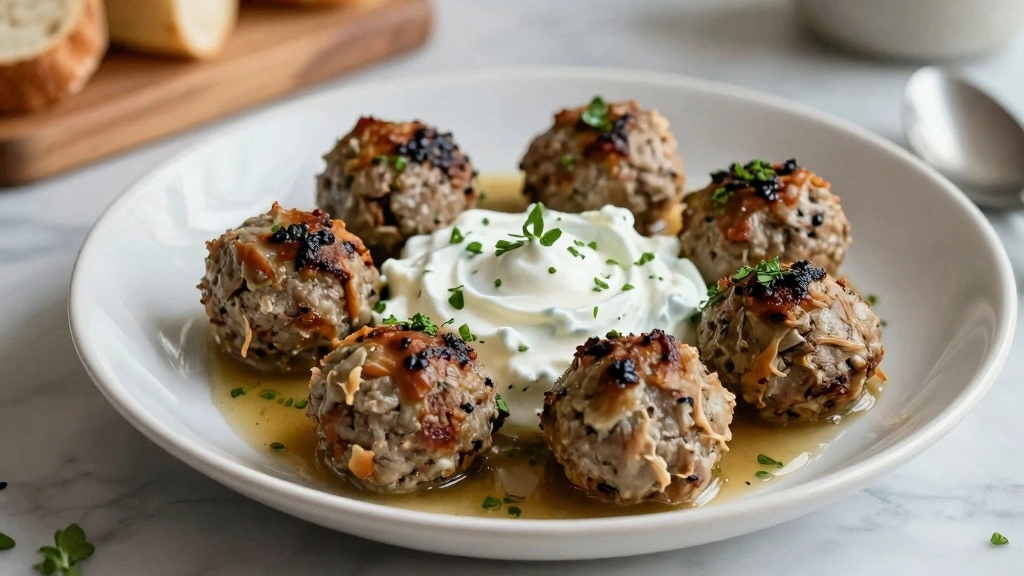
The Greek Turkey Meatballs with Tzatziki is a refreshing take on a classic Mediterranean dish, perfect for those seeking a lighter option without sacrificing flavor.
Bursting with fresh herbs and spices, these meatballs offer a delightful taste that pairs beautifully with the cool, creamy tzatziki sauce.
I was inspired to create this recipe after a memorable trip to Greece, where I enjoyed meals that highlighted the vibrant flavors of the region.
The combination of lean turkey and aromatic herbs makes these meatballs not only delicious but also a healthier choice for any occasion.
Whether you’re looking to impress guests or simply enjoy a nutritious meal, this dish is sure to satisfy.
Join me as we delve into the rich history and steps to create this culinary delight.
• The dish evolved over decades as ingredients like turkey became more common, eventually becoming the beloved version we know today.
• In Greek culture, this dish traditionally appears at family gatherings and celebrations, symbolizing unity and hospitality.
• While many variations exist across different regions, the authentic version maintains the use of fresh herbs and spices that set it apart from imitations.
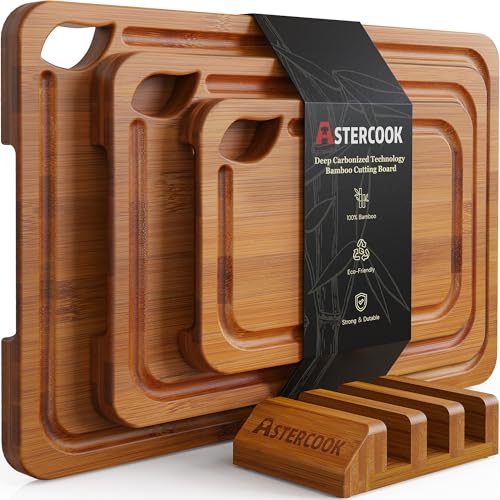
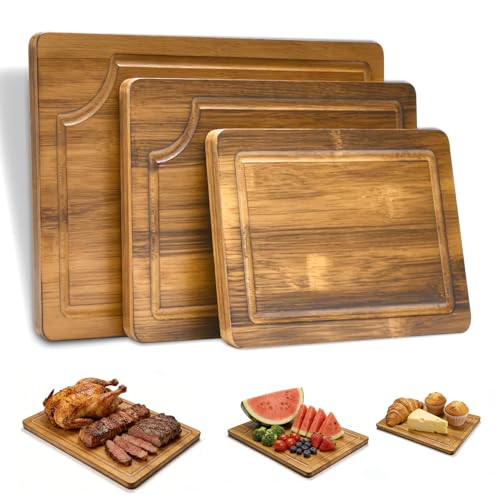
Baking Sheet: Crucial for cooking meatballs evenly. Make sure it’s non-stick or lined with parchment to prevent sticking and promote easy cleanup.
Food Processor: Helps achieve the perfect texture for the tzatziki sauce. While a blender can be used, a food processor allows for more control over the consistency.
| Amount | Ingredient | Notes |
|---|---|---|
| 1 pound | ground turkey | lean, for healthier option |
| 1 cup | breadcrumbs | binds the mixture |
| 1 large | egg | acts as a binder |
| 2 tablespoons | olive oil | adds moisture |
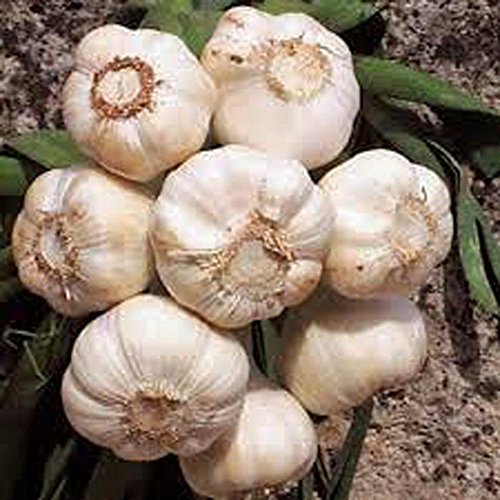
| 3 cloves | garlic | minced, adds flavor |
| 1 teaspoon | salt | enhances flavor |
| 1 teaspoon | black pepper | adds spice |
| 1 tablespoon | oregano | dried, adds earthy flavor |
| 1 tablespoon | parsley | fresh, chopped, adds freshness |
| Amount | Ingredient | Notes |
|---|---|---|
| 1 cup | Greek yogurt | base of the sauce |
| 1 large | cucumber | grated, adds freshness |
| 1 tablespoon | dill | fresh, chopped |
| 1 tablespoon | lemon juice | adds tanginess |
| 1 clove | garlic | minced |
| 1 teaspoon | salt | enhances flavor |
Mixing by Hand: Allows for gentle combination of meatball ingredients, maintaining texture. Use clean hands to mix until just combined, avoiding overmixing which can toughen meatballs.
Baking: Provides a healthier alternative to frying, ensuring even cooking. Preheat the oven to ensure consistent heat and use a timer to prevent overcooking.
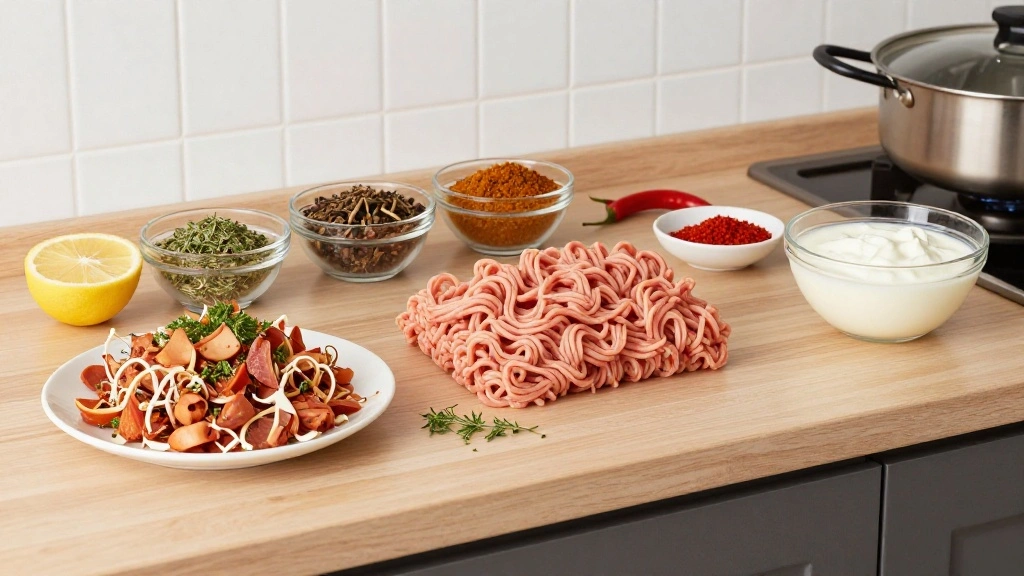
Ensure ground turkey is thawed and fresh herbs are washed and chopped.
Measure out each ingredient to streamline the cooking process.
Preheat the oven to 375°F (190°C) to ensure it’s ready for the meatballs.
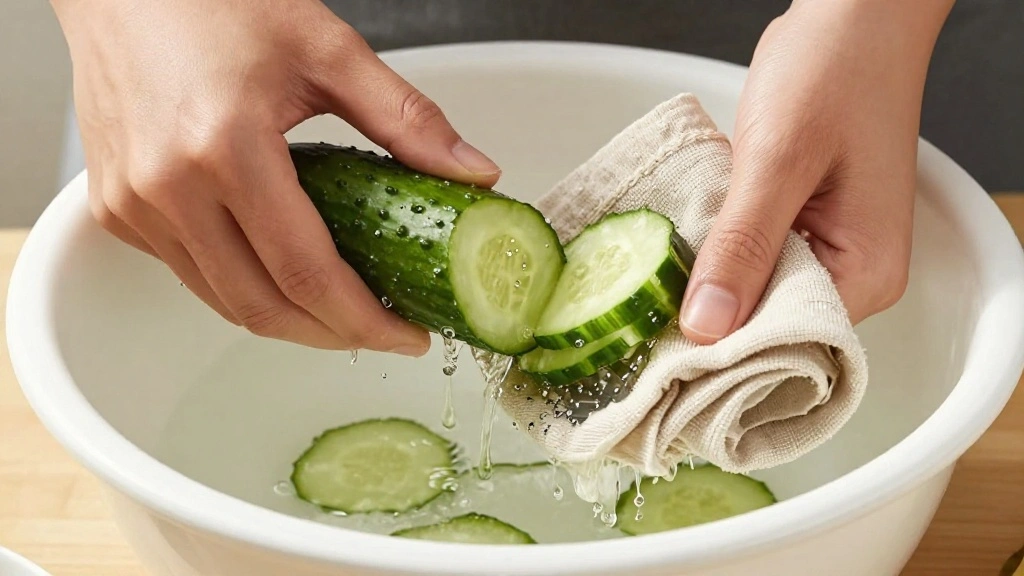
Place the grated cucumber in a clean cloth and squeeze out excess water.
This step is crucial to prevent the tzatziki from becoming too watery.
Set aside the dry cucumber for later use in the tzatziki sauce.
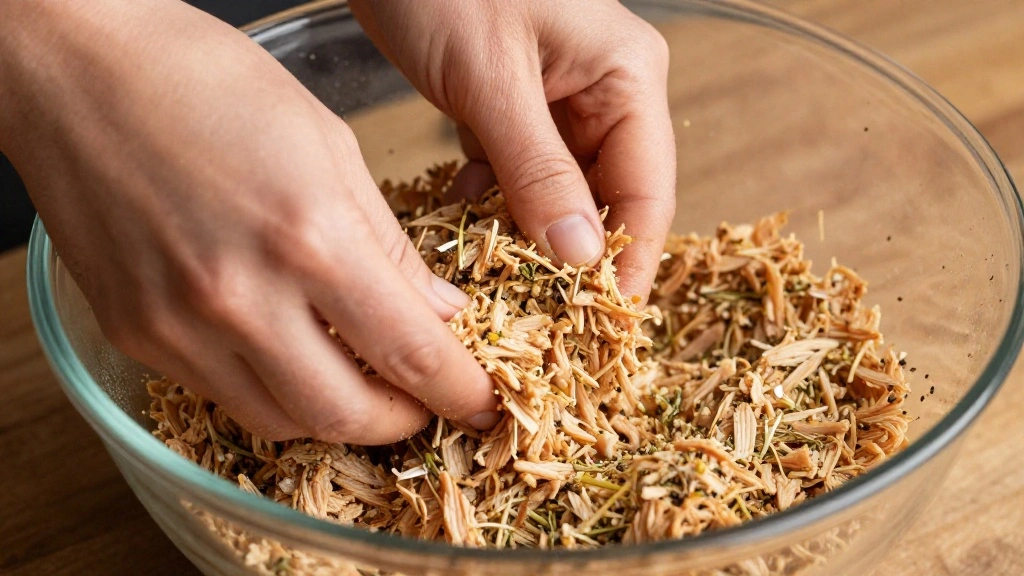
Use your hands to mix until just combined, ensuring even distribution of ingredients.
Avoid overmixing to maintain the meatballs’ tender texture.
The mixture should hold together without being too sticky.

Aim for uniform size to ensure even cooking.
Place each meatball onto a lined baking sheet, spacing them evenly apart.
This ensures they cook evenly without sticking together.

Bake for approximately 20-25 minutes, or until meatballs are golden brown.
Check for doneness by cutting one open; it should be cooked through with no pink inside.
Remove from oven and allow to cool slightly before serving.
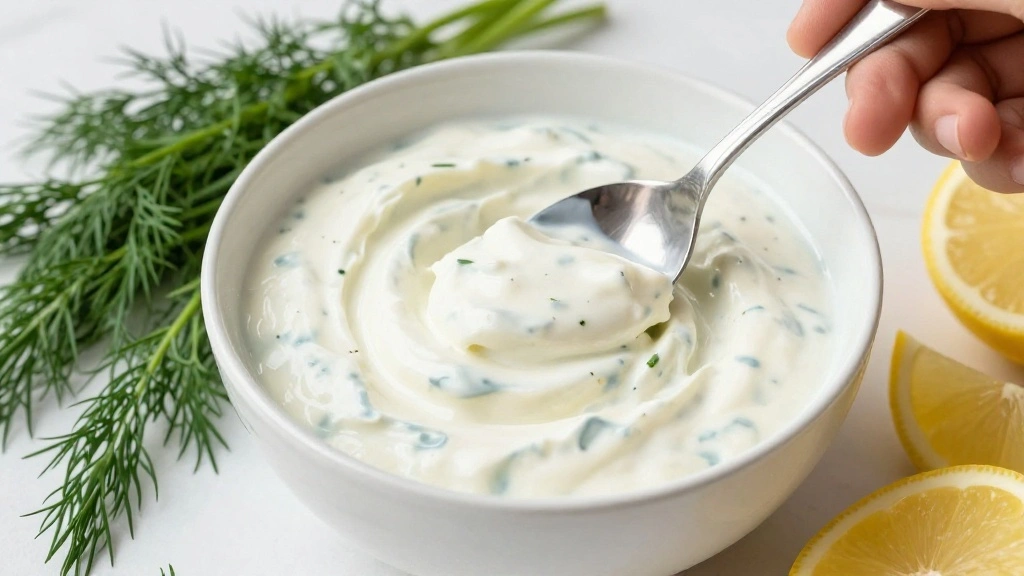
Stir until all ingredients are well incorporated.
Taste and adjust seasoning as needed, adding more salt or lemon juice if desired.
Chill in the refrigerator until ready to serve.
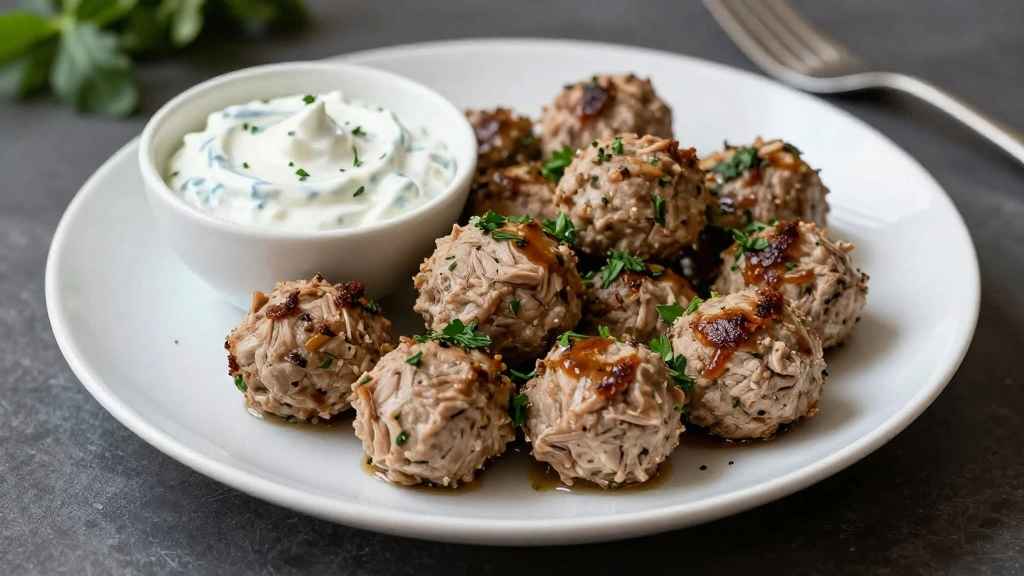
Serve with a generous side of tzatziki sauce for dipping.
Garnish with additional parsley or dill for a pop of color.
Enjoy the meatballs warm, accompanied by fresh bread or a salad.
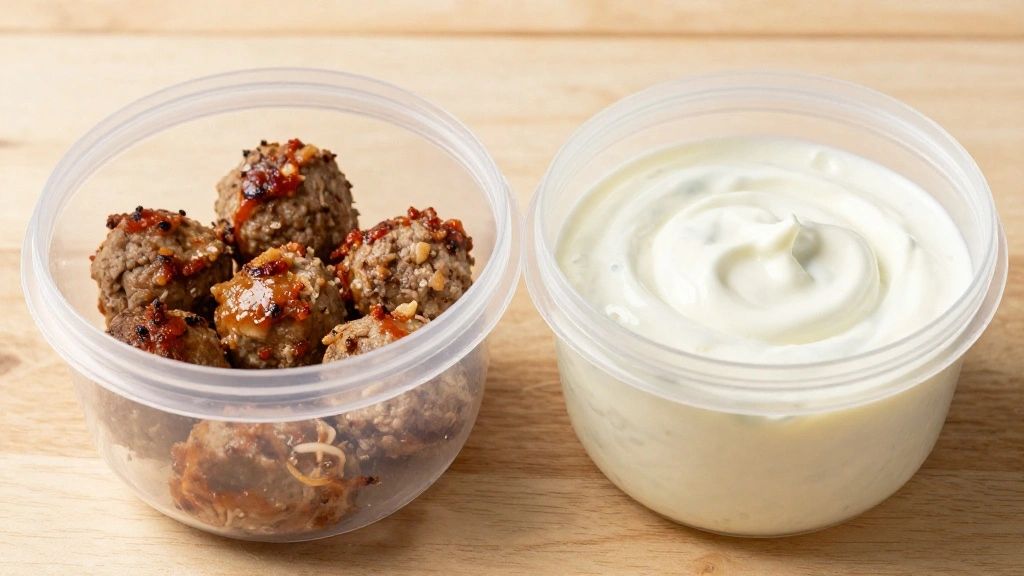
Place them in an airtight container and refrigerate for up to 3 days.
Reheat in the oven or microwave before serving again.
The tzatziki sauce can also be stored in a separate container for up to 3 days.
Tzatziki Chilling: Chill the tzatziki for at least 30 minutes to allow flavors to meld. Avoid skipping this step as it enhances the taste.
Serving Temperature: Serve meatballs warm to highlight their flavors. If serving later, reheat gently to avoid drying out.
• Preparation Secret: Grate the cucumber finely and squeeze out as much moisture as possible to prevent watery tzatziki.
• Temperature Management: Ensure turkey is at room temperature before mixing, which helps in even cooking.
• Texture Enhancement: Gently mix the turkey mixture to avoid dense meatballs. Light handling keeps them tender.
• Flavor Layering: Use a combination of fresh and dried herbs to build complex flavors within the meatballs.
• Make-Ahead Strategies: Prepare meatball mixture and tzatziki a day in advance. Store separately in the refrigerator to enhance flavors.
• Restaurant-Quality Finishing Touches: Drizzle meatballs with a little olive oil before serving for added richness and shine.
• Equipment Optimization: Utilize a small ice cream scoop for uniform meatball sizing, which ensures even cooking.
• Tzatziki Too Watery: Often due to insufficient draining of cucumber. Squeeze cucumber thoroughly to avoid this issue.
• Flavors Unbalanced: Taste and adjust seasoning of tzatziki before serving, adding more lemon or salt as needed.
• Meatballs Falling Apart: Ensure egg and breadcrumbs are well incorporated as binders. Chill mixture briefly if too soft.
• Lack of Flavor: Increase the amount of fresh herbs and garlic in the meatball mixture for a more pronounced taste.
• Spicy Variation: Incorporate red pepper flakes or chopped chili for added heat, common in some regions of Greece.
• Herb-Heavy Version: Increase the amount of dill and parsley for a more herbaceous flavor, popular in coastal areas.
• Lemon Zest Twist: Add lemon zest to the meatball mixture for a citrusy aroma, a modern twist in urban Greek cuisine.
• Protein Coagulation: Heat causes the proteins in turkey to coagulate, giving structure to the meatballs.
• Acid and Flavor Balance: Lemon juice in tzatziki not only adds flavor but also balances the creaminess of the yogurt, enhancing the overall taste.
Can I use different herbs in this recipe? Yes, feel free to experiment with herbs like mint or basil for a different flavor profile.
How can I make the dish spicier? Add red pepper flakes or diced chili to the meatball mixture for a spicy kick.
What’s a good substitute for Greek yogurt in tzatziki? Sour cream or a dairy-free yogurt can be used, though they will alter the taste slightly.
How do I prevent the meatballs from sticking to the baking sheet? Use parchment paper or a well-oiled non-stick baking sheet.
Is it possible to freeze the meatballs? Yes, freeze uncooked meatballs on a tray, then transfer to a bag once solid. Cook from frozen, adjusting time accordingly.
How can I keep the meatballs moist? Ensure not to overcook and include enough fat, like olive oil, in the mixture.
• Modern Plate: Stack meatballs on a small plate, drizzle with tzatziki, and add microgreens for a chic look.
• Family Style: Place on a large serving dish with a generous amount of tzatziki and warm pita bread on the side.
• Appetizer Display: Skewer meatballs with toothpicks and serve with individual tzatziki dips for easy handling at gatherings.
With its rich heritage and modern appeal, this dish is perfect for any occasion.
I hope you’ll enjoy preparing and savoring this recipe as much as I do.
Share it with friends and family to spread the love of Greek cuisine.


Greek Recipes
Greek Recipes

Greek Recipes
Greek Recipes
Greek Recipes