
Written by

Edited by

Affiliate Disclosure:
If you buy through links on our site, we may earn a small affiliate commission to help support the blog – at no extra cost to you. It never influences our product selection process. Thank you!
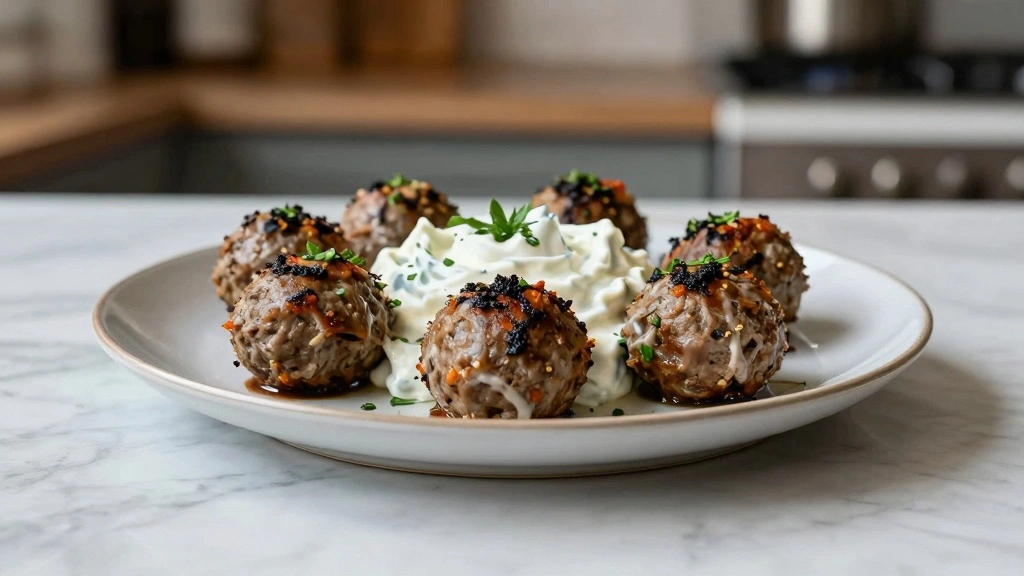
The vibrant flavors of Greek cuisine come alive with each bite of these Greek Meatballs with Tzatziki Sauce.
This dish strikes a perfect balance between the savory notes of the meatballs and the tangy freshness of the Tzatziki dip.
I first experienced this delightful combination during a summer evening in a bustling Athens taverna, where the locals shared their culinary secrets with a warm welcome.
The meatballs, known for their juicy and aromatic qualities, pair beautifully with the creamy and herby Tzatziki sauce.
Whether enjoyed as a hearty appetizer or the star of a main course, this recipe promises to transport you to the sunny shores of Greece.
Prepare to indulge in a dish that’s as satisfying to make as it is to eat.
• The dish evolved over decades as trade introduced new spices and ingredients, eventually becoming the beloved version we know today.
• In Greek culture, this dish traditionally appears at festive gatherings and family celebrations, symbolizing hospitality and togetherness.
• While many variations exist across different regions, the authentic version maintains the use of fresh herbs and spices that sets it apart from imitations.
Non-Stick Skillet: A non-stick skillet ensures even cooking and prevents the meatballs from sticking. Cast iron can be an alternative for added flavor.
Microplane Grater: This tool is perfect for finely grating garlic and lemon zest, imparting essential flavors to both the meatballs and Tzatziki sauce.
| Amount | Ingredient | Notes |
|---|---|---|
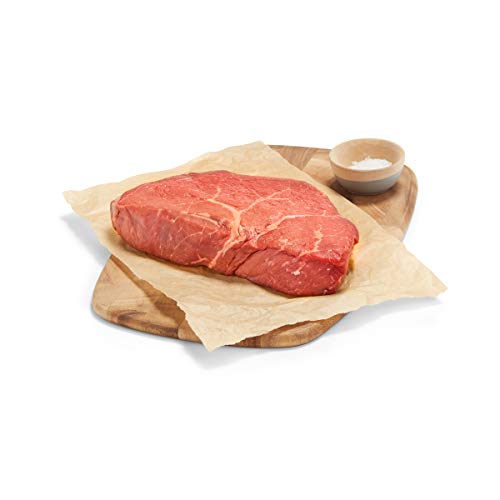
| 500 grams | ground beef | provides savory base |
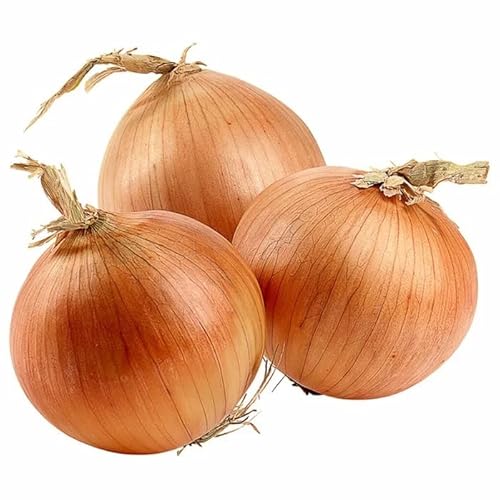
| 1 medium | onion | finely chopped, adds moisture |
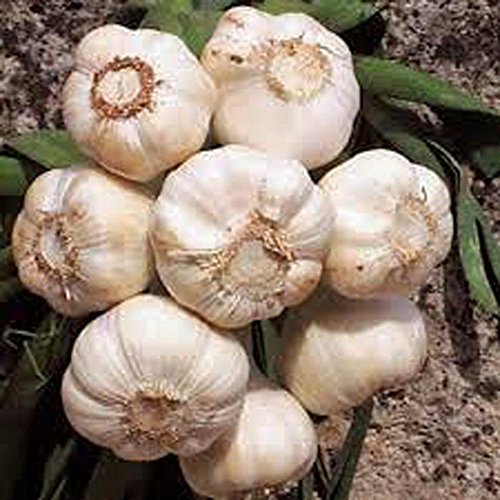
| 2 cloves | garlic | minced, for aromatic flavor |
| 1 teaspoon | oregano | adds classic Greek flavor |
| 1 teaspoon | cumin | for earthy depth |
| 1 teaspoon | salt | enhances flavor |
| 1 teaspoon | pepper | adds heat |
| 1 large | egg | for binding |
| 1/4 cup | breadcrumbs | adds structure |
| Amount | Ingredient | Notes |
|---|---|---|
| 1 cup | Greek yogurt | creamy base |
| 1 medium | cucumber | grated, moisture removed |
| 2 cloves | garlic | minced, adds zest |
| 1 tablespoon | lemon juice | for acidity |
| 1 tablespoon | olive oil | adds smoothness |
| 1 teaspoon | dill | fresh, for herby notes |
| 1 teaspoon | salt | to taste |
Grating Cucumber: Grating cucumber for Tzatziki involves removing excess moisture to prevent a watery sauce. Use a box grater and press the grated cucumber in a towel to extract liquid.
Binding Meatballs: Achieving the perfect texture in meatballs requires careful binding. Mix ingredients gently until just combined to prevent toughness, using breadcrumbs and eggs for cohesion.
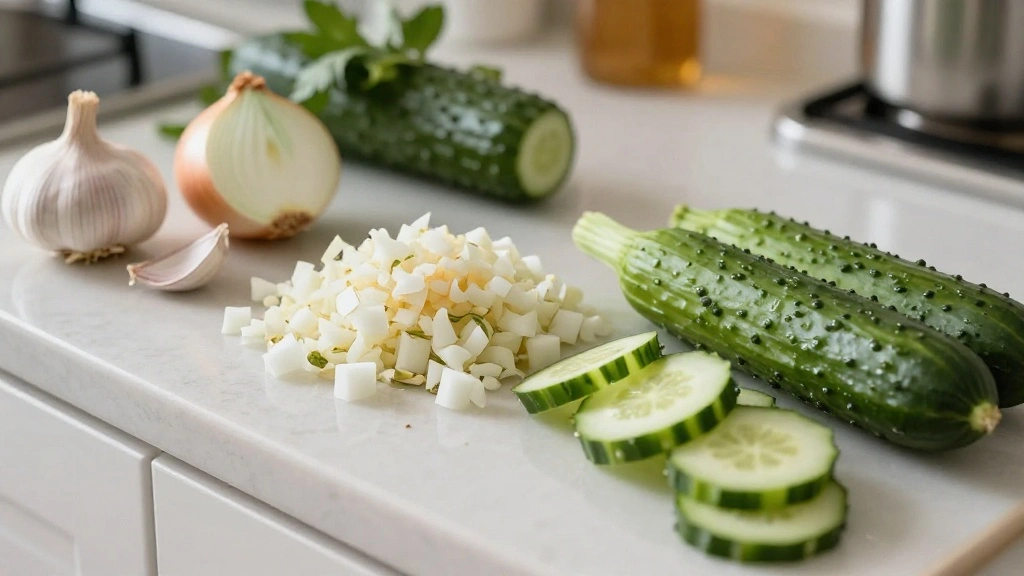
Chop the onion finely and mince the garlic cloves.
Grate the cucumber and squeeze out excess moisture.
Measure out spices, breadcrumbs, and other elements for easy access.
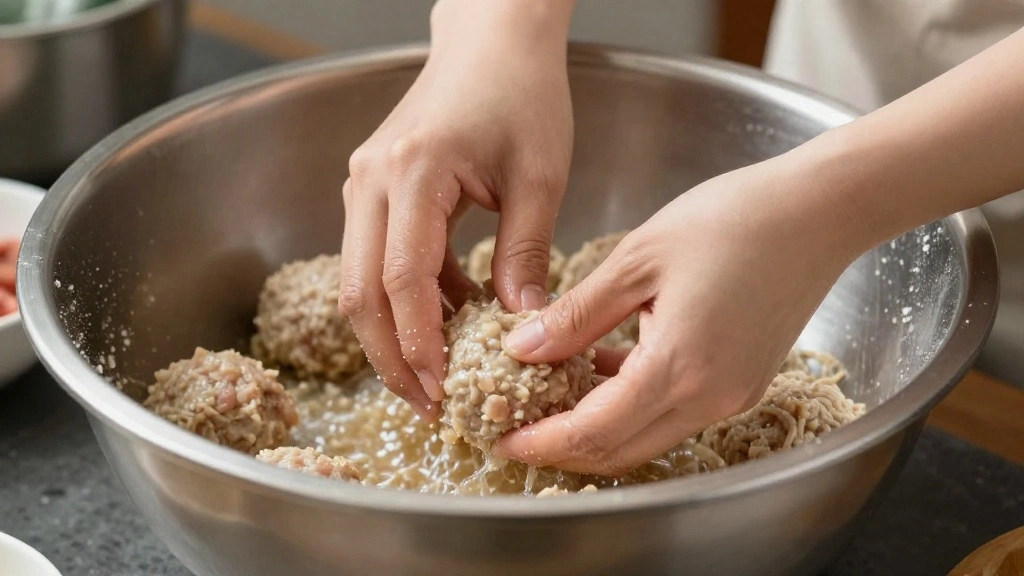
Add spices, breadcrumbs, and egg to the mixture.
Use clean hands to gently mix until all ingredients are just combined.
Be careful not to overwork the meat to maintain tenderness.
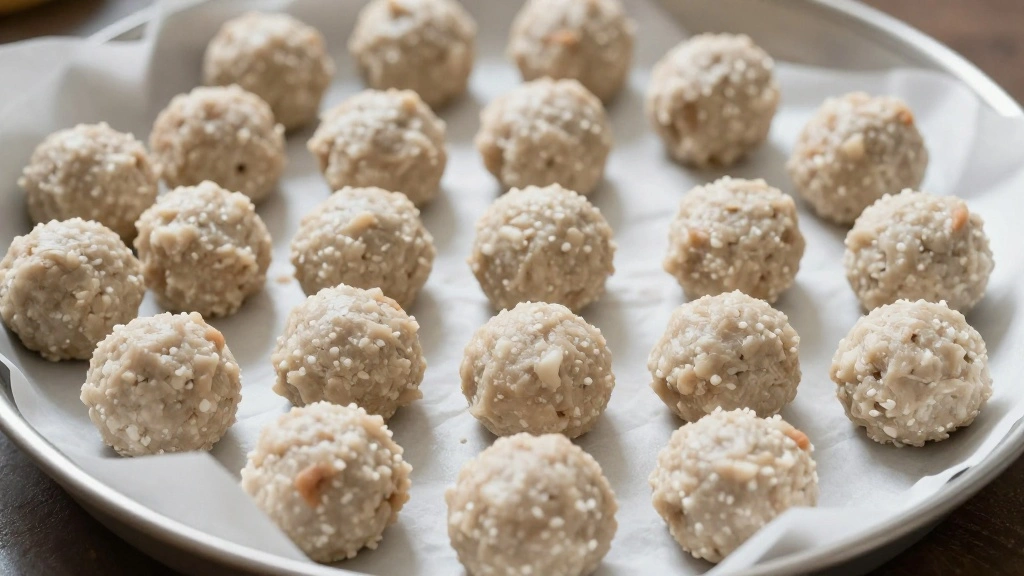
Place the formed meatballs on a tray lined with parchment paper.
Ensure each meatball is uniform in size for even cooking.
Prepare all meatballs before moving to the cooking stage.

Place meatballs in the skillet, ensuring they are not overcrowded.
Cook each side for 6-8 minutes until browned and cooked through.
Remove cooked meatballs and place them on a paper towel-lined plate to drain excess oil.
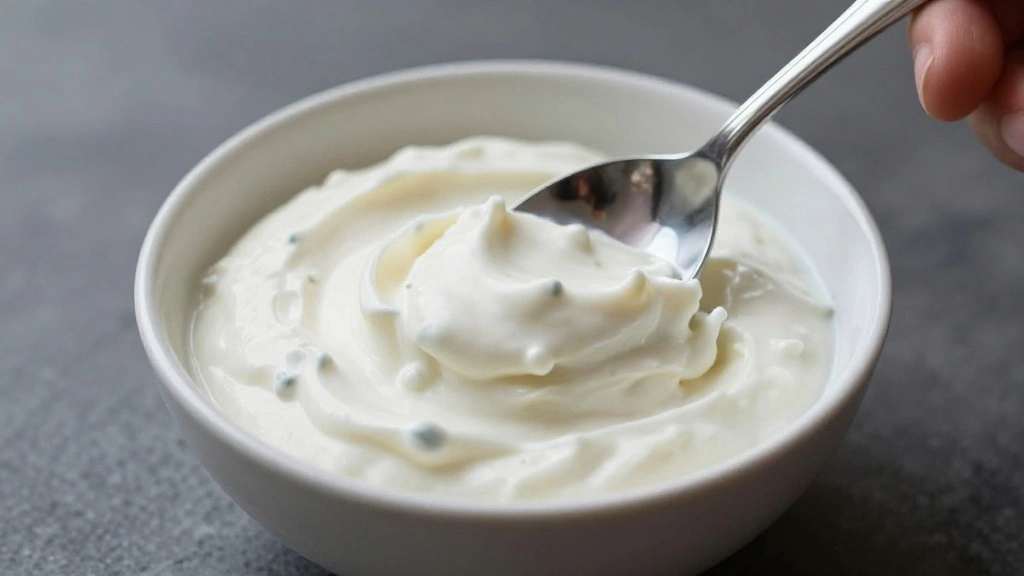
Add lemon juice, olive oil, dill, and salt.
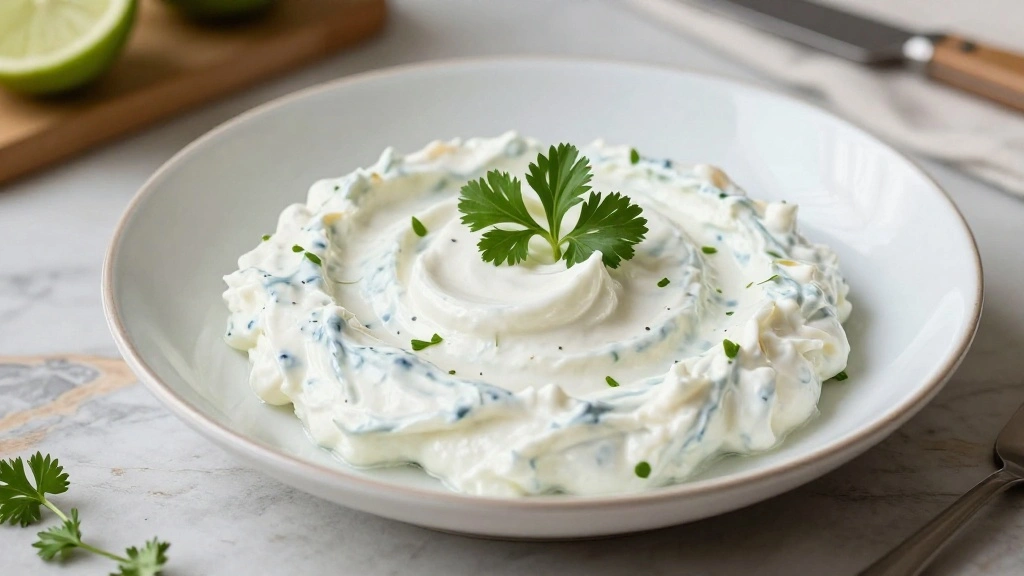
Stir the mixture until smooth and creamy.
Adjust seasoning to taste if necessary.
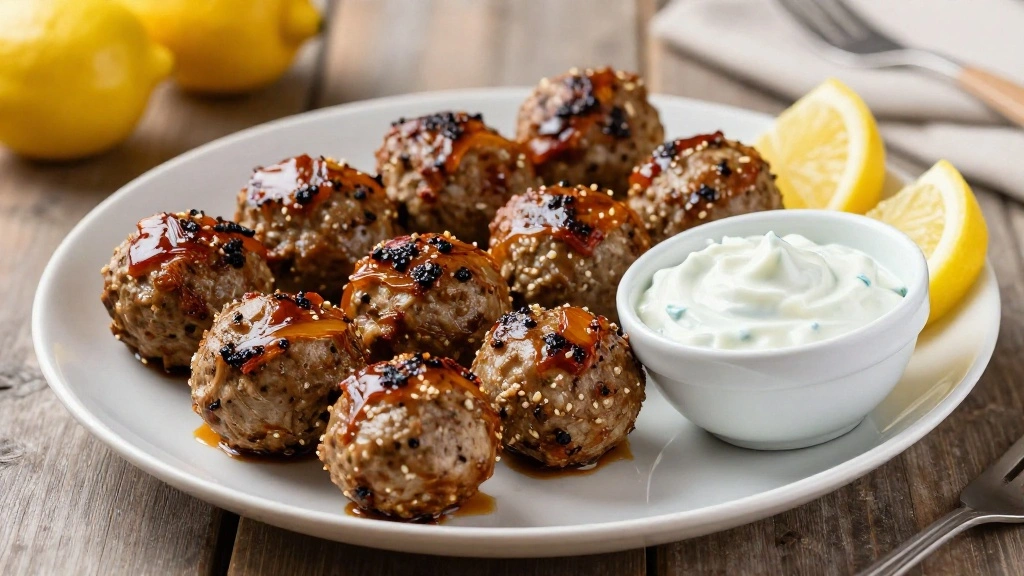
Garnish with fresh herbs such as parsley or dill for added freshness.
Serve with a side of Tzatziki sauce in a small bowl.
Accompany with lemon wedges for an optional tangy twist.
Making Tzatziki: Allow Tzatziki to rest in the fridge for at least 30 minutes before serving. This lets the flavors meld beautifully. Over-mixing can lead to a runny consistency.
Serving Temperature: Serve meatballs warm with chilled Tzatziki sauce. Meatballs should not be cold, as this affects texture and flavor. Ensure sauce is kept cool until serving.
• Preparation Secret: Chill the meatball mixture for 10 minutes before forming to make it easier to shape and to help them hold together better during cooking.
• Temperature Management: Ensure the skillet is hot enough to sear the meatballs properly, creating a crust that locks in juices.
• Texture Enhancement: Use fresh breadcrumbs instead of store-bought for a lighter, less dense texture.
• Flavor Layering: Fry garlic until golden before adding to the meatball mixture to enhance its depth of flavor.
• Make-Ahead Strategies: Prepare meatballs in advance and freeze them. Thaw before cooking. Tzatziki can be made a day ahead and stored in the refrigerator.
• Restaurant-Quality Finishing Touches: Sprinkle a touch of smoked paprika over the meatballs just before serving for a professional touch.
• Equipment Optimization: Use a heavy-bottomed skillet for even heat distribution when cooking meatballs.
• Flavors Unbalanced: If the dish lacks flavor, consider increasing the amount of herbs and spices. Ensure garlic is freshly minced.
• Meatballs Falling Apart: If meatballs crumble, add a bit more breadcrumbs or an extra egg to the mixture for better binding.
• Tzatziki Too Watery: Ensure cucumber is thoroughly drained before mixing. Use a thicker Greek yogurt to maintain consistency.
• Burnt Exterior: If meatballs burn quickly, the heat may be too high. Cook over medium heat and monitor closely to prevent burning.
• Overly Salty: If too salty, balance with a splash of lemon juice in the Tzatziki sauce to even out the taste.
• Spicy Aegean Variation: This version adds red pepper flakes for a spicy kick, commonly enjoyed in the Aegean Islands.
• Vegetarian Adaptation: Uses chickpeas and bulgur as a base, providing a hearty texture and a vegetarian-friendly alternative.
• Traditional Cypriot: Features the addition of grated halloumi cheese within the meatball mixture, offering a delightful cheesy twist.
• Emulsion in Tzatziki: The combination of olive oil and yogurt in Tzatziki creates a stable emulsion, resulting in a creamy and smooth texture.
• Protein Coagulation: The egg in the meatball mixture coagulates during cooking, binding the ingredients together and ensuring structural integrity.
Can I make these meatballs ahead of time? Yes, prepare them ahead and store them in the fridge or freeze them until needed to save time.
How do I prevent the Tzatziki from becoming watery? Thoroughly drain the grated cucumber and opt for a thick Greek yogurt to maintain the sauce’s consistency.
What type of meat works best for this recipe? Ground beef with a balanced fat content is ideal, but lamb can provide a richer flavor if preferred.
Can I bake the meatballs instead of frying them? Yes, baking is a healthier alternative. Bake at 375°F (190°C) for 20-25 minutes until cooked through.
How long can I store leftover Tzatziki sauce? Store in the refrigerator for up to three days in an airtight container.
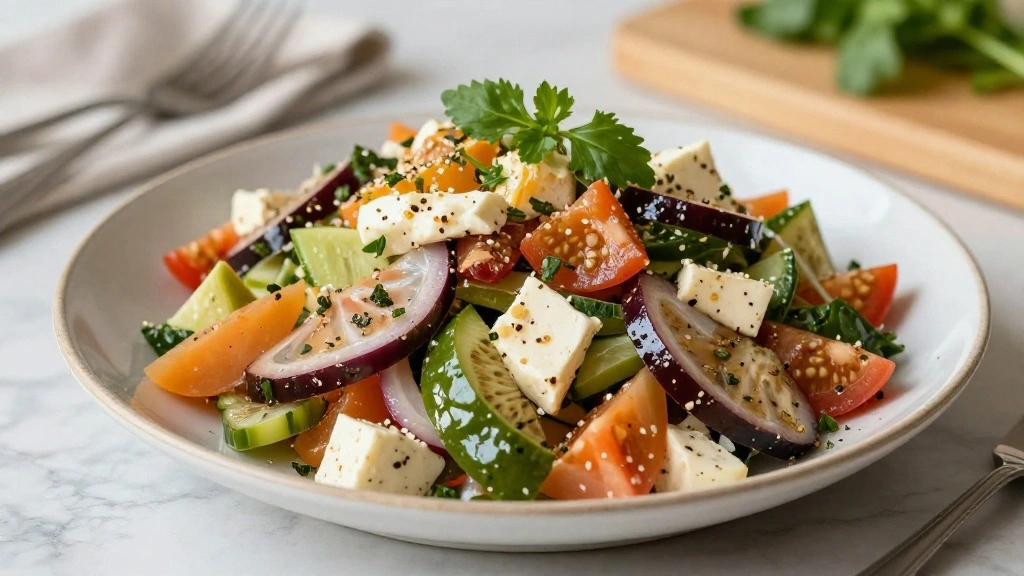
What can I serve alongside Greek Meatballs? Consider serving with a Greek salad, pita bread, or roasted vegetables for a complete meal.
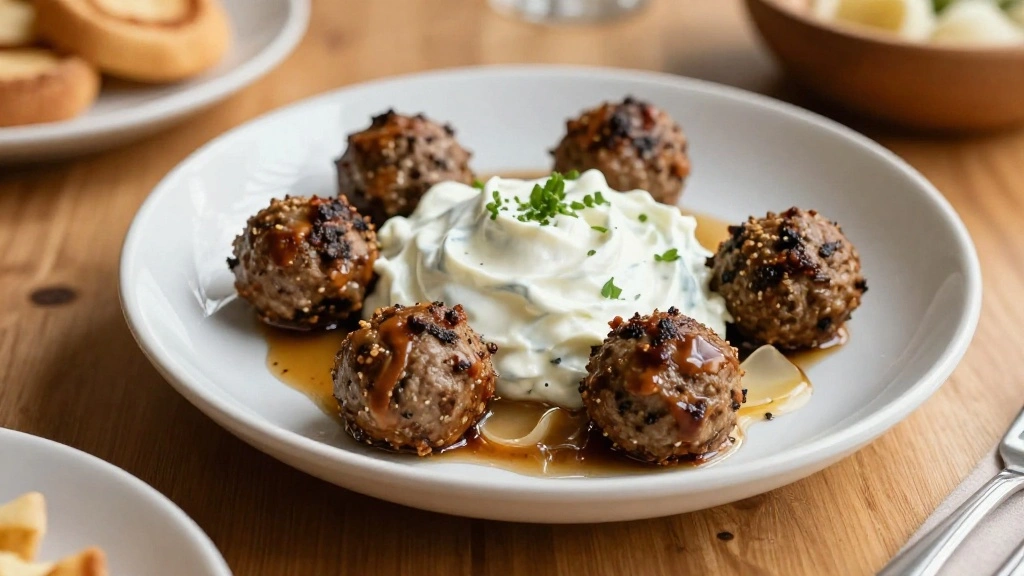
• Modern Plating: Arrange meatballs in a neat row on a rectangular plate, with Tzatziki artfully drizzled alongside and a sprinkle of paprika for color contrast.
• Family Style: Place meatballs and Tzatziki in separate bowls, allowing guests to help themselves, creating a communal dining experience.
• Appetizer Skewers: Thread meatballs onto skewers with cherry tomatoes and olives for a visually appealing appetizer.
With a few simple ingredients and straightforward techniques, you can easily recreate this beloved dish at home.
Whether for a family dinner or a festive gathering, this recipe is sure to impress and delight your guests.
Give it a try and bring a taste of Greece to your table.


Greek Recipes
Greek Recipes

Greek Recipes
Greek Recipes
Greek Recipes