
Written by

Edited by

Affiliate Disclosure:
If you buy through links on our site, we may earn a small affiliate commission to help support the blog – at no extra cost to you. It never influences our product selection process. Thank you!
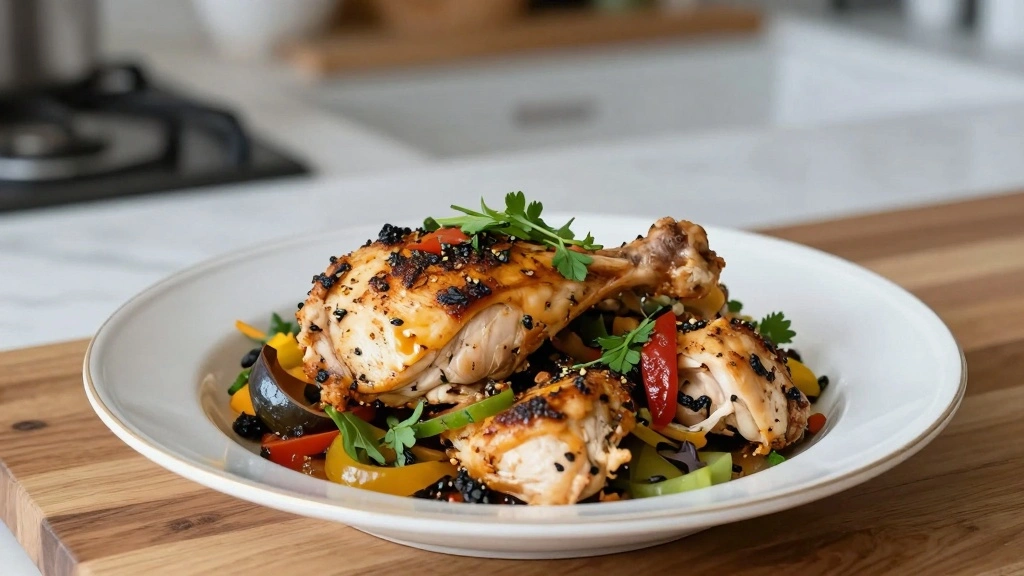
This classic Greek Chicken Dinner brings together centuries of culinary tradition with modern techniques to create a dish that’s both comforting and elegant.
The harmonious balance of lemon, oregano, and garlic creates a memorable dining experience that will have everyone asking for your secret.
I discovered this recipe during my travels through Greece, where local chefs have perfected it through generations of careful refinement.
Whether you’re preparing a casual family dinner or hosting a special celebration, this one-pan Mediterranean dish delivers impressive results with straightforward preparation.
• The dish evolved over decades as trade introduced new spices and techniques, eventually becoming the beloved version we know today.
• In Greek culture, this dish traditionally appears at family gatherings and celebrations, symbolizing hospitality and the joy of shared meals.
• While many variations exist across different regions, the authentic version maintains a tangy and herbaceous profile that sets it apart from imitations.
Microplane Zester: This tool is essential for zesting lemons to add brightness to the dish. A fine grater can be used as an alternative, but a microplane provides more control and efficiency.
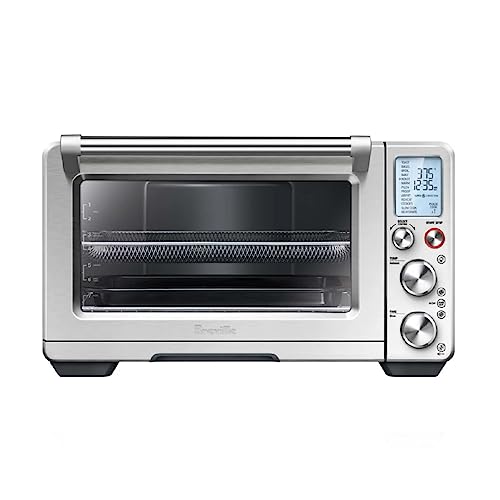
Oven Thermometer: Ensures your oven is at the correct temperature, which is critical for cooking the chicken evenly. While most ovens have built-in thermometers, a standalone one offers more accuracy.
| Amount | Ingredient | Notes |
|---|---|---|
| 4 pieces | chicken thighs | bone-in, skin-on for maximum flavor |
| 1 teaspoon | salt | enhances flavor |
| 1/2 teaspoon | black pepper | freshly ground for depth |
| Amount | Ingredient | Notes |
|---|---|---|
| 1/4 cup | olive oil | adds richness and moisture |
| 3 tablespoons | lemon juice | freshly squeezed for tanginess |
| 1 tablespoon | oregano | dried, for authentic Greek flavor |
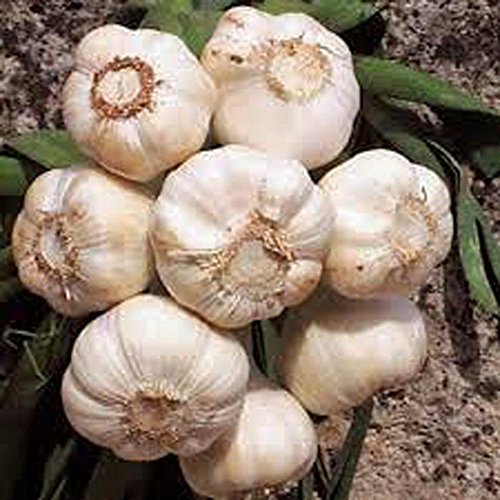
| 3 cloves | garlic | minced, adds aromatic depth |
| Amount | Ingredient | Notes |
|---|---|---|
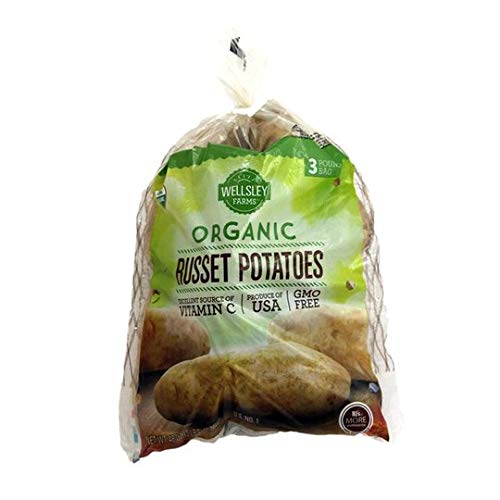
| 1 pound | baby potatoes | halved, for even cooking |
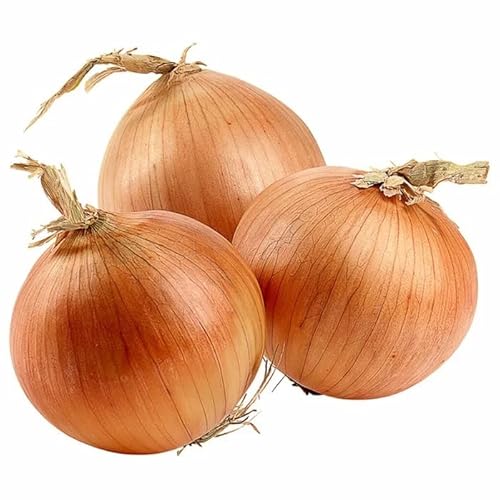
| 1 medium | red onion | sliced, adds sweetness |
| Amount | Ingredient | Notes |
|---|---|---|
| 1 teaspoon | paprika | for color and slight smokiness |
| 1/2 teaspoon | cumin | adds warmth |
Searing: Searing the chicken before baking locks in juices and creates a crispy skin. Heat the pan well before adding the chicken for optimal browning.
Deglazing: After searing, deglaze the pan with a splash of water or broth to lift flavorful bits from the bottom. This enhances the sauce’s richness and depth.
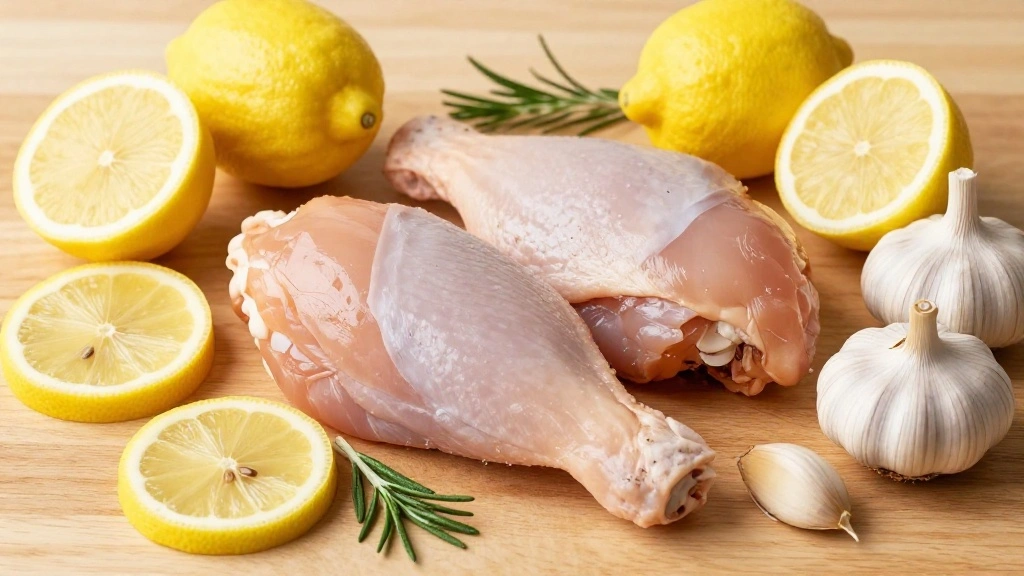
Pat the chicken thighs dry with paper towels to ensure a good sear.
Slice the potatoes in half and the red onion into thin wedges.
Mince the garlic cloves finely.
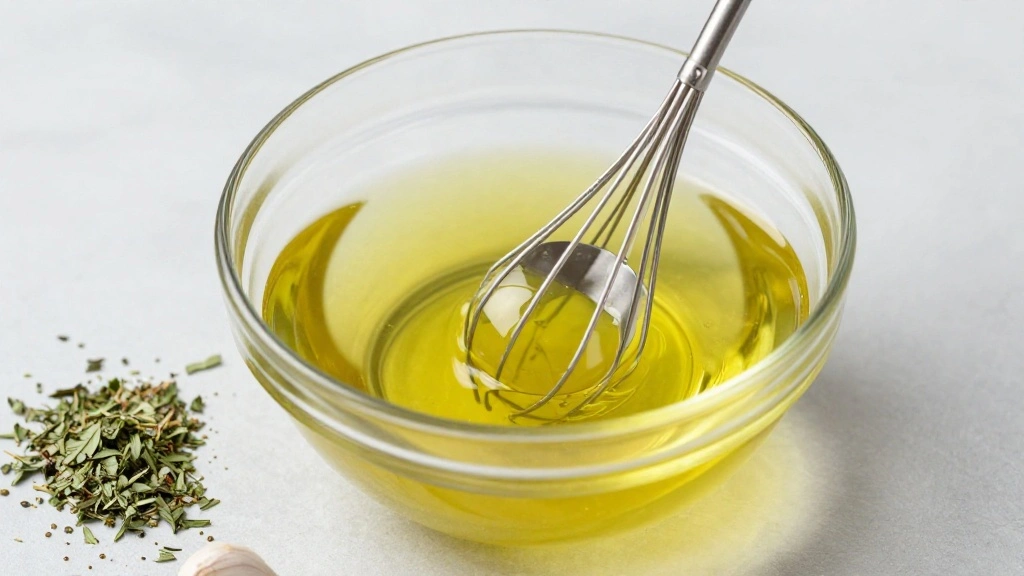
Whisk the mixture until well emulsified, ensuring the oil and lemon juice are fully combined.
Add salt and pepper to the marinade to taste.
Set aside a small portion for basting later.
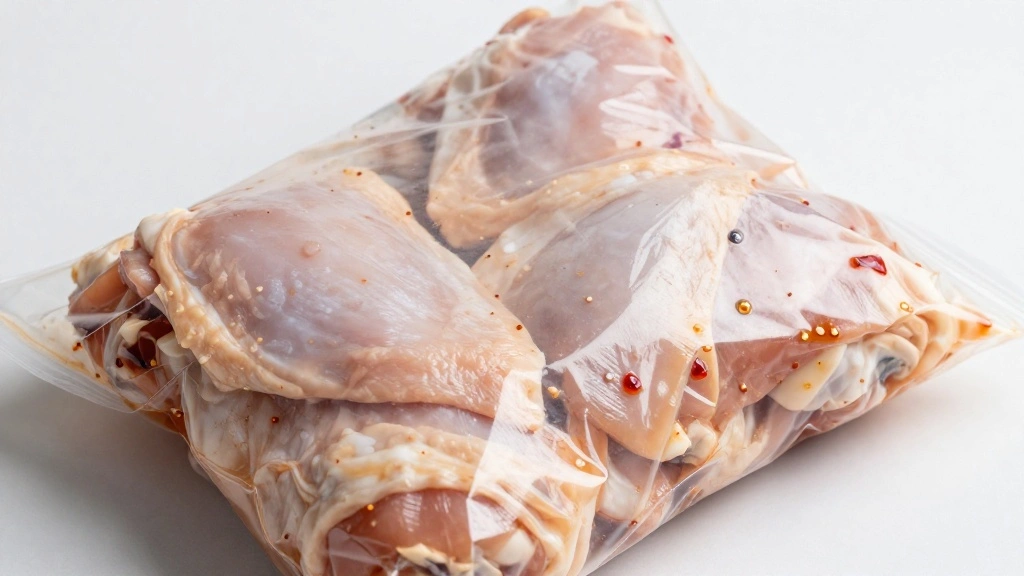
Pour the marinade over the chicken, ensuring each piece is well-coated.
Seal the bag and refrigerate for at least 2 hours or overnight for best results.
Turn the bag occasionally to distribute the marinade evenly.
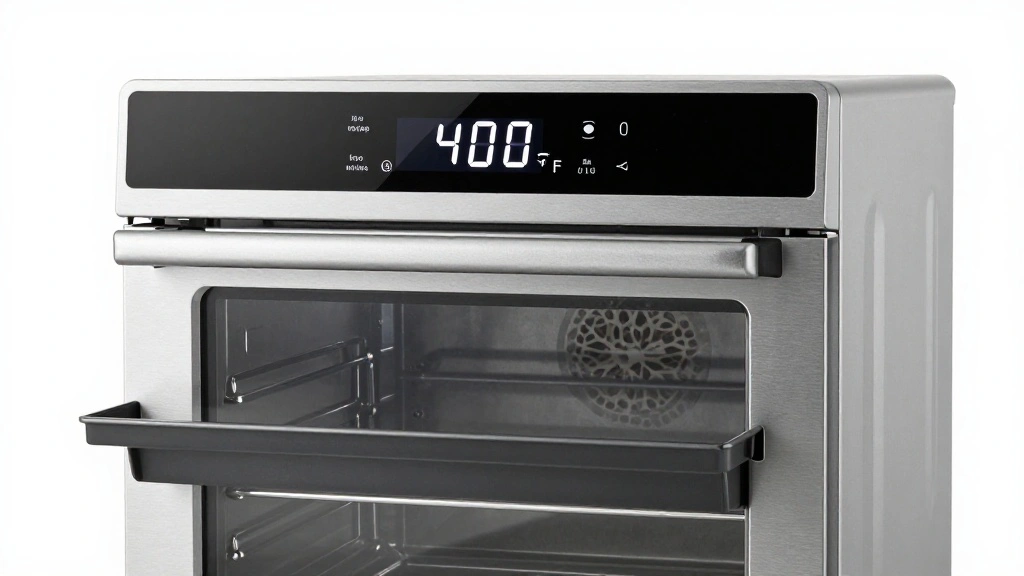
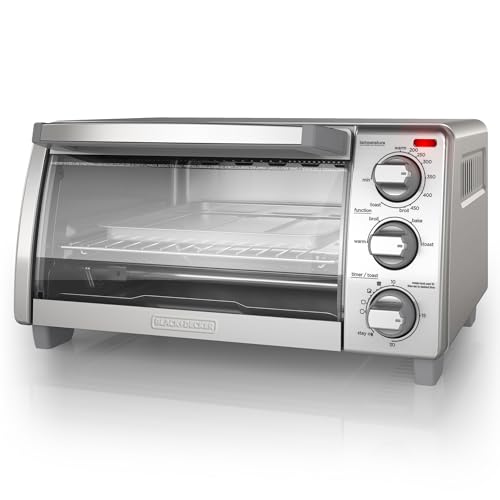
Ensure the oven rack is positioned in the middle.
Use an oven thermometer to verify the temperature if needed.
This step ensures even cooking and crispy skin.
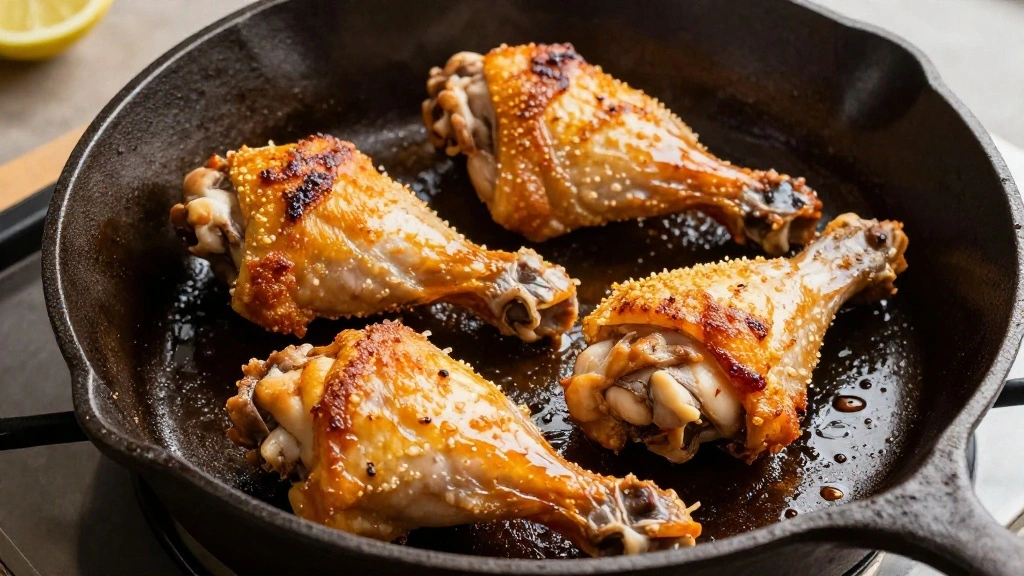
Add a small amount of oil to the pan and allow it to shimmer.
Place the chicken thighs skin-side down and sear until golden brown, about 5 minutes.
Flip and sear the other side for another 3 minutes.
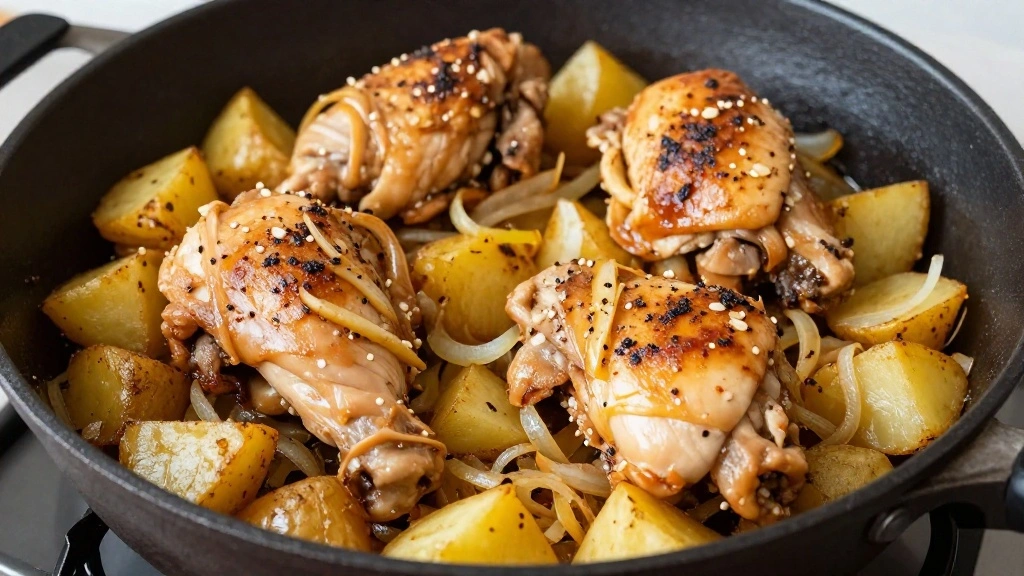
Toss them in the rendered fat for added flavor.
Season with paprika and cumin to enhance the aromatic profile.
Nestle the chicken back on top of the vegetables.
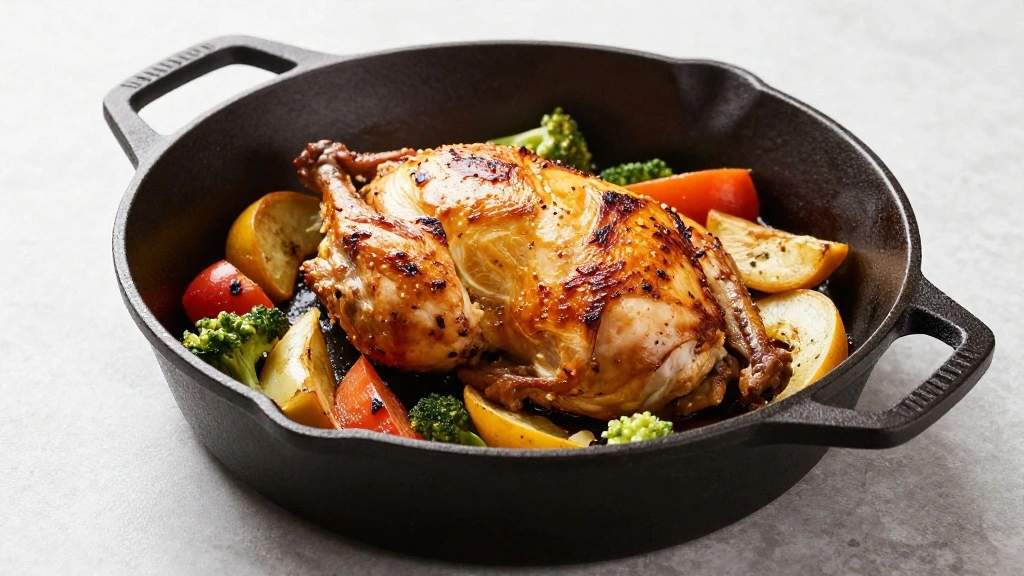
Roast for 25-30 minutes or until the chicken reaches an internal temperature of 165°F (74°C).
Baste occasionally with reserved marinade for added moisture and flavor.
Check for doneness by ensuring the juices run clear.
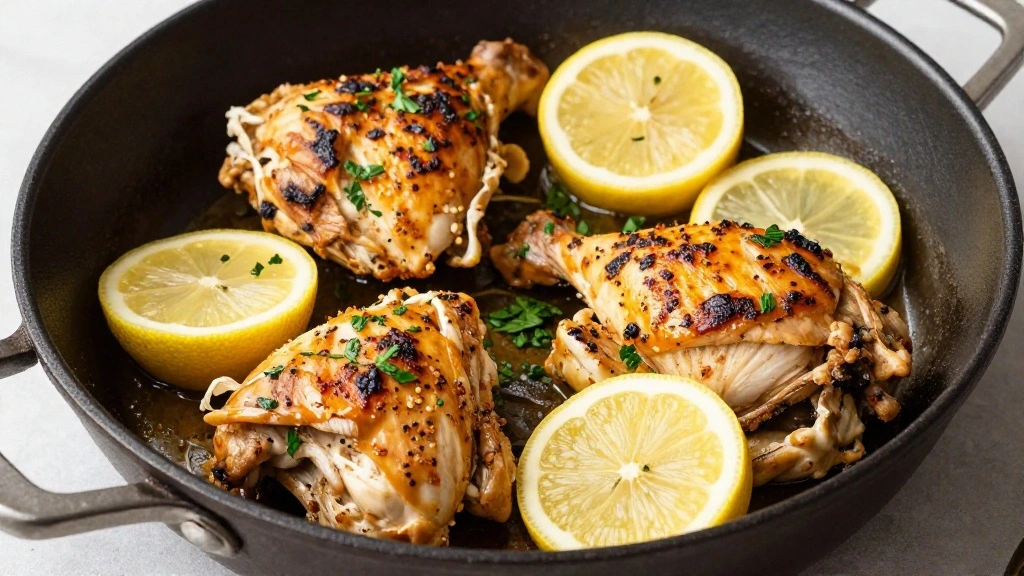
This allows the juices to redistribute, ensuring moist chicken.
Garnish with fresh lemon slices and additional herbs if desired.
Serve directly from the skillet for a rustic presentation.
Roasting: Roast at 400°F (200°C) for 25-30 minutes. Juices should run clear, and temperature should reach 165°F (74°C) internally.
Resting: Allow 5 minutes of resting time to redistribute juices. Avoid cutting too soon, which can lead to dry meat.
• Preparation Secret: Score the chicken skin lightly to allow marinade penetration without losing moisture.
• Temperature Management: Bring chicken to room temperature before cooking to ensure even cooking and prevent toughness.
• Texture Enhancement: Allow the chicken to air-dry in the fridge, uncovered, for a few hours to enhance crispiness.
• Flavor Layering: Add a pinch of cinnamon to the marinade for subtle warmth and complexity.
• Make-Ahead Strategies: Marinate the chicken up to 24 hours in advance, storing it in an airtight container in the fridge.
• Restaurant-Quality Finishing Touches: Use a splash of high-quality extra virgin olive oil just before serving for a fresh, peppery finish.
• Equipment Optimization: Preheat the skillet for at least 5 minutes to ensure proper searing.
• Chicken Too Dry: Often a result of overcooking. Check internal temperature with a meat thermometer and rest before cutting.
• Flavors Unbalanced: Overpowering lemon can overshadow other flavors. Adjust acidity by adding more olive oil or a touch of honey.
• Potatoes Undercooked: Ensure potatoes are cut evenly and tossed in oil for uniform cooking. Consider par-boiling for quicker results.
• Sauce Too Watery: Allow the sauce to reduce in the oven by not covering the skillet. A slight simmer helps thicken it naturally.
• Spartan Variation: Features more robust spices like cinnamon and nutmeg, reflecting the region’s preference for bold flavors.
• Island Influence: Incorporates seafood elements like anchovies, providing a distinct coastal flavor profile.
• Northern Greek Twist: Includes walnuts and raisins, adding a sweet and nutty dimension to the dish.
• Marination Chemistry: The acid in lemon juice denatures proteins in chicken, tenderizing it and enhancing flavor absorption.
• Heat Transfer: Understanding conduction and convection in the skillet and oven ensures even cooking and optimal texture.
Can I use chicken breasts instead of thighs? Yes, but adjust cooking time to avoid dryness as breasts cook faster.
How can I make this dish spicier? Add red pepper flakes or a pinch of cayenne to the marinade for a kick.
Is there a vegetarian version of this dish? Substitute chicken with hearty vegetables like zucchini and eggplant, and adjust cooking time accordingly.
What wine pairs well with Greek Chicken Dinner? A crisp white wine like Assyrtiko or a light red such as Agiorgitiko complements the dish beautifully.
Can I freeze leftovers? Yes, store in an airtight container for up to 3 months, but note that texture may change upon reheating.
How do I prevent the potatoes from sticking? Ensure the skillet is well-oiled and potatoes are tossed in fat before adding to the pan.
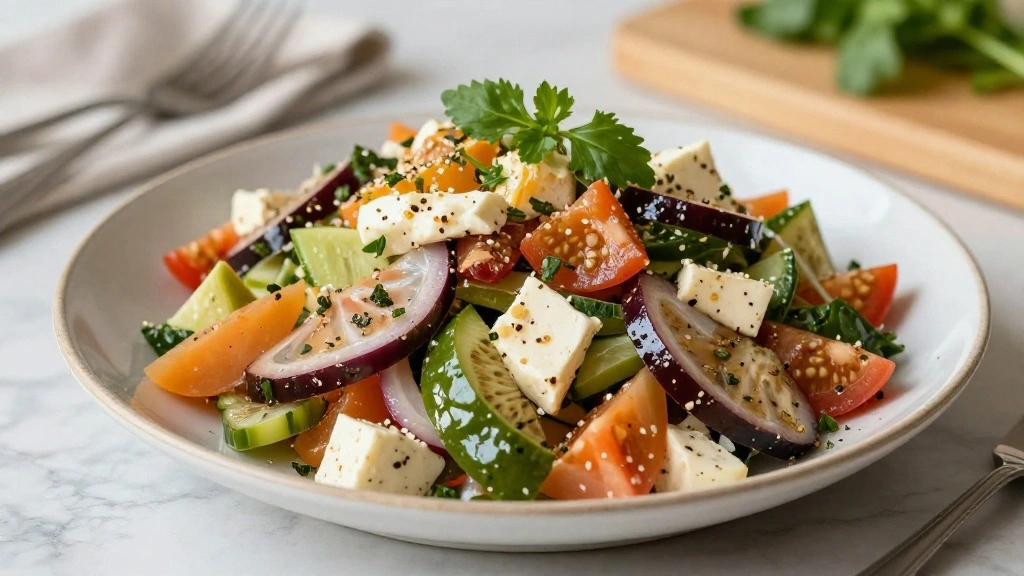
• Modern Plating: Plate individually with a side of Greek salad, drizzling extra sauce for visual appeal.
• Family-Style: Arrange on a large platter with vegetables around the chicken, making it easy for guests to help themselves.
• Elegant Setting: Serve on white plates with a sprinkle of feta cheese for a pop of color and flavor contrast.
With its vibrant flavors and simple preparation, it’s sure to become a favorite in your home.
Try this recipe for your next gathering and bring the taste of the Mediterranean to your table.

Greek Recipes
Greek Recipes
Greek Recipes
Greek Recipes
Greek Recipes