
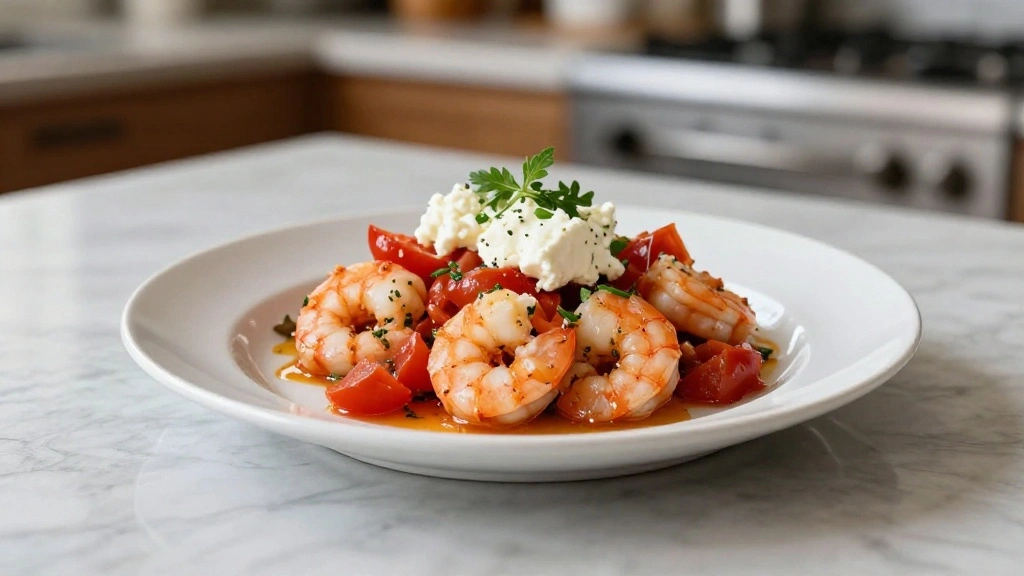


The vibrant flavors of Garides Saganaki capture the essence of Greek coastal cuisine with every bite.
Juicy shrimp bathed in a rich tomato sauce, accented by the briny tang of feta cheese, create a dish that’s both sumptuous and satisfying.
I first fell in love with this dish during a summer visit to a small taverna on the shores of Crete, where the aroma of garlic and fresh herbs filled the air.
Whether you’re enjoying a quiet dinner at home or entertaining guests, this one-pan recipe offers an impressive combination of simplicity and flavor.
The harmonious blend of savory and slightly sweet flavors ensures that Garides Saganaki will be a standout dish at any gathering.
The History and Cultural Significance
• Garides Saganaki traces its origins to the coastal regions of Greece, where it was originally created by local fishermen using fresh catch and simple ingredients.
• The dish evolved over decades as it incorporated tomatoes and feta cheese, becoming a beloved staple of Greek cuisine.
• In Greek culture, this dish traditionally appears at festive occasions and family gatherings, symbolizing hospitality and the bounty of the sea.
• While many variations exist across different regions, the authentic version maintains the use of fresh shrimp and a savory tomato and feta base that sets it apart from imitations.

Recipe Overview
Nutritional Information (per serving)
Essential Equipment Guide
Sauté Pan: A large, heavy-bottomed sauté pan is essential for evenly cooking the shrimp and sauce. An alternative could be a cast-iron skillet, which retains heat well, but ensure it’s well-seasoned to prevent sticking.
Wooden Spoon: A wooden spoon is ideal for gently stirring the ingredients without damaging the shrimp. Look for one with a flat edge to help scrape up any flavorful bits from the pan.
Microplane Zester: This tool is perfect for grating garlic or zesting lemons, which can enhance the dish’s flavor profile. A fine grater can be used as a substitute, but a microplane offers more precision.


Ingredients
For the Sauce
|
|
| Amount | Ingredient | Notes |
|---|---|---|
| 1 tablespoon | olive oil | adds richness and flavor |
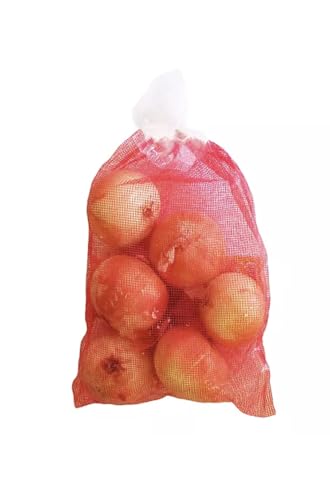
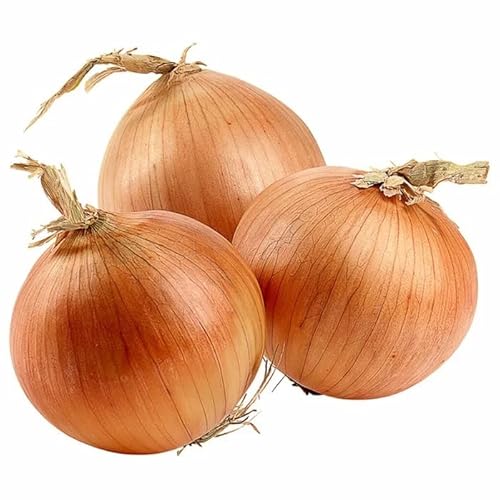
| 1 medium | onion | finely chopped for sweetness |
| 3 cloves | garlic | minced, enhances aroma |
| 1 can (14 oz) | diced tomatoes | provides the base for the sauce |
| 1 teaspoon | sugar | balances acidity |
Seafood
| Amount | Ingredient | Notes |
|---|---|---|
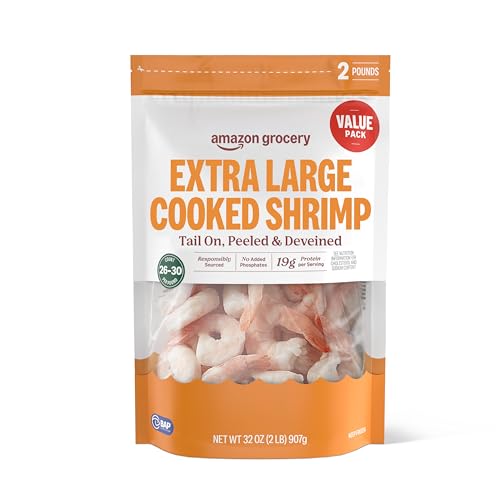
| 1 pound | shrimp | peeled and deveined |
| 1 cup | feta cheese | crumbled, adds briny flavor |
Seasonings
| Amount | Ingredient | Notes |
|---|---|---|
| 1 teaspoon | dried oregano | adds a herbal note |
| 1/2 teaspoon | red pepper flakes | for subtle heat |
| 1 tablespoon | fresh parsley | chopped for garnish |
| 1 pinch | salt and pepper | to taste |


Preparation Methods
Sautéing: Sautéing involves cooking ingredients quickly in a small amount of oil over high heat. This technique helps to develop layers of flavor without overcooking the shrimp. Keep the pan hot and stir frequently to avoid burning.
Deglazing: Deglazing is the process of adding liquid to a hot pan to release the browned bits stuck to the bottom. This step is crucial for creating a flavorful sauce. Use a wooden spoon to gently scrape up the bits as you add the tomatoes.
Simmering: Simmering allows the sauce to thicken and flavors to meld. Keep the heat low and ensure a gentle bubbling without boiling. This technique helps maintain a rich, balanced sauce.


Step 1: Prepare Ingredients
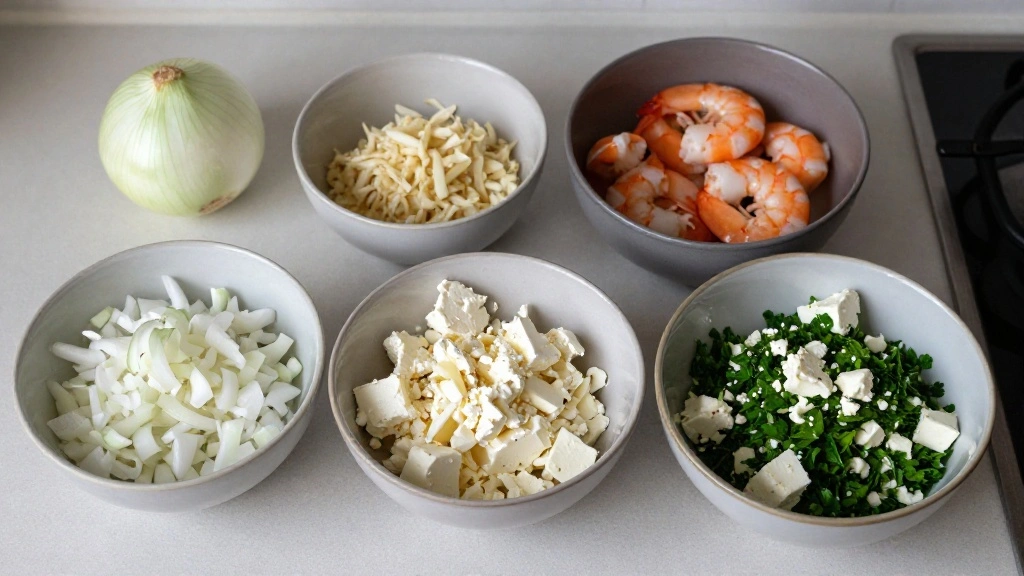
Gather all your ingredients and ensure they are ready to use.
Peel and devein the shrimp, then set aside.
Chop the onion finely and mince the garlic.
Ensure the feta cheese is crumbled and parsley is chopped for garnish.


Step 2: Heat the Olive Oil
Place a large sauté pan over medium heat.
Add the olive oil and let it warm until shimmering.
Ensure the oil is hot enough by adding a small piece of onion and watching for a sizzle.
This step helps to create a non-stick surface for the vegetables.

Step 3: Sauté Onion and Garlic
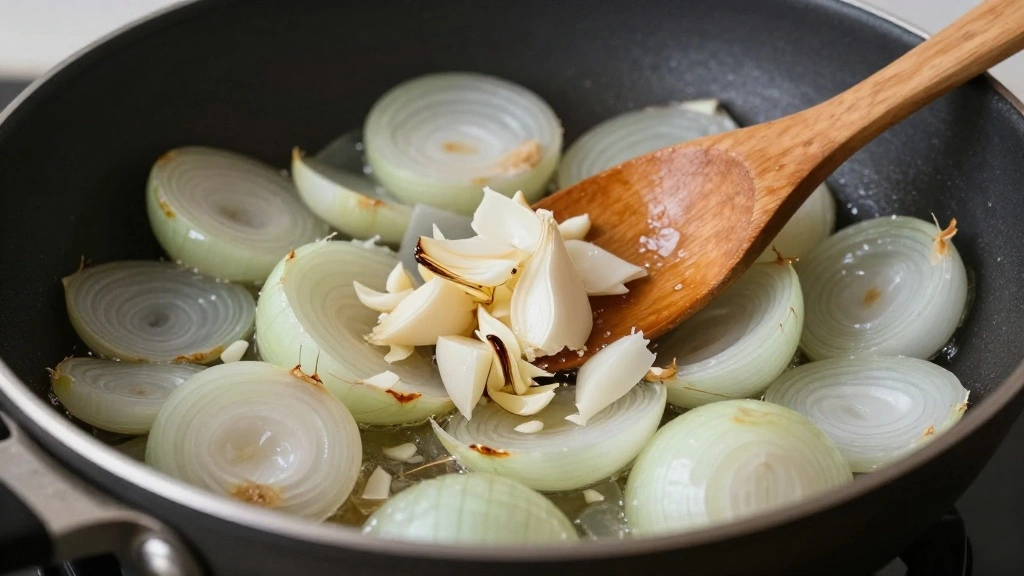
Add the chopped onion to the hot oil.
Sauté for 3-4 minutes until the onion becomes translucent.
Add the minced garlic and continue to sauté for 1 minute until fragrant.
Be careful not to brown the garlic, as it can become bitter.


Step 4: Deglaze with Tomatoes
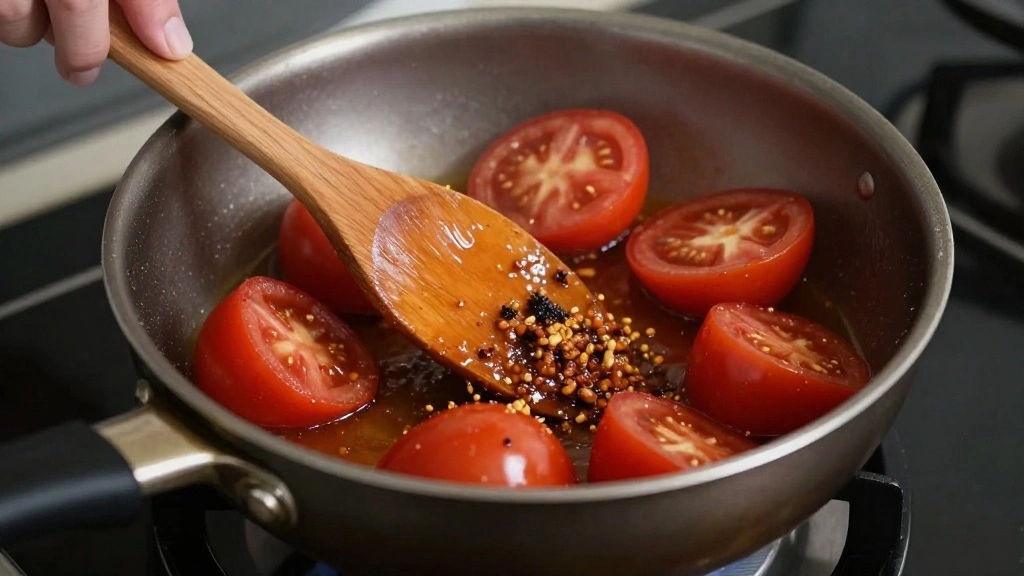
Pour the diced tomatoes into the pan.
Use a wooden spoon to deglaze the pan, scraping up any browned bits.
Stir in the sugar, oregano, and red pepper flakes.
Bring the mixture to a simmer, allowing flavors to meld.
Step 5: Add the Shrimp
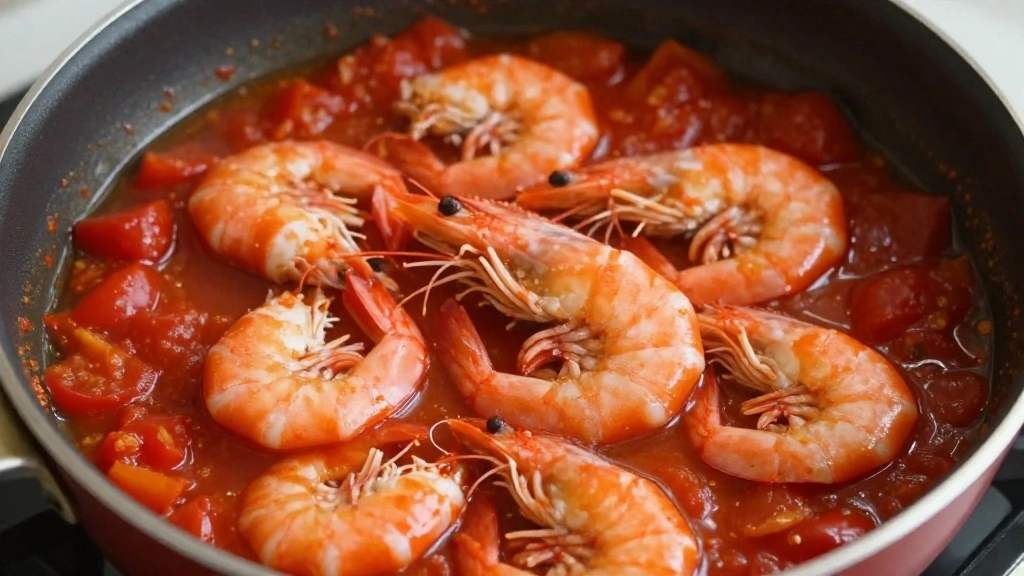
Gently place the shrimp into the simmering sauce.
Ensure each shrimp is submerged in the sauce for even cooking.
Cook for 4-5 minutes, turning halfway through.
Shrimp should turn pink and opaque when fully cooked.


Step 6: Incorporate the Feta
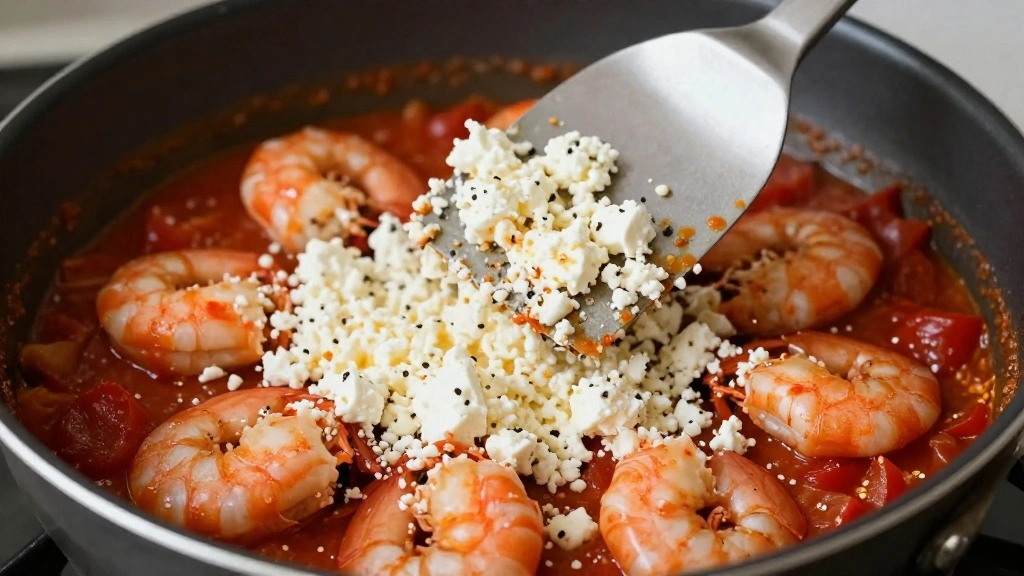
Once the shrimp are cooked, sprinkle the crumbled feta over the dish.
Gently fold the feta into the sauce using a spatula.
Allow the feta to soften slightly, enhancing the sauce's creaminess.
Be careful not to over-stir, preserving the feta's texture.


Step 7: Garnish and Serve
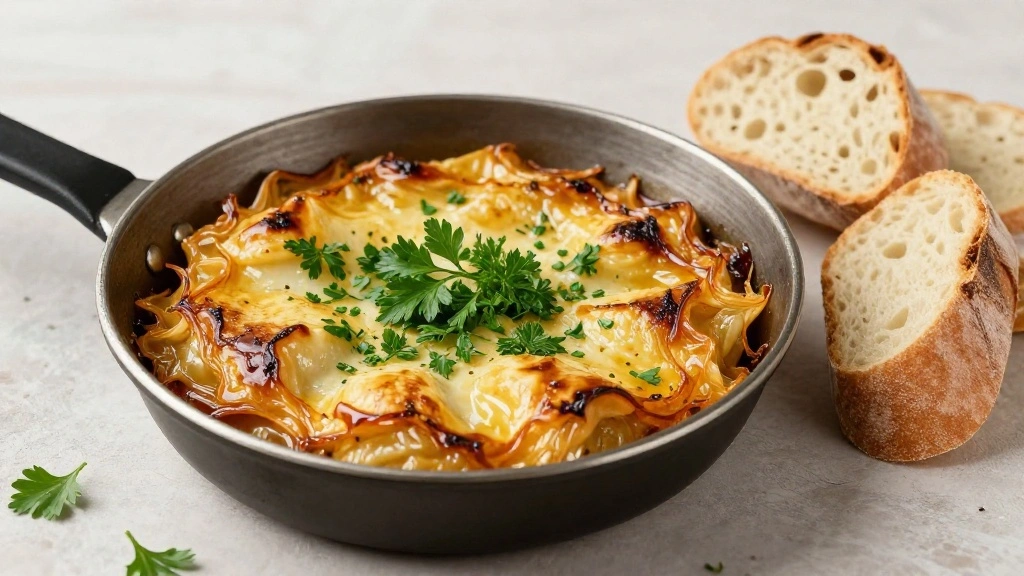
Remove the pan from heat and sprinkle with chopped parsley.
Taste and adjust seasoning with salt and pepper if necessary.
Transfer the Garides Saganaki to a serving dish.
Serve immediately with crusty bread or rice.


Critical Timing and Temperature Guide
Sautéing Onions: Sauté onions for 3-4 minutes over medium heat until translucent, avoiding high heat to prevent burning.
Shrimp Cooking: Cook shrimp for 4-5 minutes, turning once; look for a pink and opaque appearance as an indicator of doneness.
Simmering Sauce: Maintain a gentle simmer to meld flavors; avoid boiling to prevent the sauce from becoming too thick or losing its richness.
Pro Tips for Garides Saganaki
• Ingredient Selection: Choose fresh, large shrimp for the best texture and flavor impact. Freshness is key to achieving the dish's desired quality.
• Preparation Secret: Marinate the shrimp briefly in olive oil and a squeeze of lemon before cooking to enhance their natural sweetness.
• Temperature Management: Ensure the oil is hot before adding onions to avoid soaking and ensure proper sautéing.
• Texture Enhancement: Fold feta gently to maintain its structure and create a creamy sauce without over-mixing.
• Flavor Layering: Add a splash of ouzo or white wine before adding tomatoes for an extra depth of flavor.
• Make-Ahead Strategies: Prepare the sauce ahead and store it refrigerated; add shrimp and feta just before serving for freshness.
• Restaurant-Quality Finishing Touches: Drizzle a touch of extra virgin olive oil over the finished dish for a glossy, rich finish.
• Equipment Optimization: Use a high-quality non-stick pan to ensure even cooking and easy cleanup.

Troubleshooting Common Issues
• Shrimp Overcooked: Overcooked shrimp become rubbery; ensure they are just turning pink and opaque to avoid this.
• Sauce Too Thick: If the sauce reduces too much, add a splash of water or stock to achieve desired consistency.
• Feta Not Melting: If feta doesn't soften, cover the pan briefly to create steam and help it integrate into the sauce.
• Flavors Unbalanced: Adjust seasoning with additional salt, sugar, or a squeeze of lemon to balance flavors.
• Sauce Lacks Depth: Add a dash of Worcestershire sauce or a pinch of smoked paprika for a deeper flavor profile.
Variations and Regional Differences
• Athenian Style: Uses fresh basil instead of oregano and incorporates olives for a Mediterranean twist.
• Crete Variation: Adds a touch of brandy during deglazing for a richer taste and uses local, fresh tomatoes.
• Northern Greece: Incorporates green bell peppers and swaps feta with a local cheese like kasseri for a milder flavor.
• Cypriot Influence: Includes a pinch of cinnamon and uses haloumi cheese for a unique flavor and texture difference.
Food Science Behind the Recipe
• Maillard Reaction: The sautéing of onions initiates the Maillard reaction, developing complex flavors and a subtle sweetness.
• Protein Denaturation: Cooking shrimp causes protein denaturation, changing their texture from translucent to opaque and firm.
• Emulsion Formation: The combination of feta and tomato juices creates a natural emulsion, enhancing the sauce's creaminess.
Frequently Asked Questions
What's the most common mistake people make when preparing Garides Saganaki? Overcooking the shrimp, which leads to a rubbery texture. It's important to cook them just until they turn pink and opaque.
Can I use frozen shrimp for this recipe? Yes, but thaw them completely and pat dry to remove excess moisture before cooking.
What can I substitute for feta cheese? Try goat cheese or ricotta for a different texture and flavor, though feta is traditional.
How can I make this dish spicier? Increase the amount of red pepper flakes or add a dash of hot sauce to the sauce.
Is it possible to make this dish dairy-free? Yes, omit the feta and add a splash of coconut milk for creaminess.
What should I serve with Garides Saganaki? It's traditionally served with crusty bread to soak up the sauce, or over rice or pasta.
How do I store leftovers? Store in an airtight container in the refrigerator for up to 2 days; reheat gently to avoid overcooking the shrimp.
Serving and Presentation Guide
• Traditional Presentation: Serve in the pan used for cooking, garnished with fresh parsley and a lemon wedge for a rustic, authentic feel.
• Modern Plate: Arrange shrimp and sauce neatly on individual plates, topped with microgreens for a refined presentation.
• Family Style: Serve in a large, shallow bowl placed at the center of the table with plenty of bread for sharing.
• Appetizer Version: Serve small portions in ramekins with toasted baguette slices for dipping as an elegant appetizer option.


Conclusion
Garides Saganaki offers an exquisite blend of flavors that transports you to the sun-drenched shores of Greece with every bite.
This simple yet sophisticated dish is perfect for impressing guests or enjoying a special meal at home.
Don't hesitate to experiment with the recipe and make it your own, capturing the true spirit of Greek culinary tradition.