
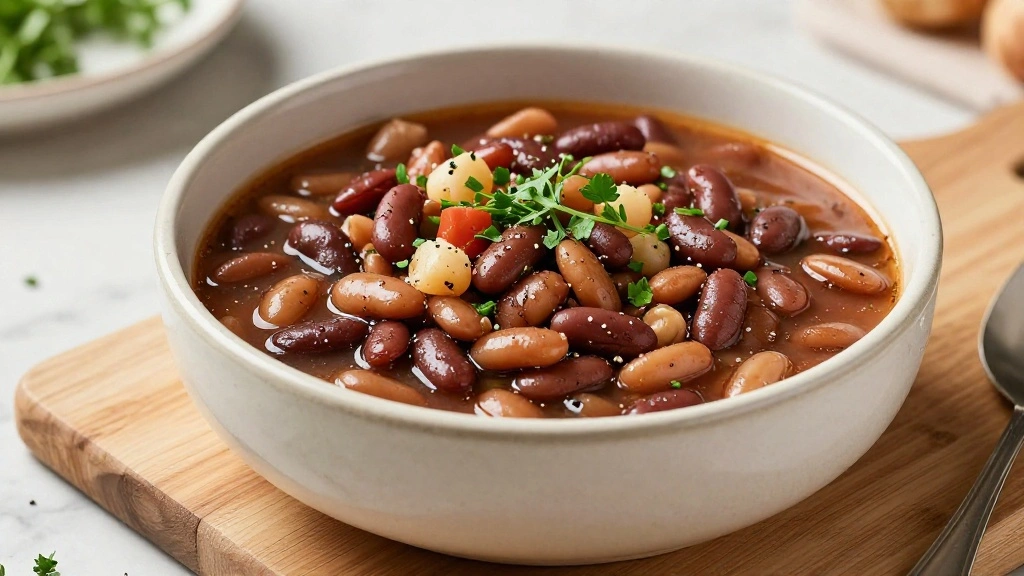


Fasolada Recipe Hearty Greek Bean Soup
2 cups dried white beans
8 cups water
2 large carrots
2 large celery stalks
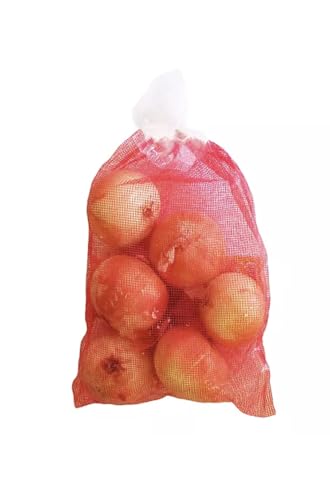
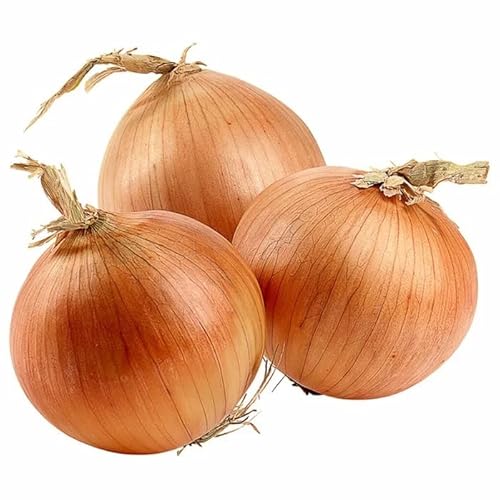
1 large onion
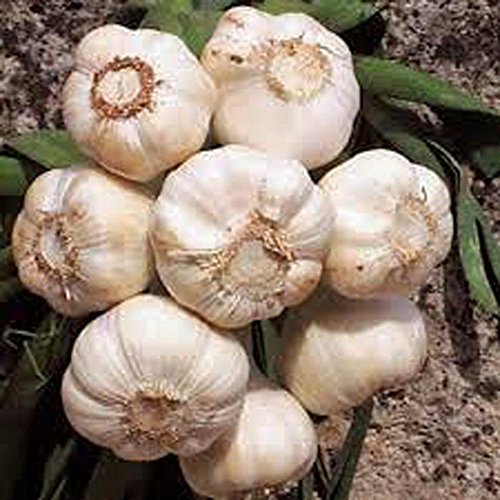
3 cloves garlic
2 tablespoons olive oil
1 teaspoon salt
1 teaspoon black pepper
1 teaspoon dried oregano
2 tablespoons tomato paste
PT110M
6 servings
Fasolada, a beloved Greek bean soup, captures the essence of Mediterranean comfort food with its rich, hearty flavors.
The combination of tender beans, fresh vegetables, and aromatic herbs creates a nourishing dish perfect for any season.
My first encounter with Fasolada was during a chilly autumn afternoon in Athens, where the warm, fragrant soup was the ideal remedy for the brisk weather.
This traditional recipe continues to bring families together over shared meals, embodying the spirit of Greek hospitality.
Whether you’re seeking a cozy meal for a quiet night in or a satisfying dish to share with loved ones, Fasolada promises to delight and nourish.
Each spoonful tells a story of culinary heritage, crafted with love and passed down through generations.
The History and Cultural Significance
• Fasolada traces its origins to Ancient Greece, where it was originally created by farmers as a nourishing staple.
• The dish evolved over decades as trade introduced new spices and vegetables, eventually becoming the beloved version we know today.
• In Greek culture, this dish traditionally appears at family gatherings and community festivals, symbolizing unity and abundance.
• While many variations exist across different regions, the authentic version maintains a simple yet deeply flavorful profile that sets it apart from imitations.


Recipe Overview
Nutritional Information (per serving)
Essential Equipment Guide
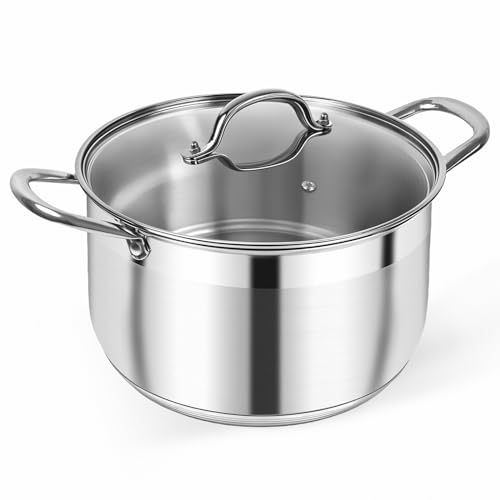
Large Pot: A sturdy, large pot is essential for evenly cooking the beans and vegetables, allowing the flavors to meld together perfectly. Alternatives like Dutch ovens work well if they distribute heat evenly.
Wooden Spoon: Using a wooden spoon helps gently stir the ingredients without damaging the beans, ensuring a consistent texture throughout the soup.
Immersion Blender: An immersion blender can be used to partly blend the soup in the pot for a creamier texture. A traditional blender can be used as an alternative, but requires transferring hot liquid.



Ingredients
For the Base
| Amount | Ingredient | Notes |
|---|---|---|
| 2 cups | dried white beans | soaked overnight for tenderness |
| 8 cups | water | provides the cooking liquid |
Vegetables
| Amount | Ingredient | Notes |
|---|---|---|
| 2 large | carrots | sliced, adds sweetness |
| 2 large | celery stalks | diced, adds depth |
| 1 large | onion | finely chopped, adds savory notes |
Seasonings
| Amount | Ingredient | Notes |
|---|---|---|
| 3 cloves | garlic | minced, adds aroma |
| 2 tablespoons | olive oil | adds richness |
| 1 teaspoon | salt | enhances flavors |
| 1 teaspoon | black pepper | adds mild heat |
| 1 teaspoon | dried oregano | adds earthiness |
| 2 tablespoons | tomato paste | adds umami and color |

Preparation Methods
Sautéing Aromatics: This technique involves cooking garlic and onions in olive oil until translucent, which draws out their natural sweetness and creates a flavorful base.
Simmering: A slow simmer allows the beans to cook gently, absorbing flavors while maintaining their shape.
Pureeing: Blending part of the soup creates a thicker consistency, enhancing mouthfeel while retaining the integrity of the whole beans.


Step 1: Prepare Ingredients
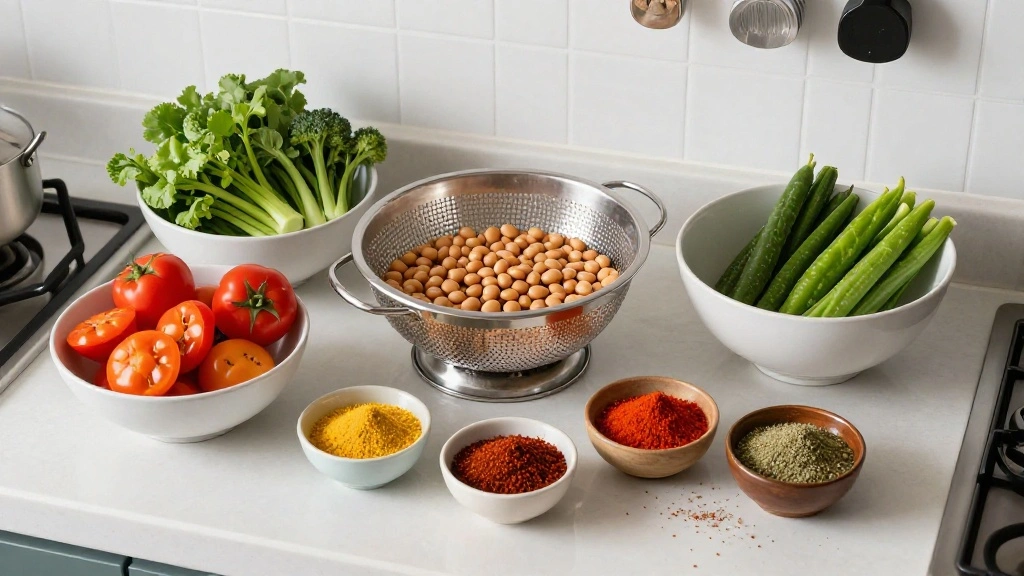
Rinse the soaked beans thoroughly under cold water.
Chop the carrots, celery, and onion into uniformly sized pieces.
Gather all seasonings and have them measured and ready.
Ensure all tools and equipment are within reach for efficient cooking.



Step 2: Sauté the Aromatics
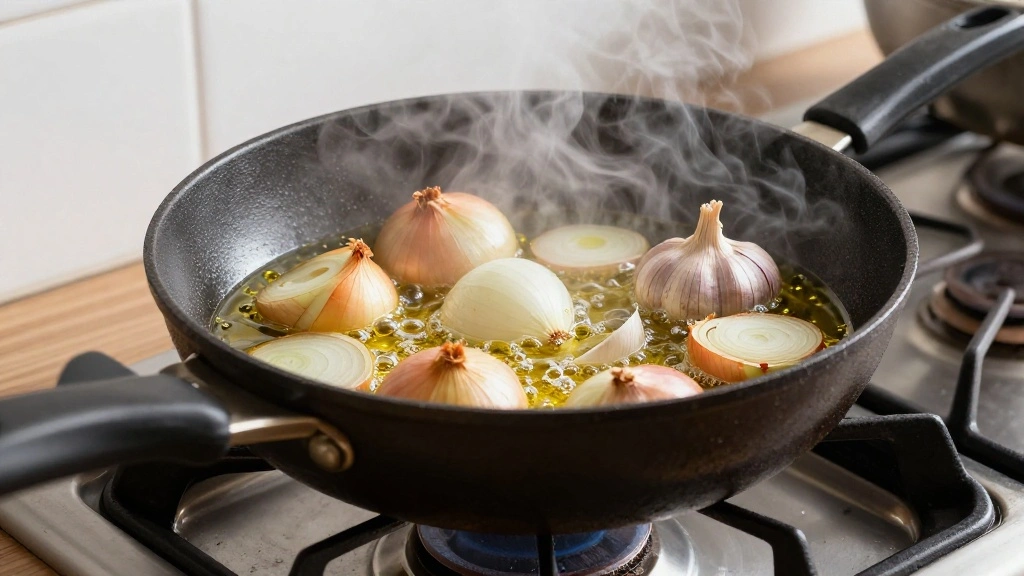
Heat olive oil in a large pot over medium heat.
Add the chopped onion and minced garlic, stirring occasionally.
Cook until the onion becomes translucent and fragrant.
Ensure the garlic does not burn by stirring continuously.


Step 3: Add Vegetables
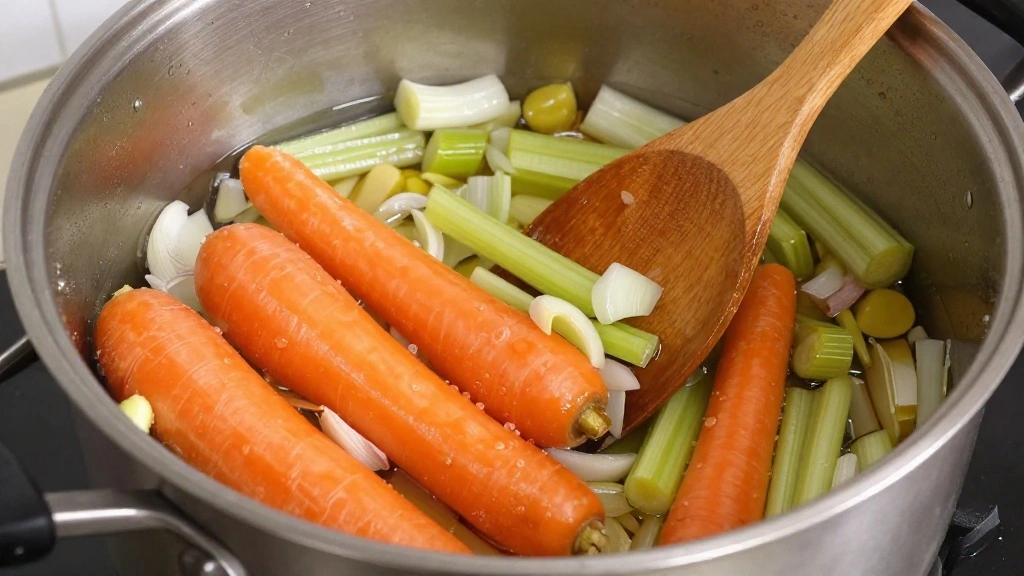
Once the aromatics are softened, add the sliced carrots and diced celery.
Stir to coat the vegetables in the oil and aromatics.
Cook for about 5 minutes until the vegetables begin to soften.
Stir occasionally to prevent sticking.
Step 4: Incorporate Tomato Paste
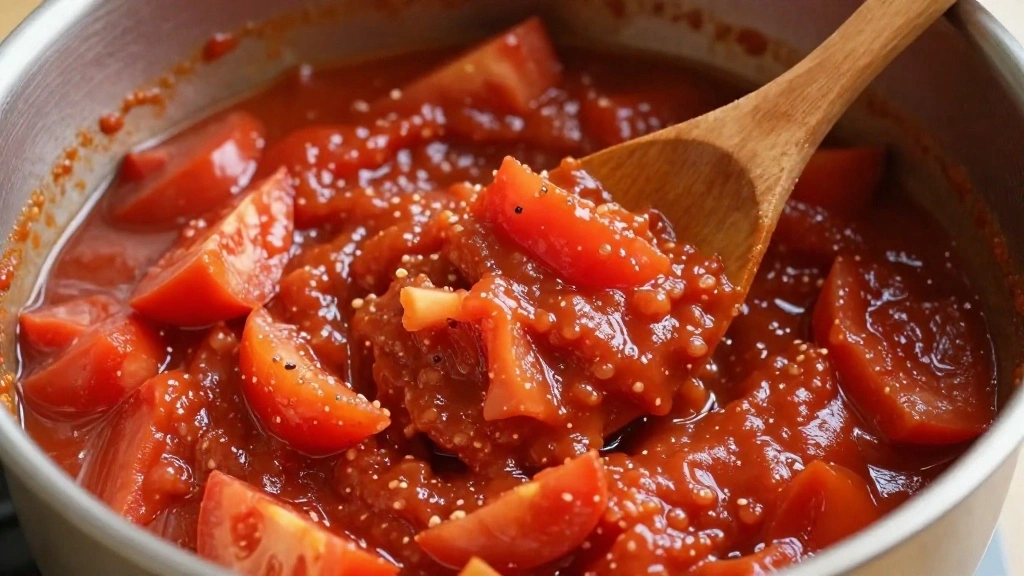
Add the tomato paste to the pot and stir well to combine.
Cook for 2-3 minutes to allow the paste to caramelize slightly.
This will deepen the flavor and color of the soup.
Ensure the paste is well mixed with the vegetables.


Step 5: Add Beans and Water
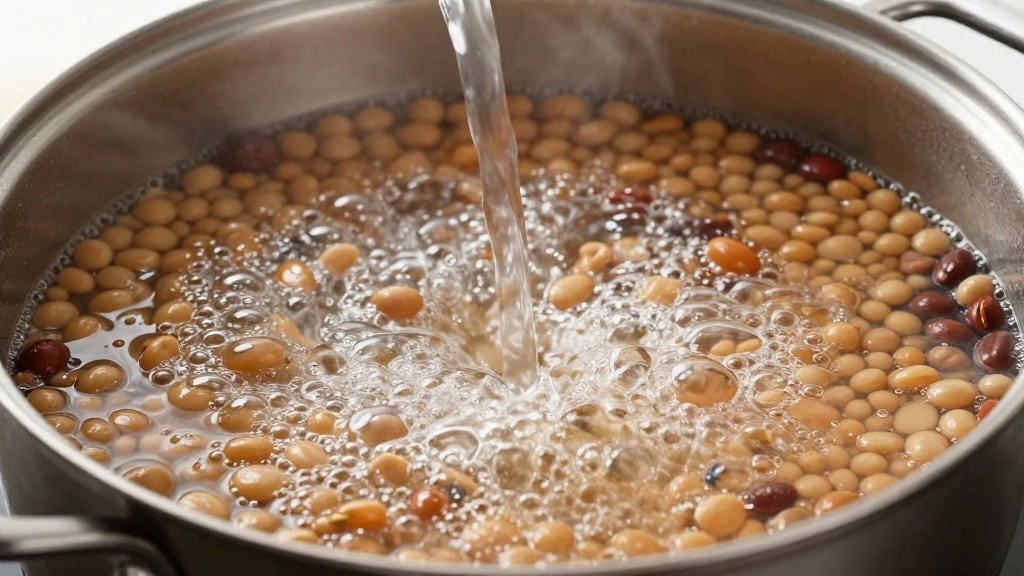
Add the soaked beans to the pot, stirring to combine with the vegetables.
Pour in the 8 cups of water, bringing the mixture to a boil.
Once boiling, reduce the heat to a simmer.
Cover the pot partially to allow steam to escape.
Step 6: Season the Soup

Add salt, pepper, and oregano to the pot.
Stir the seasonings into the soup until evenly distributed.
Taste and adjust seasoning if necessary.
Let the soup simmer gently for 60-90 minutes.


Step 7: Blend to Desired Consistency
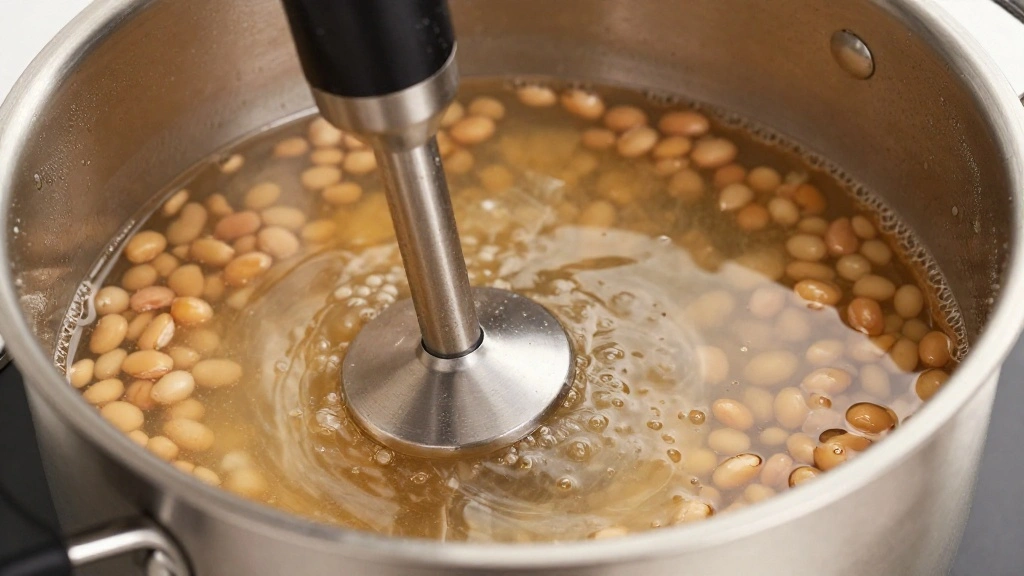
Use an immersion blender to puree a portion of the soup directly in the pot.
Blend until the desired consistency is reached, aiming for a creamy texture.
Leave some beans whole for texture.
Be careful to avoid splattering hot liquid.


Step 8: Final Adjustments and Serving
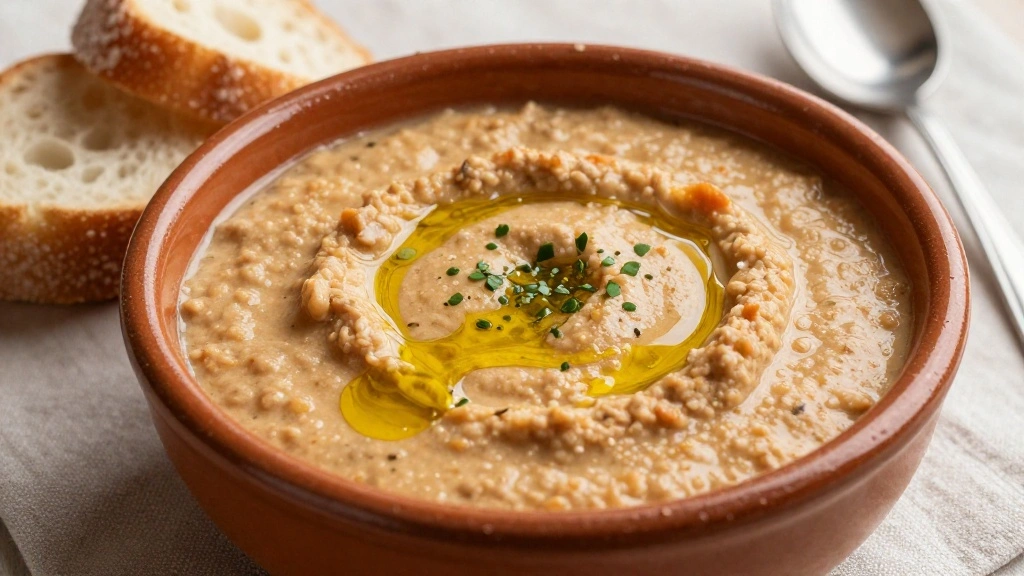
Check the soup’s seasoning and adjust if necessary.
Ladle the soup into bowls, garnishing with a drizzle of olive oil.
Serve hot with crusty bread on the side.
Enjoy the comforting flavors of traditional Fasolada.


Critical Timing and Temperature Guide
Sautéing Aromatics: Cook for 5 minutes over medium heat, ensuring onions turn translucent without browning. Avoid high heat to prevent burning.
Simmering Beans: Maintain a gentle simmer at low-medium heat for 60-90 minutes, checking for tender beans. Avoid boiling to prevent beans from breaking apart.
Blending Soup: Blend for 1-2 minutes until the desired consistency is achieved. Avoid over-blending to maintain some texture.



Pro Tips for Fasolada Recipe Hearty
• Ingredient Selection: Choose high-quality dried white beans, as they are the star ingredient and determine the soup’s texture and flavor.
• Preparation Secret: Soak beans overnight in salted water to enhance flavor and reduce cooking time significantly.
• Temperature Management: Keep the soup at a steady simmer to ensure beans cook evenly and develop deep flavors.
• Texture Enhancement: Blend just a portion of the soup to achieve a perfect balance between creamy and chunky textures.
• Flavor Layering: Use fresh oregano and high-quality olive oil for finishing to add layers of complexity and richness.
• Make-Ahead Strategies: Prepare the soup up to two days in advance, allowing flavors to meld. Store in an airtight container in the refrigerator.
• Restaurant-Quality Finishing Touches: Garnish with a sprinkle of fresh herbs or a squeeze of lemon juice for a burst of freshness.
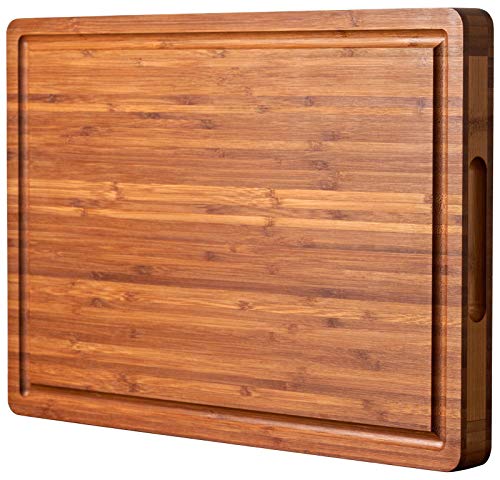
• Equipment Optimization: Ensure your pot has a tight-fitting lid to control moisture and heat during cooking.


Troubleshooting Common Issues
• Beans Too Hard: This may occur if beans are old or not soaked long enough. Ensure proper soaking and consider extending cooking time.
• Soup Too Watery: If the soup is too thin, blend more of it or let it simmer uncovered to reduce and thicken.
• Flavors Unbalanced: If lacking depth, add a touch more salt or a splash of vinegar to brighten flavors.
• Texture Too Dense: Avoid over-blending and ensure some whole beans remain for varied texture.
• Burnt Aromatics: If garlic or onions burn, it can cause bitterness. Start over with fresh ingredients and avoid high heat.


Variations and Regional Differences
• Cypriot Variation: Features the addition of lemon juice and fresh mint for a distinctively tangy and refreshing flavor profile.
• Spicy Variation: Incorporates red pepper flakes or a chopped chili for those who prefer a kick of heat.
• Vegetable-Enriched Variation: Adds zucchini and bell peppers for additional texture and nutritional value.
• Protein-Packed Variation: Includes chunks of smoked sausage or ham for a heartier, meatier version.


Food Science Behind the Recipe
• Starch Gelatinization: As the beans cook, their starches gelatinize, thickening the soup and improving mouthfeel.
• Maillard Reaction: Sautéing onions and garlic initiates the Maillard reaction, developing complex flavors and aromas.
• Emulsification: Olive oil helps emulsify the soup, creating a creamy texture when pureed.


Frequently Asked Questions
What’s the most common mistake people make when preparing Fasolada? Overcooking the beans, which can result in a mushy texture. Maintain a gentle simmer and check for doneness regularly.
Can I use canned beans instead of dried? Yes, but reduce cooking time significantly and adjust seasoning as canned beans are pre-cooked and may contain added salt.
How can I make this soup vegan-friendly? This recipe is naturally vegan, as it contains no animal products.
What is the best type of bean to use for Fasolada? Dried white beans, such as cannellini or navy beans, are ideal for their creamy texture and ability to absorb flavors.
Can I freeze Fasolada? Yes, it freezes well. Store in airtight containers for up to three months. Thaw and reheat gently on the stovetop.
How do I adjust the seasoning if the soup is too bland? Add more salt, or a splash of vinegar or lemon juice, to enhance the soup’s flavors.
Can I add meat to this dish? Yes, adding smoked sausage or ham can create a heartier version with additional depth of flavor.
Serving and Presentation Guide
• Traditional Presentation: Serve Fasolada hot in rustic bowls, garnished with a drizzle of olive oil and a sprinkle of fresh herbs.
• Modern Twist: Present with a side of toasted, herb-infused crostini for added texture and flavor contrast.
• Family Style: Serve in a large, communal pot at the table, allowing guests to serve themselves.
• Garnished Elegance: Top with crumbled feta or a dollop of Greek yogurt for a creamy finish.


Conclusion
Fasolada offers a taste of Greece in every comforting spoonful, rich with tradition and flavor.
This recipe invites you to recreate a classic dish that has warmed hearts and homes for generations.
Embrace the simplicity and nourishment Fasolada brings, and enjoy sharing it with loved ones.
We hope you find joy and satisfaction in preparing and savoring this timeless Greek bean soup.