
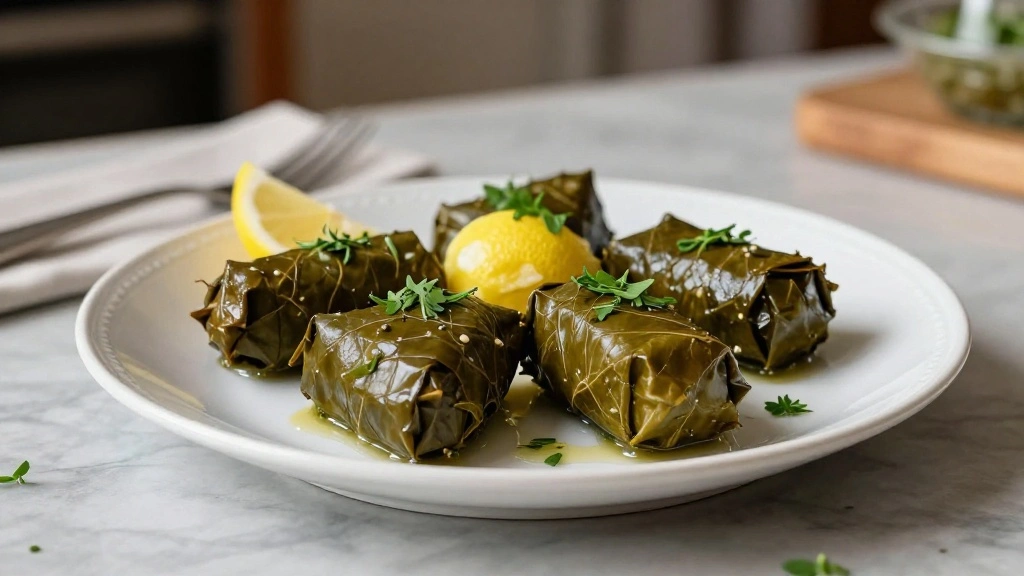


Greek Dolmades are a culinary masterpiece that combines the essence of Mediterranean flavors with the art of delicate preparation.
These tender stuffed grape leaves, infused with zesty lemon and aromatic herbs, offer a taste experience that’s both refreshing and comforting.
I first encountered this dish during a family gathering in Athens, where the vibrant flavors and communal spirit left a lasting impression.
Dolmades are perfect for any occasion, whether you’re planning a casual weeknight meal or an elaborate dinner party.
Their unique taste and elegant presentation make them a favorite among both novice cooks and seasoned chefs.
Get ready to embark on a delightful culinary journey that brings a piece of Greece to your table.
The History and Cultural Significance
• Greek Dolmades – traces its origins to the Ottoman Empire era, where it was originally created as a means of preserving food with vine leaves.
• The dish evolved over decades as flavors from the Middle East and Mediterranean blended, eventually becoming the beloved version we know today.
• In Greek culture, this dish traditionally appears at festive gatherings and family meals, symbolizing hospitality and togetherness.
• While many variations exist across different regions, the authentic version maintains the use of fresh grape leaves and a fragrant rice filling that sets it apart from imitations.


Recipe Overview
Nutritional Information (per serving)
Essential Equipment Guide
Large Pot: A large pot is essential for boiling the grape leaves and later simmering the stuffed dolmades to perfection. Look for a pot with a tight-fitting lid to maintain even cooking and prevent water from evaporating too quickly.
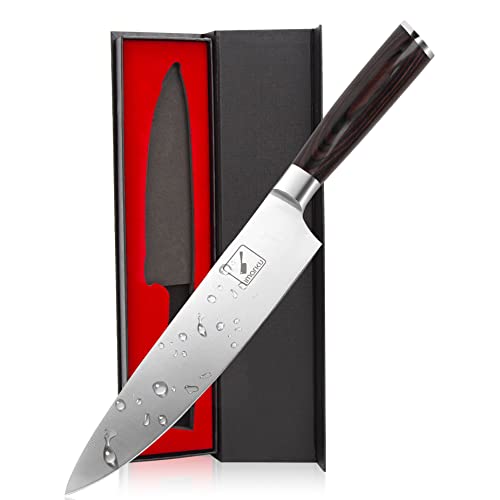
Sharp Knife: A sharp knife is crucial for finely chopping herbs and onions, ensuring a smooth texture in the filling. A well-balanced knife with a comfortable grip will make the preparation process more efficient.
Mixing Bowl: A sturdy mixing bowl is necessary for combining the ingredients of the rice filling. Opt for a bowl with a non-slip base to prevent it from moving around as you mix.

Ingredients
For the Grape Leaves
|
|
| Amount | Ingredient | Notes |
|---|---|---|
| 30 leaves | grape leaves | fresh or jarred, rinsed and drained |
For the Filling
| Amount | Ingredient | Notes |
|---|---|---|
| 1 cup | long-grain rice | uncooked |
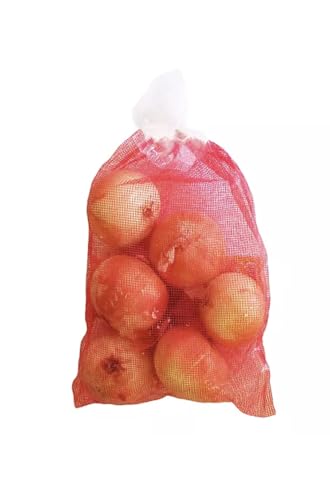
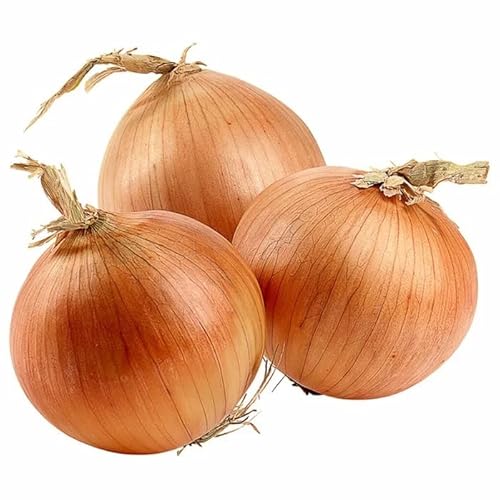
| 1 large | onion | finely chopped |
| 1 bunch | dill | chopped |
| 1 bunch | mint | chopped |
| 1/4 cup | pine nuts | toasted |
| 1/4 cup | currants | optional, for sweetness |
| 1 teaspoon | salt | to taste |
| 1/2 teaspoon | black pepper | freshly ground |
For the Cooking
| Amount | Ingredient | Notes |
|---|---|---|
| 2 tablespoons | olive oil | for drizzling |
| 1 cup | lemon juice | freshly squeezed |
| 2 cups | water | as needed |


Preparation Methods
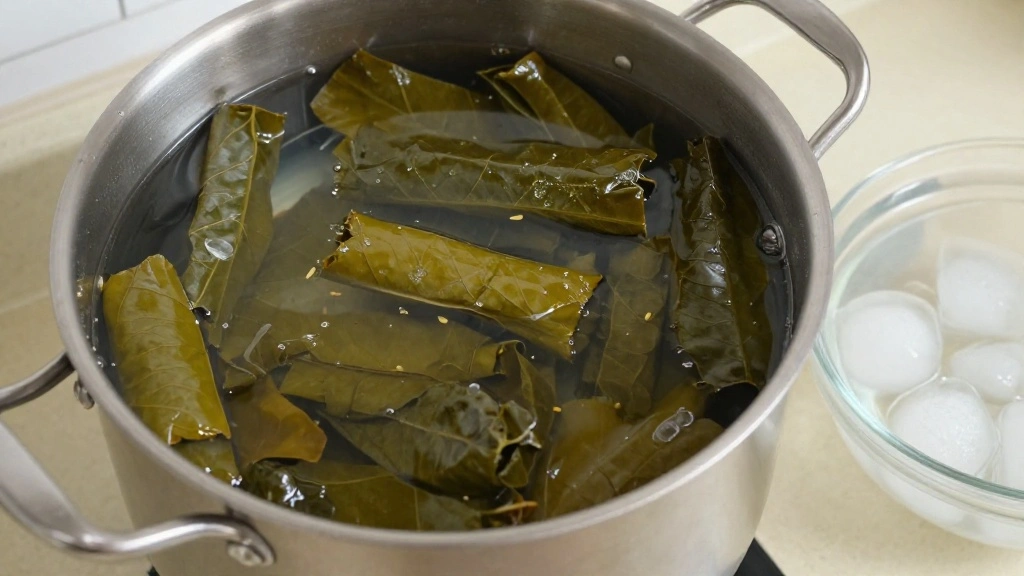
Blanching Grape Leaves: Blanching involves briefly boiling the grape leaves to soften them, making them pliable for wrapping. It's crucial for removing any bitterness from jarred leaves. Ensure you immediately transfer them to an ice bath to stop the cooking process and preserve their vibrant color.
Toasting Pine Nuts: Toasting enhances the natural oils and flavor of pine nuts, adding a nutty depth to the filling. Use a dry skillet over medium heat, stirring frequently until they turn golden brown. Watch closely to prevent burning.
Folding Dolmades: The technique of folding dolmades is similar to rolling a burrito. Place a spoonful of filling at the base of the leaf, fold the sides inward, then roll tightly from the base to the tip. A tight roll ensures the filling stays intact during cooking.

Step 1: Prepare the Grape Leaves
Rinse the grape leaves under cold water to remove any brine.
Bring a large pot of water to a boil.
Blanch the grape leaves for 2-3 minutes until soft.
Transfer them to an ice bath to cool quickly, then drain and set aside.


Step 2: Prepare the Filling
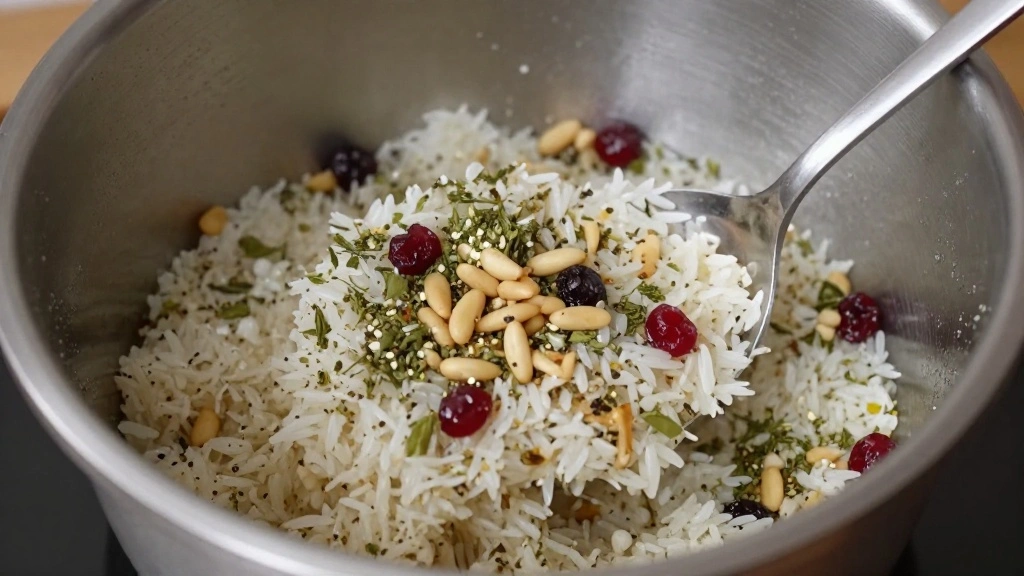
In a mixing bowl, combine uncooked rice, chopped onion, dill, mint, toasted pine nuts, and currants.
Add salt and black pepper to taste.
Mix the ingredients thoroughly until well combined.
Ensure the filling is evenly seasoned.


Step 3: Assemble the Dolmades
Lay a grape leaf flat on a clean surface, shiny side down.
Place a spoonful of filling at the base of the leaf.
Fold the sides inward, then roll tightly from the base to the tip.
Repeat with remaining leaves and filling.
Step 4: Arrange in Pot
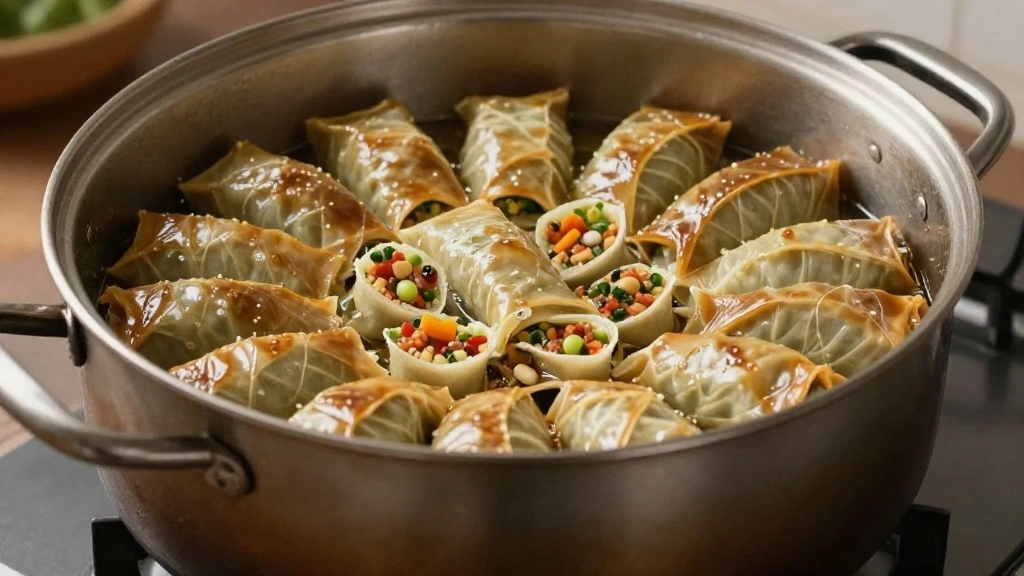
Line the bottom of a large pot with a few grape leaves to prevent sticking.
Place the rolled dolmades seam-side down in a tight circular pattern.
Continue layering until all dolmades are arranged in the pot.
Ensure they are snugly packed to prevent unrolling during cooking.
Step 5: Add Cooking Liquid
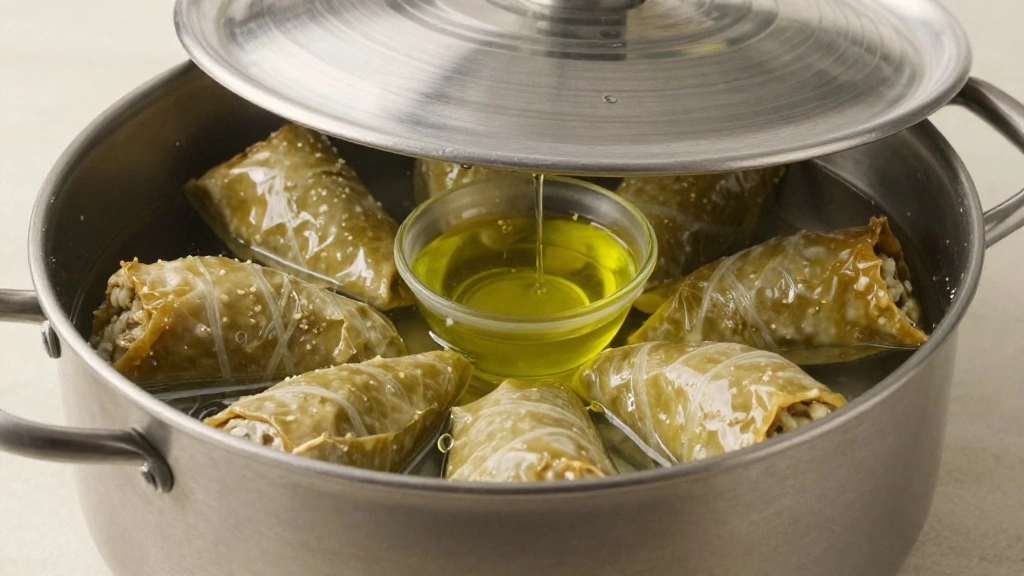
Drizzle olive oil over the arranged dolmades.
Pour lemon juice evenly to impart a tangy flavor.
Add enough water to just cover the dolmades.
Place a heatproof plate on top to keep them submerged.
Step 6: Cook the Dolmades
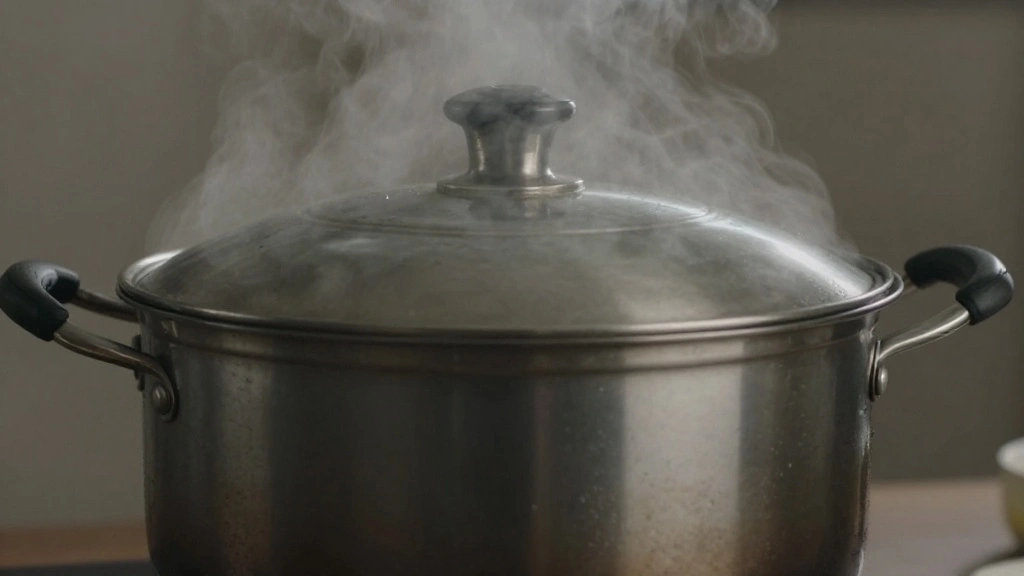
Cover the pot with a tight-fitting lid.
Bring to a gentle simmer over medium heat.
Reduce heat to low and cook for 60 minutes until rice is tender.
Check occasionally to ensure the liquid doesn't evaporate completely.
Step 7: Rest and Cool
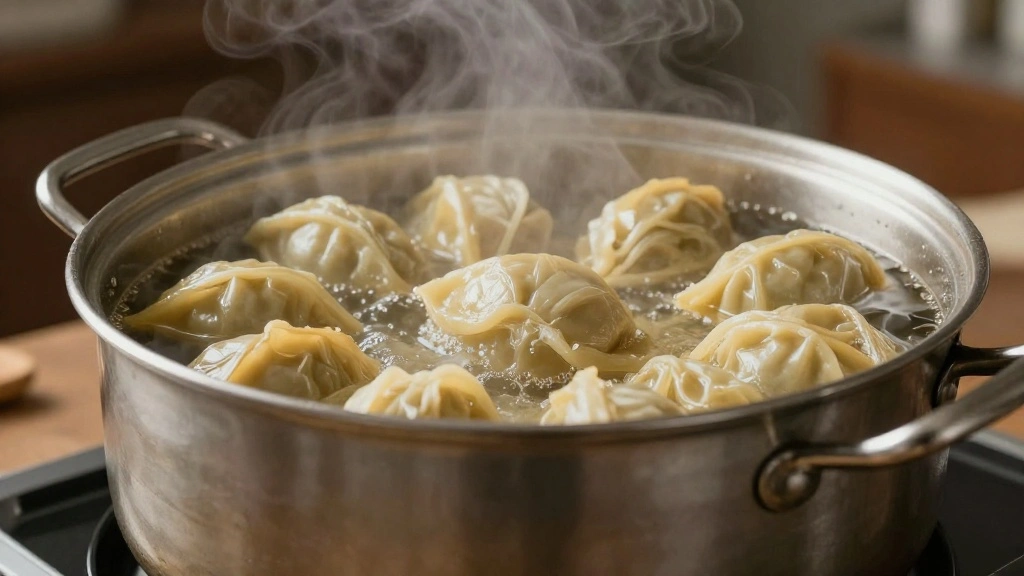
Once cooked, remove the pot from heat.
Let the dolmades sit, covered, for 10 minutes to allow flavors to meld.
Carefully remove the lid and plate.
Transfer dolmades to a serving dish to cool slightly before serving.
Step 8: Serve and Garnish
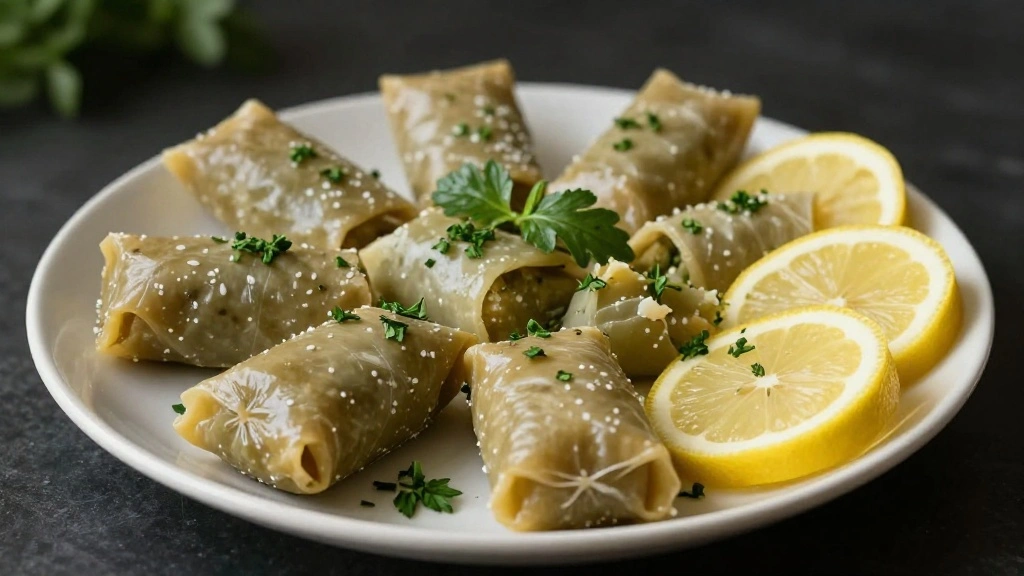
Arrange dolmades on a serving platter.
Garnish with fresh lemon slices and additional dill or mint.
Drizzle a little extra olive oil for shine and flavor.
Serve warm or at room temperature as a delightful appetizer or side dish.
Critical Timing and Temperature Guide
Cooking Dolmades: Simmer for exactly 60 minutes at low heat. Look for tender rice and soft leaves. Avoid high heat to prevent burning.
Blanching Leaves: Boil for 2-3 minutes and transfer to ice bath immediately. Leaves should be pliable but not overcooked. Over-blanching can lead to mushy texture.
Toasting Pine Nuts: Toast over medium heat, stirring constantly. Nuts should be golden brown and aromatic. Avoid burning by keeping a close watch.
Pro Tips for Greek Dolmades –
• Ingredient Selection: Choose fresh grape leaves for the best texture and flavor; jarred leaves can be used but require thorough rinsing to remove brine.
• Preparation Secret: Allowing the dolmades to rest after cooking enhances flavor as the rice absorbs more of the lemon and herb aromas.
• Temperature Management: Maintain a low simmer during cooking to ensure even cooking and prevent the dolmades from unrolling.
• Texture Enhancement: A tight roll when assembling ensures the filling stays compact, achieving the ideal texture.
• Flavor Layering: Incorporate fresh herbs like dill and mint into the filling for a vibrant, layered flavor profile unique to this dish.
• Make-Ahead Strategies: Dolmades can be prepared a day in advance and stored in the refrigerator; allow them to reach room temperature before serving.
• Restaurant-Quality Finishing Touches: A drizzle of high-quality olive oil and a sprinkle of sea salt before serving elevates the dish to restaurant quality.
• Equipment Optimization: Use a heavy-bottomed pot for even heat distribution and to prevent scorching during the long cooking process.
Troubleshooting Common Issues
• Filling Seeping Out: Caused by loose rolling. Ensure grape leaves are wrapped tightly around the filling to prevent seepage.
• Dolmades Unrolling: Occurs if not packed snugly in the pot. Arrange dolmades tightly to support each other during cooking.
• Overcooked Leaves: Results from excessive blanching. Blanch for a short time and use an ice bath to halt cooking immediately.
• Bitter Taste: Often due to unwashed brine. Rinse jarred grape leaves thoroughly to remove all brine.
• Dry Dolmades: Can happen if liquid evaporates during cooking. Cover dolmades completely with liquid and check periodically.
• Lack of Flavor: May result from insufficient seasoning in the filling. Taste and adjust seasoning before assembling.
Variations and Regional Differences
• Turkish Sarma: Similar to dolmades, but often includes lamb or beef mince in the filling, offering a heartier version.
• Armenian Dolma: Features a richer filling with added spices like cinnamon and allspice, reflecting the region's unique flavor profile.
• Lebanese Warak Enab: Typically served warm, often with a tomato-based sauce, offering a different texture and taste experience.
• Cypriot Koupepia: Incorporates crushed tomatoes and sometimes raisins, adding a touch of sweetness and acidity.


Food Science Behind the Recipe
• Gelatinization of Rice: Cooking the rice in acidic lemon juice affects the gelatinization process, resulting in a firmer texture.
• Maillard Reaction in Toasting: The toasting of pine nuts enhances flavor through the Maillard reaction, providing a nutty, aromatic component.
• Emulsion of Oil and Juice: The combination of olive oil and lemon juice creates an emulsion that coats the dolmades, enhancing moisture and flavor.
Frequently Asked Questions
What's the most common mistake people make when preparing Greek Dolmades? The most common mistake is not packing the dolmades tightly enough, leading to unrolling during cooking.
Can I use jarred grape leaves instead of fresh ones? Yes, jarred grape leaves are convenient but require thorough rinsing to remove brine.
Is there a vegetarian version of dolmades? Yes, the recipe provided is vegetarian, focusing on rice and herbs without meat.
How do I store leftover dolmades? Store them in an airtight container in the refrigerator for up to three days.
Can dolmades be frozen? It's not recommended as freezing can alter the texture of the grape leaves and filling.
How can I prevent the dolmades from sticking to the pot? Line the bottom of the pot with extra grape leaves to prevent sticking.
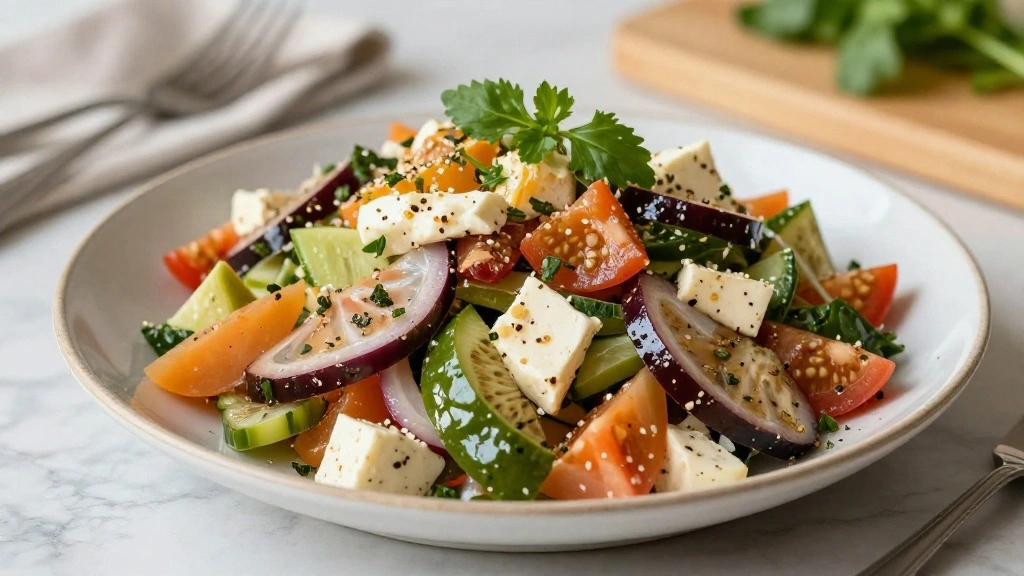
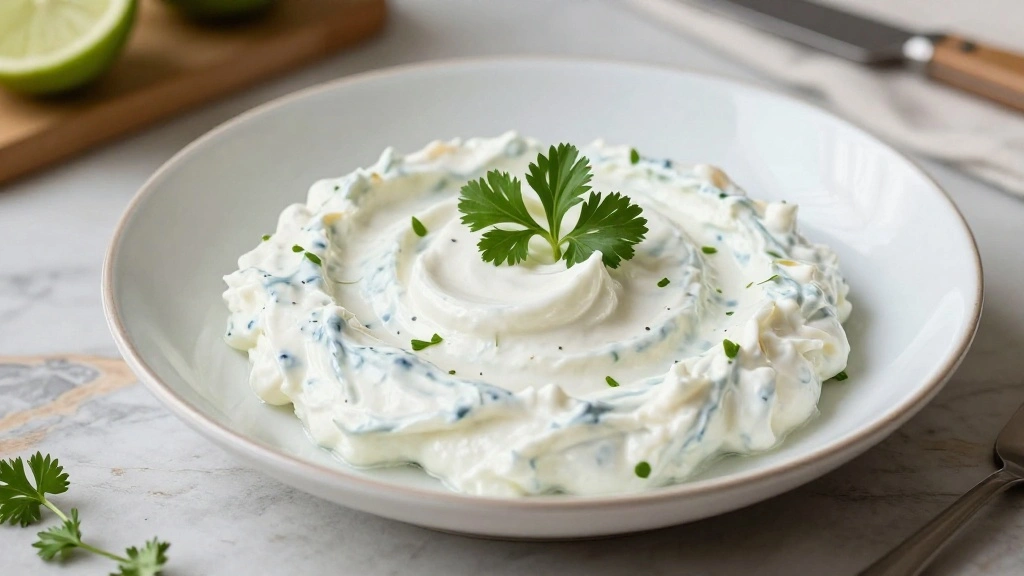
What should I serve with dolmades? Dolmades pair well with yogurt-based dips like tzatziki or a fresh Greek salad.
Why do my dolmades taste bitter? Bitterness can occur from unwashed brine; ensure grape leaves are thoroughly rinsed.
Serving and Presentation Guide
• Traditional Presentation: Arrange dolmades in a circular pattern on a platter, garnished with lemon slices and fresh herbs.
• Modern Plating: Serve dolmades individually on small plates with a drizzle of balsamic reduction for a contemporary touch.
• Family Style: Present dolmades in a large bowl with a side of creamy yogurt for a communal eating experience.
• Appetizer Platter: Include dolmades on a mezze platter with olives, feta cheese, and pita bread for a Mediterranean feast.


Conclusion
Greek Dolmades bring the flavors of the Mediterranean to your kitchen with their aromatic herbs and zesty lemon.
This recipe is a testament to the beauty of simplicity, where each ingredient shines in harmony.
I encourage you to try making these delightful dolmades at home and experience the joy of sharing them with loved ones.