
Written by

Edited by

Affiliate Disclosure:
If you buy through links on our site, we may earn a small affiliate commission to help support the blog – at no extra cost to you. It never influences our product selection process. Thank you!
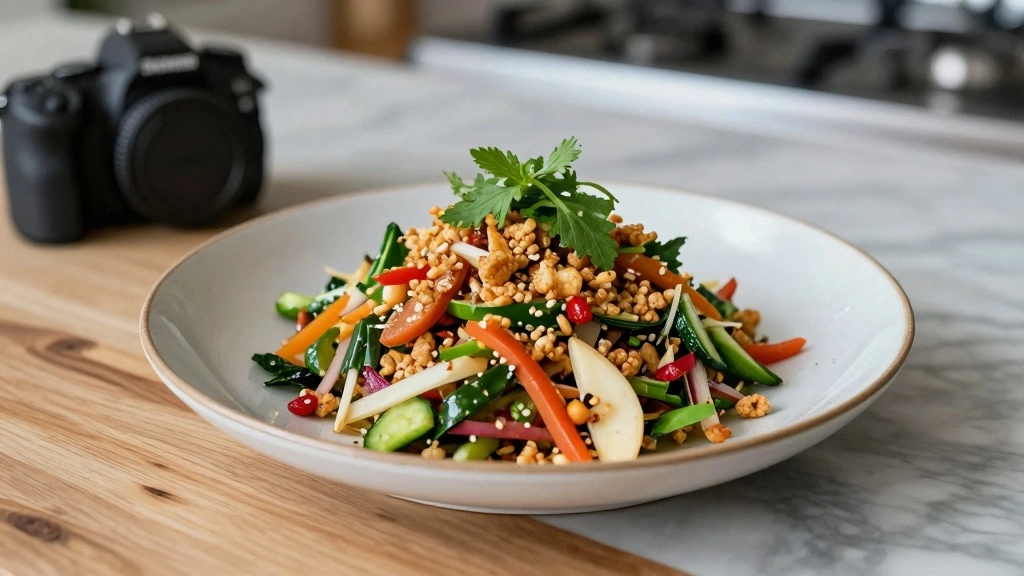
The CPK Thai Crunch Salad brings together vibrant flavors and satisfying textures for a refreshing culinary experience.
This salad’s combination of crisp vegetables, crunchy wontons, and creamy peanut dressing creates a delightful contrast.
Whether you’re in the mood for a light lunch or a starter for a summer gathering, this dish offers a burst of freshness.
The balance of sweet, salty, tangy, and spicy notes ensures that each bite is as exciting as the last.
Inspired by California Pizza Kitchen’s popular dish, this copycat recipe captures all the flavors you love in an easy-to-follow format.
• The dish evolved over decades as chefs experimented with Asian flavors, eventually becoming the beloved version we know today.
• In Thai culture, this dish traditionally appears at casual gatherings, symbolizing the fusion of flavors and ingredients.
• While many variations exist across different regions, the authentic version maintains the unique peanut dressing that sets it apart from imitations.
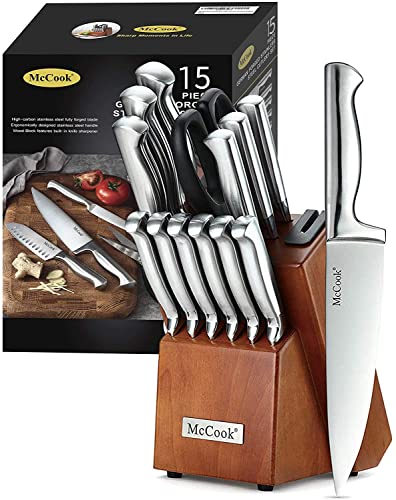
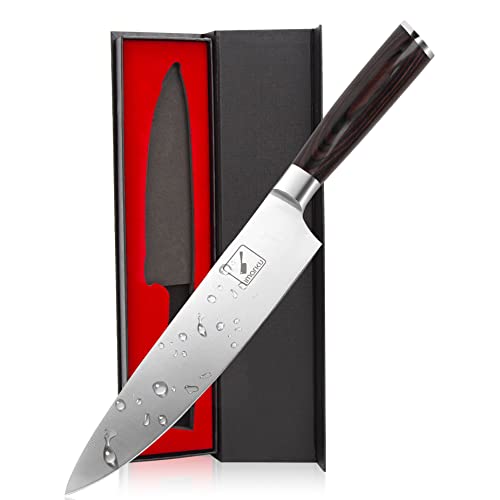
Chef’s Knife: A sharp chef’s knife is crucial for efficiently chopping and slicing the ingredients into uniform pieces. Alternatives like a paring knife or utility knife can work but may require more effort. Choose a knife with a comfortable grip and a well-balanced blade.
Blender: A blender is important for creating a smooth and creamy dressing. While a whisk can be used as an alternative, it may not achieve the same consistency. Select a blender with multiple speed settings for better control.
| Amount | Ingredient | Notes |
|---|---|---|
| 4 cups | romaine lettuce | chopped, for a crisp foundation |
| 2 cups | red cabbage | thinly sliced, for color and crunch |
| Amount | Ingredient | Notes |
|---|---|---|
| 1 cup | carrots | julienned for added sweetness |
| 1 cup | cucumber | sliced thinly, for freshness |
| 1 cup | edamame | shelled, for protein |
| Amount | Ingredient | Notes |
|---|---|---|
| 1 teaspoon | salt | enhances overall flavor |
| 1 teaspoon | black pepper | adds a hint of spice |
| Amount | Ingredient | Notes |
|---|---|---|
| 1/2 cup | creamy peanut butter | for richness |
| 2 tablespoons | soy sauce | adds umami |
| 2 tablespoons | rice vinegar | for tanginess |
| 1 tablespoon | honey | for sweetness |
| 1 tablespoon | sesame oil | adds depth |
| Amount | Ingredient | Notes |
|---|---|---|
| 1 cup | crispy wonton strips | for crunch |
| 1/4 cup | chopped peanuts | for garnish |
Blending: Blending the dressing ingredients helps create a smooth and emulsified sauce that clings to the salad ingredients well. It’s important for achieving the creamy texture of the dressing. Use a blender to fully incorporate the peanut butter and other liquids.
Layering: Properly layering the salad components ensures a balanced bite every time. Start with the base, followed by vegetables and toppings, and finish with the dressing. This technique enhances the visual appeal and flavor distribution.
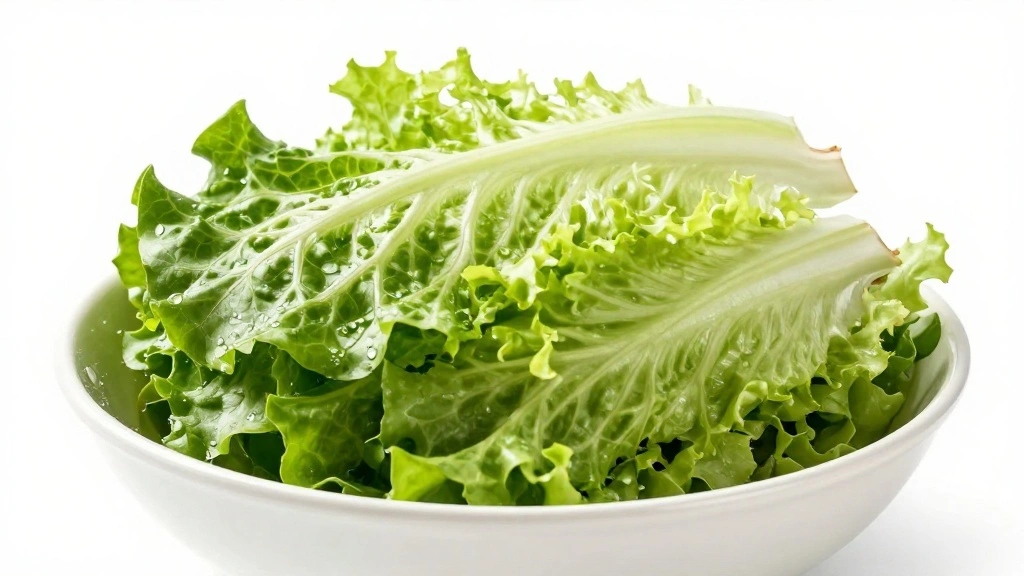
Spin it dry in a salad spinner to remove excess moisture.
Chop the lettuce into bite-sized pieces.
Ensure the pieces are uniform for even flavor distribution.
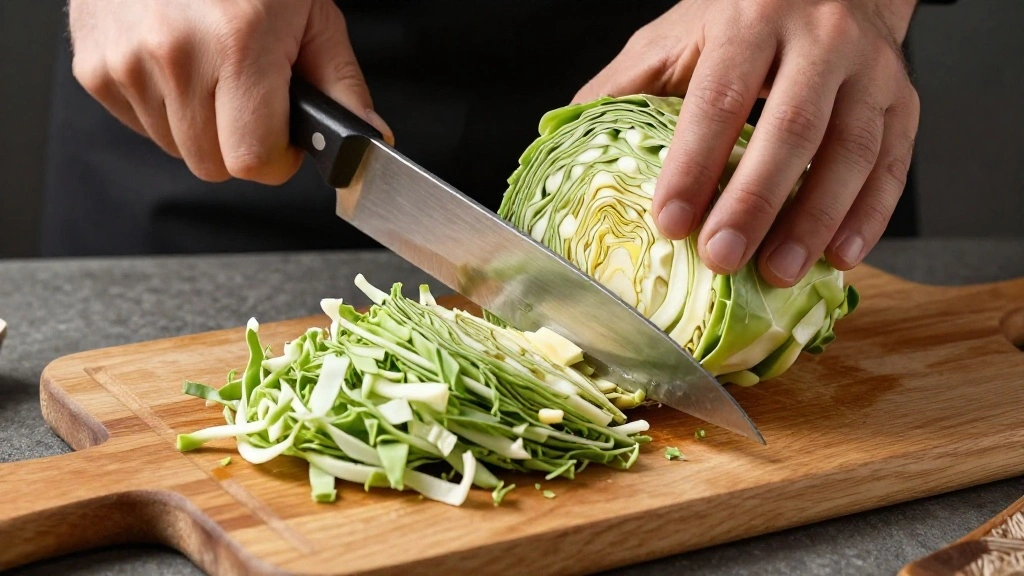
Use a sharp knife for precise cuts.
Aim for consistent thickness to enhance texture.
Collect the sliced cabbage in a large mixing bowl.
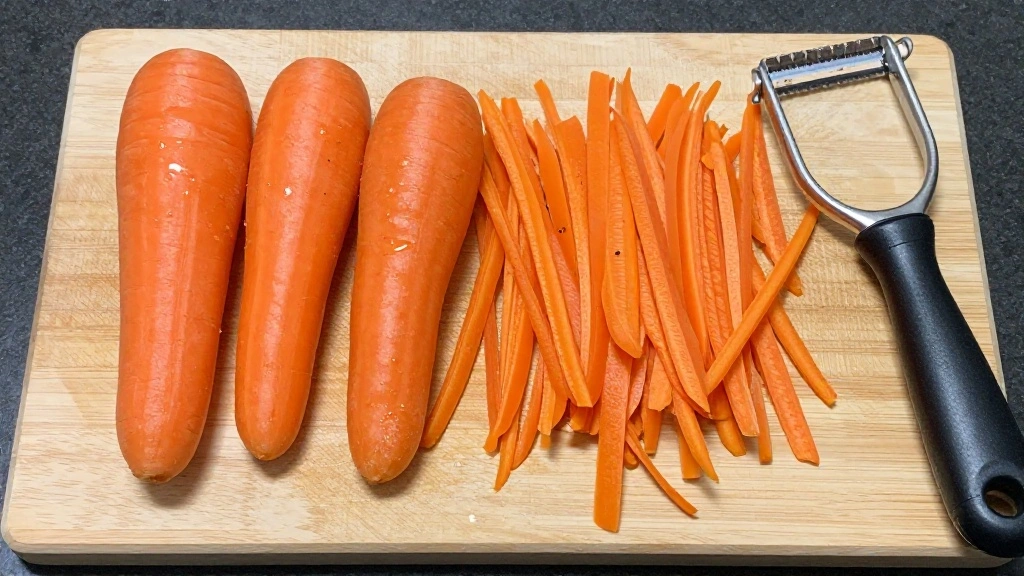
Use a julienne peeler or knife for accuracy.
Transfer the julienned carrots to the mixing bowl with the cabbage.
Ensure the strips are of equal size for uniform texture.
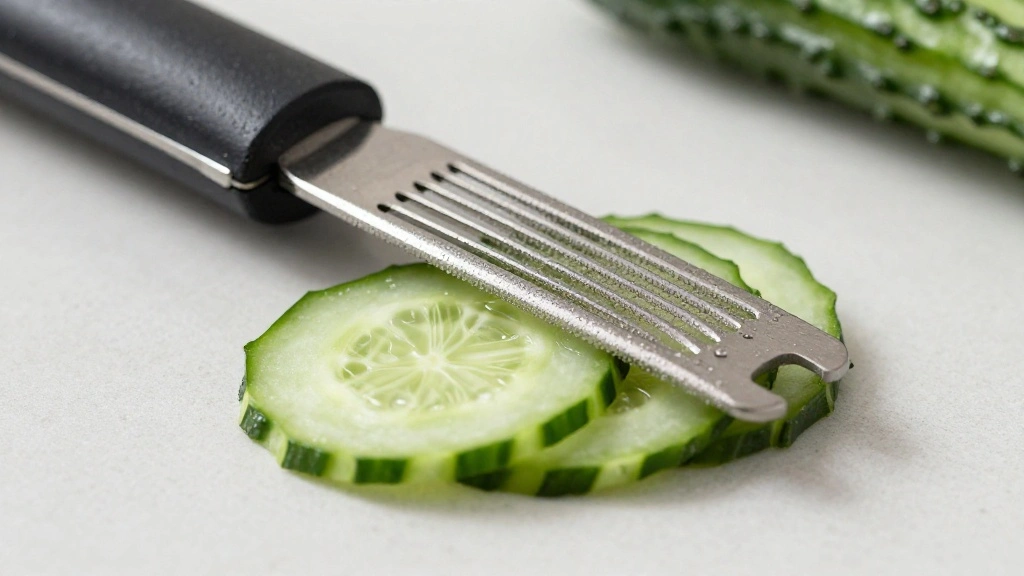
Use a mandoline for precise, even slices.
Add the cucumber slices to the bowl of vegetables.
Check for consistent thickness to maintain texture.
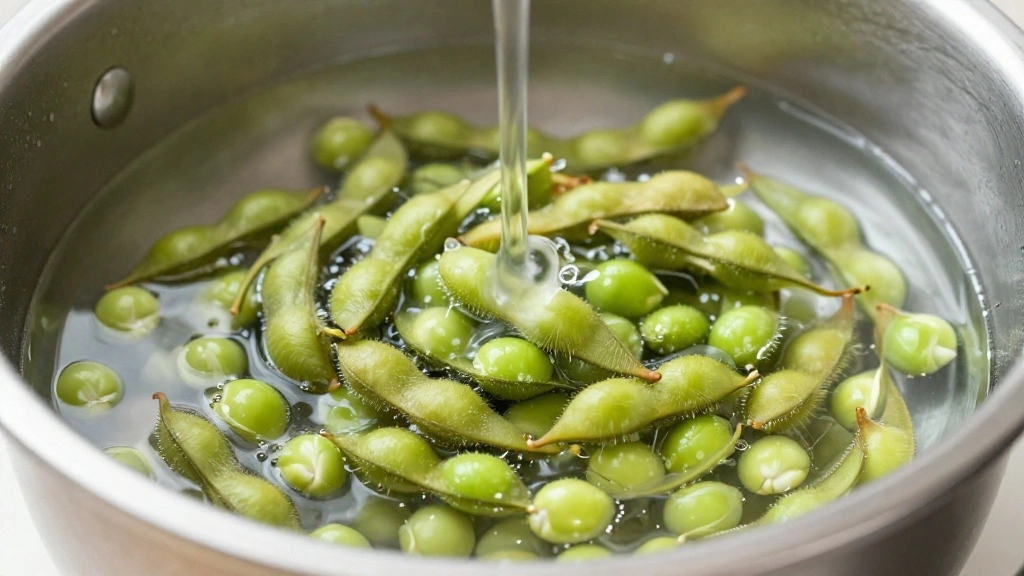
Add the shelled edamame and cook for 3-5 minutes.
Drain and rinse under cold water to stop cooking.
Pat dry and add to the vegetable mix.
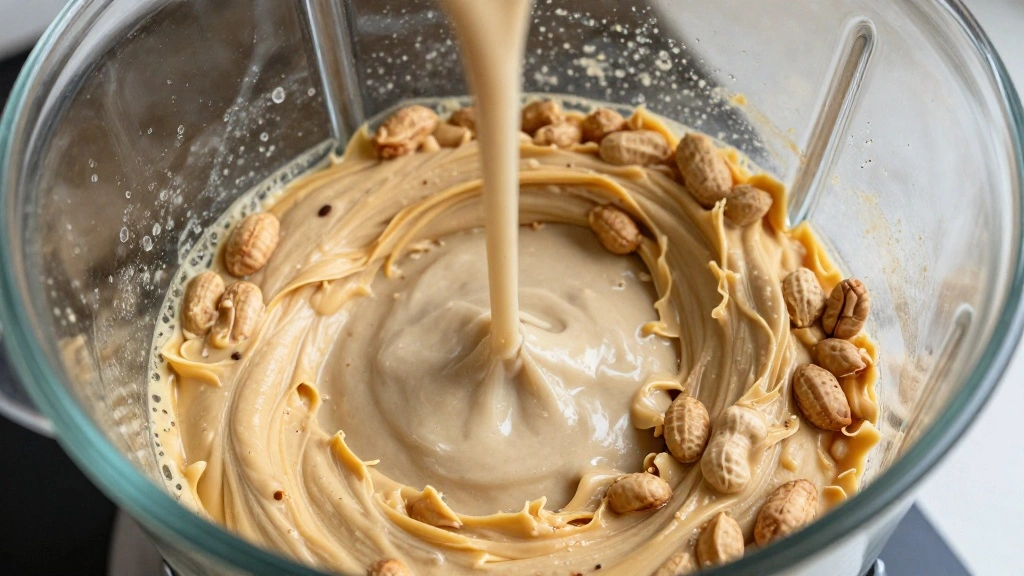
Blend until smooth and creamy.
Taste and adjust seasoning if necessary.
Transfer to a small bowl and set aside.
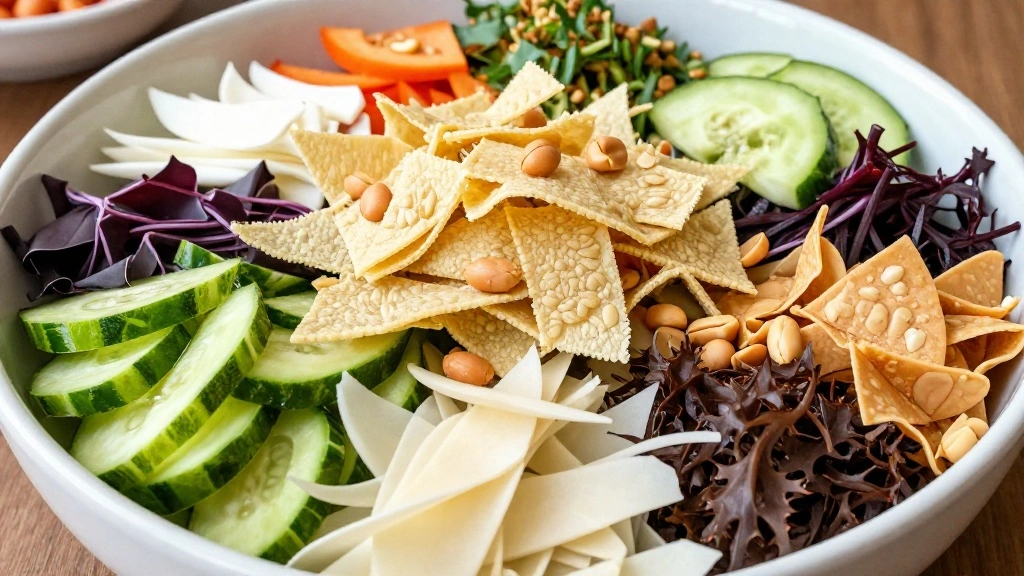
Toss gently to mix the vegetables evenly.
Add crispy wonton strips and chopped peanuts on top.
Ensure even distribution of toppings for flavor balance.
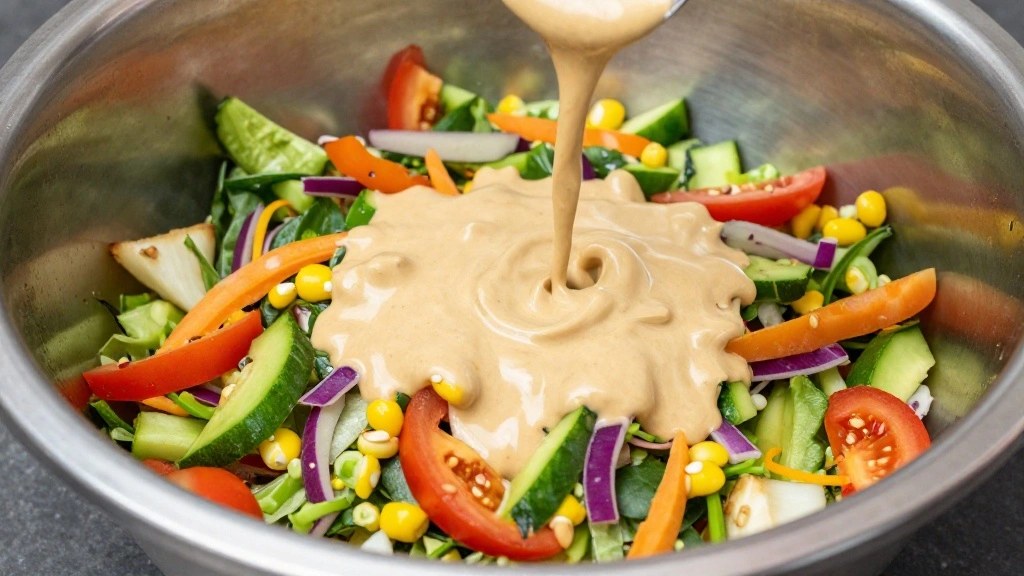
Toss gently to coat all ingredients evenly.
Ensure the dressing covers all components for balanced flavor.
Serve immediately for the freshest taste.
Chilling Vegetables: Keep vegetables refrigerated until just before assembling the salad to maintain crispness; avoid leaving them at room temperature too long which can lead to wilting.
Blending Dressing: Blend at medium speed until fully emulsified, looking for a smooth consistency without separation; avoid over-blending which may introduce too much air.
• Preparation Secret: Toast peanuts before chopping to enhance their nutty flavor and add crunch.
• Temperature Management: Serve the salad immediately after dressing to maintain the crisp texture of the vegetables.
• Texture Enhancement: Chill the salad bowl before use to keep the ingredients cold and crisp.
• Flavor Layering: Allow the dressing to sit for a few minutes after blending to let the flavors meld together.
• Make-Ahead Strategies: Prepare the salad components in advance, storing them separately, and combine just before serving to preserve freshness.
• Restaurant-Quality Finishing Touches: Garnish with a sprinkle of sesame seeds and fresh cilantro for added aroma and presentation.
• Equipment Optimization: Use a high-speed blender for the dressing to ensure the smoothest texture possible.
• Soggy Lettuce: Ensure lettuce is thoroughly dried using a salad spinner to prevent sogginess from excess moisture.
• Separation in Dressing: If the dressing separates, blend it again or add a teaspoon of warm water to help emulsify.
• Vegetables Wilting: Keep vegetables refrigerated and toss the salad just before serving to maintain their crispness.
• Overcooked Edamame: If edamame is overcooked, try blanching another batch and mix with the existing to improve texture.
• Western Fusion: Incorporates grilled chicken or shrimp for added protein, making it a heartier main course option.
• Vegetarian Style: Replaces fish sauce (if used) with soy sauce and adds tofu for a plant-based protein boost.
• Street Style Version: Uses crushed peanuts and lime juice for a more authentic street food experience, providing extra crunch and acidity.
• Browning and Flavor Development: Toasting peanuts before topping the salad triggers the Maillard reaction, enhancing flavor complexity and aroma.
• Crispness Retention: Keeping vegetables cold and dry prevents cell walls from breaking down, maintaining the crisp texture essential to the salad’s appeal.
Can I make the dressing ahead of time? Yes, the dressing can be made up to two days in advance and stored in the refrigerator.
What can I use instead of peanut butter for a nut-free version? Sunflower seed butter is a great alternative that still provides a creamy texture.
How do I prevent the salad from wilting? Keep all components cold and combine them just before serving to maintain freshness.
Is it possible to add protein to this salad? Absolutely, grilled chicken, shrimp, or tofu can be added for more protein.
What if I don’t have a blender for the dressing? You can whisk the ingredients together vigorously by hand, though the texture may be slightly less smooth.
How can I adjust the spiciness of the dressing? Add a pinch of red pepper flakes or a dash of hot sauce to increase the heat level.
• Individual Portions: Divide the salad among individual bowls, ensuring each person gets a bit of every component, beautifully arranged.
• Buffet Style: Arrange the salad components in separate bowls to allow guests to customize their salads to taste.
• Garnished Plating: Add a final sprinkle of sesame seeds and a lime wedge on the side for an extra touch of freshness and color.
With its vibrant colors and dynamic textures, this salad is sure to impress family and friends alike.
Give this recipe a try and savor the fusion of fresh ingredients with a creamy, savory dressing.

Thai Recipes
Thai Recipes
Thai Recipes
Thai Recipes