
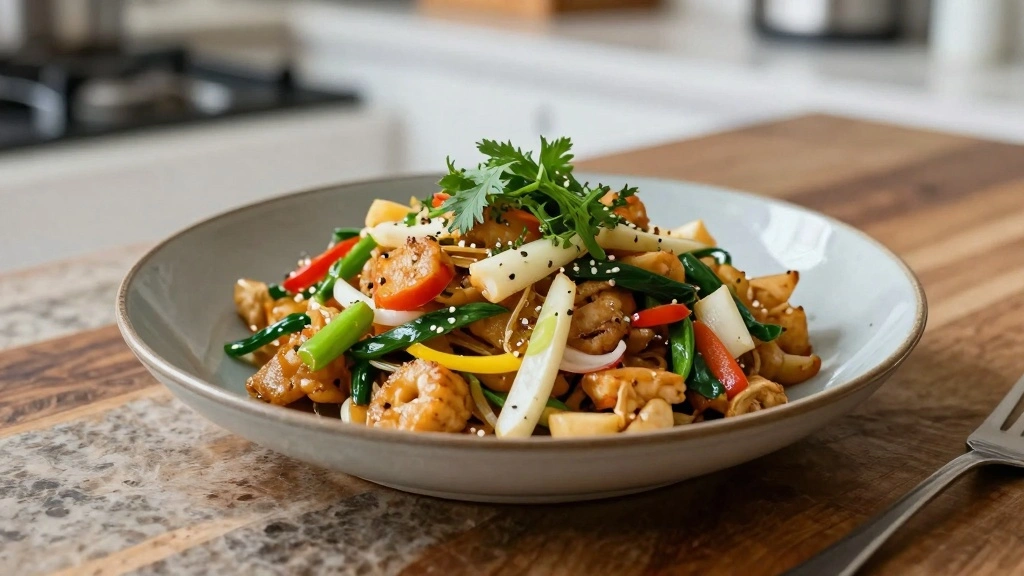


Chinese Chop Suey is a delightful blend of textures and flavors that captures the essence of Chinese-American cuisine.
The medley of crisp vegetables, tender meats, and savory sauce creates a dish that is both satisfying and versatile.
I first encountered this dish in a bustling Chinatown restaurant, where the aroma alone was enough to lure me in.
Whether you’re looking for a quick weeknight meal or a dish to impress guests, Chinese Chop Suey fits the bill perfectly.
The ease of preparation and the ability to customize with your favorite ingredients make it a staple in many homes.
This recipe will guide you through creating an authentic Chop Suey that rivals your favorite takeout spot.
The History and Cultural Significance
• Chinese Chop Suey traces its origins to the late 19th century in America, where it was originally created by Chinese immigrants.
• The dish evolved over decades as different vegetables and meats were incorporated, eventually becoming the beloved version we know today.
• In Chinese-American culture, this dish traditionally appears at casual gatherings, symbolizing the blending of cultures.
• While many variations exist across different regions, the authentic version maintains its adaptability and simplicity that sets it apart from imitations.


Recipe Overview
Nutritional Information


Essential Equipment Guide
Wok: A wok is essential for creating the authentic stir-fry effect with high heat and quick cooking. Alternatives include a large sauté pan, though it may not distribute heat as evenly. Look for a wok with a flat bottom for stability.
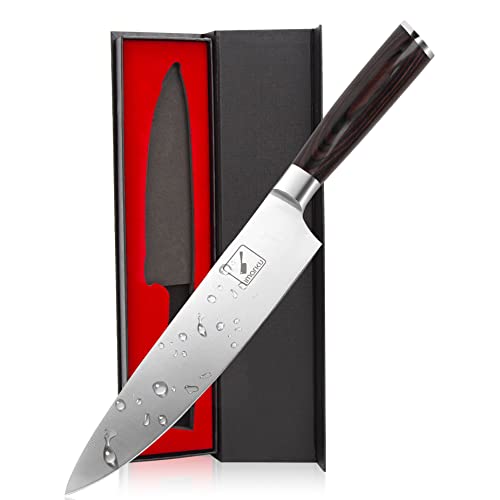
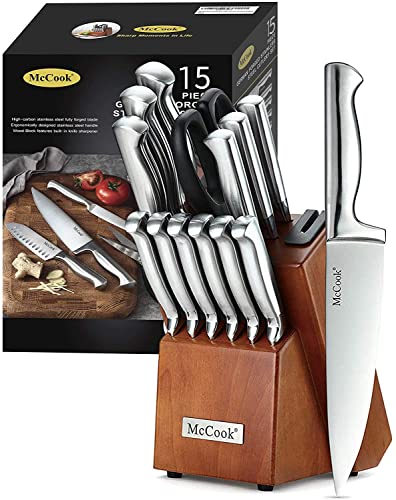
Sharp Chef’s Knife: This tool is crucial for efficiently chopping vegetables and meats into uniform sizes. Alternatives include a santoku knife, which also offers precision. Choose a knife with a comfortable grip and a balanced weight.
Wooden Spoon: A wooden spoon is perfect for stirring without scraping the wok’s surface. Silicone spatulas can also work but may not handle the high heat as well. Ensure the spoon is long enough to keep your hand safe from the heat.
Ingredients
For the Base
|
| Amount | Ingredient | Notes |
|---|---|---|
| 2 tablespoons | vegetable oil | for frying |
| 1 pound | chicken breast | sliced into thin strips |
Vegetables
| Amount | Ingredient | Notes |
|---|---|---|
| 1 cup | bean sprouts | fresh and crisp |
| 1 cup | cabbage | shredded |
| 1 medium | carrot | julienned |
For the Sauce
| Amount | Ingredient | Notes |
|---|---|---|
| 1/4 cup | soy sauce | for savory depth |
| 1 tablespoon | oyster sauce | adds umami flavor |
| 1 teaspoon | cornstarch | for thickening |
Seasonings
| Amount | Ingredient | Notes |
|---|---|---|
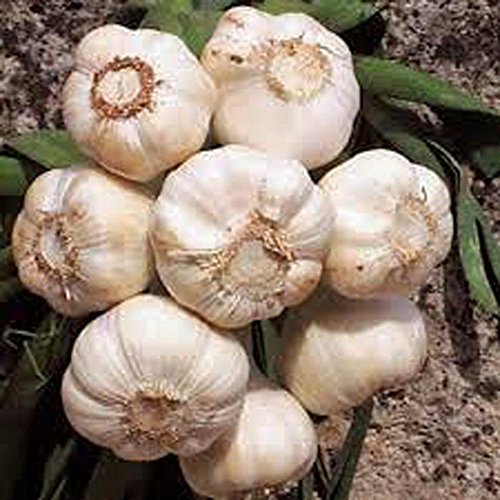
| 1 teaspoon | garlic | minced, for aroma |
| 1 teaspoon | ginger | grated, adds spice |


Preparation Methods
Velveting: Velveting is a technique used to tenderize meat by marinating it in cornstarch and egg white. This creates a protective coating that keeps the meat juicy. To master this, ensure the meat is evenly coated and allow it to rest for at least 15 minutes before cooking.
Blanching Vegetables: Blanching involves quickly boiling vegetables and then plunging them into ice water. This locks in color and texture. For best results, do not overcook the vegetables, and transfer them to ice water immediately.
Stir-Frying: Stir-frying requires cooking ingredients quickly in a hot wok. The technique ensures even cooking and keeps vegetables crisp. Use high heat and keep the ingredients moving to prevent burning.


Step 1: Prepare Ingredients

Gather all ingredients and ensure they are prepped according to the list.
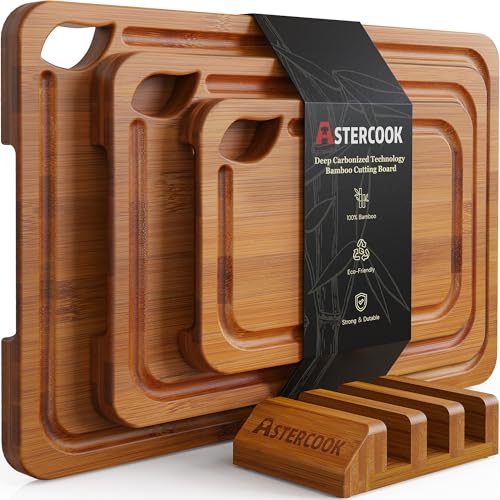
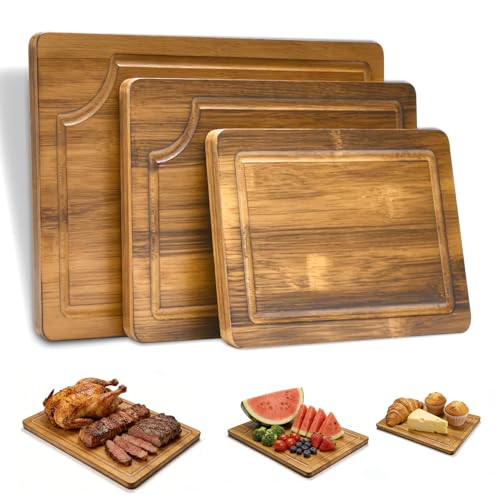
Slice the chicken into thin strips and set aside.
Julienne the carrot and shred the cabbage for even cooking.
Measure out the sauce ingredients to streamline the cooking process.

Step 2: Velvet the Chicken
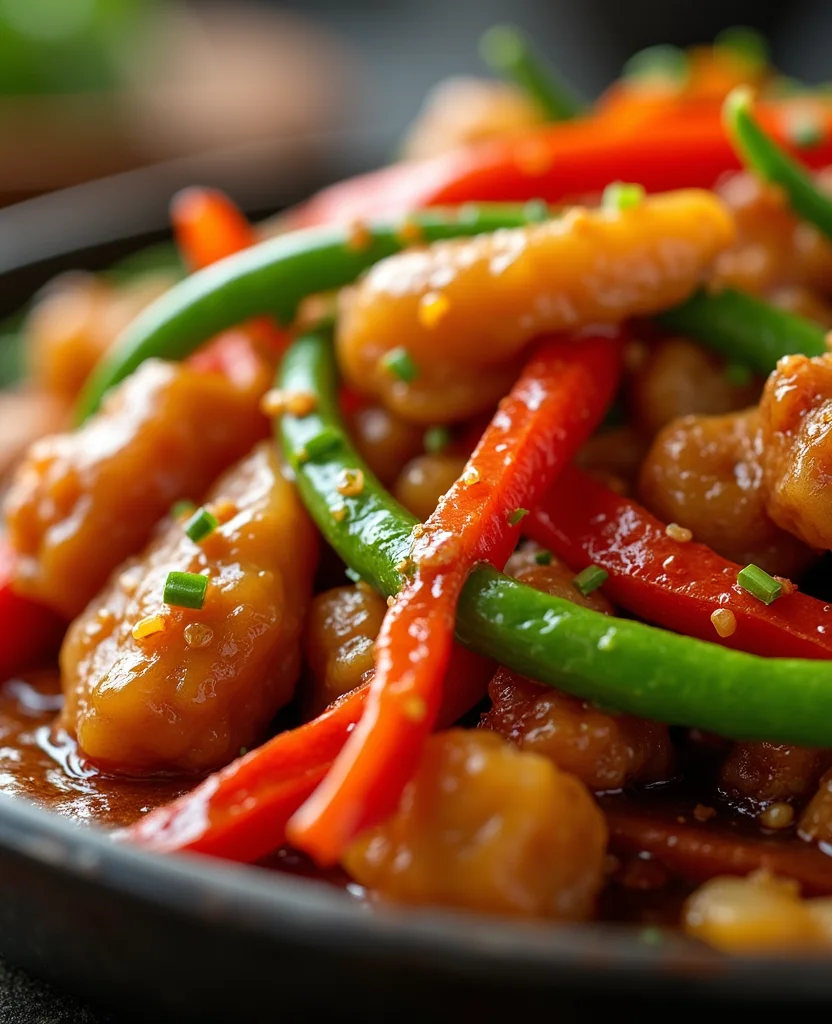
Combine sliced chicken with cornstarch and a little water in a bowl.
Mix well until the chicken is evenly coated.
Let it rest for 15 minutes to tenderize.
Ensure all pieces are covered to maintain juiciness during cooking.
Step 3: Blanch Vegetables
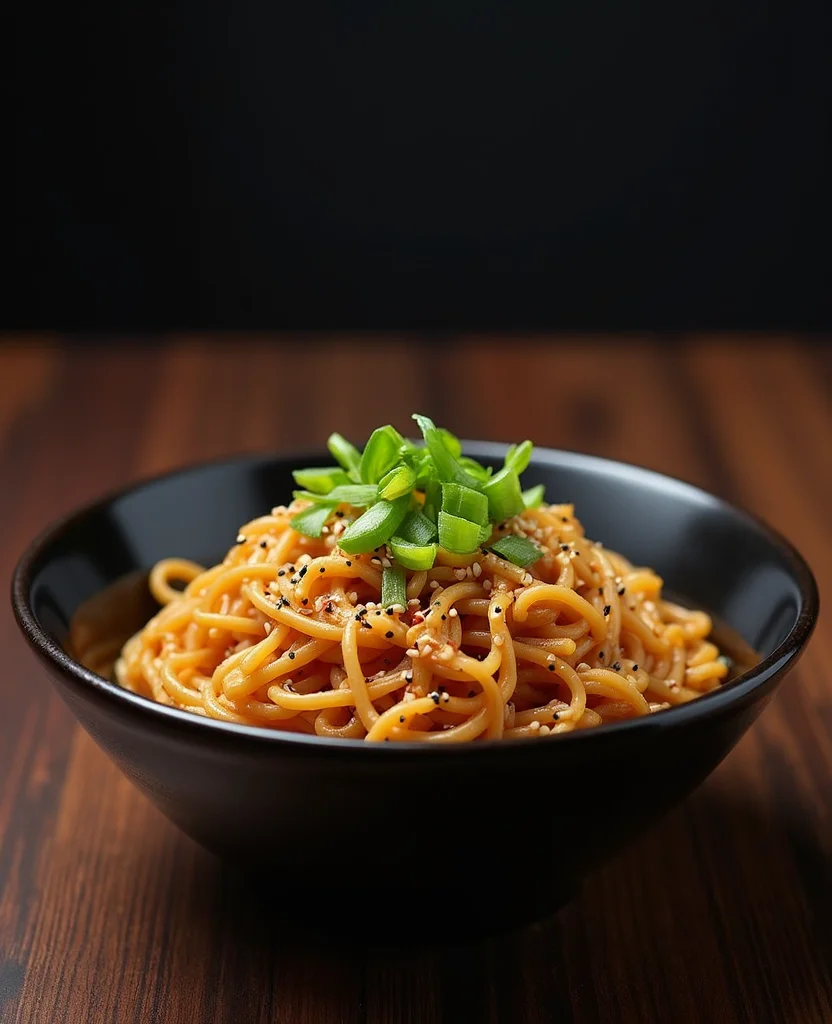
Bring a pot of water to a boil over high heat.
Add the carrots and cabbage and blanch for 1 minute.
Quickly transfer the vegetables to a bowl of ice water to halt cooking.
Drain and set aside to maintain their crisp texture.
Step 4: Stir-Fry the Chicken
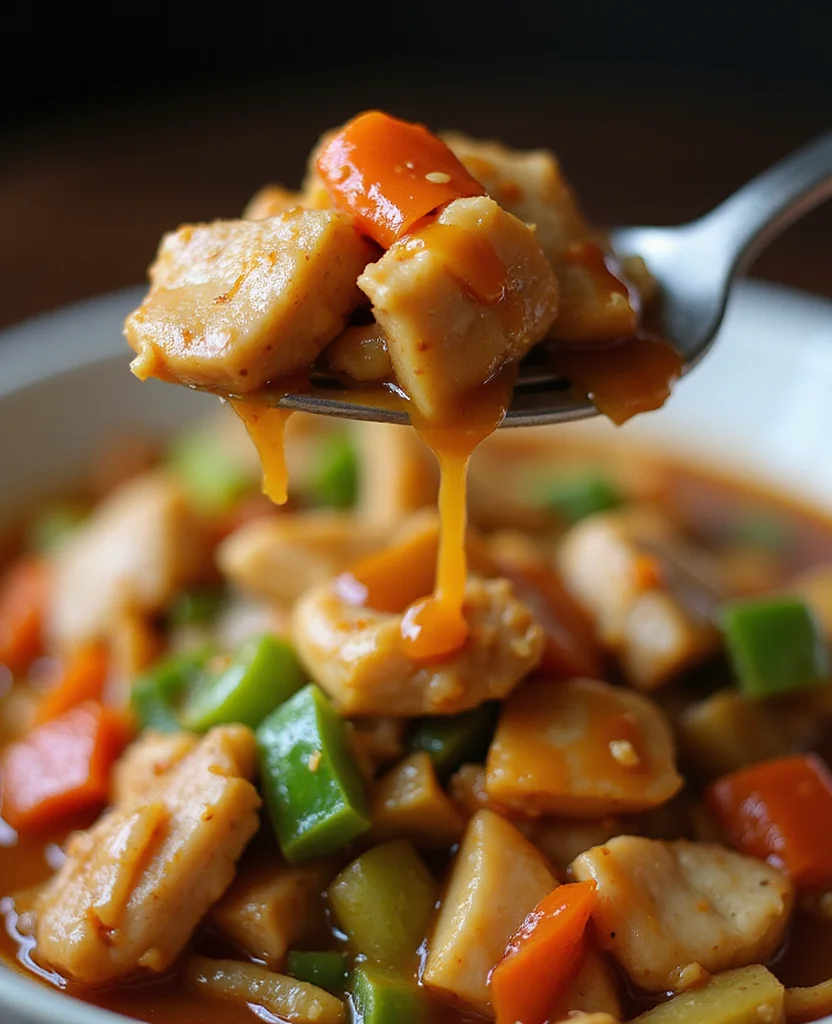
Heat 1 tablespoon of oil in a wok over high heat.
Add the velveted chicken and stir-fry until just cooked.
Ensure the pieces are golden and opaque.
Remove the chicken from the wok and set aside to add later.
Step 5: Cook the Aromatics
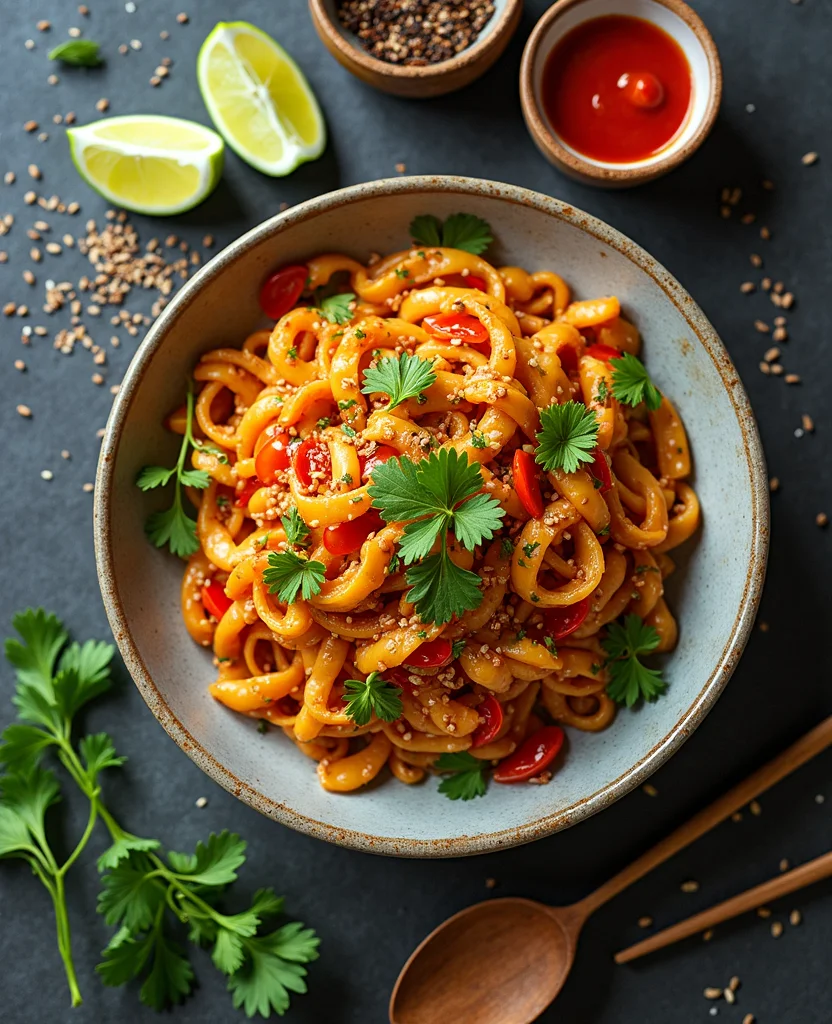
Add the remaining oil to the wok and heat over medium-high.
Add garlic and ginger, stirring until fragrant.
Cook for about 30 seconds, avoiding any burning.
Ensure the aromatics release their oils for flavor.
Step 6: Add Vegetables
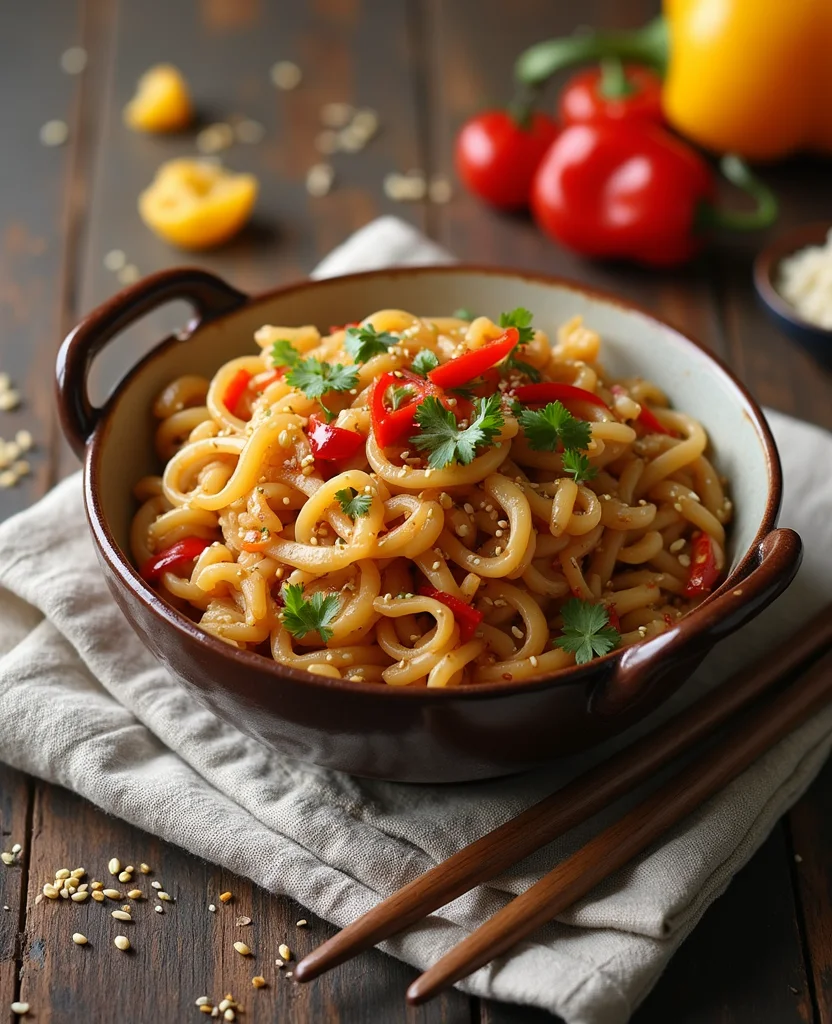
Increase heat to high and add the blanched vegetables to the wok.
Stir-fry the vegetables for 2 minutes until they are hot and slightly tender.
Ensure they remain bright and crisp.
Avoid overcrowding the wok for even cooking.
Step 7: Combine with Sauce

In a small bowl, mix soy sauce, oyster sauce, and cornstarch.
Pour the sauce over the vegetables in the wok.
Stir thoroughly to coat everything evenly.
Allow the sauce to thicken slightly for a glossy finish.


Step 8: Final Assembly
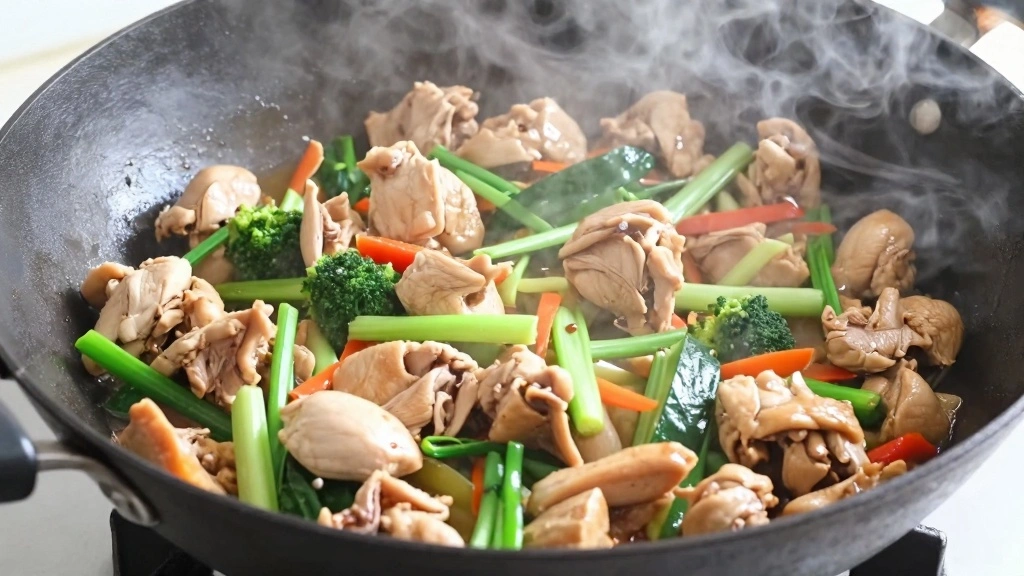
Return the cooked chicken to the wok.
Mix it with the vegetables and sauce until heated through.
Ensure the chicken is evenly distributed among the vegetables.
Taste and adjust the seasoning if needed before serving.
Critical Timing and Temperature Guide
Velveting Chicken: Allow the chicken to velvet for at least 15 minutes at room temperature. Check for an even coating before proceeding.
Blanching Vegetables: Boil vegetables for no more than 1 minute. Look for bright colors and tender-crisp texture. Avoid overcooking, which leads to mushy vegetables.
Stir-Frying: Ensure the wok is hot before adding ingredients. Cook chicken until just opaque. Watch for golden edges as a sign of doneness.
Pro Tips for Chinese Chop Suey
• Ingredient Selection: Choose fresh, crisp vegetables and high-quality chicken for the best flavor and texture.
• Preparation Secret: Marinating the chicken in cornstarch keeps it tender and juicy throughout cooking.
• Temperature Management: Keep the wok hot for quick cooking and to prevent steaming instead of stir-frying.
• Texture Enhancement: Blanch vegetables briefly to maintain crispness when stir-fried.
• Flavor Layering: Use a combination of soy sauce and oyster sauce for depth and umami.
• Make-Ahead Strategies: Prep vegetables and marinate chicken a day ahead. Store in airtight containers in the fridge.
• Restaurant-Quality Finishing Touches: Garnish with fresh scallions or sesame seeds for added flair.
• Equipment Optimization: Preheat the wok thoroughly before adding oil for even cooking.


Troubleshooting Common Issues
• Chicken Too Dry: This happens when overcooked. Velvet properly and cook just until opaque.
• Vegetables Too Soft: Avoid over-blanching and ensure quick, high-heat stir-frying.
• Sauce Too Thin: Increase cornstarch in the sauce for better thickening.
• Flavors Unbalanced: Adjust soy sauce and oyster sauce to taste, adding a pinch of salt if needed.
• Wok Not Hot Enough: Preheat thoroughly before adding ingredients to achieve a proper stir-fry.
Variations and Regional Differences
• American-Chinese Style: Often includes more soy sauce and sugar for a sweeter profile.
• Vegetarian Variation: Replace chicken with tofu or tempeh and increase vegetable variety.
• Cantonese Style: Uses light soy sauce and features more seafood elements.
• Szechuan Variation: Adds chili peppers for a spicy kick, reflecting the bold flavors of the region.


Food Science Behind the Recipe
• Maillard Reaction: Occurs when stir-frying chicken, creating browning and flavor development.
• Starch Gelatinization: Cornstarch thickens the sauce, giving it body and glossiness.
• Texture Contrast: Combining blanched vegetables with stir-fried elements highlights different textures.
Frequently Asked Questions
What's the most common mistake people make when preparing Chop Suey? Overcooking the vegetables, which leads to a mushy texture.
Can I use a different protein? Yes, beef, pork, or shrimp can be used as alternatives to chicken.
How do I store leftovers? Store in an airtight container in the refrigerator for up to 3 days.
Can I make this dish gluten-free? Use tamari instead of soy sauce to make it gluten-free.
What vegetables work best for Chop Suey? Cabbage, bean sprouts, and bell peppers are ideal for texture and flavor.
Is it okay to use frozen vegetables? Fresh vegetables are preferred for texture, but frozen can be used in a pinch.
How can I make the dish spicier? Add chili flakes or fresh sliced chilies to the stir-fry for heat.
Serving and Presentation Guide
• Traditional Presentation: Serve in a deep dish with rice on the side.
• Family Style: Present in a large platter for sharing at the table.
• Bento Box: Include as part of a bento box with other Chinese dishes.
• Single Serving: Serve in individual bowls with chopsticks for an authentic experience.


Conclusion
Chinese Chop Suey is a dish that brings together vibrant flavors and textures in a delightful way.
With this recipe, you'll be able to recreate a takeout classic right at home with ease.
Don't hesitate to experiment with your favorite ingredients to make it your own.