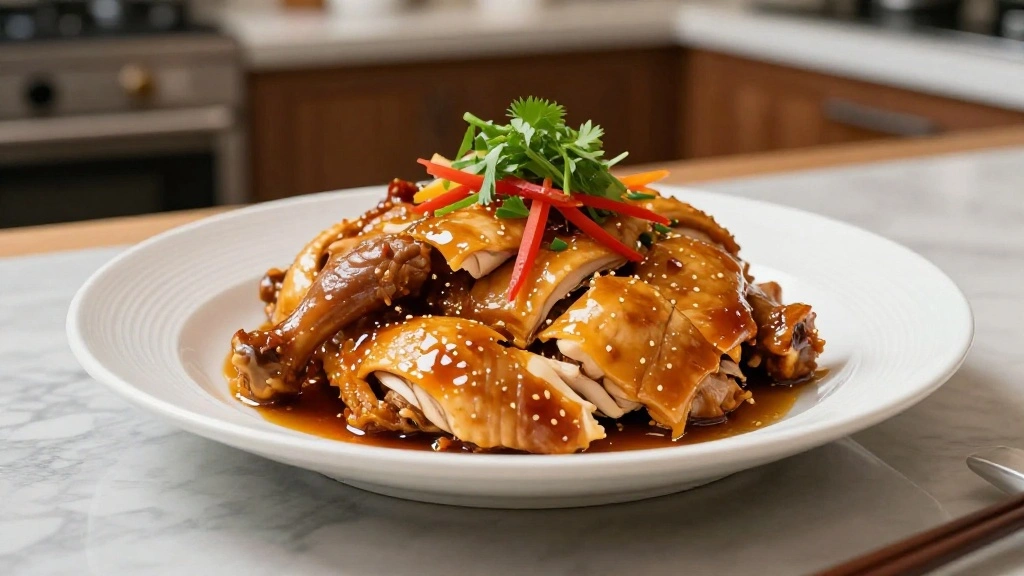

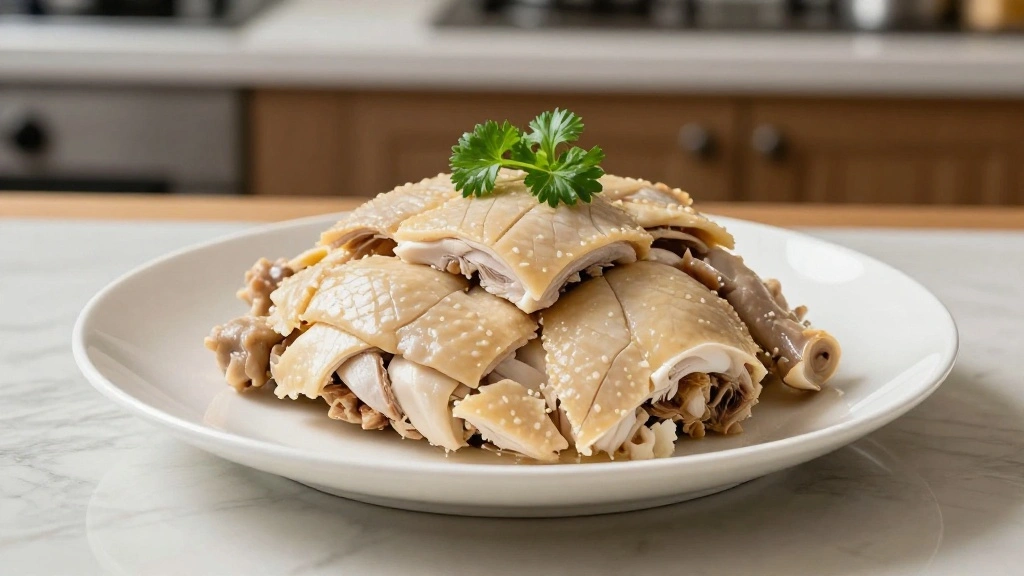


This classic Chinese White Cut Chicken brings together centuries of culinary tradition with modern techniques to create a dish that’s both comforting and elegant.
The harmonious balance of subtle flavors and tender, juicy chicken creates a memorable dining experience that will have everyone asking for your secret.
I discovered this recipe during my travels through Guangdong, where local chefs have perfected it through generations of careful refinement.
Whether you’re preparing a casual family dinner or hosting a special celebration, this Bai Qie Ji delivers impressive results with straightforward preparation.
The History and Cultural Significance
• Chinese White Cut Chicken traces its origins to Guangdong province, where it was originally created by Cantonese chefs.
• The dish evolved over decades as new techniques like ice bathing were introduced, eventually becoming the beloved version we know today.
• In Cantonese culture, this dish traditionally appears at banquets and celebrations, symbolizing purity and prosperity.
• While many variations exist across different regions, the authentic version maintains a delicate poaching method that sets it apart from imitations.
Recipe Overview
Nutritional Information (per serving)
Essential Equipment Guide
Large Pot: A large pot is crucial for simmering the chicken evenly, ensuring it cooks through without over-boiling. Alternatives might include a Dutch oven or stock pot, but ensure it has a tight-fitting lid.
Meat Thermometer: This tool is important for ensuring the chicken reaches the perfect internal temperature for safety and juiciness. Look for digital models for precise readings.
Ice Bath: A large bowl or container is necessary to cool the chicken quickly, stopping the cooking and preserving tenderness. Ensure it’s large enough to submerge the chicken fully.


Ingredients
For the Chicken
|
|
| Amount | Ingredient | Notes |
|---|---|---|
| 1 whole | chicken | about 3-4 pounds, cleaned and trimmed |
| 10 cups | water | for poaching |
| 2 tablespoons | salt | for seasoning |
Seasonings
| Amount | Ingredient | Notes |
|---|---|---|
| 4 slices | ginger | adds warmth and fragrance |
| 4 stalks | scallions | cut into large pieces for aromatic flavor |
| 2 tablespoons | sesame oil | for brushing the chicken |
For the Dipping Sauce
| Amount | Ingredient | Notes |
|---|---|---|
| 1 tablespoon | ginger | finely grated for spice |
| 2 tablespoons | scallions | minced for freshness |
| 3 tablespoons | soy sauce | for umami depth |
| 1 teaspoon | sugar | balances the saltiness |


Preparation Methods
Poaching: Poaching is a gentle cooking technique that uses simmering water to cook food delicately. It's crucial for this dish to maintain the chicken's juiciness and subtle flavors. Mastering this involves keeping the water at a steady temperature just below boiling.
Ice Bath: This technique involves submerging cooked food in ice water to halt cooking instantly. It keeps the chicken skin taut and texture perfect. Ensure the bath is prepared in advance to transfer the chicken immediately.
Slicing: Proper slicing ensures even pieces that showcase the tender meat. Use a sharp knife and slice the chicken against the grain for the best texture.

Step 1: Prepare Ingredients
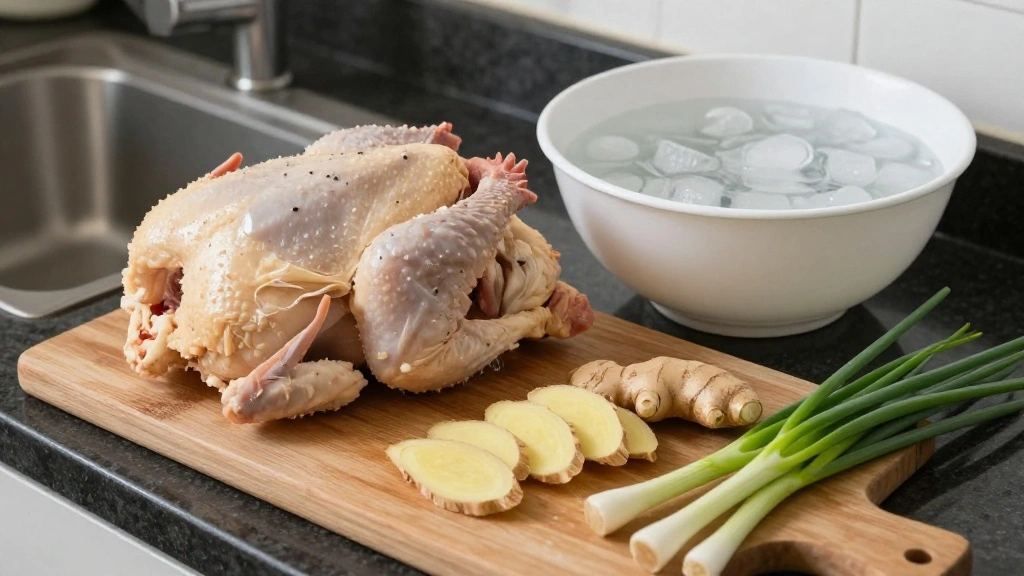
Gather all ingredients and equipment.
Clean and trim the chicken, removing any excess fat.
Slice ginger and cut scallions into large pieces.
Set up an ice bath with a large bowl of ice water.


Step 2: Poach the Chicken
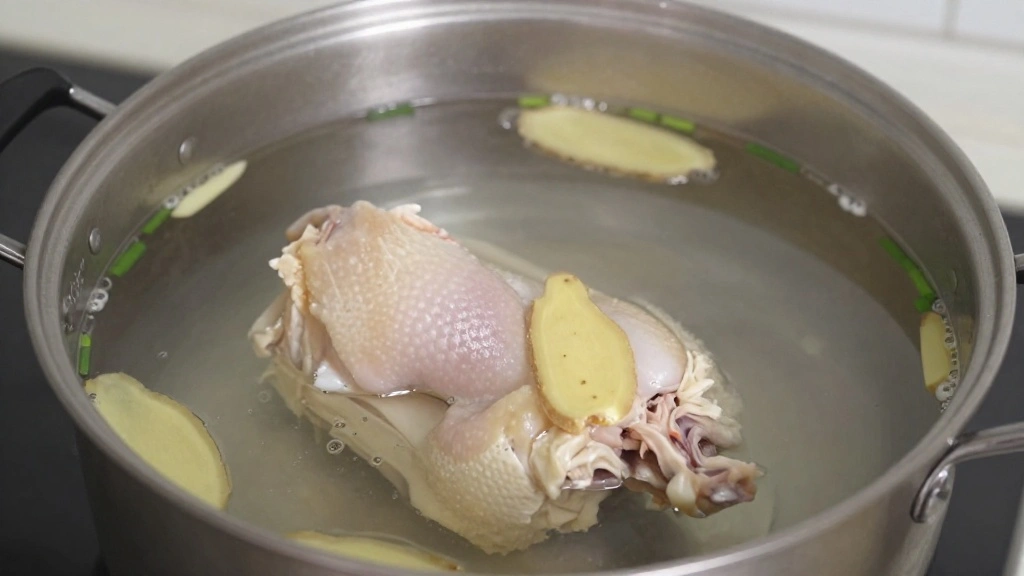
Fill a large pot with 10 cups of water and bring to a gentle simmer.
Add salt, ginger slices, and scallions to the water.
Gently lower the chicken into the pot, breast side up.
Cover the pot and maintain a gentle simmer for 30-40 minutes.
Step 3: Check Doneness
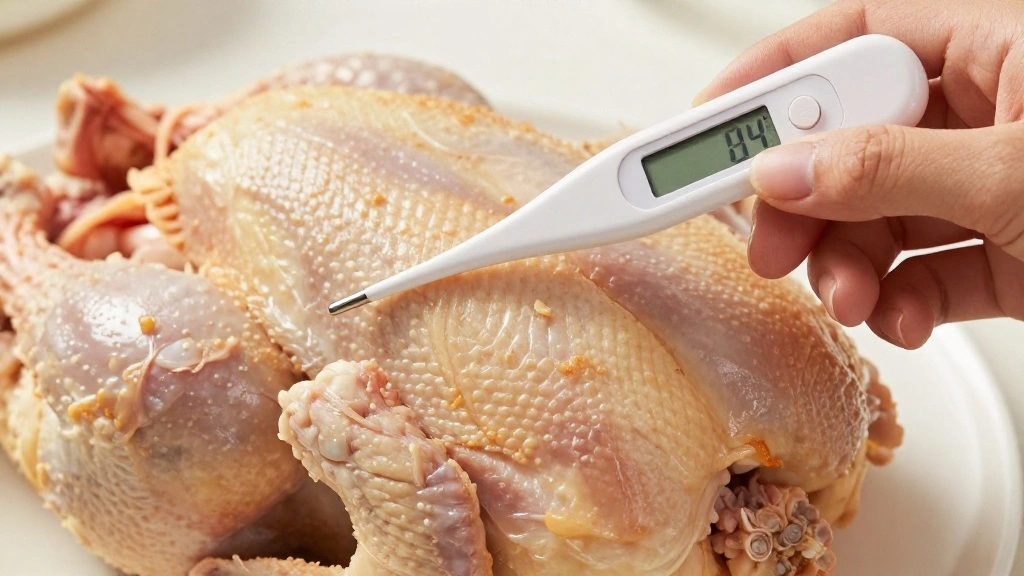
Use a meat thermometer to check the chicken's internal temperature.
Ensure it reaches at least 165°F in the thickest part.
If needed, continue simmering for a few more minutes.
Avoid overcooking, which can dry out the meat.
Step 4: Transfer to Ice Bath
Carefully remove the chicken from the pot using tongs.
Immediately submerge the chicken in the prepared ice bath.
Let it cool completely in the ice bath.
This step stops the cooking process and firms up the skin.
Step 5: Prepare Dipping Sauce
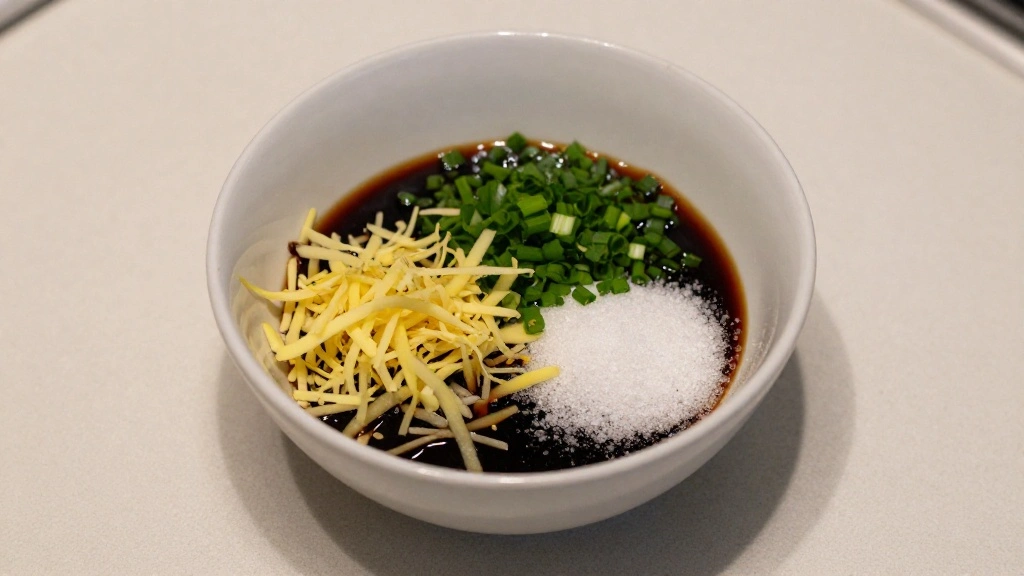
While the chicken cools, prepare the dipping sauce.
Combine grated ginger, minced scallions, soy sauce, and sugar in a bowl.
Mix until the sugar is fully dissolved.
Set aside for serving.


Step 6: Remove and Dry Chicken
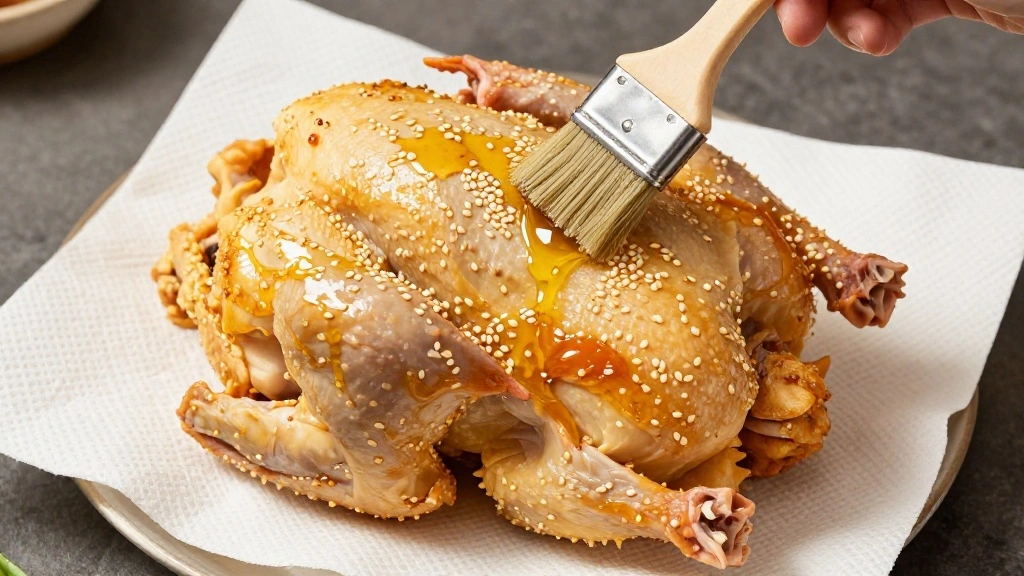
After cooling, remove the chicken from the ice bath.
Pat dry with paper towels to remove excess water.
Brush the skin with sesame oil for a glossy finish.
This adds flavor and enhances appearance.
Step 7: Slice the Chicken
Place the chicken on a cutting board.
Use a sharp knife to carefully slice the chicken against the grain.
Aim for even slices to ensure a consistent texture.
Arrange the slices on a serving platter.
Step 8: Serve
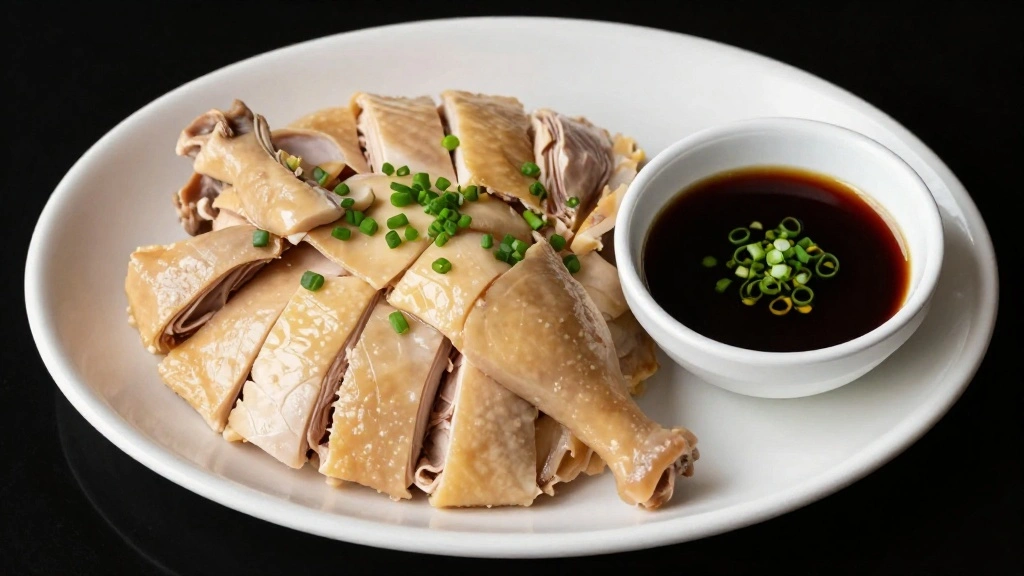
Serve the sliced chicken with the prepared dipping sauce.
Arrange garnishes like extra scallions for color.
Ensure the chicken is at room temperature for optimal flavor.
Enjoy the dish with steamed rice or side vegetables.
Critical Timing and Temperature Guide
Poaching: Maintain a water temperature just below boiling, about 180°F, to ensure gentle cooking. Avoid rapid boiling, which can toughen the meat.
Ice Bath: Transfer the chicken to the ice bath within 1-2 minutes after removing from the pot to stop cooking immediately. Ensure the ice is sufficient to cool the chicken rapidly.
Serving Temperature: Allow the chicken to come to room temperature before serving for the best flavor and texture. Do not serve straight from the fridge.
Pro Tips for Chinese White Cut
• Ingredient Selection: Choose a fresh, high-quality chicken for the best results, as the simplicity of the recipe emphasizes the natural flavor of the meat.
• Preparation Secret: Ice bathing the chicken is crucial for maintaining the skin's texture and halting the cooking process immediately.
• Temperature Management: Keep the poaching liquid at a consistent temperature just below boiling to ensure tender meat.
• Texture Enhancement: Slicing against the grain creates a tender bite and enhances the overall texture.
• Flavor Layering: Use fresh ginger and scallions to infuse the poaching liquid with aromatic depth, which subtly flavors the chicken.
• Make-Ahead Strategies: Prepare the dipping sauce up to a day in advance and store it in the refrigerator to save time and enhance flavor integration.
• Restaurant-Quality Finishing Touches: Brush the chicken with sesame oil for a glossy, fragrant finish that adds a professional touch.
• Equipment Optimization: Use a large enough pot to allow the chicken to be fully submerged and cook evenly.


Troubleshooting Common Issues
• Overcooked Chicken: This occurs if the water is boiled too vigorously. Keep the water at a gentle simmer and use a thermometer to monitor the temperature.
• Rubbery Skin: Caused by inadequate cooling. Ensure the ice bath is prepared in advance to cool the chicken immediately after poaching.
• Flavorless Meat: Often due to under-seasoning. Ensure the poaching liquid is well-seasoned with salt and aromatics.
• Sauce Too Salty: Adjust by adding a little more sugar or diluting with a teaspoon of water to balance flavors.
• Dry Meat: Results from overcooking or failing to keep the chicken submerged. Ensure the chicken is fully submerged in the poaching liquid and monitor the cooking time closely.
Variations and Regional Differences
• Hainanese Variation: This version uses a more intensive broth with additional spices like star anise and cloves, served with a chili sauce.
• Cantonese Style: Features a lighter broth with emphasis on the natural chicken flavor, often accompanied by a ginger-scallion oil sauce.
• Hong Kong Twist: Incorporates a slightly sweet soy sauce glaze applied before serving, adding a different flavor profile.
• Singaporean Influence: Often served with fragrant jasmine rice cooked in chicken stock, enhancing the overall meal experience.


Food Science Behind the Recipe
• Poaching Principle: Poaching relies on convection currents to cook food gently, preserving moisture and tenderness, which is crucial for this delicate dish.
• Protein Denaturation: Cooking at low temperatures prevents proteins from contracting too rapidly, maintaining the meat's juiciness and texture.
• Flavor Infusion: Aromatics in the poaching liquid release volatile compounds that penetrate the chicken, subtly enhancing flavor without overpowering it.
Frequently Asked Questions
What's the most common mistake people make when preparing Chinese White Cut Chicken? Overcooking the chicken is the most common mistake. It's essential to monitor the temperature closely and use an ice bath to halt cooking immediately.
Can I use chicken parts instead of a whole chicken? Yes, you can use chicken parts like breasts or thighs, but adjust the poaching time to ensure even cooking.
How can I make the dipping sauce less salty? Add a touch of sugar or dilute with a teaspoon of water to balance the flavors without compromising taste.
Is it necessary to use an ice bath? The ice bath is crucial for stopping the cooking process and maintaining the chicken skin's texture.
Can I prepare the dish in advance? Yes, you can poach the chicken and store it in the refrigerator. Allow it to come to room temperature before serving for optimal flavor.
What can I serve alongside this dish? Traditional accompaniments include steamed jasmine rice and simple vegetable dishes like sautéed greens.
Can I add more spices to the poaching liquid? While the traditional recipe is subtly flavored, you can add spices like star anise or cloves for a different profile.
Serving and Presentation Guide
• Traditional Presentation: Arrange sliced chicken neatly on a large platter, with dipping sauce in small bowls on the side.
• Modern Style: Serve on individual plates with a drizzle of sesame oil and garnishes of fresh herbs for color.
• Family Style: Place the serving platter in the center of the table for communal sharing, alongside bowls of dipping sauce.
• Restaurant Presentation: Slice the chicken with precision and serve with a small mound of pickled vegetables for contrast.


Conclusion
Chinese White Cut Chicken is a celebration of simplicity and elegance in Chinese cuisine.
Its delicate flavors and tender texture make it a favorite on any table.
Try this recipe for a taste of Cantonese tradition that will delight your family and friends.