
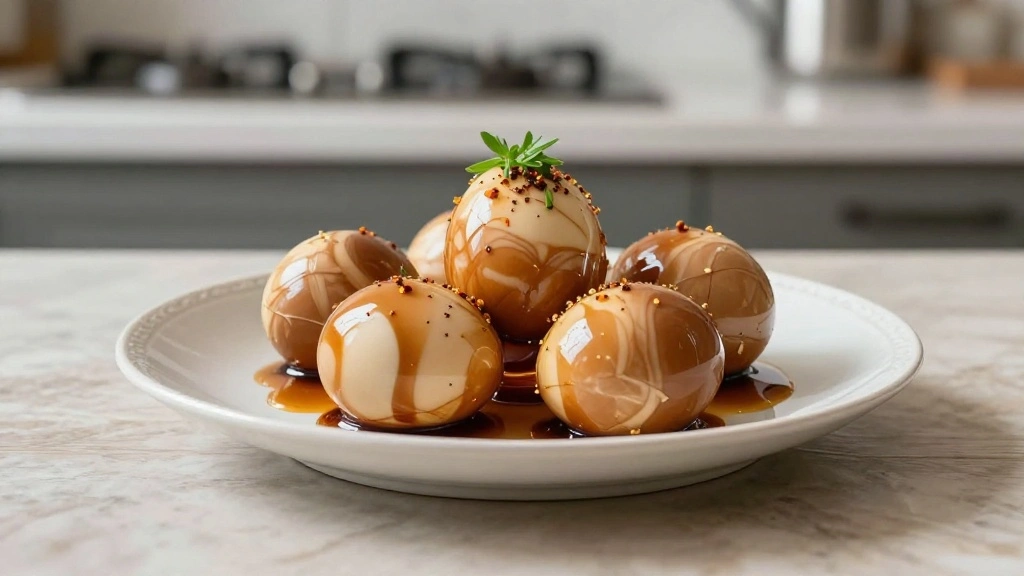


The art of making Chinese Tea Eggs combines the allure of marbling with the rich aroma of tea and spices.
Each egg is a work of art, showcasing intricate patterns against a backdrop of savory flavor.
I was first enchanted by these eggs during a visit to a bustling night market in Taiwan, where their unique appearance and taste left a lasting impression.
The delicate balance of soy sauce, star anise, and black tea makes for a snack that is both visually stunning and deliciously satisfying.
Ideal for a casual family gathering or as an elegant appetizer, these marbled eggs are sure to captivate any audience.
The History and Cultural Significance
• Chinese Tea Eggs trace their origins to ancient China, where they were originally created by street vendors as a flavorful snack.
• The dish evolved over decades as different regions added their own spices and teas, eventually becoming the beloved version we know today.
• In Chinese culture, this dish traditionally appears at New Year celebrations, symbolizing prosperity and the coming of good fortune.
• While many variations exist across different regions, the authentic version maintains the distinctive marbled pattern that sets it apart from imitations.


Recipe Overview
Nutritional Information (per serving)
Essential Equipment Guide
Medium Saucepan: Essential for boiling and simmering the eggs evenly. A saucepan with a thick base ensures steady heat distribution, which is vital for the marbling effect. Alternatives include a small pot or a deep skillet.
Slotted Spoon: Important for gently removing eggs from boiling water without breaking the shells. Look for one with a comfortable grip and wide slots. A fork can be used in a pinch, but with more risk of damage.
Knife or Fork: Used to gently crack the eggshells without removing them, which is crucial for the marbling effect. A small, lightweight knife is ideal, though a fork can serve as an alternative.


Ingredients
For the Base
|
|
| Amount | Ingredient | Notes |
|---|---|---|
| 6 large | eggs | free-range for best flavor |
| 5 cups | water | for boiling |
Seasonings
| Amount | Ingredient | Notes |
|---|---|---|
| 1/2 cup | soy sauce | for savory depth |
| 2 tablespoons | black tea leaves | or 2 tea bags for rich aroma |
| 1 stick | cinnamon | adds warmth and spice |
| 2 pieces | star anise | contributes a licorice note |
| 1 teaspoon | sugar | to balance flavors |
| 1 teaspoon | salt | enhances overall taste |
Preparation Methods
Cracking Technique: Gently cracking the eggshells allows the marbling effect to occur as the tea and soy sauce seep into the cracks. It is important to tap gently around the entire shell to create a web-like pattern without breaking the egg.
Simmering: Slow simmering ensures that the flavors have enough time to permeate the eggs. Maintaining a low heat prevents overcooking and rubbery textures. The key is to keep the liquid just below boiling.
Infusion: Allowing the eggs to sit in the tea mixture overnight enhances the flavor and deepens the marbling pattern. This requires patience but results in a more complex and visually appealing finish.

Step 1: Prepare Ingredients
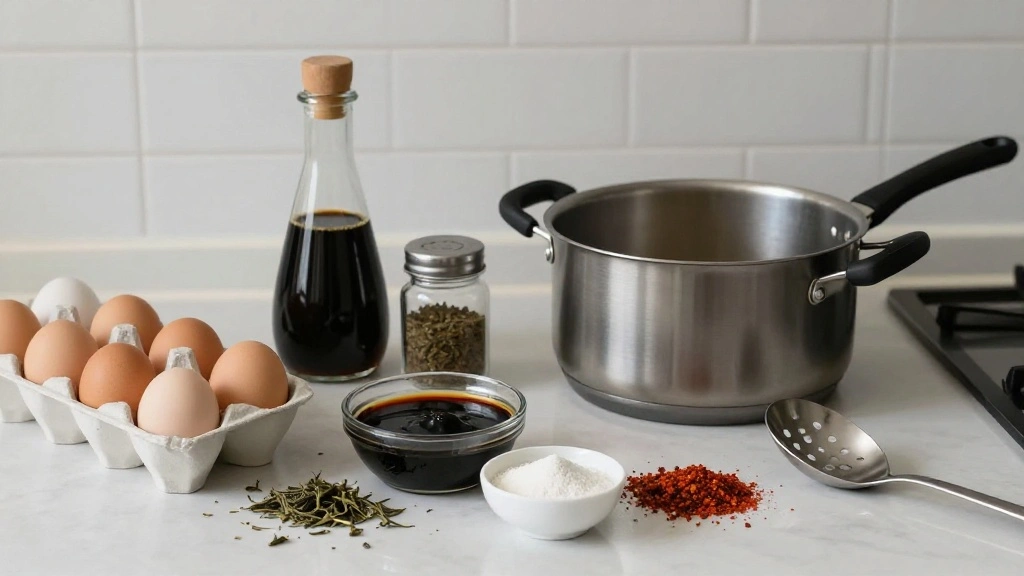
Gather all necessary ingredients and equipment.
Ensure eggs are at room temperature for even cooking.
Prepare and measure out the soy sauce, tea leaves, and spices.
Check that you have a medium saucepan and slotted spoon ready.


Step 2: Boil the Eggs
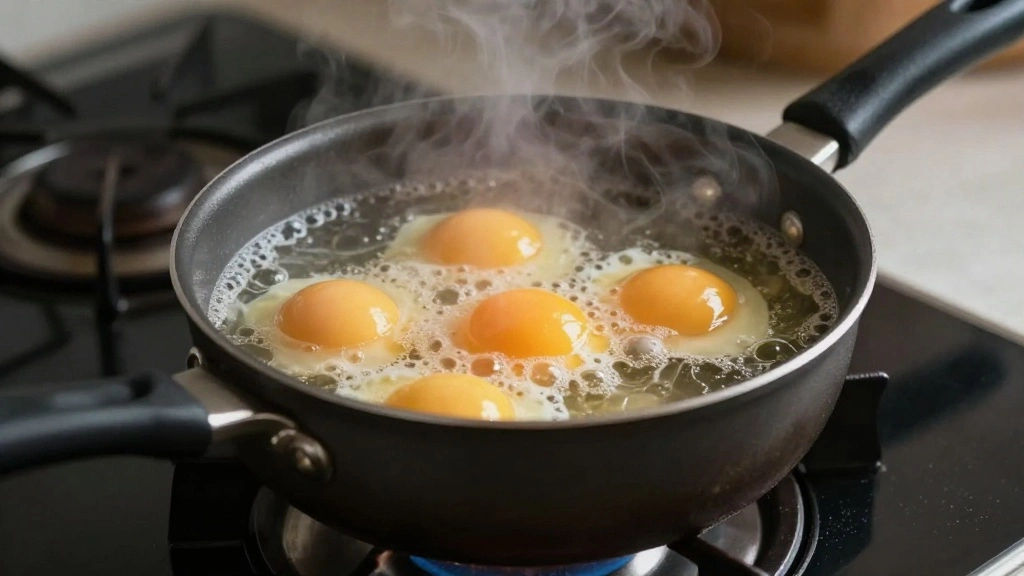
Place eggs in a medium saucepan and add water until fully covered.
Bring water to a boil over medium-high heat.
Once boiling, reduce heat and simmer for 8 minutes.
Remove from heat and transfer eggs to an ice bath immediately.
Step 3: Crack the Eggs
Use a slotted spoon to remove eggs from the ice bath.
Gently tap each egg with a knife or fork to crack the shell.
Ensure cracks cover the entire surface without breaking the membrane.
Set cracked eggs aside on a towel.
Step 4: Prepare the Tea Mixture
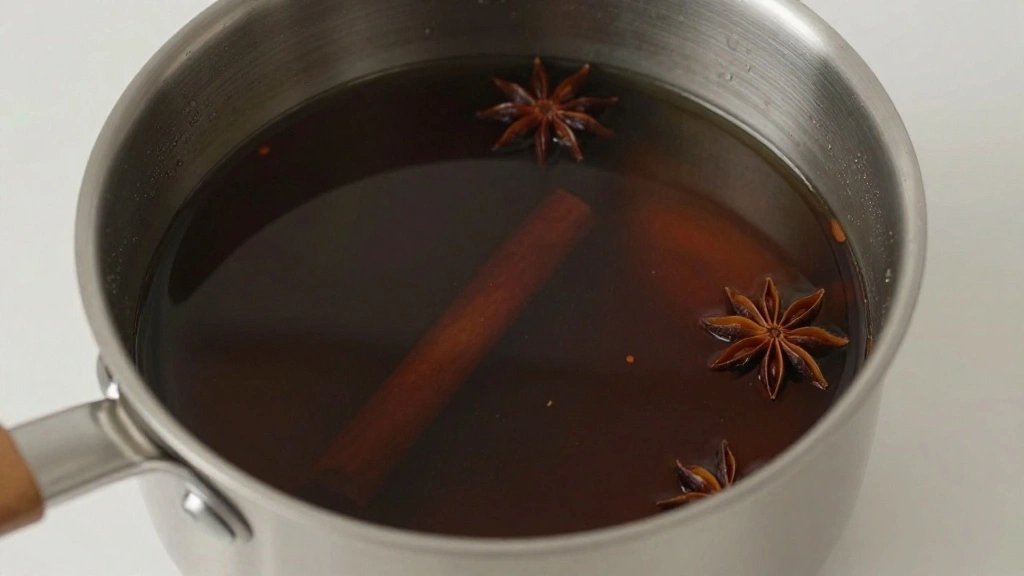
In the same saucepan, add soy sauce, tea leaves, cinnamon, star anise, sugar, and salt.
Pour in 3 cups of water and stir to combine.
Bring mixture to a simmer over medium heat.
Allow spices to infuse for 5 minutes.
Step 5: Simmer the Eggs in the Mixture
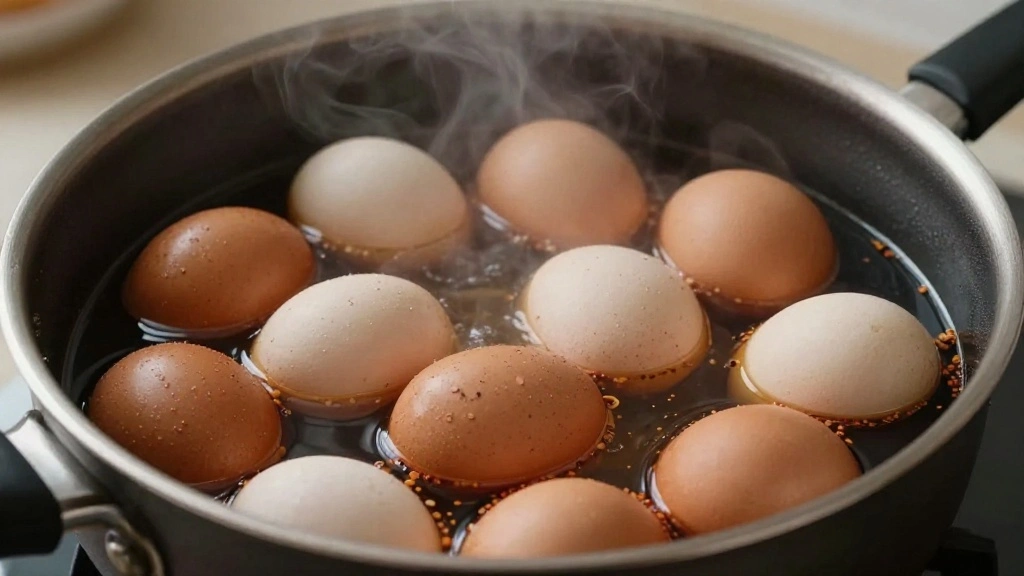
Return cracked eggs to the saucepan with the tea mixture.
Simmer on low heat for 30 minutes, ensuring gentle bubbles.
Stir occasionally to ensure even coloring.
Check that the eggs are submerged in the liquid.
Step 6: Infuse Overnight
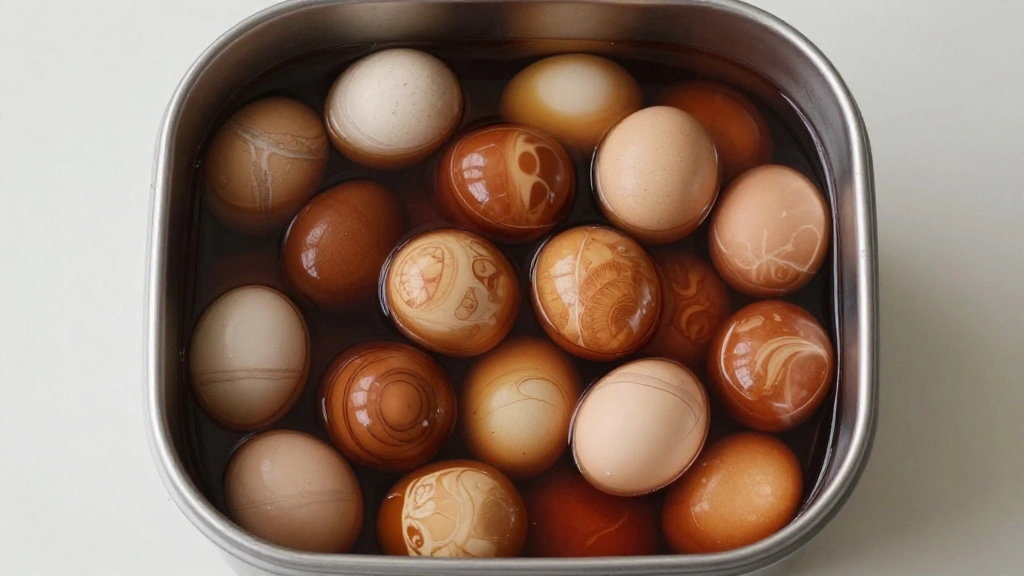
After simmering, remove the saucepan from heat.
Allow eggs to cool in the mixture for 1 hour.
Transfer eggs and liquid to a container with a lid.
Refrigerate overnight to deepen flavor and marbling.
Step 7: Peel and Serve
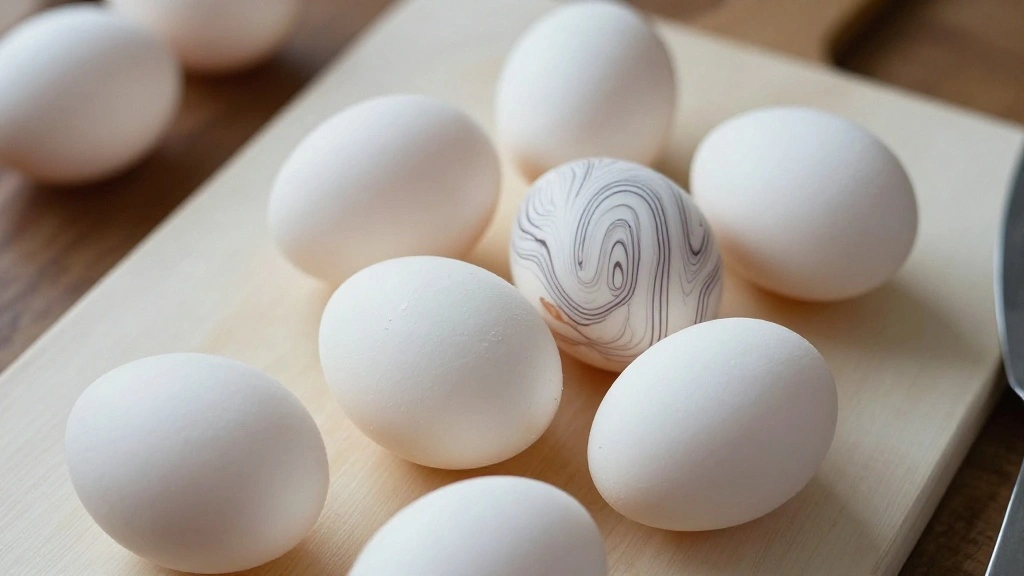
Remove eggs from the refrigerator the next day.
Peel eggs carefully to reveal marbled patterns.
Rinse under cool water to remove any shell fragments.
Slice in half and arrange on a serving plate.


Step 8: Garnish and Enjoy
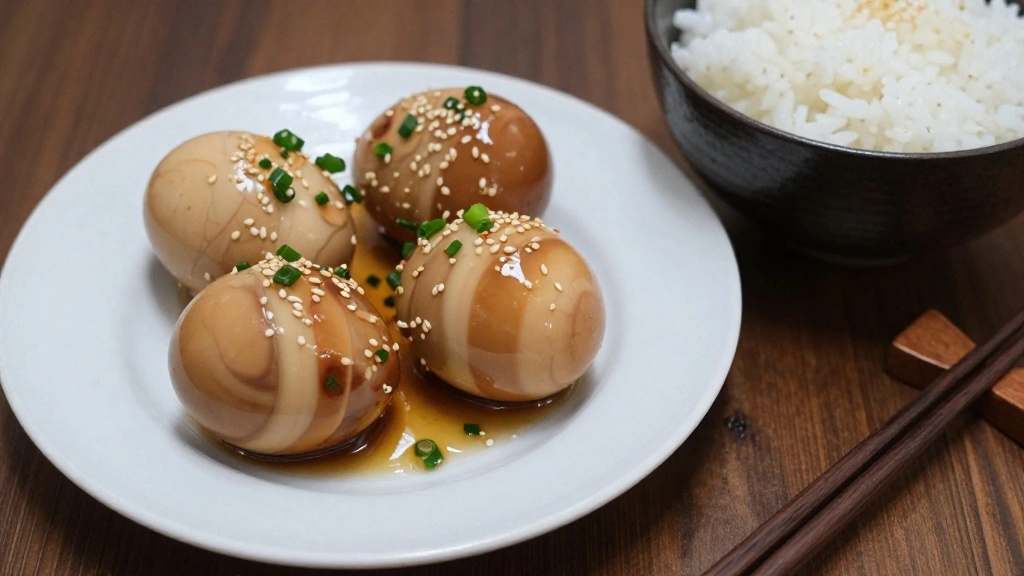
Optionally, garnish eggs with sesame seeds or chopped scallions.
Serve eggs warm or cold according to preference.
Pair with rice or noodles for a complete meal.
Enjoy the complex flavors and stunning presentation.


Critical Timing and Temperature Guide
Boiling the Eggs: Boil eggs for exactly 8 minutes at a gentle simmer. Look for small bubbles and avoid rapid boiling to prevent overcooking.
Simmering in Tea Mixture: Simmer at low heat for 30 minutes. Ensure liquid is bubbling gently, not boiling, to achieve proper infusion.
Infusion Time: Refrigerate for at least 8 hours or overnight. The longer it infuses, the richer the flavor and the more defined the marbling.
Pro Tips for Chinese Tea Eggs
• Ingredient Selection: Choose high-quality soy sauce and fresh spices for the best infusion of flavors. Black tea leaves offer a more robust taste than tea bags.
• Preparation Secret: Gently rolling the cracked eggs between your palms helps spread the cracks evenly.
• Temperature Management: Use room temperature eggs to prevent cracking during boiling and ensure even cooking.
• Texture Enhancement: Allow eggs to cool slowly in the mixture to avoid rubbery whites and achieve a tender texture.
• Flavor Layering: Simmering spices in the tea mixture before adding eggs enhances the depth of flavor.
• Make-Ahead Strategies: Prepare eggs up to 3 days in advance and store in the soy-tea liquid to intensify flavor.
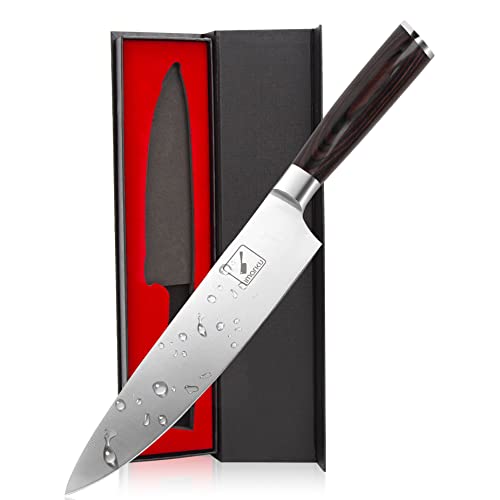
• Restaurant-Quality Finishing Touches: Slice eggs neatly with a sharp knife for clean, professional presentation.
• Equipment Optimization: A heavy-based saucepan ensures even heat distribution, crucial for consistent marbling.
Troubleshooting Common Issues
• Texture Too Dense: Caused by overcooking. Ensure a gentle simmer and watch the timing closely.
• Flavors Unbalanced: Can happen if spices are not measured accurately. Use a precise measuring spoon.
• Eggs Too Dark: Results from prolonged infusion. Reduce time in the soy-tea liquid if a lighter color is desired.
• Shell Sticks to Egg: Often due to insufficient cooling. Ensure a thorough ice bath immediately after boiling.
• Marbling Not Visible: Inadequate cracking or insufficient infusion time. Ensure thorough but gentle cracking and adequate marbling time.
Variations and Regional Differences
• Hong Kong Style: Uses pu-erh tea and a hint of orange peel, giving a deeper, citrus-infused flavor.
• Taiwanese Version: Often includes rice wine and a bit of ginger for added warmth and complexity.
• Malaysian Adaptation: Incorporates pandan leaves for a subtle, sweet aroma unique to Southeast Asia.
• Sichuan Influence: Adds Sichuan peppercorns for a mouth-numbing, spicy twist.
Food Science Behind the Recipe
• Protein Denaturation: Boiling causes egg proteins to unfold and bond, creating firm whites and yolks. Controlled heat prevents rubberiness.
• Flavor Infusion: The cracked shell allows the marinade to penetrate the egg, creating marbling and flavor layers through osmosis.
• Maillard Reaction: The simmering process slightly browns the soy sauce, adding depth to the flavor profile.
Frequently Asked Questions
What's the most common mistake people make when preparing Chinese Tea Eggs? Overcooking the eggs and not allowing enough time for the flavors to infuse are the most common errors.
Can I use different types of tea? Yes, you can experiment with green or jasmine tea for a lighter flavor, but black tea is traditional.
How long can I store these eggs? Properly stored in the fridge, they can last up to 5 days in their liquid.
What kind of soy sauce should I use? Use a high-quality Chinese light soy sauce for authentic flavor.
Are these eggs supposed to be served cold or warm? They can be served either way, depending on preference.
Can I skip the star anise if I don't like it? Yes, but it will alter the traditional flavor profile slightly.
Can I make a larger batch? Yes, just ensure the eggs are fully submerged in the marinade.
Serving and Presentation Guide
• Traditional Presentation: Serve sliced in halves on a decorative plate, garnished with fresh herbs.
• Appetizer Platter: Arrange on a wooden board with fresh vegetables and dipping sauces.
• Party Skewers: Present halved eggs on small skewers for easy handling at gatherings.
• Modern Twist: Serve atop a bowl of ramen for a contemporary presentation.
Conclusion
Chinese Tea Eggs are a testament to the beauty of simplicity and the power of flavor.
With a few ingredients and some patience, you can create a dish that is both visually and gastronomically stunning.
I encourage you to try this recipe and experience the magic of marbled eggs for yourself.