
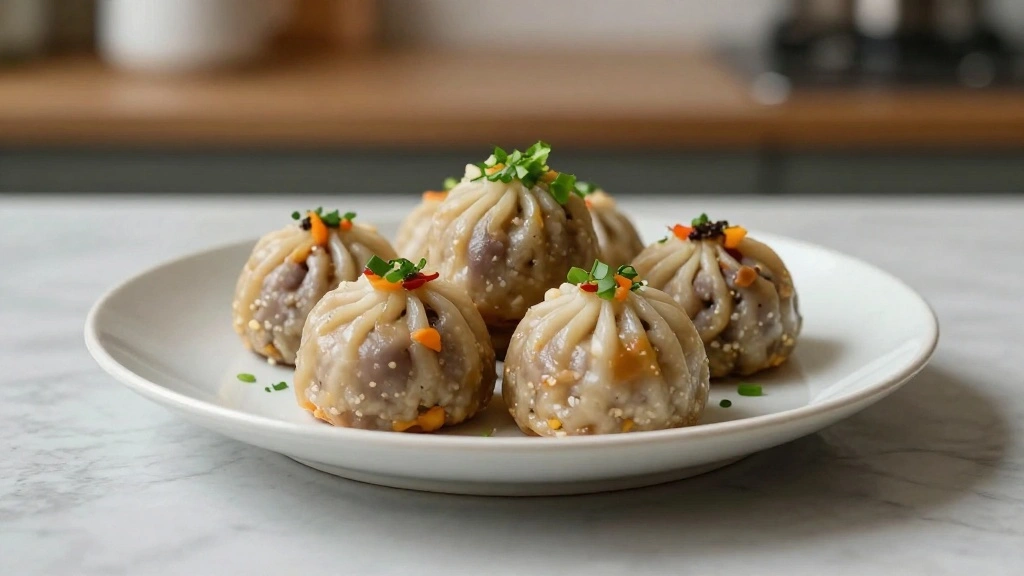


The savory and aromatic Chinese Taro Cake is a dim sum favorite that brings comfort and delight to any occasion.
With its soft, slightly chewy texture and rich umami flavor, it’s a dish that stands out in any dim sum spread.
I first encountered this dish in a bustling Hong Kong tea house, where its enticing aroma and unique taste left a lasting impression.
Whether served as part of a brunch buffet or as a special treat for Lunar New Year, Chinese Taro Cake is always a crowd-pleaser with its simple yet sophisticated preparation.
The History and Cultural Significance
• Chinese Taro Cake traces its origins to southern China during the Tang Dynasty, where it was originally created as a humble street food.
• The dish evolved over decades as chefs began to incorporate dried shrimp and Chinese sausage, adding complexity and richness to the flavor.
• In Chinese culture, this dish traditionally appears at Lunar New Year celebrations, symbolizing prosperity and good fortune.
• While many variations exist across different regions, the authentic version maintains its distinctive taro flavor and firm, sliceable texture that sets it apart from imitations.


Recipe Overview
Nutritional Information (per serving)


Essential Equipment Guide
Steamer: A steamer is crucial for cooking the taro cake evenly without drying it out. Alternatives include a bamboo steamer or a metal steaming rack. Look for a steamer that fits your pot snugly to ensure even heat distribution.
Non-stick Skillet: A non-stick skillet is essential for frying the cake slices to a perfect golden brown. An alternative is a well-seasoned cast iron skillet. Ensure the surface is smooth and even for consistent results.
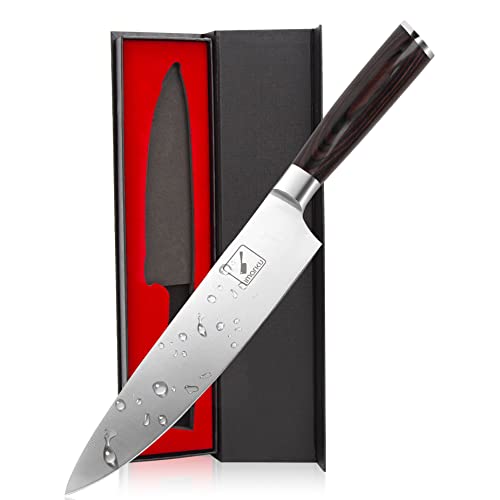
Sharp Knife: A sharp knife is important for cleanly slicing the cake after it’s steamed. A serrated knife can be an alternative. Look for a knife with a comfortable grip and a sharp blade to ensure precise cuts.


Ingredients
For the Base
|
| Amount | Ingredient | Notes |
|---|---|---|
| 1 pound | taro root | peeled and grated |
| 2 cups | rice flour | provides structure |
| 2 cups | water | for mixing with flour |
Vegetables
| Amount | Ingredient | Notes |
|---|---|---|
| 1 cup | shiitake mushrooms | soaked and diced |
| 1 cup | scallions | chopped, for freshness |
Seasonings
| Amount | Ingredient | Notes |
|---|---|---|
| 2 tablespoons | soy sauce | adds umami |
| 1 teaspoon | sugar | balances flavors |
| 1 teaspoon | white pepper | adds subtle heat |


Preparation Methods
Grating Taro: Grating taro finely is crucial for the cake's texture, allowing it to bind well with the rice flour mixture. Use a box grater and work carefully to avoid injury. The finer the taro, the smoother the cake texture.
Soaking Mushrooms: Soaking dried mushrooms rehydrates them and enhances their flavor. Use hot water and let them sit for at least 20 minutes. Ensure they're fully softened before chopping.
Steaming: Steaming the cake ensures it cooks evenly and retains moisture. Use a high heat setting and cover the steamer with a lid. Check for doneness by pressing the cake; it should feel firm and springy.

Step 1: Prepare Ingredients
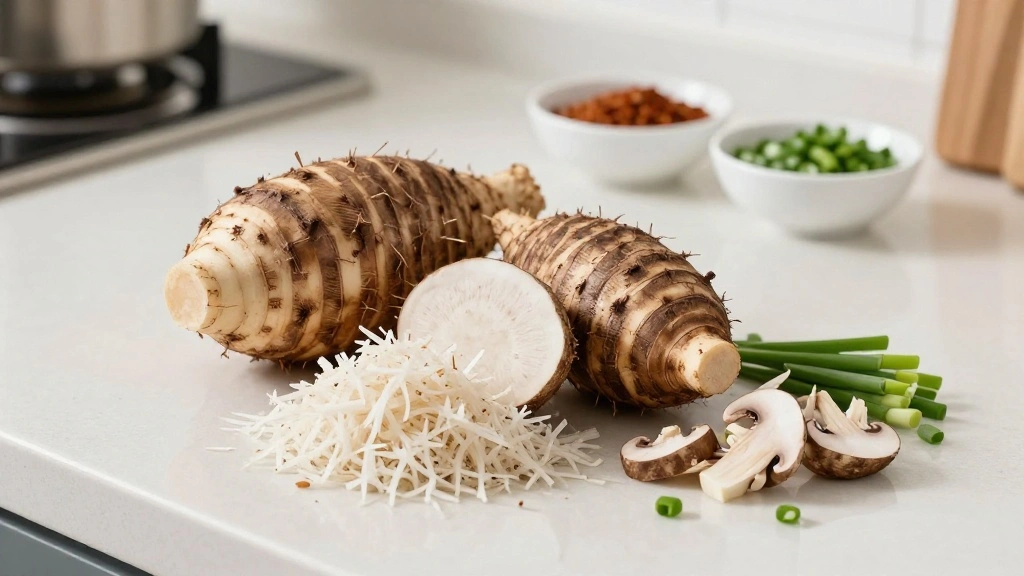
Peel and finely grate the taro root.
Soak the dried shiitake mushrooms in hot water for 20 minutes.
Chop the rehydrated mushrooms and scallions.
Gather all the seasonings and set them aside for easy access.


Step 2: Create the Batter
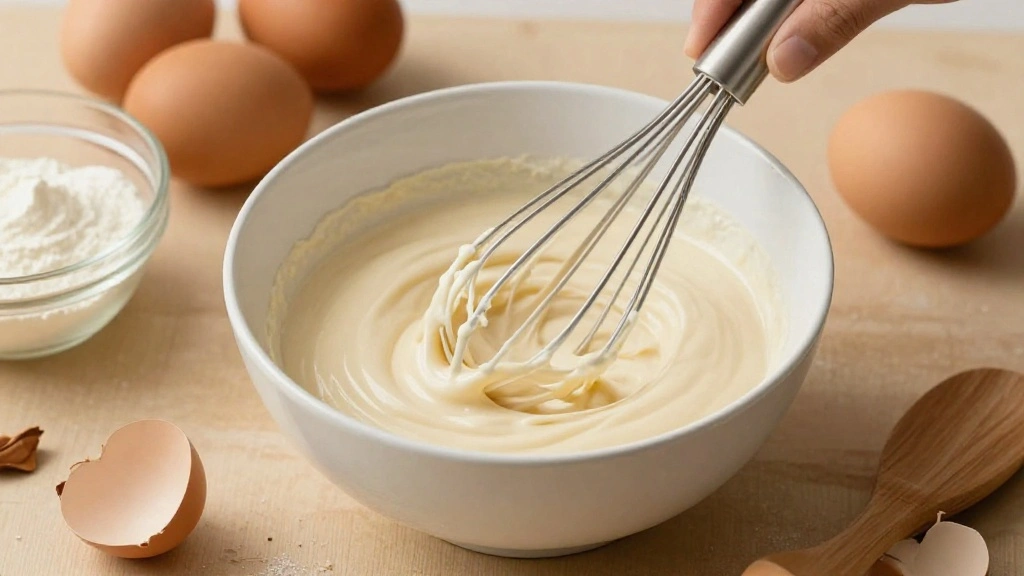
In a large mixing bowl, combine rice flour and water.
Stir until smooth and free of lumps.
Add the grated taro and mix thoroughly.
Ensure the batter is evenly combined with no dry spots.
Step 3: Sauté the Aromatics
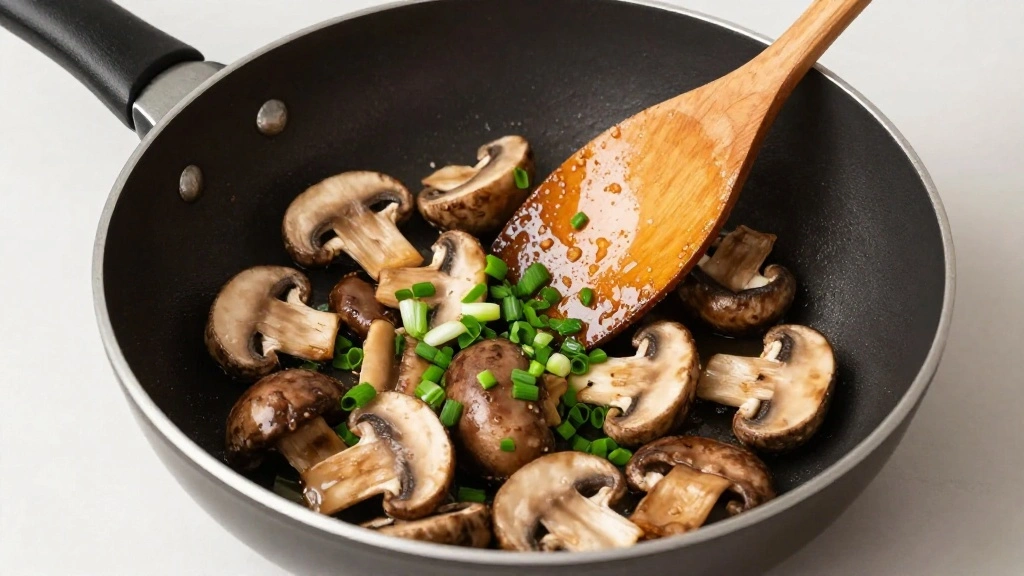
Heat a tablespoon of oil in a skillet over medium heat.
Add the chopped mushrooms and sauté until fragrant, about 2 minutes.
Stir in the chopped scallions and cook for another minute.
Remove from heat and let cool slightly.
Step 4: Combine Ingredients
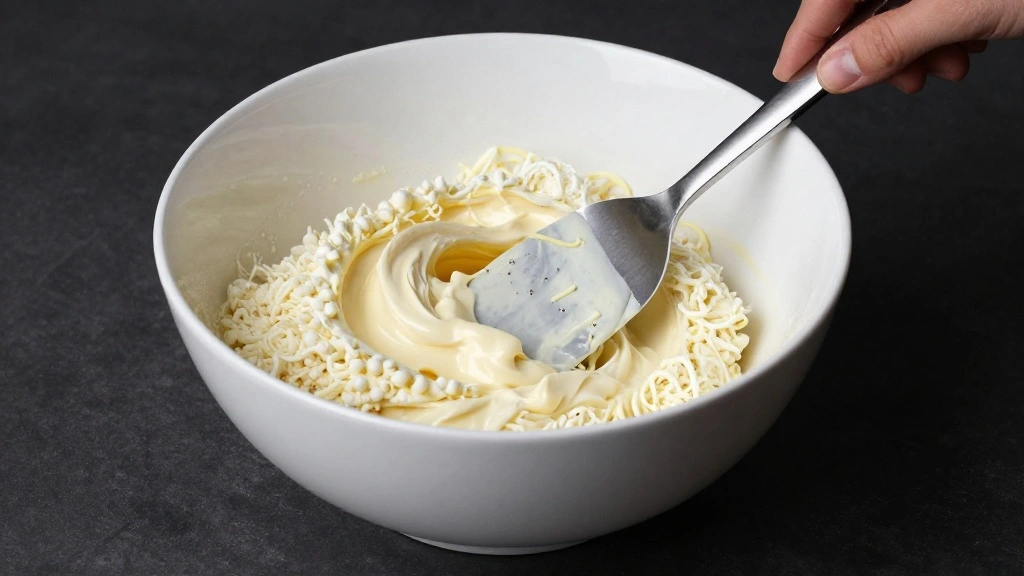
Add the sautéed mushrooms and scallions to the taro mixture.
Stir in soy sauce, sugar, and white pepper.
Mix until everything is well incorporated.
The batter should be thick and aromatic.


Step 5: Prepare the Steamer
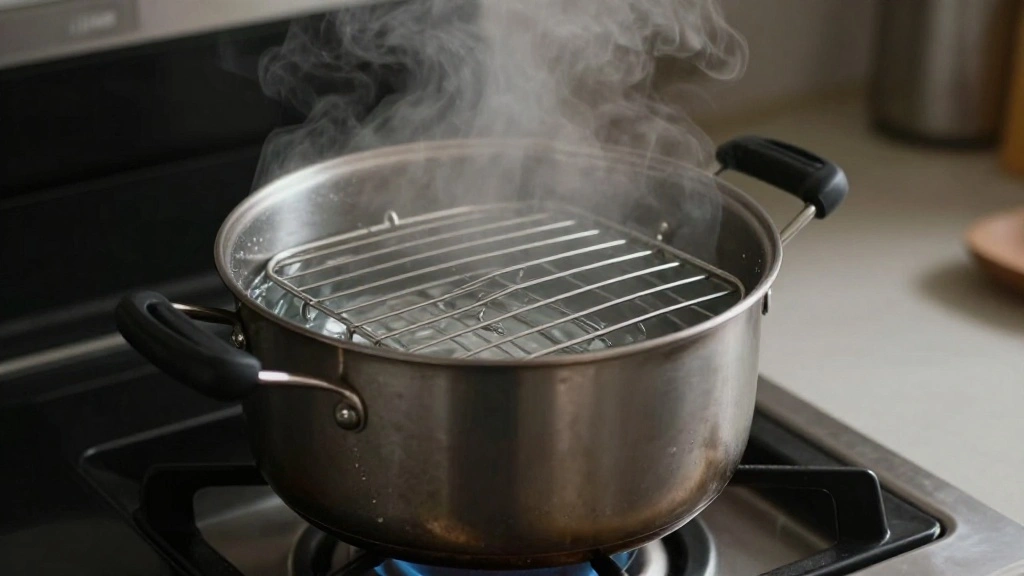
Set up your steamer by filling a pot with water.
Place the steaming rack or bamboo steamer inside the pot.
Ensure the water level is below the rack.
Bring water to a boil.
Step 6: Steam the Taro Cake
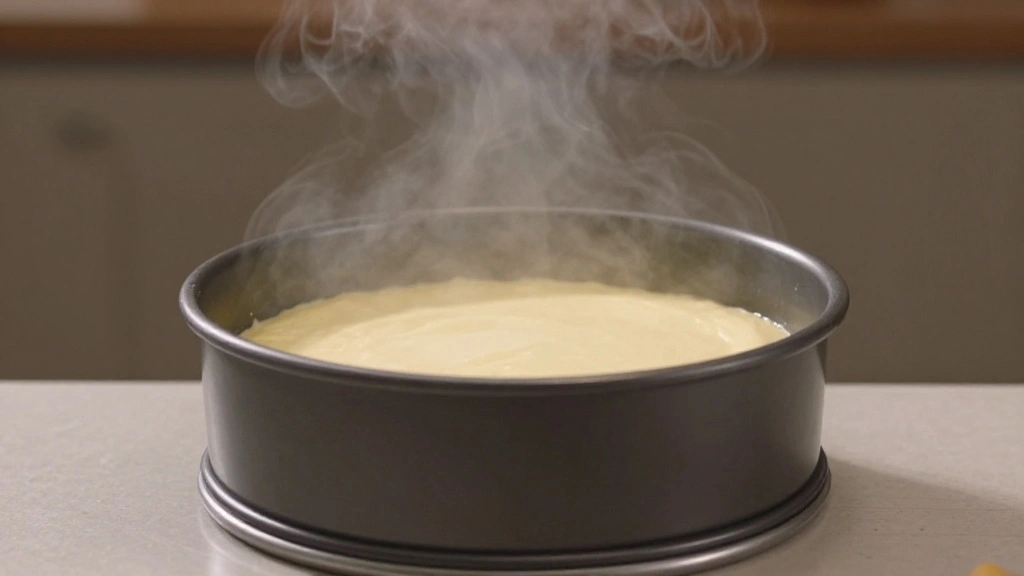
Pour the batter into a greased cake pan or dish.
Place the pan into the steamer.
Cover and steam for 60 minutes over high heat.
Check for doneness by inserting a skewer; it should come out clean.
Step 7: Cool and Slice
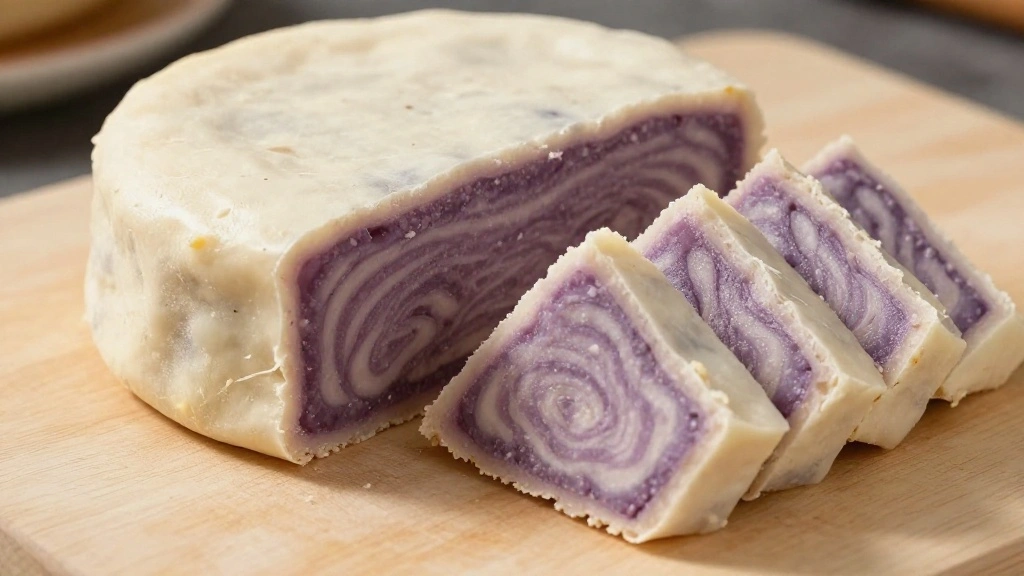
Remove the cake from the steamer and let it cool completely.
Once cooled, remove it from the pan.
Use a sharp knife to cut the cake into slices.
Aim for even slices to ensure uniform cooking later.
Step 8: Pan-Fry the Slices
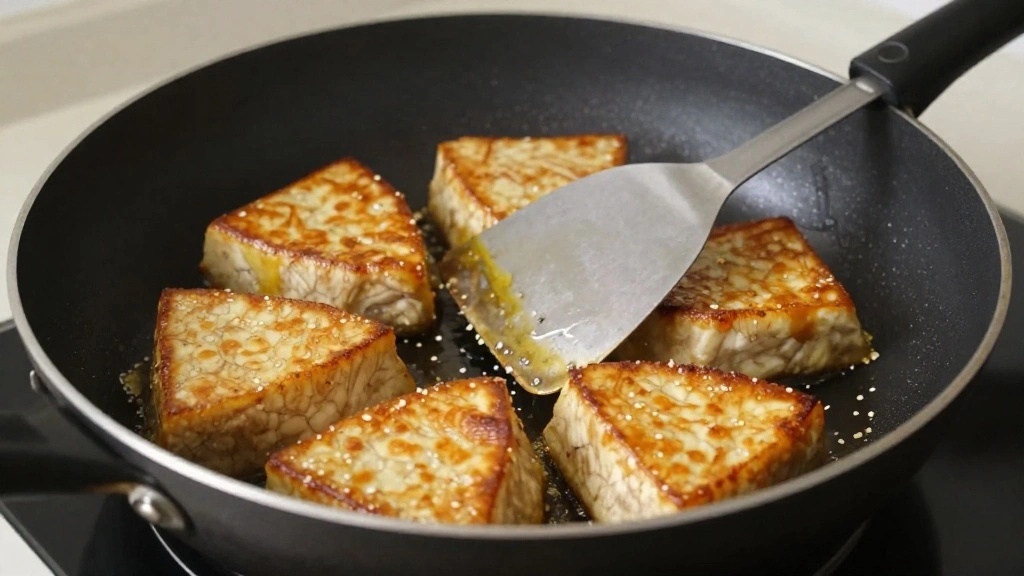
Heat oil in a non-stick skillet over medium-high heat.
Add the taro cake slices in a single layer.
Fry until golden brown on both sides, about 3 minutes per side.
Remove from heat and drain on paper towels.
Critical Timing and Temperature Guide
Steaming: Steam the taro cake for exactly 60 minutes at high heat. Ensure the water is boiling vigorously throughout. Avoid opening the lid too often as it releases steam and affects cooking time.
Cooling: Allow the cake to cool completely before slicing. This takes about 1-2 hours at room temperature. Slicing too early can cause the cake to crumble.
Pan-Frying: Fry each slice for 3 minutes per side at medium-high heat. Ensure the skillet is hot before adding slices. Avoid overcrowding the pan to achieve a crispy exterior.
Pro Tips for Chinese Taro Cake
• Ingredient Selection: Choose fresh, firm taro root for the best texture and flavor. Avoid taro with brown spots or soft areas.
• Preparation Secret: Letting the batter rest for 10 minutes before steaming allows the flavors to meld and the texture to improve.
• Temperature Management: Keep the steaming water at a consistent boil to ensure even cooking, which prevents a gummy texture.
• Texture Enhancement: Grate the taro finely for a smoother cake; larger pieces can cause uneven texture.
• Flavor Layering: Sautéing the mushrooms enhances their umami, adding depth to the cake's flavor profile.
• Make-Ahead Strategies: The steamed taro cake can be made a day in advance and stored in the fridge. Fry slices just before serving for the best texture.
• Restaurant-Quality Finishing Touches: Garnish with freshly chopped scallions or a drizzle of soy sauce before serving for added flavor and visual appeal.
• Equipment Optimization: Use a wide skillet for frying to ensure each slice has enough space to brown evenly.
Troubleshooting Common Issues
• Texture Too Dense: If the cake is dense, it may not have been steamed long enough. Ensure the skewer test comes out clean before removing from the steamer. Also, check that the batter was mixed thoroughly.
• Flavors Unbalanced: If the cake is too bland, increase the amount of soy sauce and white pepper. Taste the batter before steaming and adjust seasonings as needed.
• Slices Falling Apart: If slices crumble while frying, ensure the cake has cooled completely before slicing. Use a sharp knife and cut with a gentle sawing motion.
• Uneven Cooking: If parts of the cake are undercooked, check the steam level in your pot. Keep the water boiling and ensure the cake is placed correctly in the center of the steamer.
• Burned Exterior While Frying: If the cake slices burn during frying, lower the heat slightly and monitor closely. Fry in batches to maintain consistent heat.
Variations and Regional Differences
• Hong Kong Style: This version includes dried scallops and Chinese sausage for a richer flavor. The cake is also often sweeter, with added sugar in the batter.
• Shanghai Style: Incorporates preserved meats and sometimes chestnuts, giving it a distinct savory and nutty profile.
• Teochew Style: Known for its simplicity, this version uses fewer ingredients, highlighting the natural flavor of taro and sometimes adding sweet potato.
• Guangdong Style: Features a softer texture and is often served with sweet soy sauce on the side.


Food Science Behind the Recipe
• Starch Gelatinization: The heat during steaming causes the starches in rice flour to gelatinize, giving the cake its firm texture. Understanding this helps achieve the perfect consistency.
• Maillard Reaction: Frying the slices allows for browning, which enhances flavor through the Maillard reaction, adding complexity to the dish.
• Emulsion Stability: Mixing the batter well ensures an even distribution of ingredients, preventing separation and ensuring the cake holds together.
Frequently Asked Questions
What's the most common mistake people make when preparing Chinese Taro Cake? The most common mistake is not steaming the cake long enough or at a consistent temperature, leading to an uneven texture.
Can I use other types of flour besides rice flour? Rice flour is essential for the authentic texture, but some variations use a small amount of wheat starch for a firmer cake.
How can I store leftover taro cake? Store leftovers in an airtight container in the fridge for up to 3 days. Re-fry slices before serving for the best texture.
Is it necessary to fry the slices? Frying adds a crispy exterior and enhances flavor, but the cake can also be eaten steamed for a softer texture.
Can I make this recipe vegetarian? Yes, omit dried shrimp and Chinese sausage, or substitute with vegetarian alternatives like tempeh.
What’s the best way to reheat the taro cake? For best results, pan-fry the slices again or steam them to retain moisture.
Can I freeze the taro cake? Yes, freeze in a sealed container for up to a month. Thaw in the fridge overnight before reheating.
Serving and Presentation Guide
• Traditional Presentation: Serve the taro cake slices on a large platter, garnished with chopped scallions, alongside small dishes of soy sauce for dipping.
• Modern Twist: Arrange slices in a circular pattern on a round plate, with a sprinkling of toasted sesame seeds for an elegant touch.
• Buffet Style: Place slices in a warming dish to keep them hot during service, with condiments like chili oil and hoisin sauce on the side.
• Individual Portions: Serve each guest 2-3 slices on a small plate, with a drizzle of soy sauce and a side of pickled vegetables.


Conclusion
With its rich flavors and satisfying texture, Chinese Taro Cake is a dish that brings joy to any table.
By following this comprehensive guide, you'll be able to recreate this beloved dim sum favorite in your own kitchen.
Don't hesitate to share this delightful recipe with friends and family, creating memorable meals together.