
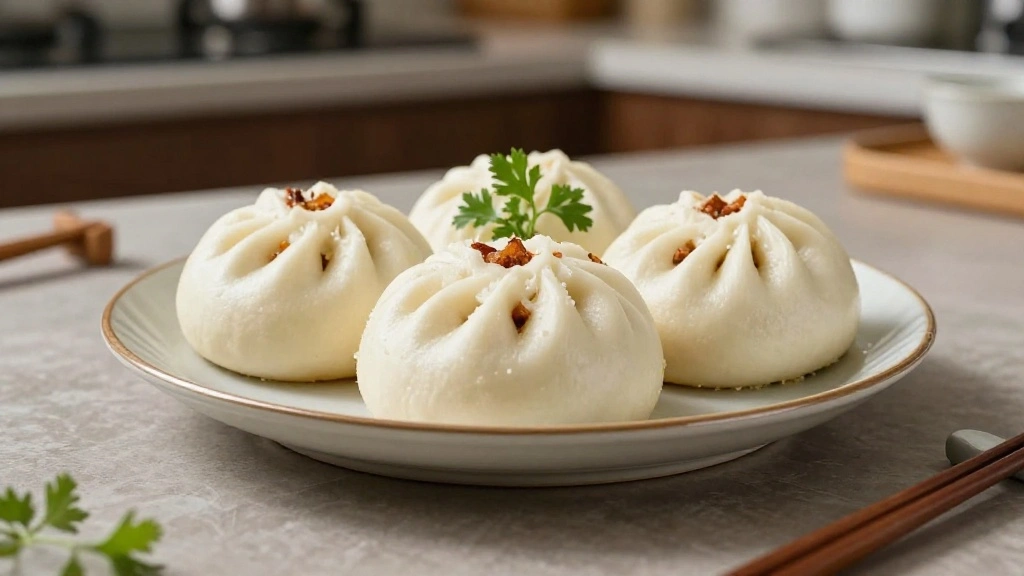


The delightful aroma of freshly steamed buns filled with savory char siu pork is a sensory experience like no other.
Each bite of Fluffy Chinese Steamed Pork Buns offers a perfect balance of tender meat and pillowy dough.
This beloved dish has captured the hearts of many, showcasing the harmony of flavors that Chinese cuisine is famous for.
I first encountered this recipe during a family gathering, where the buns were the star of the meal.
Whether you’re a seasoned chef or a curious home cook, these buns promise a rewarding culinary adventure.
Prepare to impress your guests with this timeless classic that’s both comforting and sophisticated.
The History and Cultural Significance
• Fluffy Chinese Steamed Pork Buns trace their origins to Guangdong province, where they were originally created as a street food staple.
• The dish evolved over decades as chefs experimented with different fillings and dough recipes, eventually becoming the beloved version we know today.
• In Chinese culture, this dish traditionally appears at dim sum gatherings and special occasions, symbolizing prosperity and warmth.
• While many variations exist across different regions, the authentic version maintains a balance of savory, sweet, and umami flavors that sets it apart from imitations.


Recipe Overview
Nutritional Information (per serving)
Essential Equipment Guide
Bamboo Steamer: Essential for achieving authentic results, as it allows steam to circulate evenly around the buns, creating a fluffy texture. Alternatives include metal steamers, but ensure a perforated base for best results.
Rolling Pin: Important for rolling out the dough evenly, which is crucial for consistent cooking. Look for a non-stick, lightweight option.
Thermometer: Ensures the filling reaches a safe cooking temperature without overcooking the exterior. A digital instant-read thermometer is recommended.
Ingredients
For the Dough
|
|
| Amount | Ingredient | Notes |
|---|---|---|
| 3 cups | all-purpose flour | sifted for light texture |
| 1/4 cup | sugar | adds a touch of sweetness |
| 1 packet | instant yeast | for rising |
| 1 cup | warm water | activates yeast |
| 2 tablespoons | vegetable oil | provides moisture |
For the Filling
| Amount | Ingredient | Notes |
|---|---|---|
| 1 pound | char siu pork | cooked and diced |
| 1/4 cup | hoisin sauce | adds depth of flavor |
| 2 tablespoons | soy sauce | for umami richness |
| 1 tablespoon | oyster sauce | enhances savoriness |
| 1 teaspoon | sesame oil | for nutty aroma |
| 2 tablespoons | cornstarch | thickens sauce |
| 1/4 cup | water | mix with cornstarch |


Preparation Methods
Kneading the Dough: Kneading is crucial for developing gluten, which gives the buns their chewy texture. Use a rhythmic folding and pressing motion for about 10 minutes until the dough is smooth and elastic.
Proofing: This step allows the dough to rise, doubling in size to ensure airiness. Keep the dough in a warm, draft-free area for optimal results.
Filling and Shaping: Properly sealing the buns prevents filling leakage. Use your fingertips to pinch and twist the dough tightly.

Step 1: Prepare Ingredients
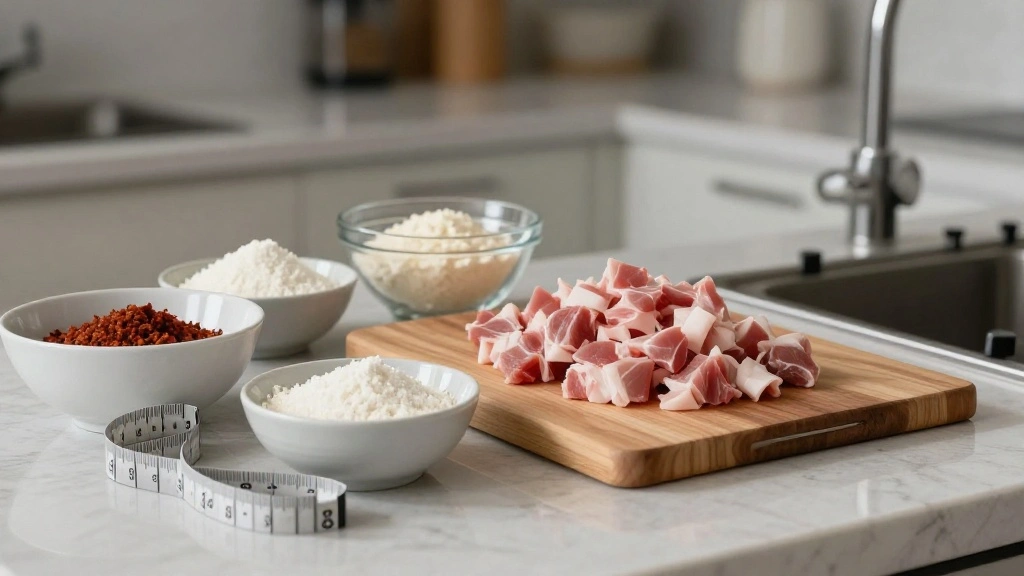
Gather all ingredients needed for the recipe.
Measure out each ingredient accurately using a scale or measuring cups.
Ensure the char siu pork is diced into small, uniform pieces.
Prepare a clean workspace for assembling the dough and filling.


Step 2: Make the Dough
In a large mixing bowl, combine the flour, sugar, and instant yeast.
Add the warm water and vegetable oil to the dry ingredients.
Mix until a rough dough forms, then transfer to a floured surface.
Knead the dough for 10 minutes until smooth and elastic.
Step 3: Proof the Dough
Place the kneaded dough in a lightly oiled bowl.
Cover with a damp cloth and let it rise in a warm area.
Allow the dough to double in size, approximately 1 hour.
Check the dough by pressing a finger into it; it should leave an indentation.
Step 4: Prepare the Filling
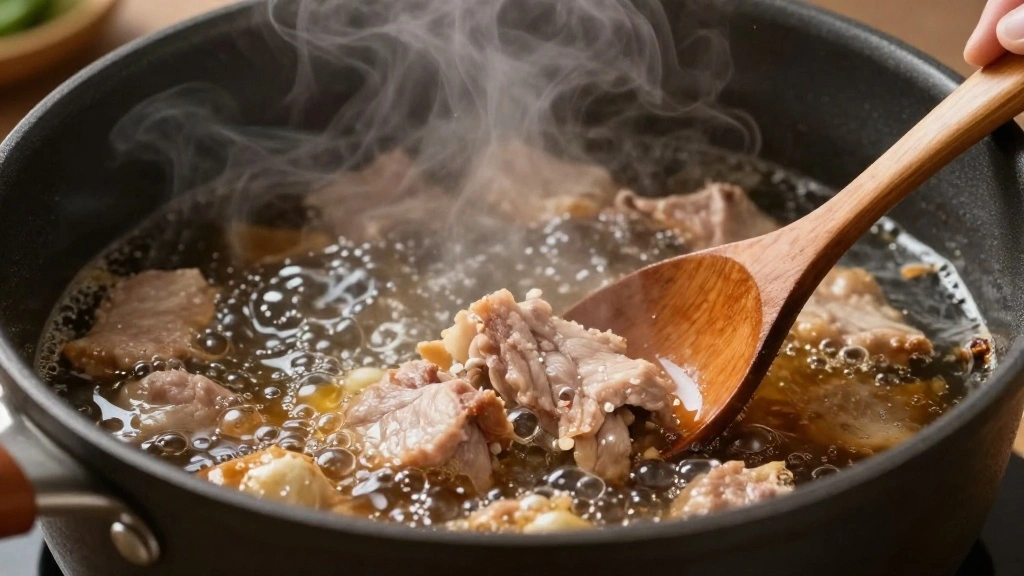
In a saucepan over medium heat, combine hoisin, soy, and oyster sauces.
Add the diced char siu pork to the saucepan.
Mix cornstarch with water and add to the pork mixture.
Cook until the sauce thickens and coats the pork, then remove from heat.
Step 5: Divide the Dough
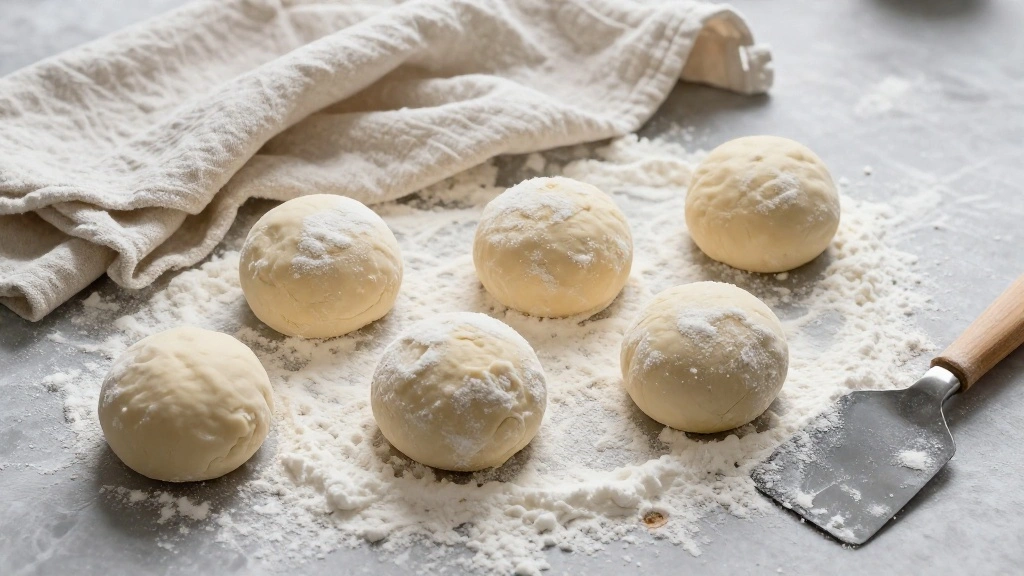
Once risen, punch down the dough to release air.
Divide the dough into 12 equal pieces using a bench scraper.
Roll each piece into a ball and cover with a damp cloth.
Let the dough balls rest for 5 minutes before rolling out.
Step 6: Fill the Buns

Roll each dough ball into a 4-inch circle.
Place a spoonful of filling in the center of each circle.
Gather the edges of the dough and pinch to seal tightly.
Twist the top to ensure a secure seal and set aside seam-side down.
Step 7: Steam the Buns
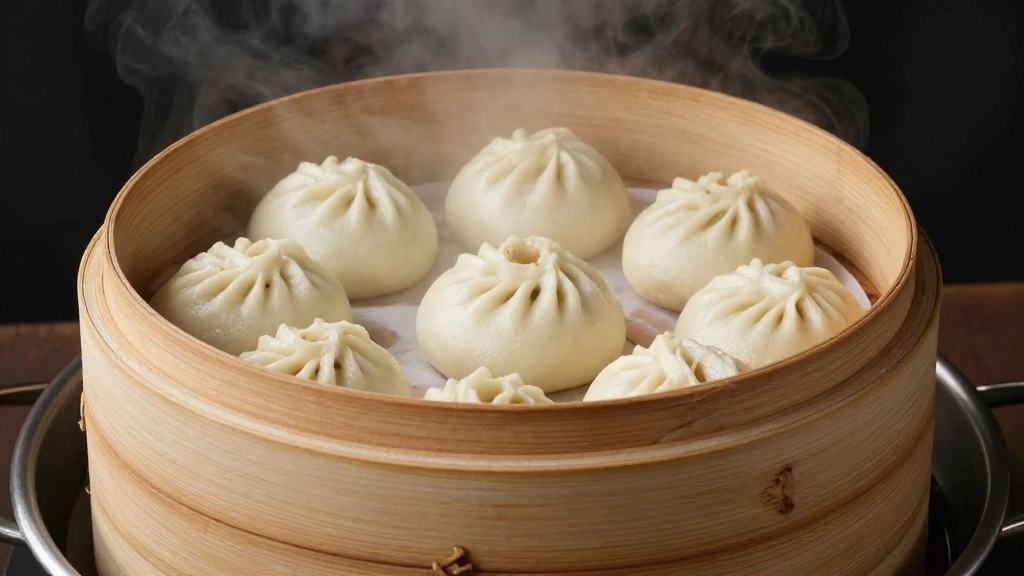
Line a bamboo steamer with parchment paper.
Arrange the buns in the steamer, leaving space between each.
Place over a pot of boiling water and cover with the steamer lid.
Steam for 15-20 minutes until the buns are puffy and cooked through.
Step 8: Serve
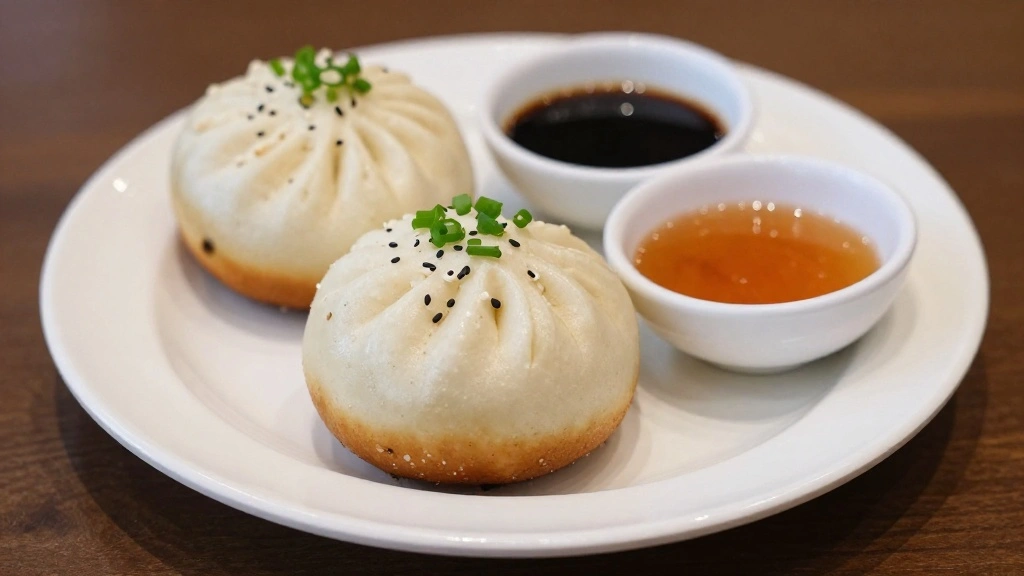
Carefully remove the buns from the steamer.
Place them on a serving plate, allowing them to cool slightly.
Garnish with sesame seeds or scallions for added flavor.
Serve warm with a side of soy sauce or chili oil if desired.


Critical Timing and Temperature Guide
Proofing the Dough: Let the dough rise for 1 hour in a warm place. It should double in size, and an indentation should remain when pressed.
Cooking the Filling: Cook the pork mixture until the sauce thickens. Avoid overcooking, which can cause the pork to dry out.
Steaming the Buns: Steam for 15-20 minutes. The buns should be puffy and firm to the touch, with no raw dough visible.
Pro Tips for Fluffy Chinese Steamed
• Ingredient Selection: Opt for high-quality char siu pork and fresh flour for the best flavor and texture.
• Preparation Secret: Allow the dough to rest after dividing to relax the gluten and make shaping easier.
• Temperature Management: Keep the steaming water at a constant boil for even cooking.
• Texture Enhancement: Proper kneading develops gluten, ensuring a chewy, airy bun.
• Flavor Layering: Combine hoisin, soy, and oyster sauces for a rich, complex filling.
• Make-Ahead Strategies: Prepare the filling a day in advance and refrigerate, then assemble the buns on the day of serving.
• Restaurant-Quality Finishing Touches: Garnish with sesame seeds or scallions for a polished look.
• Equipment Optimization: Use a bamboo steamer for authentic results, but ensure it fits snugly over your pot.
Troubleshooting Common Issues
• Dense Texture: Caused by under-kneading or insufficient proofing. Ensure proper kneading and allow dough to double in size when proofing.
• Filling Leakage: Results from improper sealing. Pinch and twist the dough tightly to secure.
• Raw Dough Centers: Occurs if buns are too tightly packed. Leave space between buns in the steamer.
• Bland Flavor: Enhance with additional seasoning in the filling or serve with a flavorful dipping sauce.
• Overcooked Pork: Avoid high heat when cooking the filling. Cook on medium heat for controlled thickening.
• Sticky Dough: Add flour gradually while kneading until the dough is smooth and manageable.
Variations and Regional Differences
• Cantonese Style: Features a sweeter filling with more hoisin sauce and a hint of five-spice powder.
• Shanghai Style: Uses a thicker, more bread-like dough and may include additional ingredients like mushrooms.
• Vegetarian Option: Substitute char siu with a mixture of mushrooms and tofu for a plant-based version.
• Spicy Variation: Add chili paste or diced jalapeños for a spicy kick, popular in Sichuan regions.
Food Science Behind the Recipe
• Gluten Development: Kneading the dough aligns gluten strands, providing elasticity and structure for airy buns.
• Yeast Fermentation: Yeast consumes sugars, producing carbon dioxide that causes the dough to rise and become fluffy.
• Gelatinization: The cornstarch in the filling thickens as it heats, creating a smooth, cohesive sauce.


Frequently Asked Questions
What's the most common mistake people make when preparing Fluffy Chinese Steamed Pork Buns? The most common mistake is under-proofing the dough, which results in dense buns. Ensure the dough doubles in size before shaping.
Can I use a different type of flour? Yes, but all-purpose flour is recommended for the best texture. Bread flour can make the buns too chewy, while cake flour may result in a crumbly texture.
How can I store leftover buns? Cool completely, then store in an airtight container in the fridge for up to 3 days. Reheat by steaming for a few minutes before serving.
Is it possible to freeze the buns? Yes, freeze the steamed buns in a single layer on a baking sheet. Once frozen, transfer to a freezer bag and store for up to 2 months. Reheat directly from frozen by steaming.
What if I don't have a bamboo steamer? A metal steamer or even a makeshift steamer using a large pot with a colander will work. Ensure the buns have space to rise and steam evenly.
Can I make the dough in advance? Yes, you can prepare the dough and store it in the fridge overnight after the first rise. Let it come to room temperature before shaping.
How do I prevent the buns from sticking to the steamer? Use parchment paper or cabbage leaves to line the steamer, which prevents sticking and adds a slight aroma.
Serving and Presentation Guide
• Traditional Presentation: Serve in a bamboo steamer with a side of chili oil and soy sauce for dipping.
• Modern Twist: Arrange on a slate board with colorful garnishes like microgreens or edible flowers.
• Family Style: Serve on a large platter with a variety of dipping sauces, encouraging sharing and interaction.
• Dim Sum Experience: Pair with other dim sum dishes like dumplings and tea for an authentic experience.


Conclusion

Embarking on the journey of making Fluffy Chinese Steamed Pork Buns at home is both rewarding and satisfying.
With each step, you'll gain a deeper appreciation for this classic dish and its rich cultural heritage.
Share these delicious buns with loved ones and create lasting memories around the dining table.
Your efforts will surely be met with smiles and eager anticipation for more.