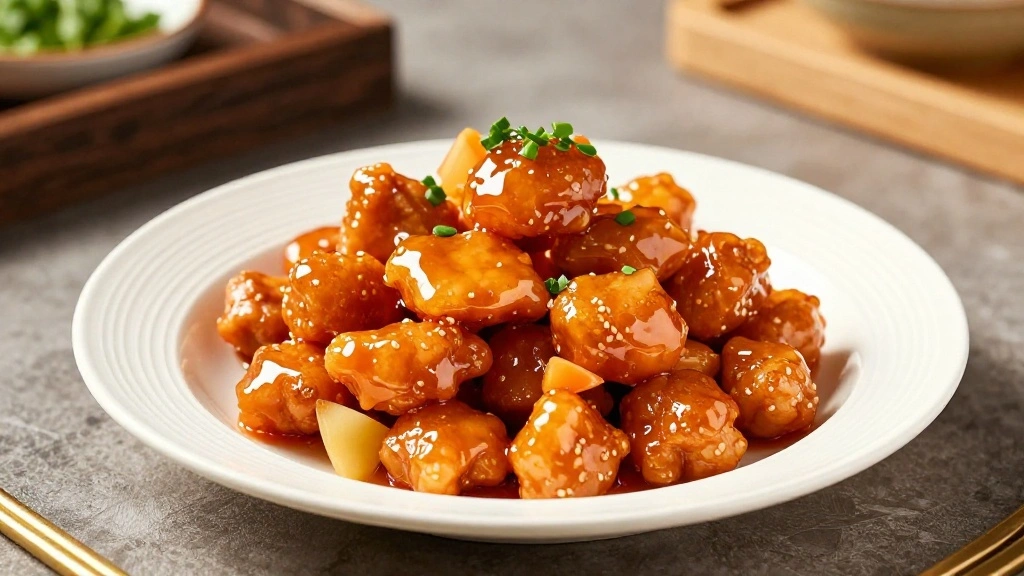

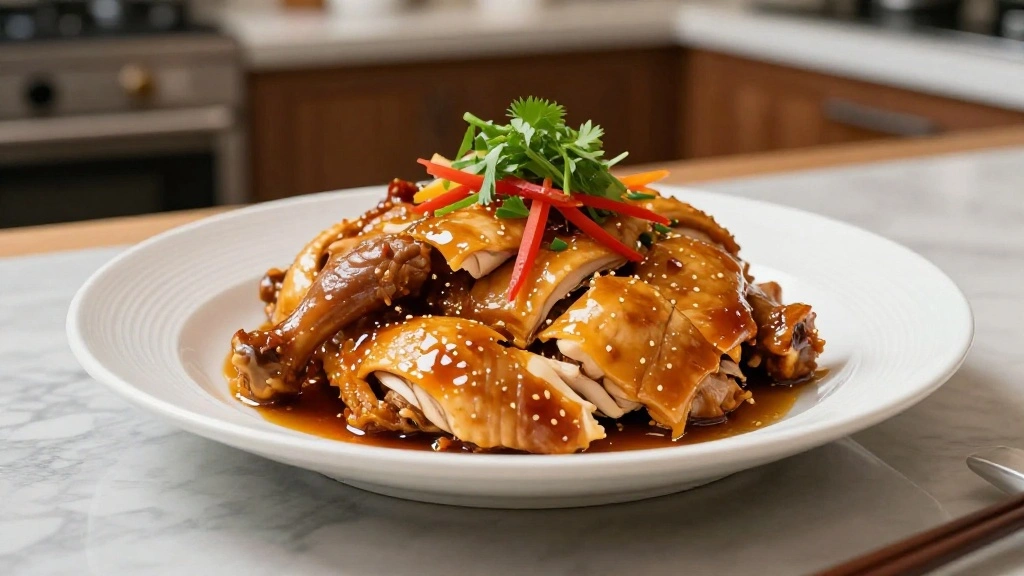


The Chinese Scallion Oil Chicken is a harmonious blend of simple ingredients that create an aromatic delight.
With tender chicken infused with the fragrance of scallion oil, this dish promises a delectable experience.
I first encountered this recipe during a family celebration, where its delicate flavors left a lasting impression.
The dish is perfect for any occasion, whether a humble dinner or a festive gathering.
Its straightforward preparation ensures impressive results every time.
The History and Cultural Significance
• Chinese Scallion Oil traces its origins to the Jiangsu province, where it was originally created by local chefs centuries ago.
• The dish evolved over decades as chefs began incorporating different oils and cooking methods, eventually becoming the beloved version we know today.
• In Chinese culture, this dish traditionally appears at New Year celebrations, symbolizing prosperity and unity.
• While many variations exist across different regions, the authentic version maintains the use of fragrant scallion oil that sets it apart from imitations.
Recipe Overview
Nutritional Information (per serving)
Essential Equipment Guide
Wok: Essential for achieving the perfect heat distribution needed for cooking the chicken evenly. A heavy-bottomed pan can serve as an alternative, but a wok’s shape facilitates better oil movement.
Steamer Basket: Crucial for gently cooking the chicken to tender perfection. A metal colander set over a pot of simmering water can work if a steamer basket is unavailable.
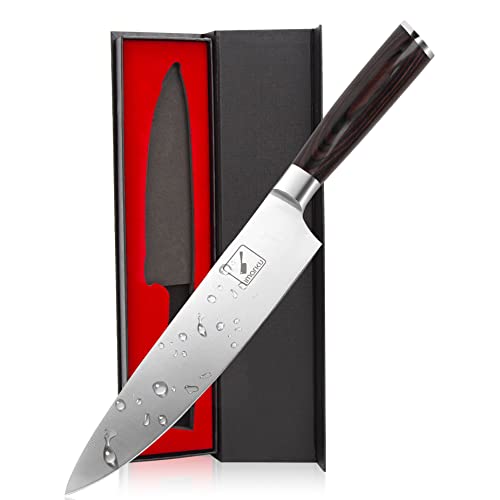
Sharp Knife: Important for slicing chicken and scallions with precision. A well-maintained chef’s knife is ideal, ensuring clean cuts and minimizing bruising of the scallions.
Ingredients
For the Chicken
|
|
| Amount | Ingredient | Notes |
|---|---|---|
| 1 whole | chicken | cleaned and patted dry |
| 1 tablespoon | salt | enhances flavor |
For the Scallion Oil
| Amount | Ingredient | Notes |
|---|---|---|
| 1 cup | scallions | sliced thinly |
| 1/2 cup | neutral oil | such as canola or vegetable oil |
Seasonings
| Amount | Ingredient | Notes |
|---|---|---|
| 2 tablespoons | soy sauce | adds umami |
| 1 tablespoon | ginger | finely minced |
Garnish
| Amount | Ingredient | Notes |
|---|---|---|
| 1 tablespoon | sesame seeds | toasted for aroma |


Preparation Methods
Scallion Oil Preparation: Slowly heating scallions in oil releases their aroma and flavor into the oil, creating a fragrant base for the dish. Ensure the oil is not too hot to avoid burning the scallions.
Steaming Chicken: Steaming ensures the chicken remains moist and tender, allowing the flavors to infuse without drying out the meat. Use a medium heat to maintain gentle steam.
Oil Infusion: Pouring hot scallion oil over the chicken helps to seal in moisture and add a glossy finish. This technique also enhances the dish's aromatic profile.

Step 1: Prepare Ingredients
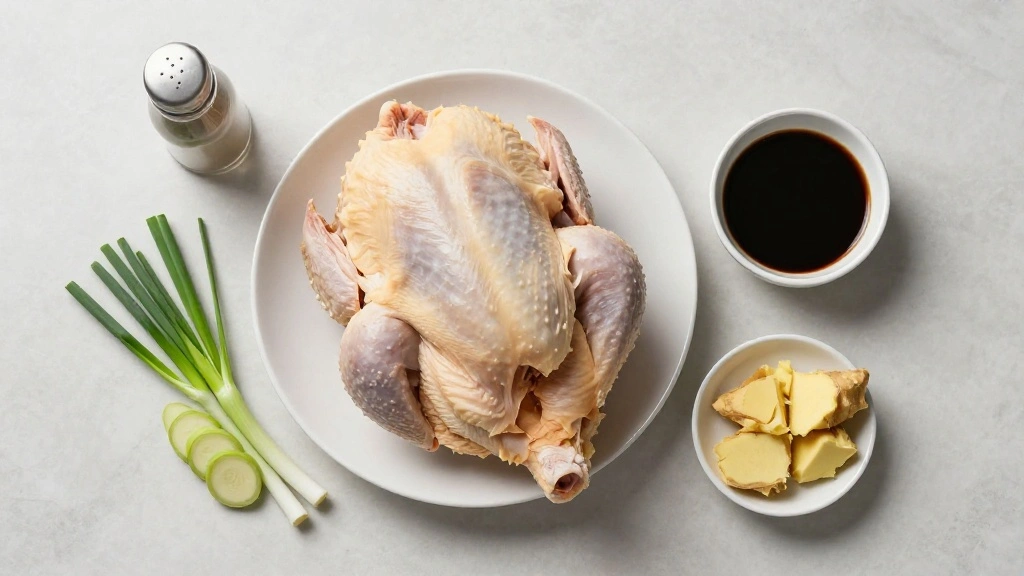
Clean and pat dry the whole chicken.
Slice the scallions thinly and set aside.
Measure out the soy sauce and finely mince the ginger.
Ensure all equipment is ready and ingredients are within reach.


Step 2: Salt the Chicken
Rub the chicken thoroughly with salt, ensuring even coverage.
Allow the salted chicken to rest for 10 minutes.
This step helps to enhance the natural flavors of the chicken.
Ensure the chicken is evenly salted for consistent taste.
Step 3: Prepare Scallion Oil
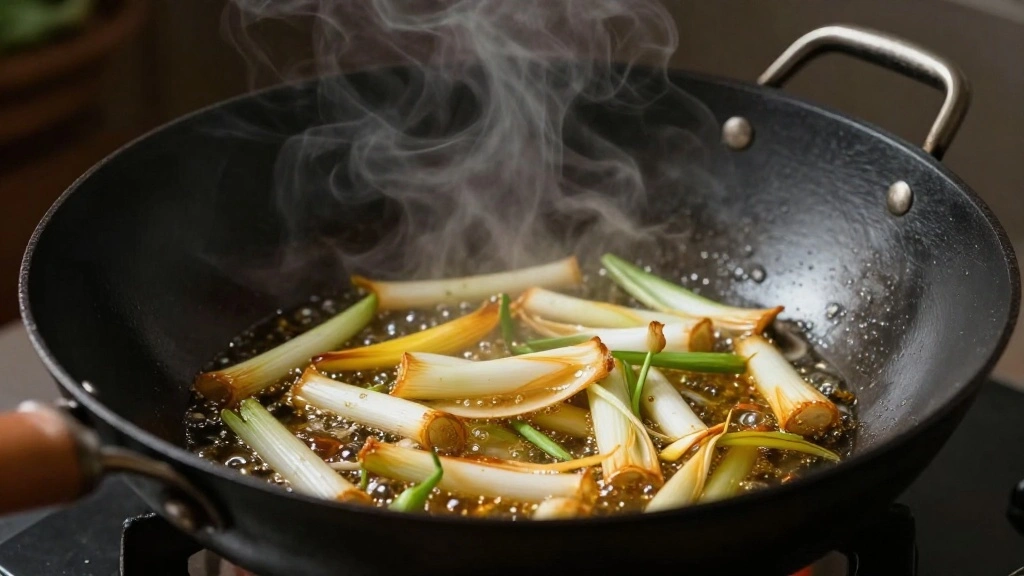
Heat the neutral oil in a wok over medium heat.
Add the sliced scallions to the oil and gently stir.
Cook until the scallions become fragrant and slightly golden.
Be careful not to brown the scallions too much to avoid bitterness.
Step 4: Steam the Chicken
Place the chicken in a steamer basket over simmering water.
Cover and steam the chicken for 30 minutes.
Ensure the chicken is cooked through, with clear juices running when pierced.
Adjust the steaming time if necessary, depending on the chicken's size.
Step 5: Infuse with Scallion Oil
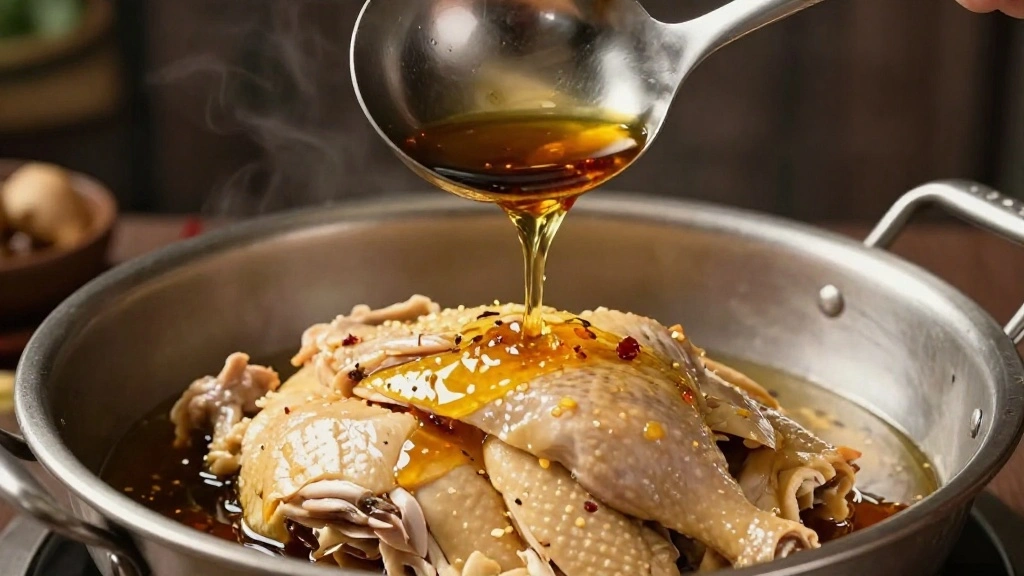
Once the chicken is cooked, transfer it to a serving platter.
Pour the hot scallion oil over the chicken evenly.
This step will add a beautiful sheen and enhance flavor.
Ensure the oil covers all parts of the chicken for maximum taste.
Step 6: Add Seasonings
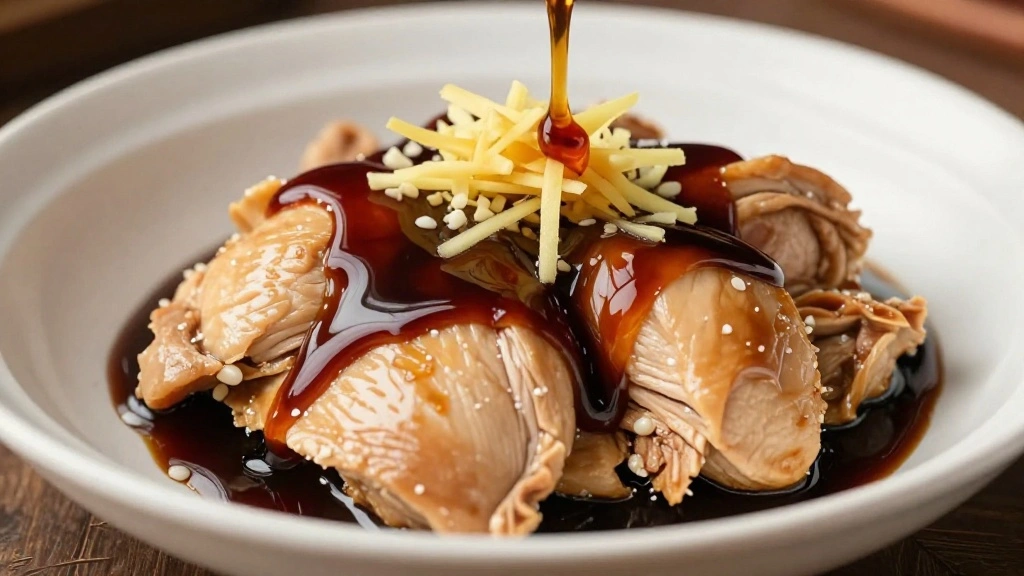
Drizzle the soy sauce over the chicken.
Sprinkle the minced ginger evenly on top.
These seasonings add depth to the dish’s flavor profile.
Ensure the ginger is finely minced to avoid overpowering bites.


Step 7: Garnish the Dish
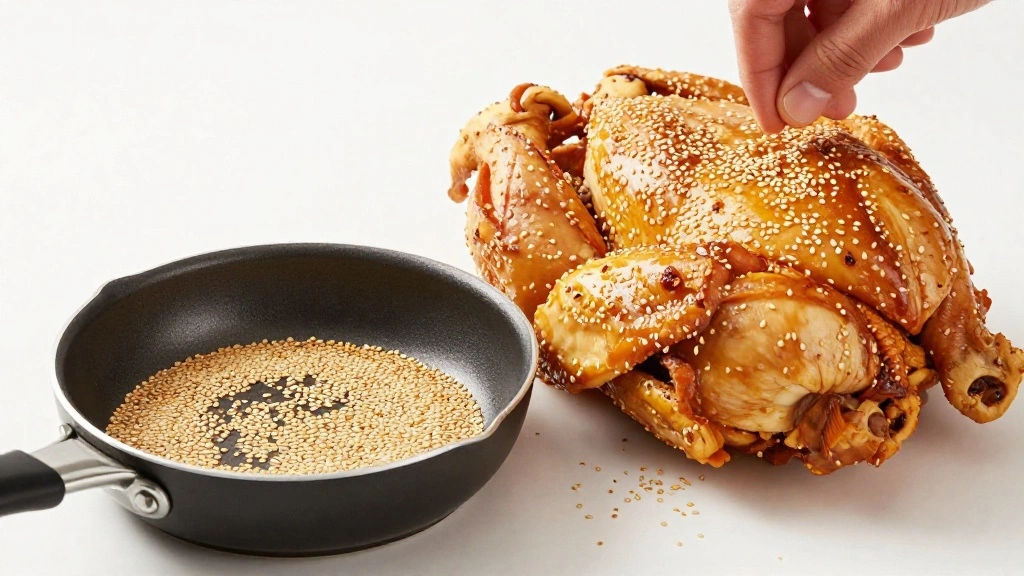
Toast sesame seeds in a dry pan until golden.
Sprinkle the toasted sesame seeds over the chicken.
This adds a nutty aroma and crunch to the dish.
Ensure even distribution for consistent flavor in every bite.
Step 8: Serve and Enjoy
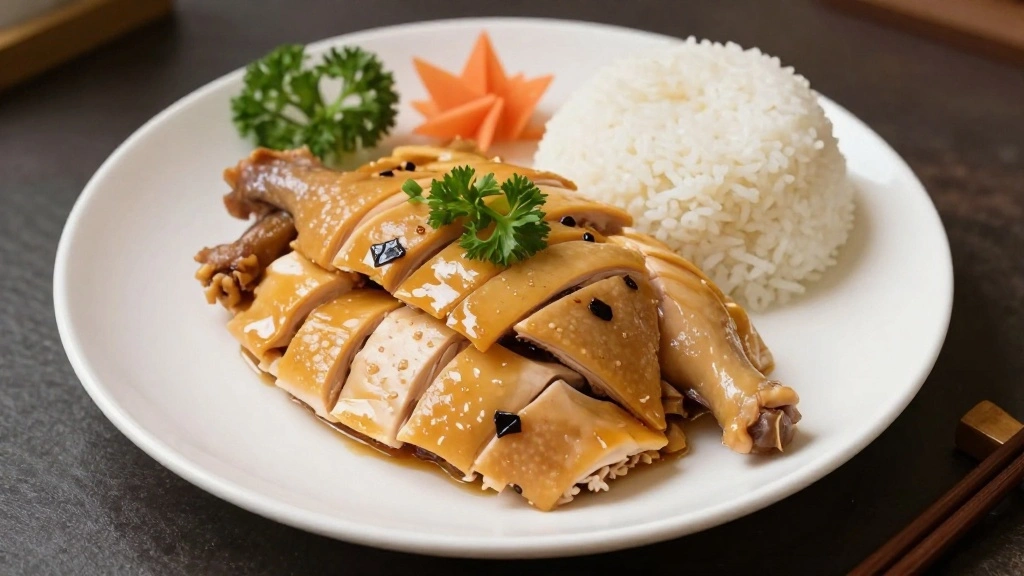
Let the chicken rest for a few minutes before carving.
Slice the chicken into serving pieces.
Arrange the pieces on a platter, pouring any remaining juices over them.
Serve with steamed rice and enjoy the aromatic experience.
Critical Timing and Temperature Guide
Steaming Process: Steam the chicken at a consistent medium heat for 30 minutes. Ensure the meat is opaque and the juices run clear. Avoid high heat to prevent toughening the meat.
Oil Temperature: Heat oil until it shimmers, around 180°C (356°F). Scallions should sizzle gently without burning. Overheating can make the oil taste bitter.
Resting Time: Allow the chicken to rest for 5 minutes post-steaming. This helps retain juices and makes carving easier. Skipping this can lead to dry and unevenly cooked meat.
Pro Tips for Chinese Scallion Oil
• Ingredient Selection: Choose fresh scallions with vibrant green tops for the best flavor infusion.
• Preparation Secret: Salting the chicken in advance allows flavors to penetrate deeply, enhancing taste.
• Temperature Management: Maintain a steady medium heat during steaming to ensure even cooking and tenderness.
• Texture Enhancement: Pouring hot oil over the chicken creates a crispy skin without frying.
• Flavor Layering: Combine soy sauce with ginger for a complex umami profile that complements the scallion oil.
• Make-Ahead Strategies: Prepare the scallion oil a day ahead and store it in a sealed container to deepen its flavor.
• Restaurant-Quality Finishing Touches: Garnish with finely chopped fresh scallions just before serving for a burst of color and aroma.
• Equipment Optimization: Use a kitchen thermometer to ensure the oil reaches the correct temperature for flavor infusion.


Troubleshooting Common Issues
• Chicken Too Dry: Caused by over-steaming or not resting after cooking. Ensure proper steaming time and allow chicken to rest to retain moisture.
• Oil Tastes Bitter: Result of overheating or burning the scallions. Use medium heat and monitor closely to prevent burning.
• Flavors Overpowering: Too much ginger or soy sauce can dominate. Measure accurately and adjust to taste.
• Scallion Oil Lacks Flavor: Insufficient cooking time of scallions in oil. Ensure scallions are cooked until just golden to release flavors.
• Uneven Cooking: Caused by inconsistent steaming temperature. Maintain steady heat and adjust time as needed.
• Rubbery Skin: Occurs when oil is not hot enough during pouring. Ensure oil temperature is correct for a crisp finish.
Variations and Regional Differences
• Shanghai Style: Uses a sweeter sauce with added sugar and rice wine, offering a unique balance of sweet and savory flavors.
• Sichuan Variation: Incorporates chili oil and Sichuan peppercorns for a spicy, numbing twist on the traditional dish.
• Cantonese Twist: Features a soy sauce poaching method instead of steaming, resulting in a richer, more umami-packed flavor.
• Yunnan Influence: Utilizes herbs like mint and basil for a fresh, aromatic profile distinct from the classic version.


Food Science Behind the Recipe
• Maillard Reaction: Occurs when hot oil is poured over the chicken, enhancing flavor through browning of proteins and sugars.
• Emulsion Formation: The combination of soy sauce and scallion oil creates an emulsion that coats the chicken, locking in moisture.
• Heat Transfer: Steaming provides gentle heat, allowing even cooking without drying out the chicken, crucial for maintaining tenderness.
Frequently Asked Questions
What's the most common mistake people make when preparing Chinese Scallion Oil Chicken? Overcooking the chicken is common; ensure proper steaming time and rest after cooking for best results.
Can I use other oils instead of neutral oil for the scallion oil? Yes, but neutral oils like canola or vegetable are preferred to let the scallion flavor shine.
What's the best way to store leftover scallion oil chicken? Store in an airtight container in the refrigerator for up to three days; reheat gently to maintain moisture.
How can I make the dish less oily? Drain excess oil before serving and adjust the amount of oil used in the recipe according to taste.
Can I prepare the dish with boneless chicken? Yes, but adjust steaming time as boneless pieces cook faster.
What can I serve alongside this dish? Steamed rice and sautéed greens pair well, complementing the chicken's flavors.
Is it possible to make the scallion oil in advance? Absolutely, prepare a day ahead and store it in a sealed jar to let flavors meld.
How do I prevent the scallions from burning? Use medium heat and stir frequently to ensure even cooking without burning.
Serving and Presentation Guide
• Traditional Presentation: Arrange sliced chicken on a round platter, pour remaining juices over, and garnish with scallions and sesame seeds.
• Modern Style: Serve on individual plates with a side of jasmine rice, garnished with microgreens for a contemporary touch.
• Family Style: Serve on a large communal plate, with extra sauce on the side for guests to add to taste.
• Minimalist Approach: Present the chicken simply on a white plate to highlight the dish's natural colors and textures.


Conclusion
Chinese Scallion Oil Chicken brings the essence of traditional Chinese cooking to your table with ease.
Its aromatic flavors and tender texture are sure to impress family and friends alike.
Give this recipe a try and experience a culinary journey to the heart of Chinese cuisine.