
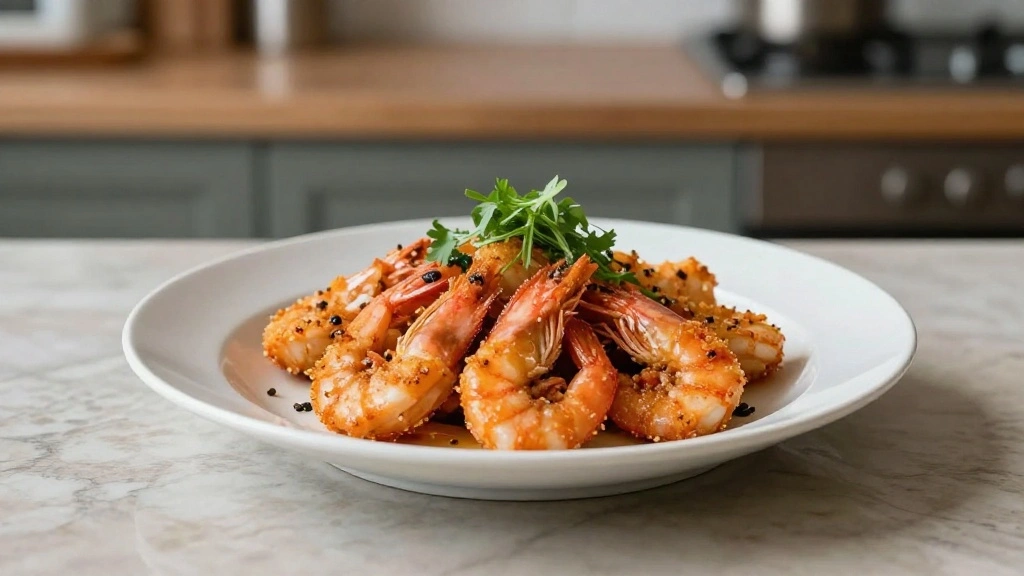


The harmonious balance of crispy textures and spicy, salty flavors creates a memorable dining experience that will have everyone asking for your secret.
I first discovered this Crispy Chinese Salt and Pepper Shrimp during a culinary tour in Guangdong, where local chefs have perfected it with generations of careful refinement.
Whether you’re preparing a casual family dinner or hosting a special celebration, this dish delivers impressive results with straightforward preparation.
The dish’s appeal lies in its simplicity and bold flavors, making it a favorite for seafood lovers everywhere.
The History and Cultural Significance
• Crispy Chinese Salt and Pepper Shrimp traces its origins to Guangdong province, where it was originally created by local fishermen.
• The dish evolved over decades as chefs experimented with different spice blends and techniques, eventually becoming the beloved version we know today.
• In Chinese culture, this dish traditionally appears at family gatherings and celebrations, symbolizing prosperity and good fortune.
• While many variations exist across different regions, the authentic version maintains its characteristic light, crispy coating that sets it apart from imitations.

Recipe Overview
Nutritional Information (per serving)
Essential Equipment Guide
Wok: A wok is essential for achieving the high heat necessary for a quick, crisp fry. If you don’t have a wok, a large, heavy-bottomed skillet can work, but it won’t replicate the heat distribution a wok provides.
Spider Strainer: This tool is crucial for safely removing shrimp from the hot oil, minimizing oil retention. A slotted spoon is an alternative but may not be as efficient.
Deep Fry Thermometer: Ensures oil is at the correct temperature for frying. Alternatives include pre-programmed fryers, but a thermometer provides precision control.
Ingredients
For the Shrimp
|
| Amount | Ingredient | Notes |
|---|---|---|
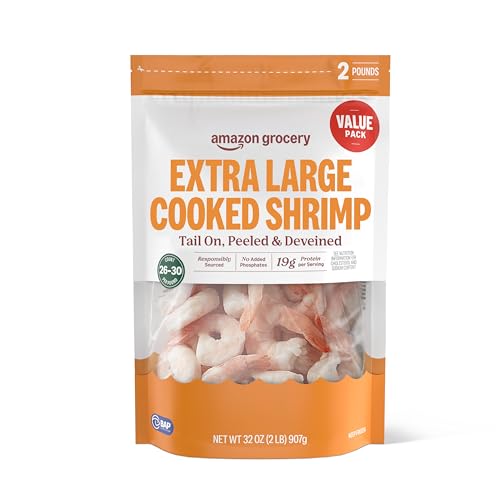
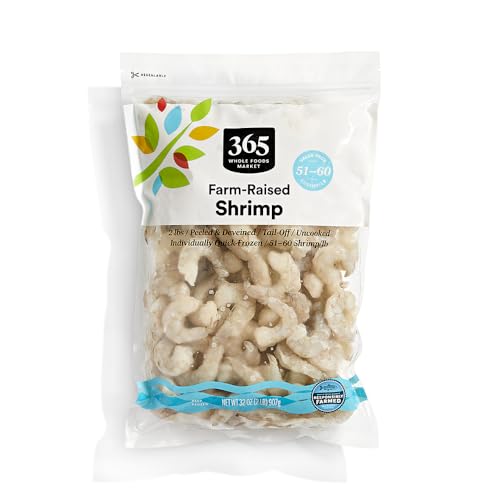
| 1 pound | large shrimp | peeled and deveined, tail-on for flavor |
| 1 tablespoon | cornstarch | creates a light, crispy coating |
Seasonings
| Amount | Ingredient | Notes |
|---|---|---|
| 1 teaspoon | salt | enhances flavor |
| 1 teaspoon | white pepper | adds mild heat |
| 1 teaspoon | five-spice powder | adds depth of flavor |
For Frying
| Amount | Ingredient | Notes |
|---|---|---|
| 2 cups | vegetable oil | neutral flavor, high smoke point |
Garnish
| Amount | Ingredient | Notes |
|---|---|---|
| 1 large | red chili | sliced thin for decoration and heat |
| 2 stalks | green onions | sliced, adds freshness |

Preparation Methods
Dry Coating: This technique involves coating the shrimp lightly with cornstarch, which is essential for achieving a crispy texture without a heavy batter. Ensure the shrimp are dry before coating for best results.
Frying at High Heat: Frying the shrimp quickly at high heat helps to lock in moisture and crisp the exterior. Maintaining consistent oil temperature is crucial for even cooking.
Seasoning After Frying: Tossing the shrimp with seasonings immediately after frying ensures even coating and enhances flavor absorption.

Step 1: Prepare the Shrimp
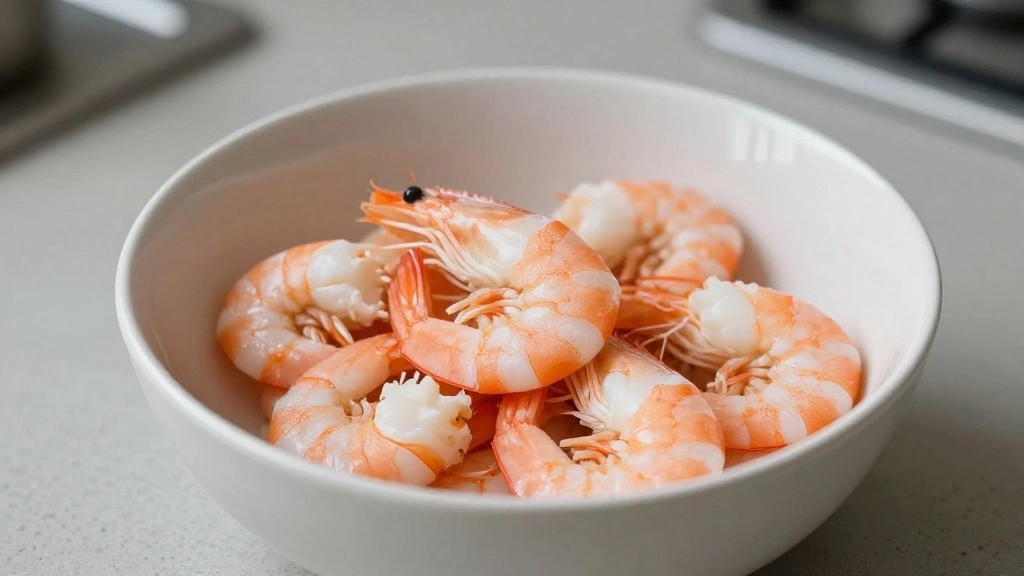
Rinse the shrimp under cold water and pat dry with paper towels.
Ensure all excess moisture is removed to help the cornstarch adhere.
Peel and devein the shrimp, leaving the tails on for flavor.
Place the shrimp in a bowl, ready for coating.


Step 2: Coat the Shrimp
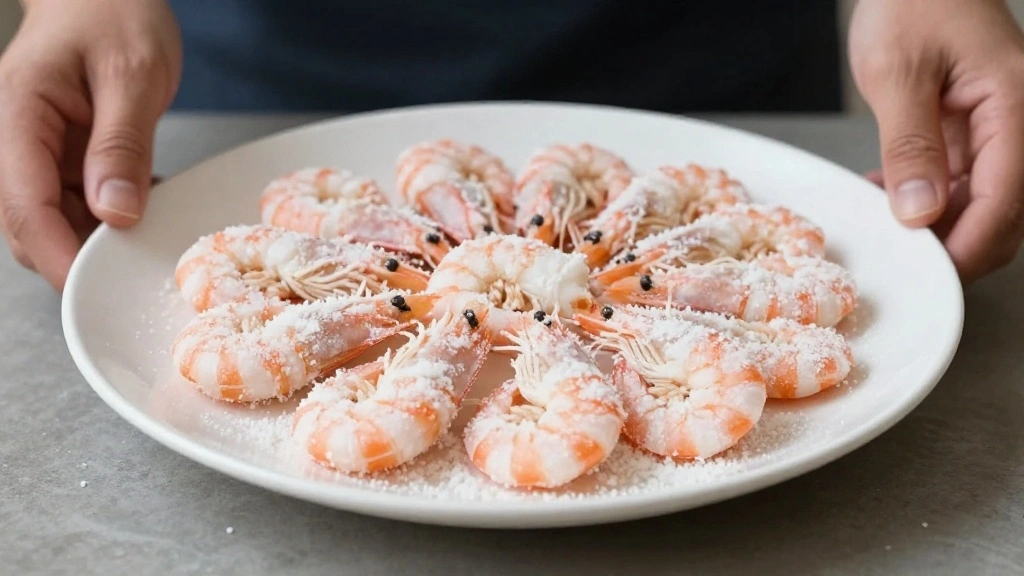
Sprinkle cornstarch over the shrimp, ensuring even coverage.
Toss the shrimp gently with your hands or a spoon to coat completely.
Look for a thin, even layer of cornstarch on each shrimp.
Set aside on a clean plate, ready for frying.
Step 3: Heat the Oil
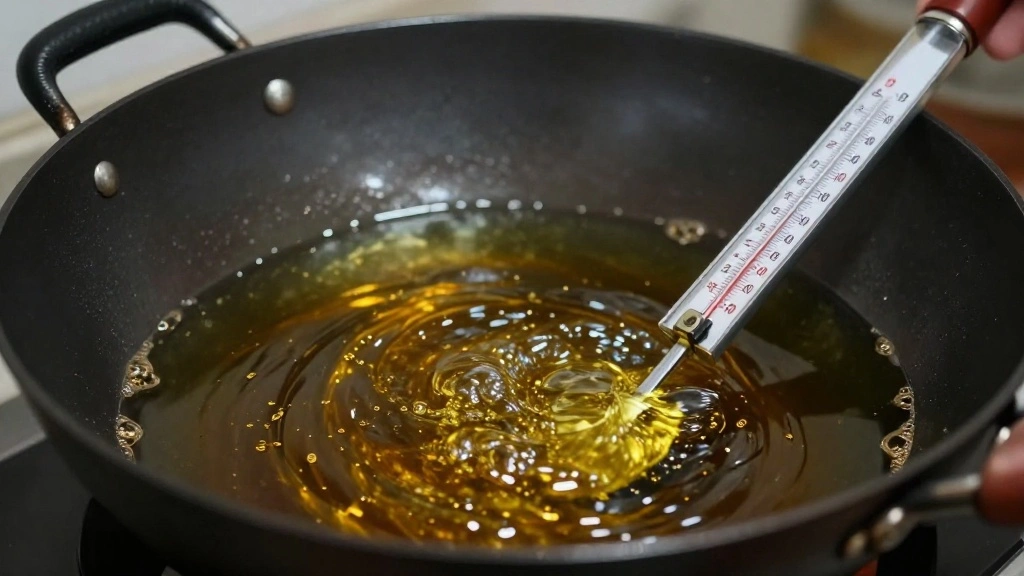
Pour vegetable oil into a wok or large skillet over medium-high heat.
Monitor the temperature with a deep fry thermometer, aiming for 375°F (190°C).
Watch for oil to shimmer, indicating it's ready for frying.
Adjust heat as needed to maintain a steady temperature.
Step 4: Fry the Shrimp
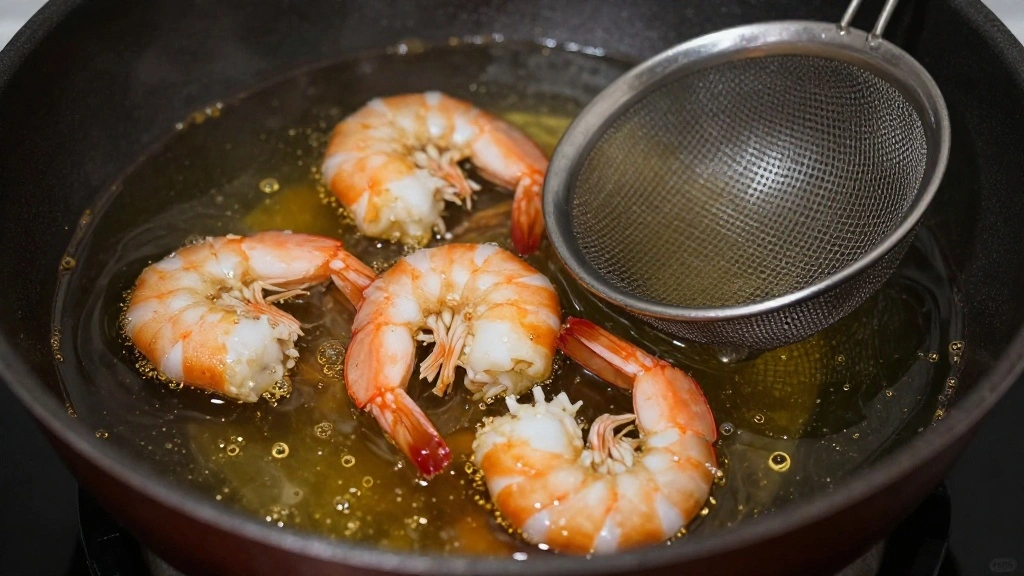
Carefully add shrimp to the hot oil in small batches.
Fry for about 2-3 minutes or until golden and crispy.
Observe the color and texture for doneness.
Use a spider strainer to remove shrimp, allowing excess oil to drain.
Step 5: Season the Shrimp
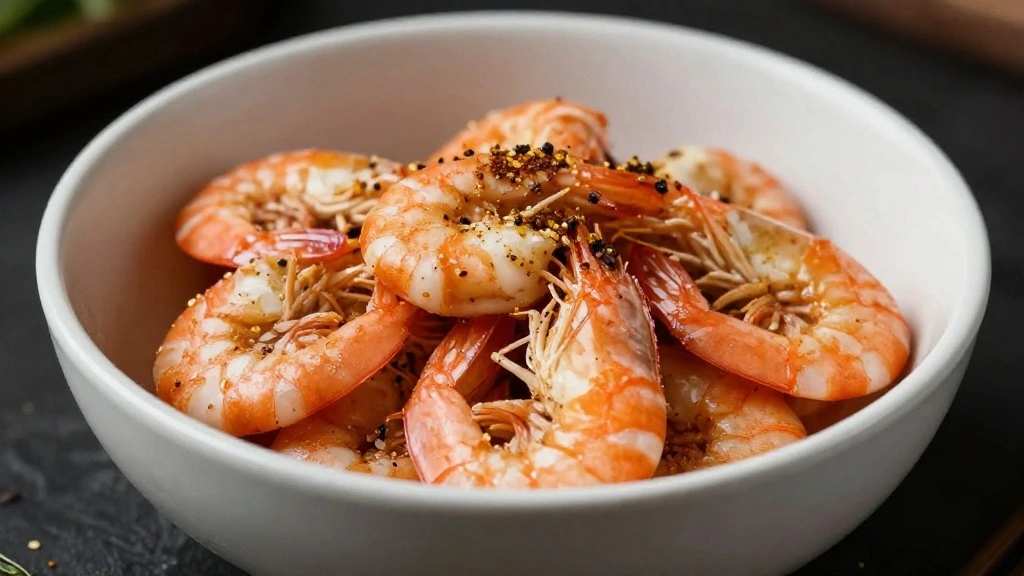
Immediately transfer fried shrimp to a large bowl.
Sprinkle with salt, white pepper, and five-spice powder while hot.
Toss gently to ensure even seasoning distribution.
Taste and adjust seasoning as desired.
Step 6: Prepare the Garnish
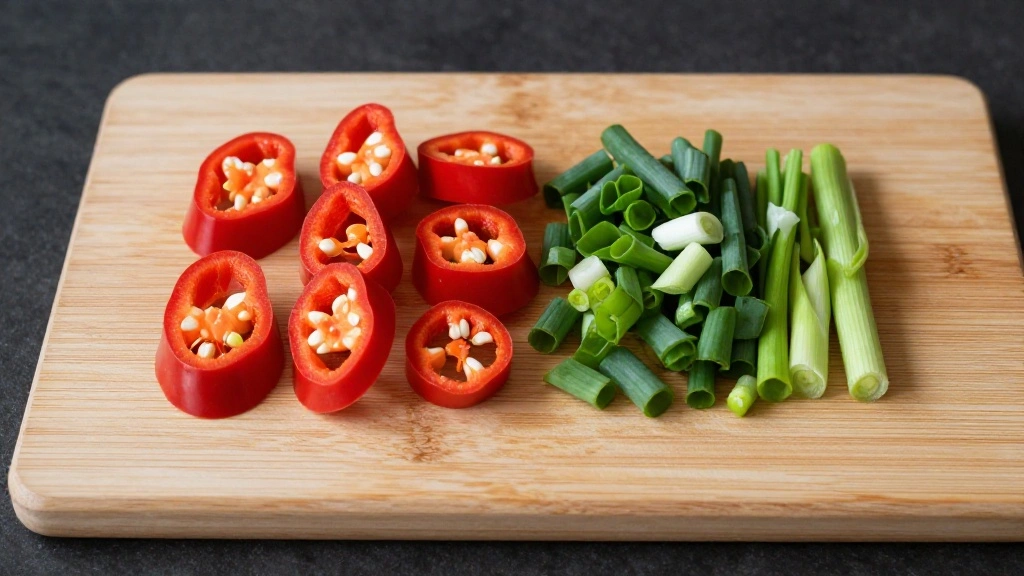
Slice the red chili thinly and chop the green onions.
Arrange them on a plate for easy access.
Ensure even, thin slices for aesthetic appeal.
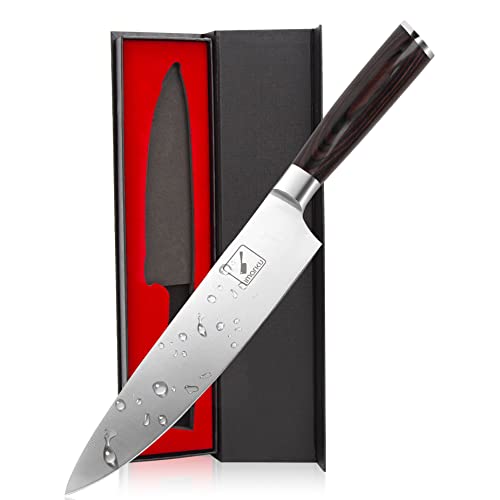
Use a sharp knife for clean cuts.


Step 7: Garnish the Dish
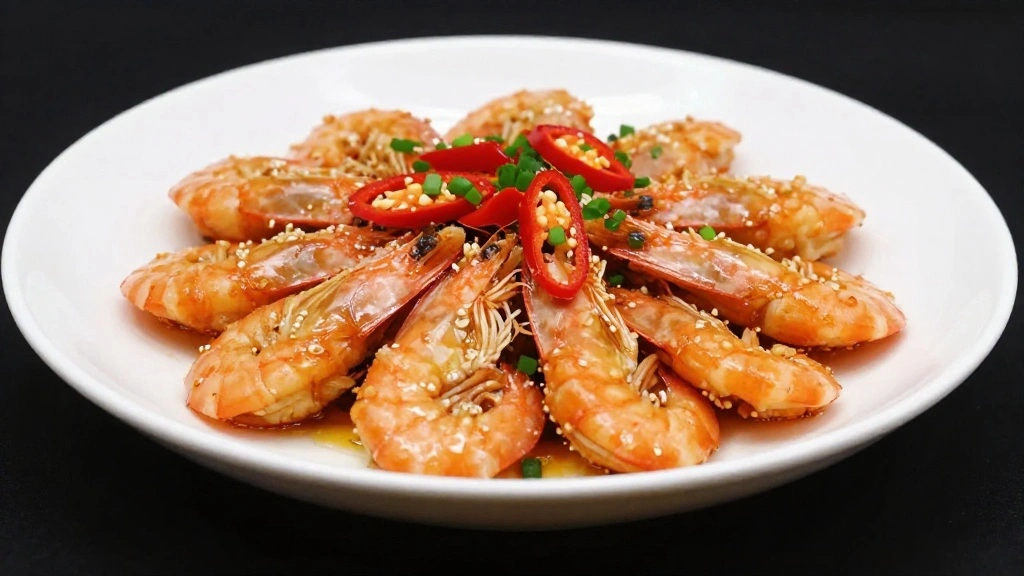
Place the seasoned shrimp on a serving platter.
Scatter sliced chili and green onions over the top.
Ensure even distribution for a balanced appearance.
Serve immediately for best texture.


Step 8: Serve and Enjoy
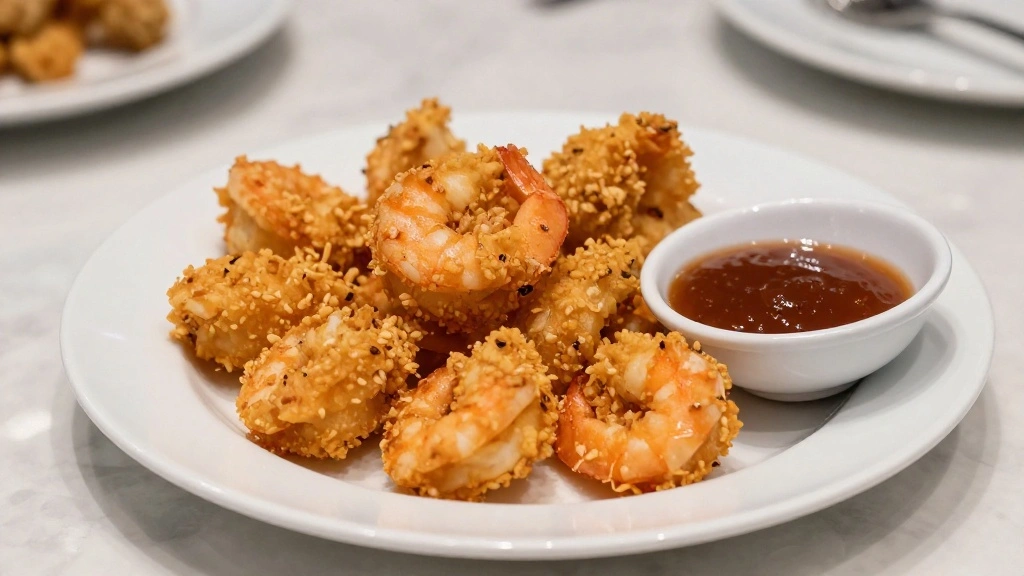
Transfer the shrimp to individual plates or serve family-style.
Pair with your favorite dipping sauce or enjoy as is.
Observe the crispy texture and enticing aroma.
Enjoy the dish while it's hot for optimal taste.


Critical Timing and Temperature Guide
Frying: Maintain oil temperature at 375°F (190°C) for optimal crispiness. Look for golden-brown color as an indicator of doneness. Avoid overcrowding the pan, which lowers the oil temperature.
Coating: Ensure shrimp are dry before coating with cornstarch to prevent clumping. Even coating is crucial for consistent texture.
Seasoning: Season immediately after frying, while shrimp are hot, to enhance flavor absorption. Delay can result in uneven seasoning.
Pro Tips for Crispy Chinese Salt and Pepper Shrimp
• Ingredient Selection: Use fresh, large shrimp for the best texture and flavor, as smaller shrimp may dry out during frying.
• Preparation Secret: Let the coated shrimp rest for a few minutes before frying to ensure the coating adheres properly.
• Temperature Management: Keep oil at a consistent temperature to avoid soggy or greasy shrimp.
• Texture Enhancement: Double-fry the shrimp for an extra-crispy texture that holds up well even after cooling.
• Flavor Layering: Use a combination of white pepper and five-spice powder to build a complex, aromatic flavor profile.
• Make-Ahead Strategies: Prep shrimp and spices in advance, storing them separately in the fridge for up to 12 hours.
• Restaurant-Quality Finishing Touches: Garnish with finely sliced red chili and green onions for a pop of color and fresh flavor.
• Equipment Optimization: Use a wok for frying to achieve the best heat distribution and energy efficiency.
Troubleshooting Common Issues
• Shrimp Not Crispy Enough: Ensure oil is hot enough before frying. If shrimp aren't crispy, the oil temperature may be too low. Check with a thermometer and adjust heat as needed.
• Coating Falls Off: Dry the shrimp thoroughly before coating and ensure even application of cornstarch. Resting the coated shrimp before frying can also help.
• Overly Salty Flavor: Balance the seasoning by adjusting the salt and using fresh spices. Taste as you season to avoid overpowering the shrimp.
• Uneven Cooking: Fry shrimp in small batches to maintain oil temperature and ensure even cooking. Overcrowding can lead to uneven results.
• Oil Retention: Drain shrimp thoroughly on paper towels or a wire rack after frying to reduce oiliness. A spider strainer helps minimize oil retention.
Variations and Regional Differences
• Sichuan Style: This variation adds Sichuan peppercorns for a numbing heat, and sometimes includes garlic and ginger for extra zest.
• Shanghai Style: Incorporates a light batter instead of a cornstarch coating, resulting in a slightly thicker crust.
• Hong Kong Style: Often uses a sweeter sauce component, like honey or sweet chili, to balance the spicy and salty flavors.
• Vietnamese Style: Adds lemongrass and fish sauce for a fragrant and umami-rich twist on the classic recipe.


Food Science Behind the Recipe
• Maillard Reaction: This chemical reaction between amino acids and reducing sugars gives the shrimp its golden-brown color and complex flavors during frying.
• Starch Gelatinization: The cornstarch coating undergoes gelatinization in hot oil, creating the crispy outer layer that defines the dish.
• Heat Transfer: Effective heat transfer in the wok ensures quick cooking, preserving the shrimp's moisture and preventing overcooking.


Frequently Asked Questions
What's the most common mistake people make when preparing Crispy Chinese Salt and Pepper Shrimp? The most common mistake is not drying the shrimp thoroughly before coating, which can prevent the cornstarch from adhering properly.
Can I use frozen shrimp? Yes, but ensure they are fully thawed and patted dry to achieve the best results.
How can I make this dish less spicy? Reduce or omit the red chili garnish and adjust the amount of white pepper to taste.
What oil is best for frying? A neutral oil with a high smoke point, such as vegetable or canola oil, is ideal for frying.
Can I make this dish gluten-free? Yes, simply ensure that all seasonings and cornstarch are certified gluten-free.
Is it necessary to leave the tails on the shrimp? Leaving the tails on can enhance flavor and presentation, but they can be removed if preferred.
How do I store leftovers? Store any leftovers in an airtight container in the refrigerator and reheat them in a hot oven to regain crispiness.
Serving and Presentation Guide
• Traditional Presentation: Serve on a large platter, garnished with sliced chili and green onions, alongside a small bowl of dipping sauce.
• Individual Portions: Plate shrimp on small dishes with a few slices of chili and green onion on top for a refined appearance.
• Family Style: Arrange on a communal plate for sharing, with extra dipping sauces on the side.
• Appetizer Style: Serve with toothpicks for easy picking, ideal for parties or casual gatherings.


Conclusion
Crispy Chinese Salt and Pepper Shrimp is a delightful dish that combines simplicity with bold flavors, perfect for any occasion.
With our step-by-step guide, you can easily recreate this restaurant favorite in your own kitchen.
We hope you enjoy making and savoring this delicious dish as much as we do.