
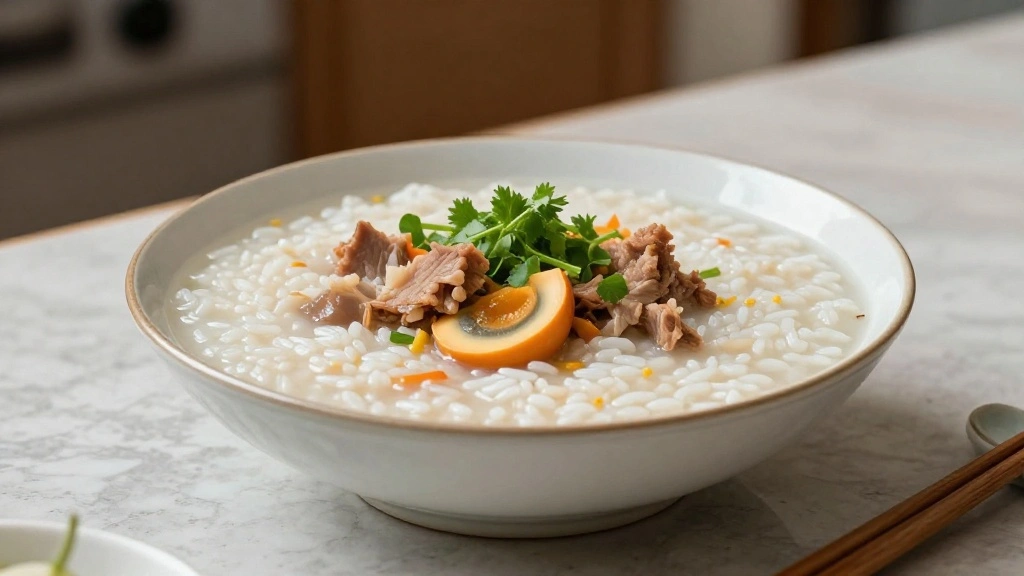


Chinese Pork and Century Egg Congee is a dish that embodies warmth and comfort in every spoonful.
The creamy texture of the rice melds beautifully with the rich flavors of pork and the unique, earthy taste of century egg.
This congee is a staple in many Chinese households, often enjoyed as a nourishing breakfast or a soothing remedy for cold days.
I first encountered this delightful dish during a chilly winter in Beijing, where it was served as a heartwarming start to the day.
It’s a dish that’s both simple to make yet layered with complex flavors, perfect for any occasion.
Whether you’re a congee novice or a seasoned enthusiast, this recipe is sure to become a cherished favorite.
The History and Cultural Significance
• Chinese Pork and Century Egg Congee traces its origins to the Southern regions of China, where it was originally created as a nourishing meal for farmers.
• The dish evolved over decades as rice became more refined and accessible, eventually becoming the beloved version we know today.
• In Chinese culture, this dish traditionally appears at family gatherings and celebrations, symbolizing unity and warmth.
• While many variations exist across different regions, the authentic version maintains a silky texture and subtle umami flavor that sets it apart from imitations.


Recipe Overview
Nutritional Information


Essential Equipment Guide
Heavy-bottomed pot: This pot is essential for evenly cooking the congee, preventing the rice from sticking or burning. Alternatives like a Dutch oven will also work, but ensure it has a thick base.
Wooden spoon: A wooden spoon is ideal for stirring the congee to maintain its creamy consistency without damaging the pot. Silicone spatulas can be a good substitute.
Ladle: A ladle is crucial for serving the congee, ensuring even portions and maintaining the presentation. Look for one with a deep bowl and comfortable handle.


Ingredients
For the Base
|
| Amount | Ingredient | Notes |
|---|---|---|
| 1 cup | jasmine rice | rinsed thoroughly |
| 8 cups | water | for cooking |
Pork
| Amount | Ingredient | Notes |
|---|---|---|
| 200 grams | pork shoulder | thinly sliced, adds richness |
Century Egg
| Amount | Ingredient | Notes |
|---|---|---|
| 2 pieces | century egg | roughly chopped for unique flavor |
Seasonings
| Amount | Ingredient | Notes |
|---|---|---|
| 1 tablespoon | soy sauce | for umami |
| 1 teaspoon | salt | enhances flavor |
| 1 teaspoon | white pepper | adds mild heat |
Garnishes
| Amount | Ingredient | Notes |
|---|---|---|
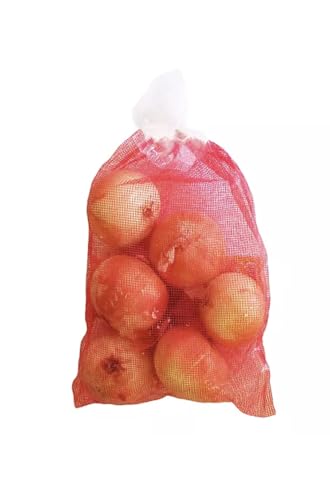
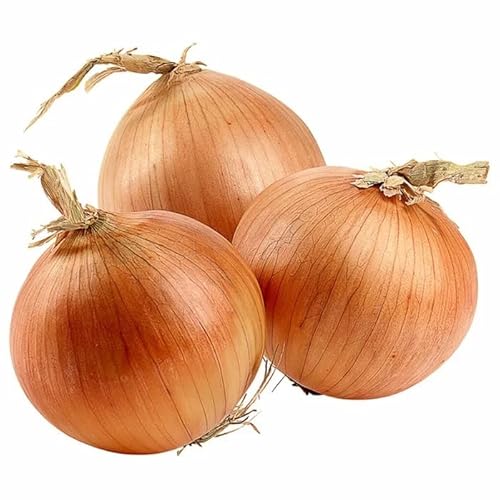
| 2 stalks | green onions | finely chopped for freshness |
| 1 tablespoon | sesame oil | drizzle for aroma |

Preparation Methods
Rinsing Rice: Rinse the rice until the water runs clear to remove excess starch. This prevents the congee from becoming gummy and ensures a smooth texture.
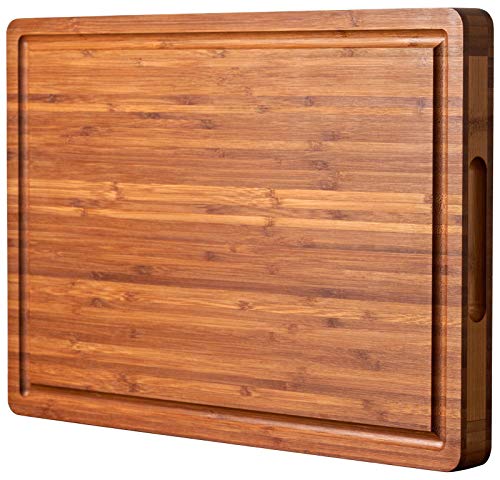
Slicing Pork Thinly: Thinly slice the pork against the grain to ensure it cooks quickly and remains tender. This technique is crucial for achieving the right texture in the congee.
Century Egg Preparation: Carefully peel and chop the century egg. Its unique texture adds complexity to the dish, and proper preparation enhances its flavor.



Step 1: Prepare the Rice
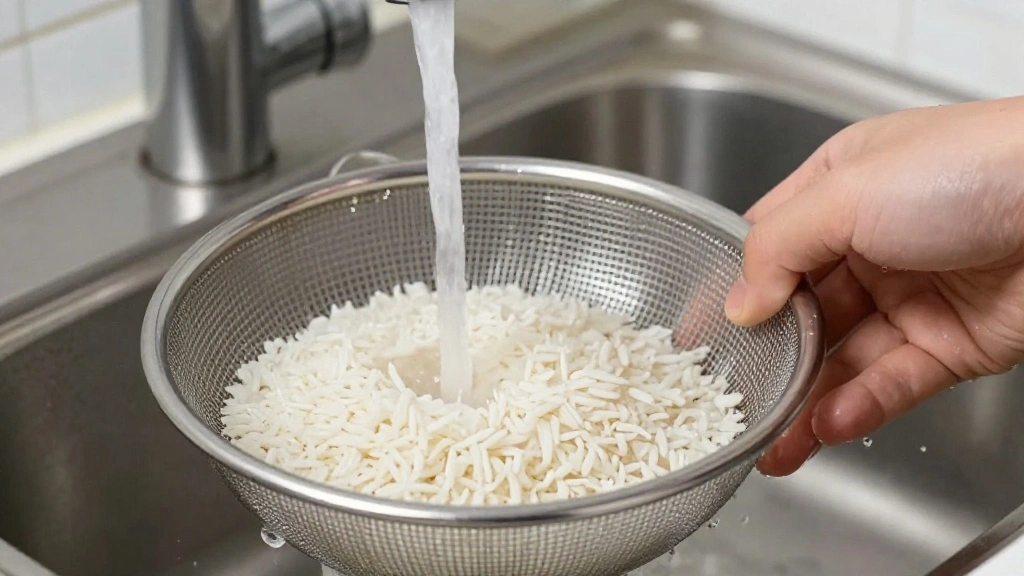
Rinse the jasmine rice under cold water until the water runs clear.
This step removes excess starch from the rice.
Clean rice ensures the congee has a smooth, creamy consistency.
Use a fine-mesh strainer to make the rinsing process easier.

Step 2: Begin the Congee
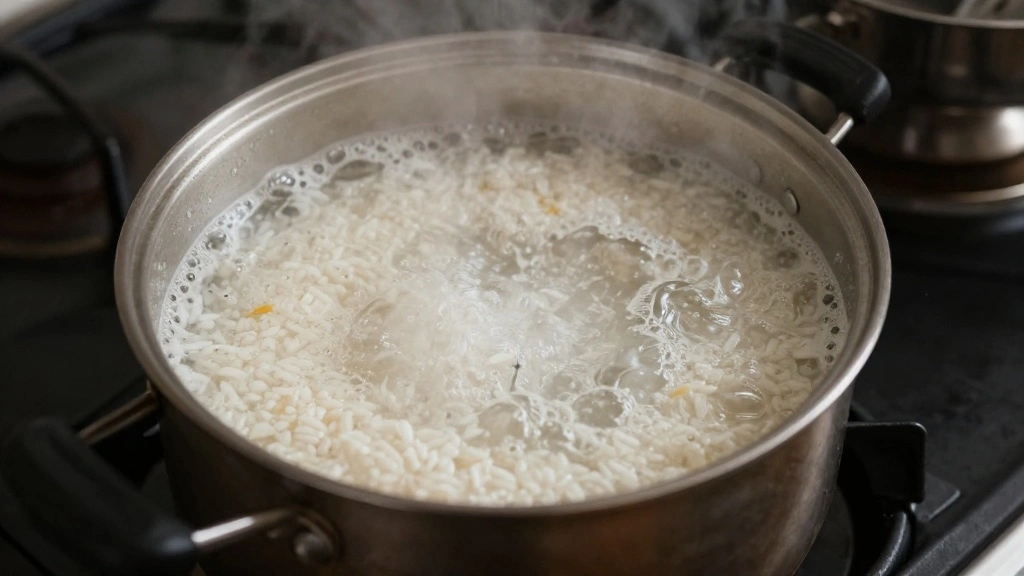
Add the rinsed rice and 8 cups of water to a heavy-bottomed pot.
Set the pot over medium-high heat and bring to a boil.
Once boiling, reduce the heat to low and cover the pot.
Allow the rice to simmer gently, stirring occasionally to prevent sticking.
Step 3: Slice the Pork
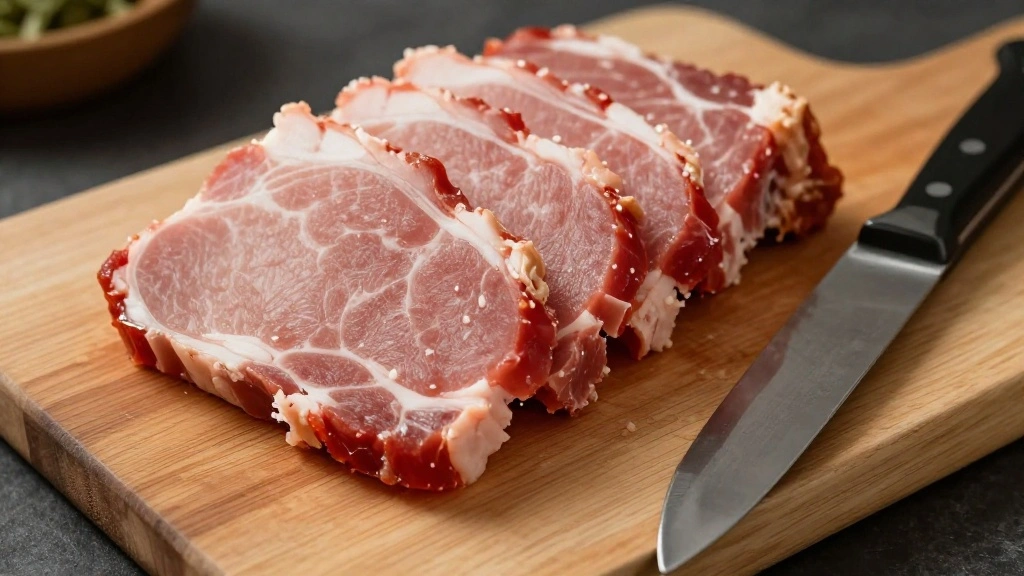
While the rice is cooking, thinly slice the pork shoulder.
Make sure to slice against the grain to ensure tenderness.
Keep the slices uniform for even cooking.
Set aside the sliced pork until needed.
Step 4: Chop the Century Egg

Carefully peel the shell off the century eggs.
Chop the eggs into bite-sized pieces.
The unique texture will add depth to the congee.
Set chopped eggs aside for later.


Step 5: Add Pork to the Congee
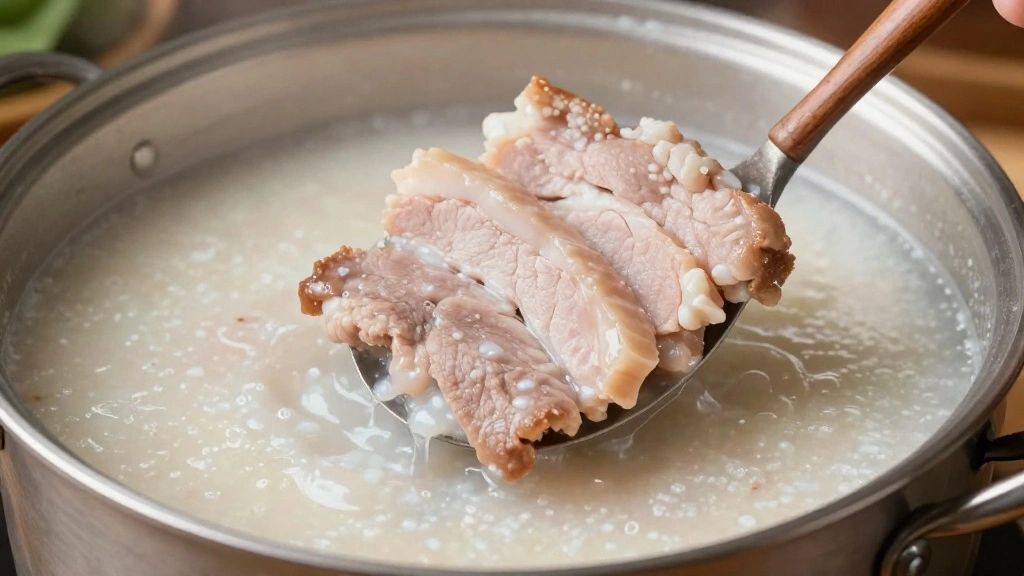
Once the rice has broken down and thickened, add the sliced pork to the pot.
Stir gently to incorporate the pork throughout the congee.
The pork will cook quickly in the hot congee.
Ensure the heat remains low for gentle cooking.
Step 6: Season the Congee
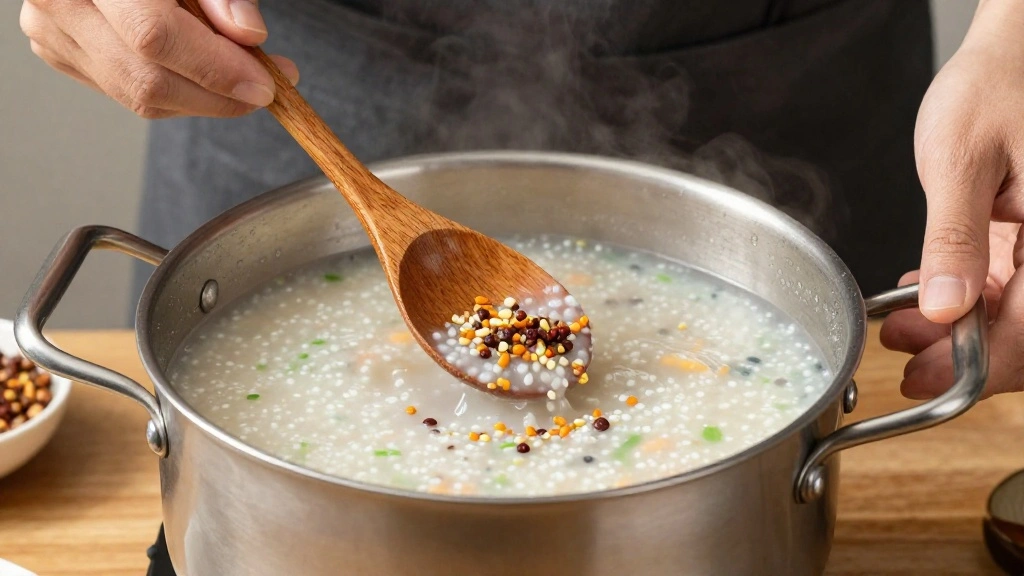
Add soy sauce, salt, and white pepper to the congee.
Stir well to distribute the seasonings evenly.
Taste and adjust seasoning if necessary.
Continue simmering for another 10 minutes.


Step 7: Incorporate Century Eggs
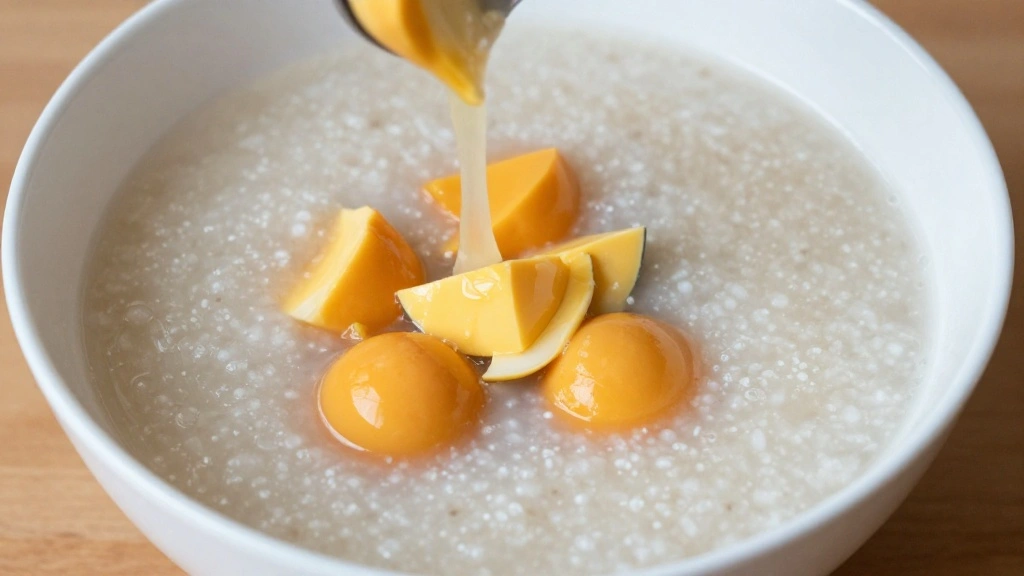
Add the chopped century eggs to the congee.
Stir gently to combine, allowing the eggs to infuse their flavor.
The eggs should be evenly dispersed throughout the congee.
Simmer for an additional 5 minutes to meld flavors.
Step 8: Final Touches
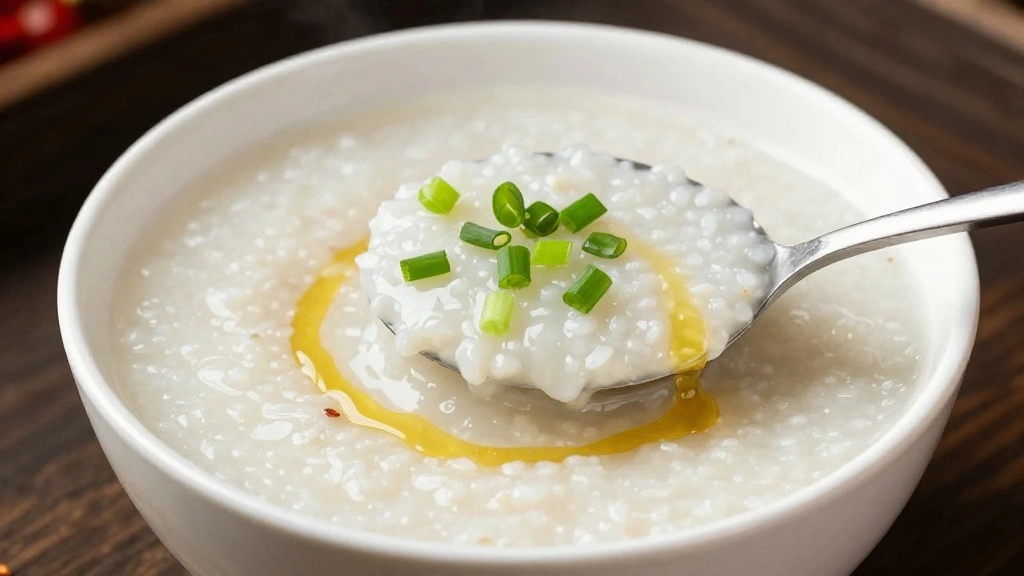
Turn off the heat and drizzle sesame oil over the congee.
Stir in chopped green onions for freshness.
The sesame oil adds a fragrant aroma to the dish.
Serve the congee hot, garnished with additional green onions if desired.
Critical Timing and Temperature Guide
Rice Cooking: Simmer rice for 45-60 minutes until it breaks down and thickens, stirring occasionally to prevent sticking.
Pork Addition: Add pork once the rice is fully broken down. Cook for 5-7 minutes to ensure the pork is tender and not overcooked.
Final Simmer: After adding century eggs, simmer for 5 minutes to meld flavors, ensuring the heat is low to avoid overcooking.
Pro Tips for Chinese Pork and Century Egg Congee
• Ingredient Selection: Choose fresh pork shoulder for the best texture, and select high-quality century eggs for a balanced flavor profile.
• Preparation Secret: Rinsing rice thoroughly is a crucial step that many overlook, but it significantly affects the final texture of the congee.
• Temperature Management: Keep the pot at a low simmer throughout cooking to prevent the congee from burning and to achieve a silky texture.
• Texture Enhancement: Stir regularly to break down the rice grains, which will help achieve the desired creamy consistency.
• Flavor Layering: Adding century eggs towards the end of cooking ensures they retain their unique flavor without overpowering the dish.
• Make-Ahead Strategies: Prepare the base congee in advance and store it refrigerated for up to two days. Reheat and add fresh garnishes when ready to serve.
• Restaurant-Quality Finishing Touches: Drizzle sesame oil just before serving for a fragrant and professional touch.
• Equipment Optimization: Use a thick-bottomed pot to maintain an even cooking temperature and prevent scorching.


Troubleshooting Common Issues
• Congee Too Thick: If the congee becomes too thick, gradually add more hot water or broth to reach the desired consistency.
• Pork Too Tough: Ensure pork is sliced thinly against the grain and not overcooked, as this can make it tough.
• Flavors Unbalanced: Taste and adjust seasonings as needed, adding a touch more soy sauce or salt to enhance flavors.
• Rice Not Breaking Down: Increase cooking time and stir more frequently to encourage the rice to break down properly.
• Congee Sticking to Pot: Stir regularly and reduce heat if the congee begins to stick to the bottom of the pot.
• Century Egg Overpowering: Use less century egg if its flavor is too strong, or balance it with additional garnishes like green onions.
Variations and Regional Differences
• Cantonese Style: This version uses chicken instead of pork and often includes dried scallops for added umami.
• Teochew Style: Known for its lighter texture, this variation often includes peanuts and is less thick than other versions.
• Hong Kong Style: Features a thicker consistency with the addition of fish slices or seafood for a luxurious twist.
• Hokkien Style: Incorporates sweet potatoes or taro, adding a subtle sweetness to the congee.


Food Science Behind the Recipe
• Starch Gelatinization: The breakdown of rice starches during cooking creates the signature creamy texture of congee.
• Maillard Reaction: Occurs when browning the pork, enhancing its flavor profile before adding it to the congee.
• Protein Denaturation: The process that tenderizes pork as it cooks in the hot congee, ensuring a melt-in-the-mouth experience.
Frequently Asked Questions
What's the most common mistake people make when preparing Chinese Pork and Century Egg Congee? Overcooking the pork, which can lead to a tough texture. Slice it thinly and add it towards the end of cooking.
Can I use a different type of rice? Yes, but jasmine rice is preferred for its fragrance and ability to break down into a creamy consistency.
How can I make the congee more flavorful? Adding chicken or pork broth instead of water can enhance the depth of flavor.
What should I do if I don't have century eggs? Substitute with salted duck eggs for a similar texture and flavor contrast.
How can I store leftover congee? Store in an airtight container in the fridge for up to two days. Reheat gently on the stove, adding water if needed.
Is it possible to make this dish vegetarian? Yes, omit the pork and use vegetable broth, adding mushrooms for umami.
How do I prevent the congee from becoming too thick when reheating? Add a splash of water or broth and stir well while reheating to maintain the desired consistency.
Can I freeze congee? It's not recommended as the texture may change, but it can be done if necessary. Thaw and reheat gently.
Serving and Presentation Guide
• Traditional Presentation: Serve hot in deep bowls, topped with green onions and a drizzle of sesame oil.
• Modern Twist: Garnish with crispy shallots or fried garlic for added texture and flavor.
• Family Style: Present in a large communal bowl with a ladle for self-serving, allowing guests to add garnishes.
• Elegant Touch: Use individual small bowls and add a touch of chili oil for a pop of color and heat.


Conclusion
Chinese Pork and Century Egg Congee is a dish that brings together rich history and comforting flavors.
Its simplicity and depth make it a versatile recipe for any occasion.
I encourage you to try making this congee at home, savoring the warmth and satisfaction it brings.
With each spoonful, you'll experience a taste of culinary tradition and comfort.